
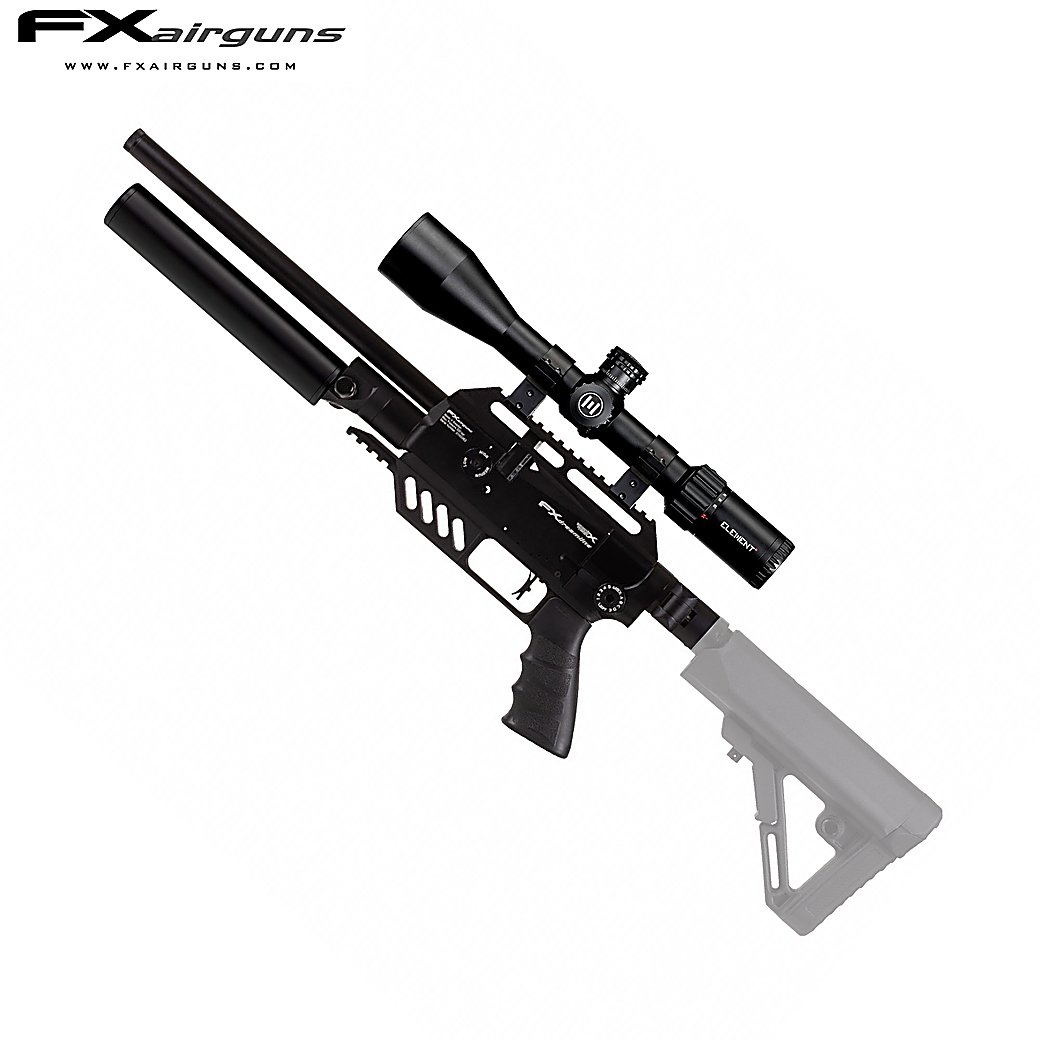
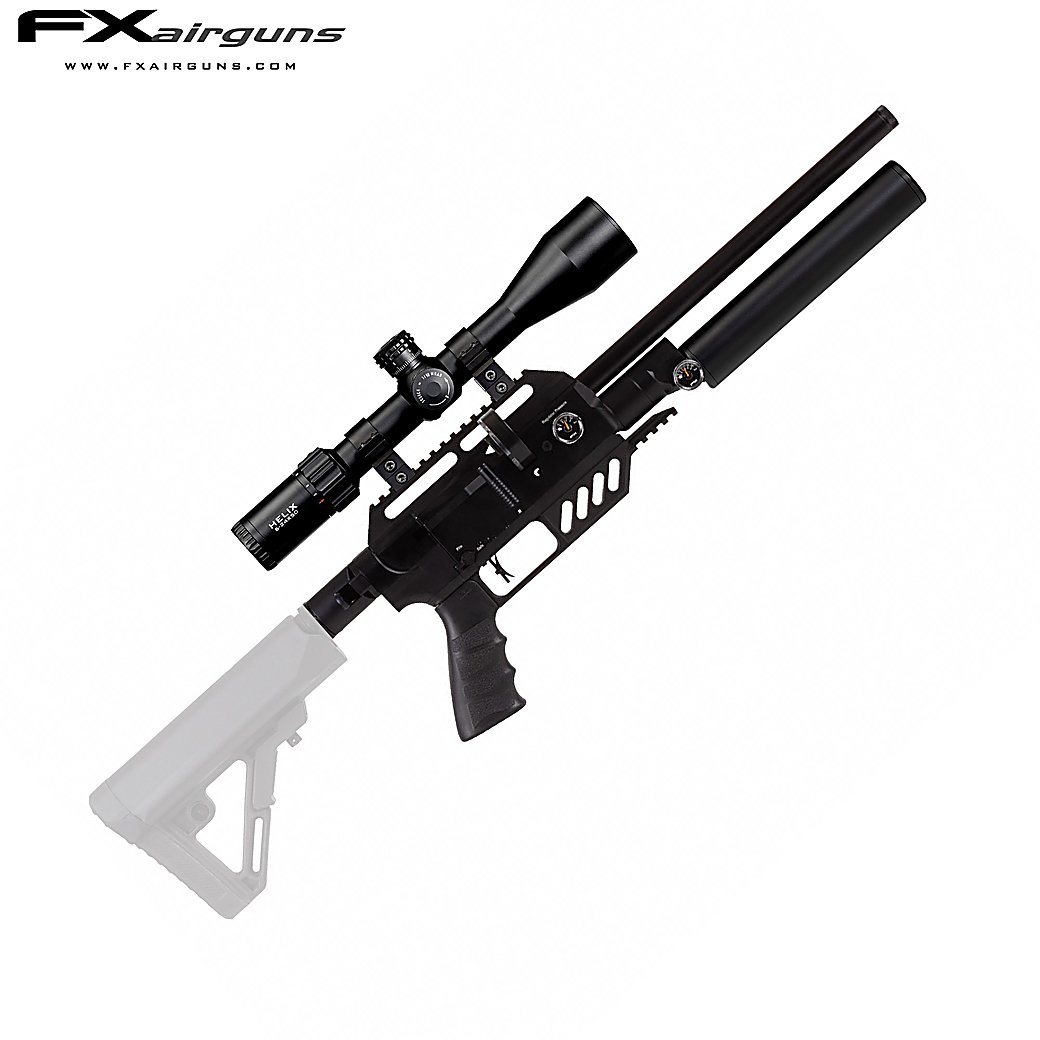

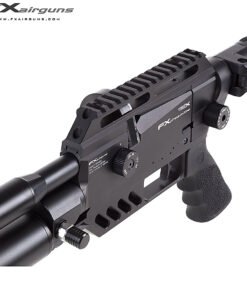
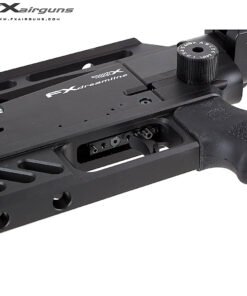
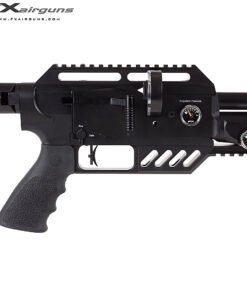
PCP Air Rifle FX Dreamline Tact Compact
$1,000.00
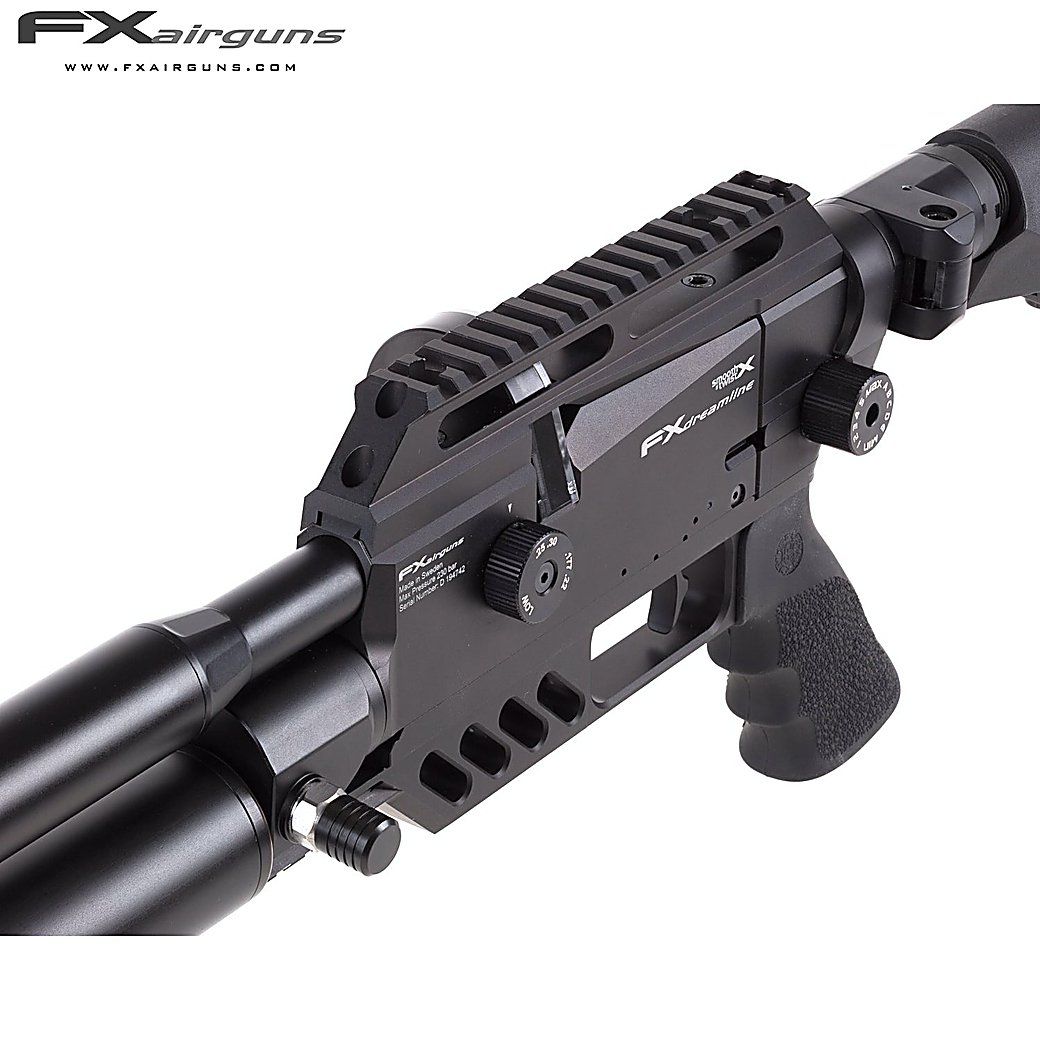
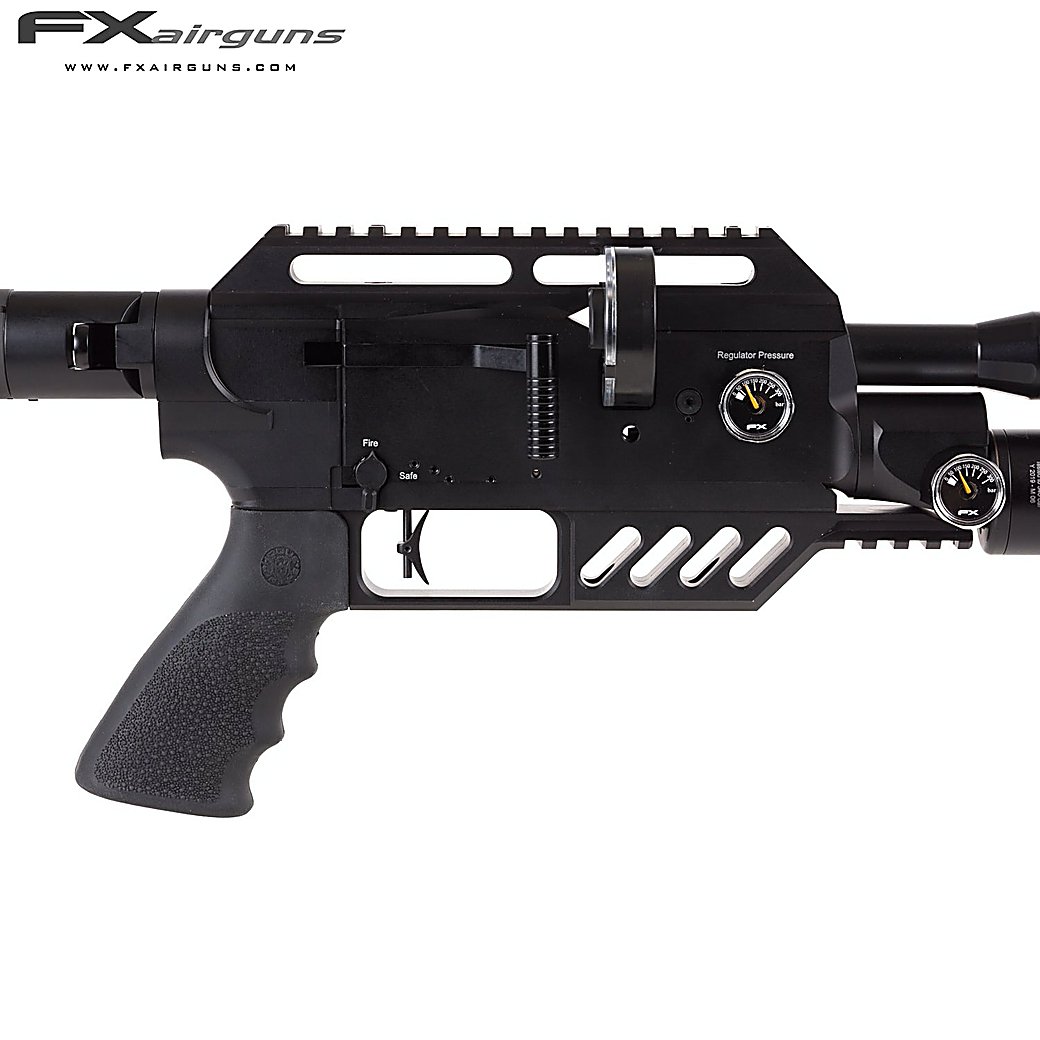
The Dreamline Tacical brings AR options like the mil-spec receiver tube, full picatinny scope rail, and more to the airgunner who would like to add common AR parts and options to their airgun.
Buttstock not included, accessory sold separately, new model with Power Plenum.
THE DREAMLINE Tactical Compact
The Dreamline Tacical brings AR options like the mil-spec receiver tube, full picatinny scope rail, and more to the airgunner who would like to add common AR parts and options to their airgun.
The compact version provides an ultra-packed airgun into a very small package without removing any of the features of the standard Dreamline. Perfect for throwing in a backpack or having ready for that spur of the moment hunting opportunity.
The Dreamline Tactical version comes without rear stock and buffer tube so that the user can personalize the gun according to their own taste.
Buttstock not included, accessory sold separately, new model with Power Plenum.
Dreamline Concept
With the arrival of the FX Dreamline, innovation that was previously only dreamed about, is now a reality. The FX Dreamline is the first fully modular airgun system in the world. The modular design allows the rifle to change to any of the Dreamline configurations. Today’s hunting bullpup can be converted for the weekend field target match. The classic sporter rifle can be switched out to house all your favorite AR furniture and accessories. Whatever you can imagine is possible with the FX Dreamline.
The beauty of the FX Dreamline starts with the revolutionary world class FX Smooth Twist X barrel (STX). This is the same barrel housing and liner system as found on other elite rifles such as the FX Impact, FX Crown and FX Wildcat. The STX barrel allows the Dreamline the unique ability of changing both the caliber of the gun as well as the inner liner of the barrel to allow for different twist rates and other bore specifications. This provides a tailored barrel to meet the vast array of projectiles available today.
The Dreamline also includes the new AMP Regulator (Adjustable Match Precision Regulator). This robust regulator is revolutionary in that it can be adjusted externally either to higher or lower pressures without the need to remove pressure from the gun. The AMP regulator also uses the latest in high performance parts to provide precision accuracy that holds up over time.
The FX Dreamline features the same adjustability as found on other premium FX rifles. All adjustments can be fine tuned including valve flow, hammer tension, and regulator pressure. These adjustments are done quickly and easily allowing the shooter find harmonic balance and maximize the performance and accuracy of the Dreamline.
All FX Dreamline models utilize a large capacity rotary magazine. This is the same magazine used in the FX Crown and is indexed with the smooth cocking side lever. This newly designed side lever takes the ease of cocking a rifle to a whole new level as it is nearly effortless to cock.
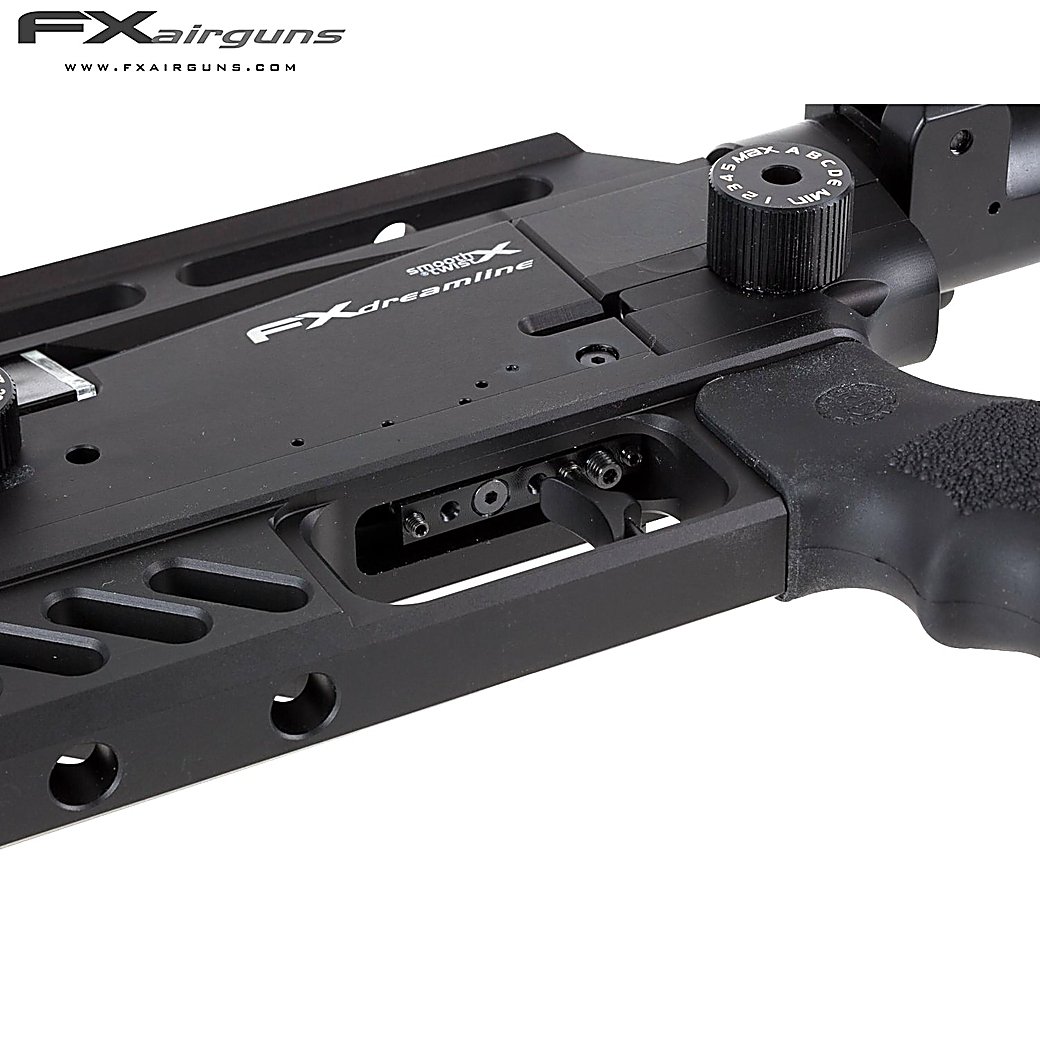
Most Dreamline models offer a standard 220 cc cylinder filled up to 230 BAR, but there are also bottle versions of many of the configurations which will allow for more air and higher shot counts. ½” UNF threads on the barrel allow for the optional addition of a moderator. The FX Dreamline also features the world-famous FX match grade trigger, set at 15 ounces from the factory.
| COCKING SYSTEM | Sidelever |
|---|---|
| MAGAZINE TYPE | Removable high capacity22 shot when Cal .177
18 shot when Cal .22 |
| STOCK | Buttstock not included, accessory sold separately |
| CALIBER | 4,5 (.177)
5,5 (.22) |
| BARREL | FX Smooth twist XMatch grade
Free floating Length 4,5 (.177): 380mm Length 5,5 (.22): 380mm |
| FILL PRESSURE | 230 Bar • 3300 Psi |
| SAFETY | Manual |
| OPTICS | 20 mm Picatinny Rail |
| MUZZLE | ½” UNF |
| PRESSURE GAUGE | One for airtube pressureOne for regulator pressure |
|---|---|
| TRIGGER | Adjustable match trigger |
| VELOCITY | 4,5 (.177): 295 m/s • 940 ft/s5,5 (.22): 280 m/s • 920 ft/s |
| AIR CAPACITY | 4,5 (.177) 220 cc5,5 (.22) 220 cc |
| LENGTH | 4,5 (.177): 860mm (w/ tactical stock)5,5 (.22): 860mm (w/ tactical stock) |
| WEIGHT | 2.36kg (without Scope/Stock) |
| CHARGING | Quick charge system MkII |
| MORE FEATURES | Interchangeable Barrel Liner System (with changeable core barrel liner to obtain various twist rates).AMP Externally adjustable pressure regulator. |
FX Dreamline Tactical Compact – Modular PCP Engineering in a Compact Platform
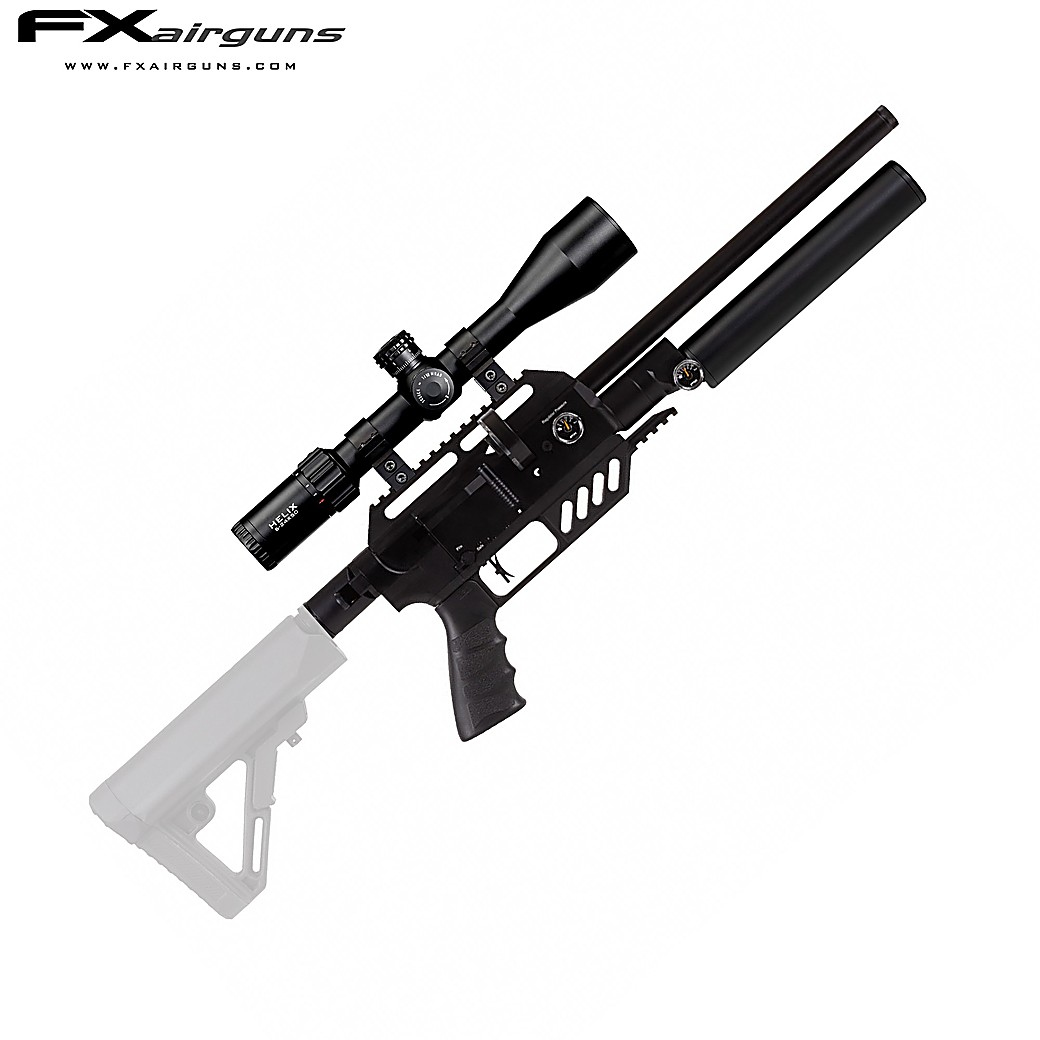
The PCP Air Rifle FX Dreamline Tact Compact represents one of the more adaptable configurations developed around the FX Dreamline platform. Rather than being designed around one fixed layout, the Dreamline concept was created around modularity, allowing compatible components and configurations to be combined according to sporting requirements, local regulations, equipment preferences, and individual ergonomics.
Compact proportions are combined with the recognizable tactical architecture of the Dreamline Tactical series. Consequently, the platform can provide a relatively streamlined handling profile without removing the adjustment systems and engineering features associated with the broader Dreamline family.
At the center of the platform is the FX Smooth Twist X barrel system. An externally adjustable AMP regulator is also incorporated within the Dreamline architecture, while a sidelever cocking system, detachable rotary magazine, adjustable trigger system, Picatinny optics interface, and high-pressure pneumatic powerplant complete the principal mechanical layout. PCP Air Rifle FX Dreamline Tact Compact
Because different regional versions may be supplied with different power settings, barrel arrangements, calibers, accessories, and regulatory restrictions, specifications should always be verified for the exact model being examined.
Key Characteristics of the PCP Air Rifle FX Dreamline Tact Compact
- PCP operating system
- Compact tactical configuration
- FX Smooth Twist X barrel architecture
- Sidelever cocking mechanism
- Removable rotary magazine
- Externally adjustable AMP regulator system
- Adjustable match-style trigger
- Picatinny optics mounting interface
- Manual safety
- High-pressure quick-fill system
- Modular Dreamline architecture
- AR-style furniture compatibility on appropriate Tactical configurations
- Multiple caliber configurations depending on market
- Dual pressure-monitoring arrangement on documented Tactical versions
- Compact dimensions intended to improve portability and handling
- Modular components designed around the wider FX Dreamline ecosystem
What Is the FX Dreamline Tact Compact?
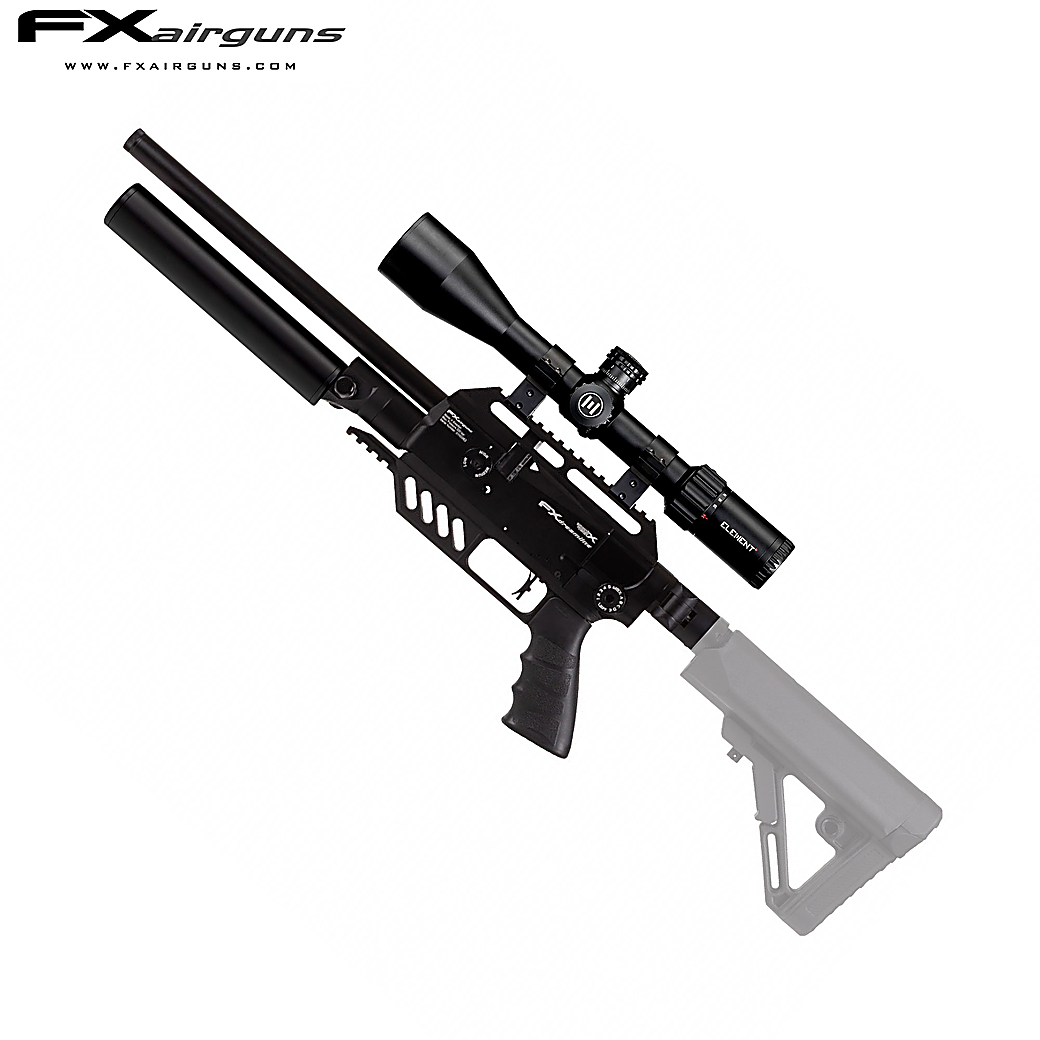
The FX Dreamline Tact Compact is a compact tactical interpretation of the modular Dreamline PCP platform.
Instead of following the lines of a conventional sporting stock, the Tactical format introduces an architecture influenced by modern modular rifle furniture. This configuration allows compatible grips, stocks, optics, and accessories to be positioned around a practical central action.
However, the most significant element of the design is not simply its appearance.
The Dreamline concept was developed around interchangeability.
Therefore, the platform was engineered so that multiple Dreamline configurations could share compatible underlying components. FX has historically offered conversion equipment capable of transforming certain Dreamline configurations between Classic, Lite, Tactical, and Bullpup arrangements.
That modular philosophy gives the Dreamline family its distinctive identity.
For owners using the platform for lawful target shooting, range practice, competition-style disciplines, training, or other permitted sporting applications, modularity can allow equipment to be adapted to different ergonomic requirements without replacing the complete pneumatic action.
Compact Tactical Architecture
Reduced Overall Footprint
Compact equipment can offer practical advantages whenever maneuverability and transportation become priorities.
The Dreamline Tactical Compact was developed around shorter proportions than many traditional full-length PCP configurations. Consequently, storage, transport, bench positioning, and movement around restricted shooting positions may become easier.
However, compactness should not automatically be interpreted as reduced engineering sophistication.
The Dreamline Compact concept retains the principal pneumatic and mechanical architecture associated with the platform.
Therefore, the compact configuration is better understood as an alternative format rather than simply a reduced version of a conventional rifle.
Tactical Furniture Compatibility
A defining characteristic of the Tactical version is its compatibility with selected AR-style furniture.
Depending on the exact configuration, an AR-style grip and compatible stock arrangement can be incorporated around the Dreamline action.
This architecture allows ergonomics to be adapted more easily than would normally be possible with a traditional one-piece wooden sporting stock.
Grip angle, stock geometry, length of pull, cheek position, and accessory layout can consequently be selected around the user’s requirements, provided all components are suitable for the platform.
For users with different body dimensions, this flexibility can be especially useful because equipment does not need to follow a single fixed ergonomic profile.
FX Smooth Twist X Barrel Technology
Understanding the STX System
The Smooth Twist X system represents an important element of the Dreamline platform.
Instead of treating the barrel as a permanently fixed element with only one possible internal specification, the FX architecture was developed around replaceable barrel liners.
That arrangement allows compatible liners to provide different internal characteristics while remaining within the broader STX barrel assembly.
From an engineering perspective, the system increases configurability.
Different projectile dimensions, weights, profiles, and sporting applications can place different demands on barrel characteristics. Therefore, a modular liner architecture provides a mechanism through which the system can be adapted without necessarily replacing every component surrounding the barrel.
Free-Floating Barrel Arrangement
Documented Dreamline Tactical specifications identify the barrel as free floating.
A free-floating architecture reduces direct structural contact between the barrel and surrounding components.
Consequently, external pressure from the supporting furniture can be minimized.
Consistency remains dependent upon many factors, including ammunition quality, regulator behavior, pressure stability, barrel condition, mechanical setup, environmental conditions, and shooter technique.
Nevertheless, reducing unnecessary mechanical interference around the barrel is a well-established principle in precision-oriented sporting equipment.
AMP Regulator System
Consistent Pressure Management
A PCP system stores compressed air at considerably higher pressure than the pressure normally required for each individual shot cycle.
A regulator is therefore used to control the pressure supplied from the primary reservoir to the firing system.
Within the Dreamline architecture, FX incorporates its Adjustable Match Precision regulator, commonly referred to as the AMP regulator.
The purpose of the regulator is to provide a more controlled working-pressure environment as reservoir pressure gradually decreases during use.
Consequently, variations between consecutive shot cycles can be reduced when the system is correctly configured and maintained.
External Regulation Architecture
One of the notable engineering characteristics of the AMP system is its external adjustability.
That feature differentiates it from systems where regulator servicing or adjustment requires extensive disassembly.
Nevertheless, pneumatic adjustment should never be approached casually.
Incorrect settings can negatively affect reliability, efficiency, consistency, component longevity, or compliance with local power restrictions.
Manufacturer instructions and applicable regulations should therefore be followed whenever adjustments are being considered.
PCP Power System
How Pre-Charged Pneumatic Operation Works
The Dreamline operates using pre-compressed air.
Before use, the onboard reservoir is filled from compatible high-pressure charging equipment.
Rather than compressing air immediately before every shot, as occurs with certain spring-piston or single-stroke pneumatic systems, energy is stored within the reservoir.
A controlled quantity of compressed air is subsequently released during the firing cycle.
This operating principle produces several characteristics associated with PCP platforms.
Mechanical recoil can remain relatively low because a large spring and heavy piston are not accelerating through the action.
Additionally, repeated shots can be taken without manually compressing the powerplant after every discharge.
However, an external charging method is required.
Suitable high-pressure equipment, correct connectors, pressure ratings, inspection practices, and manufacturer procedures must therefore be used.
230-Bar Fill Pressure
Historical specifications for the Dreamline Tactical list a maximum fill pressure of approximately 230 bar / 3,300 psi.
High-pressure pneumatic systems must always be treated as pressure vessels rather than ordinary air containers.
Only charging equipment designed for the required working pressure should therefore be connected.
Hoses, seals, adapters, gauges, cylinders, pumps, and fittings should also be inspected periodically.
Components showing damage, corrosion, excessive wear, contamination, or incorrect pressure ratings should not be used.
Air Reservoir Design
Different Dreamline configurations have historically been offered with different reservoir capacities.
Documented Tactical specifications have included approximately 220 cc tube configurations in some calibers, while larger arrangements have also existed depending upon caliber and model specification.
Reservoir size affects several practical characteristics.
A larger volume can potentially provide additional usable shots between fills, although actual shot count depends on regulator pressure, projectile characteristics, power setting, caliber, valve behavior, temperature, reservoir pressure, and other variables.
Therefore, advertised or estimated shot counts should not be interpreted as universal values.
Sidelever Cocking System
Smooth Mechanical Operation
A sidelever is used to operate the Dreamline action.
The lever cycles the firing mechanism and indexes the rotary magazine.
Compared with layouts requiring a rear-mounted bolt to be manually pulled directly backward, a properly positioned sidelever can provide a more natural operating movement.
This becomes particularly useful during supported range shooting because the primary shooting position may be disturbed less between shots.
Magazine Indexing
Movement of the sidelever also interacts with the magazine system.
Consequently, the next projectile is positioned as the firing mechanism is cycled.
As with any repeating sporting airgun, the action should be operated deliberately.
If resistance is unexpectedly encountered, excessive force should not be applied.
Instead, the magazine, projectile seating, action condition, and manufacturer’s operating guidance should be checked.
High-Capacity Rotary Magazine
The Dreamline platform uses a removable rotary magazine system.
Magazine capacity varies according to caliber and magazine generation.
Historical Tactical documentation has listed capacities of approximately:
- .177 – up to 22 shots
- .22 – up to 18 shots
- .25 – up to 16 shots
- .30 – up to 13 shots
Actual magazine specifications should be verified against the exact rifle and magazine supplied because revisions and regional configurations can differ.
Adjustable Match-Style Trigger
Trigger Architecture
A precise trigger interface can significantly influence how consistently a sporting air rifle can be operated.
The Dreamline family incorporates an adjustable match-style trigger system.
A predictable trigger break allows the firing process to be initiated with less unnecessary disturbance to the shooting position.
However, trigger settings should remain within safe manufacturer parameters.
Extremely light or incorrectly configured trigger mechanisms can create unsafe operating conditions.
Therefore, adjustments should only be performed according to the manufacturer’s instructions.
Picatinny Optics Interface
A Picatinny-style mounting interface is incorporated into documented Dreamline Tactical configurations.
This provides a standardized mounting surface for compatible sporting optics.
Optic selection should be based on the intended lawful discipline rather than appearance alone.
Factors commonly considered include:
- Magnification range
- Optical clarity
- Reticle design
- Eye relief
- Parallax adjustment
- Turret configuration
- Mounting height
- Overall weight
- Durability
- Compatibility with the mounting interface
Proper mounting remains important because alignment problems can reduce consistency.
Manual Safety
A manually operated safety mechanism is incorporated into the Dreamline Tactical design.
Mechanical safeties should always be treated as supplementary devices.
They should never replace correct handling procedures.
The muzzle should remain pointed in a safe direction, fingers should remain away from the trigger until an authorized shot is intended, and the condition of the equipment should be confirmed before handling.
Modular Dreamline Platform
One Architecture, Multiple Configurations
Perhaps the most distinctive characteristic of the Dreamline family is modularity.
FX developed the platform so that compatible components could be changed to create substantially different layouts.
Historically, Dreamline variants have included:
- Classic
- Tactical
- Lite
- Bullpup
- Compact arrangements
- Air-tube arrangements
- Bottle configurations
Conversion components have also been produced for movement between selected configurations.
Consequently, the Dreamline should be understood as a platform rather than only a single fixed model.
Ergonomic Flexibility
Human proportions vary considerably.
Arm length, shoulder width, neck length, hand size, preferred shooting posture, and optic positioning can all influence comfort.
A tactical furniture system can provide additional adjustment compared with a conventional fixed stock.
Depending upon the furniture installed, length of pull may be altered, grip characteristics can be changed, and optic position can be coordinated with the user’s preferred head position.
That flexibility can support a more neutral shooting posture for a wider range of users.
Balance and Handling
Compact PCP equipment should ideally provide more than reduced dimensions.
Balance is equally important.
Weight concentrated too heavily toward either end of a platform can make positional shooting uncomfortable.
The Dreamline Tactical Compact places the central action, air reservoir, barrel assembly, furniture, and optic within a relatively condensed footprint.
Consequently, the platform can feel different from a long conventional sporter even when total weight is comparable.
Individual perception will vary according to accessories, optic weight, stock selection, caliber, barrel configuration, and reservoir arrangement.
Why Compact PCP Designs Are Popular
Compact PCP platforms have become increasingly common within modern sporting airgun design.
Several practical factors have contributed to that trend.
First, shorter equipment can be easier to transport.
Second, compact systems can be more convenient around shooting benches or enclosed range positions.
Third, modular furniture can make ergonomic adjustment easier.
Finally, modern PCP architecture allows relatively sophisticated pneumatic systems to be packaged within smaller dimensions.
The Dreamline Tactical Compact combines these principles within the modular Dreamline architecture.
Precision-Oriented Engineering
Mechanical precision involves significantly more than raw velocity.
Consistency is usually produced through interaction between several systems.
These include:
- Barrel quality
- Projectile compatibility
- Regulator consistency
- Valve operation
- Trigger control
- Stable optics
- Correct pressure
- Mechanical maintenance
- Consistent shooting technique
The Dreamline platform provides several of these elements in an adjustable architecture.
However, equipment alone does not guarantee performance.
Correct setup and responsible operation remain equally important.
Caliber Options
Dreamline Tactical documentation has historically listed several caliber options, including:
.177 / 4.5 mm
The smaller .177 caliber is widely associated with target shooting and lower projectile mass.
Regulatory power limits may substantially affect configuration depending upon jurisdiction.
.22 / 5.5 mm
The .22 caliber is another commonly offered PCP configuration.
It provides a larger projectile diameter than .177 and is widely used across various lawful sporting disciplines.
.25 / 6.35 mm
The .25 caliber provides increased projectile diameter and mass compared with .177 and .22.
Air consumption and magazine capacity can therefore differ.
.30 / 7.62 mm
Certain historical Dreamline Tactical specifications have also referenced .30 caliber configurations.
Availability and power limits vary significantly by market.
Local regulations should always be checked before any airgun is possessed, transported, modified, or used.
Responsible Use and Legal Compliance
Airgun laws vary considerably between countries and sometimes between states, provinces, regions, or municipalities.
Differences may apply to:
- Minimum age
- Licensing
- Registration
- Power limits
- Permitted locations
- Transport
- Storage
- Modification
- Suppressor or moderator ownership
- Hunting
- Target shooting
- Private-property use
Therefore, the owner is responsible for understanding the regulations applying to their location.
Specifications describing maximum mechanical capability should never be interpreted as authorization to configure equipment above a local legal limit.
Maintenance Considerations
Reliable PCP operation depends on appropriate maintenance.
The system should be inspected periodically for unusual air loss, damaged seals, loose fasteners, contamination, corrosion, damaged magazines, worn charging components, or other abnormal conditions.
Only lubricants approved for high-pressure pneumatic systems should be used where instructed.
Petroleum-based products should never be introduced into high-pressure pneumatic equipment unless specifically approved by the manufacturer.
Storage
Before storage, the equipment should be cleaned appropriately and secured against unauthorized access.
A dry environment should be selected whenever possible.
Excessive humidity can encourage corrosion.
High temperatures should also be avoided because pressure inside pneumatic systems changes with temperature.
Storage arrangements should comply with all applicable legal requirements.
Cleaning the Barrel
Barrel cleaning should be carried out only when required and according to manufacturer guidance.
Incorrect cleaning equipment can damage a crown, liner, seal, or internal surface.
Aggressive solvents should not automatically be assumed to be suitable.
Because modern airgun barrels normally encounter different residues from firearm barrels, cleaning procedures and products can differ considerably.
Pressure Gauge Monitoring
Documented Tactical configurations use gauges for monitoring pneumatic pressure.
Pressure information helps the user understand reservoir condition and, where applicable, regulator behavior.
A gauge should nevertheless be treated as a measuring instrument rather than a structural component.
If damage or an abnormal reading is observed, the equipment should not simply be repressurized repeatedly in an attempt to correct the problem.
Professional inspection may be required.
Quick-Fill Charging System
The Dreamline uses a high-pressure quick-fill arrangement.
This makes reservoir charging more convenient when compatible equipment is available.
Nevertheless, cleanliness around the charging connection is important.
Dust, grit, moisture, and foreign material should be prevented from entering the pneumatic system.
Charging should also be conducted gradually and with attention to the indicated pressure.
Compact Design for Range Environments
At an organized range, compact dimensions can simplify several routine tasks.
The platform can occupy less bench space.
Transport cases can potentially be shorter.
Movement between firing points may also become easier.
Additionally, adjustable furniture can allow the equipment to be configured around different shooting positions.
These advantages explain why compact PCP configurations have gained considerable popularity among sporting airgun enthusiasts.
Suitable User Experience
The Dreamline Tactical Compact contains adjustable systems that may be most appreciated by users who understand basic PCP operation.
Nevertheless, adjustment is not obligatory.
A correctly configured system can simply be used within its intended settings.
New PCP users should become familiar with:
- Safe charging procedures
- Reservoir pressure limits
- Magazine operation
- Manual safety operation
- Safe storage
- Optic installation
- Routine maintenance
- Applicable local regulations
Understanding these fundamentals is more important than immediately changing performance settings.
Engineering Philosophy
The design philosophy behind the Dreamline can be summarized through three characteristics:
Modularity
Compatible elements can be changed without abandoning the central platform.
Pneumatic Regulation
Controlled air delivery is incorporated through the regulator architecture.
User Configuration
Furniture, barrel components, optics, and other compatible elements can be adapted around different sporting requirements.
Together, these features distinguish the Dreamline from a purely fixed-format PCP design.
Frequently Asked Questions
What does PCP mean?
PCP means pre-charged pneumatic.
Compressed air is stored within the rifle’s reservoir before use and is subsequently metered through the firing system.
Is the FX Dreamline Tactical Compact modular?
Yes. Modularity is one of the principal design characteristics of the FX Dreamline family.
Compatible conversion components have historically been available for transforming selected Dreamline configurations.
What barrel system is used?
The Dreamline platform uses FX Smooth Twist X barrel technology.
The architecture incorporates interchangeable liner concepts on compatible configurations.
Does it use a regulator?
Yes. The Dreamline family uses FX’s AMP regulator architecture.
What type of cocking mechanism is fitted?
A sidelever mechanism is used.
Is a magazine included on every version?
Dreamline configurations generally use detachable rotary magazines, although exact package contents should always be confirmed for the specific configuration.
What pressure is used?
Historical FX documentation for the Dreamline Tactical lists a maximum fill pressure of approximately 230 bar or 3,300 psi.
Exact specifications should always be confirmed using the documentation supplied with the individual rifle.
What calibers have been offered?
Historical Dreamline Tactical documentation lists .177, .22, .25 and .30 configurations.
Availability varies according to region and model version.
Does it accept optics?
Documented Tactical versions use a Picatinny optics interface.
Is the trigger adjustable?
The Dreamline platform incorporates an adjustable match-style trigger.
Any adjustment should remain within manufacturer specifications.
Is the Dreamline Tactical Compact suitable for new PCP users?
It can be operated as a conventional PCP when correctly configured, although its modular and adjustable systems provide additional depth for experienced users.
Anyone unfamiliar with PCP equipment should first learn safe high-pressure charging and handling procedures.
Final Overview
The PCP Air Rifle FX Dreamline Tact Compact combines compact geometry with the modular engineering philosophy of the wider FX Dreamline family.
Its architecture brings together a regulated pre-charged pneumatic system, Smooth Twist X barrel technology, sidelever operation, rotary magazine functionality, adjustable trigger characteristics, tactical furniture compatibility, and standardized optics mounting.
Most importantly, the Dreamline concept is defined by adaptability.
Rather than locking the platform into one permanently fixed sporting configuration, compatible components can allow its ergonomics and architecture to evolve according to different lawful sporting requirements.
For anyone researching modern PCP engineering, the FX Dreamline Tactical Compact therefore provides a useful example of how modularity, pressure regulation, compact packaging, barrel technology, and adjustable ergonomics can be combined within one platform.
All specifications, power levels, configurations, accessories, and legal requirements should be verified for the exact model and jurisdiction before use.
Calibres, FAC Power and Accessories for the FX Dreamline Tact Compact
Available Calibres for the FX Dreamline Tact Compact
The FX Dreamline Tact Compact has been engineered around the modular Dreamline platform and has historically been offered in several popular airgun calibres. Depending on regional availability and specification, configurations have included .177 (4.5 mm), .22 (5.5 mm), .25 (6.35 mm), and .30 (7.62 mm). Because legal requirements and factory configurations vary between markets, the exact calibre and permitted output should always be verified for the individual rifle.
In .177 calibre, a lighter projectile can be used, making this configuration particularly relevant to precision-oriented target shooting and disciplines where a relatively flat trajectory may be preferred. Historical FX specifications list a maximum potential output of approximately 18 ft-lb / 24 joules for certain unrestricted .177 configurations. However, considerably lower factory settings may be supplied in jurisdictions where power is legally restricted.
Moving to .22 calibre, greater projectile mass can be accommodated. FX documentation historically lists approximately 30 ft-lb / 41 joules as the maximum potential energy for certain Dreamline Tactical .22 configurations. The larger bore also changes magazine capacity, air consumption, projectile characteristics, and trajectory compared with the .177 version.
For users examining larger-calibre sporting configurations, .25 calibre has also been offered. Historical manufacturer specifications indicate potential output of approximately 45 ft-lb / 60 joules in unrestricted versions. Greater projectile mass generally requires increased compressed-air consumption, which is one reason larger-calibre configurations may incorporate different barrel lengths or reservoir specifications.
A .30 calibre configuration has also been documented within the Dreamline Tactical family, although exact power specifications have varied by generation and market. Therefore, current manufacturer documentation should be consulted rather than assuming that specifications from one Dreamline version apply universally.
FAC and Full-Power Configurations
The term FAC is commonly encountered in the United Kingdom when discussing higher-powered air rifles.
In Great Britain, air rifles exceeding the applicable non-FAC power limit generally fall within firearm-certificate requirements. Consequently, an unrestricted or higher-output FX Dreamline should never automatically be assumed to be legally usable without the appropriate authorization.
FX currently identifies Dreamline configurations using categories including FullPower and Sub12FPE, demonstrating that the same fundamental platform may be produced for different regulatory environments.
A Sub-12 configuration is intended around markets where a rifle must remain below approximately 12 ft-lb without requiring the same licensing classification as a higher-powered air rifle. By comparison, FullPower versions may be configured for substantially greater output where local regulations permit.
Importantly, the maximum figures published for older Dreamline Tactical models represented mechanical potential rather than guaranteed output for every rifle. FX specifically noted that rifles could be supplied at reduced energy levels according to regional regulations, including substantially lower outputs in restricted markets.
Therefore, calibre alone does not determine whether a rifle is FAC-rated. Actual measured muzzle energy and the applicable jurisdiction are what matter.
Power System and Air Management
The FX Dreamline Tact Compact operates through a pre-charged pneumatic system, meaning compressed air is stored within the onboard reservoir before firing.
A maximum fill pressure of approximately 230 bar / 3,300 psi has been specified for the Dreamline platform. Many standard Dreamline versions use an approximately 220 cc air cylinder, although reservoir dimensions can differ according to calibre and configuration.
Pressure management is supported by the FX AMP externally adjustable regulator. Its purpose is to provide controlled air pressure to the firing system as reservoir pressure gradually decreases.
The regulator contributes to repeatability because the firing valve can be supplied with a more consistent working pressure rather than being exposed directly to continuously changing reservoir pressure.
The Dreamline architecture has also incorporated external power adjustment on appropriate configurations. Nevertheless, adjustments should always remain within manufacturer recommendations and local legal limits.
Barrel and Calibre Configuration
The FX Smooth Twist X Match Grade barrel system forms another important element of Dreamline performance.
Historical Tactical specifications identify 500 mm barrel arrangements for .177 and .22 versions and 600 mm barrels for certain .25 and .30 configurations. Exact Compact specifications should still be verified because barrel arrangements may differ between versions.
The interchangeable liner architecture allows compatible barrel components to be changed without replacing the entire underlying rifle platform. FX continues to describe the Dreamline as a modular system built around its STX barrel concept.
Magazine Capacities by Calibre
Historical Dreamline Tactical magazine capacities have been listed as:
- .177 calibre – approximately 22 shots
- .22 calibre – approximately 18 shots
- .25 calibre – approximately 16 shots
- .30 calibre – approximately 13 shots
Capacity decreases as projectile diameter increases because larger ammunition occupies more space within the rotary magazine.
Compatible FX Dreamline Accessories
The modular construction of the Dreamline makes accessory compatibility an important part of the platform.
Relevant manufacturer-listed Dreamline accessories and components include:
- FX Dreamline magazines
- FX Mega Magazine options
- Replacement magazine lids
- Dreamline barrel support components
- Dreamline conversion kits
- FX service and seal kits
- Compatible barrel and liner components
- Picatinny-compatible sporting optics
- Compatible AR-style stocks and grips for Tactical configurations
- High-pressure charging equipment
- Appropriate rifle cases and storage equipment
FX currently lists accessories including the Mega Magazine, Dreamline barrel support, conversion kits, service kits, and metal magazine lids within its Dreamline ecosystem.
A Picatinny optics interface is provided on documented Tactical models, allowing compatible scopes and other lawful sporting sighting equipment to be mounted. Historical Tactical specifications also identify a ½-inch UNF muzzle thread, although muzzle-device regulations vary considerably by jurisdiction.
Ultimately, the combination of multiple calibre options, regulated PCP operation, FullPower and Sub-12 configurations, interchangeable components, and broad Dreamline accessory compatibility helps explain the versatility of the PCP Air Rifle FX Dreamline Tact Compact. Exact calibre, output, barrel configuration, magazine capacity, and accessory compatibility should always be confirmed against the serial-specific model documentation and the laws governing airgun ownership and use in the relevant jurisdiction.
Frequently Asked Questions About the FX Dreamline Tact Compact
What is the FX Dreamline Tact Compact?
The FX Dreamline Tact Compact is a pre-charged pneumatic air rifle built around FX Airguns’ modular Dreamline platform. The Tactical configuration combines the Dreamline pneumatic action with a compact tactical-style layout, sidelever cocking system, removable magazine, adjustable match trigger, Picatinny optics rail, regulated air system, and FX Smooth Twist X barrel technology. Its modular architecture distinguishes it from many traditional fixed-stock PCP rifles because compatible Dreamline components can be configured around different sporting requirements.
What does PCP mean on the FX Dreamline?
PCP stands for pre-charged pneumatic. Rather than using a spring or gas ram that must be compressed before every shot, compressed air is stored inside the rifle’s air reservoir. During operation, a controlled quantity of this stored air is released through the firing system. Because the primary energy source is compressed air, the firing cycle can remain relatively smooth while mechanical recoil remains considerably lower than with many spring-powered systems.
What calibres are available for the FX Dreamline?
The Dreamline platform has historically been produced in .177 / 4.5 mm, .22 / 5.5 mm, .25 / 6.35 mm, and .30 / 7.62 mm configurations. Availability varies by model, country, power classification, and production configuration. Therefore, the exact calibre offered for a particular Tactical Compact should always be verified against the individual rifle specification rather than assuming every market receives the same options.
Which calibre is best for the FX Dreamline Tact Compact?
There is no single calibre that is ideal for every sporting application. The most appropriate option depends on local regulations and the intended lawful discipline. A .177 configuration generally uses lighter projectiles and is widely associated with precision target shooting. The .22 option uses a larger and heavier projectile, while .25 and .30 configurations accommodate progressively larger projectile diameters. Different calibres also affect magazine capacity, air consumption, trajectory characteristics, and the overall setup of the rifle.
Is the FX Dreamline Tact Compact available in FAC power?
Higher-output versions of the Dreamline have historically been produced alongside lower-powered configurations. FX currently identifies Dreamline variants using classifications including FullPower and Sub12FPE. In jurisdictions such as Great Britain, the legal classification of an air rifle depends heavily on measured muzzle energy and applicable firearms legislation. A rifle exceeding the relevant non-FAC threshold may require the appropriate firearm certificate. Local legislation should always be confirmed before possession, modification, transportation, or use.
What does Sub-12 mean?
Sub-12 generally refers to an air rifle configured below approximately 12 foot-pounds of muzzle energy. This term is especially common in the United Kingdom because air rifles exceeding the applicable legal threshold can fall under firearm-certificate requirements. A Sub-12 configuration is therefore primarily a regulatory power classification rather than a separate type of rifle. Actual muzzle energy should be measured and legal requirements verified according to the jurisdiction where the rifle is being used.
How powerful is the FX Dreamline Tactical?
Historical FX documentation listed maximum potential energies of approximately 18 ft-lb for .177, 30 ft-lb for .22, and 45 ft-lb for .25 versions of the Dreamline Tactical. However, FX specifically noted that actual rifles could be supplied at substantially lower output depending on regional regulations. Consequently, these figures should be treated as historical maximum specifications rather than guaranteed output for every Dreamline Tactical Compact.
What is the maximum fill pressure?
The Dreamline platform is designed around a maximum fill pressure of approximately 230 bar, or 3,300 psi, according to FX specifications. Only charging equipment and fittings designed for the required high-pressure pneumatic system should be used. The indicated maximum pressure should never be exceeded, and the rifle should be charged according to manufacturer guidance.
What type of air cylinder does the Dreamline use?
Many Dreamline versions use an approximately 220 cc air cylinder, although capacity varies according to calibre and specific configuration. Historical Tactical documentation listed 220 cc capacities for certain .177 and .22 rifles and larger 290 cc arrangements for some .25 and .30 versions. Bottle configurations have also existed within the Dreamline family.
What regulator does the FX Dreamline use?
The Dreamline incorporates the FX AMP regulator, meaning Adjustable Match Precision regulator. Its function is to manage the pressure delivered from the main reservoir to the firing system. By regulating this working pressure, more consistent pneumatic operation can be achieved as the pressure within the main air reservoir gradually decreases.
Is the regulator externally adjustable?
Yes. FX describes the Dreamline as incorporating an externally adjustable AMP pressure regulator. However, regulator adjustment should be undertaken carefully and according to manufacturer instructions because incorrect settings can affect reliability, efficiency, consistency, component operation, and legal power compliance.
What barrel system is fitted to the Dreamline?
The Dreamline uses the FX Smooth Twist X Match Grade barrel system, commonly abbreviated as STX. The system is based around a barrel housing and interchangeable liner architecture. FX has used this technology across several of its precision PCP platforms. The liner-based concept enables compatible barrel characteristics to be changed while retaining the surrounding barrel assembly.
Does the FX Dreamline have interchangeable barrel liners?
Yes. Interchangeable barrel liners form an important part of the Dreamline design philosophy. Historical FX documentation describes an interchangeable barrel liner system allowing compatible core liners with different characteristics to be installed. Compatibility should nevertheless be confirmed for the particular calibre, barrel assembly, and Dreamline generation before components are changed.
What type of cocking system does it use?
The rifle uses a sidelever cocking system. The sidelever operates the firing mechanism and indexes the removable rotary magazine. This arrangement enables the rifle to be cycled without the conventional rearward bolt movement found on some older PCP platforms. FX specifically identifies the Dreamline action as using a smooth sidelever system.
How many shots does the magazine hold?
Magazine capacity depends on calibre. Historical Tactical specifications listed approximately 22 rounds in .177, 18 in .22, 16 in .25, and 13 in .30. Larger projectiles occupy more space within the magazine, which explains why capacity decreases as calibre increases. Magazine generations and configurations can change, so capacity should always be verified for the exact magazine supplied.
Does the FX Dreamline Tact Compact have a single-shot option?
Depending on the configuration and compatible accessories, a single-shot loading arrangement may be available for users participating in sporting disciplines where manual loading is preferred. Compatibility can vary between generations, calibres, and breech arrangements, so any single-shot tray or adapter should be specifically matched to the Dreamline platform.
What type of trigger is fitted?
The Dreamline is equipped with an adjustable match-grade trigger. FX currently describes the Dreamline trigger as being factory set at approximately 15 ounces on the standard platform. Adjustment should always remain within safe manufacturer specifications because excessively light or incorrect trigger settings can compromise safe operation.
Does the rifle have a safety?
Yes. Historical FX Tactical specifications identify a manual safety as part of the rifle’s operating system. The safety should be treated as a supplementary mechanical feature rather than a substitute for proper handling. Correct muzzle control and keeping the finger away from the trigger until an authorized shot is intended remain essential.
What scope mounting system is used?
The Tactical platform has been documented with a Picatinny optics rail. This standardized interface can accommodate compatible sporting scopes and other lawful sighting equipment. Scope selection should consider mounting dimensions, eye relief, magnification range, parallax capability, weight, and the intended shooting discipline.
Can the stock be adjusted?
The Tactical configuration was designed around an AR-style furniture architecture. Historical FX documentation describes the rifle as AR15-stock ready and supplied with an AR-style pistol grip on certain versions. This design allows compatible furniture to provide greater ergonomic flexibility than a conventional one-piece fixed stock.
Why is the Dreamline described as modular?
The Dreamline was developed around a platform that allows compatible components and configurations to be changed. FX describes it as a modular airgun system capable of being configured into different Dreamline formats. This architecture has historically supported Classic, Tactical, Lite, Bullpup, Compact, bottle, and other arrangements through compatible conversion components.
Can the FX Dreamline be converted into another configuration?
Certain Dreamline versions can be converted using compatible manufacturer components. FX has produced Dreamline conversion kits and individual components for several platform configurations. Nevertheless, compatibility should be verified using the exact generation, calibre, barrel, reservoir, and action specification before conversion parts are installed.
What accessories are compatible with the Dreamline Tact Compact?
Accessory options depend on the individual configuration, but the broader Dreamline ecosystem has included rotary magazines, magazine lids, barrel support components, conversion kits, service kits, compatible barrel components, optics, AR-style furniture, charging equipment, cases, and other platform-specific components. The Tactical configuration’s Picatinny interface also provides compatibility with appropriately mounted sporting optics.
Does the FX Dreamline have a threaded muzzle?
Historical Dreamline Tactical specifications list a ½-inch UNF muzzle thread. FX’s current Dreamline information also references ½-inch UNF threading. Any muzzle accessory must be compatible with the specific barrel configuration and comply with the laws of the jurisdiction in which the rifle is possessed or used.
How compact is the Tactical Compact version?
Historical Tactical specifications describe an approximate action length of 700–800 mm without the stock, although exact dimensions depend on barrel configuration and version. FX also produced dedicated Compact components using shorter barrel and tube arrangements. Therefore, exact overall length should be checked for the individual configuration rather than relying solely on general Dreamline dimensions.
How much does the FX Dreamline Tactical weigh?
Historical manufacturer specifications identify an approximate weight of 2.1 kg without the stock for the Tactical platform. Final weight depends on the stock, optic, mounting hardware, barrel configuration, air reservoir, calibre, and accessories fitted to the rifle.
How is the FX Dreamline charged?
A high-pressure quick-charge system is used to fill the onboard reservoir. Appropriate PCP charging equipment may include a suitable high-pressure hand pump, diving cylinder system, or compatible compressor designed for airgun charging. Connections must match the rifle’s filling system and remain within the manufacturer’s pressure limitations.
Does the rifle have pressure gauges?
Historical Tactical specifications list two pressure gauges: one for monitoring air-reservoir pressure and another for regulator pressure. Having separate readings allows the condition of the main reservoir and regulated pneumatic system to be monitored more easily.
Is the FX Dreamline suitable for target shooting?
The regulated PCP system, match-style trigger, modular ergonomics, STX barrel architecture, and optics interface make the Dreamline relevant to various lawful sporting and target applications. The most appropriate configuration depends on calibre, power limits, shooting distance, projectile selection, range rules, and local legislation.
What maintenance does the FX Dreamline require?
Routine maintenance generally includes keeping the rifle clean and dry, checking seals and fittings for abnormal air leakage, monitoring charging equipment, protecting the barrel from contamination, and inspecting magazines and fasteners. Only products suitable for high-pressure pneumatic systems should be used where lubrication is specified. Manufacturer service documentation should be followed whenever internal maintenance is required.
Why does exact Dreamline specification matter?
The Dreamline has existed in numerous calibres, power settings, barrel lengths, reservoir arrangements, and regional configurations. Consequently, specifications from one Dreamline should not automatically be applied to another. Calibre, barrel length, power output, magazine capacity, reservoir volume, furniture, and legal classification should always be checked against the individual rifle and current manufacturer documentation.
What makes the FX Dreamline Tact Compact different from a conventional PCP?
Its principal distinction is the combination of compact tactical ergonomics and modular Dreamline engineering. Instead of being permanently built around a traditional sporting stock, the Tactical configuration allows compatible furniture and platform components to be adapted around the underlying PCP action. Combined with regulated air delivery, Smooth Twist X barrel technology, sidelever operation, removable magazines, and an adjustable trigger, this gives the FX Dreamline Tact Compact a flexible technical platform for lawful sporting use.
Practical Use Scenarios for the FX Dreamline Tact Compact
The FX Dreamline Tact Compact has been designed around a combination of compact dimensions, regulated pneumatic performance, modular ergonomics, and adaptable platform architecture. Those characteristics make it particularly relevant to lawful sporting environments where consistency, portability, repeatability, and equipment flexibility are valued.
Rather than being limited to one specific discipline, the platform can be configured around several practical sporting scenarios. However, the exact setup should always remain appropriate for the local legal framework, the rules of the shooting facility, the available calibre, and the permitted power level.
Target Shooting at an Organized Range
One of the most straightforward applications for the FX Dreamline Tact Compact is organized target shooting.
At a regulated shooting range, controlled distances, defined firing positions, and established safety procedures create an environment where the rifle’s mechanical characteristics can be evaluated consistently.
The regulated PCP system is especially relevant here because repeatability is often more important than maximum output.
As reservoir pressure decreases during a shooting session, the regulator helps maintain a controlled working pressure for the firing system. Therefore, shot-to-shot behavior can remain more predictable when the rifle is correctly maintained and configured.
The sidelever action also complements repetitive target practice.
A shooter can operate the action, index the magazine, and return to the shooting position without making the larger movements associated with some older bolt-operated designs.
For bench-supported shooting, that smoother workflow can help preserve body position between shots.
Meanwhile, the adjustable trigger allows the firing interface to be configured within safe manufacturer limits. A consistent trigger break can reduce unnecessary disturbance at the moment of discharge, which is particularly useful when evaluating groups on paper targets.
Benchrest Practice
Benchrest shooting is another setting where the Dreamline Tact Compact can be used effectively.
When the rifle is supported on an appropriate rest, the emphasis shifts toward consistency, repeatable positioning, stable optics, and ammunition compatibility.
The compact action can be convenient on smaller shooting benches because less overall space may be required than with a long conventional sporting rifle.
Additionally, tactical-style furniture can allow stock length and shooting position to be adapted around the user.
This is useful because a benchrest position may require different ergonomics than standing or unsupported shooting.
The Picatinny optics interface also supports flexible scope positioning.
Correct eye relief can be established according to the installed stock, optic dimensions, and preferred body position.
For technical evaluation, benchrest sessions can also be used to observe how different legal projectile types interact with the barrel configuration.
The Smooth Twist X system has been engineered around liner-based barrel technology, so compatibility between projectile characteristics and the installed barrel setup can become an important factor in consistent target performance.
Precision Shooting Practice
The Dreamline platform can also be used for general precision practice.
In this scenario, the objective is not simply to hit a target but to develop consistent technique.
Breathing control, trigger management, body position, sight alignment, and follow-through can all be practiced repeatedly.
A PCP system is useful in this context because the firing cycle generally produces less mechanical movement than a conventional spring-powered air rifle.
The absence of a large reciprocating spring and piston can reduce the amount of movement generated inside the rifle during discharge.
As a result, the shooter can focus more directly on maintaining a stable position and consistent trigger input.
The compact format may also help users who prefer equipment that feels less front-heavy.
Nevertheless, final balance depends on the installed optic, stock, reservoir configuration, barrel length, and accessories.
Indoor Range Use
Where local rules and range specifications permit, the Dreamline Tact Compact can be suitable for indoor target environments.
Compact dimensions can be useful in restricted spaces because the rifle is easier to position, transport, and store than some longer configurations.
Indoor facilities also provide controlled lighting and limited environmental variation.
Consequently, users can concentrate on equipment setup and shooting fundamentals without having to compensate for wind, rain, or rapidly changing temperatures.
Power configuration becomes especially important indoors.
Many facilities impose strict energy limits, ammunition restrictions, target requirements, or calibre rules.
Therefore, the rifle must always comply with the specific range regulations.
A higher-power configuration should never be assumed to be suitable simply because the facility allows air rifles generally.
Outdoor Paper Target Practice
Outdoor paper-target shooting provides a different environment.
Wind, temperature, changing light, and longer distances can affect projectile behavior and sight picture.
For the Dreamline Tact Compact, this can provide a useful setting for evaluating practical consistency under real outdoor conditions.
The regulated pneumatic system remains beneficial because changes in main reservoir pressure can be managed more effectively than with an entirely unregulated system.
However, environmental conditions still influence performance.
For example, wind can move lightweight projectiles laterally, while temperature can affect pressure behavior and user comfort.
Therefore, consistent results should always be evaluated in context rather than being attributed solely to the rifle.
Supported Shooting Positions
The compact tactical layout is particularly useful when shooting from supported positions.
A bench, approved shooting bag, rest, or other range-compliant support can reduce physical movement and help the shooter evaluate equipment more systematically.
The tactical furniture architecture can also make it easier to coordinate stock length with optic placement.
This is especially important when different users share the same platform.
Because arm length, shoulder width, head position, and eye relief vary between individuals, adjustable furniture can provide a more neutral position for a wider range of users.
Inclusive equipment setup is therefore one of the practical strengths of a modular platform.
Rather than assuming one fixed stock geometry will suit everyone, compatible components can help accommodate different body dimensions and shooting preferences.
Training New PCP Users
The Dreamline Tact Compact can also serve as a platform for learning the fundamentals of PCP operation under appropriate supervision.
Before focusing on accuracy or accessory setup, a new user should understand how the pneumatic system works.
This includes recognizing reservoir pressure, using compatible charging equipment, understanding maximum fill pressure, operating the safety correctly, loading and removing the magazine, and storing the rifle securely.
A modular rifle may appear mechanically complicated at first, but it does not need to be constantly adjusted.
For a new user, the most practical approach is usually to begin with a correctly configured setup and leave internal or external performance adjustments unchanged.
Once safe operation is understood, the user can gradually become familiar with the platform’s broader features.
Equipment Familiarization Sessions
Because the Dreamline is modular, it can be useful for equipment familiarization at a shooting club or private sporting facility where legally permitted.
Different optics, stock positions, and ergonomic settings can be assessed without changing the entire underlying platform.
For example, one user may prefer a shorter stock position while another may require greater length of pull.
Likewise, optic height can be adapted around the stock configuration and preferred head position.
These adjustments can make a significant difference to comfort.
Poor ergonomics can cause neck tension, inconsistent cheek position, or difficulty maintaining a repeatable sight picture.
Therefore, practical equipment setup should focus on stability and comfort rather than appearance alone.
Scope Setup and Zero Confirmation
Another common practical scenario involves checking optic installation and confirming alignment at an approved range.
The Picatinny mounting interface provides a standardized base for compatible sporting optics.
After installation, the mounting system should be checked for correct positioning and secure attachment.
Eye relief should also be verified from the intended shooting position.
Different stock settings can change the relationship between the shooter’s eye and the optic, so the two should be treated as part of one ergonomic system.
Once equipment is correctly installed, controlled target shooting can be used to confirm that the optic and rifle are functioning consistently.
Changes should be made methodically and only in a safe range environment.
Magazine-Based Practice Sessions
The removable rotary magazine supports repeated target practice without loading a projectile manually before every shot.
This can be useful during structured range sessions where several shots are fired into the same target group.
The sidelever cycles the action and indexes the magazine for the next shot.
However, smooth operation should never be confused with rapid or careless handling.
The action should be operated deliberately.
If unusual resistance occurs, the shooter should stop and inspect the equipment rather than forcing the lever.
Proper magazine loading and compatible projectile dimensions are important for reliable operation.
Single-Shot Style Precision Practice
Where a compatible single-shot system is used, the rifle can also support a slower and more deliberate form of precision shooting.
Some users prefer loading each projectile individually during technical accuracy evaluation.
This can encourage a more methodical shooting rhythm and makes it easier to inspect individual projectiles before use.
Single-shot operation can also be useful in disciplines where magazine capacity provides no practical advantage.
Compatibility should always be confirmed for the exact Dreamline action and calibre.
Transport Between Sporting Locations
Compact dimensions can provide a practical advantage during transport.
A shorter rifle configuration may fit into a more compact protective case than a traditional full-length sporter.
This can make movement between home, an approved shooting range, a sporting club, and other lawful locations more convenient.
However, transport must always comply with applicable regulations.
The rifle should be unloaded, secured, and protected from unauthorized access.
A protective case should also shield the optic, barrel, stock, and pressure system from impact during transport.
Secure Storage at Home
The Dreamline Tact Compact should be stored as regulated equipment rather than treated as an ordinary household object.
Storage requirements vary considerably by jurisdiction.
Depending on local law, a secure cabinet, lockable case, restricted-access room, or other approved arrangement may be required.
The rifle should remain inaccessible to unauthorized persons and children.
Magazines and projectiles should also be stored responsibly.
Environmental conditions matter as well.
A dry location helps reduce the risk of corrosion, while excessive heat should be avoided because temperature affects compressed-air pressure.
Routine Inspection Before a Range Session
A practical shooting session should begin with a basic visual and functional inspection.
The user should check that the rifle appears mechanically intact, that the charging system is in good condition, and that no unusual air leakage is present.
The optic and mounts should remain secure.
The magazine should rotate correctly, and the sidelever should move normally.
Pressure gauges should also be observed before charging or use.
Any unexpected behavior should be investigated before the rifle is fired.
A small amount of preventive inspection can help identify problems before they affect reliability.
Long Practice Sessions
For longer range sessions, the PCP architecture provides practical convenience because multiple shots can be taken from one reservoir fill.
The actual number of usable shots depends on calibre, power level, regulator setting, reservoir capacity, projectile characteristics, and individual configuration.
Therefore, shot count should not be treated as a fixed universal number.
A user planning a longer session may carry compatible charging equipment where facility rules permit.
Pressure should be monitored throughout the session so that the rifle is not operated outside its intended working range.
Modular Configuration for Different Users
One of the most useful real-world characteristics of the Dreamline Tact Compact is its ability to accommodate different users.
A fixed wooden stock may provide excellent ergonomics for one person while being uncomfortable for another.
Tactical furniture can provide greater flexibility.
Stock position, grip characteristics, optic placement, and accessory arrangement can all influence usability.
This adaptability is especially relevant for households, clubs, or training environments where users may differ in height, arm length, body build, and shooting posture.
Technical Testing and Equipment Evaluation
The Dreamline platform can also be used for controlled technical evaluation.
A user may compare consistency across different permitted projectile types, observe pressure behavior through a shooting session, monitor magazine function, or evaluate changes in ergonomic setup.
Testing should always be structured.
Only one variable should ideally be changed at a time.
For example, if the optic position, projectile type, and stock length are all changed simultaneously, it becomes difficult to determine which change affected the result.
A methodical approach produces more useful information.
Practical Advantages of the Compact Format
Across these scenarios, the compact configuration provides several consistent advantages.
It can be easier to transport.
It occupies less space on a shooting bench.
It can be configured around adjustable tactical furniture.
It can provide a relatively centralized handling profile.
It also retains the regulated PCP architecture and modular characteristics associated with the broader Dreamline platform.
However, compact design should not be interpreted as a substitute for correct equipment setup.
The best practical results are achieved when stock position, optic placement, calibre, power classification, and range environment all work together.
Everyday Sporting Use Summary
In practical lawful sporting use, the FX Dreamline Tact Compact is most relevant where portability, repeatable pneumatic operation, modular ergonomics, and precision-oriented features are desired.
Its strongest applications include organized target shooting, benchrest practice, indoor or outdoor range use, equipment familiarization, technical testing, scope setup, and structured training.
The compact tactical architecture can accommodate different users more easily than many fixed-stock designs, while the regulated PCP system helps provide a predictable operating platform.
Ultimately, successful use depends on correct maintenance, safe charging practices, secure storage, suitable accessories, proper range procedures, and compliance with all local regulations.
When those factors are addressed carefully, the FX Dreamline Tact Compact functions as a flexible sporting platform designed around controlled, repeatable, and adaptable PCP performance.
FX Dreamline Tact Compact PCP Air Rifle – Complete Technical Guide
Understanding the FX Dreamline Tact Compact Platform
The FX Dreamline Tact Compact represents a modern approach to regulated pre-charged pneumatic engineering, combining a compact tactical layout with the adaptable architecture for which the Dreamline family became known. Rather than following the traditional configuration of a fixed sporting air rifle, the platform brings together modular furniture, regulated compressed-air operation, an FX Smooth Twist X barrel system, a sidelever action, interchangeable components, and a standardized optics interface.
Understanding this model also requires understanding what an air gun actually is. An airgun uses compressed gas rather than the combustion of conventional firearm propellant to launch a projectile. Several operating systems exist, including spring-piston designs, gas-ram rifles, CO2 systems, multi-pump pneumatics, and PCP rifles.
Therefore, anyone researching types of air guns will quickly discover that the Dreamline belongs to the pre-charged pneumatic category.
What Is an Airgun?
When people ask what is an airgun, the simplest technical definition is a projectile-launching platform powered by compressed air or another compressed gas.
That broad definition includes considerably different mechanical systems.
A basic spring-piston rifle, for example, stores mechanical energy in a spring before releasing a piston. By comparison, a PCP rifle stores compressed air in an onboard reservoir and releases a measured quantity during each firing cycle.
Similarly, CO2-powered equipment uses carbon dioxide cartridges or larger gas reservoirs.
Consequently, terms such as air powered gun, air gun electric, CO2 pellet rifles, and PCP equipment should not automatically be treated as interchangeable.
The operating principle is what separates the categories.
PCP Rifle Meaning
The PCP rifle meaning is “pre-charged pneumatic rifle.”
A PCP system is charged before use from an appropriate high-pressure air source. Compressed air remains stored within the reservoir until the firing mechanism releases a controlled quantity.
This differs substantially from spring-powered systems.
There is no large piston accelerating through the action during each discharge. As a result, mechanical movement during the firing cycle can be relatively low.
That behavior is one reason PCP technology has become established within precision-oriented sporting airgun design.
Why the FX Dreamline Architecture Is Different
The Dreamline platform was developed around modularity.
Traditional air rifles often combine the receiver, stock, barrel arrangement, and reservoir into one relatively fixed configuration. The Dreamline concept takes a more adaptable approach.
Compatible components can be configured around the central pneumatic action, allowing the platform to exist in several forms.
This explains why the Dreamline family has appeared as conventional sporting rifles, tactical versions, compact arrangements, lightweight configurations, and bullpup layouts.
The Tactical Compact version places particular emphasis on manageable dimensions and configurable ergonomics.
Compact Tactical Configuration
Reduced overall size changes how equipment feels during transport and range handling.
A compact platform can require less storage space while remaining easier to position on restricted shooting benches.
Furthermore, tactical furniture can provide a greater degree of adjustment than some traditional one-piece stocks.
Length of pull, optic position, grip geometry, and general balance can therefore be coordinated around the individual user.
Because body dimensions vary considerably, this flexibility provides an important ergonomic advantage.
A rifle that suits one person’s arm length and shoulder position may not automatically fit another person.
Modular furniture helps address this difference.
FX Smooth Twist X Barrel Technology
One of the best-known technologies associated with modern FX Airguns Sverige engineering is the Smooth Twist X barrel architecture.
The STX system uses a liner-based design rather than treating the rifled internal component as an inseparable part of the complete barrel assembly.
Consequently, compatible liners can be selected according to the specification of the particular platform.
This modularity reflects the wider design philosophy of FX equipment.
Instead of requiring every major component to remain permanently fixed, selected elements can be configured around different sporting requirements.
Why Barrel Design Matters
Barrel characteristics influence projectile stability and mechanical consistency.
However, a high-quality barrel is only one part of the overall system.
Regulator behavior, valve operation, projectile consistency, optic stability, trigger control, atmospheric conditions, and user technique also contribute to results.
Therefore, precision should never be attributed to a single component in isolation.
The complete mechanical system must work consistently.
Understanding Air Rifle Calibres
Airgun calibre describes the approximate internal diameter of the barrel and corresponding projectile diameter.
Common modern sporting calibres include:
- .177 / 4.5 mm
- .22 / 5.5 mm
- .25 / 6.35 mm
- .30 / 7.62 mm
These sizes should not be confused with 4.5 mm BB ammunition automatically.
Although many .177-calibre platforms use projectiles around 4.5 mm in diameter, a conventional diabolo pellet differs substantially from a spherical BB.
Likewise, metal BB pellets, a metal pellet, and a BB metal bullet are not technically identical terms.
Correct projectile compatibility must always be determined from the manufacturer’s specification.
Pellet Versus BB
A traditional airgun pellet usually has a shaped profile with a head and skirt.
A BB is generally spherical.
Because their geometry differs, barrels and feeding systems designed for one type should not automatically be assumed to support the other.
The Dreamline platform is primarily associated with precision airgun projectiles rather than being treated as a conventional BB gun.
This distinction matters because online searches frequently mix terms such as pillet gun, pellet rifle, BB gun, and PCP rifle even though the mechanical designs can be substantially different.
What Is a Break-Barrel Pellet Gun?
When comparing different systems, users frequently ask what is a break barrel pellet gun.
A break-barrel rifle uses the barrel itself as a lever to cock the powerplant.
The user normally pivots the barrel downward, compressing a spring or gas ram. A projectile is then loaded into the breech before the barrel is returned to its firing position.
That mechanical arrangement differs entirely from the Dreamline.
The FX platform uses stored compressed air and a sidelever-operated action rather than requiring the barrel to be moved before each shot.
Gas Ram Versus PCP
A gas ram performs a similar general function to a conventional spring but uses compressed gas within a sealed cylinder to provide the driving force.
Although gas-ram systems can offer practical advantages, they retain a reciprocating powerplant.
PCP technology works differently because the main reservoir stores compressed air separately from the firing valve.
The differences become noticeable in firing behavior, charging requirements, mechanical movement, and overall system complexity.
Understanding FPE
FPE means foot-pounds of energy.
It is a measurement used to express kinetic energy, particularly in countries using imperial units.
Airgun output cannot be determined correctly from velocity alone because projectile mass also affects kinetic energy.
An FPE calculator therefore requires both projectile weight and velocity.
Online searches sometimes reference tools such as a Pyramyd Air calculator, although the underlying physics follows the same relationship regardless of calculator brand.
Why Energy Matters
Energy measurements are particularly important because legal classifications in some jurisdictions are based on muzzle energy.
Two rifles producing similar velocity can generate different energy when different projectile weights are used.
Therefore, velocity figures should never be interpreted without understanding projectile mass.
Likewise, extremely different platforms should not be compared only by calibre.
For example, calculations involving .45 ACP muzzle energy joules concern conventional firearm ammunition and should not be treated as directly equivalent to PCP airgun performance simply because both measurements are expressed in joules.
Regulated PCP Technology
The Dreamline incorporates a regulated pneumatic system.
Inside a PCP rifle, the main reservoir stores air at considerably greater pressure than the firing mechanism typically requires for each individual cycle.
A regulator reduces that stored pressure to a more controlled working pressure.
Therefore, as the main reservoir gradually empties, the firing system can continue receiving comparatively consistent pressure over the regulated operating range.
AMP Regulator Architecture
FX developed its Adjustable Match Precision regulator for platforms including the Dreamline.
This system allows controlled pressure management within the pneumatic architecture.
Although adjustment is possible on appropriate configurations, unnecessary changes should be avoided.
Incorrect regulator settings can affect reliability, efficiency, mechanical balance, and regulatory compliance.
Manufacturer instructions should therefore remain the primary reference.
Airgun Pressure and Charging
Unlike spring rifles, PCP equipment requires an external charging source.
A compatible high-pressure hand pump, charging cylinder, or purpose-built compressor may be used depending on the equipment and manufacturer specification.
The charging system must be designed for the required working pressure.
Improvised fittings or ordinary workshop compressors should never be substituted.
Why Pressure Monitoring Matters
Pressure gauges allow reservoir condition to be observed.
The rifle should remain within its designated working range.
Overfilling a compressed-air reservoir can create serious mechanical hazards, while attempting to continue operating below the intended pressure range can produce inconsistent performance.
Safe PCP ownership therefore requires an understanding of pressure management.
Air Gun Maintenance
Proper air gun maintenance is particularly important with high-pressure pneumatic equipment.
Routine inspection should include the reservoir system, seals, charging interface, optics mounting points, magazine, barrel exterior, stock attachment points, and visible fasteners.
Unusual pressure loss should be investigated.
Likewise, damaged filling equipment should not continue being used.
Choosing Airgun Lubricant
The correct airgun lubricant depends on the component being serviced.
High-pressure pneumatic systems should only be exposed to substances approved for their intended application.
Ordinary petroleum products can be inappropriate for certain high-pressure components.
Therefore, the manufacturer’s servicing guidance should always be followed.
Using excessive lubricant can also create problems because contamination can migrate into valves, seals, magazines, or other components.
Maintenance should consequently focus on correct products and controlled application rather than simply applying more lubricant.
Optics and Mil-Dot Reticles
The Tactical configuration incorporates an optics mounting interface that can accommodate compatible sporting scopes.
One common reticle concept encountered in airgun optics is the mil dot system.
A mil dot scope uses standardized angular references that can assist with structured target shooting and measurement.
However, understanding the reticle is more important than simply selecting equipment that contains dots.
Magnification, focal-plane design, turret adjustment units, parallax range, and optical quality all influence usability.
Parallax Adjustment
Air rifles are frequently used at distances shorter than those associated with many conventional firearm disciplines.
Consequently, scope parallax capability becomes particularly important.
An optic that cannot focus or correct parallax at the intended range may be less suitable even if its maximum magnification appears impressive.
Therefore, scope selection should consider practical shooting distance rather than magnification alone.
Picatinny Mounting Architecture
A tactical platform commonly uses a standardized rail.
The Picatinny system provides repeated mounting slots, allowing compatible optics to be positioned according to required eye relief.
This standardized interface also helps simplify changes between different approved sporting accessories.
Nevertheless, adding too many components can negatively affect balance.
The compact Dreamline is often most practical when accessory selection remains purposeful.
Understanding Muzzle Threads
Airgun specifications often contain measurements such as 1/2 UNF or 1 2 UNF.
The correct notation is typically ½-inch UNF, referring to a Unified Fine thread specification.
This should not automatically be confused with other thread standards.
Whenever a compatible barrel accessory is considered, both thread diameter and pitch must match.
Legal restrictions can also apply to certain muzzle devices depending on jurisdiction.
Therefore, compatibility and legality should both be verified independently.
Comparing PCP Rifles With CO2 Airguns
CO2 systems operate using carbon dioxide rather than compressed atmospheric air.
Models such as a CO2 pistol replica, revolver air gun pellet CO2 design, or CO2 pellet rifle therefore function differently from a PCP platform.
CO2 pressure changes considerably with temperature.
PCP reservoirs, by contrast, usually operate at substantially higher pressure and are filled from dedicated high-pressure equipment.
Neither system should be viewed simply as a different cosmetic version of the other.
The underlying thermodynamics and pressure architecture differ.
Understanding Traditional Air Pistols
People researching what is air pistol are often looking for the difference between pistol and rifle configurations.
An air pistol generally has a shorter barrel and is designed to be operated in a handgun-style format.
Powerplants can include spring pistons, single-stroke pneumatics, multi-pump pneumatics, CO2 systems, and PCP systems.
Models such as the Webley revolver family, Walther CP88 Competition, Smith & Wesson CO2 pistol configurations, and SA-10-style pistols belong to different categories from the Dreamline Tactical Compact.
Consequently, they should not be treated as direct technical equivalents.
Air Arms and Other PCP Manufacturers
FX forms one part of a much broader precision-airgun industry.
Brands such as Air Arms and historically important British manufacturers including BSA Guns England have contributed different engineering approaches to sporting air rifles.
Other modern manufacturers also produce regulated PCP systems.
Therefore, understanding a Dreamline is easier when viewed within the wider development of pneumatic technology rather than as an isolated design.
Why Unrelated Airgun Models Should Not Be Treated as Equivalent
Online search results frequently place unrelated models together.
For example, an FX Impact M3, FX DRS, Crosman Shockwave .22, RM8, Niksan Ozark TW, or Crosman ST-1 may appear around the same search topics.
However, each platform can use different reservoir systems, trigger units, barrels, regulators, furniture, and intended configurations.
Specifications from one rifle should never be transferred automatically to another.
Likewise, searches for FX Leopard .22 PCP specs concern another platform entirely and should be verified independently.
Accessories and Protective Storage
A quality aluminium rifle case can provide physical protection during lawful transport and storage.
However, a hard case does not replace secure-storage requirements.
Applicable legislation may require additional locking arrangements or other precautions.
Optics should also be protected from impact because even minor movement in the mounting system can alter alignment.
Other common sporting accessories can include compatible magazines, charging equipment, maintenance tools, approved cleaning products, protective cases, and manufacturer-specific replacement components.
Airgun Terminology and Search Confusion
Online terminology surrounding pneumatic equipment is often inconsistent.
Terms such as airgu, only air gun, just gun, type of air gun, and air guns meaning may all lead users toward broadly similar information while describing very different systems.
Likewise, the word luftgevær simply reflects air-rifle terminology in another linguistic context.
A more useful approach is to identify the actual operating system first.
Is the equipment PCP, CO2, spring piston, gas ram, multi-pump pneumatic, or another design?
Once that question has been answered, technical comparisons become considerably more meaningful.
Slingshots, Catapults and Air Rifles Are Different Systems
Searches involving catapult vs slingshot, another name for slingshot, synonym for slingshot, or what’s the difference between a slingshot and a catapult concern mechanically different equipment.
A wrist rocket or sporting slingshot stores energy in elastic bands.
An air rifle stores energy through compressed gas or another dedicated powerplant.
Therefore, these devices should not be grouped together merely because they can launch projectiles.
Their mechanisms, regulations, sporting disciplines, and safety requirements differ substantially.
Understanding Legal Classification
Airgun laws differ by jurisdiction.
Rules may depend on muzzle energy, calibre, age, location, intended use, licensing, storage requirements, or transportation arrangements.
The meaning of terms such as full-power or FAC therefore depends on the legal environment.
People researching gun UK regulations, for example, should rely on current official legislation rather than assuming that rules applying to one country also apply elsewhere. PCP Air Rifle FX Dreamline Tact Compact
Similarly, questions such as are slingshots illegal cannot be answered universally because local restrictions differ. PCP Air Rifle FX Dreamline Tact Compact
Safe Sporting Use
The Dreamline Tactical Compact is most appropriately discussed within lawful sporting contexts such as controlled target shooting and organized range use. PCP Air Rifle FX Dreamline Tact Compact
Basic handling principles remain essential.
The muzzle should be controlled at all times.
The trigger should not be touched until an authorized shot is intended.
The equipment should be treated as loaded until its condition has been positively confirmed. PCP Air Rifle FX Dreamline Tact Compact
Appropriate eye protection and range procedures should also be followed. PCP Air Rifle FX Dreamline Tact Compact
Questions involving animals, including searches about rats or pest control, depend heavily on local law, animal-welfare standards, property permissions, and appropriate professional guidance. They should not be treated simply as equipment-selection questions. PCP Air Rifle FX Dreamline Tact Compact
FX Dreamline Tact Compact as a Modern PCP Platform
Ultimately, the FX Dreamline Tact Compact demonstrates how far modern pneumatic technology has progressed from basic spring-powered equipment. PCP Air Rifle FX Dreamline Tact Compact
Its regulated PCP architecture, Smooth Twist X barrel system, modular Tactical layout, sidelever action, removable magazine, standardized optics mounting interface, and adaptable furniture place it within a distinctly modern category. PCP Air Rifle FX Dreamline Tact Compact
However, its most important characteristic is not any isolated specification.
The defining feature is the way several systems work together.
Compressed-air regulation supports consistency.
The modular barrel architecture provides configurability.
Tactical furniture supports ergonomic adjustment.
The compact arrangement improves portability and handling.
Finally, standardized mounting interfaces allow appropriate sporting optics to be positioned according to the user’s requirements. aea challenger
For anyone researching modern airgun engineering, the Dreamline Tact Compact therefore provides a useful example of how pneumatic regulation, modular design, contemporary ergonomics, and precision-oriented barrel technology can be integrated into one sporting platform. aea airgun
The FX Dreamline Tact Compact represents a modern approach to regulated pneumatic engineering, combining a shortened tactical configuration with the adaptable architecture associated with the wider Dreamline family. Rather than being built as a fixed-format sporting rifle, the platform has been developed around modularity, allowing compatible furniture, barrel components, optics, magazines, and other accessories to be configured around a central PCP action.
For anyone researching an air gun, understanding the mechanical system is essential. The term can describe a broad category of equipment that uses compressed air or another gas rather than conventional firearm propellant. However, not every air-powered platform works in the same way. Spring-piston systems, gas-ram rifles, CO2 models, multi-pump pneumatics, and PCP rifles all operate differently.
The Dreamline belongs to the pre-charged pneumatic category. Consequently, compressed air is stored inside the rifle before use and released in a controlled quantity during the firing cycle. This operating principle helps separate it from traditional spring-powered designs and from many CO2 platforms.
Understanding Air Guns Meaning
When people search for air guns meaning, they are usually trying to understand what distinguishes pneumatic equipment from other projectile systems.
An airgun uses compressed gas as the source of propulsion.
That basic description includes several different mechanical designs. Some systems compress air manually before each shot, while others rely on pre-filled reservoirs or replaceable gas cartridges.
The FX Dreamline Tact Compact uses a high-pressure air reservoir and regulated firing system.
Therefore, it should not be confused with a spring rifle, CO2 revolver, slingshot, or conventional firearm.
Different Types of Pellet Guns
There are several types of pellet guns, and the powerplant is one of the easiest ways to distinguish them.
Common categories include:
- Spring-piston air rifles
- Gas-ram rifles
- Pre-charged pneumatic rifles
- CO2-powered platforms
- Single-stroke pneumatic systems
- Multi-pump pneumatic rifles
- Pneumatic target pistols
Each system has different characteristics.
Spring-powered equipment usually requires the powerplant to be cocked before each shot. PCP equipment is charged in advance and stores enough compressed air for multiple firing cycles.
CO2 equipment relies on carbon dioxide rather than compressed atmospheric air.
Therefore, the operating system should always be identified before comparing performance or accessories.
PCP Technology and the Dreamline Platform
The Dreamline has been developed around a regulated pre-charged pneumatic system.
A PCP rifle stores air under high pressure in an onboard reservoir. When the firing cycle is initiated, a controlled quantity of air is released through the valve system.
Because a large spring and piston are not moving rapidly through the action, the firing cycle can remain relatively smooth.
This characteristic is particularly relevant to precision-oriented sporting use.
Regulated Air Delivery
Inside a regulated PCP rifle, reservoir pressure can be considerably higher than the pressure required by the firing valve.
A regulator reduces this pressure to a more consistent working level.
This helps maintain repeatable pneumatic behavior as the primary reservoir gradually empties.
The Dreamline platform incorporates FX regulator technology within its overall design.
As a result, the system is built around controlled air delivery rather than direct unregulated reservoir pressure.
FX Engineering and the Dreamline Family
FX Airguns has developed several PCP platforms over the years.
Models such as the Dreamline, FX DRS, and other FX platforms represent different interpretations of pneumatic engineering.
Although they may share certain design philosophies, specifications should never be transferred directly between models.
The FX DRS, for example, belongs to a different platform family and uses a distinct overall architecture.
Therefore, accessories, reservoirs, furniture, barrel arrangements, and operating characteristics should be verified individually.
Why Model-Specific Information Matters
Online search results frequently group different airgun models together.
This can make it easy to assume that components or specifications are interchangeable when they are not.
The Dreamline Tact Compact should always be evaluated according to its own configuration.
Barrel length, reservoir capacity, stock arrangement, calibre, magazine design, regulator settings, and power classification can vary.
Smooth Twist X Barrel Architecture
One of the most recognizable technical features associated with the Dreamline is the FX Smooth Twist X barrel system.
This architecture uses a liner-based concept.
Instead of treating the internal rifled component as permanently fixed, compatible liners can be used within the broader barrel assembly.
This modularity reflects the general Dreamline design philosophy.
The rifle is not intended to be one permanently fixed configuration.
Instead, selected components can be adapted according to compatible manufacturer specifications.
Why Barrel Consistency Matters
Barrel quality plays an important role in sporting accuracy.
However, consistency is influenced by several systems working together.
These include:
- Barrel condition
- Regulator behavior
- Projectile compatibility
- Trigger control
- Optic stability
- Reservoir pressure
- Valve behavior
- User technique
- Environmental conditions
Therefore, a barrel should never be evaluated in complete isolation.
Metal BB Pellets Versus Airgun Pellets
The phrase metal BB pellets is commonly used online, although BBs and pellets are technically different projectile types.
A BB is generally spherical.
A conventional airgun pellet usually has a shaped head and skirt.
Because the projectile geometry differs, equipment designed for pellets should not automatically be assumed to accept BBs.
The Dreamline platform is associated with precision airgun projectiles rather than traditional steel BB ammunition.
Correct projectile type and calibre should always be confirmed according to manufacturer specifications.
Why Projectile Compatibility Matters
Incorrect projectile selection can affect feeding, consistency, and barrel performance.
Magazine systems are also designed around specific projectile dimensions.
Therefore, calibre alone is not enough.
The shape, diameter, weight, and compatibility of the projectile should also be considered.
Tactical Compact Configuration
The Tact Compact arrangement places the Dreamline action within a tactical-style ergonomic format.
This approach differs from a traditional one-piece sporting stock.
Compatible tactical furniture can allow changes in stock geometry, grip characteristics, optic position, and overall user fit.
This adaptability can be particularly useful because users have different arm lengths, shoulder widths, head positions, and shooting preferences.
Compact Handling
Shorter overall dimensions can make the platform easier to transport and position within organized shooting environments.
A compact rifle can occupy less bench space and may be easier to move within restricted shooting positions.
However, total handling characteristics still depend on the optic, stock, barrel arrangement, reservoir, and accessories fitted.
Air Gun Electric Terminology
The phrase air gun electric can describe several different products and should not automatically be applied to a PCP platform.
Some electrically assisted airguns use electronic firing systems or electronically controlled valves.
Others may use electric compressors for charging.
The Dreamline is fundamentally a pneumatic platform.
Therefore, the presence of external electric charging equipment does not make the rifle itself an electrically powered airgun.
Webley Revolver and Traditional CO2 Designs
The Webley revolver and models such as the Webley MKVI represent a very different category from the Dreamline.
Replica-style CO2 revolvers often use carbon dioxide cartridges and handgun-format mechanisms.
By comparison, the Dreamline Tact Compact uses a PCP reservoir and rifle-format architecture.
These systems should not be treated as equivalent simply because both fall under the broad category of air-powered equipment.
Webley Guns and Historical Airgun Design
Webley guns have played an important role in the history of British sporting airguns.
Traditional Webley models used a variety of spring-powered and later CO2-based systems.
Modern regulated PCP platforms such as the Dreamline represent a different generation of engineering.
Understanding this development helps explain how airgun design has evolved from relatively simple mechanical powerplants toward modular high-pressure pneumatic systems.
Slingshots, Wrist Rockets and Airguns
A wrist rocket is mechanically different from an air rifle.
It normally uses elastic bands to store and release energy.
Likewise, searches involving catapult vs slingshot concern devices that rely on elastic tension rather than compressed gas.
Therefore, these products should not be grouped together technically.
An air rifle stores energy in a pneumatic or mechanical powerplant.
A slingshot or catapult uses stretched elastic material.
Their mechanisms, accessories, operating procedures, and legal classifications may all differ.
Dart Pellet Gun Terminology
A dart pellet gun is generally associated with specialized low-powered airgun systems that may be capable of launching lightweight darts or similar projectiles.
This should not be confused with a modern PCP precision rifle.
Projectiles should never be used simply because they physically fit.
The barrel, magazine, and internal geometry are designed around specific projectile types.
Therefore, only manufacturer-compatible ammunition should be used.
Airgun Use and Responsible Handling
Search phrases involving shooting a rat or similar pest-control questions often appear alongside airgun content.
However, such activities are regulated differently depending on jurisdiction.
Local wildlife rules, animal-welfare requirements, property permissions, power restrictions, and licensing requirements can all apply.
Equipment selection should therefore not be treated as a substitute for legal or professional guidance.
For general sporting use, controlled target shooting at an approved range provides a more standardized environment.
Why the Dreamline Is More Than “Just Gun” Terminology
Search engines often receive very broad phrases such as just gun or only air gun, but these phrases provide little technical information.
The important distinctions involve powerplant, calibre, regulation, reservoir system, barrel architecture, trigger design, and configuration.
The Dreamline Tact Compact should therefore be understood as a regulated PCP sporting platform rather than simply being categorized under a generic term.
Technical Summary
The FX Dreamline Tact Compact combines several modern pneumatic technologies within one modular platform.
Its defining characteristics include:
- Pre-charged pneumatic operation
- Regulated compressed-air delivery
- FX Smooth Twist X barrel architecture
- Tactical compact furniture
- Sidelever action
- Removable rotary magazine
- Picatinny optics mounting
- Adjustable ergonomic configuration
- High-pressure reservoir system
- Modular Dreamline design philosophy
These characteristics place it firmly within the modern precision-oriented PCP category.
Rather than being compared directly with BB guns, CO2 revolvers, spring rifles, wrist rockets, or traditional catapults, the Dreamline is best understood through its own pneumatic architecture and modular engineering.
| CALIBER | 4.50mm (.177), 5.50mm (.22) |
|---|
Be the first to review “PCP Air Rifle FX Dreamline Tact Compact”
Related products

PCP Air Rifles
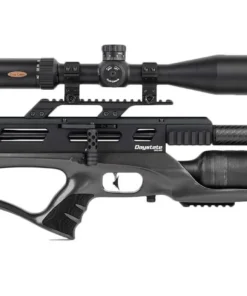
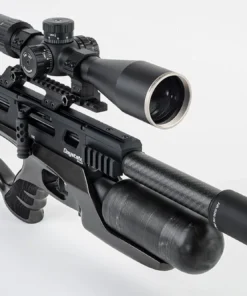
PCP Air Rifles

PCP Air Rifles
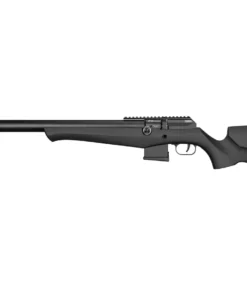
PCP Air Rifles
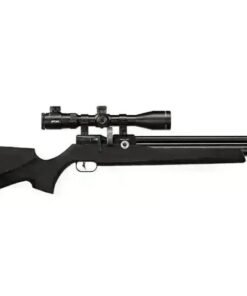
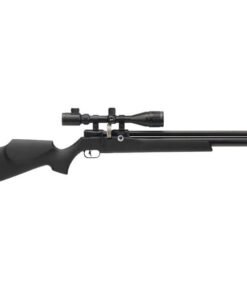
Air Rifles
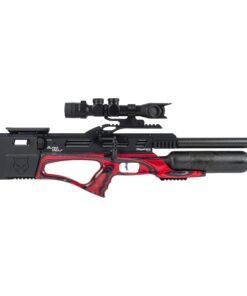
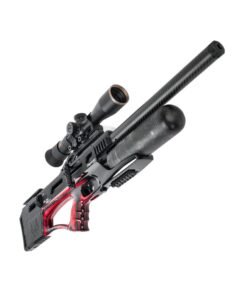
Air Rifles
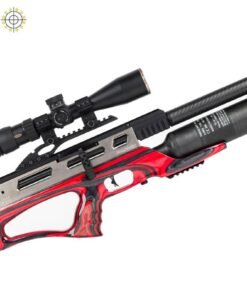
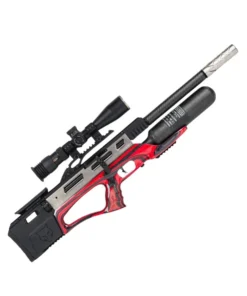
Air Rifles
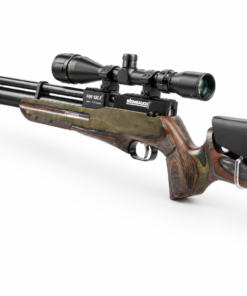
PCP Air Rifles
Reviews
There are no reviews yet.