
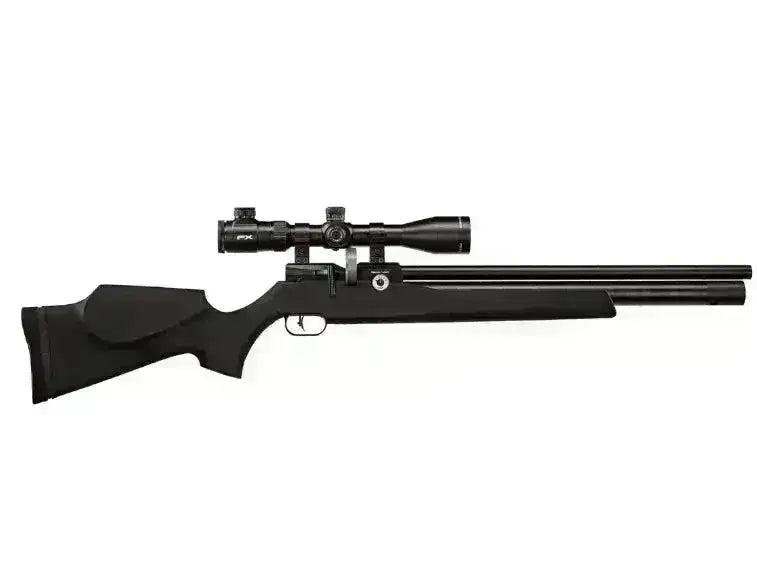
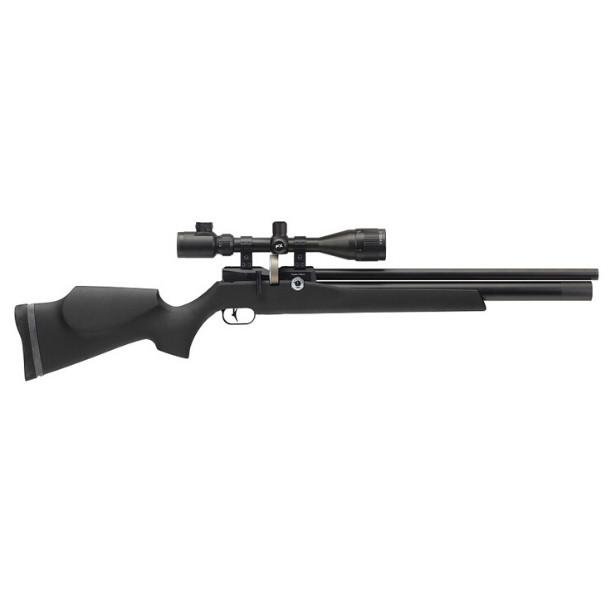
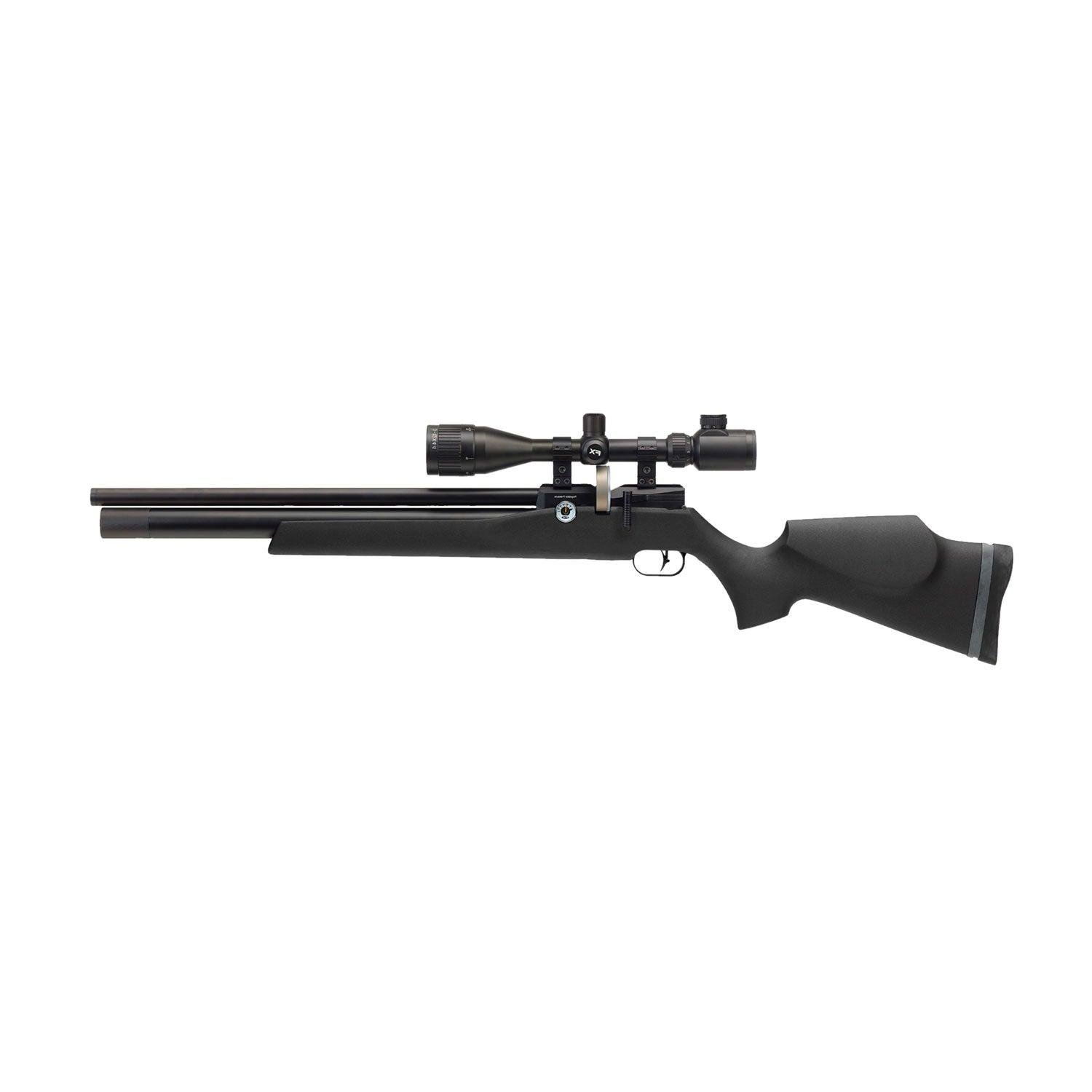
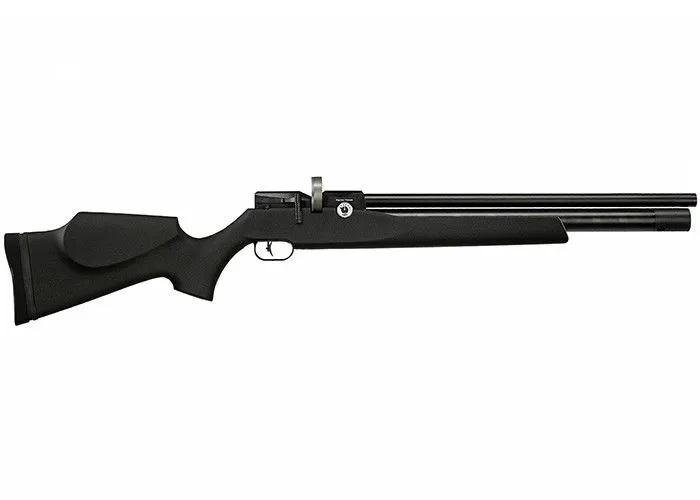
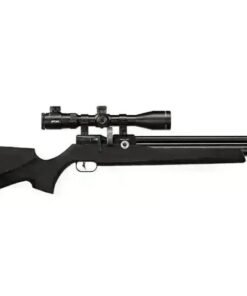
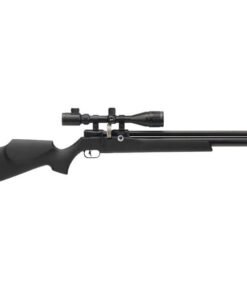
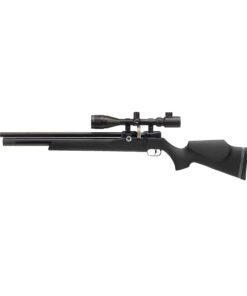
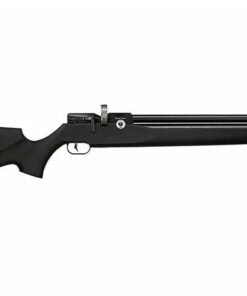
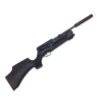
FX Airguns Dreamline Classic Synthetic

$980.00
FX Airguns Dreamline Classic Synthetic
The FX Dreamline Classic is the natural evolution of the FX Streamline. FX has taken the proven Streamline platform and added world class features that take it to the next level, bridging the gap to rifles such as the FX Crown and FX Impact.
The FX Dreamline is the first fully modular airgun system in the world. The modular design allows the rifle to change to any of the Dreamline configurations.
This airgun is lightweight and very comfortable to shoot! Side-lever effortless cocking system, extremely accurate with revolutionary regulator.
FX Airguns Dreamline Classic Synthetic
Product Features

We stock a large range of quality discounted scopes. Purchase you new air rifle and new scope together for a special combo discount.
FX Airguns Dreamline Classic Synthetic – Precision PCP Air Rifle, Advanced STX Barrel Technology and Lightweight Performance

The FX Airguns Dreamline Classic Synthetic combines traditional sporting rifle styling with modern pre-charged pneumatic technology. Designed by Swedish manufacturer FX Airguns, this precision-focused PCP air rifle brings together a lightweight synthetic stock, innovative barrel engineering, regulated air delivery and a modular platform that supports different shooting preferences.
Unlike conventional spring-powered designs, the Dreamline Classic uses compressed air to propel pellets. Consequently, shooters experience a different recoil characteristic, smooth mechanical operation and consistent performance when the rifle is properly maintained.
The synthetic stock provides a practical alternative to traditional wooden furniture. Its durable construction resists everyday surface wear and offers a comfortable sporting profile. Furthermore, the classic rifle layout maintains familiar handling characteristics without the bulky appearance associated with some tactical air rifles.
Smooth Twist X Barrel Technology – Why Precision Matters

The FX Smooth Twist X (STX) barrel system is one of the Dreamline Classic’s defining engineering features.
Rather than relying exclusively on a conventional fixed barrel design, the STX system incorporates an interchangeable liner arrangement. This allows compatible barrel components to accommodate different projectile characteristics while retaining the platform’s underlying design.
The free-floating barrel helps minimize external contact that might otherwise affect barrel behavior. Nevertheless, actual accuracy depends on ammunition quality, environmental conditions, equipment condition and shooter consistency.
Precision is especially important during organized target shooting, where repeatability and predictable point of impact matter more than exaggerated velocity claims.
AMP Regulator and Consistent Air Delivery

The Dreamline Classic incorporates FX’s Adjustable Match Precision (AMP) regulator technology.
A pressure regulator controls the compressed-air supply reaching the firing mechanism. As a result, it helps maintain more consistent operating conditions across a useful portion of the air cylinder’s pressure range.
Additionally, the rifle includes separate pressure gauges for monitoring cylinder and regulator pressure.
The manufacturer’s earlier specifications identify a maximum fill pressure of approximately 230 bar. However, cylinder capacity and internal components can differ between production generations and individual configurations.
Lightweight Synthetic Stock and Comfortable Handling
The Classic Synthetic features a traditional rifle-shaped stock designed for comfortable shoulder positioning and practical handling.
At approximately 2.6 kg in the manufacturer’s original specification, it offers a comparatively lightweight construction.
Its synthetic exterior is particularly convenient for routine cleaning and handling in changing weather conditions. Moreover, the stock does not require the same cosmetic care as polished walnut.
The rifle’s sidelever cocking system complements its streamlined profile, while the adjustable match trigger supports a consistent trigger feel when professionally configured.
Available Calibres, Magazine Design and Modular Construction
The Dreamline Classic family has been offered in .177, .22, .25 and .30 calibre configurations, although availability varies by region and model generation.
Original manufacturer magazine specifications list capacities of 22, 18, 16 and 13 pellets respectively.
In addition, the Dreamline platform incorporates modular design principles. Compatible components allow different configurations across the wider Dreamline family, although conversion requirements should always be verified against the exact model.
Related Airgun Categories and Popular Search Comparisons
The Dreamline Classic Synthetic belongs to the precision PCP air rifle category, rather than the large-calibre, compact pistol or air-powered shotgun categories. Consequently, its engineering characteristics should not be confused with unrelated products appearing in broader airgun searches.
Compact PCP and tactical airgun searches: bintac t9, bintac t9 price, bintac t9 full auto, bintac s45, bintac t50, aea bintac t50 extreme, bintac mcar, bintec m50, b&w m50, m50 vs evanix viper for sale usa, mp30, mordax venom, huben gk1 price in usa, tac 9, tac-9, airgun tactical, air gun tactical, air tactical, tactical air guns, tactical air rifle and air ordnance smg 22.
Large-calibre and alternative airgun searches: zeus mk2 .72cal air rifle, zeus mk2 .72 cal air rifle, zeus air rifle, 72 caliber aea zeus, aea zeus air rifle, aea zeus 72 cal, aea zeus 72 caliber, aea zeus 72, aea zeus mk2, aea zues, aea zeus tactical, zeus air gun, zeus mk2, zeus 72 cal air rifle, zeus 72 cal air rifle price, 72 caliber air rifle, .72 cal air rifle, aea megalodon, aea megalodon 50 cal, aea megalodon .58 cal, aea megalodon air rifle, aea megalodon 50 cal price, aea megalodon 50 caliber, megalodon air rifle, 50 cal air rifle, 50 caliber air rifle, 50 cal air pistol, 9mm air rifle, 9mm air gun, 9mm pellet gun and 9mm air pistol.
Alternative platforms and equipment: aea harpoon, aa harpoon, aea harpoon magnum, aea harpoon price, aea harpoon for sale, aea harpoon gun, aea harpoon shotgun, harpoon air gun, air shotgun, air powered shotgun, airgun shotgun, air shot gun, double barrel air gun, air crossbow, pneumatic crossbow, western rattler bullpup, aea terminator, umarex notos, notos airgun, barra 250z europe, tex rex, slug hammer, fx drs tactical accessories, air gun suppressor and solofish laser light combo.
Other frequently encountered search terminology: x68, x68 pistol, pistelle x68, pistelle x 68, pistelle x 68 kaufen, x68 pistelle, pistolé, self defense air gun, self defense air pistol, self defense air guns, air gun for self defense, airgun for self defense, aea defender lethal airgun, pellet gun, pneumatic air gun, pcp air rifle, high powered air gun, only air gun, full auto pellet gun, smg 22 and solofish.
These terms identify different products, accessories or search interests. They are not specifications, included accessories or advertised capabilities of the Dreamline Classic Synthetic. In particular, the Dreamline should not be represented as a self-defense product.
Where and When the Dreamline Classic Synthetic Is Used
The Dreamline Classic Synthetic is primarily suited to controlled recreational shooting, established airgun ranges and organized target practice.
Its precision-oriented barrel, conventional stock profile and regulated PCP mechanism make it relevant to shooters who value repeatable operation and traditional ergonomics.
Furthermore, appropriate maintenance helps preserve the condition of the barrel, seals, air reservoir and mechanical components.
For safe ownership, users should follow manufacturer servicing recommendations, observe applicable local laws and always use a suitable backstop in an authorized shooting environment.
The Dreamline Classic Synthetic ultimately represents a balance between classic rifle design and modern airgun engineering, with its principal strengths lying in mechanical refinement, modular construction and consistent target-shooting performance.
Advanced Engineering, Precision Performance, Shooting Comfort, Reliability, and Long-Term Ownership
Understanding the Engineering Philosophy Behind This Exceptional Rifle
A high-quality air rifle should offer much more than an attractive appearance. It should deliver dependable mechanical performance, comfortable handling, consistent operation, and the confidence that comes from carefully developed engineering. These qualities form the foundation of a rewarding shooting experience, particularly for enthusiasts who appreciate sophisticated equipment without unnecessary complexity.
Modern air rifle technology has evolved considerably over the years. Manufacturers now place greater emphasis on precision manufacturing, efficient compressed-air management, improved trigger mechanisms, and practical ergonomic design. Consequently, contemporary sporting rifles can provide impressive consistency while remaining comfortable and manageable during extended shooting sessions.
One of the most important characteristics of a well-developed rifle is the relationship between its individual components. The barrel, regulator, trigger, stock, air reservoir, and loading mechanism must work together harmoniously. Although each component performs a specific function, overall performance depends on how effectively the complete system operates.
Furthermore, thoughtful engineering makes a noticeable difference in everyday ownership. A rifle that handles comfortably, supports straightforward maintenance, and delivers predictable mechanical responses can provide years of satisfying recreational use when treated responsibly.
Another essential consideration involves manufacturing quality. Precision-machined components contribute to smooth mechanical movement, while carefully selected materials help maintain structural stability. Moreover, modern manufacturing techniques allow designers to achieve impressive levels of refinement without dramatically increasing overall weight.
Rather than relying exclusively on appearance or advertised power, knowledgeable enthusiasts often evaluate the entire ownership experience. They consider how naturally the rifle shoulders, how conveniently its operating controls can be reached, and how consistently the mechanism behaves during supervised target shooting.
Ultimately, the value of advanced engineering becomes clear through dependable operation, practical comfort, and the ability to enjoy an exceptionally refined piece of sporting equipment.
How Precision Manufacturing Contributes to Consistent Performance
Precision manufacturing plays a fundamental role in determining the quality of any sophisticated mechanical product. In a modern sporting air rifle, small differences in component dimensions, alignment, and material quality can influence the overall shooting experience.
The manufacturing process begins with careful engineering design. Each critical component must meet dimensional requirements that support proper assembly and reliable operation. Consequently, manufacturers use specialized machinery and quality-control procedures to produce parts with consistent characteristics.
Barrel manufacturing represents one particularly important area. A carefully manufactured bore supports predictable interaction between the barrel and compatible projectiles. Furthermore, proper alignment between the barrel and supporting components contributes to the overall mechanical integrity of the rifle.
The loading mechanism also benefits from precise manufacturing. Smooth operation depends on the interaction between moving parts, including the cocking system, magazine interface, and internal mechanisms. When these elements function correctly, the rifle delivers a more refined operating experience.
In addition, consistent manufacturing supports easier servicing. Replacement parts that conform to the manufacturer’s specifications are more likely to fit and function as intended. This becomes increasingly valuable throughout the equipment’s service life.
Another advantage involves durability. Components manufactured from suitable materials and finished to appropriate standards can tolerate normal operating demands more effectively than poorly produced alternatives.
However, precision manufacturing does not eliminate the need for proper care. Even exceptionally engineered equipment requires periodic inspection, responsible handling, and servicing when necessary.
For enthusiasts who appreciate mechanical excellence, manufacturing quality therefore represents much more than an advertising claim. It influences reliability, ownership satisfaction, and confidence in the equipment’s design.
Why Barrel Quality Matters for Accurate Target Shooting
The barrel remains one of the most significant components of any precision-oriented air rifle. Its internal geometry, manufacturing quality, and condition influence how consistently suitable ammunition travels through the bore.
A carefully developed barrel provides a controlled pathway for the projectile. During firing, compressed air supplies the energy required to move the pellet through this pathway. The interaction between the projectile and bore contributes to its subsequent flight characteristics.
Modern barrel engineering places considerable emphasis on dimensional consistency and suitable internal finishes. These qualities can help support repeatable performance when the rifle operates under appropriate conditions.
However, no barrel guarantees exceptional accuracy with every type of ammunition. Different projectiles can vary in diameter, weight distribution, material composition, and manufacturing consistency. Consequently, actual results depend on several interacting factors.
The condition of the barrel also matters. Contamination, unsuitable cleaning products, physical damage, or excessive maintenance can negatively affect its performance.
Therefore, owners should follow the manufacturer’s cleaning guidance rather than assuming frequent or aggressive cleaning produces better results.
Another consideration involves environmental influences. Wind, temperature, and changing light conditions can affect the results observed during target shooting. Even when the rifle functions consistently, external circumstances may produce different outcomes.
Similarly, individual experience plays an important role. A well-manufactured rifle provides a mechanical foundation for precision, but responsible practice and familiarity with the equipment remain essential.
Barrel quality should therefore be viewed as one part of a complete precision system rather than an isolated guarantee of accuracy.
The Importance of Regulated Compressed-Air Technology
Compressed-air regulation represents an important development in modern pneumatic sporting equipment. It allows manufacturers to manage the relationship between stored air pressure and the pressure supplied to the firing mechanism.
Within a regulated system, compressed air is held in a reservoir before passing through a regulator. This component helps maintain a more consistent downstream pressure while the available reservoir pressure remains within the system’s intended operating range.
As a result, the mechanism can operate under more predictable conditions throughout a useful portion of the reservoir’s capacity.
Consistency offers practical benefits for target shooting. When the mechanical system behaves predictably, owners can better understand the normal characteristics of their equipment.
Furthermore, regulated designs demonstrate how pneumatic engineering can influence efficiency and overall refinement.
However, the regulator is only one part of the system. Seals, valves, internal passages, and other components also influence performance.
Owners should never assume that adjustments are harmless simply because an external control is accessible. Incorrect changes can affect reliability, create unsafe operating conditions, or invalidate manufacturer support.
For this reason, pressure-related servicing and internal adjustments should remain within manufacturer instructions and, where appropriate, the responsibility of qualified technicians.
Properly maintained regulation technology contributes to a sophisticated sporting experience while highlighting the importance of disciplined engineering.
Comfortable Ergonomics and Natural Shoulder Positioning
Comfort is an essential consideration for anyone selecting a sporting rifle. Although technical specifications attract considerable attention, the way equipment feels during ordinary handling can be equally important.
An ergonomically designed stock helps establish a comfortable relationship between the user’s hands, shoulder, and upper body. This arrangement can reduce unnecessary strain during routine handling and supervised shooting activities.
Traditional sporting stock profiles remain popular because they offer familiar proportions and a straightforward arrangement of controls.
The shape of the grip affects how naturally the supporting hand and operating hand interact with the rifle. Likewise, the position of the cheekpiece influences comfort when viewing through an appropriately mounted optical sight.
Stock length also matters. Individuals have different arm lengths, shoulder proportions, and preferences, so a single configuration will not feel identical to everyone.
Furthermore, the overall weight distribution can influence perceived comfort. Two rifles with similar total weights may feel quite different because their mass is distributed differently.
A balanced design can feel manageable during ordinary handling, whereas excessive front-end weight may increase fatigue over prolonged sessions.
Nevertheless, comfort should never compromise safe handling practices. Users should maintain awareness of muzzle direction, trigger discipline, and their surroundings at all times.
The most successful ergonomic designs therefore combine convenience, structural support, and practical control accessibility without introducing unnecessary complication.
Benefits of a Modern Synthetic Stock
Synthetic stocks have become increasingly popular because they offer practical advantages for everyday sporting equipment ownership.
Unlike natural wood, synthetic materials generally require less attention to cosmetic finishing. They also avoid many of the appearance-related changes associated with moisture exposure and fluctuations in humidity.
This makes them attractive to owners who prefer straightforward maintenance.
Furthermore, a thoughtfully manufactured synthetic stock can deliver useful resistance to ordinary surface wear. Minor handling marks may be less visually prominent than equivalent marks on a finely polished wooden stock.
Weight represents another consideration. Modern synthetic construction allows manufacturers to develop relatively lightweight furniture while maintaining the necessary structural support.
However, synthetic does not mean indestructible. Significant impacts, excessive heat, chemical exposure, and improper storage can still cause damage.
Therefore, owners should protect their equipment from unnecessary abuse and inspect visible components periodically.
The exterior can generally be cleaned with a suitable soft cloth and manufacturer-approved products. Harsh solvents and abrasive cleaning materials should be avoided unless explicitly recommended.
Another advantage involves consistency of appearance. Synthetic furniture does not depend on the natural grain patterns that make individual wooden stocks visually different.
This creates a clean, uniform sporting appearance that many enthusiasts appreciate.
Ultimately, synthetic construction provides an appealing combination of low-maintenance ownership, practical durability, and modern manufacturing flexibility.
Smooth Mechanical Operation and the Importance of Quality Controls
A refined mechanical operating system contributes substantially to the overall experience of owning a premium sporting rifle.
Controls should respond predictably and move through their intended range without excessive resistance or irregular behavior.
When manufacturers carefully coordinate component dimensions and contact surfaces, moving mechanisms can provide a smooth and consistent feel.
Sidelever mechanisms are particularly appreciated for their convenient operating characteristics and relatively uncomplicated external arrangement.
However, smoothness should never be confused with the absence of maintenance requirements.
Moving components remain subject to wear, contamination, and the effects of repeated use. Consequently, periodic inspection and appropriate professional servicing help preserve their condition.
Owners should also pay attention to changes in mechanical feel. Unexpected stiffness, grinding sensations, unusual noises, or inconsistent movement can indicate that an inspection is necessary.
Continuing to operate equipment that displays abnormal behavior may cause further damage.
Moreover, forcing a mechanism should never be considered an acceptable substitute for diagnosing the underlying problem.
High-quality controls provide confidence because they function as intended, not because they tolerate inappropriate handling.
For this reason, dependable mechanical operation remains an important feature when evaluating a carefully engineered sporting rifle.
Trigger Quality and Consistent Mechanical Response
The trigger mechanism serves as a critical interface between the user and the rifle.
A well-designed trigger should deliver a predictable mechanical response while retaining the safety characteristics established by the manufacturer.
Consistency is especially relevant in organized target shooting, where unexpected changes in trigger behavior can interfere with the experience.
Modern sporting designs may incorporate adjustable trigger assemblies that accommodate different approved configurations.
Nevertheless, trigger mechanisms are safety-critical components. Unauthorized modifications, excessively light settings, or incorrect adjustments can create dangerous conditions.
Therefore, owners should consult the manufacturer’s documentation and seek assistance from a qualified professional when adjustment or servicing is required.
It is also important to distinguish mechanical trigger quality from individual results on a target. Even an exceptionally refined trigger cannot compensate for unsuitable ammunition, poor equipment condition, or inadequate familiarity with safe operating procedures.
Regular inspection provides an additional layer of confidence. Any unexpected change in trigger behavior should prompt the owner to stop using the rifle until the issue has been properly assessed.
A premium trigger system ultimately contributes to predictable operation and a more polished overall ownership experience.
Long-Term Durability and Everyday Reliability
Durability is one of the most meaningful characteristics of a quality sporting rifle.
A durable design should withstand normal handling, responsible use, and routine transportation without unnecessary deterioration.
However, durability depends on more than the strength of individual materials. Proper assembly, suitable engineering tolerances, effective sealing systems, and reasonable maintenance requirements all contribute to long-term reliability.
Metal components may require protection against corrosion, particularly in humid environments. Similarly, polymer surfaces should remain protected from excessive heat and unsuitable chemicals.
Compressed-air systems introduce additional maintenance considerations because seals and pressure-containing components experience normal aging.
Consequently, periodic inspection becomes essential.
Owners should also recognize that storage conditions influence service life. Prolonged exposure to moisture, dust, extreme temperatures, or direct sunlight may gradually affect certain materials.
A suitable protective case or secure storage cabinet can help reduce unnecessary environmental exposure.
Furthermore, equipment should remain inaccessible to unauthorized individuals and always be stored according to applicable safety requirements.
Reliability does not mean that maintenance can be ignored. Rather, reliable equipment combines sound engineering with reasonable servicing practices.
This distinction is especially important for enthusiasts who intend to retain their sporting equipment over many years.
Why Responsible Maintenance Protects Performance and Value
Regular maintenance helps preserve mechanical condition, appearance, and long-term ownership value.
However, maintenance should follow a disciplined approach based on manufacturer guidance rather than unnecessary disassembly.
External inspection is a useful starting point. Owners can check for visible damage, loose exterior fittings, contamination, or signs of unusual wear without interfering with internal components.
After use, accessible external surfaces can be wiped with suitable materials to remove fingerprints, dust, and moisture.
Appropriate cleaning helps protect exterior finishes and maintain a presentable appearance.
Meanwhile, pneumatic components require particular care. Pressurized reservoirs and associated seals should never be modified or disassembled casually.
Only approved filling equipment and compatible pressure-rated components should be used, following the manufacturer’s exact instructions.
Similarly, internal maintenance should be carried out by appropriately qualified personnel.
Another important practice involves retaining purchase documentation, service records, and manufacturer information.
These records may prove valuable when arranging repairs, identifying replacement components, or transferring ownership where legally permitted.
Furthermore, careful maintenance can help protect resale value by demonstrating responsible ownership.
An attractive exterior alone does not guarantee mechanical condition, but documented care provides useful evidence of how the equipment has been treated.
Ultimately, responsible maintenance supports safety, operational consistency, and lasting satisfaction.
Practical Advantages for Recreational Target Shooting
Organized recreational shooting provides an opportunity to appreciate the mechanical qualities of precision-oriented sporting equipment.
At an established range, users can operate their equipment within a controlled environment that includes suitable targets, backstops, and safety procedures.
This environment is particularly appropriate for becoming familiar with the rifle’s normal handling characteristics.
Furthermore, recreational target activities can emphasize concentration, patience, and responsible equipment management.
A comfortable stock and predictable mechanical operation make the overall experience more enjoyable, especially during structured practice sessions.
However, equipment selection should reflect the intended activity, the user’s experience, and the rules of the shooting facility.
Range operators may impose specific requirements concerning permitted equipment, ammunition, energy limits, and safety procedures.
Therefore, owners should confirm local requirements before attending a session.
Another benefit of supervised environments is access to experienced instructors or range personnel who can provide appropriate safety guidance.
For new enthusiasts, professional instruction offers a valuable introduction to responsible ownership and safe handling.
More experienced participants may appreciate the opportunity to evaluate equipment consistency under controlled conditions.
Regardless of experience level, safety remains the central priority.
Environmental Conditions and Their Influence on Shooting Equipment
Environmental conditions can affect both the operation of sporting equipment and the results observed during target activities.
Temperature changes may influence air pressure, material expansion, and certain mechanical characteristics.
Likewise, humidity can encourage corrosion on inadequately protected metal surfaces.
Wind represents another important external variable during outdoor target shooting. Its effects vary depending on environmental conditions and the characteristics of the ammunition involved.
Consequently, consistent mechanical performance does not necessarily produce identical results under changing outdoor conditions.
Rain and moisture also require attention. Although synthetic furniture offers practical advantages, internal metal components and other mechanisms may still require protection.
Owners should avoid leaving equipment exposed to adverse weather unnecessarily.
After outdoor use, appropriate drying and external cleaning can help preserve its condition.
Extreme heat also deserves consideration, particularly because compressed-air equipment incorporates pressure-containing components.
Equipment should never be left in conditions that exceed the manufacturer’s storage recommendations.
Understanding these environmental factors encourages more responsible ownership and helps distinguish normal external influences from genuine mechanical problems.
The Value of Modular Design and Manufacturer Support
Modular engineering offers practical advantages when manufacturers develop compatible components within a shared product family.
A modular platform can simplify certain servicing procedures and support replacement-part availability.
Furthermore, standardized component arrangements may help qualified technicians work with familiar mechanical systems.
However, modularity should not be interpreted as unrestricted interchangeability.
Different production versions may incorporate revised components, altered dimensions, or distinct pressure and safety requirements.
Therefore, compatibility must always be verified against the exact model and serial-number range.
Manufacturer-approved replacement parts are generally preferable to unverified alternatives because they are designed around specific engineering requirements.
Professional servicing also provides an opportunity to identify normal wear before it develops into a more significant problem.
In addition, established manufacturer support can increase confidence during ownership.
Access to documentation, appropriate technical assistance, and authorized service providers helps owners maintain their equipment responsibly.
These benefits demonstrate why long-term support deserves consideration alongside initial purchase price and appearance.
What Makes a Premium Sporting Rifle a Worthwhile Investment?
A premium sporting rifle represents an investment in engineering quality, mechanical refinement, and ownership satisfaction.
However, value should never be judged solely by price.
The most relevant factors include construction quality, comfortable handling, reliability, suitable manufacturer support, and alignment with the intended recreational activity.
An expensive rifle that does not suit the owner’s preferences may provide less satisfaction than a thoughtfully selected alternative.
Furthermore, initial purchase cost represents only one part of total ownership expenditure.
Appropriate protective storage, maintenance supplies, compatible accessories, professional servicing, and approved filling equipment may create additional expenses.
Prospective owners should therefore evaluate the complete ownership requirements before making a purchasing decision.
Another consideration involves long-term familiarity. Learning the characteristics of a dependable piece of equipment can provide considerable satisfaction over time.
Rather than continually replacing equipment, many enthusiasts prefer to maintain a well-selected rifle that meets their established needs.
A carefully maintained example may also retain more value than a neglected one, although resale prices depend on age, condition, demand, availability, and local regulations.
Ultimately, premium value comes from the relationship between engineering quality, practical usability, and responsible long-term ownership.
Final Assessment of Engineering Quality and Ownership Experience
A sophisticated sporting rifle should combine reliable mechanical operation with comfortable ergonomics, appropriate manufacturing standards, and sensible maintenance requirements.
Advanced barrel technology supports the foundation for precision, while regulated pneumatic systems contribute to predictable operating characteristics.
Meanwhile, thoughtfully shaped synthetic furniture provides practical comfort without demanding the cosmetic maintenance associated with some traditional materials.
Smooth controls, consistent trigger behavior, and dependable construction further enhance the overall experience.
Nevertheless, no mechanical system is completely independent of proper care, environmental influences, or responsible use.
Owners achieve the greatest long-term satisfaction when they follow manufacturer instructions, arrange qualified servicing when necessary, and use their equipment exclusively in lawful, controlled settings.
For enthusiasts who value technical refinement, classic sporting ergonomics, and the convenience of modern materials, this combination of engineering principles provides a compelling foundation for enjoyable recreational target shooting.
Above all, the most meaningful measure of quality is not an exaggerated performance claim. It is the confidence that comes from thoughtful design, predictable operation, appropriate maintenance, and lasting ownership satisfaction.
Practical Shooting Applications, Accuracy Potential, Advanced Comfort, Operational Efficiency, and Long-Term Performance
Understanding the Practical Value of a Precision-Engineered Sporting Rifle
The true quality of a sporting air rifle becomes apparent through its everyday usability, dependable construction, and ability to provide a comfortable shooting experience. Although technical specifications remain important, experienced enthusiasts often appreciate characteristics that cannot be fully understood through numbers alone. These include smooth operation, natural handling, mechanical consistency, and the confidence that develops through familiarity with well-designed equipment.
Modern pneumatic technology has transformed recreational target shooting by introducing sophisticated compressed-air systems, lightweight construction materials, and improved mechanical components. Consequently, today’s enthusiasts can appreciate equipment that combines traditional sporting characteristics with advanced engineering.
A well-designed rifle should provide an effective balance between mechanical performance and practical convenience. For example, a sophisticated barrel system contributes to the foundation for accuracy, while carefully developed stock geometry promotes comfortable positioning during supervised target shooting.
Furthermore, predictable operation makes equipment easier to understand and maintain. When mechanisms function consistently, owners can distinguish ordinary characteristics from potential maintenance concerns.
Another important consideration involves versatility. Recreational shooting activities vary considerably, and equipment that accommodates different experience levels can appeal to a broad range of enthusiasts.
However, versatility should not be confused with unrestricted use. Every sporting rifle has engineering limitations, legal requirements, and manufacturer recommendations that determine its appropriate applications.
Ultimately, practical value comes from the combination of quality manufacturing, ergonomic comfort, responsible ownership, and reliable operation over an extended service life.
Why Mechanical Consistency Is Essential for Precision Shooting
Mechanical consistency plays an important role in recreational target shooting because predictable equipment behavior supports a more satisfying experience.
A precision-oriented rifle incorporates several interacting components that influence its overall operation. The compressed-air reservoir supplies energy, the regulator manages pressure delivery, the firing mechanism controls air release, and the barrel provides a carefully manufactured pathway for the projectile.
Each component must operate correctly to maintain the characteristics established by the manufacturer.
Furthermore, consistent mechanical performance helps users evaluate their equipment under controlled conditions. When a rifle behaves predictably, unusual changes may become easier to identify.
However, accuracy cannot be attributed exclusively to mechanical design. Ammunition quality, environmental conditions, equipment maintenance, and individual experience also influence the results observed on a target.
This distinction matters because even premium equipment cannot eliminate every external variable.
For example, temperature changes may affect pneumatic pressure, while outdoor wind conditions can influence projectile flight. Similarly, physical damage or neglected maintenance can interfere with normal operation.
Consequently, reliable target performance depends on the condition of the complete system rather than one advertised feature.
Precision engineering should therefore be understood as the foundation of dependable operation, not as a guarantee of identical results under every circumstance.
The Importance of Stable Barrel Construction
Barrel stability remains an important consideration in the design of sophisticated sporting rifles.
A carefully manufactured barrel must maintain its structural integrity while functioning within the operating conditions specified by the manufacturer.
Modern barrel systems may incorporate specialized liners, supporting structures, and carefully selected materials. These elements help manufacturers achieve specific mechanical characteristics while accommodating different engineering requirements.
Furthermore, effective barrel construction helps preserve alignment within the rifle’s overall assembly.
However, external damage, inappropriate maintenance, or the use of incompatible components can compromise normal operation.
For this reason, owners should avoid unnecessary modifications and follow approved maintenance procedures.
Another consideration involves the relationship between the barrel and the stock. Well-developed engineering reduces unwanted contact and supports the mechanical arrangement intended by the manufacturer.
The quality of the barrel’s internal surface is equally relevant. Manufacturing consistency helps establish predictable interaction with suitable ammunition.
Nevertheless, the finest barrel cannot compensate for unsuitable or damaged projectiles.
Responsible ammunition selection should always follow the manufacturer’s specifications and the requirements of the shooting facility.
By combining appropriate manufacturing standards with responsible care, a high-quality barrel can remain a valuable component throughout the rifle’s service life.
How Comfortable Weight Distribution Improves the Ownership Experience
Weight distribution influences how a rifle feels during routine handling and supervised recreational activities.
Although total weight provides useful information, it does not fully describe ergonomic comfort. The location of the rifle’s mass can affect balance, perceived stability, and the amount of effort required during handling.
For example, a design with substantial weight concentrated toward the front may feel different from another rifle of equal total weight with a more centralized balance.
Consequently, enthusiasts should consider both overall mass and the way the equipment naturally rests when held.
A traditional sporting stock can provide familiar proportions and a comfortable relationship between the shoulder, grip, and supporting hand.
Furthermore, lightweight synthetic construction may reduce unnecessary bulk while preserving the structural support needed for ordinary use.
This becomes particularly relevant during longer visits to a shooting range, where comfort can influence overall enjoyment.
However, lightweight construction does not automatically mean superior quality. Materials, manufacturing processes, and design decisions must work together to achieve a satisfactory result.
Similarly, a heavier rifle is not necessarily less suitable. Individual physical characteristics and personal preferences influence how comfortable any particular model feels.
For this reason, evaluating ergonomics involves more than comparing specification sheets.
A balanced combination of manageable weight, comfortable stock geometry, and accessible controls contributes to a refined sporting experience.
Why Stock Geometry Matters for Comfort and Consistency
Stock geometry influences the physical relationship between the owner and the rifle.
Several design characteristics contribute to this relationship, including the shape of the grip, the height of the comb, the contour of the fore-end, and the length of the stock.
These features determine how naturally the equipment fits different individuals.
A well-proportioned grip can provide comfortable hand placement without requiring an awkward wrist angle.
Likewise, a suitable cheekpiece supports consistent positioning when using approved optical equipment at a designated range.
Furthermore, a thoughtfully shaped fore-end contributes to convenient handling and allows the rifle to maintain its traditional sporting appearance.
Individual differences remain important. People vary in height, arm length, shoulder width, and preferred handling characteristics.
Therefore, a stock that feels exceptionally comfortable to one enthusiast may require adaptation for another.
Material selection also affects the ownership experience. Synthetic furniture provides practical resistance to ordinary environmental changes and avoids some cosmetic maintenance requirements associated with natural wood.
Nevertheless, careful storage and appropriate cleaning remain necessary.
Ultimately, good stock geometry represents an important intersection between human comfort and mechanical design.
It helps transform a technically sophisticated product into equipment that feels natural and enjoyable during lawful recreational use.
Evaluating Performance During Supervised Range Activities
An established shooting range provides an appropriate environment for appreciating the characteristics of a precision-oriented sporting rifle.
Controlled facilities typically incorporate designated shooting areas, suitable backstops, clear safety procedures, and supervision where required.
These arrangements help participants enjoy recreational shooting while reducing unnecessary risks.
Furthermore, organized ranges may provide access to experienced personnel who can explain facility rules and identify suitable equipment requirements.
For beginners, this guidance can make the experience more structured and informative.
Experienced enthusiasts may also appreciate the opportunity to observe the normal mechanical behavior of their equipment in a consistent environment.
However, individual facilities often establish different rules concerning permissible equipment, projectile types, power limits, and operating procedures.
Consequently, owners should confirm the relevant requirements before arriving.
Another benefit of designated facilities involves the availability of appropriate target equipment.
Paper targets and other approved materials can support enjoyable recreational activities without introducing unsuitable or unpredictable objects.
Responsible participation also includes maintaining awareness of other range users, following instructions from authorized personnel, and respecting the established safety procedures.
These considerations remain essential regardless of the equipment’s price or technical sophistication.
Ultimately, structured recreational shooting provides a setting where enthusiasts can appreciate mechanical quality while maintaining a strong commitment to safety.
Understanding the Relationship Between Air Capacity and Practical Convenience
Compressed-air capacity influences the ownership experience because pneumatic sporting rifles depend on a suitable supply of stored air.
A reservoir holds compressed air within limits established by its design and manufacturer specifications.
The available air supports the rifle’s normal mechanical operation until the pressure reaches a level where replenishment becomes necessary.
However, reservoir size alone does not determine the number of usable shots.
Several engineering factors influence practical air consumption, including the regulator, valve system, operating configuration, and manufacturer-established performance characteristics.
Consequently, claims about shot counts should always be considered in relation to the exact model and configuration.
Pressure monitoring provides another important consideration. An appropriately functioning gauge allows owners to observe reservoir pressure without opening or interfering with the pneumatic system.
Furthermore, an accessible filling arrangement can contribute to convenient ownership when used with suitable equipment.
Compressed-air systems require particular care because high-pressure components can present serious hazards if handled incorrectly.
Only manufacturer-approved filling methods and compatible pressure-rated accessories should be used.
Additionally, reservoirs and pressure-related components should undergo inspection and servicing according to applicable manufacturer guidance and regulatory requirements.
Convenience should never take priority over safe pneumatic handling.
The Role of Reliable Magazine Construction
Magazine construction contributes to the convenience of modern sporting rifles by providing an organized arrangement for compatible ammunition.
A properly manufactured magazine should function reliably within the loading system for which it was designed.
Component dimensions, material quality, and manufacturing consistency all influence the magazine’s normal operation.
Furthermore, compatibility matters because similar-looking magazines are not necessarily interchangeable between different models or production generations.
Using an incorrect magazine may cause feeding problems or damage.
For this reason, owners should verify the appropriate replacement component through manufacturer documentation or an authorized supplier.
Magazine condition should also be considered during routine inspection.
Visible cracks, unusual resistance, damaged components, or inconsistent operation can indicate that professional assessment or replacement is necessary.
Another practical advantage involves convenience during supervised recreational activities. Approved magazine systems can reduce interruptions associated with preparing equipment for ordinary range use.
Nevertheless, magazine-fed equipment requires the same disciplined safety practices as any other sporting rifle.
Owners should never assume that removing a magazine automatically establishes that the rifle is unloaded.
The manufacturer’s complete safety procedures must always be followed.
Reliable magazine construction therefore supports convenience while reinforcing the importance of correct component selection and responsible handling.
Appreciating the Benefits of Smooth Sidelever Operation
A well-engineered sidelever mechanism contributes to the mechanical refinement of a modern pneumatic rifle.
Unlike certain traditional operating arrangements, a sidelever system integrates the cocking function into a dedicated external control.
Its construction reflects careful coordination between moving components, contact surfaces, and the internal operating mechanism.
Smooth mechanical movement can make routine use feel more polished and predictable.
Furthermore, accessible control placement contributes to a practical sporting layout without dramatically altering the rifle’s traditional appearance.
However, the quality of a mechanism should be judged by reliable function rather than the amount of force it can tolerate.
A properly maintained operating system should behave according to the manufacturer’s design.
Unexpected stiffness, unusual noises, or irregular movement may indicate contamination, wear, or another mechanical concern.
Under such circumstances, owners should stop using the equipment and seek appropriate professional assistance.
Forcing a mechanism can worsen damage or create additional safety risks.
Regular external inspection and manufacturer-recommended servicing help preserve smooth operation.
Ultimately, a refined sidelever arrangement enhances the overall ownership experience through convenient control placement and dependable mechanical behavior.
How Material Selection Supports Structural Durability
Material selection represents an essential part of modern sporting equipment engineering.
Manufacturers must balance strength, weight, corrosion resistance, manufacturing cost, and long-term durability when choosing materials for individual components.
Metal alloys are commonly used for components that require specific mechanical properties.
Synthetic materials, meanwhile, offer flexibility in exterior design and can provide practical resistance to ordinary environmental exposure.
However, no material performs equally well under every condition.
Some metals require appropriate surface protection to reduce corrosion, while polymers may be affected by excessive heat, chemical exposure, or severe physical impacts.
Consequently, overall durability depends on suitable material selection combined with correct manufacturing and responsible use.
Another consideration involves the interaction between different materials.
Components may expand or contract differently when exposed to changing temperatures. Manufacturers account for these characteristics during product development.
Furthermore, the quality of assembly influences long-term performance.
Even excellent materials cannot fully compensate for incorrect fitting or inadequate manufacturing tolerances.
A well-developed sporting rifle therefore benefits from a comprehensive engineering approach rather than reliance on one premium material.
For owners, the practical advantage is dependable construction that remains suitable for normal recreational use when appropriately maintained.
The Importance of Consistent Quality Control
Quality control provides an important connection between engineering design and the finished product.
A manufacturer may develop an excellent technical concept, but the final equipment must also meet appropriate manufacturing and assembly standards.
Inspection procedures help identify dimensional inconsistencies, surface defects, and irregular component behavior before products reach customers.
Furthermore, quality-control systems support consistency across production batches.
This is particularly important for complex pneumatic products containing pressure-related components and precisely fitted moving mechanisms.
However, quality control does not guarantee that a product will remain free from wear or mechanical problems throughout its lifetime.
Normal use, environmental exposure, accidental damage, and improper maintenance can all affect equipment condition.
Therefore, ongoing inspection remains essential after purchase.
Owners should also retain manufacturer documentation and purchase records to support warranty inquiries or authorized servicing.
When evaluating long-term quality, enthusiasts should consider both initial manufacturing standards and the availability of dependable after-sales assistance.
A responsible manufacturer supports its products through suitable documentation, technical guidance, and access to appropriate service resources.
These factors contribute to consumer confidence and a more satisfactory ownership experience.
Protecting Exterior Finishes and Maintaining Appearance
The external appearance of a sporting rifle contributes to pride of ownership and can influence long-term resale appeal.
Although cosmetic condition does not establish mechanical performance, it provides a useful indication of how carefully equipment has been handled.
Routine exterior maintenance generally involves removing ordinary dust, fingerprints, and moisture using suitable nonabrasive materials.
Furthermore, approved protective products may help preserve certain metal finishes when applied according to manufacturer instructions.
However, excessive cleaning can be counterproductive.
Aggressive chemicals, abrasive materials, and unsuitable lubricants may damage surface coatings or affect nearby components.
Synthetic stock surfaces should likewise receive appropriate care.
Although these materials are generally convenient to maintain, prolonged exposure to extreme temperatures or harsh chemicals can affect their appearance.
Another important consideration involves storage.
Protective cases can reduce accidental scratches during transportation, while secure storage helps protect equipment from unauthorized handling.
Nevertheless, long-term storage conditions should avoid unnecessary moisture accumulation.
Owners should inspect their equipment periodically and address visible deterioration before it becomes more serious.
Careful exterior maintenance ultimately supports both presentation and long-term ownership satisfaction.
Long-Term Ownership Costs and Responsible Equipment Planning
Purchasing a premium sporting rifle involves more than the initial retail price.
Responsible ownership also requires consideration of storage, maintenance, compatible accessories, professional servicing, and approved compressed-air equipment.
These additional requirements can influence the overall cost of ownership.
For example, an appropriate protective case helps reduce transportation-related damage, while secure storage equipment supports responsible access control.
Furthermore, periodic inspections and replacement of worn components may become necessary as equipment ages.
Owners should therefore plan for reasonable maintenance expenses rather than treating servicing as an unexpected inconvenience.
Another consideration involves accessory compatibility.
Not every component marketed for pneumatic sporting equipment will suit every model.
Consequently, purchasing decisions should reflect verified manufacturer specifications rather than appearance or general product descriptions.
Warranty coverage also deserves attention.
Different suppliers may establish specific conditions concerning authorized servicing, modifications, and normal wear.
Reviewing these terms before purchase can prevent misunderstandings later.
Ultimately, informed purchasing involves evaluating the complete ownership experience, including practical requirements that extend beyond technical specifications.
Why Manufacturer Documentation Remains Essential
Manufacturer documentation provides important information concerning the intended operation, limitations, maintenance, and safe handling of sporting equipment.
Although general product descriptions explain major design characteristics, they cannot replace the instructions developed for a specific production model.
Documentation may identify approved components, maintenance intervals, operating limits, and procedures for professional servicing.
Furthermore, manufacturers occasionally revise products or introduce updated parts.
Consequently, information associated with an earlier production version may not apply to every later example.
Owners should confirm the precise model details before ordering replacements or arranging specialized maintenance.
Serial-number information can be particularly useful when contacting an authorized service provider.
Another advantage of retaining documentation involves long-term ownership.
If equipment changes hands where legally permitted, accurate manuals and service records can help the next owner understand its history and requirements.
Responsible documentation practices therefore contribute to better maintenance decisions and more informed ownership.
They also reduce reliance on unverified online advice that may not account for differences between individual models.
For complex pneumatic equipment, manufacturer guidance should always remain the primary reference.
Final Perspective on Precision, Reliability, and Practical Performance
The appeal of a carefully engineered sporting rifle extends beyond individual technical features.
Precision manufacturing, regulated pneumatic operation, comfortable stock geometry, and durable materials work together to create a refined mechanical experience.
Furthermore, predictable controls and appropriate weight distribution contribute to practical convenience during organized recreational activities.
However, even sophisticated equipment requires responsible ownership.
Routine inspection, suitable storage, compatible accessories, and qualified servicing help preserve its intended characteristics.
Likewise, understanding manufacturer limitations prevents unrealistic expectations and reduces the risks associated with inappropriate modifications.
For enthusiasts who appreciate traditional sporting design combined with modern mechanical engineering, the overall experience can be particularly rewarding.
A dependable rifle should feel comfortable, operate predictably, and remain supported by appropriate maintenance resources throughout its useful life.
Ultimately, genuine quality is demonstrated through thoughtful construction, practical ergonomics, and consistent mechanical operation rather than exaggerated advertising claims.
When engineering excellence is combined with proper care and safe recreational use, a premium sporting rifle can provide lasting satisfaction and a deeper appreciation of modern pneumatic technology.
Exceptional Shooting Experience, Practical Versatility, Precision Technology, Maintenance Benefits, and Long-Term Ownership Satisfaction
Why Advanced Engineering Makes a Difference in Everyday Shooting
The experience of owning a premium sporting air rifle extends beyond its appearance, technical specifications, and initial purchase price. What ultimately determines satisfaction is how effectively the equipment combines precision engineering, comfortable handling, dependable construction, and practical convenience. When these qualities work together, they create an enjoyable shooting experience that appeals to both experienced enthusiasts and individuals developing an appreciation for modern pneumatic technology.
Advanced engineering begins with careful consideration of how individual components interact. The compressed-air system, barrel assembly, operating mechanism, trigger, and supporting stock must function as a coordinated mechanical platform. Consequently, overall quality depends on more than the performance of any single component.
Furthermore, modern manufacturing methods allow engineers to achieve impressive dimensional consistency while maintaining manageable weight and practical durability. Precision machining, carefully selected materials, and refined manufacturing processes contribute to the smooth operation expected from high-quality sporting equipment.
One important advantage of thoughtful design is predictability. When a rifle operates consistently, its normal characteristics become familiar. This helps owners recognize unusual mechanical behavior that may indicate a need for inspection or professional servicing.
Comfort also contributes significantly to everyday satisfaction. A rifle with suitable proportions and naturally positioned controls can feel more pleasant during organized shooting activities, especially when users spend extended periods at an established range.
Moreover, practical design should make responsible maintenance straightforward. Accessible external surfaces, suitable protective finishes, and available manufacturer documentation support proper equipment care without encouraging unnecessary mechanical modifications.
Ultimately, advanced engineering creates value through refinement, reliability, and the confidence that comes from using equipment developed around clearly defined technical standards.
How Precision Barrel Engineering Supports Reliable Performance
The barrel represents one of the most important elements of a precision-oriented sporting rifle. Its manufacturing quality, internal geometry, structural stability, and compatibility with approved projectiles all influence the mechanical foundation for accurate target shooting.
Modern barrel development involves sophisticated manufacturing processes intended to establish consistent dimensions and dependable material characteristics. A carefully produced bore provides a controlled pathway through which the projectile travels during normal operation.
Furthermore, advanced barrel systems may incorporate specialized liners or supporting structures that reflect the manufacturer’s particular engineering approach. These systems demonstrate how contemporary design has evolved beyond conventional fixed-component arrangements.
However, barrel technology should not be considered an automatic guarantee of exceptional accuracy. Real-world performance depends on multiple factors, including equipment condition, appropriate ammunition, environmental influences, and user experience.
For example, inconsistencies in projectile manufacturing can affect results even when the barrel itself remains in excellent condition. Likewise, strong outdoor wind or changing atmospheric conditions may influence the observed location of impacts.
Another consideration involves the relationship between the barrel and surrounding components. Mechanical integrity depends on the supporting structures functioning as intended. Physical damage, incompatible accessories, or unauthorized modifications can interfere with that relationship.
Therefore, owners should preserve the manufacturer’s original design requirements and seek professional assistance whenever specialized servicing becomes necessary.
Appropriate barrel care also contributes to long-term reliability. Cleaning should follow the manufacturer’s recommendations because unnecessary or aggressive maintenance may damage sensitive internal surfaces.
A premium barrel ultimately demonstrates the importance of precise engineering, responsible ownership, and realistic performance expectations.
The Advantages of Predictable Compressed-Air Operation
Modern compressed-air technology provides a sophisticated alternative to traditional mechanical power systems.
A pneumatic rifle stores energy in a pressure-rated reservoir and releases an appropriate quantity of compressed air through its operating mechanism. This arrangement allows manufacturers to develop equipment with distinctive handling characteristics and refined mechanical operation.
One of the important developments in this field is regulated pressure delivery.
A regulator manages the pressure supplied to the firing mechanism while the reservoir remains within the system’s intended operating conditions. Consequently, the rifle can maintain more predictable mechanical behavior across a useful portion of its available air supply.
However, compressed-air consistency is influenced by several interacting components. The regulator, seals, valves, reservoir condition, and manufacturing tolerances all contribute to overall performance.
Furthermore, pressure-related equipment requires careful attention to safety.
High-pressure reservoirs should never be modified, disassembled, or filled beyond manufacturer-approved limits. Incompatible equipment and incorrect servicing procedures can create serious hazards.
The condition of sealing components is equally important. Seals experience normal aging, and deterioration can eventually affect pneumatic reliability.
For this reason, unusual pressure loss, visible damage, or abnormal mechanical behavior should be investigated by qualified personnel.
Owners who follow appropriate maintenance requirements can better preserve the intended operation of their equipment.
The appeal of regulated pneumatic technology therefore lies in its sophisticated engineering, consistent mechanical characteristics, and contribution to an enjoyable recreational shooting experience.
Comfortable Stock Design and the Importance of Natural Ergonomics
An effective sporting rifle should feel comfortable during ordinary handling without requiring awkward body positioning.
Ergonomic design considers the interaction between the equipment and the person using it. Stock length, grip contour, cheekpiece geometry, fore-end shape, and overall weight distribution all influence this relationship.
Traditional stock profiles remain popular because they provide familiar proportions and a straightforward arrangement of operating controls.
Furthermore, a properly designed grip can offer comfortable hand placement, while a suitable cheekpiece contributes to natural head positioning when using compatible optical equipment.
However, comfort varies between individuals. Height, arm length, shoulder proportions, and personal preferences affect how naturally a particular rifle fits.
Consequently, prospective owners should consider their physical requirements rather than relying exclusively on advertised dimensions.
Weight distribution is another important factor. Although total mass matters, the location of that mass can substantially influence perceived comfort.
A comparatively lightweight rifle may feel manageable during extended recreational sessions, provided its balance and proportions suit the individual.
Meanwhile, a well-developed synthetic stock provides practical advantages through straightforward exterior maintenance and resistance to certain environmental influences.
Nevertheless, synthetic materials still require appropriate care and protection from excessive heat, harsh chemicals, and severe physical impacts.
Good ergonomic design ultimately supports comfort, confidence, and convenient handling while preserving the manufacturer’s safety requirements.
Understanding the Importance of Mechanical Balance
Mechanical balance contributes to the overall character of a sporting rifle.
Although often discussed in relation to weight, balance involves the distribution of mass throughout the complete assembly.
The barrel, receiver, reservoir, stock, and installed accessories each influence how the equipment feels during handling.
A thoughtfully balanced arrangement can provide a natural and comfortable experience without unnecessary bulk.
Furthermore, maintaining appropriate proportions helps preserve the traditional sporting appearance valued by many enthusiasts.
However, adding accessories can alter the original balance.
For example, large optical equipment or substantial mounting hardware may increase overall weight and change its distribution.
Therefore, accessory selection should reflect verified compatibility, intended recreational use, and practical comfort.
A balanced design does not necessarily mean that every individual will prefer the same arrangement.
Personal differences influence expectations, and what feels ideal to one person may be less comfortable to another.
Consequently, equipment evaluation should include consideration of both physical specifications and individual handling preferences.
Mechanical balance remains an important characteristic because it connects technical design with the owner’s everyday experience.
Smooth Operating Controls and Dependable Mechanical Feedback
The quality of operating controls influences how refined a rifle feels during regular use.
Well-designed mechanisms should move predictably and perform their intended functions without excessive resistance or irregular behavior.
Precision-machined components, suitable materials, and appropriate assembly standards contribute to this result.
Furthermore, conveniently positioned external controls can improve the overall handling experience by reducing unnecessary complexity.
A smooth operating mechanism also reflects careful engineering of contact surfaces and moving components.
However, mechanical smoothness should never encourage forceful or careless handling.
Unexpected stiffness, grinding sensations, unusual noises, or incomplete movement may indicate contamination, wear, or damage.
Under these circumstances, continued operation could worsen the problem or introduce additional risks.
Owners should therefore stop using equipment displaying abnormal mechanical characteristics and arrange appropriate inspection.
Routine servicing also matters. Moving components can experience gradual wear even under normal operating conditions.
Manufacturer-approved maintenance helps preserve the intended relationship between interacting parts.
Ultimately, dependable controls contribute to a premium ownership experience through predictable movement, practical convenience, and mechanical refinement.
Practical Benefits During Organized Recreational Shooting
Organized target shooting offers an appropriate setting for appreciating the qualities of sophisticated sporting equipment.
An established range generally provides designated shooting positions, suitable backstops, approved targets, and safety procedures intended to support responsible participation.
These facilities create opportunities for enthusiasts to enjoy their equipment while respecting clearly defined operating requirements.
Furthermore, supervised environments can help less experienced participants become familiar with the expectations associated with responsible sporting activities.
Qualified instructors and range personnel may provide guidance concerning safe handling, facility rules, and appropriate equipment use.
Experienced owners can also benefit from a controlled environment in which they can observe normal mechanical performance without unnecessary distractions.
However, every facility may establish different restrictions concerning equipment type, projectile characteristics, and permissible energy levels.
Therefore, checking local rules before attending remains important.
A comfortable rifle can contribute to an enjoyable session, particularly when the equipment suits the user’s physical characteristics.
Similarly, predictable controls and dependable mechanical operation can reduce interruptions associated with avoidable equipment problems.
Nevertheless, recreation should always remain subordinate to safety.
Proper supervision, appropriate protective equipment, and disciplined handling practices remain essential regardless of experience.
The practical value of premium sporting equipment becomes most apparent when engineering quality supports enjoyable, responsible activities in controlled environments.
Why Consistent Trigger Behavior Matters
A trigger mechanism serves as an important mechanical interface between the user and the rifle.
Its design must balance predictable operation with the safety requirements established by the manufacturer.
A refined trigger assembly can provide consistent mechanical feedback, contributing to the overall impression of quality.
Furthermore, precise manufacturing helps ensure that the mechanism’s components interact according to their intended specifications.
However, trigger quality should never be evaluated solely by how light its operation feels.
An excessively light or incorrectly adjusted mechanism may introduce serious safety concerns.
Consequently, any adjustment should follow manufacturer guidance and, where appropriate, be performed by a qualified technician.
Unexpected changes in trigger behavior deserve immediate attention.
If the mechanism feels inconsistent, fails to operate normally, or exhibits unusual characteristics, the equipment should remain out of use until professionally assessed.
Routine inspection also helps identify visible damage or signs of improper operation.
A dependable trigger system ultimately contributes to predictable mechanical performance and responsible enjoyment without compromising essential safety standards.
Durability and the Benefits of Thoughtfully Selected Materials
Durability depends on the relationship between material selection, manufacturing quality, and intended operating conditions.
Modern sporting rifles incorporate different materials because individual components must satisfy distinct engineering requirements.
Metal alloys provide important structural and mechanical characteristics, while synthetic materials offer flexibility in exterior design and practical maintenance.
Furthermore, protective finishes can reduce ordinary surface deterioration when properly maintained.
However, no material remains completely unaffected by environmental exposure or physical abuse.
Metal surfaces may experience corrosion when exposed to moisture, particularly if protective finishes deteriorate.
Likewise, certain polymers can be damaged by excessive heat, incompatible chemicals, or severe impacts.
Therefore, responsible ownership includes protecting equipment from conditions that exceed manufacturer recommendations.
Another consideration involves assembly quality.
Even high-grade materials cannot compensate for incorrect fitting or unsuitable mechanical tolerances.
Manufacturers must ensure that components interact correctly throughout normal operation.
Consequently, durability reflects comprehensive engineering rather than a single advertised material advantage.
For the owner, the result should be a product that withstands ordinary recreational use while remaining suitable for periodic inspection and professional maintenance.
Storage Practices That Help Preserve Equipment Condition
Appropriate storage is one of the most important aspects of responsible long-term ownership.
A sporting rifle should remain secured against unauthorized access whenever it is not being used.
The storage arrangement must also protect the equipment from unnecessary physical damage and unsuitable environmental conditions.
A suitable locked cabinet or other approved secure storage solution can help satisfy these objectives, subject to applicable local requirements.
Furthermore, controlled environmental conditions may reduce the risk of corrosion and material deterioration.
Excessive humidity can affect metal components, while prolonged exposure to direct sunlight or high temperatures may influence certain synthetic materials.
Therefore, storage locations should avoid extreme environmental conditions whenever possible.
Protective cases can provide useful protection during lawful transportation, although long-term storage arrangements should account for moisture accumulation.
Another important consideration involves equipment condition before storage.
Owners should follow the manufacturer’s procedures for unloading, securing, and preparing the rifle for periods of inactivity.
High-pressure components require special attention because individual manufacturers may establish specific storage recommendations.
Consequently, general assumptions should never replace model-specific instructions.
Proper storage protects more than appearance. It supports safety, preserves mechanical condition, and contributes to long-term ownership value.
Why Periodic Professional Inspection Is Important
Even carefully manufactured sporting equipment may require professional inspection during its service life.
Mechanical components experience normal wear, sealing materials age, and environmental exposure can gradually influence condition.
Consequently, periodic servicing helps identify potential concerns before they develop into more significant problems.
Qualified technicians can assess components that are not suitable for casual owner inspection.
Furthermore, professional service providers can verify replacement-part compatibility and confirm that maintenance procedures follow manufacturer requirements.
This is particularly important for compressed-air systems because pressure-containing components demand specialized knowledge.
Unauthorized disassembly or modification may create hazards and can affect warranty coverage.
Owners should therefore avoid attempting internal repairs without the necessary qualifications and approved procedures.
Service records also provide practical value.
Documentation of inspections, replacement components, and authorized maintenance can support future warranty discussions and ownership decisions.
Moreover, a documented maintenance history may improve buyer confidence if the equipment is eventually transferred through lawful channels.
Professional inspection should be viewed as part of responsible ownership rather than evidence of poor product quality.
Understanding Practical Accessory Compatibility
Accessories can influence convenience, comfort, and the overall ownership experience.
However, compatibility should always take priority over appearance or advertising claims.
Manufacturers establish specific dimensions and mechanical requirements for their equipment.
Consequently, accessories designed for one model may not suit another, even when their external appearance seems similar.
Optical equipment, protective cases, approved mounting components, and maintenance supplies should be selected according to verified manufacturer information.
Furthermore, accessories can alter weight distribution and handling characteristics.
Large or unnecessarily heavy additions may reduce the comfort benefits of a carefully balanced original design.
For this reason, thoughtful selection is preferable to installing multiple accessories without a clear recreational purpose.
Quality also matters.
Poorly manufactured or incompatible components may cause unnecessary wear or interfere with normal operation.
Owners should consult authorized suppliers when compatibility information is uncertain.
A carefully selected accessory arrangement can support practical convenience while preserving the equipment’s original engineering characteristics.
Maintaining Long-Term Value Through Responsible Ownership
The long-term value of premium sporting equipment depends on several factors beyond its original purchase price.
Mechanical condition, cosmetic appearance, manufacturer reputation, available service support, and overall market demand can influence future resale value.
However, no product is guaranteed to retain a particular percentage of its purchase price.
Normal depreciation, changing consumer preferences, and revised product generations may affect market conditions.
Nevertheless, responsible ownership can help preserve value.
Regular maintenance, suitable storage, careful transportation, and retention of original documentation demonstrate an organized approach to equipment care.
Furthermore, avoiding unauthorized modifications may help maintain confidence in the product’s original condition.
Professional service records can also provide useful information to prospective purchasers where resale is legally permitted.
Another consideration involves the availability of replacement components.
Equipment supported by an established manufacturer may offer practical servicing advantages over products with limited technical support.
Ultimately, long-term value reflects the combined effects of engineering quality, physical condition, market circumstances, and responsible maintenance.
How Design Simplicity Can Improve Everyday Convenience
Sophisticated engineering does not always require complicated external design.
In many cases, a straightforward arrangement of controls and components provides practical advantages.
Traditional sporting proportions can make equipment familiar and approachable without introducing unnecessary external mechanisms.
Furthermore, clean exterior surfaces may simplify routine inspection and maintenance.
A practical layout also helps owners identify the main external components described in manufacturer documentation.
However, simplicity should not be confused with a lack of technical sophistication.
Modern pneumatic equipment can incorporate highly developed internal systems while retaining a restrained exterior appearance.
This combination often appeals to enthusiasts who appreciate advanced technology without excessive visual complexity.
Another benefit involves transportation and storage.
Equipment with a conventional sporting profile may fit suitable protective cases more conveniently than unusually shaped alternatives, although exact dimensions must always be verified.
Ultimately, design simplicity can support usability, maintenance convenience, and timeless visual appeal.
The Relationship Between Ownership Experience and Equipment Familiarity
Long-term familiarity with sporting equipment can contribute substantially to ownership satisfaction.
Over time, responsible owners become more familiar with their equipment’s normal external condition, operating characteristics, maintenance requirements, and storage needs.
This familiarity may help them recognize changes that deserve professional attention.
Furthermore, regular inspection encourages a more disciplined approach to equipment care.
Owners who understand their manufacturer’s recommendations are better positioned to make informed decisions concerning servicing and compatible replacement parts.
However, familiarity should never create complacency.
Experienced individuals must continue following all established safety procedures regardless of how frequently they use their equipment.
Similarly, long-term ownership does not eliminate the need to review updated manufacturer guidance or applicable legal requirements.
A responsible approach combines experience with continued attention to safety and maintenance.
Ultimately, equipment familiarity supports confidence when it develops alongside technical understanding and disciplined ownership.
Why Engineering Refinement Matters More Than Exaggerated Performance Claims
Marketing descriptions frequently emphasize impressive specifications, but responsible buyers should evaluate such claims carefully.
Advertised performance figures may depend on particular configurations, environmental conditions, or testing procedures.
Consequently, numbers presented without adequate context can create unrealistic expectations.
Engineering refinement offers a broader perspective.
A well-developed rifle should demonstrate appropriate manufacturing quality, comfortable ergonomics, predictable mechanical operation, and dependable manufacturer support.
These characteristics influence everyday satisfaction even when they are difficult to summarize through a single specification.
Furthermore, responsible manufacturers provide documentation that helps customers understand operating limits and maintenance requirements.
Transparent technical information is generally more valuable than exaggerated promises.
Prospective owners should therefore compare products according to their actual requirements and the evidence available for the specific configuration being considered.
A premium purchase becomes more meaningful when it reflects informed expectations rather than promotional excitement.
Final Thoughts on Performance, Quality, and Lasting Satisfaction
A refined sporting rifle represents the combined achievements of precision manufacturing, thoughtful ergonomic design, advanced pneumatic engineering, and practical material selection.
Its value extends beyond the initial excitement of ownership because dependable operation and comfortable handling can remain important throughout many years of responsible use.
Furthermore, appropriate maintenance helps preserve the relationship between individual components and supports the equipment’s intended mechanical characteristics.
The most satisfying ownership experience also includes access to trustworthy technical documentation, compatible replacement parts, and qualified professional servicing.
However, engineering sophistication should always be accompanied by realistic expectations and a commitment to safety.
No sporting rifle can eliminate the influence of environmental conditions, ordinary component wear, or inappropriate handling.
Consequently, responsible owners recognize the importance of approved operating procedures, suitable storage, and periodic inspection.
For enthusiasts who appreciate traditional sporting aesthetics combined with modern technology, a carefully developed pneumatic rifle offers an engaging example of precision-focused mechanical design.
Ultimately, lasting satisfaction comes from equipment that delivers dependable quality, practical comfort, manageable maintenance requirements, and confidence in its engineering.
When these characteristics are supported by responsible ownership, the result is a rewarding recreational experience built around mechanical excellence, thoughtful construction, and long-term reliability.
Comprehensive Ownership Guide, Practical Shooting Benefits, Precision Reliability, Safety, and Long-Term Performance
Understanding the Long-Term Benefits of Owning a Premium Sporting Air Rifle
Owning a premium sporting air rifle represents more than purchasing sophisticated shooting equipment. It involves appreciating advanced engineering, understanding responsible maintenance requirements, and enjoying the benefits of a carefully designed mechanical system. For enthusiasts who value reliability, comfort, and traditional sporting aesthetics, the ownership experience can remain rewarding for many years.
One of the most important advantages of a high-quality rifle is its ability to combine several desirable characteristics within a single platform. A well-manufactured barrel provides a sound mechanical foundation for precision, while the regulated compressed-air system contributes to predictable operation. Additionally, the carefully shaped stock supports comfortable handling during organized recreational activities.
The combination of these features creates a balanced ownership experience. Instead of concentrating exclusively on power or outward appearance, thoughtful engineering prioritizes the interaction between individual components.
Furthermore, premium manufacturing standards can contribute to long-term durability. Suitable materials, precise component dimensions, and careful assembly help reduce unnecessary mechanical inconsistencies.
However, quality equipment still requires responsible treatment. Regular inspection, secure storage, and appropriate professional servicing remain essential throughout its useful life.
Another benefit involves the satisfaction of becoming familiar with an exceptionally refined piece of sporting equipment. Owners who understand normal operating characteristics are better positioned to recognize unusual behavior and arrange maintenance when necessary.
Ultimately, the long-term appeal comes from consistent mechanical quality, manageable maintenance requirements, and the opportunity to appreciate modern engineering in a controlled recreational environment.
Why Consistent Mechanical Performance Matters Over Time
Mechanical consistency remains one of the most valuable characteristics of sophisticated sporting equipment. Although an impressive appearance may initially attract attention, predictable operation becomes increasingly important during everyday ownership.
A precision-oriented pneumatic rifle incorporates several interconnected mechanical systems. The air reservoir stores compressed air, the regulator manages pressure delivery, the operating mechanism controls the firing cycle, and the barrel supports the projectile’s passage.
Each component contributes to the intended operation of the complete assembly.
Consequently, the condition of one component can influence the performance of others. A damaged seal, worn mechanism, or improperly fitted replacement part may prevent the rifle from functioning as designed.
Furthermore, normal mechanical behavior should remain reasonably predictable when equipment receives appropriate maintenance.
This does not mean that every shooting session will produce identical results. Environmental conditions, ammunition characteristics, and user-related factors can introduce variation.
Nevertheless, dependable manufacturing helps establish consistent mechanical characteristics.
Another important consideration involves changes that develop gradually. Components can experience ordinary wear, and sealing materials may deteriorate as they age.
Therefore, owners should remain attentive to unusual pressure loss, irregular control movement, or visible signs of deterioration.
Recognizing these issues early can support appropriate servicing and help prevent more serious problems.
Long-term consistency ultimately depends on the relationship between engineering quality and responsible care.
The Role of Precision Components in Overall Equipment Quality
Precision components are essential to the construction of sophisticated pneumatic sporting rifles.
Modern manufacturing processes allow engineers to create mechanical parts with carefully controlled dimensions, suitable surface finishes, and consistent material properties.
These characteristics support accurate assembly and dependable operation.
For example, interacting components must fit within the manufacturer’s specified tolerances. Excessive clearance can produce unwanted movement, while insufficient clearance may create resistance or premature wear.
Furthermore, component alignment influences how effectively the complete mechanism functions.
A carefully assembled system should preserve the intended relationship between moving and stationary parts.
Material selection also contributes to component quality.
Certain parts require strength and resistance to mechanical stress, while others benefit from lightweight construction or appropriate corrosion protection.
Consequently, manufacturers select materials according to the intended function of each component.
However, even precisely manufactured parts can deteriorate through neglect, unsuitable cleaning, or improper handling.
This highlights the importance of following approved maintenance procedures.
Owners should also recognize that replacement components must meet appropriate compatibility requirements.
Parts that appear visually similar may have different dimensions or engineering characteristics.
Professional servicing and genuine manufacturer-approved replacements therefore provide important advantages.
How Modern Stock Materials Improve Practical Convenience
The materials used in a sporting rifle’s stock influence its appearance, durability, weight, and everyday maintenance requirements.
Modern synthetic construction offers several practical characteristics that appeal to recreational shooting enthusiasts.
One of the most significant advantages involves reduced cosmetic maintenance.
Traditional wooden stocks can require additional attention to preserve their finish and appearance, particularly when environmental humidity changes.
Synthetic materials generally avoid some of these concerns.
Furthermore, molded construction allows manufacturers to produce consistent external shapes and surface textures.
This contributes to a uniform appearance across examples of the same model.
Another advantage involves practical resistance to ordinary handling marks.
Although synthetic furniture can still become scratched or damaged, it does not require the same refinishing approach as polished natural wood.
Weight also represents an important consideration.
Modern stock materials allow designers to balance structural requirements against the desire for manageable overall mass.
However, lightweight construction must still provide appropriate support for the rifle’s mechanical components.
Therefore, the quality of a synthetic stock depends on design and manufacturing standards rather than material selection alone.
Appropriate cleaning, secure storage, and protection from extreme temperatures help preserve its condition.
Appreciating the Importance of Comfortable Handling
Comfort significantly influences the ownership experience, especially during longer recreational activities.
A well-designed sporting rifle should provide natural contact points and manageable proportions.
The relationship between stock length, grip shape, cheekpiece position, and overall balance determines how the equipment feels to different individuals.
Furthermore, the location of operating controls affects practical convenience.
When controls remain accessible without an unnecessarily complicated external arrangement, the rifle can offer a more intuitive experience.
However, comfort varies between owners.
Differences in height, arm length, body proportions, and personal preferences influence whether a particular stock configuration feels suitable.
Consequently, individual fit deserves consideration when selecting sporting equipment.
Another important factor involves total weight.
A comparatively lightweight rifle may feel convenient during transportation and normal handling, but weight distribution remains equally significant.
Equipment with excessive weight concentrated in one area may feel less comfortable than another model with a more balanced arrangement.
Therefore, weight figures should be evaluated alongside ergonomics.
Comfortable design contributes to ownership satisfaction because it makes routine interaction with the equipment feel natural rather than unnecessarily demanding.
Why Responsible Equipment Maintenance Is Essential
Maintenance plays an important role in preserving the condition of sophisticated pneumatic equipment.
Even high-quality mechanical systems contain components that experience normal wear and environmental exposure.
Consequently, responsible owners should establish maintenance habits consistent with manufacturer recommendations.
Routine external inspection can help identify visible signs of deterioration.
These may include damaged surfaces, unusual corrosion, loose exterior components, or evidence of accidental impact.
Furthermore, appropriate cleaning helps prevent unnecessary accumulation of dust and moisture.
However, cleaning products must be compatible with the materials and finishes used in the equipment.
Harsh chemicals, abrasive materials, and unsuitable lubricants can cause damage rather than prevent it.
Compressed-air components require particular attention.
Pressurized reservoirs, seals, and associated fittings must remain within the manufacturer’s intended operating conditions.
Any suspected pressure-related problem should receive professional assessment.
Owners should never attempt unauthorized disassembly of high-pressure assemblies.
Another valuable maintenance practice involves retaining records.
Documentation of inspections, servicing, and component replacements supports informed ownership decisions.
Ultimately, maintenance protects both the mechanical condition and long-term value of premium sporting equipment.
The Importance of Proper Compressed-Air Equipment Care
Compressed-air technology offers sophisticated mechanical characteristics, but it also introduces specialized safety requirements.
A pneumatic reservoir stores energy under substantial pressure. Consequently, its condition and associated components deserve careful attention.
Manufacturers establish specific pressure limits, approved filling methods, and inspection requirements for their products.
These instructions should always take priority over general recommendations.
Furthermore, pressure-rated accessories must be compatible with the equipment.
Using unsuitable fittings or unapproved components can create serious hazards.
Owners should also remain aware that compressed-air systems can develop leaks or other mechanical problems as components age.
Unexpected pressure changes, visible damage, or abnormal behavior should prompt an immediate cessation of use until appropriate servicing has been arranged.
Professional technicians possess the knowledge and equipment necessary to inspect pressure-related components safely.
Routine care therefore supports long-term reliability while protecting the owner and others nearby.
The convenience of pneumatic technology should always be accompanied by respect for its operating requirements.
Practical Advantages of Organized Recreational Shooting
Organized recreational shooting provides an environment where enthusiasts can appreciate precision engineering while following established safety procedures.
A properly managed range offers designated shooting areas, appropriate backstops, and clearly defined operating rules.
These arrangements support responsible participation and help reduce unnecessary risks.
Furthermore, experienced range personnel can provide guidance concerning equipment suitability and facility requirements.
For individuals new to sporting air rifles, supervised instruction offers valuable opportunities to develop familiarity with safe handling practices.
Experienced owners may also appreciate the structured environment and access to suitable recreational facilities.
However, participation requirements differ between locations.
Some facilities establish restrictions concerning particular equipment configurations, projectile types, or energy levels.
Consequently, owners should confirm relevant rules before attending.
Another advantage involves the opportunity to appreciate mechanical characteristics in a controlled setting.
Comfortable handling, predictable operating controls, and appropriate equipment condition all contribute to an enjoyable session.
Nevertheless, responsible conduct remains more important than performance expectations.
Safety procedures should be followed consistently regardless of experience.
Understanding the Influence of Environmental Conditions
Environmental conditions can affect sporting equipment in several ways.
Changes in temperature may influence pneumatic pressure and certain mechanical properties.
Humidity can increase the risk of corrosion, particularly when metal components remain exposed to moisture.
Furthermore, dust and airborne particles may accumulate on exterior surfaces during outdoor activities.
Consequently, appropriate protection and maintenance become especially important after exposure to unfavorable conditions.
Synthetic furniture offers useful practical resistance to some environmental influences, but the complete rifle still contains components requiring care.
Rain, excessive moisture, and prolonged exposure to harsh weather should therefore be avoided whenever possible.
Temperature extremes also deserve attention.
High-pressure equipment should never be stored in conditions exceeding manufacturer recommendations.
Similarly, sudden environmental changes may create condensation on susceptible surfaces.
Owners should follow approved guidance for drying, inspection, and storage.
Understanding these influences contributes to more informed maintenance decisions.
It also helps distinguish environmental effects from genuine mechanical concerns.
Why Quality Accessories Should Complement the Original Design
Accessories can enhance convenience and support practical ownership requirements.
However, accessories should complement the rifle’s intended design rather than interfere with its mechanical integrity.
Protective storage equipment, suitable carrying cases, approved mounting systems, and manufacturer-recommended maintenance products can provide useful benefits.
Furthermore, compatibility remains essential.
Not every accessory marketed for sporting rifles will suit every production model.
Differences in dimensions, mounting arrangements, and component specifications may affect suitability.
Consequently, buyers should verify compatibility before purchasing additional equipment.
Another consideration involves overall weight.
Unnecessary accessories can increase mass and change the rifle’s balance.
This may reduce some of the ergonomic advantages established by the original design.
Therefore, thoughtful equipment selection should prioritize genuine practical requirements.
Product quality also matters.
Well-manufactured accessories from reputable suppliers are generally preferable to unverified alternatives.
Owners should avoid modifications that interfere with safety mechanisms or alter pressure-related components.
A carefully selected collection of compatible accessories can support convenient ownership while preserving the manufacturer’s engineering intentions.
How Professional Servicing Supports Long-Term Reliability
Professional servicing provides an important safeguard for complex mechanical equipment.
Although owners can perform suitable external inspections and approved routine care, some maintenance procedures require specialized training.
Pneumatic systems contain pressure-related components that should not be serviced casually.
Furthermore, internal mechanical assemblies may incorporate precisely fitted parts and manufacturer-specific requirements.
Qualified technicians can assess these systems using appropriate procedures and equipment.
Another benefit involves accurate fault identification.
An unusual sound or change in operation may have several possible causes.
Attempting an unsupported repair can worsen the condition or create additional risks.
Professional inspection helps ensure that the underlying issue receives appropriate attention.
Service providers may also identify ordinary wear before it develops into a more significant problem.
Furthermore, documented professional maintenance supports long-term ownership records.
These records may prove useful for warranty inquiries or future lawful resale.
Ultimately, professional servicing contributes to safety, reliability, and preservation of the equipment’s intended operating characteristics.
Protecting Ownership Value Through Careful Storage
Storage conditions influence both the mechanical and cosmetic condition of sporting equipment.
A suitable storage arrangement should prevent unauthorized access while protecting the rifle from unnecessary environmental exposure.
Secure cabinets or other approved locking systems provide important access-control benefits.
Furthermore, a controlled storage environment can reduce exposure to excessive moisture, dust, and temperature changes.
Protective cases may help prevent accidental scratches during lawful transportation.
However, owners should ensure that storage materials and conditions do not encourage moisture accumulation.
Another important consideration involves following the manufacturer’s preparation procedures before extended storage.
Different pneumatic systems may have specific recommendations concerning reservoir condition and other maintenance requirements.
Consequently, these instructions should be consulted rather than relying on assumptions.
Careful storage helps preserve exterior finishes, internal components, and overall presentation.
Moreover, responsible storage supports compliance with applicable safety requirements.
Long-term ownership value depends partly on these everyday practices.
The Benefits of Manufacturer Documentation and Technical Support
Reliable technical documentation is essential for responsible equipment ownership.
Manufacturer manuals explain the intended operating characteristics, limitations, and maintenance requirements of a particular product.
They may also provide information concerning approved replacement components and professional servicing procedures.
Furthermore, documentation helps owners distinguish between different production versions.
Manufacturers sometimes introduce mechanical revisions or updated components while retaining similar product names.
Consequently, specifications should always be verified for the individual model.
Access to authorized technical support provides additional reassurance.
Qualified representatives can clarify compatibility questions and identify appropriate service options.
Another advantage involves warranty support.
Understanding the manufacturer’s terms helps owners avoid actions that could affect coverage.
Purchase records, serial-number information, and servicing documentation should therefore be retained.
These materials contribute to a more organized ownership experience. aa harpoon
Why Mechanical Refinement Supports Lasting Satisfaction
Mechanical refinement often becomes more noticeable through continued ownership.
A carefully manufactured rifle may offer smooth controls, dependable construction, comfortable proportions, and consistent operating characteristics.
These qualities collectively contribute to a premium experience.
Furthermore, a traditional exterior design can remain appealing even as sporting equipment trends change.
Owners who appreciate understated styling may prefer a balanced appearance rather than an unnecessarily complicated external configuration.
However, refinement involves more than visual presentation.
It also depends on manufacturing quality, appropriate materials, and dependable servicing support.
A product that looks impressive but experiences repeated mechanical problems may provide limited long-term satisfaction.
Consequently, informed buyers should evaluate practical ownership characteristics alongside advertised specifications.
The most rewarding equipment combines technical sophistication with everyday convenience.
Evaluating Overall Value Before Purchasing
A thoughtful purchasing decision should consider the complete ownership experience.
Initial price remains important, but it represents only one component of long-term cost.
Additional expenses may include secure storage, approved filling equipment, suitable protective accessories, routine maintenance, and professional servicing. self defense air gun
Furthermore, the availability of manufacturer support can influence ownership convenience.
Prospective buyers should also consider whether the equipment’s dimensions, weight, and intended applications match their individual requirements.
An excellent product may still be unsuitable when its characteristics do not align with the owner’s expectations.
Consequently, careful evaluation is preferable to purchasing solely because of promotional claims.
Warranty conditions and local legal requirements also deserve attention.
Another consideration involves long-term availability of compatible replacement components.
Reliable support can help preserve usability over time.
Ultimately, genuine value reflects quality, suitability, maintenance requirements, and lasting satisfaction rather than purchase price alone.
Frequently Considered Questions About Long-Term Ownership
Is a Premium Sporting Rifle Suitable for Beginners?
A premium sporting rifle may be appropriate for an adult beginner when its characteristics suit the individual and appropriate instruction is available. zeus 72 cal air rifle price
However, advanced equipment does not eliminate the importance of safety education.
Beginners should become familiar with manufacturer documentation and participate in supervised activities when possible.
Does a Synthetic Stock Require Regular Maintenance?
Yes. Although synthetic furniture generally requires less cosmetic attention than some wooden alternatives, it still benefits from suitable cleaning and protection against excessive heat, chemicals, and physical damage. bintac s45
Can Proper Maintenance Improve Equipment Longevity?
Appropriate maintenance can help preserve mechanical condition and identify developing problems.
However, servicing should follow manufacturer instructions, and specialized internal work should remain the responsibility of qualified professionals. aea megalodon 50 cal, pistelle x 68 for sale
Do Environmental Conditions Affect Performance?
Yes. Temperature, humidity, wind, and other environmental factors can influence equipment condition or observed shooting results.
Responsible storage and maintenance help reduce avoidable deterioration. self defense air gun
Are Replacement Components Always Interchangeable?
No. Compatibility depends on the exact model, configuration, and production generation. x68 pistelle
Owners should consult manufacturer specifications or authorized suppliers before ordering replacements.
Why Is Professional Inspection Important?
Professional inspection allows qualified personnel to assess mechanical and pressure-related components that may not be suitable for ordinary owner maintenance. 72 caliber air rifle, aea megalodon 50 cal
It also helps identify wear, damage, and potential reliability concerns.
Does a Higher Purchase Price Guarantee Better Accuracy?
No. Price alone cannot guarantee results. airgun for self defense
Manufacturing quality, equipment condition, ammunition compatibility, environmental conditions, and user experience all influence performance. solofish laser light combo, bintac t9 price
Can Careful Ownership Preserve Resale Value?
Responsible maintenance, secure storage, original documentation, and professional service records may contribute positively to resale appeal. huben gk1 price in usa, aea megalodon air rifle
However, market demand and depreciation remain important factors. aea harpoon for sale
Final Conclusion: A Refined Balance of Engineering, Comfort, and Responsible Ownership
A premium pneumatic sporting rifle demonstrates how modern engineering can combine traditional aesthetics with sophisticated mechanical technology. pistolé, aea megalodon 50 cal price
Carefully manufactured components provide the foundation for dependable operation, while thoughtfully designed ergonomics contribute to everyday comfort. huben gk1 price in usa, air ordnance smg 22
Furthermore, regulated compressed-air technology, appropriate barrel construction, and quality materials support the overall refinement expected from premium sporting equipment. pcp air rifle
However, the benefits of advanced engineering depend on responsible ownership. tac-9
Proper storage, approved maintenance, qualified servicing, and adherence to manufacturer requirements help preserve mechanical condition throughout the equipment’s useful life. fx drs tactical accessories
Prospective buyers should also consider compatibility, long-term costs, warranty support, and intended recreational applications before making a decision. barra 250z europe, 50 caliber air rifle
Ultimately, a satisfying ownership experience comes from selecting equipment that meets genuine needs rather than relying on exaggerated performance claims. pistelle x 68 kaufen, tex rex
For enthusiasts who appreciate precision manufacturing, manageable handling, traditional sporting design, and modern pneumatic innovation, this category of equipment offers an engaging combination of technical quality and practical convenience. slug hammer
With suitable care and responsible use, a well-engineered sporting rifle can remain an enjoyable and valued part of recreational target-shooting activities for many years. fx drs tactical accessories
| CALIBER | .177, .22 |
|---|
Be the first to review “FX Airguns Dreamline Classic Synthetic”
Related products
Air Rifles
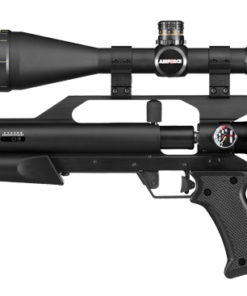
Air Rifles
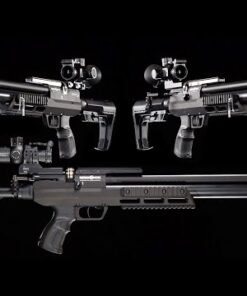
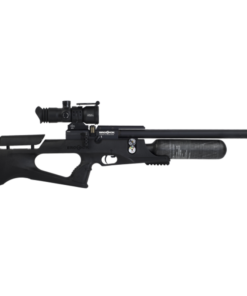
Air Rifles
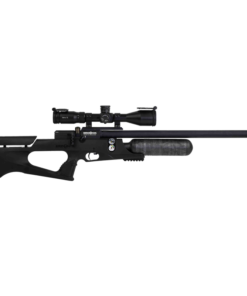
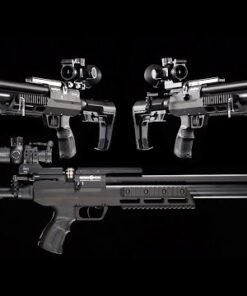
Air Rifles
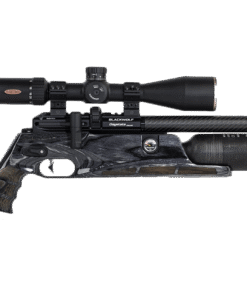
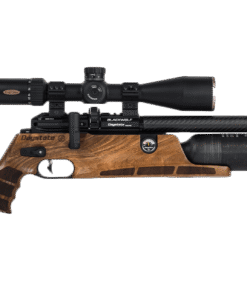
Air Rifles
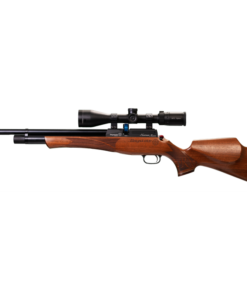
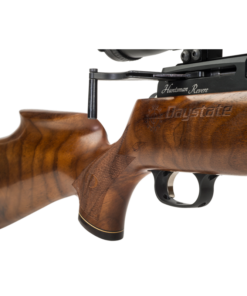
Daystate Air Rifle
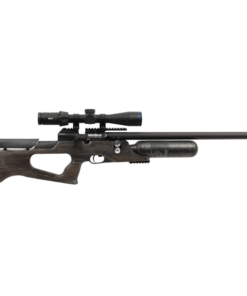
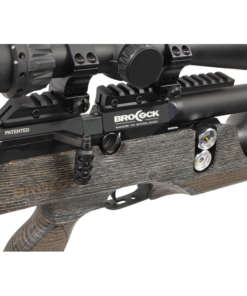
Precharged (PCP)
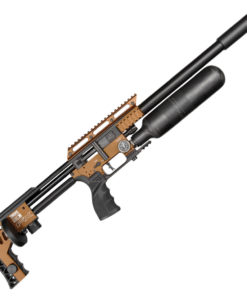
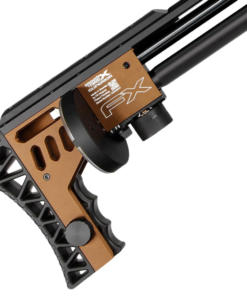
Air Rifles
Reviews
There are no reviews yet.