


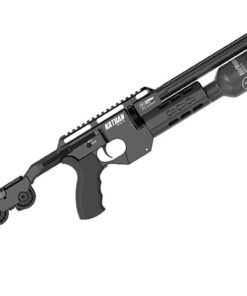
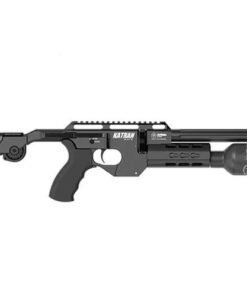

Katran-B Compact

$1,500.00
The Katran-B Compact is the compact model in the AirMaks Katran-B range, the bottle version of the Katran: a sub-12 side lever PCP air rifle with a 280mm barrel and a 300cc air bottle. Available in .177 and .22.
Key Features
- Bottle version of the Katran
- Foldable, length-adjustable stock
- Height-adjustable butt pad and cheek piece
- AR15 right-hand grip
- Aluminium handguard with KeyMod slots for accessories
- Side lever action, right-left changeable
- Two-stage trigger with external adjustment
- Huma-Air regulator
- External velocity adjustment
- 20 MOA Picatinny rail
- Magazine holder for two magazines
- Anti-double feed system
- 1/2″ UNF thread for moderator
Specification
- Brand: AirMaks Arms
- Model: Katran-B Compact
- Calibre: .177 / .22
- Legal class: Sub-12 ft/lb
- Stock: Synthetic, black
- Air bottle: 300cc
- Overall length: 775mm
- Folded length: 530mm
- Barrel length: 280mm
- Weight: 2.3kg
- Shot count: up to 280 (.177), up to 280 (.22)
- Magazine: 18 shot (.177), 16 shot (.22)
AirMaks Arms Katran-B Compact PCP Air Rifle – Precision, Power, Performance and Advanced Tactical Engineering


AirMaks Katran-B Compact – Advanced PCP Air Rifle Engineering and Precision Performance
The AirMaks Arms Katran-B Compact combines advanced pneumatic engineering, remarkable handling and modern tactical construction in a lightweight, precision-focused air rifle. Designed for enthusiasts who appreciate mechanical refinement, the platform offers a sophisticated alternative to conventional air rifles while maintaining exceptional portability.
Unlike a traditional spring-powered air gun, this premium airgun uses compressed air to propel pellets through a precision-manufactured barrel. Consequently, shooters experience minimal mechanical vibration, smooth operation and repeatable shot delivery.
Among contemporary airguns, the Katran-B Compact stands out through its regulated air delivery, adjustable ergonomics and innovative folding-stock design. Moreover, its engineering makes it a compelling option for buyers researching the best air rifle, best airguns and professional-grade shooting equipment.
For customers exploring an air rifle for sale or comparing airguns for sale, understanding the rifle’s actual specifications remains essential. Whether researching where to buy air rifle models or buy airguns online, customers should prioritize reliable product information, appropriate specifications and manufacturer-supported components.
A specialist air rifle shop, established airgun store, knowledgeable airgun dealer or reputable online airgun store can provide information about model variations, compatible equipment and local legal requirements.
Additionally, experienced enthusiasts consulting air rifle reviews and airgun reviews will recognize the importance of barrel construction, regulator consistency and ergonomic adjustment when evaluating premium air rifles, professional air rifles and adult air rifles.
Precision Air Rifle Technology – Accuracy, Barrel Quality and Shooting Consistency

Precision represents one of the strongest characteristics of the Katran-B Compact. Its 280mm CZ barrel features a choked design, supporting consistent pellet guidance and dependable mechanical accuracy.
As an accurate air rifle, its performance depends on several interconnected factors, including ammunition consistency, regulator operation, barrel condition and shooting technique.
Furthermore, the internal pressure regulator helps maintain stable air delivery across successive shots. This engineering makes the platform relevant to shooters comparing a precision air rifle, target air rifle, sport air rifle, competition air rifle, match air rifle and field target air rifle.
Although many air rifles for adults emphasize maximum muzzle energy, this compact platform prioritizes controllability alongside dependable performance.
Consequently, the distinction between a powerful air rifle and a high power air rifle becomes important. Greater energy does not automatically translate into superior accuracy, particularly when shooting requirements favor consistency and comfortable handling.
The rifle’s adjustable cheek piece, butt pad and two-stage trigger further support individualized fit during recreational air rifle shooting and organized airgun shooting activities.
Hunting Air Rifle Applications – Practical Field Performance and Responsible Use
For enthusiasts researching a hunting air rifle, air rifle hunting or airgun hunting, the Katran-B Compact offers a portable platform with useful handling characteristics.
Its relatively short configuration may appeal to people comparing air rifles for hunting, a small game air rifle or a dedicated PCP hunting rifle, wherever lawful.
However, suitability for live quarry depends on caliber, verified muzzle energy, accuracy, local legislation and humane hunting requirements.
For recreational target practice, the rifle’s regulated action and compact dimensions also provide an attractive foundation for controlled outdoor shooting sessions.
PCP Air Rifle System – Compressed Air Technology and Regulated Performance
The Katran-B Compact belongs to the modern PCP air rifle category, where pre-charged pneumatic technology replaces mechanical spring compression with stored high-pressure air.
Compared with many conventional airguns, a PCP airgun typically produces less firing-cycle disturbance. Therefore, enthusiasts examining PCP air rifles, a PCP rifle or different PCP rifles often emphasize consistent velocity and refined trigger response.
The Katran-B Compact uses a 300cc air bottle rated to a maximum filling pressure of 300 bar.
Its pressure-regulated mechanism makes it a regulated PCP air rifle, while its compact construction distinguishes it from larger high power PCP air rifle configurations.
Customers evaluating the best PCP air rifle, PCP air rifle for sale, PCP airgun for sale or planning to buy PCP air rifle equipment should consider the difference between bottle capacity, operating pressure and actual shot energy.
As a compressed air rifle and compressed air gun, the Katran-B Compact is also properly described as a pre charged pneumatic rifle or pre charged pneumatic airgun.
Compact PCP Air Rifle – Tactical Design, Adjustable Stock and Handling
The Katran-B Compact features an aluminum chassis, folding stock, adjustable cheek piece and ergonomic AR-style grip.
Its approximately 780mm overall length and 535mm folded length demonstrate why the model belongs in the compact PCP air rifle category.
The design provides tactical PCP air rifle styling without adopting a traditional bullpup configuration. Therefore, shoppers comparing a bullpup PCP air rifle or PCP bullpup rifle should recognize the mechanical and ergonomic differences.
Likewise, the Katran-B Compact is a manually operated side-lever model rather than a semi automatic PCP air rifle, full automatic air rifle or other automatic airgun.
Its construction is particularly relevant to those seeking a PCP tactical rifle, PCP carbine rifle, PCP target rifle or PCP competition rifle with versatile ergonomic adjustment.
Caliber Options – Understanding Pellet Size and Rifle Compatibility
Available configurations include the 177 air rifle, 177 PCP air rifle and 177 caliber air rifle categories, corresponding to 4.5mm air rifle specifications.
The popular 22 caliber air rifle, 22 PCP air rifle, .22 PCP air rifle, air rifle 22 caliber and PCP 22 air rifle descriptions identify the 5.5mm air rifle configuration.
Additionally, the 25 caliber air rifle, 6.35mm air rifle and PCP 25 caliber categories describe the larger .25 variant offered in certain markets.
However, the Katran-B Compact should not be confused with specialized 20 caliber air rifle, 30 caliber air rifle, 35 caliber air rifle or larger-caliber platforms.
Similarly, PCP 30 caliber, PCP 35 caliber, PCP 50 caliber, 45 caliber air rifle, 50 caliber air rifle and 50 cal air rifle models belong to different product specifications.
Enthusiasts researching a big bore PCP air rifle or big bore airgun should therefore examine dedicated big-bore platforms rather than assume interchangeable capabilities.
Airgun Accessories – Scopes, Components and Shooting Equipment
The Katran-B Compact includes a 20 MOA Picatinny optics rail, providing a practical mounting interface for compatible sights.
Consequently, customers comparing airgun accessories, air rifle accessories, airgun parts and air rifle parts should verify component compatibility before selecting equipment.
Essential airgun supplies, airgun equipment and airgun gear may include appropriate eye protection, targets, pellets, approved filling equipment and protective storage accessories.
A compatible optic can also make the platform attractive to enthusiasts considering a PCP rifle with scope, PCP air rifle kit or PCP air rifle package.
Ultimately, the AirMaks Katran-B Compact combines engineering precision, adaptable ergonomics and regulated pneumatic technology in a distinctive modern air rifle.
Its greatest strengths lie in consistent air delivery, compact portability and configurable handling rather than unsupported claims of maximum power.
AIRMAKS ARMS KATRAN-B COMPACT – ADVANCED ENGINEERING, ACCURACY, PERFORMANCE, HANDLING, AND MECHANICAL RELIABILITY
Understanding the Engineering Philosophy Behind the Katran-B Compact
The AirMaks Arms Katran-B Compact represents a thoughtful combination of mechanical efficiency, modern craftsmanship, and practical shooting comfort. Rather than relying on unnecessary weight or excessive dimensions, its design focuses on delivering dependable performance through carefully coordinated components. Every important structural element contributes to the overall experience, from the rigid chassis and adjustable stock to the compressed-air reservoir and precision barrel.
One of the most impressive characteristics of this model is its ability to combine a relatively compact frame with features commonly associated with larger shooting platforms. Its construction accommodates a substantial air reservoir without requiring an unnecessarily long overall profile. Consequently, owners benefit from an efficient arrangement that supports portability, stability, and convenient handling.
Moreover, the development philosophy emphasizes mechanical consistency. When properly maintained, the combination of a regulated pressure system, smooth action, and carefully manufactured barrel supports predictable operation. This consistency matters because reliable shooting performance depends on the way individual components interact rather than on any single feature.
The rifle also reflects contemporary expectations surrounding comfort and customization. Different users naturally have different body proportions, preferences, and shooting positions. Therefore, adjustable contact points help individuals establish a comfortable relationship with the equipment.
Equally important, the model maintains a distinctive appearance without sacrificing functional simplicity. Its modern chassis, folding mechanism, and accessible controls create an organized layout that remains practical during ordinary ownership.
Ultimately, the underlying engineering philosophy revolves around efficiency, adaptability, durability, and consistent performance. These characteristics explain why the Katran-B Compact deserves consideration as a refined mechanical platform rather than simply an attractive piece of equipment.
Why the Compact Construction Makes a Meaningful Difference
Compact construction plays an important role in portability, storage convenience, and comfortable handling. The Katran-B Compact demonstrates how thoughtful component placement can reduce overall dimensions while preserving the essential characteristics of a full-featured shooting platform.
Its shorter barrel arrangement contributes to a manageable profile, while the surrounding structure provides support for the major operating components. As a result, the rifle can feel less cumbersome than longer alternatives, particularly when moving between designated shooting areas or organizing equipment inside a suitable carrying case.
Furthermore, the folding stock introduces another practical advantage. When folded, the overall length decreases considerably, making storage and transportation more convenient. However, the folding mechanism should never replace appropriate safety precautions, secure storage, or compliance with transportation regulations.
The compact configuration also influences how the rifle balances. Instead of concentrating unnecessary mass toward the front, the design brings important structural elements into a relatively small space. This arrangement can contribute to comfortable handling, although the exact balance will depend on installed accessories and individual preferences.
Another consideration involves fatigue. Extended periods of holding any equipment can become uncomfortable, especially when weight distribution does not suit the user. A manageable structure and adjustable contact points can help reduce unnecessary strain during authorized recreational activities.
Nevertheless, compact dimensions do not automatically guarantee superior performance. Barrel quality, pressure regulation, ammunition consistency, and operator skill remain important factors.
The value of the Katran-B Compact therefore comes from the relationship between size and capability. Its configuration provides useful flexibility without depending on exaggerated claims about the benefits of smaller dimensions.
How the Pressure Regulation System Supports Consistent Performance
One of the most technically significant features of the Katran-B Compact is its pressure regulation system. The regulator serves an important function by managing the pressure supplied from the main reservoir to the firing mechanism.
Inside a charged reservoir, pressure gradually decreases as compressed air is consumed. Without effective regulation, this changing pressure can influence the amount of energy available during successive operating cycles. A properly functioning regulator helps reduce these variations by supplying air at a more controlled pressure.
Consequently, shot-to-shot consistency may improve across the regulator’s effective operating range. This characteristic is especially valuable when users want predictable performance during organized shooting sessions.
The relationship between reservoir pressure and regulator operation also explains why the maximum filling pressure should not be confused with the pressure supplied to the firing system. These represent different parts of the pneumatic process, each with its own engineering purpose.
Moreover, stable air delivery can complement the mechanical characteristics of the barrel and trigger. When multiple sources of variation are reduced, the platform becomes easier to evaluate consistently under controlled conditions.
However, a regulator cannot eliminate every factor influencing performance. Pellet manufacturing tolerances, environmental conditions, mechanical condition, and maintenance practices still contribute to the results owners experience.
Another important consideration is the condition of internal seals. Because pressure regulation depends on properly functioning pneumatic components, worn seals or contamination may affect consistency over time.
For this reason, inspections and internal servicing should follow manufacturer recommendations and involve qualified technicians where necessary.
Overall, the regulator contributes to the rifle’s engineering refinement by supporting repeatability and helping the pneumatic system operate within its intended parameters.
The Importance of Barrel Manufacturing and Mechanical Precision
Barrel construction represents a central element of the Katran-B Compact’s performance-oriented design. The manufacturer specifies a CZ barrel, a feature that reflects the importance of consistent manufacturing standards and carefully controlled dimensions.
A barrel must guide a projectile through a precisely defined internal path. Accordingly, the quality of its interior finish, dimensional consistency, and alignment can influence mechanical accuracy.
The model’s choked barrel configuration adds another distinctive characteristic. A choke refers to a carefully controlled reduction in the internal diameter near the muzzle, intended to influence how the projectile exits the bore.
Nevertheless, actual accuracy cannot be determined from barrel specifications alone. The condition of the equipment, consistency of the ammunition, and environmental circumstances all affect practical results.
Furthermore, the barrel works as one component within a larger mechanical assembly. Even a well-manufactured barrel must be supported by dependable pressure delivery, consistent ammunition, and secure structural construction.
The relatively short barrel length also contributes to the model’s compact dimensions. Although barrel length can influence pneumatic efficiency and projectile velocity, shorter construction does not automatically indicate poor accuracy.
Instead, the performance of the complete system depends on how its components have been engineered to operate together.
Over time, proper care also becomes important. Preventing corrosion, avoiding mechanical impacts, and following approved cleaning guidance can help preserve the barrel’s condition.
Owners should avoid aggressive cleaning methods or unsuitable materials that could damage the internal finish.
Ultimately, the barrel illustrates a fundamental engineering principle: predictable performance begins with dimensional consistency, careful manufacturing, and appropriate long-term maintenance.
Advanced Trigger Construction and the Importance of Controlled Operation
The trigger mechanism represents another important component of the Katran-B Compact’s overall design. Although frequently overlooked during initial product comparisons, trigger quality influences the user’s perception of control, comfort, and mechanical refinement.
The model incorporates a two-stage trigger arrangement. This design separates the initial movement from the final release, providing a distinct mechanical sequence. As a result, users can experience a more recognizable transition between the stages of operation.
Importantly, trigger behavior also depends on manufacturing tolerances, component condition, and factory settings. A well-constructed mechanism should provide predictable movement without unnecessary roughness or inconsistent resistance.
Additionally, the relationship between the trigger and the surrounding grip contributes to ergonomic comfort. Hand dimensions vary considerably between individuals, making appropriate positioning and accessible controls particularly valuable.
The manufacturer’s adjustable design allows the platform to accommodate different preferences within its intended operating specifications. However, adjustments involving safety-critical mechanisms should follow official instructions or be performed by qualified personnel.
A trigger should never be modified beyond manufacturer-approved limits to achieve an unusually light release. Such modifications can compromise mechanical reliability and create unnecessary safety risks.
Furthermore, regular inspection helps identify unusual resistance, inconsistent movement, or other mechanical changes that may require professional attention.
The importance of this component extends beyond its physical dimensions. Its operation forms an essential connection between the user and the mechanical system, making predictable behavior an important aspect of the overall ownership experience.
Adjustable Stock Design and Personalized Ergonomic Comfort
Comfortable equipment positioning remains essential for a satisfying recreational shooting experience. The Katran-B Compact addresses this requirement through an adjustable stock arrangement that accommodates different body proportions and personal preferences.
Its folding construction provides useful convenience, while the adjustable cheek piece helps accommodate different facial structures and equipment configurations.
Meanwhile, the adjustable butt pad contributes to a more personalized fit. These features allow individuals to establish a comfortable relationship with the rifle without depending entirely on a fixed factory configuration.
The importance of proper ergonomics becomes particularly apparent during longer sessions. Poorly positioned equipment can create unnecessary muscular tension, while suitable adjustment can support more natural posture.
Moreover, the stock’s structural design complements the lightweight chassis. Its folding mechanism gives the platform a distinctive contemporary appearance while providing practical advantages for storage.
The quality of the stock assembly also matters. Hinges, fastening points, adjustment mechanisms, and contact surfaces must remain mechanically sound to preserve dependable operation.
Therefore, owners should periodically inspect externally accessible components for visible wear, looseness, or damage, following manufacturer guidance.
Another benefit of adjustable ergonomics is versatility. Different users may prefer different stock lengths or contact-point positions. Rather than forcing every individual into the same configuration, the platform offers a degree of flexibility.
Nevertheless, comfort remains subjective. An arrangement that feels natural to one person may feel less suitable to another.
For that reason, the stock’s value lies in providing multiple adjustment possibilities within a compact and carefully organized structure.
Aluminum Chassis Construction and Long-Term Structural Durability
The chassis forms the foundation of the Katran-B Compact’s distinctive engineering architecture. Its aluminum construction provides an effective combination of structural rigidity, manageable weight, and resistance to many ordinary environmental conditions.
Aluminum alloys are widely used in precision mechanical products because they offer favorable strength-to-weight characteristics. Consequently, manufacturers can develop rigid structural assemblies without introducing excessive mass.
The material also allows complex shapes and mounting interfaces to be manufactured with controlled dimensional tolerances. Such characteristics are important when multiple mechanical components must remain properly aligned.
Furthermore, aluminum does not develop red iron oxide rust in the same manner as ordinary carbon steel. However, it can still experience corrosion under certain circumstances, particularly when exposed to aggressive chemicals, salt contamination, or unsuitable storage environments.
Protective surface treatments may improve durability, but they do not eliminate the need for responsible maintenance.
The chassis also contributes to the platform’s modern appearance. Its defined contours, angular geometry, and compact arrangement create a purposeful industrial design.
Nevertheless, structural durability depends on more than material selection. Fastener quality, manufacturing precision, assembly standards, and appropriate handling all contribute to long-term reliability.
Repeated impacts, improper modifications, and excessive mechanical stress can damage even carefully manufactured components.
For this reason, the model should be protected against unnecessary shocks and inspected whenever accidental damage occurs.
In everyday ownership, the rigid construction offers an important advantage: it provides a stable foundation for the operating components while supporting the platform’s overall portability.
Reservoir Capacity, Air Management, and Operational Efficiency
The Katran-B Compact incorporates a 300cc bottle-type reservoir, providing a substantial compressed-air storage capacity within its compact architecture.
Reservoir capacity matters because it determines how much compressed air the system can hold at a given pressure. However, capacity alone does not establish the number of usable shots available from a complete charge.
Actual consumption depends on several factors, including regulator characteristics, caliber, factory power configuration, operating conditions, and individual mechanical tolerances.
Consequently, performance figures should always be evaluated using manufacturer-provided specifications for the exact configuration.
Another important distinction concerns maximum filling pressure. The stated 300-bar limit represents an upper operating specification, not a recommendation to exceed that limit under any circumstances.
Only equipment specifically approved for the applicable pressure rating should be used, and all filling procedures must comply with the manufacturer’s instructions.
The condition of the reservoir is equally important. High-pressure vessels require appropriate handling, periodic inspection, and protection from heat, impacts, and unauthorized alterations.
Moreover, the reservoir should never be disassembled, repaired, or modified by unqualified individuals.
Professional servicing becomes particularly important when there are signs of damaged fittings, abnormal leakage, corrosion, or other pressure-related concerns.
The bottle’s integration into the compact structure demonstrates another aspect of the manufacturer’s approach to efficient component placement.
Instead of allowing the air storage system to dominate the overall configuration, the design accommodates it within a practical and balanced assembly.
Ultimately, effective air management requires coordination between reservoir capacity, pressure regulation, mechanical efficiency, and appropriate maintenance.
Reliability, Routine Maintenance, and Responsible Long-Term Ownership
Long-term reliability depends on the condition of the entire mechanical system. Even sophisticated equipment requires appropriate care to preserve its original operating characteristics.
The Katran-B Compact contains several interconnected components, including seals, valves, mechanical linkages, fastening points, and pressure-bearing assemblies. Each contributes to dependable operation.
Therefore, owners should follow the manufacturer’s official maintenance recommendations rather than relying on improvised procedures.
External cleaning represents a straightforward part of responsible ownership. Dust, moisture, and surface contamination should be removed using materials approved for the relevant finishes.
Particular attention should be given to protecting exposed metal surfaces and preventing contaminants from entering sensitive mechanical openings.
Additionally, owners should examine the equipment periodically for visible abnormalities. Loose external components, damaged fittings, unusual sounds, or unexplained pressure loss may indicate a need for qualified inspection.
Professional assistance is especially important when a problem involves high-pressure components or internal mechanisms.
Proper storage also contributes to longevity. A dry, secure environment helps protect the metal construction, stock assembly, and associated equipment from unnecessary deterioration.
Furthermore, the rifle should always be stored unloaded, secured against unauthorized access, and in accordance with applicable regulations.
Consistent recordkeeping can provide additional benefits. Maintaining documentation of inspections, servicing, and replacement components helps establish a clearer ownership history.
Although proper care cannot guarantee that components will never wear, it can reduce avoidable deterioration and support dependable operation over time.
Why the Katran-B Compact Offers Lasting Value
The lasting appeal of the Katran-B Compact comes from the way its individual engineering characteristics complement one another.
Its compact architecture supports portability, while the folding stock and adjustable contact points provide useful ergonomic flexibility. Meanwhile, its regulated pressure system contributes to consistent operation, and the precision-manufactured barrel offers a foundation for dependable mechanical performance.
Equally important, the aluminum chassis provides a rigid structural framework without unnecessary bulk. This combination reflects a deliberate balance between functionality, durability, and contemporary industrial design.
Another valuable characteristic is the platform’s emphasis on practical mechanical refinement. Rather than depending entirely on one headline specification, the rifle brings together several features that improve the overall ownership experience.
For enthusiasts who appreciate quality engineering, these details can be more meaningful than exaggerated performance promises.
However, buyers should always distinguish verified specifications from personal impressions. Comfort, accuracy, and perceived quality can vary according to the individual, exact product configuration, and operating conditions.
Reliable manufacturer information and proper professional support remain essential when evaluating those differences.
The Katran-B Compact also demonstrates why equipment selection should consider long-term suitability rather than appearance alone. Availability of approved replacement components, professional servicing, suitable storage arrangements, and ongoing maintenance all influence ownership satisfaction.
Ultimately, the AirMaks Arms Katran-B Compact represents a carefully developed balance of portability, pneumatic regulation, mechanical precision, and adjustable ergonomics.
Its engineering character makes it appealing to enthusiasts who value consistent operation, well-organized construction, and responsible long-term ownership.
Rather than presenting performance as a single number, the model demonstrates how thoughtful design, compatible components, appropriate maintenance, and manufacturing quality work together to create a refined and distinctive shooting platform.
AIRMAKS ARMS KATRAN-B COMPACT – REAL-WORLD USABILITY, ADVANCED COMFORT, PRACTICAL APPLICATIONS, AND PERFORMANCE ADVANTAGES
Practical Performance and the Importance of a Well-Balanced Design
The AirMaks Arms Katran-B Compact demonstrates how thoughtful mechanical engineering can influence the experience of owning and operating a modern pneumatic shooting platform. Its construction emphasizes manageable dimensions, dependable functionality, and user comfort without overlooking the importance of mechanical consistency. As a result, the equipment offers a combination of practical characteristics suited to responsible recreational use and organized sporting environments.
One of the primary advantages of this model is the relationship between its overall dimensions and its structural arrangement. Instead of adopting an unnecessarily large frame, the manufacturer has developed a compact configuration that accommodates the essential operating components within a relatively small space. This approach can make transportation, storage, and general handling more convenient.
Furthermore, the distribution of weight contributes to the overall character of the equipment. A well-balanced structure can feel more comfortable during supervised sporting activities because users do not have to compensate constantly for excessive weight concentrated at one end.
However, individual impressions will vary depending on physical characteristics, personal preferences, and installed accessories. Therefore, balance should be understood as a relationship between the complete equipment configuration and the person using it.
Another important consideration is mechanical predictability. The pressure regulation system, barrel construction, and trigger mechanism function together to support consistent operation. Although no mechanical platform can eliminate every external variable, dependable components create a stronger foundation for repeatable performance.
The compact arrangement also provides practical advantages when preparing equipment for transportation. Its folding mechanism reduces overall dimensions, while the rigid chassis protects the alignment of the principal structural components during normal handling.
Ultimately, practical value comes from the integration of these characteristics. The Katran-B Compact offers more than an attractive external appearance; it represents a design philosophy centered on efficiency, consistency, and adaptable ownership.
Why Ergonomic Comfort Matters During Extended Recreational Sessions
Comfort plays an essential role in the overall experience of using sporting equipment. The Katran-B Compact incorporates several features intended to accommodate individual differences in body proportions, preferred positioning, and general handling expectations.
Its adjustable cheek piece provides a personalized contact surface, while the adjustable butt pad supports further customization of the stock arrangement. Together, these features allow users to establish a more comfortable relationship with the equipment.
Additionally, the grip configuration offers a familiar interface for individuals accustomed to modern sporting designs. Its shape helps distinguish the model from traditional wooden-stock alternatives and contributes to its contemporary appearance.
The significance of ergonomic adjustment becomes particularly noticeable during longer recreational sessions. Equipment that does not fit comfortably may encourage unnecessary muscular tension, fatigue, or awkward positioning.
By comparison, equipment with suitable adjustment options can accommodate a wider range of physical requirements. Consequently, owners may find it easier to maintain a comfortable posture during ordinary handling.
Nevertheless, adjustability should not be confused with universal suitability. Different individuals have distinct ergonomic needs, and not every configuration will provide an ideal fit.
Furthermore, the folding stock should always be handled in accordance with manufacturer instructions. Its hinges and locking components are important structural features that require appropriate inspection and care.
Comfort also depends on external conditions. Temperature, clothing, protective equipment, and the amount of time spent in an activity can influence how a particular configuration feels.
For these reasons, the ergonomic advantages of the Katran-B Compact are best understood as opportunities for personalization rather than guarantees of identical comfort for every user.
How the Folding Stock Improves Storage and Transportation Convenience
The folding stock represents one of the most recognizable characteristics of the Katran-B Compact. Beyond its modern appearance, this feature provides an important practical benefit by reducing the equipment’s overall length when folded.
In its extended configuration, the platform maintains the proportions of a compact sporting design. Once folded, its reduced length can make placement inside an appropriately sized protective case more convenient.
This characteristic is particularly useful for owners who have limited storage space or who regularly transport sporting equipment to authorized facilities.
Moreover, a folding arrangement can simplify organization within dedicated storage compartments. Instead of requiring the dimensions associated with a permanently extended stock, the folded structure occupies a shorter footprint.
However, reduced dimensions do not eliminate the need for proper transportation procedures. The equipment should always be unloaded and secured as required by applicable laws and manufacturer guidance.
Similarly, protective cases should provide sufficient internal support to prevent unnecessary movement, pressure against sensitive components, or accidental impacts.
Another important consideration involves mechanical integrity. The folding mechanism contains components that must remain properly aligned and securely engaged. Damage or excessive wear may compromise reliability and should receive professional attention.
Owners should avoid forcing the mechanism when resistance is encountered. Unusual stiffness, instability, or visible damage can indicate a problem requiring inspection.
The folding design also contributes to the model’s versatility by allowing a compact storage configuration without requiring routine disassembly of its major components.
Ultimately, this engineering feature illustrates how convenience can be integrated into a sophisticated mechanical platform without making the overall structure unnecessarily complicated.
Where the Katran-B Compact Fits into Organized Sporting Environments
The Katran-B Compact is particularly relevant to environments where controlled conditions, appropriate supervision, and clearly defined safety procedures support recreational activities.
Established sporting facilities provide an organized setting in which participants can follow designated operating rules and benefit from suitable infrastructure.
Within such environments, equipment quality becomes easier to appreciate because users can evaluate comfort, mechanical consistency, and general operation without unnecessary distractions.
Furthermore, organized facilities often provide access to knowledgeable staff who can explain applicable regulations, safe handling requirements, and appropriate equipment care.
The compact dimensions of this model may make it convenient to transport between home storage and approved recreational venues. However, transportation requirements differ by jurisdiction and must always be checked before travel.
Another important advantage of supervised environments is the opportunity to understand equipment characteristics through structured observation and professional guidance.
For example, owners may become familiar with the relationship between mechanical condition, environmental factors, and general operating consistency.
Such awareness supports responsible ownership while encouraging realistic expectations about performance.
In addition, sporting clubs often emphasize maintenance, equipment inspection, and appropriate protective measures. These practices help users recognize that responsible participation involves more than the mechanical capabilities of the equipment itself.
The Katran-B Compact’s adjustable structure and regulated pneumatic system provide technical characteristics relevant to these organized settings.
However, participation in formal events may be governed by restrictions concerning equipment dimensions, configuration, energy limits, or other competition-specific requirements.
Therefore, prospective participants should confirm eligibility with the relevant event organizer rather than assume universal acceptance.
Understanding Consistency Across Different Environmental Conditions
Environmental conditions can influence the behavior of precision mechanical equipment. Temperature, humidity, airborne dust, and general storage conditions may affect components differently over time.
For the Katran-B Compact, temperature deserves particular consideration because compressed gases respond to thermal changes. Variations in ambient temperature can influence pressure readings and the behavior of the pneumatic system.
Therefore, reservoir limits and manufacturer handling instructions should always be respected, especially when equipment moves between environments with substantially different temperatures.
Humidity introduces another consideration. Although the aluminum chassis offers useful resistance to ordinary corrosion, other components and fastening materials may require additional protection.
Moisture exposure can also affect external finishes, internal seals, and accessory components if suitable maintenance procedures are neglected.
Furthermore, airborne dust and debris may accumulate around accessible mechanical surfaces. Keeping these areas clean supports the preservation of the equipment’s condition.
Another factor involves changes in light and visibility. Although such conditions do not fundamentally alter the chassis or barrel construction, they can affect the comfort and perception of users in outdoor recreational environments.
Consequently, realistic assessments of performance should consider the conditions in which observations take place.
Consistency does not mean that equipment will behave identically under every circumstance. Instead, it refers to the ability of properly maintained components to function predictably within their intended operating limits.
The Katran-B Compact benefits from its regulated design, but environmental awareness remains an important part of responsible ownership.
The Importance of Mechanical Compatibility and Proper Equipment Selection
A well-engineered platform delivers its greatest long-term value when owners use components and accessories that match its intended specifications.
The Katran-B Compact incorporates several recognizable mechanical interfaces, but compatibility should never be assumed solely because two products appear visually similar.
For example, external mounting systems may accommodate particular accessories while requiring specific dimensions or manufacturer-approved attachment arrangements.
Likewise, replacement components must correspond to the correct model variation. Differences between production versions, regional configurations, and component specifications may affect suitability.
Consequently, owners should consult manufacturer documentation or authorized technical support before purchasing replacement items.
This approach is especially important for components associated with pressure containment, firing mechanisms, or structural integrity.
Incorrect replacements can introduce reliability problems even when the individual component appears to be well manufactured.
Furthermore, unnecessary modifications may affect warranties, maintenance requirements, and compliance with applicable regulations.
The manufacturer’s original engineering should therefore remain the reference point when considering alterations or servicing.
Compatibility also extends to storage and transportation equipment. A suitable case should accommodate the product’s external dimensions and provide adequate protection without placing excessive pressure on vulnerable surfaces.
Additionally, protective accessories must not interfere with safe storage or obscure signs of mechanical damage.
Ultimately, careful equipment selection supports the preservation of factory specifications and reduces the likelihood of avoidable ownership problems.
How Manufacturing Quality Influences Long-Term Confidence
Manufacturing quality is one of the most important considerations when evaluating sophisticated mechanical products. Attractive styling may capture attention initially, but precision manufacturing and dependable component integration determine much of the long-term experience.
The Katran-B Compact brings together components manufactured from different materials and designed to perform distinct functions.
Its chassis provides structural support, while the barrel, trigger assembly, stock components, and pneumatic system contribute to overall operation.
For these elements to function effectively together, dimensional accuracy and assembly consistency are essential.
Moreover, reliable manufacturing reduces the likelihood of unnecessary mechanical interference between properly fitted components.
Surface finishes also contribute to the product’s perceived quality. Uniform machining, appropriately finished edges, and consistent material treatment demonstrate attention to production details.
However, visual refinement alone does not establish mechanical reliability. Internal component quality, quality-control procedures, and ongoing service support remain equally important.
Another consideration involves the availability of technical documentation. Clear instructions and reliable specification information help owners understand the correct limits and requirements of their equipment.
Furthermore, manufacturer-supported servicing can help preserve the condition of critical components throughout the ownership period.
Although no manufacturer can guarantee unlimited service life, responsible production standards and proper maintenance contribute to predictable long-term functionality.
The Katran-B Compact’s combination of machined structural components and established pneumatic design principles reflects an emphasis on coordinated mechanical engineering.
This makes the platform appealing to enthusiasts who appreciate the construction details behind a product rather than judging quality exclusively by external appearance.
When Maintenance and Professional Inspection Become Important
Routine care should form part of every ownership experience, regardless of equipment age or purchase condition.
For the Katran-B Compact, the importance of maintenance increases when signs of unusual operation, external damage, or environmental exposure become apparent.
A visible impact to the reservoir, damaged pressure fittings, abnormal leakage, or changes in mechanical behavior should never be ignored.
Instead, the equipment should be taken out of service and examined by appropriately qualified personnel.
Similarly, concerns involving the trigger assembly, folding mechanism, or internal pressure system require careful professional assessment.
Owners should avoid attempting internal repairs without the necessary qualifications and approved technical documentation.
Preventive maintenance also includes protecting the equipment during periods of inactivity. Clean, dry storage can help reduce environmental deterioration, while secure containment prevents unauthorized access.
The frequency of formal servicing should follow the manufacturer’s recommendations and any applicable legal requirements concerning pressure vessels.
Additionally, service history may influence resale confidence. Documentation showing appropriate inspections and professional maintenance can help future owners understand how the product has been cared for.
Replacement seals and other wear-related components should be genuine or explicitly manufacturer-approved.
Although maintenance may occasionally involve additional expense, appropriate servicing helps preserve mechanical integrity and supports responsible long-term use.
Why Mechanical Efficiency Matters More Than Exaggerated Performance Claims
Performance discussions often focus on isolated numerical specifications. However, mechanical efficiency involves a much broader relationship between components, operating characteristics, and practical limitations.
The Katran-B Compact demonstrates why a balanced engineering approach can be more meaningful than emphasizing a single maximum figure.
Its regulated pneumatic system supports controlled pressure delivery, while its compact structure accommodates the principal operating components without unnecessary bulk.
Furthermore, the adjustable ergonomic features contribute to usability, and the rigid chassis provides an organized structural foundation.
These characteristics work together to define the product’s overall mechanical identity.
A high reservoir pressure, for example, does not independently guarantee a particular level of accuracy, efficiency, or operating duration.
Likewise, barrel length alone cannot establish the quality of practical results.
Instead, performance depends on the interaction between pressure regulation, component condition, factory configuration, manufacturing tolerances, and environmental circumstances.
Responsible product evaluation should therefore rely on verified manufacturer information and realistic operating expectations.
By considering the complete system, buyers can better distinguish meaningful technical features from unsupported promotional statements.
The Katran-B Compact’s appeal comes from its integration of recognized engineering principles within a compact, adjustable design.
Overall Practical Value and Ownership Experience
The AirMaks Arms Katran-B Compact offers a combination of mechanical sophistication, portability, and ergonomic adaptability that distinguishes it from more conventional designs.
Its folding stock addresses storage convenience, while the adjustable contact points accommodate a range of user preferences. Meanwhile, the aluminum chassis provides structural rigidity without excessive material weight.
The regulated pneumatic system adds another layer of refinement by supporting more consistent operation within the equipment’s intended specifications.
Additionally, the precision-manufactured barrel contributes to the platform’s performance-oriented engineering philosophy.
For owners who value product longevity, these features should be considered alongside proper maintenance, professional technical support, and careful equipment storage.
The ownership experience also depends on choosing the correct configuration for the intended lawful activity. Differences in regional specifications and operating limits can influence suitability.
Therefore, accurate documentation remains essential when comparing versions or evaluating individual products.
Ultimately, the Katran-B Compact reflects a practical approach to modern mechanical design. Its strengths emerge from the combination of thoughtful construction, adaptable dimensions, controlled pneumatic operation, and attention to component compatibility.
With appropriate care and responsible ownership, the platform offers a refined experience centered on engineering quality, functional convenience, and consistent mechanical behavior.
Rather than depending on dramatic performance promises, its value rests on recognizable design characteristics that can be understood, evaluated, and maintained throughout its service life.
AIRMAKS ARMS KATRAN-B COMPACT – QUALITY CRAFTSMANSHIP, ADVANCED FEATURES, LONG-TERM VALUE, AND COMPLETE OWNERSHIP EXPERIENCE
The Importance of Quality Craftsmanship in Modern Shooting Equipment
Quality craftsmanship is one of the defining characteristics of the AirMaks Arms Katran-B Compact. Its design reflects the relationship between modern manufacturing technology, careful material selection, and practical mechanical engineering. Rather than relying solely on external appearance, the manufacturer incorporates a collection of structural and functional elements intended to support consistency, durability, and everyday usability.
At the center of this design philosophy is the understanding that sophisticated equipment must function as a coordinated mechanical system. Every component plays an important role, whether it provides structural support, contributes to pressure management, or improves the user’s overall comfort. Consequently, the quality of the finished product depends on how effectively these individual elements work together.
Furthermore, manufacturing precision has a direct relationship with mechanical reliability. Components produced within appropriate dimensional tolerances can fit together more consistently, helping reduce unwanted movement, mechanical interference, and premature wear.
The aluminum construction contributes to this engineering approach. Its favorable strength-to-weight characteristics allow manufacturers to create rigid structures without introducing unnecessary bulk. Moreover, precisely manufactured mounting surfaces help maintain the intended relationship between major components.
Another noteworthy consideration involves surface finishing. Properly finished components not only contribute to visual appeal but also help protect the underlying materials from ordinary environmental exposure. However, even high-quality finishes require appropriate care to maintain their condition.
The overall design also emphasizes accessibility and organization. External controls, adjustable elements, and structural features occupy clearly defined positions, creating a contemporary arrangement that combines appearance with practical functionality.
Ultimately, the craftsmanship of the Katran-B Compact should be evaluated through the quality of its construction, the consistency of its assembly, and the manufacturer’s technical specifications rather than promotional claims alone.
Why Structural Rigidity Contributes to Mechanical Stability
Structural rigidity is essential for any precision-oriented mechanical platform because major components must remain properly supported during normal operation and handling.
The Katran-B Compact uses a rigid chassis configuration to provide a foundation for its principal assemblies. This construction helps maintain the intended relationship between the barrel, operating mechanism, stock, and accessory mounting surfaces.
A stable structure is particularly valuable because unnecessary movement between components can introduce mechanical inconsistencies. Although some components are intentionally adjustable or movable, the primary supporting assembly must retain its designed geometry.
Furthermore, structural integrity influences the way equipment responds to transportation and ordinary handling. A properly manufactured frame can tolerate normal service conditions while providing dependable support for attached components.
However, rigidity should not be confused with resistance to unlimited force. Aluminum components, threaded connections, and mounting interfaces can still suffer damage when subjected to excessive pressure, improper modification, or severe impacts.
For this reason, appropriate protection remains important during transportation and storage.
The relationship between rigidity and weight also deserves attention. Increasing material thickness may improve certain strength characteristics, but it can also introduce unnecessary mass. Effective engineering therefore requires a balance between structural support and portability.
The manufacturer’s compact arrangement illustrates this principle by integrating the principal components into a relatively small framework.
Additionally, stable construction contributes to the perceived quality of the finished product. Secure fittings, predictable adjustments, and properly aligned assemblies help create confidence in the equipment’s mechanical condition.
Regular inspection remains necessary because fastening components and adjustable interfaces may experience wear during extended ownership.
Overall, the chassis performs a fundamental role by providing a consistent structural foundation for the complete system.
How Component Integration Influences Operational Consistency
The effectiveness of a sophisticated mechanical product depends on more than the quality of its individual components. Equally important is the way those components interact under normal operating conditions.
In the Katran-B Compact, the compressed-air reservoir, regulator, firing mechanism, barrel assembly, and external controls form an interconnected operating system.
Each component performs a specific function, yet the performance of one can influence the behavior of another.
For example, controlled pneumatic pressure supports more predictable operation, while properly manufactured mechanical interfaces help preserve alignment.
Similarly, dependable sealing components contribute to maintaining appropriate pressure conditions within the system.
This interconnected relationship explains why isolated performance figures cannot provide a complete picture of product quality.
An impressive specification may be less meaningful when surrounding components do not support consistent operation.
Moreover, component integration affects maintenance requirements. A well-organized mechanical system allows qualified technicians to identify appropriate service procedures using manufacturer documentation.
Nevertheless, internal assemblies should not be altered without proper technical knowledge. Components associated with compressed air and firing mechanisms can present significant hazards when handled incorrectly.
Another consideration involves production consistency. Reliable assembly procedures and suitable quality-control practices help manufacturers reduce variation between finished products.
Although individual manufacturing tolerances remain unavoidable, carefully controlled processes contribute to more predictable mechanical characteristics.
Ultimately, effective integration allows the major assemblies to function as a coordinated system rather than a collection of unrelated features.
Understanding the Relationship Between Precision and Repeatability
Precision and repeatability are closely related concepts, although they should not be treated as identical.
Precision generally concerns the degree of consistency achieved under defined conditions, while repeatability describes the ability to obtain comparable results when the same process is repeated.
For the Katran-B Compact, both concepts are relevant because its mechanical design includes features intended to support controlled operation.
The regulated pressure system helps reduce variation in delivered air pressure across an appropriate operating range. Meanwhile, the manufactured barrel provides a consistent internal pathway.
However, these characteristics do not guarantee identical outcomes during every recreational session.
Environmental conditions, equipment condition, ammunition variation, and individual technique can all influence observed results.
Furthermore, evaluation methods matter. Reliable comparisons require clear conditions and an understanding of what is actually being measured.
For this reason, manufacturer specifications and properly documented independent assessments offer more useful information than unsupported descriptions of exceptional performance.
The distinction between accuracy and precision is also important. Equipment may demonstrate consistency without necessarily matching a particular intended point under every circumstance.
Consequently, realistic expectations should focus on the complete system and the conditions in which it operates.
Regular maintenance helps preserve the mechanical characteristics necessary for repeatable behavior. Worn seals, damaged components, or neglected servicing may introduce additional variation.
The Katran-B Compact’s engineering provides a foundation for consistency, but dependable results remain dependent on appropriate operating conditions and responsible ownership.
Advanced Ergonomic Engineering and the Importance of Individual Fit
Ergonomic engineering focuses on adapting equipment to human physical characteristics rather than expecting every user to accommodate a single fixed arrangement.
The Katran-B Compact incorporates adjustable elements that reflect this philosophy.
Its stock configuration allows a degree of personalization, while the cheek support and rear contact surface contribute to the overall fit.
These components matter because people differ in height, arm length, facial structure, and preferred posture.
Therefore, a fixed configuration that feels comfortable to one individual may feel less suitable to another.
Adjustability provides an opportunity to address these differences within the equipment’s designed limitations.
Furthermore, comfortable equipment positioning can reduce unnecessary physical strain during extended recreational activities.
Poor ergonomic fit may contribute to fatigue, particularly when the user must maintain an awkward position for a prolonged period.
The model’s relatively compact dimensions also influence its ergonomic character. A smaller external profile may feel manageable to some individuals, although personal preference remains an important factor.
Additionally, the design incorporates a modern grip arrangement that distinguishes it from more traditional sporting configurations.
The shape and location of the grip contribute to how the equipment feels during ordinary handling.
However, ergonomic preferences should always be evaluated individually. No single configuration provides an ideal fit for every person.
Another important consideration involves protective equipment and seasonal clothing, both of which may influence comfort.
Ultimately, ergonomic flexibility increases the range of personal adjustments available while preserving the manufacturer’s intended structural arrangement.
Why Responsible Storage Protects Performance and Long-Term Condition
Appropriate storage is essential for preserving the physical condition and mechanical integrity of sophisticated sporting equipment.
The Katran-B Compact includes metal components, adjustable mechanisms, and a high-pressure pneumatic assembly, all of which require responsible handling.
A secure, dry storage environment helps protect exposed surfaces against moisture accumulation and unnecessary contamination.
Furthermore, stable environmental conditions can reduce the likelihood of deterioration associated with prolonged heat, excessive humidity, and direct exposure to unsuitable chemicals.
The folding stock contributes to convenient storage by reducing the product’s overall length. Nevertheless, compact dimensions should never lead owners to overlook proper security measures.
The equipment should remain unloaded and secured against unauthorized access, following manufacturer instructions and applicable regulations.
Where legally required or otherwise appropriate, a locked storage enclosure offers an additional level of protection.
Another important consideration involves pressure-bearing components. The reservoir and its associated fittings must remain protected from excessive temperatures, impacts, and unauthorized alterations.
Owners should follow the manufacturer’s specific guidance concerning storage pressure and inspection intervals.
Protective cases can help prevent cosmetic damage during ordinary transportation. However, a case should provide appropriate internal support rather than placing excessive pressure on vulnerable components.
Additionally, equipment should not remain enclosed in damp protective materials for extended periods.
Routine visual inspections can help identify early signs of surface deterioration, damaged fittings, or unusual wear.
By maintaining appropriate storage conditions, owners can help preserve the product’s appearance, mechanical condition, and long-term serviceability.
The Role of Professional Servicing in Maintaining Mechanical Reliability
Professional servicing plays a significant role in maintaining equipment that contains sophisticated mechanical and pneumatic components.
Although routine external care may be straightforward, internal assemblies require specialized knowledge and appropriate safety procedures.
The Katran-B Compact contains pressure-bearing components that must remain within their intended operating limits.
Consequently, servicing involving the reservoir, regulator, valves, or pressure fittings should be performed by appropriately qualified technicians.
Professional inspection can help identify worn seals, damaged fittings, abnormal leakage, or other conditions that may compromise reliability.
Furthermore, trained personnel can evaluate components using manufacturer documentation and suitable inspection equipment.
This approach reduces the risks associated with improvised repairs or incompatible replacement parts.
Another benefit of professional servicing involves documentation. Maintenance records provide useful information about the equipment’s condition and previous technical work.
Such records can be especially valuable when evaluating a previously owned unit or arranging future servicing.
However, a documented service history should not replace an appropriate inspection when concerns about condition remain.
The frequency of servicing depends on manufacturer recommendations, operating history, environmental exposure, and applicable regulations.
Additionally, owners should discontinue use whenever unusual mechanical behavior or visible damage suggests that professional attention is necessary.
The long-term objective of maintenance is not merely to preserve appearance. It is to maintain the mechanical integrity and intended operating characteristics of the complete system.
How Material Selection Contributes to Durability and Weight Management
Material selection influences almost every aspect of modern mechanical engineering, including weight, strength, corrosion resistance, manufacturing precision, and production cost.
The Katran-B Compact uses aluminum for important structural elements because the material provides useful mechanical characteristics without the mass associated with some alternative constructions.
Aluminum alloys can offer substantial rigidity relative to their weight, making them suitable for compact structures that must support multiple interconnected components.
Moreover, the material can be machined into carefully defined shapes, allowing manufacturers to develop mounting interfaces and structural details with controlled tolerances.
However, aluminum is not immune to damage. Excessive force, improper fastening, and severe impacts can compromise structural components.
Other materials within the product also perform important functions.
Sealing elements must accommodate the operating conditions of the pneumatic system, while fastening components require suitable mechanical strength.
External contact surfaces contribute to comfort and handling, making material finish and component shape relevant to the user experience.
The interaction between different materials deserves attention because dissimilar components may respond differently to moisture, temperature, and long-term wear.
For example, certain metal combinations can experience galvanic corrosion under unfavorable environmental conditions.
Protective treatments and appropriate maintenance help reduce these risks.
The overall engineering challenge involves selecting materials that satisfy functional requirements without introducing unnecessary cost or weight.
Consequently, durability should be evaluated as a characteristic of the complete assembly rather than a property of any single material.
Where Technical Documentation Adds Value to the Ownership Experience
Accurate technical documentation is an important resource for responsible equipment ownership.
The Katran-B Compact includes several features whose correct operation depends on understanding manufacturer specifications and safety requirements.
Official documentation can provide information about approved operating limits, maintenance intervals, product identification, and applicable service procedures.
Furthermore, documentation helps owners distinguish between general product characteristics and specifications associated with a particular version.
This distinction matters because configurations may differ across regions, production periods, or regulatory markets.
A feature described for one version should not automatically be assumed to apply to another.
Another benefit of technical documentation involves compatibility. Replacement components, external accessories, and professional servicing requirements should be checked against the correct model information.
Without this verification, even apparently minor differences can create problems.
Additionally, documentation provides a reference point when communicating with authorized service providers.
Product identification details and relevant service records can help technicians determine the correct information for a particular unit.
Reliable information also supports more meaningful product comparisons. Rather than relying on marketing language alone, prospective owners can examine verified specifications and understand their practical implications.
Ultimately, accessible manufacturer guidance increases transparency and supports better long-term ownership decisions.
Why the Katran-B Compact Represents a Balanced Engineering Approach
The most distinctive characteristic of the Katran-B Compact is not an isolated specification but the balance achieved through its complete design.
Its compact external dimensions support convenient handling and storage, while the folding stock provides additional flexibility.
The aluminum chassis establishes a rigid structural foundation, and the adjustable ergonomic components accommodate individual preferences.
Meanwhile, the regulated pneumatic system contributes to predictable operation within its intended conditions.
The precision-manufactured barrel further illustrates the manufacturer’s emphasis on coordinated mechanical performance.
Each characteristic has value independently, but the combination creates a more complete product.
Furthermore, the design demonstrates that portability does not necessarily require eliminating useful adjustment options.
Nor does mechanical sophistication automatically demand excessive dimensions.
The manufacturer has instead brought together multiple functional elements within an organized compact configuration.
However, buyers should approach performance expectations realistically. The product’s suitability depends on the exact configuration, individual requirements, local regulations, and verified technical specifications.
Long-term value also involves the availability of professional servicing, correct replacement components, and responsible maintenance.
These considerations matter just as much as appearance or initial impressions.
For enthusiasts who appreciate contemporary engineering, the Katran-B Compact offers a distinctive combination of practical design and mechanical refinement.
Its lasting appeal comes from its thoughtful construction, adaptable ergonomics, manageable dimensions, and integrated operating system.
Overall Quality, Ownership Satisfaction, and Lasting Practical Value
The AirMaks Arms Katran-B Compact illustrates how modern manufacturing and considered engineering can create a sophisticated sporting platform without relying on unnecessary complexity.
Its design incorporates features intended to improve portability, consistency, comfort, and overall mechanical organization.
The folding stock provides storage flexibility, while the rigid chassis supports the primary operating components.
Additionally, adjustable contact points accommodate different physical preferences, making the equipment more adaptable than a completely fixed configuration.
The regulated pneumatic arrangement represents another important element of the design. By managing pressure delivery, it contributes to consistent mechanical behavior within the manufacturer’s specified operating range.
However, long-term satisfaction depends on factors extending beyond the original construction.
Proper maintenance, secure storage, correct handling, and professional servicing remain necessary throughout ownership.
Furthermore, prospective buyers should consider the availability of accurate technical documentation and suitable manufacturer support.
These resources help preserve the equipment’s intended condition while reducing the likelihood of inappropriate modifications or servicing errors.
Ultimately, the Katran-B Compact offers a compelling example of balanced mechanical engineering.
Its principal strengths lie in the integration of compact construction, precision manufacturing, adjustable ergonomics, and controlled pneumatic technology.
For owners who value dependable design, careful craftsmanship, and responsible long-term use, these characteristics provide a meaningful foundation for understanding the product’s quality and practical value.
AIRMAKS ARMS KATRAN-B COMPACT – ADVANCED TECHNOLOGY, CUSTOMER BENEFITS, OWNERSHIP CONSIDERATIONS, PRACTICAL VALUE, AND PROFESSIONAL ENGINEERING EXCELLENCE
Understanding the Complete Design Philosophy and Its Long-Term Benefits
The AirMaks Arms Katran-B Compact represents a carefully considered approach to modern mechanical design, combining structural efficiency, technical refinement, and practical ownership features. Its development reflects the importance of creating equipment that offers more than impressive external styling. Instead, the manufacturer has incorporated several complementary systems intended to provide consistency, comfortable handling, and lasting functional value.
One of the most important characteristics of the design is its emphasis on component coordination. Every major assembly serves a defined purpose, from the rigid supporting structure to the pressure-management system and adjustable exterior components. Consequently, the overall experience depends on the interaction between these elements rather than the performance of any isolated feature.
Furthermore, the relatively small external dimensions demonstrate how sophisticated mechanical equipment can remain manageable without requiring an unnecessarily large structure. The compact arrangement accommodates essential operating components while preserving the manufacturer’s intended ergonomic characteristics.
Another significant benefit involves adaptability. Because individuals have different physical proportions and handling preferences, the adjustable exterior components provide valuable flexibility. This helps users establish a comfortable relationship with the equipment while maintaining its original mechanical configuration.
Additionally, the folding arrangement introduces a practical storage advantage. Reduced external dimensions can simplify the organization of equipment within approved protective cases and secure storage facilities.
The design also reflects the importance of responsible material selection. Aluminum construction provides a favorable relationship between structural rigidity and overall weight, supporting the manufacturer’s objective of creating a manageable platform.
However, long-term satisfaction depends on more than the original specifications. Proper maintenance, professional technical support, appropriate storage, and realistic expectations remain essential throughout ownership.
Ultimately, the Katran-B Compact demonstrates that technical sophistication is most valuable when it contributes to genuine usability, predictable operation, and dependable mechanical construction.
How Modern Manufacturing Techniques Influence Product Quality
Modern manufacturing techniques play a central role in producing mechanical equipment with consistent dimensions, reliable assembly, and carefully controlled structural characteristics.
The Katran-B Compact incorporates components that require appropriate machining tolerances and accurately defined interfaces. These manufacturing considerations influence how individual assemblies fit together and how effectively they retain their intended relationships during ordinary use.
For example, structural components must provide appropriate support without allowing unnecessary movement. Similarly, adjustable mechanisms require enough clearance for their intended operation while maintaining suitable mechanical stability.
Achieving this balance depends on controlled manufacturing processes and careful inspection.
Furthermore, material preparation and surface finishing influence the condition of the completed product. Properly manufactured edges, mounting interfaces, and fastening surfaces help create a refined appearance while supporting practical functionality.
Another consideration involves consistency between production units. Standardized manufacturing procedures can reduce variation, helping finished products conform to defined engineering requirements.
Nevertheless, manufacturing quality should not be judged exclusively by visual appearance. An attractive finish does not automatically establish the condition of internal components or confirm compliance with technical specifications.
Appropriate production testing and quality-control procedures remain important.
The relationship between manufacturing accuracy and long-term reliability is particularly significant in assemblies containing moving or pressure-bearing components. Such components must operate within defined limits to preserve mechanical integrity.
Moreover, careful manufacturing can simplify professional servicing by supporting predictable component dimensions and approved replacement procedures.
For owners, these characteristics contribute to confidence in the original construction.
However, regular inspection remains necessary because normal wear, environmental exposure, and accidental damage can affect even well-manufactured equipment.
Ultimately, modern production technology provides the foundation for consistent construction, but responsible ownership and appropriate maintenance determine how effectively those qualities are preserved.
Why Mechanical Simplicity and Advanced Technology Can Work Together
Sophisticated engineering does not necessarily require complicated everyday operation. In many successful mechanical products, advanced internal systems support a straightforward and organized external design.
The Katran-B Compact demonstrates this relationship through its combination of a regulated pneumatic arrangement, compact structural layout, and accessible exterior components.
Although the internal system performs several technical functions, the overall design emphasizes a recognizable and purposeful mechanical arrangement.
This distinction matters because unnecessary complexity can increase maintenance requirements and make equipment more difficult to understand.
By comparison, clearly defined component functions support easier identification of operating features and maintenance responsibilities.
Furthermore, thoughtful integration can reduce the need for excessive external attachments or unnecessary structural elements.
A compact arrangement also contributes to visual organization. Rather than distributing major components across a large frame, the manufacturer has developed a design in which essential elements occupy carefully selected positions.
Nevertheless, mechanical simplicity should never encourage unauthorized internal adjustments.
The pressure-management system and other technical assemblies require appropriate expertise when inspection or servicing becomes necessary.
Another important advantage of organized engineering involves documentation. When manufacturers provide clear descriptions of individual components and their intended functions, owners can better understand routine care requirements.
In addition, qualified technicians can use official documentation to identify service needs without relying on assumptions.
Ultimately, the combination of advanced technology and practical organization contributes to a more approachable ownership experience while retaining the mechanical sophistication associated with the model.
The Value of Consistent Performance Over Time
Consistency is among the most meaningful characteristics of well-engineered mechanical equipment. Rather than producing exceptional results only under limited circumstances, a dependable system should maintain predictable behavior throughout its intended operating range.
For the Katran-B Compact, this principle applies to the coordination between pressure regulation, mechanical construction, and component condition.
The regulated system is intended to manage variations in pressure delivery as the main reservoir’s available pressure changes.
Consequently, the system supports a more controlled operating environment than an arrangement relying entirely on unregulated reservoir pressure.
However, regulation does not eliminate every possible source of variation.
Changes in environmental conditions, component wear, manufacturing tolerances, and maintenance history can all influence operation.
For this reason, performance expectations should remain grounded in verified specifications and properly documented observations.
Furthermore, long-term consistency requires attention to the condition of sealing components and mechanical interfaces.
Gradual deterioration may influence operating characteristics even when no obvious external damage is visible.
Routine servicing according to manufacturer recommendations helps address these concerns before they develop into more significant problems.
Another important consideration involves equipment history. A carefully maintained product with accurate service documentation may provide greater confidence than an otherwise similar unit with an unknown maintenance background.
Consistency should therefore be viewed as an ongoing relationship between original engineering quality and responsible maintenance.
Ultimately, the Katran-B Compact’s regulated construction provides an important technical foundation, while appropriate care supports the preservation of its intended operating characteristics.
How Compact Dimensions Improve Storage Organization and Convenience
The external dimensions of sporting equipment influence more than appearance. They also affect transportation arrangements, storage requirements, and the amount of space needed for responsible ownership.
The Katran-B Compact addresses these practical considerations through a comparatively short overall configuration and folding stock arrangement.
When folded, the equipment occupies less length, allowing owners to consider appropriately sized protective cases and secure storage compartments.
This feature may be particularly valuable where storage space is limited or where multiple items of sporting equipment must be organized responsibly.
Moreover, a compact configuration can make general handling during packing and unpacking more convenient.
However, reduced dimensions do not change the equipment’s legal classification or safety requirements.
All transportation and storage practices must comply with applicable regulations, regardless of whether the stock is folded or extended.
Additionally, protective equipment should offer sufficient internal support. Excessive movement within a case can expose exterior components to unnecessary impacts.
The condition of the folding mechanism also deserves consideration. Hinges and locking elements should remain free from visible damage and unusual mechanical resistance.
Periodic inspection helps identify issues that might otherwise go unnoticed.
Another advantage involves organization during periods of inactivity. Appropriate protective storage can help prevent dust accumulation, accidental contact with other objects, and unnecessary surface damage.
Nevertheless, moisture control remains important. Equipment should not remain enclosed in damp conditions that could accelerate deterioration.
Ultimately, compact dimensions provide genuine practical benefits when combined with secure storage and responsible handling.
The Importance of Reliable Materials and Protective Surface Finishes
Material selection contributes directly to structural strength, product weight, corrosion resistance, and long-term maintenance requirements.
The Katran-B Compact incorporates an aluminum chassis, reflecting the practical value of materials that offer useful structural characteristics without unnecessary mass.
Aluminum can provide suitable rigidity for carefully engineered assemblies, particularly when component geometry and wall thickness are selected appropriately.
Furthermore, modern machining methods allow aluminum components to incorporate accurately defined surfaces, openings, and fastening interfaces.
These characteristics support the integration of multiple mechanical assemblies within a compact framework.
However, aluminum can still experience surface deterioration under unfavorable conditions.
Exposure to salt contamination, aggressive cleaning substances, and persistent moisture may affect protective finishes or contribute to corrosion.
Therefore, appropriate external care remains necessary.
Other materials within the equipment perform equally important functions. Sealing elements must retain suitable characteristics under their intended operating conditions, while fasteners and moving components require appropriate mechanical strength.
Protective coatings and surface treatments can contribute to resistance against ordinary handling wear, although their effectiveness depends on the particular material and treatment applied.
Additionally, cosmetic durability should not be confused with structural integrity.
A component may appear visually satisfactory while still requiring inspection because of previous mechanical stress.
Owners should therefore consider both external condition and documented maintenance history.
The product’s overall durability emerges from the relationship between material quality, structural design, manufacturing processes, and responsible care.
This integrated approach provides a more meaningful indication of long-term value than any single material specification.
Why Professional Technical Support Matters Throughout Ownership
Technical support represents an important part of owning equipment with specialized mechanical and pneumatic components.
Although basic external maintenance may be manageable with manufacturer-approved instructions, internal servicing requires appropriate knowledge and equipment.
The Katran-B Compact contains assemblies that operate under substantial pressure, making professional support particularly important whenever concerns involve the reservoir, regulator, fittings, or internal mechanisms.
A qualified technician can assess unusual symptoms using official documentation and suitable inspection procedures.
Furthermore, professional servicing helps reduce the risk of introducing incompatible components or damaging precision-manufactured assemblies.
Replacement parts should always correspond to the correct model and configuration.
Differences between production versions can affect compatibility even when components have similar external appearances.
Another important consideration involves warranty conditions. Unauthorized modifications or improper repairs may affect manufacturer support, depending on the applicable warranty terms.
Consequently, owners should review official service information before authorizing technical work.
Professional assistance can also be valuable when evaluating previously owned equipment.
An independent inspection may identify concerns that cannot be established through photographs or ordinary visual examination.
Additionally, documented servicing provides a clearer record of the product’s history.
This information can contribute to confidence during future ownership decisions.
The importance of technical support extends beyond problem resolution. It also helps preserve the manufacturer’s intended mechanical specifications and operating limits.
Ultimately, access to suitable professional expertise represents an important consideration when evaluating the long-term practicality of the Katran-B Compact.
How Responsible Ownership Preserves Functionality and Product Value
Responsible ownership involves understanding the relationship between equipment condition, safe storage, appropriate maintenance, and compliance with applicable regulations.
The Katran-B Compact requires the same fundamental attention to these responsibilities as other sophisticated sporting equipment.
Its pneumatic system contains components that must operate within defined pressure limits.
Therefore, owners should follow manufacturer instructions concerning reservoir inspection, maintenance, storage, and approved servicing.
Furthermore, external condition should receive regular attention.
Visible damage, unusual mechanical resistance, unexplained pressure changes, or other abnormalities may indicate that professional inspection is necessary.
Continuing to operate equipment with unresolved mechanical concerns can increase the risk of further damage.
Appropriate storage also contributes to preserving long-term value.
A secure environment helps prevent unauthorized access, while suitable temperature and humidity conditions reduce unnecessary environmental exposure.
The equipment should remain unloaded when stored, and all local storage requirements must be observed.
Another consideration involves documentation.
Keeping original purchase records, model identification information, manuals, and maintenance records can simplify future servicing and establish a clearer ownership history.
Moreover, responsible care may influence resale considerations.
Prospective buyers generally benefit from accurate information about condition, configuration, maintenance history, and any known defects.
However, resale value depends on several factors, including market conditions, availability, age, and actual mechanical condition.
It should not be assumed that a particular model will retain a fixed percentage of its original purchase price.
Ultimately, responsible ownership protects more than external appearance. It supports mechanical integrity, long-term serviceability, and informed decisions throughout the equipment’s useful life.
When Buyers Should Evaluate Technical Specifications and Model Variations
Understanding the exact product configuration is an essential part of making an informed purchasing decision.
The Katran-B Compact belongs to a broader family of related designs, and similarities in appearance do not necessarily establish identical technical specifications.
Different configurations may vary in caliber, factory energy rating, component arrangements, or regional compliance requirements.
For this reason, prospective owners should consult current manufacturer documentation for the specific version under consideration.
Furthermore, specifications such as overall length, reservoir capacity, barrel construction, and maximum filling pressure should be understood in context.
A numerical specification provides useful technical information, but it does not independently establish overall quality or suitability.
For example, reservoir capacity identifies the volume available for compressed-air storage, while operating duration depends on additional mechanical and configuration-specific factors.
Likewise, compact dimensions may improve storage convenience without necessarily determining ergonomic suitability for every individual.
Buyers should also consider the availability of authorized servicing and appropriate replacement components.
These practical factors can significantly influence ownership satisfaction over time.
Another consideration involves applicable legislation.
Regulatory requirements may differ by country, state, or local jurisdiction, including restrictions concerning possession, transportation, power classification, or authorized use.
Consequently, the correct regional configuration should always be verified before purchase.
Careful specification review helps distinguish genuine product characteristics from generalized promotional language.
Ultimately, an informed decision depends on understanding what the individual product offers, how it fits the intended lawful activity, and what responsibilities accompany ownership.
The Relationship Between Product Design and Long-Term Satisfaction
Long-term satisfaction is influenced by the way a product’s technical characteristics continue to meet an owner’s expectations after the initial purchase.
The Katran-B Compact offers several features that may contribute to positive ownership experiences, including a manageable external profile, adjustable ergonomics, and regulated pneumatic operation.
However, satisfaction depends on personal requirements rather than specifications alone.
Some owners may place greater importance on compact storage, while others may prioritize structural materials, service support, or individual comfort.
Furthermore, expectations can change with experience.
Features that initially appear minor may become more valuable over time, particularly when they simplify routine handling or maintenance.
The folding stock provides a practical example.
Its reduced storage length may offer lasting convenience to individuals who regularly organize equipment in restricted spaces.
Similarly, adjustable contact points may remain useful when personal preferences or clothing requirements change.
Another consideration is the durability of external finishes and adjustable mechanisms.
These features can influence how the product looks and feels after extended ownership.
Nevertheless, long-term satisfaction requires appropriate care.
Even high-quality components can deteriorate when exposed to unsuitable environments or neglected maintenance.
Professional servicing, reliable documentation, and manufacturer-approved components therefore remain essential considerations.
Ultimately, product satisfaction emerges from the relationship between original engineering quality, realistic expectations, individual suitability, and responsible ownership practices.
Why the Katran-B Compact Reflects Contemporary Engineering Standards
The Katran-B Compact illustrates several design principles commonly associated with modern mechanical engineering.
These include efficient material use, compact component integration, adjustable ergonomics, controlled pressure management, and clearly organized structural assemblies.
Rather than relying on an oversized exterior to communicate sophistication, the design incorporates advanced features within a relatively compact arrangement.
The aluminum chassis contributes to this approach by providing a rigid supporting framework without unnecessary weight.
Meanwhile, the folding stock demonstrates how a mechanical feature can address a practical storage requirement.
The adjustable ergonomic components further reflect contemporary expectations that sporting equipment should accommodate different individuals.
Additionally, the regulated pneumatic system represents an important application of pressure-control engineering.
By coordinating these features, the manufacturer creates a product whose character depends on the complete mechanical system.
However, technical sophistication should not be confused with unlimited capability.
Every component operates within defined physical and mechanical limits.
Appropriate maintenance and compliance with manufacturer specifications remain necessary regardless of the sophistication of the design.
Another important aspect of contemporary engineering is serviceability.
Clear documentation, compatible components, and access to professional technical support contribute to preserving product function throughout its service life.
The Katran-B Compact’s overall design provides a practical example of how these considerations can be incorporated into a specialized sporting platform.
Its value emerges from the combination of functional features rather than any unsupported claim of superiority over every alternative.
Final Assessment: Engineering Quality, Practical Convenience, and Ownership Confidence
The AirMaks Arms Katran-B Compact brings together a carefully selected range of mechanical characteristics intended to support dependable performance and practical usability.
Its compact design contributes to manageable dimensions, while the folding stock provides additional convenience for suitable storage and transportation arrangements.
The rigid aluminum chassis supports the major assemblies and contributes to the product’s contemporary appearance.
Furthermore, the adjustable ergonomic components allow owners to accommodate individual preferences within the manufacturer’s intended configuration.
The regulated pneumatic arrangement represents another important engineering feature, supporting controlled pressure delivery during appropriate operation.
Together, these characteristics reflect an emphasis on component coordination, structural efficiency, and mechanical refinement.
However, the quality of the ownership experience depends on factors extending beyond the original product design.
Routine external care, appropriate storage, accurate technical information, and professional servicing all contribute to preserving its condition.
Prospective owners should also verify regional specifications, applicable legal requirements, and the availability of authorized technical support.
Such considerations help establish realistic expectations and support informed purchasing decisions.
Ultimately, the Katran-B Compact represents a distinctive combination of modern construction, adaptable ergonomics, compact organization, and sophisticated pneumatic engineering.
Its lasting appeal lies not in exaggerated promises but in the thoughtful integration of features that address practical ownership requirements.
For enthusiasts who value craftsmanship, mechanical consistency, responsible maintenance, and contemporary design, the Katran-B Compact offers a technically interesting platform with a clear emphasis on balanced engineering and long-term usability.
| CALIBER | .177, .22 |
|---|
Be the first to review “Katran-B Compact”
Related products
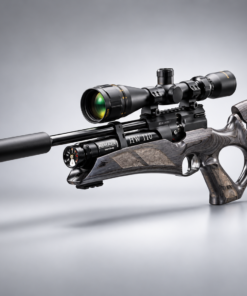
Air Rifles
HW110 KT LAMINATE ADJUSTABLE
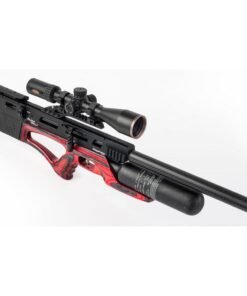
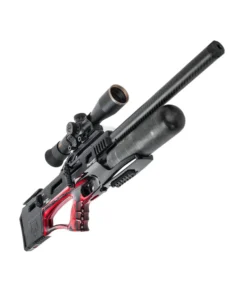
Air Rifles
Daystate Alpha Wolf Performance
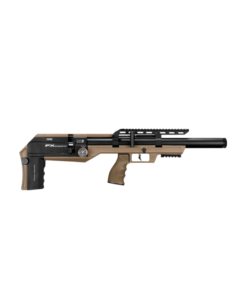
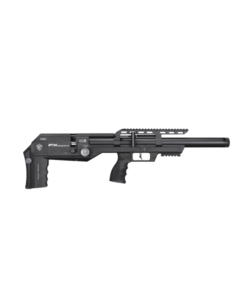
Air Rifles
FX Leopard Compact Composite (Black or FDE)
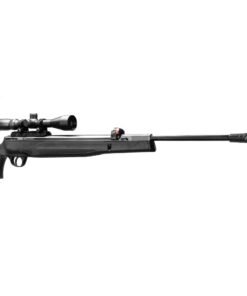
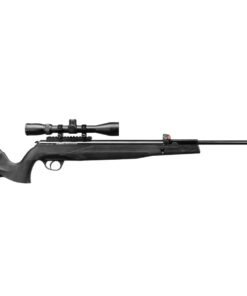
Air Rifles
Umarex Arrax Magnum
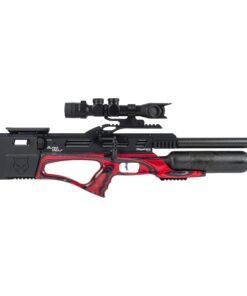
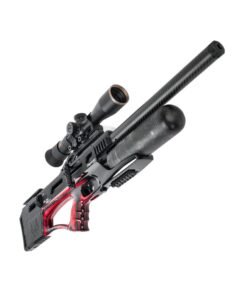
Air Rifles
Daystate Alpha Wolf Performance FAC
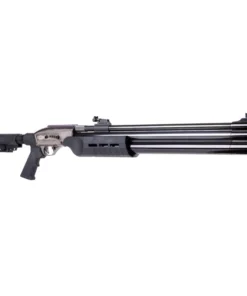
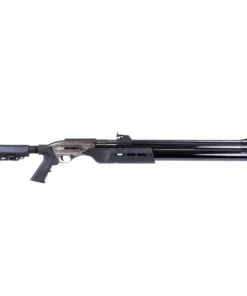
Air Rifles
Seneca Dragon Claw II PCP Air Rifle, Tactical Stock
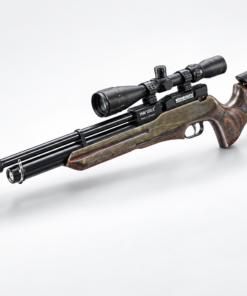
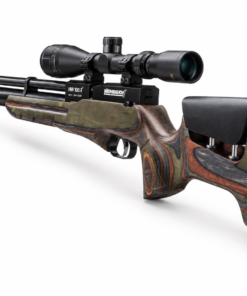
Air Rifles
HW100 X Sporter Lam Adj
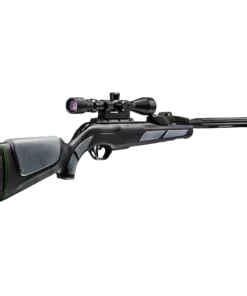
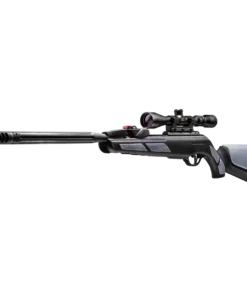
Air Rifles
Reviews
There are no reviews yet.