
Nocpix Bolt P25R
$650.00
Nocpix Bolt P25R Thermal Imaging Scope
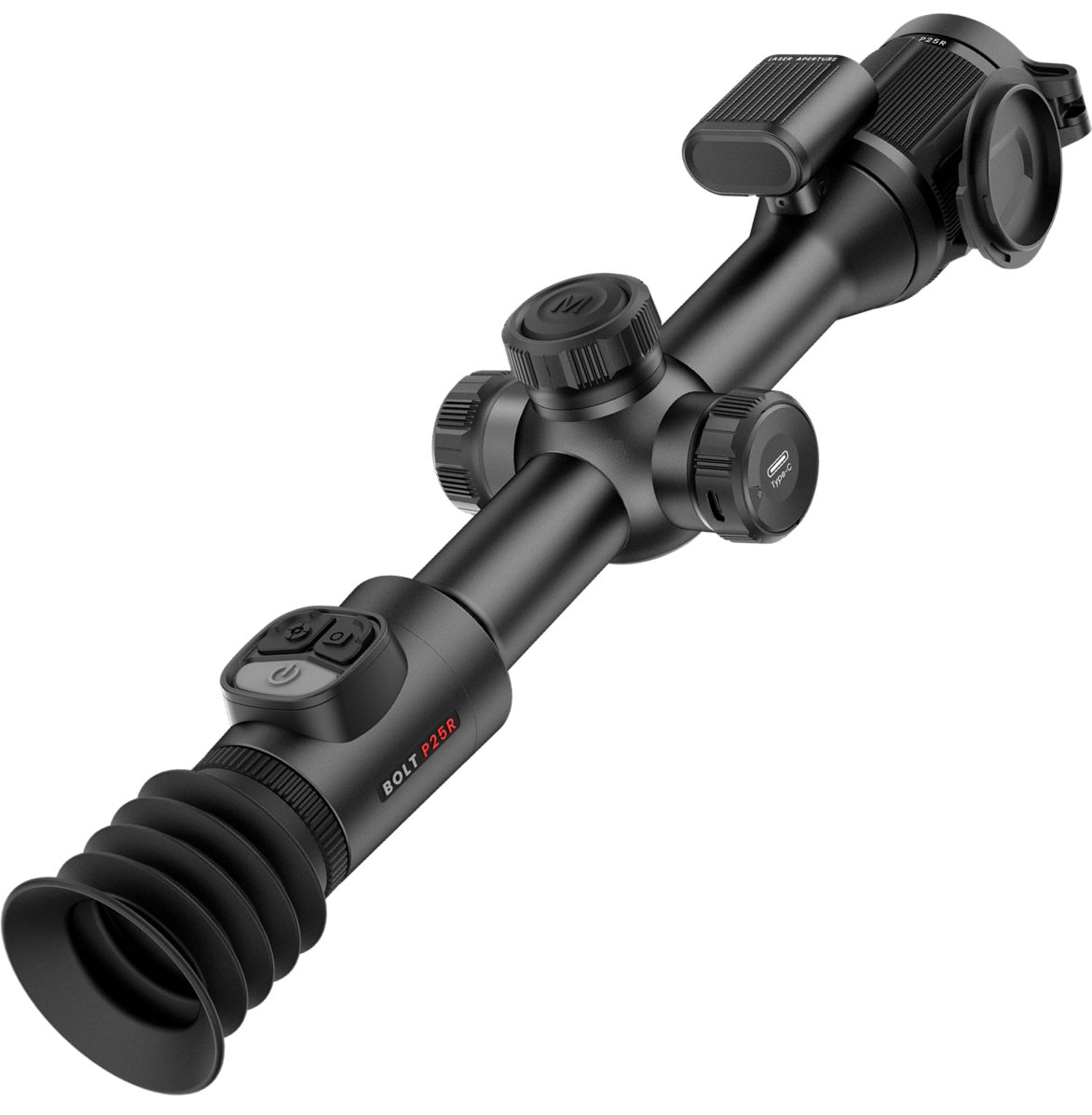
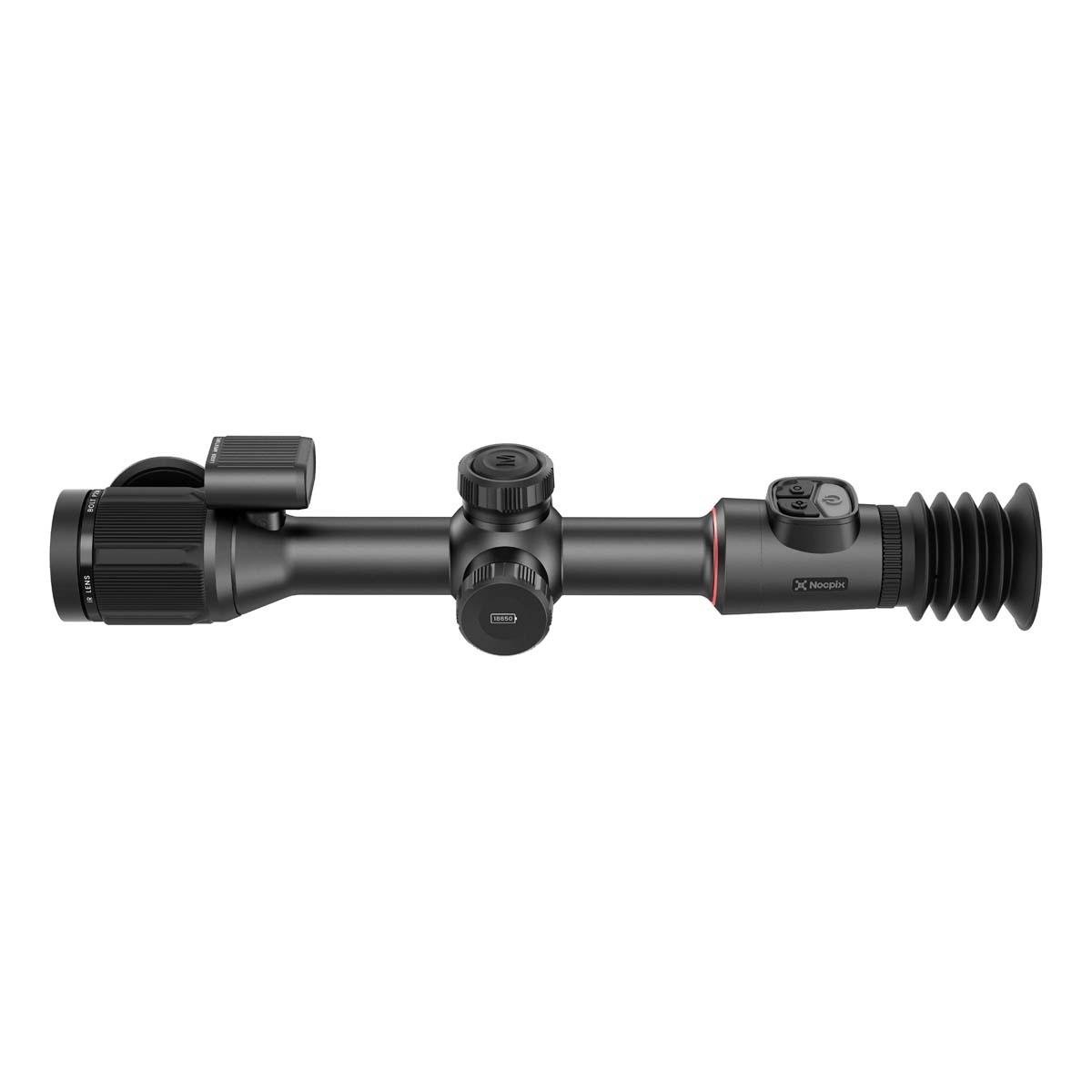
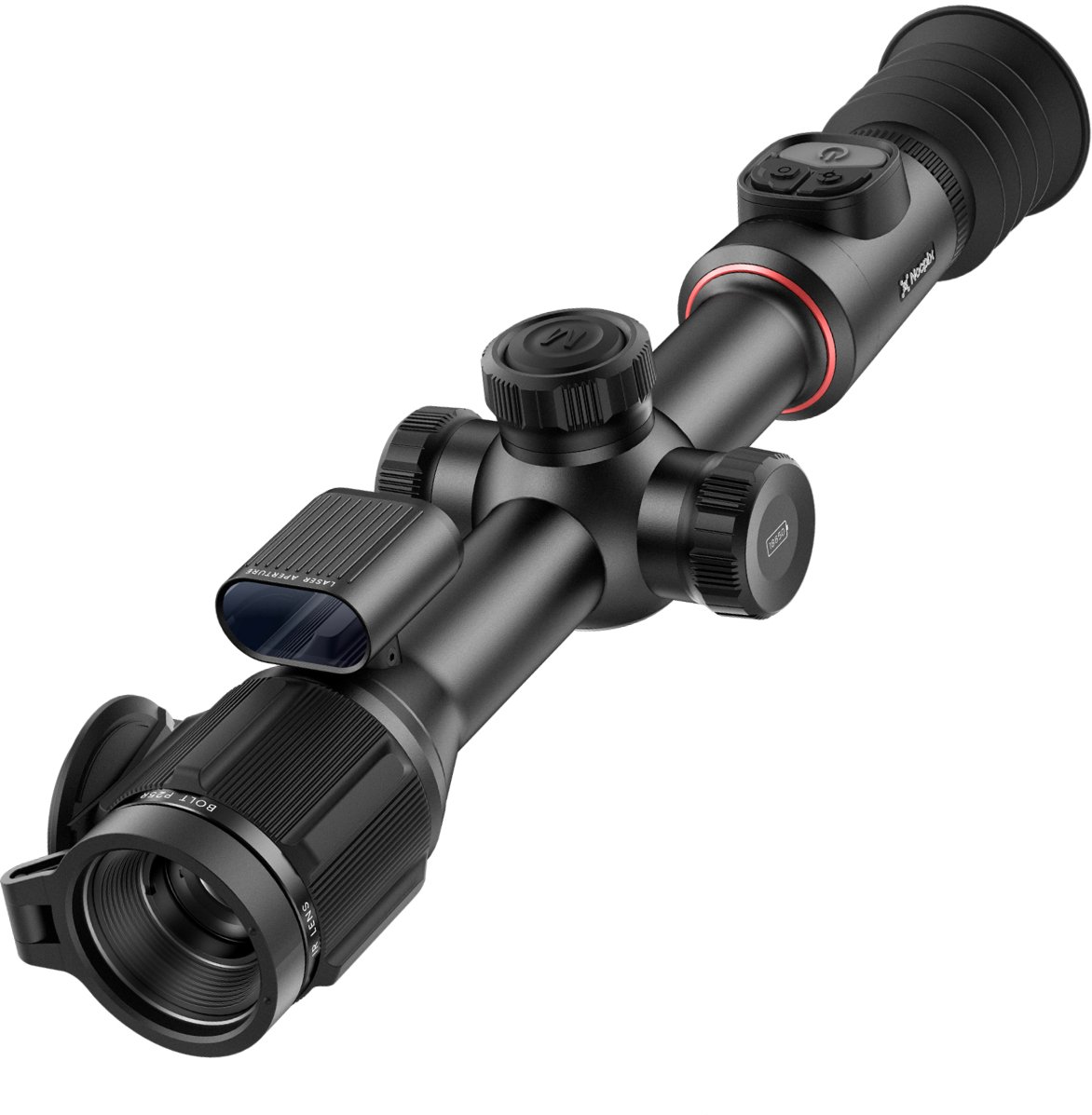
Nocpix Bolt P25R Thermal imaging scope. The Perfect Start to Your Night Vision. Built for beginners who want clarity, all-in-one, and confidence from the first day. Bolt combines sharp thermal imaging, a built-in rangefinder, and smart ballistic tools in a compact, user friendly design giving new hunters exactly what they need to hunt smartly and shoot confidently. It’s the perfect start to your night hunting journey
Designed based on infrared thermal imaging principles, it requires no external light sources during the day and at night, in all hard weather conditions (such as rain, fog and haze). It can be used without being effected by strong light and to observe even targets behind obstacles (such as branches, grass and shrubs). Bolt has a variety of battery-powered solutions with long operating hours, and can be widely used for hunting, observation and positioning in low visibility conditions.
Nocpix Bolt P25R – Advanced Thermal Imaging Riflescope with Laser Rangefinder, Superior Night Vision and Precision Optical Technology
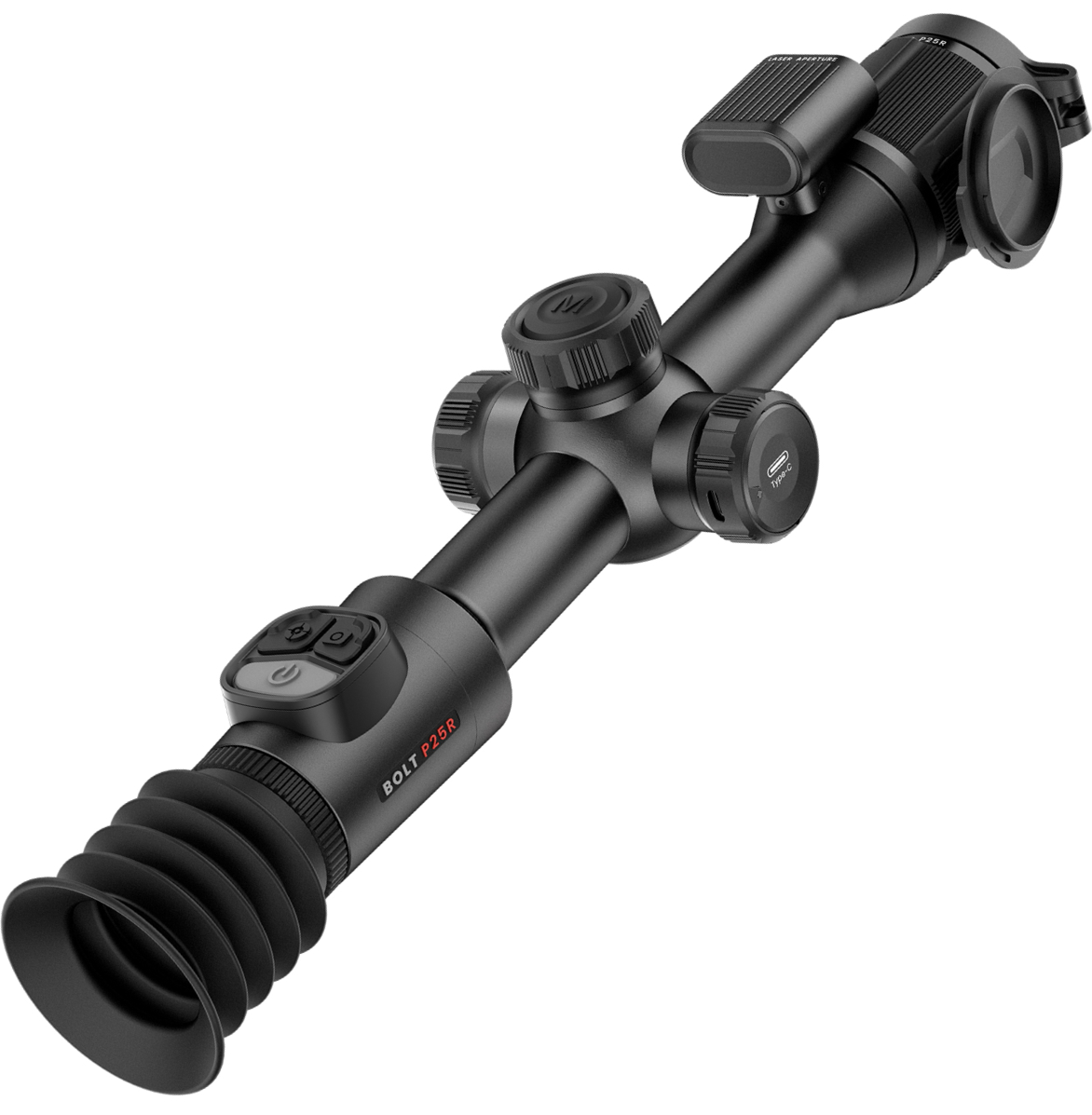
The Nocpix Bolt P25R is a sophisticated thermal imaging riflescope designed to deliver dependable observation capabilities, advanced infrared technology, and impressive optical functionality in challenging lighting conditions. Combining a sensitive thermal sensor, high-resolution AMOLED display, integrated laser rangefinder, and durable construction, this innovative optical instrument provides a practical introduction to modern thermal imaging.
Unlike conventional daytime optics that depend on visible light, the Nocpix Bolt P25R detects infrared radiation emitted by objects and converts temperature differences into a recognizable digital image. Consequently, users can observe thermal contrasts in darkness without relying on traditional illumination.
Furthermore, its 256×192 thermal sensor features a 12-micron pixel pitch and thermal sensitivity of ≤20mK. These characteristics support recognition of subtle temperature variations under suitable environmental conditions.
The riflescope also incorporates a 25mm F1.0 objective lens that provides a practical balance between thermal observation capability, viewing perspective, and equipment dimensions.
Whether evaluating equipment for authorized outdoor activities, nighttime observation, or recreational thermal imaging, the Nocpix Bolt P25R offers an appealing combination of modern technology and accessible functionality.
Why Choose the Nocpix Bolt P25R Thermal Riflescope?
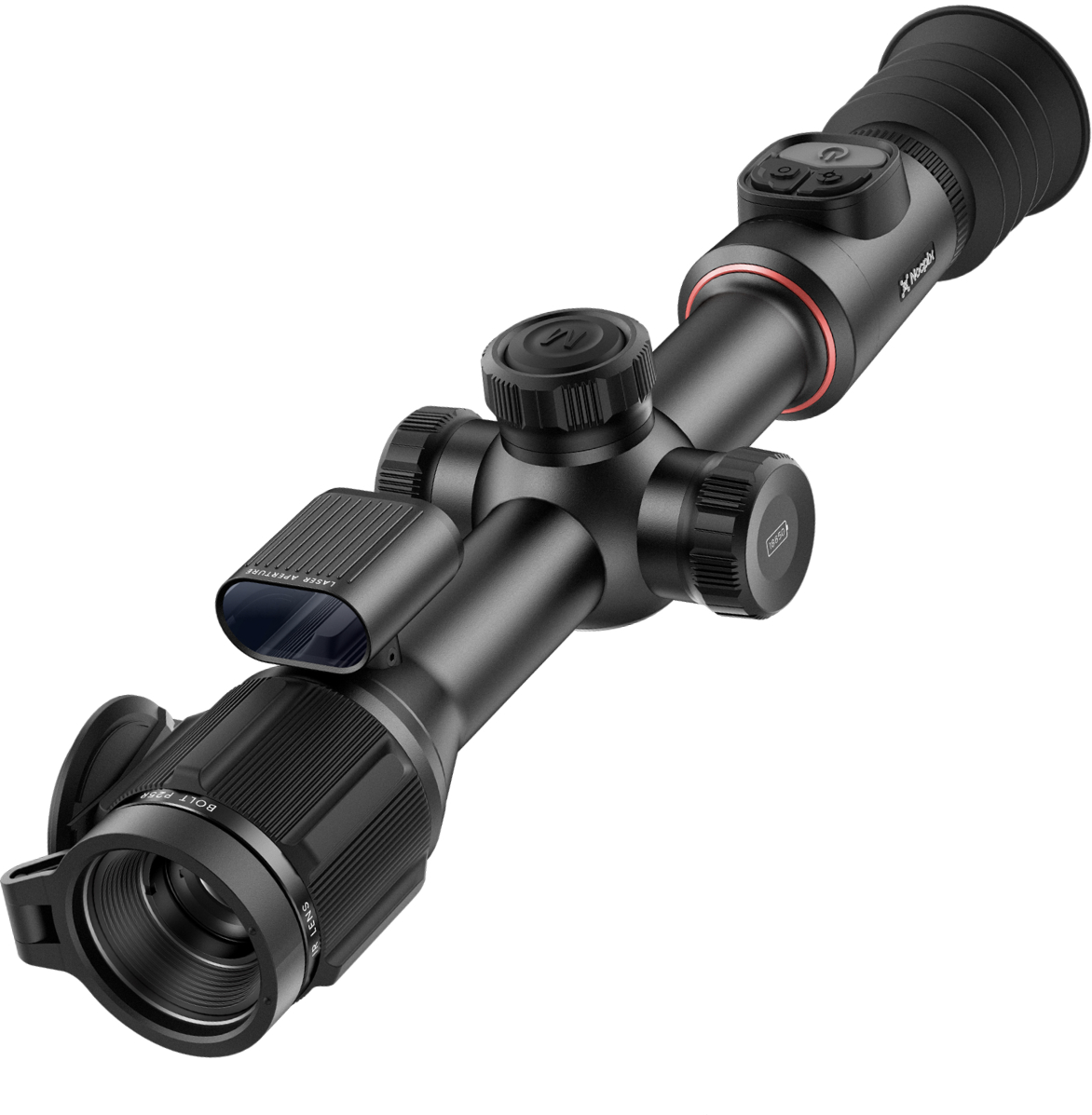
Selecting a thermal imaging system requires careful consideration of image quality, sensitivity, battery performance, weather protection, and ease of operation.
The Nocpix Bolt P25R addresses these requirements through an integrated design that combines essential thermal imaging features without unnecessary complexity.
Additionally, the riflescope offers a native magnification of 3.5× with digital magnification extending to 14×. This configuration allows users to examine displayed thermal images at different apparent sizes, although digital enlargement does not increase the sensor’s original resolution.
Its integrated laser rangefinder provides electronic distance measurements, adding another useful information source during authorized observation activities.
Furthermore, the traditional 30mm tube-style housing offers compatibility with appropriately specified mounting equipment.
For enthusiasts comparing air gun equipment, precision optics, and modern thermal technology, understanding product compatibility is essential. The Bolt P25R is a thermal sight rather than an air gun, and it does not include a firearm or ammunition.
Advanced 256×192 Thermal Sensor and Exceptional Heat Detection
The thermal sensor forms the foundation of the Nocpix Bolt P25R’s imaging performance.
Its 256×192 resolution provides 49,152 individual detector pixels, while the 12μm pixel pitch supports a compact and efficient thermal imaging design.
Additionally, the ≤20mK thermal sensitivity rating reflects the detector’s ability to resolve small temperature differences under specified testing conditions.
The 50Hz refresh rate provides frequent image updates, contributing to smooth visual presentation during observation.
Moreover, the device incorporates Nocpix image-processing technology to improve the presentation of thermal details.
Unlike traditional glass optics or a standard mil dot scope, thermal imaging does not require visible light to form its image. However, environmental conditions such as humidity, rain, and atmospheric temperature differences can influence thermal contrast.
High-Resolution AMOLED Display and Versatile Thermal Color Palettes
The Nocpix Bolt P25R features a 1024×768 AMOLED display designed to present thermal information with clarity and contrast.
Furthermore, users can choose from several viewing palettes, including White Hot, Black Hot, Red Hot, Color, Violet, Crimson, and Viridian.
Each palette displays temperature differences using a distinct visual representation, allowing individuals to select the presentation they find most comfortable.
The riflescope also offers digital recording capabilities for documenting outdoor observations and reviewing captured thermal footage.
Additionally, its built-in storage and wireless connectivity provide convenient digital functionality.
Integrated Laser Rangefinder and Advanced Digital Functions
One of the defining characteristics of the Bolt P25R is its integrated laser rangefinder.
The manufacturer’s specifications identify a maximum rangefinder capability of approximately 1,200 meters under suitable conditions.
Furthermore, the device incorporates digital measurement and display functions within its thermal viewing interface.
Its electronic features include multiple reticle options, image recording, and configurable display settings.
These functions distinguish the Nocpix Bolt P25R from conventional optical instruments while offering a comprehensive digital viewing experience.
Rugged Aluminium Construction and Practical Battery Performance
Durability remains essential for optical equipment intended for outdoor environments.
The Nocpix Bolt P25R incorporates an aluminium housing with an IP67 ingress-protection rating, providing resistance to dust and temporary water immersion under standardized test conditions.
Additionally, its dual-battery arrangement combines an internal rechargeable battery with a replaceable 18650 battery.
This configuration provides flexible power management, although actual operating time varies according to temperature, settings, and usage.
Furthermore, the riflescope features a compact, traditional tube-style design intended to accommodate suitable mounting hardware.
Nocpix Bolt P25R Technical Specifications
-
Product Type: Thermal imaging riflescope
-
Thermal Sensor: 256×192 pixels
-
Pixel Pitch: 12μm
-
Thermal Sensitivity: ≤20mK
-
Frame Rate: 50Hz
-
Objective Lens: 25mm F1.0
-
Native Magnification: 3.5×
-
Maximum Digital Magnification: 14× total
-
Display: 1024×768 AMOLED
-
Field of View: 7.0° × 5.3°
-
Published Detection Range: Approximately 1,200 meters
-
Laser Rangefinder: Integrated, up to 1,200 meters
-
Eye Relief: 50mm
-
Digital Storage: 32GB
-
Connectivity: Built-in Wi-Fi
-
Recording: Photo and video recording
-
Main Tube Diameter: 30mm
-
Ingress Protection: IP67
-
Battery System: Internal rechargeable battery and replaceable 18650 battery
-
Additional Features: Multiple thermal palettes, digital reticles, picture-in-picture display and image-processing modes
Why the Nocpix Bolt P25R Is a Valuable Thermal Imaging Investment
The Nocpix Bolt P25R combines modern infrared imaging, reliable digital functionality, and durable construction in one sophisticated optical system.
Its sensitive thermal detector supports observation in low-visibility environments, while the AMOLED display provides a clear digital presentation of temperature differences.
Furthermore, the integrated rangefinder, digital recording capabilities, and rechargeable battery arrangement enhance everyday convenience.
Although detection range should not be confused with guaranteed object identification, the product offers substantial thermal observation functionality for its category.
Ultimately, the Nocpix Bolt P25R represents an attractive choice for enthusiasts seeking a capable, weather-resistant thermal riflescope with advanced imaging features, practical electronic controls, and dependable outdoor usability.
Nocpix Bolt P25R – Advanced Thermal Imaging Performance, Exceptional Clarity, Precision Engineering, and Outstanding Outdoor Reliability
Advanced Thermal Imaging Technology for Exceptional Visual Performance
The Nocpix Bolt P25R represents an impressive advancement in modern thermal imaging technology, combining sophisticated infrared detection, intelligent image processing, and dependable mechanical construction into one highly capable optical instrument. Developed for enthusiasts who appreciate reliable thermal observation, this advanced system delivers detailed temperature-based imagery across different environmental conditions while maintaining the practical functionality expected from modern digital optics.
Unlike conventional optical instruments that depend on visible light, the Nocpix Bolt P25R detects infrared energy emitted by objects and translates those thermal differences into electronic images. Consequently, users can observe contrasting temperatures even when natural illumination is limited or completely absent. This capability makes thermal imaging particularly valuable for nighttime wildlife observation, authorized outdoor sporting activities, and environmental monitoring.
Furthermore, the instrument incorporates a carefully designed thermal sensor that supports dependable temperature differentiation. Rather than depending entirely on the brightness of surrounding objects, the imaging system interprets thermal radiation to create recognizable outlines and patterns.
The overall viewing experience also benefits from advanced digital processing. Thermal information captured by the detector undergoes electronic processing before appearing on the display. As a result, differences in temperature become easier to interpret through recognizable shapes, contrasting surfaces, and defined thermal boundaries.
Additionally, the Bolt P25R emphasizes convenient operation. Its digital interface provides access to imaging controls, display preferences, and other electronic functions without unnecessary complexity.
Another important advantage involves the integration of multiple technologies within a single housing. The thermal detector, display, electronic controls, and rangefinder operate as coordinated components, contributing to a practical and versatile observation system.
Ultimately, the Nocpix Bolt P25R demonstrates how modern infrared technology can enhance outdoor visibility while providing a convenient, durable, and technically sophisticated viewing experience.
Exceptional Thermal Sensitivity and Detailed Temperature Recognition
Thermal sensitivity is one of the most important characteristics when evaluating infrared imaging equipment. A thermal detector must distinguish temperature differences accurately enough to create a useful visual representation of the surrounding environment.
The Nocpix Bolt P25R incorporates a thermal sensor with a noise-equivalent temperature difference rating of no more than 20 millikelvin under specified measurement conditions. This specification indicates the detector’s ability to distinguish relatively small thermal differences.
Furthermore, improved thermal sensitivity can help preserve visible contrast when objects and their surroundings have similar temperatures. Such conditions may occur during mild evenings, periods of atmospheric stability, or environments where surfaces have absorbed comparable amounts of heat.
The detector works by measuring infrared radiation rather than capturing ordinary reflected light. Consequently, objects with different thermal characteristics may appear distinguishable even when they have similar visible colors.
Additionally, the system processes incoming thermal information to create an image suitable for observation through its digital display.
However, thermal imaging performance depends on more than sensor sensitivity alone. Atmospheric moisture, environmental temperature, target dimensions, distance, and surface characteristics can all influence the resulting image.
For example, heavy rainfall or dense atmospheric moisture may reduce the amount of useful thermal information reaching the detector. Similarly, objects with limited temperature contrast may appear less distinct than those with substantial thermal differences.
Therefore, understanding real-world environmental limitations is important when evaluating thermal equipment.
The Bolt P25R combines its sensitive detector with digital image processing to support recognizable thermal imagery across a broad range of normal operating conditions.
Ultimately, this combination contributes to useful contrast, dependable thermal observation, and a more informative viewing experience.
High-Performance Infrared Sensor and Modern Imaging Architecture
The internal thermal sensor serves as the central component of the Nocpix Bolt P25R imaging system. Its 256×192 detector resolution provides an organized array of infrared-sensitive elements that measure thermal radiation across the viewing area.
Each detector element contributes information to the final image. Consequently, the system can represent temperature differences through a structured arrangement of digital pixels.
Furthermore, the 12-micron detector pitch contributes to the compact design of the optical assembly. This specification describes the spacing between adjacent detector elements and forms an important part of the sensor’s physical architecture.
The imaging system also operates at a refresh rate of 50Hz. This means the display can receive updated thermal image information frequently, supporting a comparatively smooth visual experience.
Additionally, rapid image updating can reduce the impression of delay during general observation and changes in the viewing direction.
However, detector resolution should not be confused with display resolution. The thermal sensor captures the underlying temperature information, while the higher-resolution display presents the digitally processed image.
Although electronic processing can enhance the appearance of thermal imagery, it cannot create genuine detector detail that was never captured.
The Bolt P25R therefore benefits from a combination of hardware capabilities and software-based image presentation.
Moreover, the internal processing system helps translate raw detector signals into a format that users can interpret through the digital viewing interface.
This coordinated architecture provides a practical foundation for contemporary thermal observation technology.
Advanced AMOLED Display for Outstanding Image Presentation
The quality of a thermal imaging instrument depends not only on the sensor but also on how captured information is presented to the observer.
The Nocpix Bolt P25R incorporates a 1024×768 AMOLED display designed to provide clear visual presentation, strong contrast, and detailed electronic imagery.
AMOLED technology allows individual display pixels to produce their own illumination. Consequently, dark image regions can appear particularly deep while brighter details remain visually distinct.
Furthermore, the display supports a range of thermal viewing palettes that transform temperature information into different visual representations.
These palettes allow users to customize their viewing experience according to personal preference and environmental conditions.
For example, monochrome presentations may provide a relatively simple image, while color-based palettes can emphasize differences between warmer and cooler surfaces.
Additionally, display brightness influences viewing comfort. An excessively bright screen may become uncomfortable during prolonged nighttime observation, while insufficient brightness can make details more difficult to interpret.
Appropriate display settings therefore contribute to a balanced visual experience.
The high-resolution screen also makes digital menus and graphical information easier to recognize.
However, display sharpness does not increase the native resolution of the thermal detector. Instead, it provides a refined presentation of the information captured by the sensor and processed electronically.
Ultimately, the AMOLED viewing system complements the detector by providing an effective interface between advanced infrared technology and the observer.
Sophisticated Image Processing and Enhanced Thermal Contrast
Digital image processing has become an essential part of modern thermal imaging equipment. Unlike traditional optical systems, thermal instruments must interpret electrical signals generated by infrared-sensitive detector elements.
The Nocpix Bolt P25R incorporates digital processing technology intended to improve the presentation of captured thermal information.
Furthermore, image processing can influence contrast, apparent sharpness, tonal separation, and the visibility of thermal boundaries.
These characteristics affect how comfortably an observer can recognize objects and distinguish them from surrounding surfaces.
Additionally, electronic processing helps transform differences in measured thermal radiation into a coherent digital image.
The quality of this transformation is especially important when environmental temperatures are relatively uniform.
For instance, a warm object positioned against an equally warm background may produce less visible contrast than the same object against a cooler surface.
Although processing adjustments may improve apparent separation, the underlying information remains limited by detector capability and atmospheric conditions.
Consequently, users should understand that digital enhancement supports image interpretation rather than guaranteeing accurate identification of every distant object.
The Bolt P25R combines sensor information, processing technology, and display presentation to create a practical thermal viewing system.
This integration contributes to clearer visual organization and improved observation comfort.
Integrated Laser Rangefinder and Electronic Distance Measurement
One of the notable features of the Nocpix Bolt P25R is its integrated laser rangefinder, which provides electronic distance information within the device’s digital interface.
The rangefinder is designed to measure distances under suitable operating conditions, with the manufacturer’s published specifications indicating a maximum capability of approximately 1,200 meters.
Furthermore, integrating this function into the thermal instrument reduces the need for a separate handheld distance-measuring device during general observation.
The measurement system operates independently of the thermal detector’s image formation, although its information can be presented through the electronic display.
Additionally, electronic distance measurement provides a convenient way to evaluate the separation between the observer and a suitable reflecting surface.
However, maximum rangefinder performance depends on environmental conditions, surface reflectivity, atmospheric clarity, and the characteristics of the measured object.
For example, reflective surfaces may provide more dependable measurement returns than surfaces that absorb or scatter the emitted laser energy.
Rain, fog, and airborne particles can also influence measurement reliability.
Therefore, the published maximum range should be understood as a capability achieved under favorable conditions rather than a guaranteed measurement distance in every situation.
The integrated design nevertheless adds useful functionality to the Bolt P25R, supporting a more informative outdoor observation experience.
Versatile Thermal Color Palettes and Personalized Viewing Preferences
Different users interpret thermal imagery in different ways. Some prefer straightforward monochrome presentations, while others find that color-based displays make temperature variations easier to recognize.
The Nocpix Bolt P25R addresses these preferences through multiple thermal viewing palettes.
Furthermore, these options allow the same underlying detector information to be represented using different visual arrangements.
White Hot and Black Hot configurations offer familiar monochrome thermal presentations, while other available palettes provide alternative color relationships.
The usefulness of a particular palette depends on environmental conditions, visual comfort, and the characteristics of the observed scene.
Additionally, prolonged viewing can make individual preferences more important. A color arrangement that initially appears visually striking may become less comfortable during extended observation.
Therefore, users benefit from being able to choose a presentation that suits their eyesight and viewing environment.
The availability of several palettes also supports a broader understanding of thermal image interpretation.
However, changing the display palette does not alter the actual temperatures being measured or increase the detector’s underlying resolution.
Instead, it changes how the thermal information appears to the observer.
This distinction is important because visual emphasis should not be confused with additional sensor capability.
Ultimately, customizable palettes contribute to the Bolt P25R’s practical versatility and comfortable digital viewing experience.
Digital Recording Capabilities and Convenient Image Documentation
Modern thermal imaging equipment increasingly incorporates recording functions that allow users to document their observations.
The Nocpix Bolt P25R includes digital image and video recording capabilities, providing a convenient method of preserving selected thermal scenes.
Furthermore, its integrated storage system allows recorded material to remain within the device until it is transferred or otherwise managed.
This functionality can be useful for reviewing environmental observations, documenting recreational activities, and examining thermal imagery after a session.
Additionally, recording offers opportunities to compare viewing conditions across different environments.
For instance, images captured during clear weather may appear noticeably different from recordings obtained during periods of high humidity.
Such comparisons can help owners develop a better understanding of thermal imaging characteristics.
The device also supports wireless connectivity, enabling compatible digital interactions according to the manufacturer’s software capabilities.
However, actual file transfer options and supported application functions may depend on firmware version and device compatibility.
Users should therefore consult the relevant documentation before relying on a particular connectivity feature.
Digital recording also introduces responsible data-management considerations.
Recorded material should be handled appropriately, particularly when observations involve private property or other individuals.
Overall, the Bolt P25R’s electronic recording functions extend its usefulness beyond immediate live viewing by providing practical options for documentation and later review.
Durable Aluminium Housing and Dependable Outdoor Construction
The physical construction of a thermal imaging device is especially important because its internal components include sensitive electronics, optical elements, and precision mechanical assemblies.
The Nocpix Bolt P25R incorporates a durable aluminium housing designed to protect these components during ordinary outdoor sporting use.
Furthermore, its structural design provides a stable enclosure for the thermal detector, objective lens, electronic controls, and display system.
Aluminium offers a useful balance between strength and weight, making it a practical material for portable optical equipment.
Additionally, the device features an IP67 ingress-protection rating. Under standardized test conditions, this rating indicates dust-tight construction and resistance to temporary immersion in water within specified limits.
However, IP67 protection should not be interpreted as unlimited waterproof performance or guaranteed resistance to every form of environmental exposure.
Physical impact, damaged seals, and improper handling may compromise protection.
Therefore, sensible equipment care remains important even when an instrument features a robust protective housing.
The exterior construction also supports a familiar tube-style appearance that distinguishes the Bolt P25R from some more unconventional thermal imaging designs.
Ultimately, the combination of structural durability and environmental protection contributes to dependable ownership under suitable operating conditions.
Flexible Battery Technology and Extended Operating Convenience
Reliable power management is essential for electronic optical instruments because thermal detectors, digital processors, displays, and wireless features all depend on electrical energy.
The Nocpix Bolt P25R incorporates a dual-battery arrangement that combines an internal rechargeable battery with a replaceable 18650 battery.
Furthermore, this configuration provides practical flexibility during extended outdoor activities.
The internal power source supports regular operation, while the replaceable battery arrangement offers additional convenience when compatible replacement batteries are available.
However, battery performance naturally varies according to temperature, display brightness, wireless activity, and individual usage patterns.
Cold conditions can temporarily reduce available battery capacity, while frequent operation of electronic features may increase energy consumption.
Therefore, actual operating duration may differ from laboratory-based estimates.
Additionally, responsible battery care contributes to equipment reliability.
Users should follow the manufacturer’s instructions regarding charging, replacement, approved battery specifications, and storage.
Damaged batteries should never be installed, and incompatible charging equipment should be avoided.
The Bolt P25R’s power arrangement provides a practical approach to portable electronic operation while maintaining the convenience expected from modern thermal equipment.
Comfortable Ergonomics and Practical Everyday Operation
Ergonomic design influences how easily an optical instrument can be used during prolonged observation.
The Nocpix Bolt P25R features a traditional tube-style configuration with accessible electronic controls and a digital viewing system.
Furthermore, the arrangement of its external controls is intended to support convenient operation without requiring unnecessarily complicated interaction.
Its eyepiece allows users to view the internal display through a familiar optical interface.
Additionally, the device’s digital settings provide flexibility for adjusting the appearance of the thermal image.
Comfort depends on several factors, including eye position, equipment configuration, eyesight, and viewing duration.
The published eye relief specification should therefore be considered when evaluating suitability for a particular setup.
Moreover, prolonged observation through any electronic display can contribute to visual fatigue.
Taking periodic breaks, maintaining appropriate viewing brightness, and avoiding unnecessary strain can support a more comfortable experience.
The Bolt P25R combines its digital technology with a recognizable physical layout, helping users become familiar with its operation over time.
This balance between functionality and accessibility contributes to a more enjoyable ownership experience.
Proper Maintenance and Preservation of Thermal Imaging Equipment
Maintaining thermal imaging equipment requires careful attention because the device contains specialized optical surfaces and sensitive electronic components.
The Nocpix Bolt P25R benefits from routine exterior cleaning, suitable storage conditions, and responsible handling.
Furthermore, the objective lens should receive particular care because thermal imaging lenses may use materials and protective coatings different from those found in ordinary visible-light optics.
Users should avoid applying household cleaning chemicals, abrasive materials, or excessive pressure to optical surfaces.
Instead, cleaning should follow the manufacturer’s recommended procedures using approved materials.
Additionally, the housing should be inspected periodically for visible damage, accumulated dirt, and moisture exposure.
Protective covers can help reduce unnecessary contact with vulnerable surfaces during transportation and storage.
The device should also be protected from extreme temperatures outside its specified operating and storage limits.
Moreover, owners should avoid unauthorized disassembly because the internal thermal detector and optical assembly require specialized servicing.
Battery maintenance remains equally important. Correct charging practices and proper battery handling contribute to long-term electronic reliability.
Firmware maintenance should also follow official manufacturer guidance when updates are available.
By combining sensible cleaning, careful transportation, and appropriate storage, owners can help preserve the device’s condition and operational reliability.
Long-Term Ownership Value and Overall Thermal Imaging Quality
Investing in thermal imaging equipment involves evaluating more than a single technical specification.
Sensor performance, image quality, display technology, durability, battery convenience, and electronic functionality all contribute to overall value.
The Nocpix Bolt P25R combines these characteristics in a practical digital optical system intended for enthusiasts seeking accessible thermal imaging capabilities.
Furthermore, its integrated rangefinder and recording functions add versatility beyond basic infrared observation.
The AMOLED display provides a refined viewing interface, while the available palettes allow users to personalize image presentation.
Additionally, the aluminium housing and weather-resistant construction support ordinary outdoor use.
However, buyers should recognize the limitations associated with detector resolution, atmospheric conditions, digital magnification, and battery operation.
A realistic understanding of these characteristics contributes to more informed purchasing decisions.
The Bolt P25R offers a balanced collection of capabilities, making it attractive to individuals who prioritize functional versatility and convenient operation.
Moreover, the integration of several electronic features into one device can simplify equipment management during authorized recreational activities.
Ultimately, the value of this instrument lies in the coordination of its thermal detection, digital imaging, mechanical construction, and everyday usability.
Final Assessment: Reliable Thermal Technology with Modern Digital Functionality
The Nocpix Bolt P25R demonstrates how modern thermal imaging technology can combine effective infrared detection with practical electronic features and durable construction.
Its thermal sensor provides the foundation for temperature-based observation, while the digital processing system transforms captured information into recognizable imagery.
Furthermore, the AMOLED display offers a clear presentation of thermal information, supported by customizable viewing palettes.
The integrated laser rangefinder introduces additional measurement functionality, while the recording system provides convenient options for documenting outdoor observations.
Additionally, the dual-battery arrangement supports flexible power management, and the weather-resistant aluminium housing contributes to long-term durability.
Although environmental limitations and sensor specifications naturally influence performance, the Bolt P25R offers a capable combination of features for its intended category.
For enthusiasts seeking dependable thermal observation technology, practical electronic controls, and a comfortable digital viewing experience, the Nocpix Bolt P25R presents a compelling option.
Above all, its strongest qualities emerge from the integration of optical engineering, thermal sensitivity, electronic versatility, and robust physical construction.
The Nocpix Bolt P25R delivers an impressive balance of thermal imaging clarity, modern digital convenience, durable engineering, and dependable outdoor functionality, making it a worthwhile consideration for responsible users seeking a sophisticated thermal observation system.
Nocpix Bolt P25R – Superior Thermal Imaging Innovation, Advanced Optical Engineering, Exceptional Durability, and Long-Term Performance
Understanding the Engineering Excellence Behind the Nocpix Bolt P25R
The Nocpix Bolt P25R represents a sophisticated combination of thermal imaging technology, intelligent digital processing, and durable optical engineering. Developed for outdoor enthusiasts who appreciate dependable observation equipment, this advanced thermal instrument provides a practical balance between modern technological capabilities and straightforward everyday functionality. Its carefully coordinated components contribute to a reliable viewing experience, particularly in environments where traditional visible-light observation becomes difficult.
Furthermore, the device demonstrates how infrared technology has evolved to provide useful visual information independently of natural lighting. Rather than depending on reflected visible light, its thermal detector interprets differences in infrared radiation emitted by surrounding objects. Consequently, the resulting image allows users to recognize thermal patterns and observe contrasting temperatures in complete darkness.
The instrument’s integrated electronic systems also contribute to its effectiveness. Digital processing transforms detector signals into recognizable imagery, while the high-resolution display presents that information through a comfortable viewing interface. Additionally, accessible controls allow users to select different presentation settings according to their preferences.
Another important consideration involves the balance between technological complexity and usability. Although thermal imaging requires sophisticated internal electronics, effective design should make ordinary operation convenient and understandable.
The Nocpix Bolt P25R approaches this requirement through a familiar optical housing combined with advanced digital functionality. Its traditional external configuration provides a recognizable physical design, while its internal architecture delivers the capabilities associated with contemporary thermal imaging systems.
Ultimately, the instrument offers a coordinated viewing experience built around dependable infrared detection, electronic convenience, and practical outdoor durability.
Advanced Infrared Detection and the Science of Thermal Imaging
Thermal imaging operates through principles fundamentally different from those associated with conventional cameras and optical instruments. Every object with a temperature above absolute zero emits electromagnetic radiation, including infrared energy. The amount and distribution of this radiation depend on temperature, material characteristics, and environmental conditions.
The Nocpix Bolt P25R uses an infrared-sensitive detector to capture thermal information within its operating spectral range. This information is subsequently processed electronically and converted into a visible representation on the internal display.
Furthermore, different materials can emit and reflect infrared radiation differently. Consequently, two objects at similar temperatures may not always appear identical through a thermal imaging device.
Surface finish, emissivity, atmospheric absorption, and background conditions all influence the resulting image.
For example, polished metal surfaces can reflect infrared radiation from their surroundings, producing appearances that may not accurately represent their actual surface temperatures.
Additionally, ordinary window glass generally blocks much of the long-wave infrared radiation used by common uncooled thermal imaging systems. Therefore, thermal devices typically cannot observe thermal scenes through conventional glass in the same way as visible-light cameras.
Understanding these physical characteristics helps users interpret images more accurately.
The Bolt P25R combines thermal detection with electronic processing to provide an accessible representation of infrared information. However, it should not be confused with a calibrated scientific thermometer unless the manufacturer specifically provides verified temperature-measurement functionality.
Ultimately, the device offers valuable thermal contrast visualization while operating within the established physical limitations of infrared imaging.
Precision Sensor Architecture and Consistent Image Generation
The detector forms the technological foundation of the Nocpix Bolt P25R. Its 256×192 thermal sensor contains thousands of individual sensing elements arranged in a structured grid.
Each element contributes information about infrared energy received from a portion of the observed scene.
Furthermore, the device uses a 12-micron detector pitch, an important specification describing the physical spacing between neighboring sensing elements.
The combination of detector dimensions and objective lens characteristics influences the instrument’s viewing geometry and overall imaging capabilities.
Additionally, the electronic system collects and processes detector information repeatedly to generate updated thermal images.
The stated 50Hz refresh rate supports relatively smooth visual presentation, helping reduce the appearance of interrupted motion during general observation.
However, image quality depends on more than refresh rate or pixel count alone. Detector sensitivity, optical performance, calibration, electronic noise, and software processing contribute to the final result.
A higher display resolution cannot independently increase the genuine spatial information captured by the thermal sensor.
Therefore, the relationship between detector hardware and display processing remains important when evaluating thermal imaging quality.
The Nocpix Bolt P25R provides a practical combination of sensor architecture and electronic functionality for outdoor thermal observation.
Optical Quality and the Importance of the 25mm Objective Lens
The objective lens is essential to the performance of a thermal imaging instrument because it directs infrared radiation toward the detector.
The Nocpix Bolt P25R incorporates a 25mm F1.0 objective lens designed to support effective thermal energy collection within the instrument’s optical configuration.
Furthermore, the F1.0 designation describes the relationship between focal length and entrance pupil diameter. This optical characteristic influences the amount of infrared radiation available to the detector.
Thermal objectives typically require specialized infrared-transmitting materials because ordinary optical glass does not transmit the relevant long-wave infrared wavelengths effectively.
Consequently, thermal lens engineering differs significantly from conventional visible-light camera construction.
The quality of the objective assembly also influences image sharpness, contrast, and the consistency of thermal information reaching the sensor.
Additionally, the 25mm focal length contributes to the instrument’s balance between viewing angle and image scale.
A longer focal length generally produces a narrower field of view for a given detector size, while a shorter focal length provides a wider perspective.
However, optical suitability depends on the intended observation requirements rather than focal length alone.
The Bolt P25R integrates its objective lens with a sensitive thermal detector to support practical thermal viewing under suitable environmental conditions.
The Importance of Image Uniformity and Electronic Calibration
Thermal sensors contain numerous individual detector elements, and small differences in their electrical responses can influence image uniformity.
Modern thermal imaging systems therefore use electronic correction methods to compensate for certain detector variations.
Furthermore, calibration helps the device maintain a visually consistent thermal image as operating conditions change.
Without suitable correction, some thermal systems may display unwanted fixed patterns or inconsistent brightness across the viewing area.
Image calibration can help reduce these effects, supporting more uniform presentation.
Additionally, the thermal detector and internal electronics may experience temperature changes during operation.
These variations can influence sensor response and image appearance, making appropriate electronic compensation important.
The Bolt P25R incorporates digital thermal imaging technology intended to provide dependable image presentation throughout normal use.
However, specific internal correction processes depend on the manufacturer’s implementation and firmware.
Users may occasionally notice brief changes in image appearance during calibration-related operations. Such behavior can be normal in thermal imaging equipment, although persistent abnormalities should be assessed according to the manufacturer’s guidance.
Ultimately, maintaining image consistency requires coordination between detector hardware, electronic processing, and internal calibration functions.
High-Resolution Digital Display and Visual Comfort
The Nocpix Bolt P25R features an AMOLED viewing display that provides a refined interface for presenting thermal imagery.
Its 1024×768 display resolution offers sufficient pixel density to represent processed thermal images, graphical settings, and digital information clearly.
Furthermore, AMOLED technology allows individual pixels to generate their own light, contributing to strong perceived contrast.
This capability can be particularly beneficial when displaying thermal scenes containing prominent differences between dark and bright regions.
Additionally, display performance influences the overall comfort of prolonged observation.
An appropriately configured screen can make thermal patterns easier to interpret without producing excessive visual brightness.
However, visual comfort depends on personal sensitivity, ambient conditions, and viewing duration.
Users may benefit from selecting display settings that provide sufficient clarity without unnecessary intensity.
The availability of different thermal palettes further improves personalization.
Some observers prefer neutral monochrome images, while others find selected color schemes useful for emphasizing temperature differences.
Nevertheless, palette selection changes visual presentation rather than the physical information captured by the detector.
The high-resolution AMOLED display complements the sensor by providing an effective digital viewing experience.
Digital Magnification and Realistic Expectations of Image Detail
Digital magnification allows the displayed thermal image to appear larger through electronic enlargement.
The Nocpix Bolt P25R offers multiple magnification levels, making it possible to examine portions of the thermal image at different apparent sizes.
Furthermore, digital enlargement can improve the visibility of certain existing image features.
However, the process does not increase the native number of detector pixels.
As magnification increases, individual pixels or electronically interpolated image details may become more noticeable.
Consequently, maximum digital magnification should not be confused with equivalent optical resolution.
This distinction is especially important when interpreting small or distant thermal objects.
A digitally enlarged image may appear larger without revealing genuinely new information about the object’s identity.
Additionally, atmospheric conditions and detector noise can influence the effectiveness of electronic enlargement.
Therefore, users should evaluate image quality according to the actual information presented rather than the magnification figure alone.
The Bolt P25R provides flexible viewing options while remaining subject to the physical resolution of its thermal sensor.
Environmental Conditions and Their Influence on Thermal Performance
Thermal imaging offers significant advantages in darkness, but environmental conditions continue to influence image quality.
Atmospheric moisture, temperature differences, rainfall, and fog can affect the infrared radiation reaching the detector.
Furthermore, thermal contrast may change throughout the day as surrounding surfaces absorb and release heat.
For example, buildings, rocks, soil, and vegetation can retain thermal energy at different rates.
These variations influence the appearance of the environment through a thermal imaging system.
Additionally, humidity and airborne particles can reduce the clarity of distant thermal features.
The Bolt P25R’s detector sensitivity and electronic processing support useful image presentation, but they cannot eliminate atmospheric absorption or scattering.
Another important consideration involves thermal crossover.
This occurs when objects and their surroundings approach similar apparent temperatures, reducing the contrast available to the detector.
Under such circumstances, recognizable boundaries may become less distinct.
Therefore, thermal imaging should be understood as a technology that provides valuable temperature-based information rather than guaranteed visibility under every condition.
The Nocpix Bolt P25R offers dependable functionality within these realistic environmental limitations.
Rugged Design and Protection of Sensitive Internal Components
Thermal imaging equipment contains specialized optical materials, electronic circuits, and sensitive detection components.
Protecting these systems requires durable construction and appropriate environmental sealing.
The Nocpix Bolt P25R incorporates an aluminium housing that provides a strong structural enclosure while maintaining practical portability.
Furthermore, the device’s IP67 rating indicates protection against dust ingress and temporary water immersion under standardized conditions.
This protective design contributes to its suitability for normal outdoor use.
However, water resistance does not mean the instrument should be intentionally exposed to prolonged immersion, high-pressure cleaning, or conditions beyond the manufacturer’s specifications.
Additionally, strong impacts can damage optical alignment or internal electronic components.
Therefore, careful transportation and storage remain important.
Protective cases can reduce unnecessary physical contact, while appropriate lens covers help preserve vulnerable optical surfaces.
The device should also be protected from excessive heat during storage.
For example, prolonged exposure inside a vehicle under intense sunlight may subject electronic equipment to temperatures outside its recommended storage range.
Sensible handling contributes directly to long-term reliability.
Ultimately, the Bolt P25R combines durable exterior construction with practical environmental protection for responsible outdoor ownership.
Advanced Battery Management and Electronic Power Efficiency
Power management is particularly important in thermal imaging systems because their detectors, processors, displays, and additional electronic features require a dependable electrical supply.
The Nocpix Bolt P25R incorporates an internal rechargeable battery together with a replaceable 18650 battery.
This dual-source arrangement offers practical flexibility for ordinary operation.
Furthermore, rechargeable technology reduces dependence on disposable power sources when batteries are maintained correctly.
The replaceable battery component provides additional convenience when compatible batteries are available.
However, overall operating duration depends on several variables.
Cold temperatures can temporarily reduce battery performance, while increased display brightness and frequent use of electronic functions may influence power consumption.
Additionally, rechargeable batteries gradually lose some capacity through aging and repeated charging cycles.
Proper charging habits can help preserve useful battery performance.
Users should follow the manufacturer’s recommended charging procedures and avoid incompatible power supplies.
Damaged, swollen, or leaking batteries should never be used.
Furthermore, batteries should be stored according to the manufacturer’s guidance, particularly during extended periods of inactivity.
The Bolt P25R’s flexible power arrangement contributes to everyday convenience while requiring the responsible care appropriate for lithium-ion battery systems.
Connectivity, Digital Storage, and Modern Electronic Convenience
Digital connectivity has become an increasingly valuable feature of modern optical equipment.
The Nocpix Bolt P25R incorporates wireless functionality and onboard storage, allowing users to work with recorded thermal imagery.
Furthermore, its recording capabilities provide opportunities to preserve observations for later examination.
This feature can support equipment familiarization, general outdoor documentation, and comparisons between environmental conditions.
Additionally, compatible applications may provide functions associated with managing recorded content or accessing supported device features.
However, application availability and specific connectivity functions can change with software development.
Therefore, users should consult current official documentation for supported operating systems, application versions, and firmware compatibility.
Digital storage also requires responsible management.
Recorded material should be organized and transferred appropriately, while unnecessary files can be removed through supported device functions.
Moreover, users should avoid interrupting firmware updates or disconnecting required power sources during critical software operations.
These precautions help reduce the risk of electronic errors.
The Bolt P25R integrates modern digital functionality into a compact observation system, expanding its usefulness beyond immediate thermal viewing.
Long-Term Maintenance and Responsible Equipment Ownership
Regular care contributes significantly to the lifespan of electronic optical equipment.
The Nocpix Bolt P25R contains specialized components that should be maintained according to the manufacturer’s recommendations.
Furthermore, its objective lens requires particular attention because thermal optical materials may be more sensitive to inappropriate cleaning methods than conventional glass.
Loose dust should be removed carefully before contact cleaning.
Approved optical cleaning materials should then be used only when necessary.
Additionally, excessive rubbing, harsh chemicals, and abrasive fabrics should be avoided.
The exterior housing can be inspected periodically for accumulated dirt, visible damage, or signs of moisture exposure.
Protective caps should remain in place during storage whenever appropriate.
Moreover, the device should be kept in a suitable environment that avoids extreme temperatures and excessive humidity.
Internal disassembly should not be attempted without qualified technical expertise.
Unauthorized servicing may compromise environmental sealing, damage components, or affect warranty eligibility.
Battery inspection is also essential.
Rechargeable cells should be checked for visible damage and maintained in accordance with approved procedures.
Ultimately, proper maintenance helps preserve optical clarity, electronic reliability, and the overall condition of the device.
Frequently Asked Questions About the Nocpix Bolt P25R
Can the Device Produce Thermal Images in Complete Darkness?
Yes. Thermal imaging detects infrared radiation rather than relying on visible light. Consequently, the device can generate images in darkness when sufficient thermal contrast is present.
Does the Display Resolution Equal the Detector Resolution?
No. The thermal detector captures the underlying infrared information, while the higher-resolution AMOLED display presents the processed image. Display resolution does not increase the number of genuine detector pixels.
Does Digital Magnification Improve Actual Sensor Resolution?
No. Digital magnification enlarges existing image information. Although this can make certain features appear larger, it cannot reveal physical details that the detector did not capture.
Is the Device Suitable for Outdoor Environments?
The aluminium housing and IP67 ingress-protection rating support normal outdoor use. Nevertheless, users should observe the manufacturer’s environmental limitations and avoid unnecessary exposure to severe conditions.
Can Thermal Imaging Work Through Ordinary Glass?
Generally, no. Conventional window glass blocks much of the long-wave infrared radiation used by this type of thermal imaging system. Reflected thermal radiation may also affect the appearance of glass surfaces.
Does the Device Require Regular Optical Maintenance?
Routine care is recommended. Appropriate lens cleaning, protected storage, battery maintenance, and careful handling help preserve performance and equipment condition.
What Makes the Integrated Display Important?
The AMOLED display provides the visual interface through which processed thermal information appears. Its resolution, contrast, and available presentation settings contribute to the overall viewing experience.
Final Assessment: Thermal Imaging Excellence, Practical Innovation, and Long-Term Value
The Nocpix Bolt P25R combines modern thermal detection technology with sophisticated digital processing and dependable construction.
Its infrared sensor provides temperature-based observation capabilities, while the optical assembly directs thermal energy toward the detector.
Furthermore, the electronic processing system transforms captured information into recognizable images displayed through a high-resolution AMOLED interface.
The available viewing palettes provide personalization, while digital recording and wireless features expand the device’s practical functionality.
Additionally, its integrated rangefinder contributes electronic measurement capabilities within the overall observation system.
The durable aluminium housing and environmental protection support ordinary outdoor use, while the rechargeable battery arrangement provides practical power flexibility.
However, thermal imaging remains subject to environmental limitations, sensor resolution, and the physical behavior of infrared radiation.
Understanding these factors allows buyers to establish realistic expectations and appreciate the device’s actual capabilities.
The Bolt P25R offers an appealing balance of advanced functionality, accessible operation, and dependable construction.
Its combination of visual technology and practical engineering makes it suitable for enthusiasts seeking a capable thermal imaging instrument for lawful observation and compatible recreational applications.
Ultimately, the Nocpix Bolt P25R demonstrates the value of integrating sensitive thermal detection, effective digital processing, refined display technology, durable materials, and convenient electronic features into one sophisticated optical platform.
For buyers who prioritize reliable thermal visibility, modern functionality, and long-term usability, it represents a compelling investment in contemporary infrared imaging technology.
Nocpix Bolt P25R – Advanced Thermal Imaging Excellence, Exceptional Engineering, Reliable Performance, and Complete Ownership Experience
The Future of Thermal Imaging Technology and Advanced Optical Innovation
The Nocpix Bolt P25R represents a remarkable combination of modern infrared technology, sophisticated digital engineering, and practical optical functionality. Developed for outdoor enthusiasts who value dependable observation equipment, this advanced thermal imaging instrument offers a comprehensive viewing experience through its carefully integrated electronic and optical systems. Its innovative construction demonstrates how contemporary thermal technology continues to improve visibility, convenience, and equipment versatility.
Furthermore, the increasing sophistication of thermal imaging equipment has transformed the way people observe their surroundings during periods of limited natural illumination. Unlike conventional optical instruments that require visible light, the Nocpix Bolt P25R interprets infrared energy emitted by objects and converts that information into a recognizable electronic image.
Consequently, users can observe temperature differences in darkness without depending on traditional illumination sources. This capability provides important advantages for wildlife observation, outdoor environmental monitoring, property inspection, and other lawful activities requiring thermal visualization.
Additionally, the instrument combines thermal detection with digital image processing, electronic distance measurement, and customizable viewing options. These technologies work together to create an accessible observation system that offers more than basic infrared visualization.
Another important consideration involves the balance between technological advancement and everyday usability. Although the internal electronics are sophisticated, the exterior design remains familiar and practical.
The traditional tube-style construction provides a recognizable appearance, while the digital interface allows users to interact with essential settings through accessible controls.
Moreover, the Nocpix Bolt P25R emphasizes durability and long-term reliability. Its protective housing, rechargeable power arrangement, and carefully engineered internal components contribute to dependable performance under suitable operating conditions.
Ultimately, the device reflects the continued development of portable thermal imaging technology, combining advanced electronic capabilities with the convenience expected from contemporary outdoor optical equipment.
Exceptional Thermal Image Quality and Detailed Environmental Observation
Image quality is one of the most important characteristics of any thermal imaging device. Without adequate thermal contrast and recognizable image definition, observing objects and interpreting environmental details can become difficult.
The Nocpix Bolt P25R incorporates a sensitive thermal detector designed to distinguish variations in infrared radiation. This information forms the foundation of the digital image presented through the instrument’s electronic display.
Furthermore, the detector’s thermal sensitivity contributes to the ability to distinguish relatively small temperature differences under appropriate environmental conditions.
The quality of the resulting image depends on several interacting factors, including detector performance, optical transmission, image processing, atmospheric conditions, and display characteristics.
Additionally, the device incorporates digital processing technology that helps present captured thermal information in a visually understandable format.
Clear thermal boundaries can make temperature patterns easier to recognize, particularly when observed surfaces have different thermal characteristics.
However, the appearance of an object within a thermal image does not depend exclusively on its temperature. Surface emissivity, reflected infrared energy, environmental moisture, and material properties also influence its presentation.
For example, two surfaces at similar physical temperatures may produce different apparent thermal brightness because their emission characteristics differ.
Consequently, responsible interpretation requires an understanding of how thermal imaging technology behaves in real-world environments.
The Nocpix Bolt P25R provides a capable platform for learning these distinctions while delivering useful thermal observation functionality.
Its integrated optical and electronic systems support a coordinated imaging experience that emphasizes contrast, clarity, and practical usability.
Understanding Thermal Detection Range and Image Recognition
Detection range is frequently emphasized when evaluating thermal imaging equipment, but the meaning of this specification requires careful interpretation.
A published detection distance describes the conditions under which a thermal system may register the presence of an object with defined characteristics.
However, detecting thermal energy does not necessarily mean that the observer can recognize or positively identify the object.
The Nocpix Bolt P25R uses a 256×192 thermal detector that provides a specific amount of spatial image information.
Furthermore, the objective lens and detector dimensions influence how much of a distant object appears across the available sensor pixels.
As distance increases, an object’s image generally occupies fewer detector elements. Consequently, fine visual details become increasingly difficult to distinguish.
Atmospheric conditions can also influence the amount of useful thermal information reaching the sensor.
Additionally, background contrast plays an important role. A warm object against a cooler background may produce a more recognizable outline than a similar object surrounded by surfaces with comparable temperatures.
Therefore, users should interpret published detection distances as conditional technical specifications rather than guaranteed identification capabilities.
The integrated digital display can enlarge the apparent image, but electronic magnification cannot recreate fine details that the detector never recorded.
Understanding these distinctions helps buyers make informed decisions about the practical capabilities of thermal observation equipment.
Ultimately, the Nocpix Bolt P25R provides valuable thermal visibility while remaining subject to the physical limitations associated with its sensor resolution and optical configuration.
High-Performance AMOLED Display and Comfortable Visual Presentation
A sophisticated thermal detector requires an equally practical display system to communicate the information it captures.
The Nocpix Bolt P25R incorporates a high-resolution AMOLED screen that presents thermal images through a compact electronic viewing interface.
Furthermore, AMOLED technology provides strong visual contrast because individual display pixels generate their own illumination.
This characteristic supports the presentation of dark backgrounds, brighter thermal regions, and intermediate tonal differences.
The display also allows the instrument to present digital menus and relevant electronic information alongside thermal imagery.
Additionally, several visual palettes provide flexibility for different observation preferences.
Some users prefer traditional monochrome images because they provide simple tonal relationships. Others may find color-based representations more comfortable when examining broad temperature differences.
The choice of palette can influence perceived image clarity and viewing comfort, although it does not change the actual information collected by the thermal detector.
Moreover, display brightness should be considered during prolonged nighttime observation.
Excessive brightness may contribute to discomfort, while insufficient brightness can make subtle image details difficult to distinguish.
Selecting an appropriate display configuration can therefore support a more balanced visual experience.
The Nocpix Bolt P25R combines its electronic display with accessible controls, creating a practical interface between advanced infrared technology and the observer.
Intelligent Digital Processing and Consistent Thermal Visualization
Digital image processing plays a central role in the operation of modern thermal imaging instruments.
The Nocpix Bolt P25R receives infrared information through its detector and processes that information electronically before presenting an image.
Furthermore, the processing system contributes to the organization of thermal contrast, brightness distribution, and apparent image detail.
Digital enhancement can improve the visibility of existing image features under suitable conditions.
However, electronic processing cannot overcome every physical limitation associated with thermal sensing.
When objects and backgrounds produce nearly identical infrared signals, the available contrast may remain limited despite image enhancement.
Additionally, atmospheric interference can reduce the amount of thermal information reaching the detector.
The imaging system must therefore balance available sensor information with electronic presentation techniques.
Another important consideration involves image consistency during changing environmental conditions.
Thermal detectors can experience response variations as internal temperatures change. Correction processes help maintain a more uniform image throughout normal operation.
Consequently, users may encounter brief image adjustments associated with the device’s internal calibration functions.
Such behavior is common in thermal imaging technology, although persistent abnormalities should be assessed according to official manufacturer guidance.
The Nocpix Bolt P25R combines its thermal hardware with digital processing to deliver an accessible and informative viewing experience.
Reliable Construction and Long-Term Structural Durability
Durability is essential for portable electronic equipment intended for outdoor environments.
The Nocpix Bolt P25R features an aluminium housing designed to protect its specialized internal components during ordinary operation and transportation.
Furthermore, aluminium provides a practical combination of structural strength and manageable weight.
The housing supports the thermal detector, optical elements, electronic circuitry, display assembly, and external controls.
Additionally, its IP67 ingress-protection rating indicates resistance to dust intrusion and temporary water immersion under standardized testing conditions.
This protection contributes to dependable usability in environments where moisture and airborne particles may be present.
However, environmental protection should not be confused with unlimited resistance to water, impact, or extreme temperatures.
Damaged seals, excessive mechanical stress, and improper handling can compromise the protective qualities of any electronic instrument.
Therefore, careful equipment management remains important.
The device should be transported in appropriate protective packaging and stored away from unnecessary exposure to moisture or excessive heat.
Moreover, users should avoid applying excessive pressure to the objective lens housing, adjustment controls, or electronic connectors.
These simple precautions contribute to preserving the equipment’s condition.
Ultimately, the Nocpix Bolt P25R combines durable exterior engineering with practical environmental protection, supporting long-term ownership under appropriate operating conditions.
Advanced Power Management and Convenient Battery Performance
Power reliability is an important factor in the overall performance of thermal imaging equipment.
Unlike conventional optical instruments, thermal devices depend on electrical energy to operate their detectors, electronic processors, internal displays, and additional digital functions.
The Nocpix Bolt P25R incorporates a dual-battery configuration that combines an internal rechargeable power source with a replaceable 18650 battery.
Furthermore, this arrangement provides flexibility when planning extended outdoor observation activities.
The rechargeable system supports repeated use without requiring complete battery replacement after every session.
Additionally, the replaceable component offers an alternative source of power when compatible batteries are available.
However, operating duration depends on individual usage conditions.
Display brightness, wireless connectivity, ambient temperature, and electronic activity can all influence power consumption.
Cold weather may temporarily reduce available battery capacity, while aging rechargeable cells gradually experience changes in performance.
Therefore, actual battery endurance may differ from published laboratory measurements.
Proper battery maintenance contributes to reliable long-term operation.
Users should follow approved charging procedures, avoid incompatible replacement cells, and inspect batteries for visible damage.
Furthermore, equipment should not be left charging unattended in unsuitable environments.
Responsible power management helps preserve electronic reliability while supporting a convenient ownership experience.
Practical Ergonomics and Everyday User Comfort
Ergonomic design influences how comfortably an electronic optical instrument can be used during extended observation.
The Nocpix Bolt P25R incorporates a familiar tube-style structure that provides a recognizable physical interface for users accustomed to conventional sporting optics.
Furthermore, its electronic controls allow access to essential functions without requiring an unnecessarily complicated external arrangement.
The internal display presents thermal information through the eyepiece, creating a concentrated viewing experience.
Additionally, customizable image settings contribute to comfort by allowing users to select preferred thermal palettes and suitable display brightness.
The relationship between eye position and the viewing interface remains important.
Maintaining a comfortable posture can reduce unnecessary strain during prolonged sessions.
Moreover, users should take periodic breaks when observing through electronic displays for extended periods.
Eye fatigue may develop even when the instrument itself provides a clear image.
Environmental conditions can also influence comfort. Strong surrounding illumination, cold weather, and prolonged concentration may affect the overall experience.
The Bolt P25R combines technological sophistication with practical physical design, making its digital functionality accessible through a compact observation system.
Consequently, the device provides a balanced combination of convenience, familiarity, and modern electronic capability.
Recording Functions and the Value of Digital Documentation
The ability to capture thermal images and videos adds meaningful versatility to modern observation equipment.
The Nocpix Bolt P25R incorporates digital recording functionality that allows users to preserve selected thermal scenes for later examination.
Furthermore, recorded material can help demonstrate how infrared imaging responds to different surfaces, weather conditions, and environmental temperatures.
For example, images captured during a cool morning may display noticeably different thermal patterns from recordings obtained after prolonged sunlight exposure.
Additionally, reviewing recordings can help users develop a better understanding of the relationship between physical temperature and apparent thermal contrast.
The device’s onboard storage provides convenient access to captured material without requiring a separate recording system during ordinary operation.
Wireless connectivity introduces further opportunities for interaction with compatible digital devices.
However, available connection functions depend on the supported software and firmware.
Users should consult official documentation to confirm current compatibility before relying on specific wireless features.
Responsible recording practices are also important.
Thermal equipment should be used in accordance with applicable privacy requirements, particularly around residential properties or locations where individuals reasonably expect privacy.
Ultimately, digital documentation adds an educational and practical dimension to the Bolt P25R’s overall functionality.
Understanding the Importance of Proper Maintenance
The long-term condition of a thermal imaging instrument depends significantly on appropriate care.
The Nocpix Bolt P25R contains sensitive electronic and optical components that should be protected from unnecessary contamination, impact, and environmental exposure.
Furthermore, its objective lens may incorporate specialized infrared-transmitting materials that require careful cleaning.
Ordinary household glass cleaners should not be applied unless specifically approved by the manufacturer.
Loose dust and particles should be removed using suitable nonabrasive methods before contact cleaning begins.
Additionally, a compatible optical cleaning material should be used only when necessary.
Excessive rubbing can damage protective coatings or sensitive surfaces.
The exterior housing should also receive occasional inspection for accumulated dirt, moisture, or visible damage.
Moreover, battery contacts and external connectors should remain clean and protected according to the manufacturer’s instructions.
The device should be stored in a dry environment within its recommended temperature limits.
Protective lens covers can reduce unnecessary exposure during transportation.
Internal servicing should be performed by qualified technicians because unauthorized disassembly may damage the detector assembly or compromise environmental sealing.
Appropriate maintenance helps preserve image quality, electronic functionality, and overall product condition.
Frequently Asked Questions About the Nocpix Bolt P25R
What Makes the Nocpix Bolt P25R Different From Ordinary Night Vision?
The Nocpix Bolt P25R uses thermal imaging technology to detect infrared radiation emitted by objects. Conventional image-intensification night vision generally relies on available visible or near-infrared light. Therefore, the two technologies form images through different physical processes.
Can the Device Function Without Natural Light?
Yes. Thermal imaging does not require visible illumination to generate an image. However, sufficient thermal contrast and favorable environmental conditions remain important for recognizing objects.
Does Higher Digital Magnification Produce More Image Detail?
Not necessarily. Digital magnification enlarges existing image information but does not increase the detector’s native resolution. Consequently, larger displayed images may not reveal additional physical detail.
Is the Device Suitable for Different Weather Conditions?
The instrument incorporates environmental protection designed for normal outdoor use. Nevertheless, heavy precipitation, atmospheric moisture, and reduced thermal contrast can affect image quality.
Why Is Thermal Sensitivity Important?
Thermal sensitivity influences the detector’s ability to distinguish small differences in infrared radiation. A lower noise-equivalent temperature difference can support better recognition of subtle thermal contrasts under appropriate conditions.
Can Users Record Thermal Images?
Yes. The Bolt P25R includes digital recording functionality for capturing thermal images and videos, subject to available storage capacity and device settings.
Does the Device Require Special Cleaning Materials?
Thermal objectives may contain specialized materials and coatings. Therefore, owners should follow the manufacturer’s optical cleaning recommendations rather than relying on ordinary household products.
How Important Is Battery Maintenance?
Battery maintenance is essential because the device depends on electronic power. Correct charging, compatible replacement cells, and appropriate storage conditions help support dependable operation.
Can the Device Be Used for General Outdoor Observation?
The thermal imaging system can support lawful outdoor observation activities. However, users should follow applicable privacy rules, local regulations, and manufacturer guidance. synonym for slingshot
Evaluating Overall Product Quality and Long-Term Ownership Value
When investing in thermal imaging equipment, buyers should consider the complete product rather than focusing exclusively on one specification. what is a break barrel pellet gun
Detector sensitivity, optical quality, display resolution, construction durability, electronic functionality, and power management all influence overall value. air gun pellet co2 revolver
The Nocpix Bolt P25R provides a coordinated collection of features designed to support practical thermal observation.
Furthermore, its integrated rangefinder and digital recording capabilities extend its functionality beyond basic infrared viewing.
The AMOLED display provides a refined visual interface, while the available viewing palettes support individual preferences.
Additionally, the durable housing contributes to environmental protection during normal outdoor activities. airgun lubricant
However, buyers should remain aware of the limitations associated with thermal sensor resolution, digital enlargement, atmospheric conditions, and battery endurance. air gun maintenance
Understanding these factors helps establish realistic expectations. ashcombeadventure.co.uk phone number
The Bolt P25R offers a versatile combination of modern imaging technology and practical usability, making it attractive to enthusiasts seeking a capable thermal instrument. are slingsgots illegsl, umarex – legends
Moreover, thoughtful maintenance and responsible operation can help protect the initial investment over time.
Final Conclusion: Outstanding Thermal Technology, Advanced Functionality, and Dependable Performance

The Nocpix Bolt P25R combines modern thermal detection, intelligent digital processing, and durable engineering into a sophisticated observation system. gun uk
Its infrared sensor provides the foundation for temperature-based imaging, while the objective lens and electronic processing system work together to present recognizable thermal information. what’s the difference between a slingshot and a catapult
Furthermore, the AMOLED display delivers a clear digital viewing interface supported by customizable image palettes. pyramyd air calculator
The integrated laser rangefinder adds convenient electronic measurement functionality, while image recording and wireless connectivity provide additional versatility. mossy oak bow, fx impact m3
Its dual-battery configuration contributes to practical power management, and the weather-resistant aluminium housing supports dependable outdoor operation within specified conditions. niksan ozark tw
Additionally, the traditional tube-style design provides familiar handling characteristics while accommodating advanced internal electronics. .45 acp muzzle energy joules
Although environmental conditions and sensor resolution influence real-world imaging performance, the Bolt P25R offers a capable combination of features for its intended category. co2 pellet rifles
The overall product demonstrates how thoughtful engineering can combine technical sophistication with practical everyday convenience. shoot rats with air rifle
For enthusiasts seeking reliable thermal observation, accessible digital controls, durable construction, and long-term usability, the Nocpix Bolt P25R presents an appealing option. bb metal bullet, pellet tin
Ultimately, the Nocpix Bolt P25R offers an impressive balance of infrared imaging technology, dependable engineering, electronic versatility, and practical ownership value. Its carefully integrated components make it a compelling choice for responsible users who appreciate modern optical innovation and reliable performance in challenging viewing environments. crosman st-1
Reviews
There are no reviews yet.