


HW110 T LAM ADJ
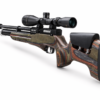
Price range: $700.00 through $730.00
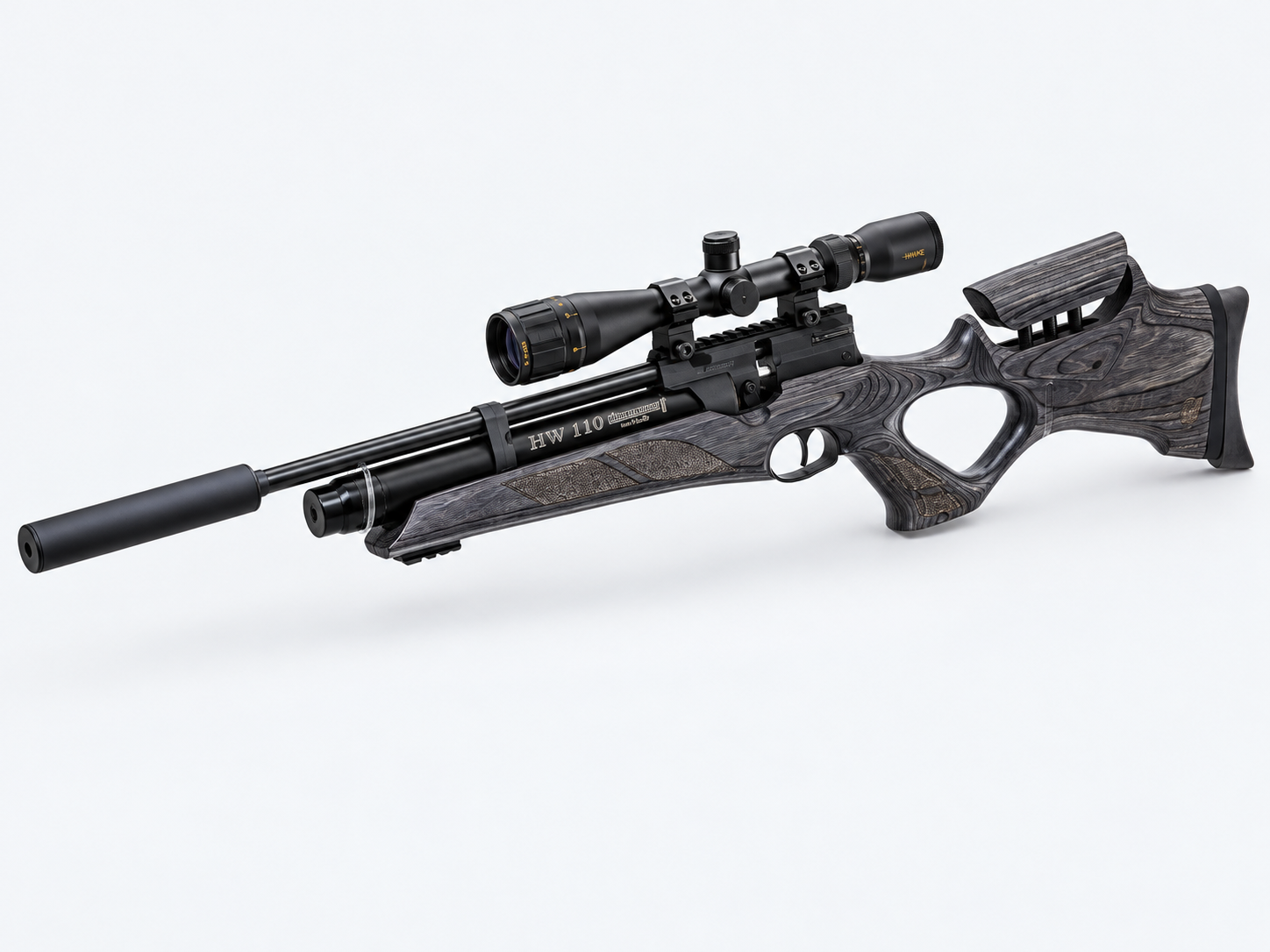
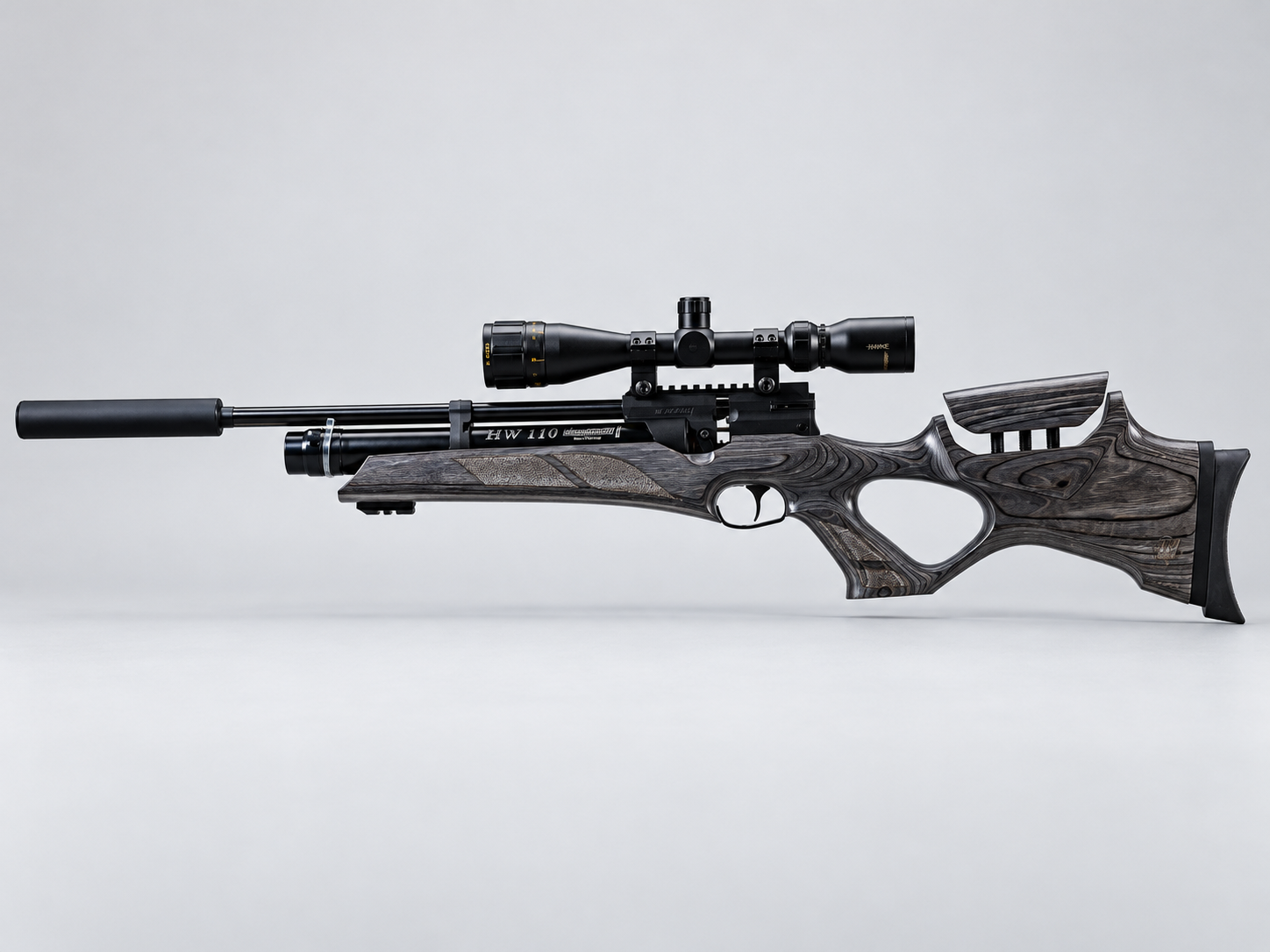
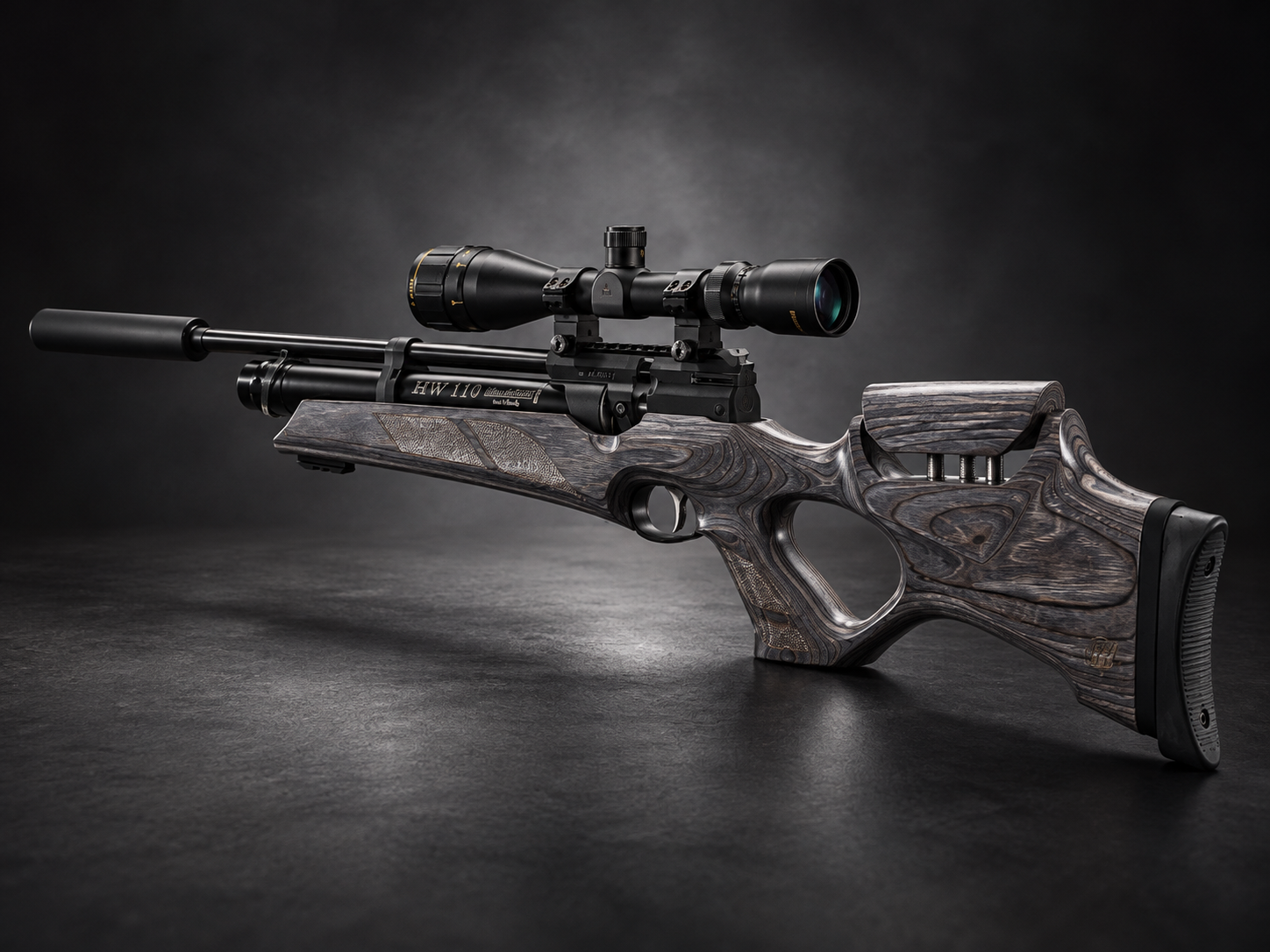
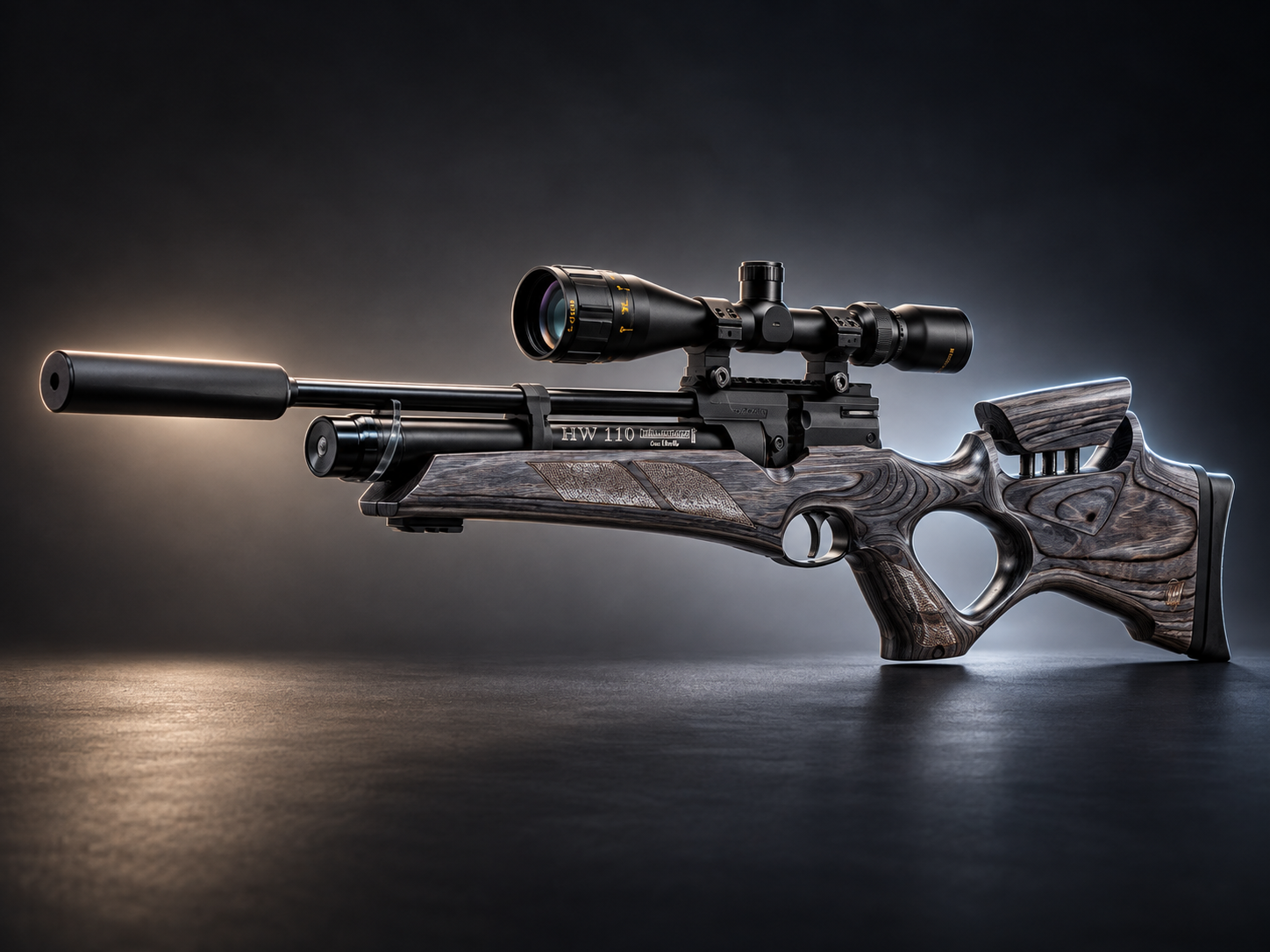
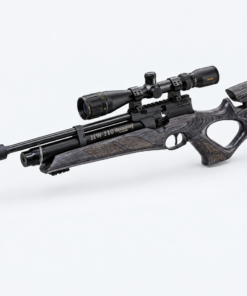
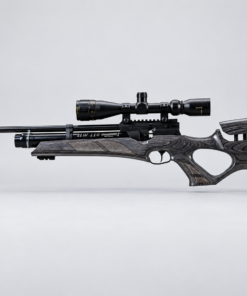
The Weihrauch HW110 T LAM ADJ represents a sophisticated combination of German engineering, modern pneumatic technology, and traditional craftsmanship. Featuring a striking grey laminate thumbhole stock, an ergonomic full-length configuration, and a refined repeating mechanism, this premium air rifle offers an outstanding combination of mechanical consistency, comfortable handling, and dependable sporting performance.
Unlike many conventional air rifles, this advanced air gun emphasizes careful manufacturing, efficient compressed-air operation, and practical ergonomics. Consequently, enthusiasts researching modern airguns, dependable airgun technology, or the best air rifle will appreciate the attention devoted to construction quality.
Furthermore, buyers comparing the best airguns, browsing an air rifle for sale, or exploring airguns for sale can recognize the benefits of its distinctive stock design and established manufacturing heritage.
| Specification | Manufacturer details |
|---|---|
| Manufacturer | Weihrauch Sport |
| Model | HW110 T Laminate |
| Operating system | Pre-charged pneumatic |
| Available calibres | .177, .22, .20 special order |
| Overall length | 92 cm |
| Barrel length | 41 cm |
| Overall weight | 3.4 kg |
| Magazine capacity | 10 shots |
| Shot capacity, .177 | Approximately 110 |
| Shot capacity, .22 | Approximately 140 |
| Stock | Ambidextrous grey laminate thumbhole |
| Trigger | Adjustable two-stage match |
| Safety | Ambidextrous manual |
| Accessory mounting | Picatinny-type rail |
| Listed US package | High-efficiency silencer and two magazines |
Weihrauch HW110 T LAM ADJ – Premium German Precision PCP Air Rifle with Adjustable Grey Laminate Thumbhole Stock
The Weihrauch HW110 T LAM ADJ represents a sophisticated combination of German engineering, modern pneumatic technology, and traditional craftsmanship. Featuring a striking grey laminate thumbhole stock, an ergonomic full-length configuration, and a refined repeating mechanism, this premium air rifle offers an outstanding combination of mechanical consistency, comfortable handling, and dependable sporting performance.
Unlike many conventional air rifles, this advanced air gun emphasizes careful manufacturing, efficient compressed-air operation, and practical ergonomics. Consequently, enthusiasts researching modern airguns, dependable airgun technology, or the best air rifle will appreciate the attention devoted to construction quality.
Furthermore, buyers comparing the best airguns, browsing an air rifle for sale, or exploring airguns for sale can recognize the benefits of its distinctive stock design and established manufacturing heritage.
Why Choose the Weihrauch HW110 T LAM ADJ?
Among premium air rifles, this model stands out through its combination of carefully manufactured components, traditional wooden furniture, and contemporary engineering.
Additionally, enthusiasts comparing professional air rifles, adult air rifles, and air rifles for adults will appreciate its ambidextrous construction and well-balanced design.
Its principal features include:
- German precision engineering: Carefully manufactured components support mechanical consistency and long-term reliability.
- Grey laminate thumbhole stock: Distinctive layered wooden furniture provides attractive styling and ergonomic comfort.
- Full-length configuration: A 92 cm overall length creates traditional sporting proportions.
- 41 cm barrel: Precision-manufactured construction contributes to consistent mechanical performance.
- 10-shot rotary magazine: A convenient manually operated repeating mechanism.
- Two-stage match trigger: Refined mechanical feedback enhances the overall operating experience.
- Ambidextrous safety: Controls on both sides accommodate different users.
- Picatinny accessory rail: Supports compatible manufacturer-approved equipment.
- High-efficiency silencer: Included in the manufacturer’s listed UK configuration.
- Dual magazine package: Two 10-shot magazines are included according to published UK specifications.
How Does Its Advanced Pneumatic System Improve Precision?
The HW110 uses compressed air stored inside an integrated cylinder instead of relying on a traditional spring-powered mechanism.
As a result, this pcp air rifle delivers the distinctive mechanical characteristics associated with a modern pcp airgun.
Within the wider pcp category, buyers comparing pcp air rifles, a pcp rifle, and other pcp rifles should consider the importance of consistent air delivery and manufacturing quality.
Furthermore, the HW110’s self-regulating pneumatic system supports a relatively consistent operating curve.
Although it shares performance objectives with a regulated pcp air rifle, its internal design should not automatically be described as identical to every conventional regulator arrangement.
For customers researching the best pcp air rifle, precision air rifle, accurate air rifle, or pcp target rifle, this engineering approach offers an important technical consideration.
Likewise, every compressed air rifle, compressed air gun, pre charged pneumatic rifle, and pre charged pneumatic airgun requires appropriate filling equipment and responsible maintenance.
Which Calibres Are Available, and Why Do They Matter?
The manufacturer lists .177 (4.5mm), .22 (5.5mm), and special-order .20 calibre configurations.
The 177 air rifle, 177 pcp air rifle, 177 caliber air rifle, and 4.5mm air rifle categories commonly attract enthusiasts interested in precision-oriented recreational activities.
Meanwhile, buyers researching a 22 caliber air rifle, 22 pcp air rifle, .22 pcp air rifle, 5.5mm air rifle, air rifle 22 caliber, and pcp 22 air rifle may prefer the characteristics of the larger-diameter projectile.
Additionally, the 20 caliber air rifle category provides another option where the special-order configuration is available.
However, searches involving a 25 caliber air rifle, 6.35mm air rifle, 30 caliber air rifle, 35 caliber air rifle, 45 caliber air rifle, 50 caliber air rifle, and 50 cal air rifle concern different equipment categories.
Similarly, pcp 25 caliber, pcp 30 caliber, pcp 35 caliber, pcp 50 caliber, big bore pcp air rifle, and big bore airgun describe other platforms rather than the available specifications of this particular model.
Where Can This Model Be Used?
The full-length laminated construction offers characteristics relevant to enthusiasts comparing a target air rifle, sport air rifle, competition air rifle, match air rifle, field target air rifle, and pcp competition rifle.
Furthermore, customers researching a hunting air rifle, small game air rifle, pcp hunting rifle, air rifle hunting, airgun hunting, or air rifles for hunting should confirm local laws, sporting permissions, and the suitability of the relevant factory configuration.
Although this model features distinctive thumbhole furniture, it should not be confused with a bullpup pcp air rifle or pcp bullpup rifle.
Likewise, its conventional full-length arrangement differs from a compact pcp air rifle, pcp carbine rifle, tactical pcp air rifle, and pcp tactical rifle.
Importantly, it is not a semi automatic pcp air rifle, full automatic air rifle, or automatic air rifle. Instead, it uses a manually operated side-lever repeating mechanism.
How Important Are Power, Reliability, and Responsible Ownership?
Buyers comparing a powerful air rifle, high power air rifle, or high power pcp air rifle should consider verified factory specifications and local power restrictions rather than assuming that every regional version offers identical performance.
The manufacturer’s published UK information lists approximately 110 shots per fill for .177 and 140 for .22.
Furthermore, careful maintenance helps preserve the mechanical characteristics that distinguish the design.
When Should Buyers Consider This Premium German Model?
This configuration becomes particularly attractive when traditional appearance, precision manufacturing, and comfortable ergonomics take priority.
Before deciding to buy air rifle equipment, buy pcp air rifle products, or buy airguns online, prospective owners should review the exact specifications and applicable ownership requirements.
A reputable air rifle shop, established airgun store, qualified airgun dealer, or reliable online airgun store can provide product-specific information.
Additionally, independent air rifle reviews and airgun reviews may offer useful perspectives on handling, craftsmanship, and maintenance expectations.
Recommended Accessories and Package Considerations
Appropriate airgun accessories, air rifle accessories, airgun parts, air rifle parts, airgun supplies, airgun equipment, and airgun gear contribute to responsible ownership and routine care.
Furthermore, buyers comparing a pcp air rifle kit, pcp air rifle package, pcp rifle with scope, pcp air rifle for sale, or pcp airgun for sale should confirm the supplied components before purchasing.
A mounted optical sight should never be assumed to be included unless the retailer explicitly lists it.
Whether participating in organized air rifle shooting or supervised recreational airgun shooting, users should always follow applicable safety requirements.
Why Does the Weihrauch HW110 T LAM ADJ Represent Outstanding Engineering Quality?
The manufacturer’s approach emphasizes the relationship between carefully manufactured internal components, dependable operating mechanisms, and thoughtful ergonomic design.
Its grey laminate thumbhole furniture introduces distinctive visual character, while the full-length profile provides traditional sporting proportions.
Furthermore, the two-stage match trigger, manually operated repeating system, and ambidextrous construction contribute to a refined mechanical experience.
The combination of these characteristics creates a sophisticated sporting instrument that emphasizes engineering consistency over exaggerated promotional claims.
Ultimately, the Weihrauch HW110 T LAM ADJ offers an appealing combination of German manufacturing heritage, precision-oriented construction, comfortable laminated furniture, and dependable mechanical design.
For enthusiasts who appreciate traditional craftsmanship alongside contemporary technology, this configuration represents a distinctive expression of quality, practical engineering, and long-term sporting value.
Advanced German Engineering, Exceptional Mechanical Precision, Laminate Stock Construction, Ergonomic Comfort, and Long-Term Reliability
Understanding the Engineering Excellence Behind the Weihrauch HW110 T Laminate Adjustable
Exceptional sporting equipment begins with carefully coordinated engineering, dependable manufacturing quality, and attention to the relationship between mechanical components. Each element must perform its intended function consistently while contributing to the reliability, comfort, and structural integrity of the complete assembly. Consequently, sophisticated construction involves considerably more than an attractive exterior or impressive published specifications.
The Weihrauch HW110 T Laminate Adjustable demonstrates this philosophy through its combination of traditional German craftsmanship and contemporary pneumatic technology. Its distinctive grey laminated wooden furniture complements carefully manufactured metallic components, creating an appealing relationship between visual refinement and mechanical functionality.
Furthermore, the manufacturer’s established engineering experience contributes to the development of dependable operating systems. Careful attention to material selection, component tolerances, and manufacturing consistency helps preserve predictable mechanical characteristics during normal operation.
Unlike simpler mechanical arrangements, sophisticated pneumatic systems require precise coordination between the compressed-air supply, valve assembly, barrel, trigger, and repeating mechanism. Each component contributes to the complete operating cycle, making compatibility and appropriate maintenance essential.
Another important consideration involves the full-length construction. Its traditional proportions provide a distinctive alternative to shorter configurations, while the sculpted wooden furniture introduces contemporary ergonomic features.
However, published specifications represent only one part of the ownership experience. Long-term satisfaction also depends on storage conditions, maintenance practices, environmental exposure, and the availability of professional servicing.
By bringing these considerations together, the manufacturer creates a design that emphasizes mechanical refinement rather than unnecessary complexity.
Ultimately, the value of this configuration comes from its integrated approach to engineering, where precision manufacturing, material quality, ergonomic comfort, and dependable construction support one another.
Why the Self-Regulating Pneumatic System Represents an Important Engineering Feature
Pressure management plays an essential role in sophisticated equipment that operates using stored compressed air. As the available air gradually decreases, internal cylinder pressure changes, potentially influencing the characteristics of successive operating cycles.
The manufacturer’s self-regulating arrangement addresses this challenge through a carefully developed mechanical system that supports relatively consistent performance within its intended operating range.
Furthermore, the relationship between the valve assembly and stored-air supply contributes to predictable mechanical behavior. Rather than depending on a single isolated component, the operating characteristics result from the coordination of several precision-manufactured assemblies.
This approach demonstrates the importance of mechanical integration.
However, self-regulating operation should not automatically be confused with every conventional regulator arrangement. Different manufacturers use different internal systems to achieve similar performance objectives.
The consistency of the complete mechanism also depends on the condition of seals, valves, and supporting components.
Environmental conditions may introduce additional variation. Temperature changes, for example, influence compressed gases, while material wear can affect internal mechanical behavior.
Consequently, users should maintain realistic expectations regarding operating consistency.
Professional servicing remains important whenever unusual pressure behavior or suspected internal faults appear.
Unauthorized alterations may compromise the manufacturer’s intended operating conditions and create serious safety hazards.
The principal advantage of the system lies in its contribution to dependable mechanical characteristics and a refined ownership experience.
Precision Barrel Manufacturing and the Importance of Structural Alignment
Barrel manufacturing contributes significantly to the technical quality of precision-oriented sporting equipment. Material characteristics, internal dimensions, manufacturing tolerances, and surface condition influence the mechanical consistency of the complete assembly.
Weihrauch has developed an established reputation for carefully manufactured barrels, and this experience contributes to the overall engineering character of its sporting products.
Furthermore, the barrel must maintain appropriate alignment with surrounding components.
Carefully controlled manufacturing tolerances support the relationship between the barrel, action, and supporting structure.
However, precision cannot be attributed exclusively to barrel quality.
The internal pressure-management system, ammunition characteristics, mechanical condition, and environmental influences all contribute to practical results.
Consequently, responsible evaluation should consider the complete assembly rather than one particular feature.
The condition of internal surfaces also deserves attention throughout ownership.
Unsuitable cleaning materials, abrasive compounds, and unauthorized modifications can damage precision-manufactured components.
Owners should therefore follow official maintenance instructions and avoid procedures that the manufacturer has not approved.
Long-term mechanical consistency depends on preserving the original condition of the barrel and its relationship with the surrounding assemblies.
The value of careful barrel manufacturing lies in providing a dependable technical foundation rather than guaranteeing identical results under every circumstance.
The Beauty and Engineering Benefits of Grey Laminate Wooden Furniture
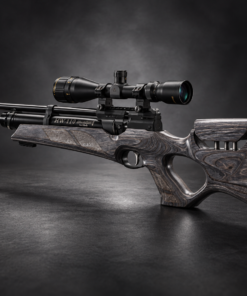
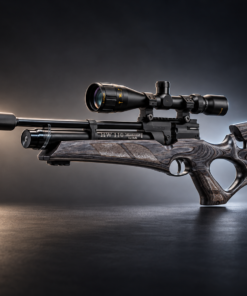
The grey laminated wooden furniture provides one of the most distinctive visual characteristics of this configuration.
Its layered construction combines multiple bonded sections of wood into a consolidated material, creating attractive patterns alongside useful structural properties.
Furthermore, laminate can offer improved dimensional stability under certain environmental conditions compared with some conventional solid-wood constructions.
The distinctive grey finish complements the dark metallic assemblies, producing a contemporary appearance while retaining the warmth and character associated with traditional woodworking.
The sculpted thumbhole profile also contributes to the design’s recognizable identity.
However, the furniture serves more than a decorative purpose.
Its structure supports the mechanical assembly and establishes the overall external proportions.
Consequently, the manufacturer must consider strength, dimensional accuracy, and ergonomic comfort during construction.
The full-length design also provides a different physical character from shorter alternatives.
Its additional length influences weight distribution and the relationship between the front assembly and rear furniture.
Nevertheless, laminated wood remains susceptible to environmental damage.
Excessive humidity, prolonged sunlight, unsuitable temperatures, and harsh cleaning chemicals may affect its protective finish.
Appropriate care helps preserve both appearance and structural integrity.
The result is an attractive combination of traditional craftsmanship, material stability, and thoughtful engineering.
Understanding the Ergonomic Advantages of the Thumbhole Design
Ergonomic quality influences the relationship between the user and the equipment.
Individuals differ in height, shoulder proportions, hand dimensions, and personal comfort preferences. Consequently, a particular furniture design may feel appropriate to one person while offering a different experience to another.
The sculpted thumbhole construction introduces distinctive contours intended to support comfortable handling.
Furthermore, the laminated wooden surfaces contribute to a refined tactile experience.
The full-length configuration establishes traditional overall proportions while incorporating modern ergonomic styling.
However, the exact factory specification determines which adjustment features are available.
Prospective owners should confirm whether their particular configuration includes an adjustable cheekpiece or butt assembly rather than assuming that every version provides identical features.
The manufacturer’s adjustable two-stage trigger is a separate mechanical feature and should not be confused with stock adjustment.
Additionally, the total assembled weight can influence comfort.
Approved optical equipment and other accessories may alter the center of mass, affecting the overall physical character.
Personal evaluation therefore remains important.
A thoughtful ergonomic design supports long-term satisfaction by accommodating natural handling preferences without requiring unauthorized modifications.
Mechanical Refinement Through the Two-Stage Match Trigger
The two-stage match trigger represents an important aspect of the manufacturer’s mechanical design philosophy.
Its construction provides distinguishable stages of movement and predictable feedback when functioning correctly.
Furthermore, carefully manufactured internal components contribute to consistent mechanical interaction.
The trigger assembly must operate within precise tolerances while maintaining compatibility with the surrounding safety mechanisms.
Consequently, component quality and appropriate servicing remain important.
However, the trigger performs a safety-critical function.
Incorrect adjustment, unsuitable replacement components, or unauthorized internal modification may compromise dependable operation.
Owners should therefore consult official manufacturer documentation and obtain professional assistance whenever necessary.
The trigger’s mechanical refinement contributes to the complete ownership experience, but it cannot independently compensate for deterioration elsewhere in the system.
Likewise, no mechanical safety feature replaces appropriate instruction or responsible handling.
The value of this assembly comes from its integration with the complete operating mechanism and its contribution to predictable mechanical behavior.
Smooth Repeating Mechanism and Precision Component Coordination
The manually operated repeating mechanism demonstrates the manufacturer’s attention to mechanical coordination.
Its internal components must interact correctly during normal operation, making dimensional accuracy and compatibility essential.
Furthermore, the rotary magazine provides convenient repeating capacity within the intended design.
The manufacturer specifies a ten-shot magazine for this configuration.
However, correct magazine compatibility remains important because unsuitable or damaged components may interfere with normal operation.
Accumulated contamination can also affect moving assemblies.
Consequently, appropriate maintenance should follow official instructions rather than generalized procedures intended for unrelated equipment.
Unexpected resistance, unusual sounds, or suspected mechanical obstruction should prompt immediate discontinuation of use until the equipment receives appropriate assessment.
Forcing damaged components can create additional problems.
Professional servicing helps preserve the original manufacturing tolerances and intended mechanical relationships.
The overall refinement of the repeating system reflects the importance of carefully coordinated engineering rather than unnecessary complexity.
Full-Length Construction and Its Influence on Balance
The full-length configuration introduces a distinctive relationship between overall dimensions, structural support, and perceived weight.
The manufacturer’s published specifications identify an overall length of approximately 92 centimetres and a mass of about 3.4 kilograms.
However, total mass does not independently determine how equipment feels.
Weight distribution influences the center of gravity and overall balance.
Furthermore, approved accessories can change this relationship.
A substantial optical accessory, for example, may influence the assembled weight and its distribution.
The laminated furniture also contributes to the physical character of the design.
Some enthusiasts appreciate traditional full-length proportions, while others prefer shorter alternatives for their convenience.
Neither preference provides a universal advantage.
Instead, physical suitability depends on individual expectations and intended lawful activities.
The relationship between dimensions and weight therefore deserves careful consideration during product evaluation.
Manufacturing Tolerances and the Importance of Component Compatibility
Precision manufacturing requires careful control over dimensions, surface finishes, and component interaction.
Mechanical assemblies must operate within specified tolerances to maintain dependable function.
Excessive clearance may introduce unwanted movement, while insufficient clearance can create resistance or accelerated wear.
Furthermore, materials respond differently to mechanical stress and environmental conditions.
Consequently, manufacturers must account for these characteristics during development.
Replacement components should always match the requirements of the exact factory configuration.
Visually similar parts may differ in important dimensions or specifications.
This consideration becomes especially important for pressure-containing assemblies and safety-related mechanisms.
Unauthorized modifications can introduce operating conditions outside the manufacturer’s intended limits.
Therefore, professional servicing and genuine replacement components remain important long-term considerations.
Maintaining compatibility contributes to both mechanical reliability and responsible ownership.
The Importance of Material Selection in Long-Term Durability
The durability of sophisticated equipment depends partly on the materials used throughout its construction.
Metallic components require suitable combinations of structural strength, dimensional accuracy, and resistance to wear.
Meanwhile, specialized sealing materials must maintain their intended characteristics under approved operating conditions.
The laminated wooden furniture introduces additional material considerations.
Its bonded construction provides attractive visual patterns and useful structural stability.
However, no material remains completely unaffected by aging or environmental exposure.
Metallic surfaces may experience corrosion, protective coatings can deteriorate, and seals may gradually lose their original physical properties.
Consequently, appropriate maintenance helps preserve the relationship between these materials.
The quality of the complete assembly depends on their continued compatibility.
Careful material selection therefore supports durability, but responsible ownership remains essential throughout the product’s service life.
Environmental Conditions and Their Influence on Precision Equipment
Environmental temperature, humidity, dust, and moisture can influence the condition of mechanical equipment.
Compressed gases respond to temperature changes, while sealing materials and lubricants may behave differently under extreme conditions.
Furthermore, prolonged moisture exposure can encourage corrosion on vulnerable metallic surfaces.
The laminated furniture also requires appropriate environmental protection.
Although its construction provides useful dimensional stability, it remains susceptible to damage from unsuitable storage conditions.
Rapid transitions between cold and warm environments may produce condensation.
Consequently, owners should remain attentive to environmental changes and follow the manufacturer’s recommendations.
Equipment should not remain inside vehicles exposed to extreme heat.
Protective storage arrangements can reduce accidental damage, although certain carrying materials may retain moisture.
Environmental awareness therefore contributes to dependable ownership and long-term preservation.
Understanding the Importance of Pressure-System Maintenance
High-pressure pneumatic assemblies require particular care because their components operate under substantial internal pressure.
The cylinder, valves, seals, and connecting fittings must remain within the manufacturer’s approved specifications.
Furthermore, appropriate inspection helps identify visible damage or unusual deterioration.
However, internal servicing may require specialized technical equipment and professional expertise.
Unauthorized disassembly can create serious safety hazards.
Consequently, owners should avoid attempting repairs that exceed the manufacturer’s approved maintenance procedures.
Unexpected pressure loss, damaged fittings, or irregular operation should receive qualified assessment.
The manufacturer’s instructions should determine acceptable charging equipment, pressure limits, and inspection requirements.
Responsible maintenance protects the integrity of the complete system.
Why Preventive Maintenance Supports Mechanical Reliability
Preventive maintenance helps identify potential problems before they develop into significant mechanical faults.
Routine external inspection may reveal corrosion, visible damage, loose fittings, or deterioration of protective finishes.
Furthermore, appropriate cleaning helps reduce unnecessary contamination.
However, owner-level maintenance should remain within the procedures approved by the manufacturer.
Internal pressure components and safety-related assemblies may require qualified servicing.
Mechanical wear also deserves attention.
Repeated operation can gradually influence moving surfaces, while sealing materials may deteriorate naturally with age.
Consequently, unusual changes in normal operation should never receive casual dismissal.
Professional assessment provides the appropriate response when technical uncertainty exists.
Maintenance records also contribute to long-term convenience by documenting significant inspections and repairs.
The Relationship Between Precision Engineering and Professional Servicing
Sophisticated mechanical equipment benefits from access to qualified technical support.
Professional technicians can assess complex assemblies using suitable inspection procedures and approved equipment.
Furthermore, they can identify replacement components that match the exact manufacturing configuration.
Incorrect replacement parts may compromise reliability or introduce safety concerns.
Consequently, genuine manufacturer components or officially approved alternatives should receive priority.
Professional servicing also helps preserve original manufacturing tolerances.
Service documentation provides useful information about previous inspections, repairs, and component replacements.
Additionally, such records can support warranty enquiries and future ownership transfers.
The value of professional assistance extends beyond individual repairs.
It contributes to responsible ownership and helps protect the equipment’s long-term mechanical condition.
Practical Ownership Benefits and Storage Considerations
The ownership experience involves more than mechanical performance.
Secure storage, lawful transportation, maintenance requirements, and access to professional servicing all contribute to long-term satisfaction.
The full-length configuration requires appropriately sized protective storage equipment.
Furthermore, the laminated furniture benefits from protection against unnecessary impacts and environmental exposure.
A suitable carrying case may help reduce accidental damage during lawful transportation.
However, some materials can retain moisture during extended storage.
Consequently, owners should follow manufacturer recommendations concerning environmental conditions.
Local regulations may establish additional requirements involving secure cabinets, locks, and transportation procedures.
These obligations vary between jurisdictions.
Responsible storage protects both the equipment and other individuals.
How Traditional Craftsmanship Complements Contemporary Technology
Traditional craftsmanship and modern engineering can contribute to a unified mechanical design.
The laminated wooden furniture reflects established material-working techniques and decorative traditions.
Meanwhile, the pneumatic operating system demonstrates contemporary engineering development.
Furthermore, the carefully manufactured barrel, refined trigger, and repeating mechanism contribute to the overall technical character.
These components serve different purposes, yet the complete design depends on their coordination.
Decorative quality cannot replace mechanical reliability.
Likewise, sophisticated internal engineering does not eliminate the value of comfortable and carefully finished furniture.
The relationship between these characteristics creates the distinctive identity of the full-length configuration.
Why Realistic Performance Expectations Matter
Published specifications provide valuable information, but they should always receive interpretation within the correct context.
Different factory configurations may offer different operating characteristics.
Furthermore, environmental influences, component condition, and maintenance history can affect practical results.
Consequently, isolated performance claims should not automatically be treated as universal guarantees.
Independent evaluations can provide useful information when testing methods remain transparent.
However, individual examples may vary.
A balanced assessment considers manufacturing quality, ergonomic suitability, mechanical reliability, and long-term ownership requirements.
Realistic expectations encourage informed purchasing decisions and greater satisfaction.
Final Assessment: Exceptional Craftsmanship, Mechanical Consistency, and Long-Term Quality
The Weihrauch HW110 T Laminate Adjustable demonstrates how established German manufacturing expertise can combine with modern pneumatic technology and carefully selected materials.
Its full-length proportions contribute to a traditional sporting appearance, while the distinctive grey laminated thumbhole furniture introduces visual refinement and ergonomic character.
Furthermore, the self-regulating operating system supports consistent mechanical behavior within its intended working range.
The carefully manufactured barrel, refined two-stage trigger, and manually operated repeating mechanism complete the coordinated engineering design.
However, long-term satisfaction depends on appropriate maintenance, secure storage, professional servicing, and compliance with applicable regulations.
These responsibilities remain essential regardless of manufacturing quality.
The strongest appeal of the configuration comes from the relationship between its individual components.
Rather than relying on exaggerated performance claims, the design emphasizes precision manufacturing, reliable construction, and practical engineering.
Its combination of traditional wooden craftsmanship and contemporary mechanical development provides a distinctive ownership experience.
Ultimately, the Weihrauch HW110 T Laminate Adjustable represents a refined balance of German engineering heritage, structural durability, mechanical consistency, ergonomic comfort, and lasting craftsmanship for enthusiasts who appreciate dependable sporting equipment and responsible ownership.
Practical Shooting Experience, Real-World Performance, Ergonomic Comfort, Environmental Adaptability, and Precision Consistency
Understanding Practical Performance Beyond Technical Specifications
The true quality of sophisticated sporting equipment becomes evident through the relationship between engineering excellence, consistent mechanical operation, and everyday ownership satisfaction. Although technical specifications provide an important starting point, they cannot completely describe the experience of handling, maintaining, and appreciating a carefully manufactured product.
The Weihrauch HW110 T Laminate Adjustable demonstrates how traditional German craftsmanship can complement contemporary pneumatic technology. Its full-length configuration, distinctive grey wooden furniture, and carefully coordinated internal components create a refined sporting instrument that emphasizes structural quality and dependable operation.
Furthermore, practical performance depends on several interconnected factors. Manufacturing precision, environmental conditions, individual comfort, and equipment maintenance all contribute to the overall experience. Consequently, evaluating a premium sporting instrument requires more than examining isolated measurements.
The quality of the barrel provides an important foundation for mechanical consistency. Meanwhile, the self-regulating pneumatic arrangement contributes to predictable operating characteristics within its intended pressure range. The refined trigger and repeating mechanism complete this relationship through carefully manufactured moving components.
Additionally, the stock influences the physical experience of ownership. Its sculpted surfaces and distinctive thumbhole profile contribute to comfortable handling, while the layered grey finish offers an attractive combination of traditional materials and modern styling.
However, individual preferences remain important. Different body proportions, experience levels, and equipment configurations can influence comfort and suitability.
Ultimately, practical value comes from the complete relationship between precision engineering, ergonomic design, responsible maintenance, and consistent mechanical performance.
Why Full-Length Construction Creates a Distinctive Ownership Experience
The full-length design establishes a recognizable physical character that distinguishes this configuration from the manufacturer’s shorter alternatives.
With an overall length of approximately 92 centimetres, the equipment offers traditional sporting proportions while incorporating contemporary mechanical components.
Furthermore, the extended wooden furniture contributes to the overall distribution of mass. This relationship influences perceived balance and the way the complete assembly feels during handling.
However, longer dimensions do not automatically guarantee superior performance. Suitability depends on individual preferences, physical proportions, and the intended lawful sporting environment.
Some enthusiasts appreciate a substantial traditional design because of its familiar appearance and distinctive tactile character. Others prefer shorter configurations for their reduced external dimensions.
Consequently, prospective owners should assess the complete construction rather than relying exclusively on overall length.
The full-length design also influences storage requirements. A correctly sized protective case becomes important for preventing accidental impacts during lawful transportation.
Additionally, the wooden furniture deserves appropriate protection from rough surfaces and unsuitable environmental conditions.
The value of the full-length configuration lies in its balance of traditional craftsmanship, structural proportions, and contemporary functionality.
Mechanical Consistency and the Importance of Predictable Performance
Consistent mechanical operation represents one of the most important characteristics of quality sporting equipment.
A carefully manufactured system should exhibit predictable behavior throughout normal use while remaining within the manufacturer’s specifications.
The self-regulating operating arrangement contributes to this objective by managing the relationship between stored compressed air and the internal mechanism.
Furthermore, the quality of component manufacturing influences how reliably different assemblies interact.
However, consistency cannot be attributed to a single component. The barrel, valve assembly, trigger, repeating mechanism, and supporting structure all contribute to overall performance.
Environmental temperature may introduce additional variation, while aging seals or damaged components can affect normal operation.
Consequently, realistic evaluation should consider the equipment’s condition and relevant operating circumstances.
Independent assessments can provide useful information when they identify the exact factory configuration and explain their testing methods.
Nevertheless, results obtained from one example should not automatically be treated as universal guarantees.
The strongest indication of manufacturing refinement comes from the coordination of the complete mechanical system.
Understanding the Importance of Barrel Quality in Precision Engineering
The barrel represents a critical component in precision-oriented mechanical design.
Its manufacturing quality depends on material selection, dimensional accuracy, internal surface condition, and appropriate integration with the surrounding assemblies.
Weihrauch’s established manufacturing background contributes to its reputation for carefully produced sporting components.
Furthermore, the barrel must maintain its intended relationship with the action and supporting structure.
Unexpected movement, mechanical damage, or unsuitable maintenance can compromise the original manufacturing characteristics.
However, even a carefully manufactured barrel cannot eliminate every external influence on performance.
Environmental conditions, ammunition variations, and component wear remain relevant considerations.
Consequently, owners should avoid assuming that one technical feature guarantees identical results under every circumstance.
Appropriate maintenance helps preserve internal surfaces, while professional assessment becomes necessary whenever damage is suspected.
The barrel’s contribution is best understood as part of an integrated engineering system.
Grey Laminate Construction and Its Influence on Comfort
The grey laminated wooden furniture offers one of the most distinctive features of this configuration.
Its layered construction creates attractive grain patterns while contributing useful structural characteristics.
Furthermore, the combination of grey tones and dark metallic components produces a contemporary visual identity without abandoning traditional woodworking principles.
The carefully shaped contours contribute to the overall ergonomic character of the design.
However, comfort involves more than attractive furniture.
Differences in shoulder proportions, hand dimensions, and personal preferences influence how naturally equipment feels during handling.
Consequently, the suitability of a particular stock shape remains individual.
The distinctive thumbhole profile offers an alternative to conventional sporter furniture, creating a different relationship between the supporting surfaces and the user’s hands.
Although some configurations within the broader product family provide adjustable furniture, buyers should verify the exact features of their particular version.
Manufacturer-approved adjustment limits must always receive respect.
The layered wooden construction also requires suitable care.
Excessive moisture, extreme temperatures, and harsh cleaning chemicals may damage the protective finish.
Appropriate environmental protection helps maintain both appearance and structural integrity.
The Relationship Between Equipment Balance and Physical Comfort
Overall weight provides useful information, but its distribution can be equally important.
The position of individual components influences the center of mass and the perceived balance of the complete assembly.
Furthermore, the installation of compatible optical equipment may alter this relationship.
The manufacturer’s published weight of approximately 3.4 kilograms provides a reference for the standard configuration.
However, the assembled equipment may weigh more when additional accessories are present.
Consequently, prospective owners should evaluate the actual arrangement rather than relying exclusively on published figures.
The full-length wooden furniture contributes to the traditional physical character of the design.
Some individuals appreciate this substantial feel, while others prefer more compact alternatives.
Neither preference represents a universal advantage.
Ergonomic suitability depends on individual expectations and physical characteristics.
A thoughtful evaluation therefore considers total mass, external dimensions, and the placement of approved equipment.
Practical Experience Within Organized Sporting Facilities
Established sporting facilities provide controlled environments where participants can appreciate precision manufacturing while following clear safety procedures.
Such facilities commonly establish rules concerning supervision, permitted activities, and equipment eligibility.
Furthermore, qualified instructors can provide guidance about responsible handling and appropriate maintenance.
The refined mechanical construction of this configuration may appeal to enthusiasts who appreciate technical detail and traditional craftsmanship.
However, suitability for a particular activity depends on applicable rules.
Different sporting organizations may impose restrictions involving power ratings, mechanical arrangements, or permitted accessories.
Consequently, prospective participants should confirm the relevant requirements before attending.
Organized participation also encourages familiarity with professional standards.
Experienced members can explain the importance of proper equipment inspection, secure storage, and responsible conduct.
These educational benefits contribute to the wider ownership experience.
How Environmental Temperature Can Influence Mechanical Operation
Environmental temperature affects the behavior of compressed gases and certain materials used in mechanical construction.
As surrounding conditions change, the pressure characteristics of stored air may also vary.
Furthermore, sealing materials and lubricants can respond differently to extremely hot or cold conditions.
Although sophisticated engineering supports dependable operation within intended limits, it cannot eliminate every temperature-related influence.
Consequently, owners should follow the manufacturer’s environmental recommendations.
Excessive heat deserves particular attention because pressure-containing components must remain within approved operating conditions.
Equipment should not remain inside vehicles exposed to extreme temperatures.
Cold conditions may also influence the behavior of certain internal materials.
Additionally, rapid movement between cold and warm environments can produce condensation.
Appropriate storage and periodic inspection help preserve the equipment throughout changing environmental conditions.
Humidity Protection and the Importance of Suitable Storage
Humidity can influence the long-term condition of wooden furniture, metallic components, and protective finishes.
Prolonged moisture exposure may encourage corrosion on vulnerable surfaces.
Furthermore, unsuitable environmental conditions can affect bonded wooden materials and their protective coatings.
The laminated furniture offers useful dimensional stability, but it does not remain completely unaffected by moisture.
Consequently, suitable storage is essential.
A secure environment that complies with local legislation should also provide appropriate protection against environmental deterioration.
Protective carrying cases may reduce accidental impacts, although some materials can retain moisture during extended storage.
Owners should therefore follow manufacturer recommendations concerning ventilation and environmental conditions.
Routine external inspection can help identify visible changes before they develop into more serious problems.
The objective is to preserve both functional condition and visual appearance.
Understanding the Benefits of Mechanical Refinement
Mechanical refinement contributes to the overall perception of manufacturing quality.
Carefully fitted components should operate consistently within their intended design limits.
The manually operated repeating mechanism provides an example of this coordinated construction.
Furthermore, the two-stage trigger contributes to predictable mechanical feedback when functioning correctly.
However, mechanical smoothness depends on appropriate maintenance.
Contamination, damaged components, or unsuitable servicing may alter normal operation.
Unusual resistance or unexpected sounds should never be ignored.
Instead, owners should stop using equipment that appears damaged and obtain professional assessment.
The importance of mechanical refinement lies in its contribution to dependable operation rather than unnecessary complexity.
Magazine Construction and Everyday Convenience
The manufacturer specifies a ten-shot rotary magazine arrangement for the full-length configuration.
This system provides repeating capability within a manually operated mechanism.
Furthermore, the listed UK package includes two magazines, although buyers should confirm the contents of their particular purchase.
Correct magazine compatibility remains important.
Damaged components or unsuitable replacements can create mechanical problems.
Consequently, owners should use approved parts and maintain them according to manufacturer guidance.
Accumulated contamination can also affect the condition of moving components.
Professional assistance becomes appropriate whenever the mechanism develops unusual behavior.
The overall design emphasizes convenience while retaining the manually operated character of the original engineering arrangement.
The Importance of Suitable Accessories and Compatibility
Additional equipment can influence ownership convenience, overall weight, and storage requirements.
However, compatibility must remain consistent with the manufacturer’s specifications.
Different mounting systems and accessory dimensions may affect suitability.
Consequently, prospective owners should verify the approved configuration before making purchasing decisions.
The availability of a mounting interface does not automatically guarantee compatibility with every accessory.
Furthermore, additional components may change the assembled dimensions and physical balance.
Appropriate professional guidance can help resolve uncertainty.
Owners should also distinguish between accessories included in the standard package and those available separately.
Accurate product information supports informed decisions and prevents misunderstandings.
Evaluating Performance Through Realistic Expectations
Premium sporting equipment frequently attracts attention through impressive technical descriptions.
However, responsible evaluation requires a clear distinction between verified specifications and promotional claims.
The manufacturer’s published information provides a useful starting point.
Furthermore, independent assessments can contribute valuable perspectives when they use transparent methods.
Nevertheless, individual results may vary because of environmental conditions, mechanical condition, and factory configuration.
Consequently, a single exceptional result should not automatically establish universal expectations.
The most meaningful evaluation considers manufacturing quality, structural durability, ergonomic comfort, and long-term reliability together.
This balanced approach encourages informed purchasing decisions.
Practical Ownership and the Importance of Preventive Maintenance
Preventive maintenance helps preserve the original condition of sophisticated mechanical equipment.
Routine external inspection can identify visible damage, corrosion, or deterioration of protective finishes.
Furthermore, appropriate cleaning helps prevent unnecessary contamination.
However, internal pressure components require specialized knowledge.
Unauthorized disassembly can create serious safety hazards.
Consequently, professional servicing remains essential whenever maintenance requirements exceed the manufacturer’s approved owner-level procedures.
Mechanical wear also deserves attention.
Moving components may gradually experience changes, while seals can deteriorate with age.
Keeping accurate service records supports responsible long-term ownership.
These records may also assist with warranty enquiries or future ownership transfers.
How Professional Servicing Supports Long-Term Reliability
Qualified technicians possess the knowledge and equipment necessary to evaluate complex mechanical assemblies.
Professional servicing helps identify problems that may not be apparent through routine external observation.
Furthermore, technicians can confirm whether replacement components match the exact manufacturing configuration.
This consideration becomes particularly important because visually similar parts may differ in important dimensions.
Incorrect compatibility assumptions can compromise mechanical reliability.
Consequently, genuine manufacturer components or officially approved alternatives should receive priority.
Professional service records also provide useful documentation of inspections and repairs.
Long-term reliability therefore depends on both original manufacturing quality and appropriate technical support.
Practical Benefits of the Full-Length Wooden Configuration
The traditional proportions and layered wooden furniture contribute to a distinctive ownership experience.
Its appearance reflects established craftsmanship, while the internal mechanical assemblies demonstrate contemporary engineering.
Furthermore, the sculpted stock provides a recognizable ergonomic character.
The complete arrangement appeals to individuals who appreciate substantial traditional construction.
However, physical suitability remains individual.
Prospective owners should consider overall dimensions, weight, storage requirements, and personal comfort.
The manufacturer’s different configurations offer alternatives for varying preferences.
Consequently, the full-length arrangement should be selected according to individual requirements rather than assumptions about universal superiority.
Responsible Use in Authorized Outdoor Environments
Outdoor sporting activities introduce responsibilities that may differ from those associated with established indoor facilities.
Local regulations, landowner permission, and environmental considerations must receive careful attention.
Furthermore, the presence of public access routes, neighboring properties, livestock, and protected wildlife may introduce additional restrictions.
Permission to occupy land does not automatically establish authorization for every activity.
Consequently, users should confirm applicable legal requirements before participating.
Environmental stewardship also matters.
Used materials and packaging should receive appropriate disposal.
Secure transportation and storage remain essential throughout the ownership process.
Responsible participation helps protect individuals, property, and the surrounding environment.
The Value of Quality Manufacturing During Extended Ownership
Long-term satisfaction depends on more than initial appearance.
Carefully manufactured components, suitable materials, and dependable operating characteristics contribute to the ownership experience.
Furthermore, traditional wooden furniture may retain considerable visual appeal when properly maintained.
However, no mechanical product remains completely unaffected by aging.
Seals may deteriorate, moving components can experience wear, and protective finishes may become damaged.
Consequently, appropriate maintenance helps preserve original manufacturing quality.
Professional servicing also contributes to long-term reliability.
The value of premium construction becomes most apparent when owners combine careful maintenance with realistic performance expectations.
Why Mechanical Precision and Ergonomic Design Must Work Together
Mechanical precision and ergonomic comfort represent different but interconnected aspects of product quality.
The internal operating system contributes to consistent mechanical behavior.
Meanwhile, the furniture establishes the physical relationship between the individual and the equipment.
Furthermore, the trigger and repeating mechanism contribute additional mechanical characteristics.
However, none of these components independently determines overall suitability.
The strongest design integrates technical refinement with practical considerations.
Consequently, prospective owners should evaluate the complete configuration.
Individual comfort, maintenance requirements, and lawful intended activities remain important.
The manufacturer’s approach demonstrates how carefully selected materials and coordinated engineering can contribute to a refined sporting instrument.
Final Assessment of Real-World Performance and Ownership Experience
The Weihrauch HW110 T Laminate Adjustable combines established German manufacturing experience with contemporary pneumatic technology and distinctive traditional craftsmanship.
Its full-length proportions create a recognizable appearance, while the grey laminated thumbhole furniture contributes ergonomic character and visual refinement.
Furthermore, the self-regulating operating system supports relatively consistent mechanical behavior within its intended working range.
The carefully manufactured barrel, two-stage trigger, and manually operated repeating mechanism complete the engineering arrangement.
However, practical satisfaction depends on more than technical construction.
Appropriate maintenance, secure storage, qualified servicing, and compliance with applicable regulations remain fundamental responsibilities.
Environmental conditions and individual physical preferences also influence the ownership experience.
The strongest appeal of this configuration comes from the relationship between its carefully manufactured components.
Rather than depending on exaggerated promotional claims, the design emphasizes dependable construction, thoughtful ergonomics, and mechanical refinement.
Its combination of traditional wooden furniture and contemporary engineering gives it a distinctive identity within the manufacturer’s range.
Ultimately, the Weihrauch HW110 T Laminate Adjustable represents a sophisticated balance of German craftsmanship, structural quality, consistent mechanical operation, ergonomic comfort, and responsible long-term sporting ownership.
Long-Term Durability, Advanced German Craftsmanship, Ownership Satisfaction, Premium Material Quality, Professional Maintenance, and Exceptional Mechanical Reliability
Understanding the Importance of Long-Term Engineering Quality
Exceptional sporting equipment should provide more than an attractive appearance or impressive initial performance. Long-term quality depends on manufacturing precision, structural integrity, dependable mechanical operation, and the ability to maintain essential components throughout the product’s service life. These characteristics become particularly important when evaluating sophisticated equipment that combines traditional craftsmanship with contemporary pneumatic technology.
The Weihrauch HW110 T Laminate Adjustable reflects an engineering philosophy that emphasizes carefully selected materials, dependable construction, and thoughtful mechanical coordination. Its full-length configuration introduces traditional sporting proportions, while the grey laminated wooden furniture provides distinctive visual character and comfortable ergonomics.
Furthermore, the manufacturer’s longstanding experience contributes to the development of refined mechanical assemblies. Precision machining, appropriate material selection, and carefully controlled manufacturing tolerances support consistent operation when the equipment remains within its intended specifications.
However, even sophisticated engineering cannot completely eliminate mechanical wear. Seals may deteriorate, moving components can develop wear patterns, and protective finishes may experience damage following prolonged environmental exposure.
Consequently, responsible ownership becomes an essential part of preserving the manufacturer’s original design characteristics.
Another important consideration involves the relationship between durability and serviceability. A carefully constructed product should provide dependable functionality while allowing qualified professionals to perform appropriate maintenance when necessary.
Additionally, accurate documentation can contribute to long-term convenience by identifying the original configuration, previous servicing, and applicable warranty conditions.
Ultimately, lasting value develops through the combination of manufacturing excellence, preventive maintenance, professional support, and realistic ownership expectations.
Why German Manufacturing Heritage Contributes to Product Quality
German engineering has earned considerable recognition across industries requiring precise manufacturing and dependable mechanical construction. This reputation reflects established traditions involving technical development, material selection, quality-control procedures, and attention to manufacturing accuracy.
Weihrauch’s engineering heritage contributes to the identity of its sporting equipment. Rather than relying exclusively on decorative characteristics, the manufacturer emphasizes how individual components interact within a complete mechanical system.
Furthermore, established manufacturing experience provides opportunities for continuous refinement. Engineering teams can improve component geometry, production methods, material selection, and assembly procedures as technology develops.
This process allows traditional designs to incorporate contemporary improvements without abandoning their original mechanical philosophy.
However, manufacturing reputation alone cannot guarantee identical performance or durability across every individual example.
Previous handling, storage conditions, component wear, and maintenance history all influence actual condition.
Consequently, quality evaluation should consider the specific product rather than relying entirely on the manufacturer’s reputation.
The combination of established expertise and modern manufacturing technology contributes to the distinctive appeal of this configuration.
Its carefully finished wooden furniture complements refined metallic components, demonstrating how traditional craftsmanship and mechanical innovation can work together.
Premium Material Selection and Its Importance for Structural Durability
Material selection represents a fundamental aspect of sophisticated mechanical engineering. Different components require specific combinations of strength, dimensional stability, resistance to wear, and protection against environmental deterioration.
Metallic assemblies provide structural support and maintain the mechanical relationships necessary for dependable operation.
Meanwhile, specialized sealing materials perform essential functions within the compressed-air system.
The laminated wooden furniture introduces another carefully considered material.
Its bonded construction creates distinctive layered patterns while contributing useful dimensional characteristics.
Furthermore, the material provides an attractive alternative to conventional solid-wood and synthetic arrangements.
However, every material possesses limitations.
Metallic components may experience corrosion, protective coatings can deteriorate, and certain sealing materials gradually change as they age.
Similarly, laminated wood remains vulnerable to prolonged moisture exposure, extreme temperatures, and unsuitable cleaning chemicals.
Consequently, appropriate maintenance should address the requirements of the complete assembly rather than concentrating exclusively on one component.
Careful material selection provides the foundation for durability, while responsible ownership helps preserve that quality.
Preserving the Appearance and Condition of the Grey Laminate Furniture
The distinctive wooden furniture contributes significantly to the visual identity of the full-length configuration. Its layered grey construction introduces attractive grain patterns and carefully sculpted contours that complement the surrounding metallic components.
Furthermore, the finish provides a protective surface that helps preserve the underlying material during normal handling.
However, decorative appearance should not overshadow the furniture’s structural importance.
The wooden assembly supports the mechanical components and contributes to the equipment’s overall proportions.
Consequently, maintaining its condition helps protect both visual appeal and functional integrity.
Owners should follow the manufacturer’s recommendations concerning suitable cleaning products.
Harsh solvents, abrasive materials, and excessive moisture may damage protective finishes.
Additionally, prolonged exposure to direct sunlight or extreme environmental conditions can affect surface appearance.
Protective storage arrangements can reduce unnecessary scratches and accidental impacts.
However, owners should avoid materials that retain moisture against wooden surfaces during extended storage.
The furniture’s long-term beauty depends on appropriate environmental care and responsible handling.
Understanding Mechanical Wear and Natural Component Aging
Every mechanical system experiences some degree of wear throughout its service life.
Repeated movement can influence contacting surfaces, while certain materials gradually change their physical properties over time.
Furthermore, environmental exposure may accelerate deterioration.
However, normal aging does not automatically indicate poor manufacturing quality.
Manufacturers select materials and establish tolerances according to expected operating conditions.
Nevertheless, actual service life depends on maintenance practices, frequency of use, storage conditions, and individual component characteristics.
Sealing materials may gradually lose flexibility.
Similarly, protective finishes can become damaged through repeated handling or unsuitable cleaning procedures.
Consequently, owners should remain attentive to unusual changes in mechanical behavior.
Unexpected resistance, visible deterioration, irregular sounds, or suspected pressure loss may indicate the need for professional inspection.
Continuing to use equipment that appears damaged can create additional problems.
Qualified technical assessment therefore contributes to dependable long-term ownership.
The Importance of Preventive Maintenance and Periodic Inspection
Preventive maintenance helps preserve the original mechanical characteristics established during manufacturing.
Routine external inspection can identify visible damage, corrosion, loose fittings, or deterioration of protective finishes.
Furthermore, appropriate cleaning helps reduce unnecessary contamination.
However, maintenance responsibilities must remain consistent with the manufacturer’s instructions.
Routine external care differs considerably from specialized internal servicing.
Pressure-containing components, valve assemblies, and safety-related mechanisms may require professional expertise.
Consequently, unauthorized internal disassembly should always be avoided.
Owners should also remain familiar with normal operating characteristics.
Unexpected changes may indicate a developing problem that requires professional assessment.
Additionally, maintaining accurate records of inspections and significant repairs can support warranty enquiries.
Preventive maintenance contributes to long-term reliability by encouraging early identification of potential concerns.
Why Professional Servicing Supports Mechanical Reliability
Professional servicing provides important advantages when complex mechanical assemblies require attention.
Qualified technicians possess the appropriate knowledge and equipment to assess specialized components.
Furthermore, approved servicing procedures help preserve the manufacturer’s intended mechanical relationships.
This becomes particularly important when internal pressure systems or safety-critical mechanisms develop faults.
Incorrect repairs may compromise reliability and introduce serious hazards.
Consequently, owners should seek qualified assistance rather than attempting unauthorized modifications.
Professional technicians can also determine whether components require replacement.
Accurate identification matters because visually similar parts may differ in dimensions, materials, or operating specifications.
Genuine manufacturer components or officially approved alternatives help maintain compatibility.
Additionally, professional servicing records create a useful history of inspections and repairs.
Such documentation contributes to transparent long-term ownership.
Component Compatibility and the Value of Original Manufacturing Specifications
Mechanical components must operate within the tolerances established by the manufacturer.
Incorrect replacement parts can disrupt the relationship between individual assemblies.
Furthermore, visually similar components do not always share identical specifications.
Differences in dimensions, material properties, or manufacturing revisions may influence compatibility.
Consequently, owners should identify the exact configuration before obtaining replacement components.
This consideration becomes especially important for pressure-containing assemblies and safety mechanisms.
Unauthorized modifications can introduce operating conditions that the original design did not anticipate.
Professional guidance helps prevent these problems.
Maintaining compatibility supports dependable operation and preserves the manufacturer’s intended engineering characteristics.
Safe Storage and Protection Against Environmental Deterioration
Storage conditions influence the long-term appearance and mechanical condition of sophisticated sporting equipment.
Humidity represents an important concern because prolonged moisture exposure can encourage corrosion on vulnerable metallic surfaces.
Furthermore, excessive moisture can affect wooden materials and protective finishes.
Temperature also deserves attention.
Extreme heat may influence pressure-containing components, seals, and certain surface coatings.
Consequently, secure storage should follow the manufacturer’s environmental recommendations.
Owners should avoid leaving equipment inside vehicles exposed to excessive temperatures.
Protective carrying cases can reduce accidental damage during lawful transportation.
However, certain materials may retain moisture during prolonged storage.
Therefore, appropriate ventilation and environmental stability remain important.
Local legislation may also establish specific security requirements.
Secure storage contributes to equipment preservation while reducing the risk of unauthorized access.
Understanding the Importance of Pressure-System Safety
Compressed-air systems require particular attention because they operate under substantial internal pressure.
The cylinder, valves, seals, and associated fittings must remain within the manufacturer’s specified limits.
Furthermore, appropriate inspection helps identify visible damage or unusual deterioration.
However, internal pressure-related repairs may require specialized equipment and technical expertise.
Unauthorized disassembly can create serious safety hazards.
Consequently, qualified professionals should assess suspected internal faults.
Unexpected pressure loss, visible damage, or irregular operation should never receive casual dismissal.
The manufacturer’s official documentation should determine suitable servicing procedures and approved equipment.
Responsible care helps preserve the integrity of the complete pneumatic assembly.
How Ergonomic Design Contributes to Long-Term Ownership Satisfaction
Ergonomic quality influences comfort and personal suitability.
Individuals differ in height, shoulder proportions, hand dimensions, and preferred handling characteristics.
Consequently, no single furniture design can accommodate every person identically.
The sculpted wooden construction provides a distinctive profile that combines traditional appearance with modern ergonomic considerations.
Furthermore, its full-length proportions create a different physical character from shorter configurations.
The exact factory version determines which adjustment features are available.
Owners should therefore confirm the manufacturer’s specifications before assuming that every example includes identical furniture adjustments.
Personal comfort should also receive consideration alongside overall weight.
Approved accessories may influence the center of mass and assembled dimensions.
Ultimately, ergonomic suitability depends on the relationship between individual preferences and the complete equipment configuration.
Weight Distribution and Its Influence on Practical Ownership
Total weight provides useful information, but its distribution can be equally important.
Components positioned toward the front or rear influence perceived balance.
Furthermore, additional equipment may change the overall physical character.
The full-length wooden construction contributes to the traditional proportions of this configuration.
However, individual preferences vary considerably.
Some enthusiasts appreciate a substantial traditional design, while others prioritize compact dimensions.
Neither preference represents a universal advantage.
Consequently, prospective owners should evaluate physical comfort rather than relying exclusively on published figures.
Suitable handling characteristics contribute to satisfaction when equipment matches individual requirements.
Warranty Protection and the Importance of Manufacturer Support
Warranty coverage contributes to buyer confidence by clarifying certain responsibilities when qualifying defects arise.
However, conditions vary according to the seller, region, and applicable consumer-protection legislation.
Consequently, owners should review the relevant terms before purchasing.
Unauthorized modifications, accidental damage, or unsuitable maintenance may affect warranty eligibility.
Furthermore, access to qualified servicing can influence long-term convenience.
Original purchase documentation should remain available for future enquiries.
Professional service records may also provide useful supporting information.
Reliable manufacturer support contributes to responsible ownership by offering appropriate technical guidance when necessary.
Understanding the Total Cost of Long-Term Ownership
The initial purchase price represents only one element of the financial commitment associated with premium sporting equipment.
Additional considerations may include secure storage, approved maintenance products, professional servicing, and replacement components.
Furthermore, regional regulations can influence ownership-related expenses.
Prospective buyers should evaluate these factors before making purchasing decisions.
Premium manufacturing may justify a higher initial investment for individuals who appreciate craftsmanship and dependable construction.
However, value remains subjective.
Some enthusiasts prioritize sophisticated engineering, while others prefer simpler mechanical arrangements.
Consequently, the strongest purchasing decision considers both immediate affordability and ongoing responsibilities.
Transparent pricing and accurate specifications contribute to informed ownership choices.
Why Documentation Improves Ownership Convenience
Original documentation provides important information throughout the equipment’s service life.
Purchase records help establish the model, seller, and relevant warranty conditions.
Manufacturer instructions explain approved maintenance requirements and operating limitations.
Furthermore, professional service records create a history of significant inspections and repairs.
This information can simplify future technical enquiries.
Additionally, accurate documentation may support confidence during ownership transfers.
However, paperwork should never replace physical inspection.
Equipment with complete records may still experience new faults or accidental damage.
Consequently, documentation and ongoing condition assessment should complement one another.
The Relationship Between Precision Manufacturing and Long-Term Reliability
Precision manufacturing depends on carefully controlled dimensions and correct component interaction.
Moving assemblies must remain within specified tolerances to operate predictably.
However, wear and environmental exposure can gradually influence these relationships.
Consequently, appropriate maintenance helps preserve original mechanical characteristics.
The barrel, operating mechanism, trigger, and supporting structure must continue functioning as intended.
No single component can compensate completely for deterioration elsewhere in the assembly.
Furthermore, unauthorized modifications may compromise the manufacturer’s design.
Professional servicing therefore plays an important role in maintaining mechanical integrity.
Long-term reliability develops through the relationship between sound engineering and responsible care.
Evaluating Potential Resale Appeal and Long-Term Value
Resale value depends on manufacturer reputation, equipment condition, documentation, and market demand.
Premium construction can contribute positively because prospective buyers may appreciate established craftsmanship.
Furthermore, distinctive laminated furniture may appeal to enthusiasts who value traditional materials.
However, future resale prices cannot be guaranteed.
Market conditions fluctuate, and individual examples may differ significantly in condition.
Unauthorized modifications, incomplete documentation, and neglected maintenance may reduce buyer confidence.
Consequently, preserving original components and maintaining accurate records can provide practical advantages.
Transparent ownership history supports informed future transactions.
Why Responsible Ownership Matters Throughout the Product’s Service Life
Responsible ownership includes secure storage, lawful transportation, appropriate maintenance, and careful handling.
These obligations remain important regardless of manufacturing quality.
Furthermore, mechanical safety devices cannot replace responsible behavior or professional instruction.
Access should remain restricted to authorized individuals.
Any suspected malfunction requires appropriate attention before further use.
Local legislation may establish requirements concerning possession, transportation, storage, and sporting activities.
Consequently, owners should verify the applicable regulations within their jurisdiction.
Responsible conduct supports both personal safety and the wider community.
The Lasting Appeal of Traditional Craftsmanship and Modern Engineering
Traditional craftsmanship and contemporary mechanical technology can complement one another within a carefully developed design.
The laminated wooden furniture reflects established woodworking principles and decorative traditions.
Meanwhile, the pneumatic operating system demonstrates modern engineering development.
Furthermore, the refined metallic components contribute structural quality and mechanical precision.
The complete assembly depends on these elements working together.
Decorative appearance cannot replace dependable mechanical performance.
Likewise, sophisticated internal technology does not eliminate the importance of comfortable furniture and appropriate material selection.
The combination creates a distinctive identity that appeals to enthusiasts who appreciate both visual character and technical refinement.
Final Assessment: Exceptional Manufacturing Quality, Durability, and Long-Term Ownership Benefits
The Weihrauch HW110 T Laminate Adjustable combines established German manufacturing experience with contemporary pneumatic engineering and distinctive traditional craftsmanship.
Its full-length proportions create a recognizable sporting appearance, while the grey laminated wooden furniture introduces visual refinement and ergonomic character.
Furthermore, the manufacturer’s self-regulating operating system supports relatively consistent mechanical behavior within its intended working range.
The carefully manufactured barrel, refined trigger, and repeating mechanism contribute to the complete engineering design.
However, long-term satisfaction depends on more than original manufacturing quality.
Appropriate maintenance, qualified servicing, secure storage, and compliance with applicable regulations remain essential responsibilities.
The availability of genuine components and reliable technical support also contributes to ownership convenience.
Additionally, realistic expectations help owners appreciate the product’s strengths without depending on exaggerated promotional claims.
The combination of carefully selected materials, traditional furniture construction, and modern mechanical development provides a foundation for long-term satisfaction.
Ultimately, premium quality should be evaluated through the complete ownership experience rather than any isolated feature.
The Weihrauch HW110 T Laminate Adjustable represents a refined combination of German craftsmanship, mechanical consistency, structural durability, ergonomic comfort, and responsible long-term ownership, offering lasting appeal to enthusiasts who appreciate precision engineering and dependable sporting equipment.
Frequently Asked Questions, Advanced Engineering, Precision Performance, Long-Term Durability, Maintenance, and Complete Ownership Guide
What Makes the Weihrauch HW110 T Laminate Adjustable Special?
The Weihrauch HW110 T Laminate Adjustable combines established German manufacturing expertise with sophisticated pneumatic technology and distinctive traditional craftsmanship. Its full-length construction, carefully shaped grey laminated wooden furniture, and precision-manufactured mechanical components create a refined sporting instrument.
Furthermore, the design emphasizes dependable operation, comfortable ergonomics, and consistent mechanical characteristics rather than unnecessary complexity.
The manufacturer’s attention to component tolerances contributes to the overall quality of the assembly. Meanwhile, the distinctive thumbhole furniture provides visual refinement and practical support.
Another important characteristic involves the self-regulating operating system, which contributes to relatively consistent behavior throughout its intended working range.
However, the strongest advantage comes from the relationship between these features.
The complete design reflects a coordinated approach to mechanical quality, structural durability, and long-term ownership satisfaction.
Why Is German Engineering Important for Long-Term Reliability?
German manufacturing has developed a reputation for technical accuracy, careful material selection, and disciplined production processes.
Weihrauch’s established experience contributes to the engineering principles behind this configuration.
Furthermore, carefully manufactured components help maintain the intended relationships between mechanical assemblies.
However, manufacturing heritage does not eliminate the need for regular care.
Environmental conditions, maintenance history, and normal mechanical wear can influence reliability.
Consequently, owners should evaluate actual condition alongside manufacturer reputation.
The value of established engineering expertise lies in providing a dependable foundation for responsible long-term ownership.
How Does the Self-Regulating System Work?
The internal operating arrangement manages the relationship between stored compressed air and the mechanism responsible for controlling its release.
As the available air decreases, internal pressure changes.
The manufacturer’s self-regulating design seeks to maintain relatively consistent operating behavior throughout its intended working range.
Furthermore, carefully manufactured internal components support predictable mechanical interaction.
However, the arrangement should not automatically be confused with every conventional regulator system.
Different engineering designs can pursue similar performance objectives through different mechanical methods.
Temperature, sealing condition, and component wear may also influence actual results.
Consequently, professional servicing becomes important whenever unusual pressure behavior develops.
What Are the Benefits of the Full-Length Construction?
The full-length configuration provides traditional proportions and a distinctive physical character.
Its overall length of approximately 92 centimetres gives it a different appearance and balance from shorter alternatives.
Furthermore, the extended wooden furniture contributes to the relationship between the front assembly and rear support surfaces.
However, longer dimensions do not automatically guarantee superior performance.
Individual comfort and personal preferences remain important.
Some enthusiasts appreciate substantial traditional construction, while others prioritize compact external dimensions.
Consequently, prospective owners should consider the complete assembled configuration before choosing a particular version.
What Makes the Grey Laminated Furniture Different?
The grey wooden furniture combines multiple bonded layers into a consolidated structure.
This construction creates distinctive visual patterns while providing useful dimensional stability.
Furthermore, the layered appearance introduces depth and character that distinguish it from many conventional finishes.
The sculpted thumbhole profile contributes to its recognizable ergonomic design.
However, laminated wood remains vulnerable to unsuitable environmental conditions.
Excessive moisture, prolonged heat, abrasive materials, and harsh chemicals may damage protective finishes.
Consequently, appropriate storage and manufacturer-approved care help preserve its appearance.
The furniture’s appeal comes from combining traditional craftsmanship with carefully considered structural characteristics.
Is the Wooden Furniture Resistant to Moisture?
Laminated construction may provide improved dimensional stability under certain environmental conditions, but it is not completely waterproof.
Prolonged moisture exposure can affect protective finishes and underlying materials.
Furthermore, excessive humidity may encourage deterioration of nearby metallic components.
Consequently, suitable storage remains important.
Owners should avoid leaving the equipment in damp environments or protective cases that retain moisture.
The manufacturer’s recommendations should guide cleaning and environmental protection.
Appropriate care helps preserve both appearance and structural integrity.
Does the Adjustable Design Improve Comfort?
Ergonomic adjustments can improve individual suitability when they are included in the exact factory configuration.
However, the model designation must be verified carefully.
The manufacturer lists the full-length HW110 T Laminate with sculpted thumbhole furniture and an adjustable two-stage trigger. Buyers should confirm separately whether a particular example includes an adjustable cheekpiece or butt assembly.
Different versions within the wider product family may offer different furniture arrangements.
Consequently, the presence of adjustment hardware should never be assumed from promotional photographs alone.
Individual comfort also depends on physical proportions and the assembled equipment’s weight.
The strongest assessment considers the actual configuration and the owner’s personal requirements.
How Important Is the Two-Stage Trigger?
The two-stage match trigger contributes to the refined mechanical character of the complete design.
Its construction provides distinguishable stages of movement and predictable feedback when functioning correctly.
Furthermore, precise manufacturing helps maintain the intended relationship between internal components.
However, the trigger performs a safety-critical function.
Unauthorized adjustments or unsuitable replacement components may compromise its operation.
Consequently, owners should follow official manufacturer instructions and obtain professional assistance whenever necessary.
A refined trigger contributes to mechanical consistency, but no safety mechanism replaces responsible handling.
How Does the Barrel Contribute to Precision?
Barrel manufacturing influences the mechanical consistency of sophisticated sporting equipment.
Material quality, internal dimensions, surface condition, and manufacturing tolerances all contribute to its intended characteristics.
Furthermore, the barrel must maintain appropriate alignment with the surrounding assemblies.
However, precision depends on more than barrel quality.
The operating system, ammunition characteristics, environmental conditions, and component condition may influence observed results.
Consequently, owners should preserve the manufacturer’s original specifications.
Unsuitable cleaning methods or unauthorized modifications can damage precision-manufactured components.
Professional assessment remains appropriate whenever deterioration is suspected.
What Is the Purpose of the Rotary Magazine?
The rotary magazine provides repeating capability within a manually operated mechanical arrangement.
The manufacturer specifies a ten-shot capacity for this configuration.
Furthermore, two magazines are included in the published UK package, although retailer packages may differ.
Correct compatibility remains important.
Damaged magazines or unsuitable replacement components can interfere with normal operation.
Consequently, owners should use manufacturer-approved components and follow official maintenance recommendations.
The repeating system contributes convenience while retaining a mechanically operated design.
Is the Repeating Mechanism Automatic?
No. The mechanism requires manual operation between successive shots.
Its design should not be confused with systems that automatically cycle through ammunition.
Furthermore, the moving components depend on accurate manufacturing tolerances and correct magazine compatibility.
Unexpected resistance or unusual sounds may indicate a problem requiring assessment.
Owners should avoid forcing components that appear obstructed.
Qualified servicing helps preserve the intended mechanical characteristics.
Why Does Weight Distribution Matter?
Total weight provides useful information, but its distribution also influences comfort.
The location of the barrel assembly, furniture, pressure cylinder, and approved accessories affects the center of mass.
Furthermore, additional equipment can change the feel of the complete configuration.
The manufacturer’s published weight is approximately 3.4 kilograms before accounting for certain additional accessories.
However, individual preferences vary.
Some enthusiasts appreciate substantial traditional construction, while others favor lighter arrangements.
Consequently, ergonomic evaluation should consider the complete assembled product.
Can Environmental Temperature Affect Mechanical Performance?
Yes. Compressed gases respond to temperature changes, and certain mechanical materials may behave differently under extreme conditions.
Furthermore, seals and lubricants can experience changes in their physical characteristics.
Although the operating system supports relatively consistent behavior, it cannot eliminate every environmental influence.
Consequently, owners should follow manufacturer recommendations concerning operating and storage temperatures.
Equipment should not remain inside vehicles exposed to extreme heat.
Rapid movement between cold and warm environments may also produce condensation.
Appropriate environmental care contributes to long-term preservation.
Why Is Humidity Control Important?
Excessive humidity can influence metallic surfaces, wooden furniture, and protective coatings.
Prolonged moisture exposure may encourage corrosion.
Furthermore, unsuitable environmental conditions can affect laminated materials and their protective finishes.
Consequently, secure storage should provide appropriate protection against excessive moisture.
Some carrying cases may retain humidity during extended storage.
Owners should therefore follow manufacturer guidance regarding suitable storage materials and ventilation.
Routine external inspection helps identify visible deterioration.
How Often Should Professional Servicing Be Performed?
The appropriate servicing schedule depends on the manufacturer’s instructions, applicable regulations, equipment condition, and operating history.
There is no universal interval suitable for every configuration.
Furthermore, unusual mechanical behavior may require attention regardless of the previous service date.
Unexpected pressure loss, visible damage, or irregular component movement should prompt qualified assessment.
Professional technicians can determine whether inspection or replacement work is necessary.
Owners should retain documentation of important maintenance activities.
Accurate records support responsible long-term equipment management.
What Are the Signs That Maintenance May Be Required?
Visible corrosion, damaged surfaces, unexpected mechanical resistance, unusual sounds, and suspected pressure loss may indicate a problem.
However, individual symptoms can have different causes.
Consequently, owners should avoid attempting internal repairs without appropriate qualifications.
Pressure-containing components and safety-related mechanisms require particular care.
Professional assessment provides the appropriate response whenever technical uncertainty exists.
Continuing to use equipment that appears defective may introduce additional risks.
Preventive attention supports both safety and mechanical reliability.
Can Owners Service the Internal Pressure System?
Internal pressure-containing assemblies require specialized technical knowledge.
Unauthorized disassembly can create serious safety hazards.
Furthermore, incorrect replacement parts or unsuitable procedures may compromise the manufacturer’s specifications.
Consequently, owners should rely on qualified professionals for repairs involving internal pressure components.
Manufacturer-approved external maintenance may remain appropriate when performed according to official instructions.
However, the distinction between routine owner-level care and specialized servicing should always be respected.
How Long Can the Equipment Remain Reliable?
Service life depends on manufacturing quality, maintenance practices, environmental conditions, and mechanical wear.
Premium construction provides a strong foundation, but no system remains completely unaffected by aging.
Seals may gradually deteriorate.
Similarly, moving components can develop wear, while protective finishes may become damaged.
Consequently, appropriate maintenance and professional servicing remain essential.
A well-documented ownership history can also help identify previous repairs and inspections.
Long-term reliability therefore reflects both original engineering quality and continued responsible care.
Why Are Genuine Replacement Components Important?
Correct component compatibility supports dependable mechanical operation.
Visually similar parts may differ in dimensions, material properties, or manufacturing specifications.
Furthermore, unsuitable replacements can disrupt the relationship between internal assemblies.
Consequently, genuine manufacturer parts or officially approved alternatives should receive priority.
This consideration becomes particularly important for safety-related mechanisms and pressure-containing components.
Qualified technicians can help identify the correct replacement requirements.
Preserving compatibility supports the integrity of the original design.
Does the Product Require Special Storage Conditions?
Secure storage is essential for both safety and preservation.
Appropriate environmental conditions help protect metallic components and wooden furniture.
Furthermore, storage arrangements must comply with applicable legislation.
Extreme temperatures, excessive moisture, and unauthorized access should receive particular attention.
Protective cases may reduce accidental impacts during lawful transportation.
However, certain materials can retain moisture during prolonged storage.
Consequently, owners should follow the manufacturer’s instructions and relevant local requirements.
What Should Buyers Check Before Purchasing?
Prospective owners should verify the exact model designation, factory configuration, included accessories, and applicable warranty terms.
Furthermore, the retailer should provide accurate information about mechanical condition when the equipment is not new.
Particular attention should be given to the furniture design because related versions may have different adjustment features.
The availability of authorized servicing also deserves consideration.
Additionally, local ownership regulations may influence eligibility.
A transparent purchasing process supports informed decisions and reduces uncertainty.
Is a Previously Owned Example Worth Considering?
Previously owned equipment may offer value when its condition and service history remain satisfactory.
However, visible appearance cannot establish the condition of every internal component.
Consequently, qualified inspection can provide useful reassurance.
Prospective buyers should consider corrosion, unauthorized modifications, incomplete documentation, and indications of mechanical damage.
Furthermore, original accessories and accurate service records may influence overall value.
The strongest purchasing decision considers condition, authenticity, and lawful transfer requirements together.
What Influences Long-Term Resale Value?
Resale value depends on manufacturer reputation, physical condition, market demand, and documentation.
Distinctive laminated furniture may appeal to enthusiasts who appreciate traditional craftsmanship.
Furthermore, complete service records can improve transparency.
However, future prices cannot be guaranteed.
Market conditions fluctuate, and individual examples may differ substantially in condition.
Unauthorized modifications or neglected maintenance can reduce buyer confidence.
Consequently, preserving original components and maintaining accurate records may provide advantages.
Are Approved Accessories Important?
Compatible accessories can influence convenience, overall dimensions, and the weight of the assembled equipment.
However, suitability depends on manufacturer specifications.
Different mounting arrangements may require different approved components.
Consequently, compatibility should never be assumed solely from appearance.
Furthermore, additional equipment may change the overall balance.
Owners should distinguish between accessories included in the standard package and separately available items.
Accurate information prevents misunderstandings and supports responsible ownership.
What Makes the Mechanical Construction Suitable for Long-Term Use?
Long-term quality depends on careful material selection, accurate manufacturing tolerances, and dependable component interaction.
Furthermore, the availability of professional servicing contributes to practical ownership.
However, even carefully manufactured equipment requires maintenance.
Environmental exposure, aging materials, and normal mechanical wear may gradually affect component condition.
Consequently, responsible care remains essential throughout the service life.
The manufacturer’s engineering expertise provides a foundation for durability, while appropriate maintenance helps preserve that quality.
How Does Traditional Craftsmanship Improve the Overall Design?
Traditional craftsmanship contributes visual character, material quality, and carefully shaped furniture.
The layered grey wooden construction introduces distinctive patterns and refined surface finishing.
Furthermore, the sculpted contours contribute ergonomic appeal.
However, decorative quality alone does not determine mechanical reliability.
The complete design depends on the relationship between furniture construction and internal engineering.
Contemporary pneumatic technology complements the traditional material selection.
Together, these elements create a sophisticated sporting instrument with a recognizable identity.
Is the Product Appropriate for Organized Sporting Activities?
Eligibility depends on the requirements established by the relevant organization and applicable local legislation.
Different facilities may impose restrictions concerning power ratings, equipment specifications, and permitted activities.
Consequently, participants should confirm the rules before attending.
Qualified instructors can provide guidance concerning safety procedures and responsible participation.
Furthermore, organized facilities promote respect for shared spaces and established sporting standards.
The equipment’s refined construction may appeal to enthusiasts who appreciate traditional craftsmanship and mechanical engineering.
Why Is Responsible Ownership Essential?
Responsible ownership involves lawful possession, secure storage, appropriate maintenance, and careful handling.
Mechanical safety systems cannot replace proper instruction or responsible conduct.
Furthermore, high-pressure components must remain within the manufacturer’s approved specifications.
Unauthorized modifications can introduce serious hazards.
Consequently, qualified servicing should remain a priority whenever internal problems arise.
Local regulations concerning transportation, storage, supervision, and sporting participation must also receive attention.
Responsible ownership protects individuals, property, and the wider community.
Final Product Assessment: Exceptional German Manufacturing, Precision Construction, and Lasting Ownership Quality
The Weihrauch HW110 T Laminate Adjustable offers a distinctive combination of established German craftsmanship, contemporary pneumatic technology, and carefully selected materials.
Its full-length construction creates traditional sporting proportions, while the grey laminated wooden furniture contributes visual refinement and ergonomic character.
Furthermore, the self-regulating operating system supports relatively consistent mechanical behavior throughout its intended working range.
The precision-manufactured barrel, two-stage match trigger, and manually operated repeating mechanism complete a coordinated engineering design.
However, the greatest value comes from the relationship between these individual components.
Careful manufacturing contributes to structural quality, while suitable maintenance helps preserve dependable operation.
Professional servicing also plays an important role in long-term ownership, particularly when internal pressure components require attention.
Additionally, secure storage and compliance with applicable regulations remain essential responsibilities.
Prospective owners should confirm the exact factory configuration before purchasing, especially when comparing different stock arrangements or retailer descriptions.
Warranty coverage, replacement-component availability, and servicing options should also influence purchasing decisions.
The laminated furniture provides distinctive appearance, but preserving its condition requires appropriate environmental care.
Similarly, mechanical consistency depends on maintaining original manufacturing specifications.
Ultimately, the product’s appeal rests on a balanced combination of quality construction, thoughtful ergonomics, established engineering heritage, and realistic ownership expectations.
The Weihrauch HW110 T Laminate Adjustable represents a refined expression of German manufacturing expertise, bringing together traditional wooden craftsmanship, contemporary mechanical engineering, dependable structural quality, and lasting sporting appeal for enthusiasts who value precision, responsible ownership, and long-term reliability.
| CALIBER | .177 (4.5mm), .20 (5.0mm), .22 (5.5mm) |
|---|
Be the first to review “HW110 T LAM ADJ”
Related products
Air Rifles
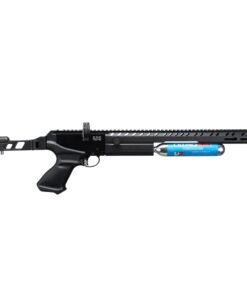
Air Rifles
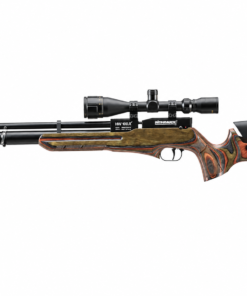
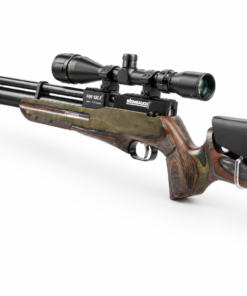
PCP Air Rifles
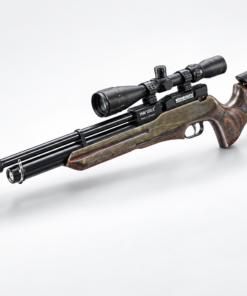
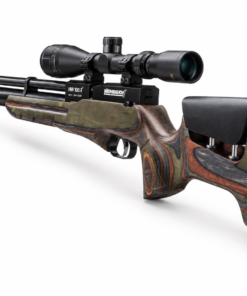
Air Rifles
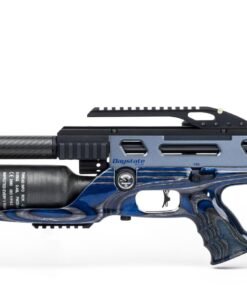
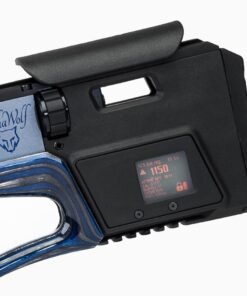
Air Rifles
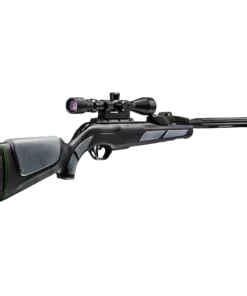
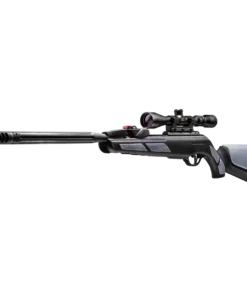
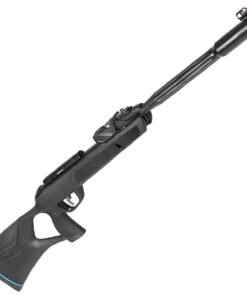
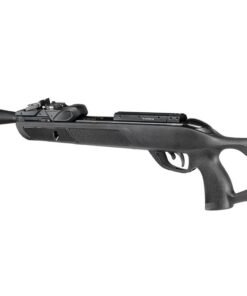
Air Rifles
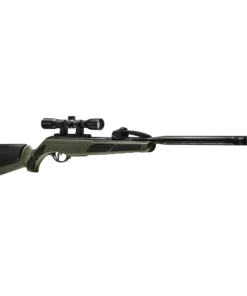
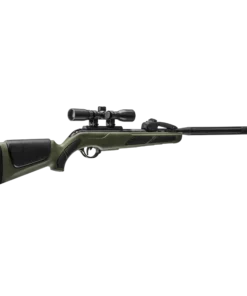
Reviews
There are no reviews yet.