
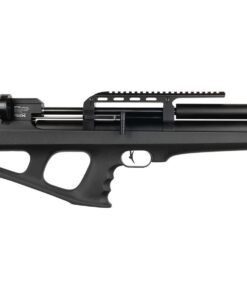
FX Wildcat MK3 Compact | FX Airguns MKIII
Price range: $850.00 through $950.00
FX Wildcat MK3 Compact Synthetic MKIII FX Airguns
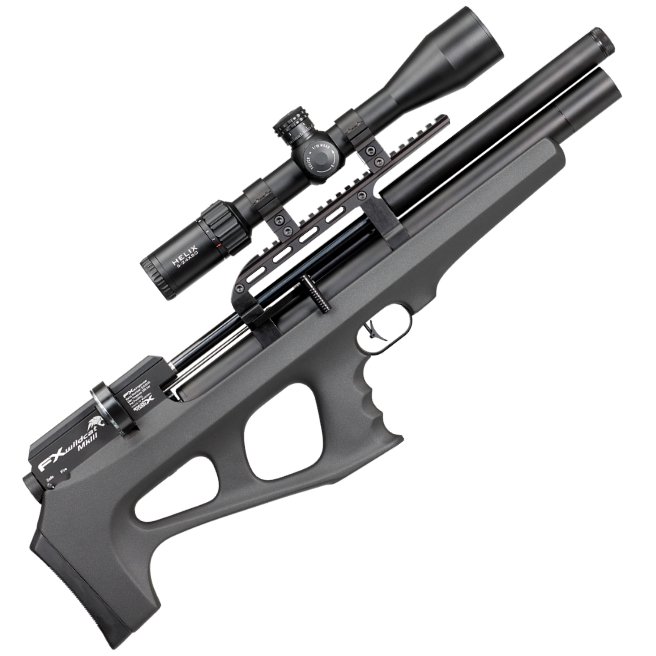
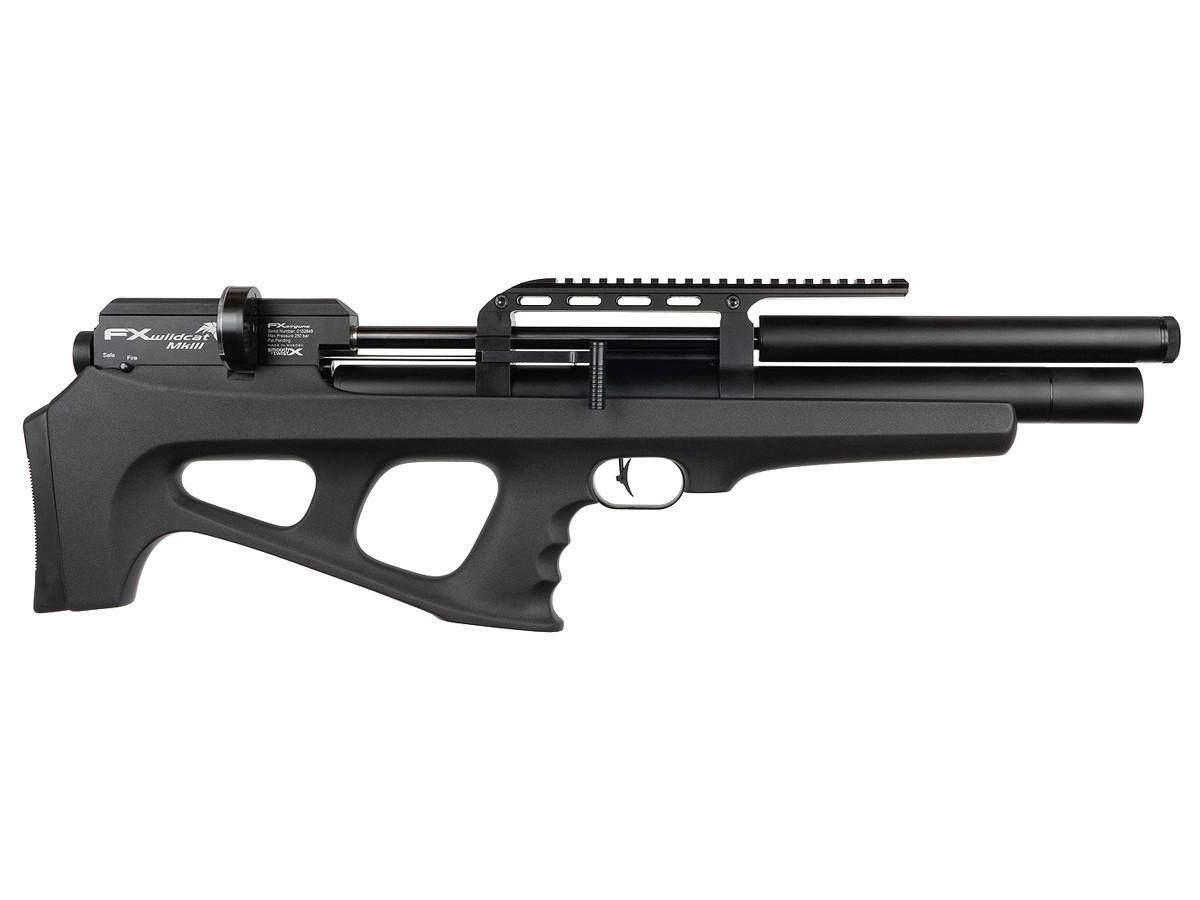
The FX Wildcat is part of airgun royalty. An airgun that was compact before compact became a buzzard to air-gunners! A perfectly balanced and ergonomically designed bullpup that defined the generation of bullpups that have followed in its footsteps.
The latest Wildcat MKIII enhances its legacy, the improvements start inside the Wildcat’s main block. The engineering inside the new Wildcat really pushes the boundaries of what can be accomplished with precision engineering.
The Wildcat MK3 features a new rear power adjuster that allows for both micro and macro adjustments using the same dial hammer spring.
The Wildcat MKIII has also upgraded its magazine to allow for more shots.

FX Wildcat MK3 Compact | FX Airguns MKIII – Premium Swedish PCP Bullpup Air Rifle, Superior STX Barrel, AMP Regulation and Precision Engineering
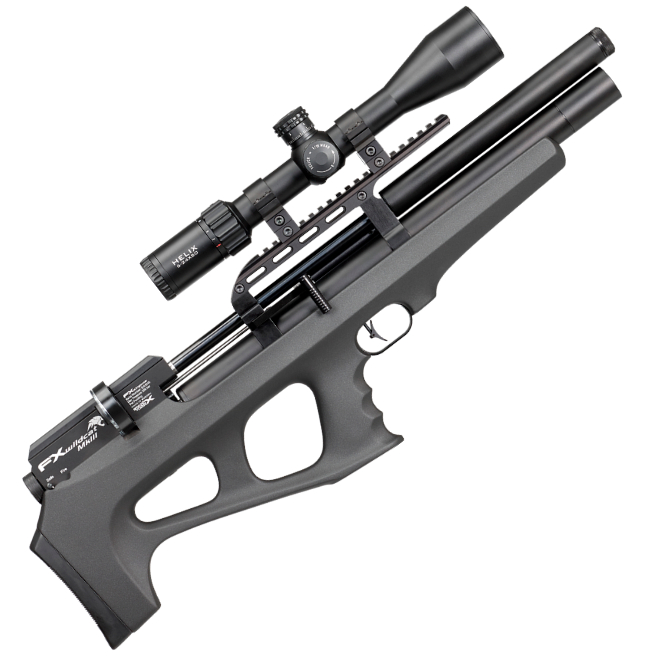
The FX Wildcat MK3 Compact | FX Airguns MKIII combines sophisticated Swedish engineering, innovative pneumatic technology, and distinctive bullpup ergonomics in a compact sporting air rifle. Developed by FX Airguns, the third-generation platform builds upon the established Wildcat family with improved internal airflow, refined mechanical components, and advanced barrel technology.
Unlike traditional full-length sporting rifles, the Wildcat’s bullpup configuration positions its action farther toward the rear. Consequently, the rifle maintains a relatively short overall length while accommodating a precision-oriented barrel.
The original Wildcat MKIII Standard Compact features a 500 mm barrel, approximately 670 mm overall length, and a 230 cc compressed-air reservoir.
Furthermore, its lightweight synthetic stock incorporates a soft-touch exterior that complements the rifle’s distinctive sporting appearance.
For enthusiasts who appreciate mechanical sophistication, the Wildcat MKIII demonstrates how contemporary design can combine compact proportions, advanced materials, and dependable engineering.
Superior Smooth Twist X Barrel System – Why Precision Matters
The FX Superior Smooth Twist X (STX) barrel system represents one of the rifle’s most recognizable engineering features.
Its interchangeable liner architecture reflects the manufacturer’s modular approach to barrel construction.
Furthermore, the system allows approved components to accommodate different projectile characteristics, subject to the requirements of the particular configuration.
Precision barrel manufacturing provides an important foundation for repeatable target-shooting performance.
However, actual accuracy depends on ammunition consistency, mechanical condition, environmental circumstances, and user experience.
The compact barrel configuration also illustrates how the bullpup layout accommodates precision-oriented engineering without requiring excessive overall length.
Adjustable AMP Regulator and Advanced Pneumatic Performance
The original Wildcat MKIII incorporates an externally adjustable FX AMP regulator intended to manage compressed-air delivery.
A regulated pneumatic system helps maintain predictable operating conditions while reservoir pressure remains within the appropriate working range.
Additionally, the original Standard Compact features pressure gauges for monitoring the air reservoir and regulated pressure.
These components contribute to the platform’s sophisticated mechanical architecture.
However, pressure-related adjustments should follow manufacturer documentation and be performed by qualified personnel where necessary.
The original Standard Compact uses a 230 bar maximum fill pressure, whereas certain later bottle-equipped versions have different pressure and reservoir specifications.
Compact Synthetic Bullpup Stock and Ergonomic Design
The Wildcat MKIII Compact features a distinctive synthetic stock with a soft-touch surface.
Its bullpup arrangement creates a compact exterior profile while retaining the traditional shoulder-fired characteristics of a sporting rifle.
Furthermore, the stock’s carefully developed contours provide comfortable contact surfaces during ordinary handling.
The rifle incorporates a forward-positioned sidelever, manual safety, adjustable match trigger, and Picatinny optics rail.
Together, these features reflect a design philosophy that emphasizes functional integration and mechanical refinement.
Its compact proportions can also simplify lawful transportation and secure storage when compared with larger sporting configurations.
Available Calibres and Magazine Capacity
The original Wildcat MKIII family includes four principal calibre options, depending on the production version and regional availability.
| Calibre | Magazine capacity |
|---|---|
| .177 / 4.5 mm | 22 shots |
| .22 / 5.5 mm | 18 shots |
| .25 / 6.35 mm | 16 shots |
| .30 / 7.62 mm | 13 shots |
The removable magazine system provides convenient ammunition organization during authorized sporting activities.
Furthermore, different calibre configurations offer distinct technical characteristics.
However, ammunition compatibility, operating limits, and regional regulations should always be verified against the individual rifle.
Understanding the Original MKIII Compact and MKIII BT Compact
FX developed more than one Compact configuration within the third-generation Wildcat family.
The original Standard Compact incorporates a 230 cc aluminum air cylinder, 500 mm barrel, and single AMP regulator.
The later Wildcat MKIII BT Compact introduces a different pneumatic arrangement, including an 89 cc power plenum, dual AMP regulators, and a 300 cc carbon-fiber bottle.
Consequently, these configurations should not be presented as mechanically identical products.
Their reservoir capacities, pressure ratings, and internal pneumatic components differ.
Buyers should therefore verify the exact production configuration before selecting accessories or arranging specialized maintenance.
Related Airgun Categories and Popular Search Comparisons
The following terms represent broader airgun product searches, competing models, accessories, or separate categories. They are included for comparison and product-discovery context only. They do not describe the Wildcat MKIII Compact’s included equipment or technical specifications.
Compact and Tactical Airgun Comparisons
bintac t9, bintac t9 price, bintac t9 full auto, bintac s45, bintac t50, aea bintac t50 extreme, bintac mcar, bintec m50, b&w m50, m50 vs evanix viper for sale usa, mp30, tac 9, tac-9, mordax venom, airgun tactical, air gun tactical, air tactical, tactical air guns, tactical air rifle, air ordnance smg 22, smg 22, full auto pellet gun.
These searches involve equipment with different operating characteristics, external configurations, and intended applications.
Large-Calibre Air Rifle and Alternative Model Searches
zeus mk2 .72cal air rifle, zeus mk2 .72 cal air rifle, zeus air rifle, 72 caliber aea zeus, aea zeus air rifle, aea zeus 72 cal, aea zeus 72 caliber, aea zeus 72, aea zeus mk2, aea zues, zeus air gun, zeus mk2, zeus 72 cal air rifle, zeus 72 cal air rifle price, aea zeus tactical, 72 caliber air rifle, .72 cal air rifle, 50 cal air rifle, 50 caliber air rifle, 50 cal air pistol, 9mm air rifle, 9mm air gun, 9mm pellet gun, 9mm air pistol.
These larger-calibre product categories are substantially different from the sporting configurations offered within the Wildcat MKIII family.
Alternative Pneumatic Rifles and Specialty Equipment
aea megalodon, aea megalodon 50 cal, aea megalodon .58 cal, aea megalodon air rifle, aea megalodon 50 cal price, aea megalodon 50 caliber, megalodon air rifle, aea terminator, aea harpoon, aa harpoon, aea harpoon price, aea harpoon magnum, aea harpoon gun, aea harpoon for sale, aea harpoon shotgun, harpoon air gun, western rattler bullpup, umarex notos, notos airgun, huben gk1 price in usa, barra 250z europe, tex rex, slug hammer.
Although these names appear in the broader pneumatic equipment market, their technical specifications should not be confused with the FX platform.
Airgun Accessories and Other Equipment Categories
air shotgun, air powered shotgun, airgun shotgun, air shot gun, double barrel air gun, air crossbow, pneumatic crossbow, pellet gun, pneumatic air gun, pcp air rifle, high powered air gun, only air gun, air gun suppressor, solofish laser light combo, solofish, fx drs tactical accessories.
Accessories designed for other platforms are not automatically compatible with the Wildcat MKIII.
Personal-Defense-Related Search Terminology
self defense air gun, self defense air pistol, self defense air guns, air gun for self defense, airgun for self defense, aea defender lethal airgun, x68, x68 pistol, x68 pistelle, pistelle x68, pistelle x 68, pistelle x 68 for sale, pistelle x 68 kaufen, pistolé.
These terms refer to separate search interests and do not establish the Wildcat MKIII as personal-defense equipment.
Why the FX Wildcat MK3 Compact Stands Out

The Wildcat MKIII Compact illustrates FX Airguns’ commitment to advanced pneumatic engineering, compact dimensions, and modular construction.
Its Superior STX barrel architecture, regulated air delivery, soft-touch stock, and integrated sporting controls provide an impressive combination of technical refinement and practical design.
Furthermore, the platform’s third-generation development introduced important changes to its internal mechanical architecture.
For enthusiasts interested in the engineering of precision-oriented sporting rifles, these characteristics make the Wildcat MKIII a distinctive example of modern Swedish manufacturing.
The compact dimensions, traditional shoulder support, and sophisticated internal components work together to create a mechanically refined sporting platform.
Ultimately, the rifle’s principal appeal lies in its thoughtful engineering, recognizable bullpup styling, and carefully developed component integration.
Advanced Swedish Engineering, Exceptional Precision, Compact Bullpup Performance, Shooting Comfort, and Long-Term Reliability

Understanding the Engineering Excellence Behind a Premium Swedish Sporting Rifle
Modern sporting air rifles have evolved considerably through developments in precision manufacturing, compressed-air technology, advanced materials, and ergonomic design. These improvements have allowed manufacturers to produce sophisticated equipment that combines manageable dimensions with refined mechanical performance. The FX Wildcat MK3 Compact demonstrates this engineering philosophy through its carefully integrated components, distinctive bullpup configuration, and advanced pneumatic architecture.
One of the most important characteristics of a premium sporting rifle is the relationship between its individual mechanical systems. The barrel, receiver, regulator, air reservoir, trigger assembly, and stock must operate together according to the manufacturer’s specifications. Consequently, the overall quality of the equipment depends on careful engineering rather than the performance of any single component.
Furthermore, Swedish manufacturing traditions emphasize technical development, functional design, and continual product refinement. These characteristics are evident in the use of modular barrel technology, regulated compressed-air systems, and precisely manufactured mechanical components.
The compact configuration also demonstrates thoughtful design. By positioning the operating mechanism toward the rear of the rifle, the bullpup arrangement allows the manufacturer to accommodate a substantial barrel within relatively short overall dimensions.
This combination appeals to enthusiasts who appreciate sophisticated sporting equipment without excessive external bulk.
Additionally, the carefully shaped synthetic stock provides practical comfort while maintaining the distinctive appearance associated with modern precision-oriented air rifles.
However, advanced engineering does not eliminate the importance of responsible maintenance. Even high-quality mechanical components require appropriate inspection, cleaning, and professional servicing throughout their useful life.
Ultimately, the appeal of this platform lies in its combination of innovative construction, dependable manufacturing principles, comfortable proportions, and the satisfaction associated with carefully developed Swedish engineering.
Why Precision Manufacturing Is Essential for Mechanical Consistency
Precision manufacturing plays a fundamental role in the development of sophisticated pneumatic sporting equipment. Every important component must conform to carefully established dimensional requirements to ensure proper assembly and reliable operation.
Modern machining technologies allow manufacturers to produce components with controlled tolerances, accurate surface finishes, and consistent mechanical characteristics.
Furthermore, precision manufacturing helps maintain the correct relationship between interacting components.
The receiver supports several essential systems, including the barrel assembly, operating mechanism, and pneumatic components. Its construction must therefore provide appropriate structural stability while accommodating the manufacturer’s intended mechanical arrangement.
Likewise, moving components require carefully developed contact surfaces to support smooth operation.
When parts fit correctly, they can perform their intended functions without unnecessary friction or irregular movement.
However, manufacturing precision does not guarantee unlimited durability. Components remain subject to normal wear, contamination, environmental exposure, and accidental damage.
Consequently, owners should remain attentive to changes in mechanical behavior.
Unexpected resistance, unusual noises, or inconsistent operation may indicate that inspection is necessary.
Another benefit of precision manufacturing involves replacement-part compatibility. Components produced to the manufacturer’s specifications help qualified technicians preserve the original engineering characteristics during servicing.
Ultimately, carefully controlled manufacturing processes contribute to mechanical refinement, structural integrity, and long-term ownership confidence.
Advanced Barrel Technology and the Importance of Precision Engineering
The barrel represents one of the most significant components of any precision-oriented sporting rifle.
Its manufacturing quality, internal dimensions, structural condition, and compatibility with suitable ammunition influence the mechanical foundation for accurate recreational target shooting.
Modern barrel engineering incorporates specialized manufacturing techniques intended to provide consistent internal characteristics.
Furthermore, modular barrel systems demonstrate how manufacturers can develop interchangeable components within a carefully designed mechanical platform.
However, compatibility must always be verified according to the exact production configuration.
Components from related models should not automatically be considered interchangeable.
Another important consideration involves barrel condition.
Physical damage, unsuitable cleaning procedures, or unauthorized modifications can affect carefully manufactured internal surfaces.
Consequently, owners should follow manufacturer recommendations concerning inspection and maintenance.
Accuracy also depends on several external influences.
Ammunition manufacturing consistency, environmental conditions, equipment condition, and individual experience can all affect results observed during target shooting.
For example, differences between projectiles may produce variation even when the barrel itself remains in excellent condition.
Similarly, outdoor wind can influence projectile movement.
Therefore, precision engineering should be understood as the foundation for dependable performance rather than a guarantee of identical results under every circumstance.
A well-manufactured barrel offers lasting value when supported by responsible care and appropriate equipment use.
Understanding the Benefits of a Compact Bullpup Configuration
The bullpup configuration represents a distinctive approach to sporting rifle design.
Unlike traditional arrangements that position the action farther forward, a bullpup places important operating components closer to the rear of the equipment.
This allows manufacturers to accommodate a relatively long barrel within a shorter overall package.
Consequently, the design can provide manageable external dimensions without requiring a proportionally short barrel.
Furthermore, compact proportions can contribute to convenient lawful transportation and secure storage.
However, the benefits of this arrangement extend beyond overall length.
The manufacturer must carefully coordinate the stock, receiver, barrel, reservoir, and operating controls to maintain appropriate structural relationships.
Weight distribution also deserves consideration.
Because several mechanical components are located toward the rear, a bullpup may feel different from a conventional sporting rifle.
Some enthusiasts appreciate this distribution, while others prefer the balance characteristics of traditional designs.
Neither arrangement is automatically superior for every individual.
Comfort depends on physical proportions, personal preferences, and the intended recreational activity.
The compact bullpup design ultimately offers an interesting combination of distinctive appearance, innovative packaging, and modern engineering integration.
How Regulated Compressed-Air Technology Supports Dependable Operation
Regulated pneumatic systems represent an important advancement in contemporary sporting equipment.
A compressed-air reservoir stores energy under pressure, while an internal regulator helps manage the pressure delivered to the firing mechanism.
This arrangement can provide more predictable mechanical behavior while the reservoir remains within the intended operating range.
Furthermore, pressure regulation allows manufacturers to establish particular operating characteristics according to their engineering objectives.
However, the regulator forms only one part of the complete pneumatic system.
Valves, seals, internal passages, and pressure-containing components also contribute to overall operation.
The condition of these components influences reliability.
For example, sealing materials may deteriorate over time, while contamination or mechanical damage can affect normal pressure management.
Consequently, unexpected pressure loss or irregular operation should prompt professional assessment.
High-pressure components require specialized handling and should never be modified or disassembled casually.
Owners should follow manufacturer-approved filling procedures and use suitable pressure-rated equipment.
Additionally, different production configurations may incorporate different reservoir capacities and operating specifications.
Therefore, owners should verify the exact version before purchasing accessories or arranging servicing.
Regulated pneumatic technology ultimately contributes to mechanical sophistication while emphasizing the importance of correct maintenance.
Comfortable Stock Geometry and Everyday Handling Benefits
Ergonomic design influences how naturally a sporting rifle fits the person handling it.
The shape of the stock, position of the grip, cheekpiece geometry, and overall proportions all contribute to physical comfort.
A thoughtfully developed stock should provide appropriate support without requiring unnecessarily awkward positioning.
Furthermore, modern synthetic materials allow manufacturers to create complex external shapes while maintaining practical durability.
A soft-touch exterior can provide a pleasant tactile surface and contribute to the equipment’s contemporary appearance.
However, comfort varies between individuals.
Height, arm length, shoulder dimensions, and personal preferences influence how suitable a particular stock feels.
Consequently, prospective owners should consider their physical requirements rather than relying exclusively on advertised dimensions.
Another important factor involves overall weight.
A comparatively compact rifle may feel manageable, but the distribution of its mass remains equally important.
Accessories can also influence handling characteristics by increasing weight or changing balance.
Therefore, compatible accessories should be selected according to genuine recreational needs.
The most successful ergonomic designs combine practical comfort, accessible controls, suitable materials, and thoughtful engineering.
Why Smooth Sidelever Operation Contributes to Mechanical Refinement
A carefully engineered operating mechanism contributes significantly to the overall character of premium sporting equipment.
The sidelever arrangement provides an external control associated with the rifle’s loading and cocking mechanism.
Its operation depends on accurately manufactured components and suitable mechanical tolerances.
Furthermore, thoughtful control placement contributes to the compact appearance of the rifle.
Smooth operation can provide a refined mechanical feel during normal use.
However, operating controls should never require excessive force.
Unexpected stiffness, grinding sensations, or unusual movement may indicate contamination, wear, or mechanical damage.
Continuing to operate equipment under these conditions may worsen the problem.
Consequently, owners should stop using the rifle and arrange appropriate inspection whenever abnormal behavior develops.
Routine professional servicing helps preserve the intended relationship between moving components.
Additionally, manufacturer-approved replacement parts can support continued reliability.
A refined sidelever mechanism ultimately enhances ownership satisfaction through predictable mechanical movement and convenient external design.
The Importance of Reliable Magazine Construction
A magazine system contributes to the practical convenience of modern sporting rifles.
Its components must accommodate compatible ammunition while interacting correctly with the receiver and loading mechanism.
Precision manufacturing helps ensure that the magazine functions according to the manufacturer’s intended specifications.
Furthermore, suitable materials contribute to durability under normal operating conditions.
However, magazine compatibility should never be assumed.
Different production generations or related models may use components with distinct dimensions.
Consequently, owners should verify replacement-part compatibility before purchasing additional magazines.
Routine inspection also helps preserve reliability.
Cracks, damaged components, or irregular mechanical movement may indicate a need for replacement.
Owners should avoid forcing incompatible or damaged components into the loading system.
Safe handling practices remain essential regardless of magazine capacity.
Removing a magazine does not necessarily establish that the rifle is completely unloaded.
Therefore, the manufacturer’s full unloading and safety procedures must always be followed.
Reliable magazine construction supports convenience while reinforcing the importance of correct component selection.
Trigger Engineering and Predictable Mechanical Response
The trigger mechanism represents an important interface between the owner and the rifle.
Its construction must provide predictable mechanical operation while preserving the safety characteristics established by the manufacturer.
A carefully developed trigger assembly incorporates components manufactured to suitable dimensional tolerances.
Furthermore, appropriate assembly helps maintain consistent mechanical behavior.
However, trigger quality should never be judged solely by the lightness of its operation.
Incorrect adjustments can create serious safety concerns.
Consequently, servicing and adjustments should follow manufacturer instructions and be performed by qualified professionals when necessary.
Unexpected changes in trigger response should receive immediate attention.
A mechanism that behaves irregularly or fails to function normally requires inspection before further use.
Owners should also avoid unauthorized modifications intended to alter the trigger’s original safety characteristics.
Ultimately, refined trigger engineering contributes to mechanical quality through dependable operation and appropriate safety design.
The Importance of Balanced Weight Distribution
Balance influences how comfortable sporting equipment feels during ordinary handling.
Although total weight provides useful information, it does not fully describe the way a rifle feels.
The position of the barrel, receiver, reservoir, stock, and installed accessories determines the distribution of mass.
Furthermore, compact sporting equipment can feel different from full-length designs even when both have similar overall weights.
A rearward concentration of mass may appeal to some individuals, while others prefer more traditional balance characteristics.
Consequently, equipment suitability depends partly on personal preferences.
Accessory selection can also affect weight distribution.
Additional optical equipment or substantial mounting components may change the original handling characteristics.
Therefore, owners should consider comfort and verified compatibility when selecting accessories.
Appropriate balance contributes to practical convenience and reinforces the importance of coordinated engineering.
Ultimately, thoughtful component placement supports an enjoyable ownership experience without compromising the manufacturer’s intended design.
Practical Applications in Organized Recreational Target Shooting
An established shooting range provides an appropriate environment for enjoying sophisticated pneumatic sporting equipment.
Organized facilities generally incorporate designated shooting positions, approved targets, suitable backstops, and clearly defined operating procedures.
These arrangements support responsible participation.
Furthermore, access to qualified instructors may benefit individuals developing familiarity with advanced sporting rifles.
Supervised instruction provides opportunities to understand safe handling requirements and facility expectations.
Experienced enthusiasts may also appreciate the structured environment offered by established shooting facilities.
However, individual ranges may impose restrictions concerning equipment configurations, projectile types, or permissible energy levels.
Consequently, owners should confirm applicable requirements before attending.
A compact sporting rifle may offer practical convenience during these activities because of its manageable dimensions.
Comfortable stock geometry and predictable mechanical operation also contribute to the experience.
Nevertheless, safety must always remain the primary consideration.
Participants should follow facility rules, maintain awareness of their surroundings, and operate equipment only within authorized environments.
How Environmental Conditions Influence Equipment Performance
Environmental factors can affect both sporting equipment condition and recreational shooting results.
Temperature changes may influence compressed-air pressure and certain material properties.
Similarly, humidity can encourage corrosion on inadequately protected metal surfaces.
Wind represents another important external variable during outdoor target shooting.
Consequently, observed results may vary even when the equipment operates consistently.
Rain and moisture introduce additional maintenance considerations.
Although synthetic furniture offers practical advantages, the complete rifle still incorporates metal and mechanical components requiring protection.
Therefore, prolonged exposure to unfavorable weather should be avoided whenever possible.
Excessive heat also deserves attention because pneumatic equipment contains pressure-rated components.
Owners should follow manufacturer recommendations concerning environmental limitations.
After outdoor activities, appropriate external cleaning and inspection help preserve the equipment’s condition.
Understanding environmental influences supports realistic performance expectations and responsible maintenance decisions.
Durable Materials and Long-Term Structural Reliability
The durability of a premium sporting rifle depends on material selection, manufacturing quality, assembly standards, and responsible maintenance.
Modern manufacturers use different materials because individual components must satisfy distinct mechanical requirements.
Metal alloys provide structural properties appropriate for receivers and operating mechanisms.
Synthetic materials offer practical alternatives for external furniture.
Furthermore, suitable protective finishes help reduce ordinary surface deterioration.
However, no material remains completely unaffected by time or environmental exposure.
Moisture may encourage corrosion, excessive heat can affect certain polymers, and significant impacts can damage mechanical components.
Consequently, appropriate storage and careful transportation remain important.
Normal wear also influences long-term reliability.
Seals and moving components may eventually require inspection or replacement.
Professional servicing helps ensure that suitable parts are selected and installed according to manufacturer specifications.
Durable construction provides a strong foundation for long-term ownership when supported by responsible care.
Responsible Maintenance and Equipment Preservation
Maintenance contributes to the continued reliability and appearance of sophisticated pneumatic equipment.
Appropriate care begins with manufacturer documentation and regular external inspection.
Owners can check accessible surfaces for visible damage, corrosion, contamination, or unusual wear.
Furthermore, suitable nonabrasive cleaning materials help preserve exterior finishes.
However, unnecessary maintenance can sometimes cause problems.
Harsh chemicals, excessive lubrication, and aggressive cleaning methods may damage sensitive components.
Consequently, cleaning procedures should follow manufacturer recommendations.
High-pressure pneumatic assemblies require particular caution.
Reservoirs, regulators, valves, and internal seals should only be serviced using approved procedures and suitable professional expertise.
Unexpected pressure loss or abnormal operation should prompt immediate inspection.
Maintaining servicing records also provides practical benefits.
Documentation of authorized maintenance may assist with future warranty inquiries and ownership decisions.
Ultimately, responsible care supports mechanical reliability and long-term satisfaction.
Why Secure Storage and Lawful Transportation Matter
Proper storage is essential for responsible sporting equipment ownership.
A rifle should remain secured against unauthorized access whenever it is not being used.
Suitable locking arrangements and secure cabinets help support this responsibility.
Furthermore, appropriate storage conditions can reduce exposure to moisture, dust, and extreme temperatures.
Protective cases may also reduce accidental surface damage during lawful transportation.
However, transportation requirements vary between jurisdictions.
Owners should therefore confirm the applicable legal requirements before moving equipment.
Preparation for storage is equally important.
The rifle should be unloaded and secured according to manufacturer instructions.
Pneumatic systems may have specific reservoir storage recommendations depending on their design.
Consequently, owners should consult the relevant documentation rather than relying on assumptions.
Responsible storage protects people while preserving equipment condition.
Professional Servicing and Manufacturer Support
Access to qualified technical support represents an important advantage for owners of sophisticated pneumatic sporting equipment.
Even carefully manufactured rifles may eventually require specialized inspection.
Professional technicians can assess pressure-related components, identify mechanical wear, and verify replacement-part compatibility.
Furthermore, authorized service providers may have access to manufacturer documentation and suitable replacement components.
This becomes particularly important when different production generations incorporate revised designs.
Owners should retain purchase records, serial-number information, and servicing documentation.
These materials can help identify the correct configuration when repairs become necessary.
Warranty conditions also deserve attention.
Unauthorized modifications or inappropriate servicing may affect eligibility for support.
Consequently, professional assistance remains preferable to unsupported internal repairs.
Reliable technical support contributes to long-term confidence by helping owners preserve their equipment’s intended operating characteristics.
Understanding the Total Cost of Ownership
Purchasing premium sporting equipment involves more than the initial retail price.
Secure storage, approved compressed-air filling equipment, maintenance supplies, protective accessories, and professional servicing may create additional expenses.
Furthermore, replacement-part availability and manufacturer support can influence long-term convenience.
Prospective owners should therefore evaluate the complete ownership requirements before making a purchasing decision.
Individual suitability also matters.
A technically sophisticated rifle may still be inappropriate if its dimensions, weight, or intended recreational applications do not match the owner’s needs.
Consequently, purchasing decisions should prioritize genuine requirements rather than exaggerated promotional claims.
Another consideration involves resale value.
Carefully maintained equipment with appropriate documentation may appeal to future purchasers where lawful resale is permitted.
However, actual resale prices depend on age, condition, market demand, and availability.
Ultimately, long-term value reflects the relationship between engineering quality, practical suitability, maintenance requirements, and ownership satisfaction.
Final Assessment of Swedish Craftsmanship and Precision-Oriented Design
The FX Wildcat MK3 Compact illustrates how modern pneumatic technology and innovative bullpup engineering can complement one another.
Its compact configuration, advanced barrel architecture, regulated air delivery, comfortable synthetic stock, and refined mechanical controls contribute to a sophisticated sporting platform.
Furthermore, the manufacturer’s emphasis on modular construction demonstrates a commitment to technical development.
However, dependable performance always requires responsible ownership.
Appropriate maintenance, secure storage, compatible components, and professional servicing help preserve the rifle’s intended mechanical characteristics.
Owners should also maintain realistic expectations concerning accuracy because ammunition quality, environmental conditions, and individual experience influence observed results.
For enthusiasts who appreciate Swedish engineering, distinctive compact design, and carefully manufactured sporting equipment, this platform represents an engaging example of contemporary pneumatic innovation.
Ultimately, lasting satisfaction comes from thoughtful construction, predictable mechanical operation, ergonomic comfort, and appropriate long-term care.
When these qualities are combined with responsible recreational use, premium sporting equipment can remain an enjoyable and valued part of an enthusiast’s collection for many years.
Exceptional Precision Engineering, Practical Shooting Applications, Compact Handling, Advanced Durability, and Long-Term Ownership Experience
Understanding the Importance of Precision Engineering in Modern Sporting Rifles
Modern sporting rifles represent the combination of sophisticated mechanical engineering, carefully selected materials, and decades of technological development. For enthusiasts who appreciate dependable equipment, engineering quality remains one of the most important considerations when evaluating a premium sporting platform. A well-designed rifle should offer predictable mechanical operation, comfortable handling, practical durability, and reliable manufacturer support.
One of the most significant characteristics of advanced pneumatic equipment involves the relationship between its individual components. The barrel, receiver, air reservoir, regulator, trigger assembly, and stock all contribute to the complete mechanical system. Consequently, overall performance depends on how effectively these components function together.
Furthermore, precision manufacturing allows engineers to achieve controlled dimensional tolerances and consistent assembly standards. These characteristics support smooth mechanical operation and help preserve the intended relationships between moving and stationary parts.
A compact sporting design introduces additional engineering considerations. Manufacturers must accommodate essential mechanical assemblies within limited external dimensions while maintaining structural integrity and appropriate ergonomic proportions.
Additionally, modern synthetic materials contribute to practical construction by offering useful durability without unnecessary decorative complexity.
However, advanced engineering does not eliminate the importance of appropriate maintenance. Even exceptionally manufactured equipment experiences ordinary wear and requires periodic inspection.
Ultimately, the greatest value of precision engineering lies in dependable operation, thoughtful design, mechanical refinement, and the satisfaction associated with owning carefully developed sporting equipment.
Why Advanced Barrel Manufacturing Matters for Accuracy
The barrel remains one of the most important mechanical components of a precision-oriented sporting rifle. Its internal geometry, material characteristics, manufacturing consistency, and physical condition influence the foundation for accurate recreational target shooting.
Modern manufacturers employ specialized machining and barrel-production techniques to achieve the dimensions required by their designs. Furthermore, carefully developed internal surfaces support predictable interaction between the barrel and compatible ammunition.
However, the quality of the barrel alone cannot guarantee exceptional results under every circumstance.
Different projectiles can vary in manufacturing consistency, dimensions, and material characteristics. Consequently, observed results may differ even when the mechanical condition of the rifle remains unchanged.
Environmental influences also matter. Wind, temperature, and other outdoor conditions can affect recreational target-shooting results.
Another important consideration involves barrel preservation. Unsuitable cleaning methods, physical damage, or unauthorized modifications can interfere with carefully manufactured components.
Therefore, owners should follow manufacturer guidance concerning cleaning and inspection.
Professional assessment may become necessary when unusual mechanical characteristics or visible damage appear.
A well-manufactured barrel provides long-term value through its engineering quality, but responsible care remains essential to preserving its intended characteristics.
Compact Bullpup Construction and Its Practical Advantages
A compact bullpup design offers an alternative approach to conventional sporting rifle construction.
By positioning the action toward the rear of the assembly, manufacturers can accommodate a substantial barrel without requiring the overall dimensions of a traditionally configured rifle.
This arrangement produces a distinctive appearance while providing manageable external proportions.
Furthermore, reduced overall length can offer practical advantages for lawful transportation and secure storage.
However, compact construction involves more than simply shortening the exterior.
The receiver, stock, reservoir, barrel, and operating controls must be coordinated within the available space.
Consequently, careful mechanical integration becomes particularly important.
Weight distribution also influences the ownership experience. A rearward concentration of mass can make the equipment feel different from a conventional sporting rifle.
Some individuals appreciate these characteristics, while others prefer traditional balance.
Therefore, personal comfort should remain an important consideration.
The compact design ultimately demonstrates how engineering innovation can produce distinctive sporting equipment without sacrificing the manufacturer’s intended structural requirements.
The Importance of Consistent Pneumatic Operation
Compressed-air technology provides modern sporting rifles with a sophisticated mechanical operating system.
A pressure-rated reservoir stores compressed air, while internal components manage its release during normal operation.
A regulator contributes to predictable pressure delivery when the system operates within its intended range.
Furthermore, regulated technology reflects careful coordination between pneumatic and mechanical engineering.
The regulator, valves, seals, and internal passages must work together correctly.
However, pressure regulation does not eliminate the possibility of mechanical problems.
Seals may deteriorate with age, contamination can affect internal components, and physical damage may interfere with normal operation.
Consequently, unusual pressure loss or inconsistent mechanical behavior should receive professional attention.
Owners should never disassemble high-pressure assemblies without the required qualifications and approved procedures.
Similarly, compressed-air equipment should only be filled using compatible pressure-rated components in accordance with manufacturer instructions.
Responsible maintenance supports dependable operation while protecting the integrity of the pneumatic system.
Understanding the Benefits of Comfortable Stock Design
A carefully developed stock contributes significantly to the handling characteristics of a sporting rifle.
Its geometry influences the relationship between the owner’s hands, shoulder, and head position.
Important ergonomic considerations include the shape of the grip, cheekpiece profile, fore-end contour, and overall stock dimensions.
Furthermore, suitable materials contribute to comfortable handling and practical durability.
A modern synthetic stock can provide a distinctive appearance while requiring relatively straightforward exterior maintenance.
However, stock comfort varies between individuals.
Height, arm length, shoulder proportions, and personal preferences influence how naturally equipment fits.
Consequently, prospective owners should evaluate physical suitability rather than relying exclusively on appearance.
Another consideration involves weight distribution.
The stock’s design contributes to how the complete rifle feels during ordinary handling.
Thoughtful ergonomics therefore combines practical proportions, comfortable contact surfaces, and suitable structural support.
Ultimately, a well-designed stock enhances the ownership experience by connecting mechanical engineering with human comfort.
Why Balanced Weight Distribution Matters
Weight distribution influences the perceived comfort and practicality of sporting equipment.
Although total mass remains an important specification, it does not fully explain how a rifle feels during normal handling.
The position of the barrel, receiver, reservoir, stock, and accessories determines the distribution of weight.
Furthermore, compact designs may exhibit different balance characteristics from conventional full-length sporting equipment.
A rifle with more mass concentrated toward the rear can feel noticeably different from one with weight distributed farther forward.
However, individual preferences vary.
Some enthusiasts prefer a substantial mechanical feel, while others appreciate lighter equipment.
Neither preference automatically establishes superior quality.
Consequently, suitability depends on physical characteristics and intended recreational applications.
Additional accessories can also influence balance by increasing total weight or changing the location of mass.
Therefore, compatible accessories should be selected with consideration for comfort and manufacturer requirements.
Thoughtful weight distribution contributes to practical convenience and a refined handling experience.
Smooth Mechanical Controls and Their Importance
Operating controls influence how refined a sporting rifle feels during ordinary use.
A carefully engineered mechanism should perform its intended function with predictable movement and appropriate mechanical resistance.
Precision-manufactured components and suitable assembly standards contribute to this characteristic.
Furthermore, conveniently positioned controls support the practical arrangement of a compact sporting design.
However, unexpected resistance or unusual mechanical behavior may indicate a developing problem.
Grinding sensations, irregular movement, or unfamiliar noises should not be ignored.
Continuing to operate damaged equipment can worsen mechanical deterioration.
Consequently, owners should stop using the rifle and seek professional assessment when abnormal behavior occurs.
Routine inspection and appropriate servicing help preserve the intended relationship between moving components.
Manufacturer-approved replacement parts can also support continued reliability.
Smooth controls ultimately demonstrate the importance of precision manufacturing and responsible maintenance.
The Role of a Dependable Magazine System
A well-developed magazine contributes to practical convenience during authorized recreational shooting.
Its components must accommodate compatible ammunition while interacting correctly with the loading mechanism.
Accurate manufacturing helps establish the dimensions required for dependable operation.
Furthermore, suitable materials contribute to durability under normal conditions.
However, magazines from different models or production generations are not necessarily interchangeable.
External similarities do not guarantee mechanical compatibility.
Consequently, replacement components should be verified against manufacturer documentation.
Routine inspection also remains important.
Visible cracks, unusual resistance, or damaged components may indicate that replacement is necessary.
Owners should avoid forcing incompatible magazines into the rifle.
Safe handling procedures must always be followed, including appropriate verification that the equipment is unloaded.
A dependable magazine system contributes to convenience while reinforcing the importance of correct component selection.
Trigger Engineering and Mechanical Reliability
The trigger mechanism provides an important interface between the owner and the rifle.
Its construction must deliver predictable mechanical behavior while maintaining the safety characteristics intended by the manufacturer.
Precision manufacturing contributes to appropriate component interaction and reliable operation.
Furthermore, a carefully assembled trigger system supports the overall mechanical refinement of the sporting platform.
However, trigger quality should never be judged exclusively by how light its operation feels.
Incorrect adjustments may create serious safety risks.
Consequently, servicing and adjustments should follow manufacturer instructions and involve qualified personnel when required.
Unexpected changes in trigger behavior deserve immediate attention.
A mechanism that behaves irregularly or fails to function normally should remain out of use until inspected.
Proper maintenance helps preserve the original operating characteristics.
Ultimately, dependable trigger engineering contributes to safe and predictable mechanical operation.
Practical Benefits During Recreational Target Shooting
Organized recreational shooting provides an appropriate setting for enjoying precision-oriented sporting equipment.
Established ranges generally feature designated shooting positions, suitable backstops, approved targets, and clearly defined safety procedures.
Furthermore, access to experienced instructors may benefit individuals who are becoming familiar with pneumatic sporting rifles.
Supervised instruction supports an understanding of responsible handling and facility requirements.
Experienced enthusiasts may also appreciate the structured environment offered by established recreational facilities.
However, individual ranges may establish restrictions concerning equipment configurations, ammunition types, and permissible power levels.
Consequently, owners should verify applicable requirements before attending.
Comfortable ergonomics and manageable dimensions contribute to the convenience of a compact sporting rifle.
Nevertheless, equipment quality never replaces safe conduct.
Participants should follow facility instructions, observe established safety procedures, and remain aware of other users.
Responsible recreational use allows enthusiasts to appreciate advanced engineering within controlled environments.
Environmental Conditions and Their Effect on Equipment
Environmental factors influence both the condition of sporting equipment and the results observed during outdoor recreational activities.
Temperature changes may affect pneumatic pressure and certain mechanical properties.
Humidity can encourage corrosion when susceptible metal surfaces remain exposed.
Furthermore, outdoor wind conditions can influence projectile movement.
Consequently, observed results may vary even when the rifle functions consistently.
Rain and moisture introduce additional maintenance considerations.
Although synthetic stock materials offer practical advantages, internal mechanisms may still require protection.
Therefore, unnecessary exposure to unfavorable weather should be avoided.
Extreme heat also deserves attention because pneumatic equipment incorporates pressure-containing components.
Owners should follow manufacturer recommendations concerning environmental limits and storage conditions.
After outdoor activities, appropriate external cleaning and inspection help preserve the equipment.
Understanding environmental influences supports realistic expectations and responsible long-term care.
Why Material Quality Supports Long-Term Durability
Material selection plays an essential role in the durability and structural integrity of sporting equipment.
Manufacturers combine different materials because individual components require specific mechanical properties.
Metal alloys provide strength and stability for suitable structural applications.
Synthetic materials offer practical advantages for exterior furniture.
Furthermore, protective finishes can reduce ordinary surface deterioration.
However, every material has limitations.
Moisture may encourage corrosion, excessive heat can affect certain polymers, and substantial impacts may damage mechanical components.
Consequently, careful storage and transportation remain important.
Moving parts and sealing components also experience normal wear.
Even premium equipment may require replacement parts or professional servicing over time.
Quality construction provides a strong foundation for long-term reliability, but appropriate maintenance remains essential.
The Importance of Routine Maintenance
Routine maintenance helps preserve the condition of precision-oriented sporting equipment.
Appropriate care begins with manufacturer documentation and regular external inspection.
Owners can check accessible surfaces for visible damage, corrosion, contamination, or unusual wear.
Furthermore, suitable cleaning materials help maintain exterior finishes.
However, inappropriate maintenance can cause unnecessary damage.
Harsh solvents, abrasive materials, and excessive lubrication may affect sensitive components.
Consequently, cleaning procedures should follow manufacturer recommendations.
High-pressure pneumatic assemblies require particular caution.
Reservoirs, regulators, valves, and internal sealing systems should not be disassembled casually.
Qualified technicians possess the specialized expertise required to inspect these components safely.
Maintaining servicing records also offers practical benefits.
Documentation of authorized maintenance can support future warranty inquiries and ownership decisions.
Ultimately, responsible care helps preserve mechanical reliability and long-term value.
Secure Storage and Responsible Transportation
Safe storage is an essential responsibility for sporting equipment owners.
A rifle should remain secured against unauthorized access whenever it is not being used.
Appropriate locking arrangements and secure cabinets help meet this responsibility.
Furthermore, suitable storage conditions protect equipment from dust, moisture, and extreme temperatures.
Protective cases may reduce accidental damage during lawful transportation.
However, transportation regulations vary between jurisdictions.
Consequently, owners should confirm applicable legal requirements before moving equipment.
Preparing the rifle for storage also requires attention.
The equipment should be unloaded and secured according to manufacturer instructions.
Pneumatic systems may have specific storage recommendations depending on their design.
Therefore, model-specific documentation should take priority over general assumptions.
Responsible storage protects people while preserving the condition of the equipment.
Manufacturer Support and Professional Servicing
Professional technical support contributes significantly to long-term ownership confidence.
Even carefully manufactured sporting equipment may eventually require specialized inspection.
Qualified technicians can assess pressure-related components, identify mechanical deterioration, and verify replacement-part compatibility.
Furthermore, authorized service providers may have access to manufacturer documentation and genuine components.
This becomes particularly important when different production generations incorporate revised specifications.
Owners should retain purchase records, serial-number details, and servicing documentation.
These materials can assist with identifying the correct configuration during maintenance.
Warranty terms also deserve consideration.
Unauthorized modifications or unsuitable servicing may affect coverage.
Consequently, professional assistance is generally preferable to unsupported internal repairs.
Reliable manufacturer support helps preserve the intended characteristics of premium sporting equipment.
Evaluating Long-Term Ownership Costs
Purchasing sophisticated sporting equipment involves more than the initial retail price.
Secure storage, approved compressed-air equipment, protective accessories, maintenance supplies, and professional servicing may create additional expenses.
Consequently, prospective owners should evaluate the complete ownership requirements.
Manufacturer reputation and replacement-part availability can also influence long-term convenience.
Furthermore, buyers should consider whether the equipment’s dimensions, weight, and intended recreational applications match their individual needs.
A technically advanced product may still be unsuitable if its handling characteristics do not align with personal preferences.
Resale value represents another consideration.
Well-maintained equipment with appropriate documentation may appeal to prospective purchasers where resale is legally permitted.
However, actual market value depends on condition, age, availability, and demand.
Ultimately, genuine value reflects engineering quality, practical suitability, responsible maintenance, and lasting satisfaction.
Why Advanced Design Creates a Rewarding Ownership Experience
The appeal of premium sporting equipment often becomes more apparent through continued ownership.
Refined mechanical controls, comfortable ergonomic proportions, carefully manufactured components, and dependable construction contribute to overall satisfaction.
Furthermore, innovative design can provide a distinctive appearance without unnecessary mechanical complexity.
A compact sporting profile demonstrates how thoughtful component integration can achieve manageable dimensions while retaining sophisticated internal technology.
However, advanced design should always be evaluated through practical considerations.
Dependable operation, appropriate servicing, and manufacturer support remain more valuable than exaggerated promotional claims.
Owners who understand the normal characteristics of their equipment are better positioned to recognize changes that require professional attention.
Nevertheless, familiarity should never lead to complacency concerning safety.
Responsible handling and adherence to manufacturer instructions remain essential throughout ownership.
Ultimately, advanced engineering creates lasting satisfaction when supported by informed expectations and appropriate care.
Final Assessment of Precision, Practicality, and Engineering Excellence
The FX Wildcat MK3 Compact represents a sophisticated approach to modern pneumatic sporting rifle construction.
Its compact bullpup configuration, advanced barrel architecture, regulated compressed-air system, and comfortable synthetic stock demonstrate the benefits of thoughtful engineering integration.
Furthermore, its refined mechanical components contribute to a distinctive sporting platform intended for responsible recreational use.
However, performance should always be considered alongside maintenance requirements, environmental influences, and safety considerations.
Appropriate storage, compatible components, qualified servicing, and compliance with applicable regulations help preserve the equipment’s intended characteristics.
For enthusiasts who appreciate Swedish manufacturing innovation, manageable dimensions, and modern mechanical refinement, this design provides an engaging example of contemporary precision engineering.
Ultimately, long-term satisfaction comes from dependable construction, comfortable ergonomics, predictable operation, and responsible equipment care.
When these qualities are combined, premium sporting equipment can remain an enjoyable and valued part of recreational target-shooting activities for many years.
Advanced Performance, Exceptional Engineering Quality, Practical Shooting Experience, Long-Term Durability, and Responsible Ownership
Understanding the Value of Advanced Engineering in a Premium Sporting Rifle
The true value of a premium sporting rifle extends beyond its appearance, advertised specifications, and initial purchase price. Exceptional equipment should combine reliable mechanical construction, comfortable handling, carefully selected materials, and dependable operation. These characteristics contribute to an enjoyable ownership experience while demonstrating the importance of thoughtful engineering.
Modern pneumatic technology has transformed the development of recreational shooting equipment. Manufacturers can now integrate sophisticated compressed-air systems, precision-manufactured barrels, and refined operating mechanisms into comparatively compact designs. Consequently, enthusiasts have access to equipment that combines traditional sporting characteristics with contemporary manufacturing innovations.
One of the most important aspects of engineering quality involves the relationship between individual components. The receiver, barrel, air reservoir, regulator, trigger assembly, and stock must function together according to carefully established specifications. Although each component performs a different task, their coordinated operation determines the overall mechanical refinement of the equipment.
Furthermore, precise manufacturing helps maintain appropriate component alignment and dimensional consistency. These qualities support predictable operation while reducing unnecessary mechanical irregularities.
Another important consideration involves everyday convenience. Equipment with manageable proportions, comfortable contact surfaces, and accessible controls can provide a more satisfying experience during lawful recreational activities.
However, advanced engineering does not eliminate maintenance requirements. Even exceptionally manufactured mechanical products experience ordinary wear, environmental exposure, and component aging.
Therefore, responsible owners should combine an appreciation of technical craftsmanship with appropriate inspection and servicing practices.
Ultimately, the lasting appeal of premium sporting equipment comes from the balance between sophisticated engineering, practical comfort, dependable construction, and responsible long-term ownership.
Why Barrel Manufacturing Quality Matters for Precision
The barrel represents one of the most important elements in any precision-oriented sporting rifle. Its manufacturing quality, internal geometry, structural stability, and compatibility with appropriate ammunition influence the foundation for accurate recreational target shooting.
Modern barrel production involves specialized machining techniques and carefully controlled manufacturing processes. These methods help manufacturers achieve consistent internal dimensions and suitable material characteristics.
Furthermore, advanced barrel systems may incorporate specialized liners and modular components developed for particular sporting applications.
However, barrel quality should not be considered an automatic guarantee of identical accuracy under every circumstance.
Ammunition manufacturing consistency, equipment condition, environmental conditions, and individual experience all influence observed target-shooting results.
For example, differences between individual projectiles can produce variation even when the equipment operates correctly. Likewise, wind and changing atmospheric conditions may affect results during outdoor activities.
Consequently, realistic performance expectations remain important.
Barrel maintenance also deserves careful attention. Unsuitable cleaning methods, harsh chemicals, or unauthorized mechanical modifications can damage precisely manufactured internal surfaces.
Owners should therefore consult the manufacturer’s guidance before performing specialized maintenance.
A carefully manufactured barrel provides lasting value when supported by compatible ammunition, responsible handling, and appropriate servicing.
The Importance of Consistent Compressed-Air Management
Compressed-air regulation represents a significant advancement in modern pneumatic sporting equipment.
A pressure-rated reservoir stores compressed air, while the internal mechanism manages its controlled release during normal operation.
A regulator helps maintain predictable pressure delivery when the reservoir remains within the system’s intended operating range.
Consequently, regulated technology can contribute to more consistent mechanical characteristics.
Furthermore, carefully developed pneumatic systems demonstrate how pressure management and precision engineering work together.
However, the regulator forms only one part of the complete assembly.
Seals, valves, internal passages, and pressure-containing components also influence operation.
The condition of these components can change over time. Sealing materials may deteriorate through age, while contamination or physical damage can affect normal functionality.
Therefore, unexpected pressure loss or unusual mechanical behavior should prompt professional inspection.
High-pressure components should never be disassembled or modified without appropriate qualifications.
Additionally, filling equipment must be compatible with the manufacturer’s requirements.
Different production configurations may incorporate different pressure specifications, making accurate model identification particularly important.
Reliable compressed-air management ultimately contributes to mechanical sophistication while emphasizing the importance of disciplined maintenance.
How Compact Bullpup Engineering Improves Practical Convenience
Compact sporting designs demonstrate how manufacturers can integrate substantial mechanical assemblies into relatively manageable external dimensions.
In a bullpup arrangement, important operating components sit closer to the rear of the rifle than in many traditional configurations.
This design approach allows the manufacturer to accommodate a precision-oriented barrel without requiring an unusually long overall platform.
Furthermore, compact dimensions can simplify lawful transportation and secure storage.
However, reduced length introduces important engineering considerations.
The receiver, air reservoir, stock, operating controls, and barrel assembly must remain appropriately positioned to preserve structural integrity.
Weight distribution also influences the handling experience.
Because several components are positioned farther toward the rear, the rifle may feel different from a conventional sporting model.
Some enthusiasts appreciate this arrangement, while others prefer traditional weight distribution.
Consequently, ergonomic suitability depends on personal preferences and physical characteristics.
Compact construction also creates a distinctive appearance that appeals to owners who appreciate modern sporting design.
Ultimately, the principal advantage lies in combining manageable proportions with carefully developed mechanical integration.
Comfortable Stock Geometry and Modern Synthetic Construction
The stock contributes significantly to the physical comfort and overall appearance of a sporting rifle.
Its shape influences shoulder contact, hand positioning, and the relationship between the owner and the equipment.
Important design considerations include grip geometry, cheekpiece contour, fore-end dimensions, and overall stock proportions.
Furthermore, modern synthetic materials allow manufacturers to develop complex external shapes while maintaining practical structural characteristics.
A soft-touch finish provides a distinctive tactile surface and complements the contemporary sporting appearance.
However, synthetic construction does not eliminate the need for maintenance.
Excessive heat, harsh cleaning products, and severe physical impacts can affect exterior surfaces.
Consequently, owners should follow suitable cleaning and storage procedures.
Individual comfort also varies.
Height, arm length, shoulder proportions, and personal preferences influence how naturally a particular configuration fits.
Therefore, prospective owners should evaluate handling comfort alongside technical specifications.
Thoughtful stock geometry contributes to lasting satisfaction through comfortable proportions, practical materials, and appropriately positioned contact surfaces.
Why Balanced Weight Distribution Is Important
Overall weight provides useful information about a sporting rifle, but it does not fully explain handling characteristics.
The location of individual components determines how the equipment’s mass is distributed.
A rifle with substantial weight concentrated toward the rear may feel noticeably different from one with a more traditional arrangement.
Furthermore, the barrel, receiver, reservoir, stock, and installed accessories all contribute to overall balance.
Consequently, equipment selection should consider both total weight and perceived comfort.
Different individuals may prefer different characteristics.
Some appreciate a substantial mechanical feel, while others prioritize manageable weight.
Neither preference automatically establishes superior quality.
Accessory selection also influences balance.
Additional optical equipment or mounting components may increase total mass and alter the original handling characteristics.
Therefore, accessories should be selected according to genuine requirements and verified compatibility.
Thoughtful weight distribution helps create a comfortable ownership experience while supporting the manufacturer’s intended design.
Smooth Operating Mechanisms and Mechanical Refinement
The operating controls of premium sporting equipment should provide dependable and predictable mechanical movement.
Carefully manufactured components contribute to smooth operation by maintaining suitable dimensional relationships.
Furthermore, appropriate assembly standards help reduce unnecessary mechanical resistance.
A well-developed operating mechanism should perform its intended function without unusual stiffness or irregular movement.
However, normal mechanical operation can change through wear, contamination, or accidental damage.
Unexpected resistance, unfamiliar noises, or inconsistent movement may indicate that inspection is necessary.
Consequently, owners should avoid forcing controls that appear to be malfunctioning.
Professional servicing helps identify underlying problems while preserving the manufacturer’s intended operating characteristics.
Another important consideration involves replacement-part compatibility.
Components from related product generations may appear similar without being mechanically interchangeable.
Therefore, repairs should use suitable manufacturer-approved parts.
Smooth mechanical controls contribute to an enjoyable ownership experience because they demonstrate the benefits of precision manufacturing and appropriate maintenance.
The Importance of Reliable Trigger Construction
The trigger mechanism represents an essential interface between the owner and the rifle.
Its construction must provide predictable operation while maintaining the safety characteristics established by the manufacturer.
A carefully developed trigger assembly incorporates components manufactured to appropriate dimensional requirements.
Furthermore, suitable assembly helps preserve consistent mechanical behavior.
However, trigger quality should not be evaluated solely by how light the mechanism feels.
Incorrect adjustments or unauthorized modifications can create serious safety concerns.
Consequently, servicing should follow manufacturer instructions and involve qualified personnel whenever necessary.
Unexpected changes in trigger response deserve immediate attention.
A mechanism displaying irregular behavior should remain out of use until properly assessed.
Routine maintenance helps preserve the intended operating characteristics.
Ultimately, dependable trigger construction contributes to mechanical refinement while reinforcing the importance of safe ownership.
Practical Advantages of a Well-Designed Magazine System
A reliable magazine contributes to convenient operation during authorized recreational shooting activities.
Its components must accommodate compatible ammunition while interacting correctly with the loading mechanism.
Precision manufacturing helps establish the dimensional consistency necessary for normal functionality.
Furthermore, suitable materials contribute to durability under the manufacturer’s intended operating conditions.
However, magazines are not necessarily interchangeable between different models or production generations.
Even similar-looking components may incorporate important mechanical differences.
Consequently, owners should verify compatibility before purchasing replacements.
Routine inspection also supports dependable operation.
Visible cracks, damaged components, or unusual resistance may indicate that replacement is necessary.
Owners should avoid forcing unsuitable components into the loading system.
Safe handling procedures remain essential regardless of magazine design.
Removing a magazine does not automatically establish that the rifle is unloaded.
Therefore, the manufacturer’s complete safety instructions must always be followed.
A dependable magazine system contributes to convenience while demonstrating the importance of accurate component manufacturing.
The Benefits of Organized Recreational Target Shooting
An established shooting range provides an appropriate environment for appreciating sophisticated sporting equipment.
Organized facilities generally incorporate designated shooting positions, suitable backstops, approved targets, and clear operating procedures.
These arrangements support responsible recreational participation.
Furthermore, access to qualified instructors can benefit individuals developing familiarity with pneumatic equipment.
Supervised instruction helps participants understand safe handling practices and facility requirements.
Experienced enthusiasts may also appreciate the structured environment of a properly managed range.
However, different facilities may establish restrictions concerning equipment configurations, projectile characteristics, and permissible energy levels.
Consequently, owners should confirm the relevant rules before attending.
Comfortable ergonomics and manageable dimensions contribute to the practical appeal of compact sporting equipment.
Nevertheless, mechanical quality never replaces responsible conduct.
All participants should follow range instructions, maintain awareness of their surroundings, and respect established safety procedures.
The value of sophisticated engineering becomes most meaningful when enjoyed within lawful, controlled environments.
Environmental Conditions and Their Influence on Sporting Equipment
Environmental factors can affect both equipment preservation and recreational shooting results.
Temperature changes may influence compressed-air pressure and certain material properties.
Similarly, humidity can increase the likelihood of corrosion when susceptible metal surfaces remain exposed.
Outdoor wind represents another important consideration.
Consequently, observed target results may vary even when the rifle operates consistently.
Rain and moisture introduce additional maintenance requirements.
Although synthetic furniture provides practical advantages, internal metal components may still require protection.
Therefore, unnecessary exposure to unfavorable conditions should be avoided.
Extreme heat also deserves attention because pneumatic systems contain pressure-rated components.
Owners should follow manufacturer recommendations concerning suitable environmental conditions.
After outdoor activities, appropriate external cleaning and inspection can help preserve equipment condition.
Understanding environmental influences contributes to realistic expectations and informed maintenance decisions.
How Material Quality Supports Long-Term Durability
Material selection influences the strength, weight, appearance, and service life of sporting equipment.
Modern manufacturers combine different materials because individual components must satisfy distinct mechanical requirements.
Metal alloys provide suitable properties for structural and operating assemblies.
Synthetic materials offer practical alternatives for exterior furniture.
Furthermore, protective finishes help reduce ordinary surface deterioration.
However, no material remains completely resistant to damage.
Moisture may encourage corrosion, excessive heat can affect certain polymers, and significant impacts may damage mechanical components.
Consequently, careful handling and appropriate storage remain important.
Moving parts and sealing materials also experience normal wear.
Even premium equipment may eventually require servicing or replacement components.
Professional maintenance helps ensure that suitable parts are selected according to manufacturer requirements.
Durable construction provides a strong foundation for long-term reliability when combined with responsible ownership.
Responsible Cleaning and Maintenance Practices
Routine maintenance helps preserve the mechanical and cosmetic condition of sophisticated sporting equipment.
Appropriate care begins with manufacturer documentation and regular external inspection.
Owners can examine accessible surfaces for visible damage, contamination, corrosion, or unusual deterioration.
Furthermore, suitable nonabrasive cleaning materials help protect exterior finishes.
However, unnecessary or inappropriate cleaning can cause damage.
Harsh chemicals, abrasive tools, and unsuitable lubricants may affect sensitive components.
Consequently, maintenance procedures should follow manufacturer recommendations.
High-pressure pneumatic assemblies require particular caution.
Reservoirs, regulators, valves, and internal seals should not be disassembled casually.
Qualified technicians possess the specialized expertise necessary to inspect these components safely.
Unexpected pressure loss or abnormal mechanical behavior should prompt professional assessment.
Maintaining servicing records also provides useful documentation for future ownership decisions.
Ultimately, responsible care supports mechanical reliability and long-term satisfaction.
Secure Storage and Lawful Transportation
Safe storage remains an essential responsibility associated with sporting equipment ownership.
A rifle should remain secured against unauthorized access whenever it is not being used.
Appropriate locking arrangements and secure cabinets support this responsibility.
Furthermore, suitable storage conditions protect equipment from unnecessary exposure to dust, moisture, and extreme temperatures.
Protective cases may reduce accidental damage during lawful transportation.
However, transportation requirements differ between jurisdictions.
Consequently, owners should confirm applicable regulations before moving equipment.
Preparing the rifle for storage also requires attention.
The equipment should be unloaded and secured according to manufacturer instructions.
Pneumatic systems may incorporate specific reservoir storage requirements.
Therefore, the relevant documentation should take priority over general assumptions.
Responsible storage protects people while helping preserve the equipment’s mechanical condition and appearance.
Why Professional Servicing Is Essential for Advanced Equipment
Professional technical support contributes significantly to long-term ownership confidence.
Even carefully manufactured sporting equipment may eventually require specialized inspection.
Qualified technicians can assess pressure-related assemblies, identify mechanical wear, and verify replacement-part compatibility.
Furthermore, authorized service providers may have access to manufacturer documentation and genuine replacement components.
This becomes particularly important when different production generations incorporate revised engineering specifications.
Owners should retain purchase records, model information, and servicing documentation.
These materials can help identify the correct configuration when maintenance becomes necessary.
Warranty conditions also deserve consideration.
Unauthorized modifications or inappropriate servicing may affect eligibility for support.
Consequently, professional assistance remains preferable to unsupported internal repairs.
Reliable technical support helps preserve the equipment’s intended operating characteristics throughout its useful life.
Evaluating the Total Cost of Long-Term Ownership
Purchasing premium sporting equipment involves more than the initial retail price.
Secure storage, approved compressed-air filling equipment, maintenance supplies, protective accessories, and professional servicing may create additional expenses.
Consequently, prospective owners should evaluate the complete ownership requirements before purchasing.
Manufacturer reputation and replacement-part availability can also influence long-term convenience.
Furthermore, individual suitability remains important.
A technically sophisticated rifle may not provide the desired experience if its dimensions, weight, or ergonomic characteristics do not match the owner’s preferences.
Therefore, purchasing decisions should prioritize genuine needs rather than exaggerated promotional claims.
Resale value represents another consideration.
Well-maintained equipment with suitable documentation may appeal to future purchasers where lawful resale is permitted.
However, actual prices depend on condition, age, market demand, and availability.
Long-term value ultimately reflects the relationship between quality manufacturing, practical comfort, responsible maintenance, and ownership satisfaction.
The Importance of Manufacturer Documentation and Technical Knowledge
Manufacturer documentation provides essential information concerning equipment limitations, compatible components, servicing requirements, and safe operation.
Although general descriptions can explain important features, they cannot replace instructions developed for a particular production configuration.
Furthermore, manufacturers may introduce component revisions while retaining similar product names.
Consequently, owners should identify their exact model before ordering replacement parts or arranging specialized maintenance.
Serial-number information can help authorized technicians determine the appropriate configuration.
Retaining original documentation also supports future warranty inquiries and lawful ownership transfers.
Another important consideration involves technical information obtained from unofficial sources.
Online discussions may contain useful experiences, but recommendations are not always applicable to every production version.
Therefore, manufacturer guidance should remain the primary reference.
Reliable technical knowledge contributes to responsible ownership by helping individuals make informed maintenance and servicing decisions.
Why Practical Reliability Matters More Than Exaggerated Performance Claims
Promotional descriptions often emphasize impressive specifications, but responsible buyers should evaluate such claims carefully.
Advertised performance figures may depend on particular configurations, testing conditions, or manufacturer-established procedures.
Consequently, numbers presented without adequate context can create unrealistic expectations.
Practical reliability offers a broader measure of quality.
A well-developed sporting rifle should demonstrate suitable manufacturing standards, predictable mechanical operation, comfortable ergonomics, and dependable servicing support.
Furthermore, appropriate maintenance requirements should be considered part of the ownership experience.
A technically impressive product may provide limited satisfaction if its characteristics do not match the owner’s needs.
Therefore, informed evaluation should prioritize genuine suitability.
Mechanical refinement, durable construction, and access to qualified technical support often remain valuable long after initial promotional excitement has faded.
Ultimately, engineering quality should be judged through practical characteristics rather than exaggerated promises.
Final Assessment of Precision, Engineering Excellence, and Lasting Ownership Satisfaction
The FX Wildcat MK3 Compact demonstrates how contemporary pneumatic technology, thoughtful mechanical integration, and distinctive sporting design can complement one another.
Its compact bullpup configuration, advanced barrel architecture, regulated air-management system, and comfortable synthetic construction reflect a sophisticated approach to modern sporting equipment.
Furthermore, refined operating controls and carefully manufactured components contribute to its overall mechanical character.
However, advanced engineering should always be accompanied by responsible ownership.
Appropriate maintenance, secure storage, compatible accessories, and qualified servicing help preserve the manufacturer’s intended operating characteristics.
Environmental conditions, normal component wear, and individual handling preferences also influence the ownership experience.
Consequently, realistic expectations remain essential.
For enthusiasts who appreciate Swedish manufacturing innovation, compact sporting ergonomics, and precision-oriented mechanical design, this platform offers an engaging example of modern pneumatic engineering.
Ultimately, lasting satisfaction comes from dependable construction, practical comfort, predictable mechanical operation, and appropriate long-term care.
When these qualities are combined with lawful recreational use and disciplined safety practices, premium sporting equipment can remain an enjoyable and valued part of an enthusiast’s collection for many years.
Frequently Asked Questions About Precision, Maintenance, and Ownership
What Makes a Premium Sporting Rifle Different From an Entry-Level Model?
Premium sporting equipment often incorporates refined manufacturing processes, sophisticated mechanical components, and carefully developed ergonomic features.
Furthermore, established manufacturers may offer comprehensive technical documentation and specialized servicing support.
However, the most appropriate choice depends on individual requirements, intended recreational activities, and budget.
Does Compact Construction Affect Accuracy?
Compact dimensions do not automatically determine accuracy.
Barrel quality, ammunition characteristics, equipment condition, environmental influences, and individual experience all contribute to observed results.
Consequently, performance should be evaluated according to the specific equipment and operating conditions.
Why Is Pressure Regulation Important?
A regulator helps manage compressed-air delivery within the pneumatic system.
This contributes to more predictable mechanical behavior while reservoir pressure remains within the intended operating range.
However, the complete system must remain in suitable mechanical condition.
Does a Synthetic Stock Require Maintenance?
Yes. Although synthetic furniture generally requires less cosmetic attention than certain natural materials, it still benefits from suitable cleaning and protection against excessive heat, harsh chemicals, and physical damage.
Can Environmental Conditions Affect Shooting Performance?
Yes. Temperature, wind, humidity, and other environmental factors can influence observed results or equipment condition.
Responsible maintenance and realistic expectations remain important.
Are Replacement Magazines Always Compatible?
No. Compatibility depends on the exact model and production configuration.
Owners should verify suitable components through manufacturer documentation.
Why Is Professional Servicing Recommended?
Qualified technicians can inspect mechanical and pressure-related components using appropriate procedures.
Professional servicing also helps preserve the equipment’s intended operating characteristics. megalodon air rifle
Can Proper Maintenance Improve Equipment Longevity?
Appropriate maintenance can help identify deterioration and preserve mechanical condition.
However, servicing should follow manufacturer instructions, and specialized internal work should remain the responsibility of qualified professionals. zeus mk2 .72cal air rifle
Does Higher Purchase Price Guarantee Better Performance?
No. Price alone cannot guarantee accuracy, reliability, or suitability.
Manufacturing quality, equipment condition, maintenance, and intended application all influence ownership satisfaction.
Can Premium Sporting Equipment Retain Resale Value?
Well-maintained equipment with appropriate documentation may attract greater buyer interest.
However, actual resale value depends on age, condition, demand, availability, and applicable regulations.
Why Should Owners Keep Manufacturer Documentation?
Technical documentation provides information concerning operating limits, maintenance requirements, compatible components, and approved servicing procedures. high powered air gun
Furthermore, accurate records can support warranty inquiries and future lawful ownership transfers.
What Is the Best Environment for Recreational Target Shooting?
An established facility with appropriate backstops, clear operating procedures, and suitable supervision provides a controlled environment for responsible recreational participation. fx drs tactical accessories
Owners should always comply with applicable local laws and facility requirements.
| CALIBERS | .177(4.5 mm), .22(5.5 mm), .25(6.35 mm), .30(7.62 mm) |
|---|
Be the first to review “FX Wildcat MK3 Compact | FX Airguns MKIII”
Related products
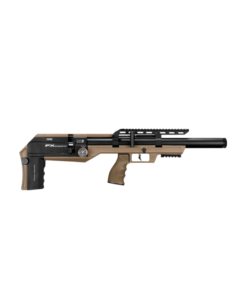
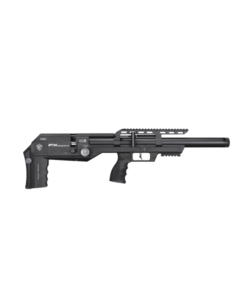
Air Rifles
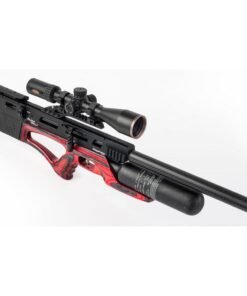
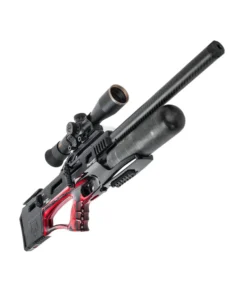
Air Rifles
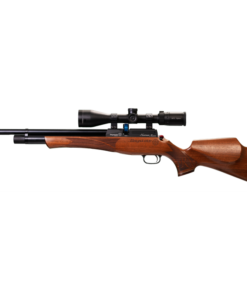
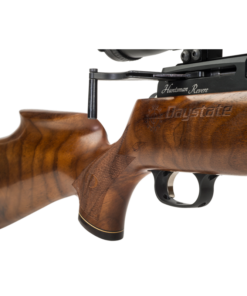
Daystate Air Rifle
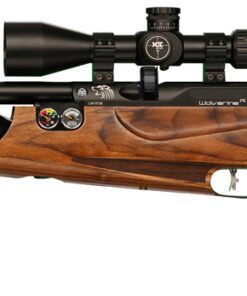
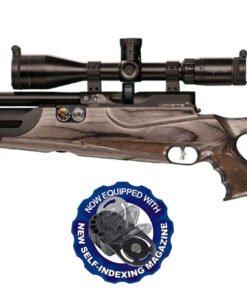
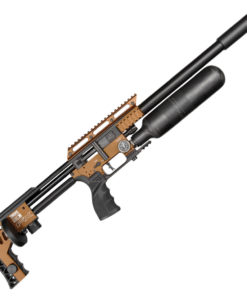
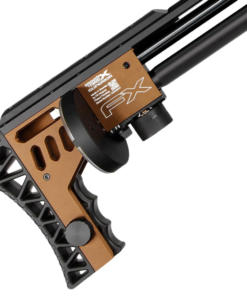
Air Rifles
AEA PRECISION AIRGUN
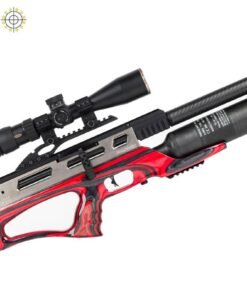
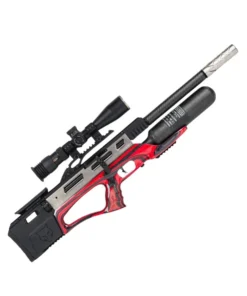
Air Rifles
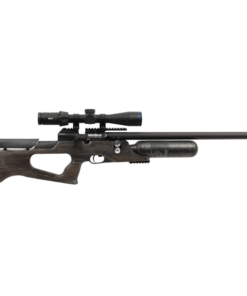
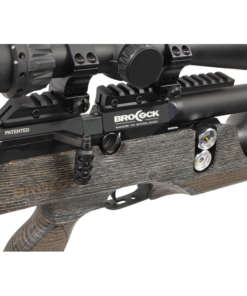
Precharged (PCP)
Reviews
There are no reviews yet.