
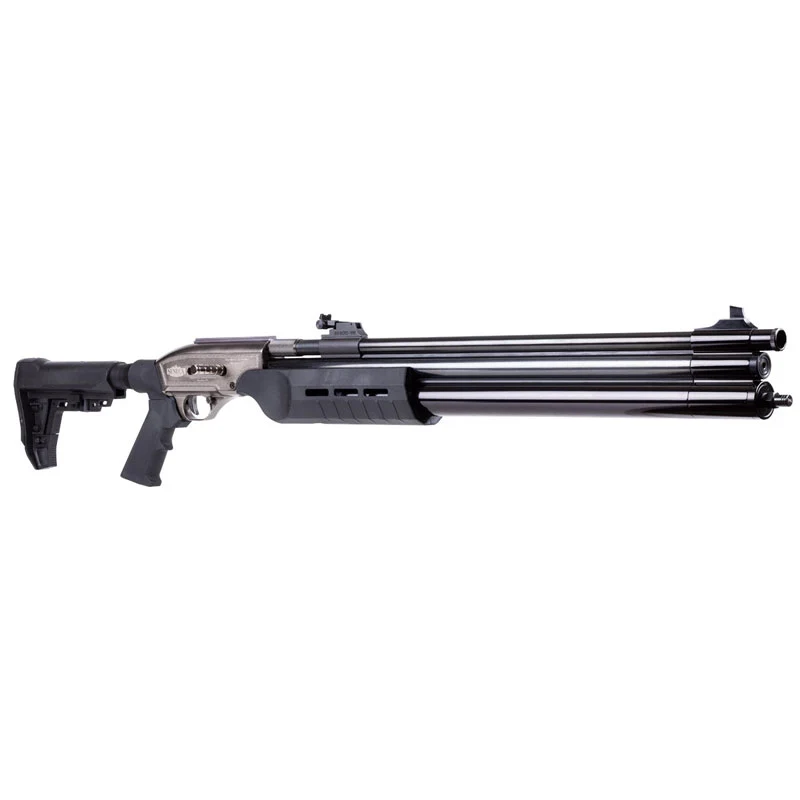
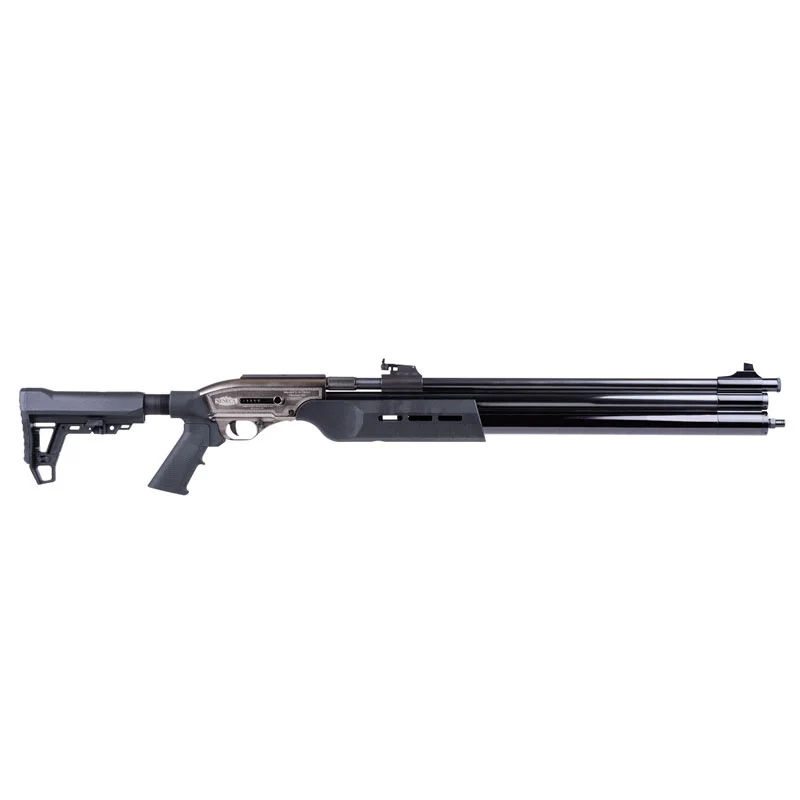
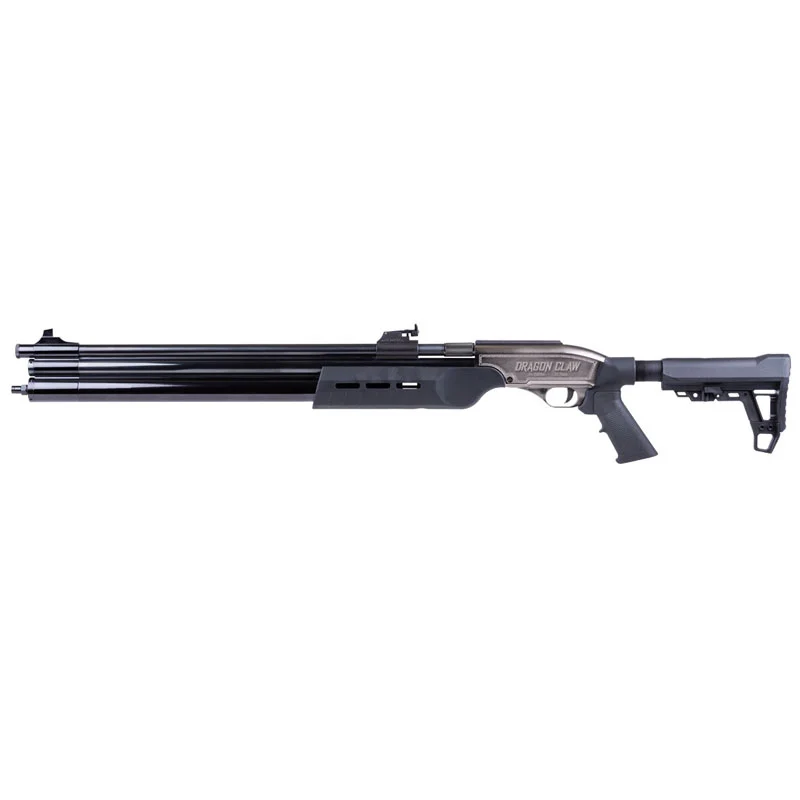
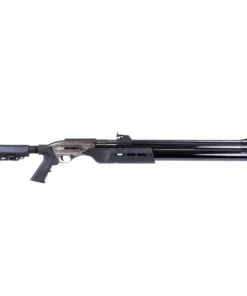
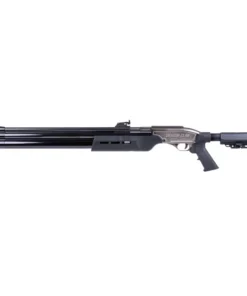
Seneca Dragon Claw II PCP Air Rifle, Tactical Stock
$730.99
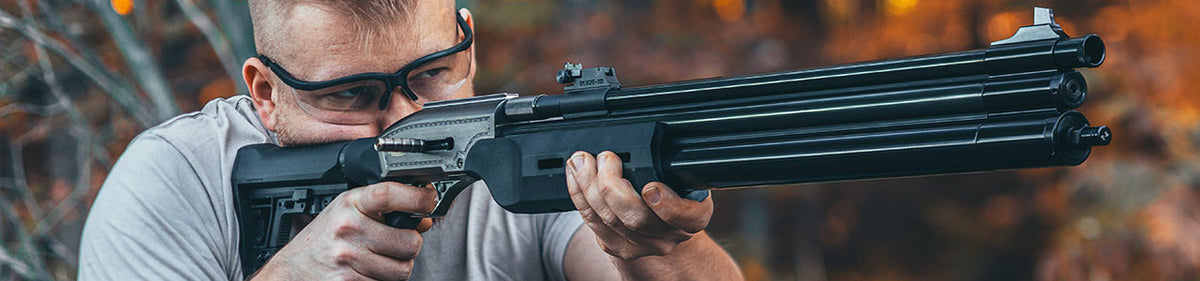
Tactical Power for Big Game Hunts
The Seneca Dragon Claw II Tactical brings massive stopping power into a modern, lightweight package. With an M-Lok forend, AR-style grip and stock, and the same devastating performance as the original, this .50 cal air rifle is built for serious hunters who want precision and punch—with tactical style.
-

Hunting-Class Performance
Up to 340 FPE with slugs and 600 FPS with Air Bolts for large game takedown.
-
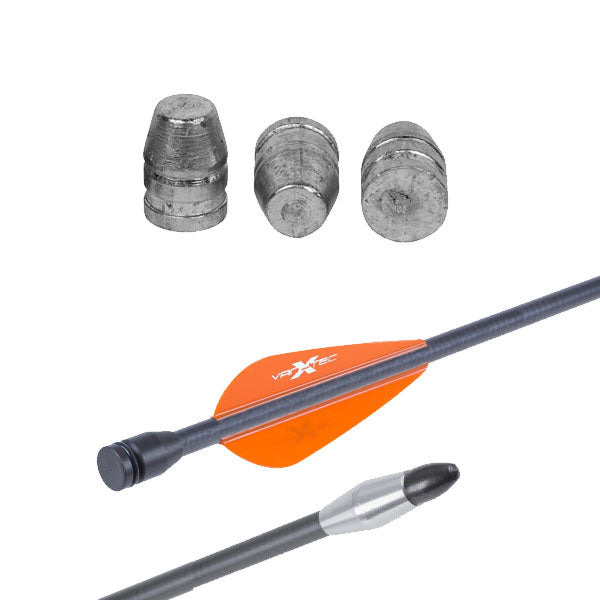
Ammo Versatility
Shoots both lead slugs and Air Venturi Air Bolts with rifled-barrel precision.
-
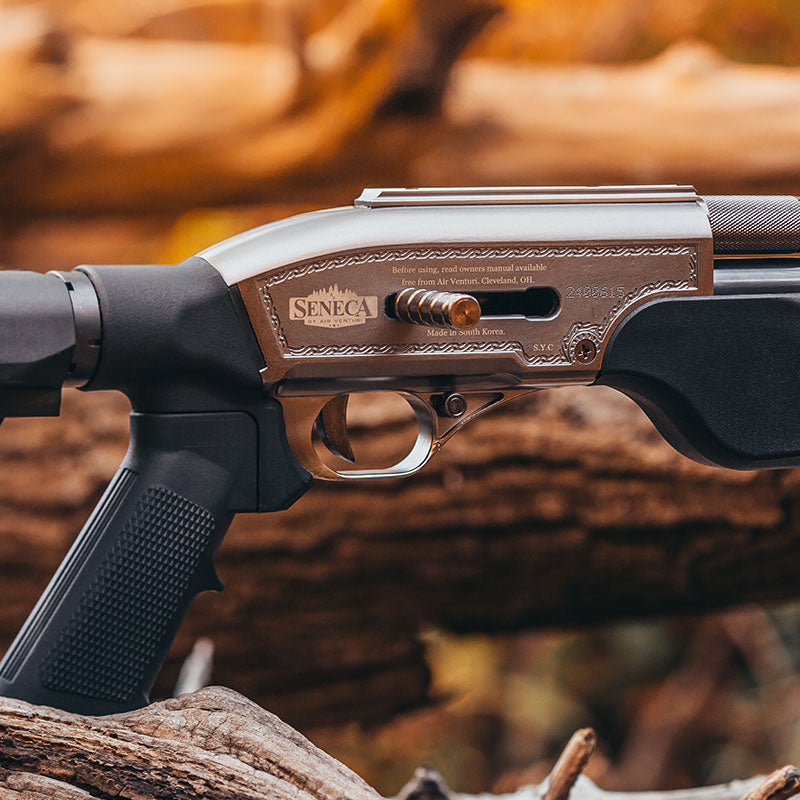
Tactical Adjustability
A2-style AR grip and 6-position stock for adaptable handling.
Airgun Hunting Made Simple
Wondering what species you can hunt with your airgun? Use our interactive map to see approved game, caliber requirements, and hunting regulations in your state.
Seneca Dragon Claw II PCP Air Rifle, Tactical Stock – .50 Caliber Big Bore Power, Precision Engineering & Advanced Hunting Performance
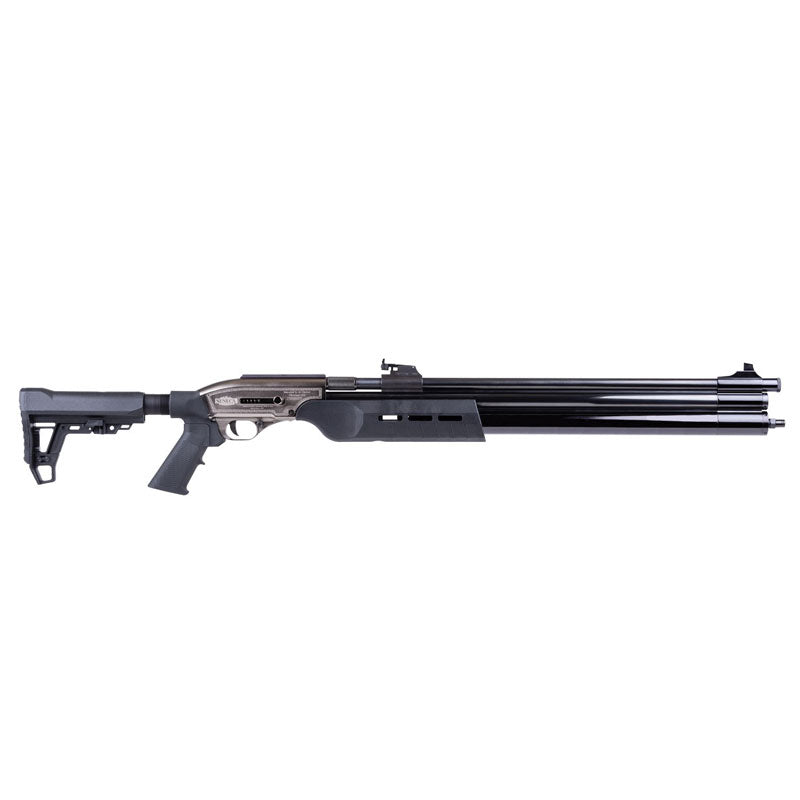
The Seneca Dragon Claw II PCP Air Rifle, Tactical Stock combines powerful pre-charged pneumatic technology, modern tactical styling, and dependable big-bore engineering. Designed for experienced adult shooters, this .50 caliber air rifle delivers an impressive combination of projectile energy, configurable ergonomics, and versatile ammunition compatibility.
Unlike conventional spring-powered air rifles, this advanced air gun uses compressed air stored in dual reservoirs to propel heavy projectiles. Consequently, its operation provides the distinctive performance characteristics expected from a high power PCP air rifle.
Whether researching premium air rifles, comparing professional air rifles, or exploring air rifles for adults, buyers will recognize the Dragon Claw II as a specialized hunting platform rather than an ordinary recreational airgun. Seneca Dragon Claw II PCP Air Rifle, Tactical Stock
Its combination of a rifled barrel, single-shot bolt action, adjustable tactical stock, and two selectable power settings gives it a clear identity within the modern big bore airgun category.
Why Choose the Seneca Dragon Claw II?
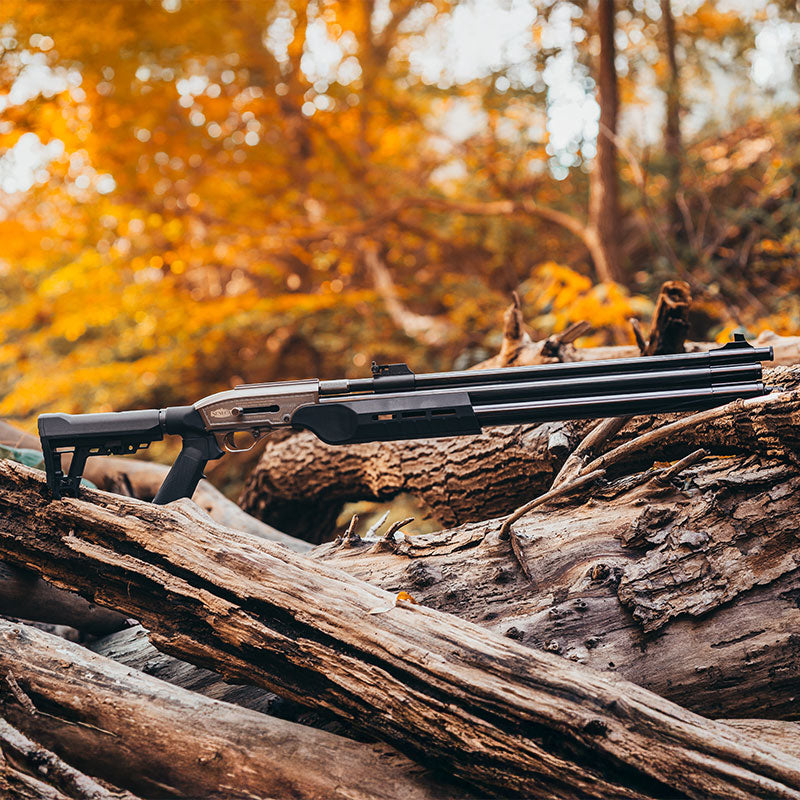
Choosing the best air rifle requires understanding its intended purpose. While the best airguns vary according to shooting discipline, the Dragon Claw II stands out among adult air rifles for its substantial muzzle energy and hunting-oriented construction.
Several engineering features distinguish this powerful air rifle from conventional models.
-
.50 caliber barrel: Designed for compatible big-bore ammunition.
-
Up to 340 foot-pounds of muzzle energy: Manufacturer-listed peak performance under specified conditions.
-
Up to 860 FPS: Advertised maximum velocity with lightweight round balls.
-
500cc total air capacity: Dual air chambers support its high-energy pneumatic system.
-
3,000 PSI operating pressure: Compatible high-pressure filling equipment is essential.
-
21.65-inch rifled barrel: Supports projectile stabilization.
-
Six-position adjustable stock: Accommodates different shooting positions and body proportions.
-
M-LOK accessory slots: Provide mounting flexibility for compatible equipment.
Additionally, the tactical configuration weighs approximately 7.6 pounds and measures 43 inches overall. These dimensions help define its balance between portability and substantial big-bore construction.
PCP Technology and Compressed-Air Engineering
As a pcp air rifle, the Dragon Claw II operates through a pre-charged pneumatic system rather than combustion or mechanical spring compression.
Buyers comparing pcp air rifles, a pcp airgun, pcp rifle designs, and other pcp rifles should recognize that the PCP powerplant stores compressed air before firing.
This compressed air rifle also belongs to the broader compressed air gun and pre charged pneumatic rifle categories. Its engineering demonstrates how a pre charged pneumatic airgun can produce substantial projectile energy without conventional firearm cartridges.
However, unlike a regulated pcp air rifle, the Dragon Claw II is unregulated. Accordingly, available pressure and projectile velocity can change as the reservoirs empty.
Furthermore, although compact pcp air rifle, bullpup pcp air rifle, pcp bullpup rifle, and pcp carbine rifle designs attract buyers seeking shorter configurations, this model retains a full-length rifle layout.
Caliber Selection and Big Bore Performance
The Dragon Claw II Tactical is a dedicated 50 caliber air rifle, also commonly described as a 50 cal air rifle or pcp 50 caliber platform.
Its large-bore construction distinguishes it from smaller alternatives, including a 45 caliber air rifle, 35 caliber air rifle, 30 caliber air rifle, 25 caliber air rifle, and 22 caliber air rifle.
Similarly, buyers researching a 177 air rifle, 177 pcp air rifle, 177 caliber air rifle, 20 caliber air rifle, 6.35mm air rifle, 5.5mm air rifle, or 4.5mm air rifle should understand that these are different caliber categories.
Popular searches such as 22 pcp air rifle, .22 pcp air rifle, air rifle 22 caliber, pcp 22 air rifle, pcp 25 caliber, pcp 30 caliber, and pcp 35 caliber do not represent available caliber configurations of this particular rifle.
Instead, the Dragon Claw II concentrates on .50 caliber performance and compatibility with appropriate lead projectiles and Seneca Air Bolts.
Accuracy, Precision, and Shooting Applications
A precision air rifle must offer more than impressive velocity. Barrel construction, ammunition consistency, operating pressure, and shooter technique all influence practical accuracy.
The Dragon Claw II features a rifled barrel and adjustable rear sight, offering a conventional foundation for accurate air rifle shooting.
Although some buyers search for an accurate air rifle, target air rifle, sport air rifle, competition air rifle, match air rifle, field target air rifle, pcp target rifle, or pcp competition rifle, the Dragon Claw II is primarily a big-bore hunting air rifle.
Unlike lightweight small game air rifle designs, its substantial projectile energy suits specialized big-bore applications.
For air rifle hunting, airgun hunting, and experienced enthusiasts evaluating air rifles for hunting, performance must always be considered alongside local hunting regulations, suitable ammunition, and responsible use.
Tactical Construction, Operation, and Accessories
The synthetic tactical stock incorporates an adjustable AR-style buttstock, ergonomic grip, and M-LOK-equipped fore-end.
Its configuration places the rifle within the tactical pcp air rifle and pcp tactical rifle categories.
However, it is neither a semi automatic pcp air rifle nor a full automatic air rifle. Instead, its single-shot bolt-action system requires manual operation between shots.
For buyers researching airgun accessories, air rifle accessories, airgun parts, air rifle parts, airgun supplies, airgun equipment, and airgun gear, compatibility matters.
Appropriate additions may include compatible optical sights, certified PCP filling equipment, protective storage solutions, and manufacturer-approved maintenance supplies.
Buying Information and Product Comparisons
When searching for an air rifle for sale or airguns for sale, informed buyers should compare verified technical specifications, seller credibility, and applicable local requirements.
Whether visiting an air rifle shop, airgun store, airgun dealer, or online airgun store, customers should verify the exact model and included equipment.
Likewise, those searching for a pcp air rifle for sale, pcp airgun for sale, best pcp air rifle, or high power pcp air rifle should compare operating pressure, air capacity, barrel design, and intended application.
Before deciding to buy air rifle equipment, buy pcp air rifle models, or buy airguns online, reviewing reputable air rifle reviews and airgun reviews can provide additional ownership perspectives.
A pcp hunting rifle may also appear in a pcp air rifle kit, pcp air rifle package, or pcp rifle with scope listing. However, bundled accessories vary by retailer and should never be assumed.
Ultimately, the Dragon Claw II offers a specialized combination of .50 caliber performance, advanced compressed-air engineering, and modern tactical ergonomics for qualified, experienced adult users.
Advanced Engineering, Exceptional Performance, Accuracy, Durability, and Practical Benefits of the Seneca Dragon Claw II Tactical
Understanding the Engineering Behind the Dragon Claw II Tactical
The Seneca Dragon Claw II Tactical represents an impressive development in modern pneumatic technology, combining established mechanical principles with contemporary design improvements. Every major component contributes to an operating system that emphasizes substantial energy delivery, structural durability, and practical handling. Rather than relying entirely on appearance, this model integrates functional engineering features that support its intended role as a specialized sporting and hunting platform.
At the center of its construction lies a sophisticated compressed-air system designed to store energy under considerable pressure. This arrangement eliminates the need for conventional combustion while allowing the equipment to deliver significant performance. Furthermore, the absence of a spring-driven powerplant gives the mechanism characteristics that differ substantially from traditional recreational designs.
The manufacturer has maintained a recognizable mechanical configuration while introducing enhancements that improve usability. A redesigned synthetic exterior provides a contemporary appearance, while the underlying pneumatic architecture continues to emphasize dependable energy delivery.
Another important engineering consideration involves the relationship between structural weight and handling stability. Equipment designed for substantial energy output must accommodate robust internal components without becoming unnecessarily difficult to carry. Consequently, the Dragon Claw II Tactical balances a relatively manageable overall weight with the substantial construction expected from this performance category.
Understanding these engineering decisions helps prospective owners appreciate why the model differs from smaller recreational equipment. Its purpose extends beyond casual shooting entertainment, emphasizing specialized performance, responsible ownership, and long-term mechanical dependability.
Powerful Compressed-Air Technology and Energy Efficiency
One of the most significant characteristics of this model is its ability to convert stored pneumatic pressure into projectile energy. The system operates through a controlled release of compressed air, creating the force necessary to propel compatible ammunition through its barrel.
Unlike combustion-powered systems, the mechanism does not require burning chemical propellants. Instead, compressed air supplies the energy, allowing the design to operate through a distinct mechanical process.
The Dragon Claw II incorporates two air reservoirs with a combined capacity of approximately 500 cubic centimeters. This substantial storage arrangement supports the high air consumption associated with large-caliber pneumatic equipment.
Additionally, the system operates with a manufacturer-specified maximum filling pressure of 3,000 PSI. Because this represents extremely high pressure, owners must use suitable equipment and follow approved handling and maintenance procedures.
Energy efficiency involves more than maximum velocity. Engineers must also consider how the system consumes stored air, how pressure changes affect performance, and how effectively the mechanism operates throughout its usable pressure range.
The Dragon Claw II does not incorporate a regulated pressure system. Consequently, individual shots may display different velocity characteristics as the available reservoir pressure declines. Understanding this behavior provides a more realistic picture of its operation than focusing exclusively on maximum advertised performance.
The dual-reservoir configuration offers another practical advantage. Its relatively generous capacity helps support multiple shots before the equipment requires replenishment, although the number of useful shots depends on several operating conditions.
For experienced owners, these characteristics demonstrate why pneumatic engineering remains an important consideration when evaluating equipment designed for demanding outdoor applications.
Precision Barrel Construction and Consistent Performance
Accuracy remains one of the most important qualities associated with premium shooting equipment. Although raw energy attracts considerable attention, consistent mechanical performance determines how confidently users can evaluate a particular model.
The Dragon Claw II Tactical incorporates a rifled barrel measuring approximately 21.65 inches. Rifling consists of carefully formed internal grooves that influence the rotational movement of suitable projectiles.
This construction provides an important foundation for projectile stabilization. Nevertheless, the actual accuracy achievable with any individual example depends on numerous factors, including ammunition characteristics, equipment condition, environmental conditions, and user experience.
Barrel quality also influences long-term ownership satisfaction. A properly manufactured bore should exhibit consistent internal geometry, appropriate dimensional tolerances, and materials suitable for the intended operating environment.
Furthermore, the interaction between the barrel and compatible ammunition helps determine practical performance. Different projectile designs possess distinct physical characteristics, and their behavior may vary considerably.
For that reason, maximum advertised velocity should not serve as the only measure of engineering quality. Repeatability, appropriate ammunition compatibility, and reliable mechanical operation provide equally meaningful indications of overall performance.
Another consideration involves the relationship between barrel construction and the equipment’s full-length configuration. The Dragon Claw II maintains a traditional longitudinal arrangement instead of adopting an unusually shortened layout. This approach contributes to its recognizable profile and accommodates the engineering requirements of its substantial pneumatic system.
Ultimately, the barrel represents a central element of the rifle’s performance identity. Its importance extends beyond specifications because it influences the overall shooting experience and the consistency that experienced enthusiasts expect.
Tactical Stock Design and Modern Ergonomic Comfort
The exterior design introduces one of the clearest distinctions between this configuration and the traditional wooden-stock version.
Its black synthetic construction provides a contemporary appearance while emphasizing practicality. Synthetic materials offer several advantages in outdoor environments, particularly where humidity, occasional moisture exposure, and temperature variations may affect equipment.
Unlike natural wood, a properly manufactured polymer component does not depend on the same maintenance considerations associated with traditional timber finishes. Nevertheless, owners should continue to inspect all exterior components and avoid unnecessary exposure to harsh chemicals or extreme environmental conditions.
The adjustable rear stock represents another meaningful improvement. Its six-position configuration allows users to accommodate different body proportions and personal comfort preferences.
This flexibility can prove valuable when equipment is shared among appropriately qualified adult users, provided each person receives suitable safety instruction and the equipment remains appropriate for them.
Furthermore, the A2-style grip contributes to the model’s familiar modern profile. Its design offers a defined gripping surface while supporting a conventional arrangement of the operating controls.
The fore-end incorporates M-LOK-compatible mounting locations, providing flexibility for manufacturer-approved attachments. This modularity contributes to the visual identity of the tactical configuration without fundamentally changing its underlying operating system.
Comfort also depends on weight distribution. At approximately 7.6 pounds, the rifle occupies a substantial but comparatively manageable weight category for equipment of this type.
Overall, the stock combines adjustability, contemporary materials, and practical construction to improve the experience of handling and transporting the equipment responsibly.
Mechanical Reliability and Single-Shot Operation
A dependable mechanical system should offer consistent function, recognizable controls, and construction appropriate for its intended operating demands.
The Dragon Claw II Tactical uses a manually operated, single-shot bolt-action mechanism. This arrangement emphasizes straightforward mechanical operation rather than automatic cycling.
The manufacturer also introduced an elongated cocking handle compared with the original design. This modification improves accessibility and makes the control easier to grasp.
Single-shot construction has particular characteristics that appeal to owners who appreciate traditional mechanical simplicity. Because the mechanism does not incorporate an automatic ammunition-feeding cycle, its operating architecture differs from magazine-fed systems.
However, mechanical simplicity should never be interpreted as freedom from maintenance. Every moving component experiences some degree of wear over time, especially when exposed to dust, moisture, improper storage, or unauthorized modification.
Regular professional inspection can help identify issues involving seals, control components, fittings, and other important mechanical assemblies.
Additionally, owners should recognize that a large pneumatic reservoir continues to contain substantial stored energy even when no projectile is present. Responsible handling therefore requires attention to both the mechanical action and the compressed-air system.
The combination of a familiar manual mechanism and substantial pneumatic engineering gives the Dragon Claw II its distinctive operating identity.
Why Its High-Energy Performance Matters
The manufacturer advertises maximum muzzle energy of approximately 340 foot-pounds when using specified heavy projectiles under appropriate testing conditions.
This figure provides useful context for understanding the model’s performance category. However, it should not be interpreted as a guaranteed result across every projectile weight, pressure level, or individual rifle.
Muzzle energy describes the kinetic energy carried by a projectile as it leaves the barrel. Because this measurement depends on both projectile mass and velocity, different ammunition types can produce substantially different results.
Consequently, comparing two products solely by their maximum velocity figures may create an incomplete impression of their capabilities.
The Dragon Claw II was developed for applications requiring significantly greater projectile energy than ordinary recreational equipment. Its large-caliber configuration illustrates this engineering priority.
Nevertheless, higher energy also creates greater responsibility. Owners must carefully consider legal restrictions, safe facilities, appropriate backstops, and the potentially severe consequences of improper handling.
An especially important distinction involves advertised performance and practical performance. Manufacturer figures generally reflect particular testing conditions, while actual results vary according to equipment condition, ammunition, and available pressure.
A knowledgeable buyer should therefore evaluate the complete technical specification rather than focusing on one impressive number.
When viewed in this context, the Dragon Claw II demonstrates an approach that prioritizes substantial pneumatic output within a manually operated platform.
Practical Applications and Outdoor Versatility
The Dragon Claw II Tactical was primarily developed for specialized outdoor sporting and lawful hunting applications. Its large-caliber design makes it fundamentally different from equipment intended for casual backyard entertainment.
In jurisdictions where appropriate hunting applications are permitted, qualified adults may consider this model as part of their equipment evaluation. However, regulations vary significantly between states, countries, wildlife species, and hunting seasons.
Prospective owners should always verify applicable requirements before purchasing or using the rifle.
Beyond hunting considerations, the model may interest experienced enthusiasts who appreciate pneumatic engineering, mechanical design, and specialized sporting equipment.
Its distinctive construction also makes it relevant to collectors who study the evolution of large-caliber compressed-air technology.
For authorized recreational use, suitable facilities remain essential. Ordinary backyard targets, improvised barriers, and inadequate shooting locations may not safely contain projectiles carrying substantial energy.
The equipment also produces considerable noise. Consequently, local noise restrictions, hearing protection, and the characteristics of the surrounding environment deserve careful consideration.
Another practical factor involves transportation. Its adjustable stock and synthetic construction provide useful handling characteristics, but owners should still use protective storage and comply with local transportation laws.
Versatility, therefore, does not simply mean performing numerous activities. It means offering practical features that support the equipment’s legitimate intended uses while maintaining appropriate expectations about its limitations.
Durability, Materials, and Long-Term Ownership
Durability remains a central concern when investing in specialized pneumatic equipment. Buyers naturally expect structural integrity, dependable components, and materials appropriate for demanding operating conditions.
The Dragon Claw II combines a substantial mechanical assembly with synthetic exterior furniture. This combination supports the functional requirements of its high-pressure system while offering a modern visual presentation.
Its polymer fore-end and adjustable stock avoid some of the environmental sensitivities associated with traditional wooden furniture.
Nevertheless, synthetic construction does not eliminate the possibility of scratches, impact damage, ultraviolet exposure, or wear around attachment points.
Proper ownership includes protecting the equipment against unnecessary impacts and storing it away from excessive moisture, heat, and unauthorized access.
Internal seals deserve particular attention because pneumatic systems depend on maintaining effective pressure containment.
Over time, seals may deteriorate through age, unsuitable lubricants, contamination, or improper handling. Professional servicing using approved replacement components can help maintain mechanical reliability.
Owners should also inspect externally accessible pressure indicators for obvious damage and refer any suspected leaks or pressure abnormalities to appropriately qualified service personnel.
Importantly, unauthorized work on high-pressure assemblies can create serious hazards. Such components should not be disassembled or modified outside manufacturer-approved procedures.
Long-term value depends not only on the quality of the initial design but also on responsible care throughout the ownership period.
A well-maintained example can remain an appealing piece of sporting equipment, particularly for enthusiasts who value traditional mechanical principles combined with modern materials.
Comfort, Balance, and Handling Characteristics
Handling quality influences how users perceive equipment during transportation, inspection, and supervised sporting activities.
The Dragon Claw II Tactical offers a relatively conventional full-length profile. Its adjustable rear stock creates flexibility, while the grip and fore-end provide recognizable contact surfaces.
These characteristics can help users assess whether the rifle’s dimensions suit their individual physical requirements.
Balance represents another important consideration. Equipment with substantial forward-mounted components may feel different from lighter recreational models, even when overall weights appear reasonably comparable.
Therefore, the published weight should be considered alongside length, stock configuration, and the distribution of major components.
The adjustable stock can also influence storage requirements. With an overall length ranging from approximately 39.75 to 43 inches, depending on stock position, the rifle requires suitably sized protective storage.
Additionally, the rubber buttplate contributes to the rear stock’s practical design.
Experienced enthusiasts often appreciate equipment that combines a substantial, reassuring feel with controls that remain accessible and understandable.
However, comfort is personal rather than universal. Individual preferences, physical proportions, and previous experience may influence whether this configuration feels suitable.
Prospective buyers should consider these factors rather than assuming that a tactical appearance automatically guarantees superior ergonomics.
Important Safety and Ownership Considerations
Responsible ownership is particularly important for equipment capable of generating substantial projectile energy.
The Dragon Claw II is not a toy and should never be treated as ordinary recreational equipment for children or inexperienced individuals without appropriate professional supervision.
Its operating system contains high-pressure air, while its projectiles can cause severe injury, death, or significant property damage.
Consequently, safe handling requires consistent attention to the manufacturer’s instructions and applicable legal requirements.
Secure storage is another essential responsibility. Unauthorized users, particularly children, should never have access to the rifle, its ammunition, or its pressure-related equipment.
Protective eyewear and hearing protection are important considerations during authorized sporting use. The manufacturer and retailers classify the rifle as loud, making hearing protection especially relevant.
Furthermore, appropriate facilities must provide reliable projectile containment. Ordinary household materials and makeshift barriers should not be assumed capable of stopping high-energy projectiles.
The rifle incorporates a manual safety, but mechanical safety devices cannot replace responsible handling.
Before any maintenance activity, owners should consult the official instructions and ensure that all required safety conditions have been met.
Professional advice is especially valuable when dealing with pressure-system concerns, damaged fittings, unusual mechanical resistance, or suspected defects.
By treating safe ownership as an essential part of the overall product experience, buyers can make more informed decisions about suitability and long-term responsibility.
Comparing the Tactical Design With Traditional Alternatives
Choosing between contemporary synthetic construction and a traditional wooden configuration often depends on personal preferences and expected ownership conditions.
The tactical version emphasizes adjustability, modern materials, and accessory compatibility. Its appearance appeals to enthusiasts who prefer contemporary equipment with configurable exterior components.
In contrast, traditional wooden-stock versions offer a more conventional aesthetic and may attract collectors who appreciate classic craftsmanship.
Neither design is automatically superior in every situation.
Synthetic components may offer practical benefits in environments where moisture and changing temperatures are common. Wood, meanwhile, provides a distinctive appearance and tactile character that many enthusiasts continue to value.
Weight also deserves consideration. The tactical configuration is listed at approximately 7.6 pounds, compared with roughly 8.5 pounds for the conventional wooden-stock model.
This difference may influence individual preferences during transportation and handling.
The tactical version also introduces M-LOK mounting compatibility and an adjustable rear stock, distinguishing its exterior design from the fixed wooden arrangement.
Ultimately, purchasing decisions should reflect practical requirements rather than appearance alone.
Buyers who prioritize configurability may appreciate the tactical model, while those who value traditional presentation may prefer the wooden-stock alternative.
Both approaches illustrate how manufacturers can adapt established pneumatic technology to different ownership preferences.
Why the Dragon Claw II Represents a Meaningful Upgrade
The Dragon Claw II builds upon an established platform while introducing significant performance improvements.
One of the most notable changes involves the manufacturer’s claimed increase in maximum muzzle energy. Compared with the original model’s approximately 230 foot-pounds, the updated version advertises up to 340 foot-pounds under specified conditions.
This improvement illustrates the development of the platform’s pneumatic capabilities.
The redesigned cocking handle also provides an ergonomic refinement, while the tactical configuration introduces greater adjustability through its synthetic furniture.
Together, these enhancements demonstrate that the updated model represents more than a cosmetic revision.
Its identity combines the familiar qualities of the earlier design with greater advertised performance and modern exterior features.
Nevertheless, increased energy should not automatically be interpreted as increased accuracy. These characteristics involve different engineering considerations and must be evaluated independently.
The updated platform also retains the practical requirements associated with substantial compressed-air storage, including suitable filling equipment, routine inspection, and proper maintenance.
For experienced enthusiasts comparing generations, these distinctions help explain the manufacturer’s development priorities.
The newer version emphasizes greater output, improved handling details, and broader exterior customization while preserving the original platform’s fundamental mechanical character.
Overall Quality, Value, and Reasons to Consider This Model
The Seneca Dragon Claw II Tactical offers a distinctive combination of substantial pneumatic energy, recognizable mechanical construction, and modern ergonomic design.
Its strengths extend beyond appearance. The dual-reservoir system, rifled barrel, manually operated action, adjustable stock, and synthetic exterior each contribute to the overall product concept.
Additionally, its dedicated large-caliber configuration establishes a clear identity within the sporting-equipment market.
For knowledgeable buyers, value should involve more than the initial purchase price. Long-term considerations include availability of compatible ammunition, manufacturer support, servicing requirements, suitable filling equipment, and legal ownership conditions.
Prospective owners should also consider the equipment’s limitations. Its substantial operating pressure, noise level, and specialized performance characteristics make it inappropriate for many casual recreational settings.
Furthermore, the unregulated air system means that output can change as reservoir pressure declines.
These are important characteristics rather than details that should be overlooked in marketing descriptions.
The model’s strongest appeal lies in its focused engineering purpose. It combines a mature mechanical concept with meaningful improvements in advertised power, handling, and exterior versatility.
Ultimately, the Dragon Claw II Tactical deserves consideration from experienced adult enthusiasts who understand the requirements of high-energy pneumatic equipment and seek a specialized platform supported by clearly defined technical features.
Its value comes from the relationship between engineering, practicality, and responsible ownership rather than any single performance figure.
Practical Applications, Real-World Performance, Outdoor Experience, Engineering Benefits, and Long-Term Ownership of the Seneca Dragon Claw II Tactical
Real-World Performance and Everyday Practicality
The Seneca Dragon Claw II Tactical offers a distinctive combination of modern engineering, substantial pneumatic power, and practical outdoor functionality. While its technical specifications provide an initial understanding of its capabilities, everyday performance involves several additional considerations. These include environmental conditions, equipment maintenance, user experience, and the suitability of the surrounding environment.
One of the most important characteristics of this model is its specialized design. Unlike lightweight recreational equipment intended for casual activities, the Dragon Claw II emphasizes substantial construction and high-energy operation. Its design therefore appeals primarily to experienced adults who understand the responsibilities associated with handling powerful sporting equipment.
The rifle’s external configuration contributes significantly to its practical identity. An adjustable rear stock provides flexibility, while the synthetic construction offers resistance to many environmental conditions encountered during outdoor activities. Furthermore, its conventional full-length profile creates a recognizable platform for enthusiasts familiar with traditional sporting designs.
Practicality also involves understanding the limitations of the equipment. With considerable muzzle energy comes increased responsibility regarding storage, transportation, legal compliance, and suitable facilities.
Consequently, owners should evaluate where they intend to use the rifle before deciding whether its characteristics align with their requirements.
Although its maximum performance figures may attract immediate attention, overall satisfaction depends on understanding the complete ownership experience.
How Environmental Conditions Influence Performance
Environmental conditions play an important role in the behavior and reliability of pneumatic equipment. Temperature, humidity, atmospheric conditions, and exposure to dust can influence various aspects of operation and maintenance.
For example, changes in ambient temperature affect the pressure of compressed air within a reservoir. Although these changes are part of normal gas behavior, they deserve particular attention when equipment operates at substantial pressure levels.
Manufacturers establish maximum pressure limits to protect the integrity of their products. Therefore, environmental variations should never justify exceeding those limits.
Humidity presents another consideration. Prolonged exposure to damp environments may encourage corrosion on susceptible metallic surfaces, particularly when equipment receives inadequate maintenance.
The Dragon Claw II incorporates synthetic exterior components that provide practical advantages in changing weather conditions. Nevertheless, these materials do not eliminate the need to protect internal mechanical assemblies.
Dust and fine airborne particles also require consideration, especially during outdoor activities in dry environments. Contamination around accessible mechanical components may affect long-term serviceability if owners neglect routine care.
Additionally, extreme heat can create risks when pressurized equipment remains inside enclosed vehicles or exposed storage locations.
Responsible owners should follow the manufacturer’s storage recommendations and avoid exposing the equipment to potentially damaging conditions.
Ultimately, environmental awareness supports mechanical longevity while helping owners maintain realistic expectations about performance.
Understanding Accuracy Beyond Technical Specifications
Accuracy is a complex characteristic that depends on much more than barrel length or advertised velocity.
Several interacting factors determine the consistency of a projectile’s movement, including manufacturing tolerances, projectile characteristics, operating pressure, and environmental influences.
The Dragon Claw II incorporates a rifled barrel intended to stabilize compatible projectiles. This feature provides a fundamental engineering advantage compared with a smoothbore design when suitable ammunition is used.
However, rifling alone cannot guarantee identical results in every situation.
Manufacturing consistency is another important consideration. Components with closely controlled dimensions generally support more predictable mechanical behavior, although individual equipment may still exhibit measurable variation.
Projectile quality also matters. Differences in mass, geometry, and material composition can influence how ammunition behaves during the firing process.
Furthermore, the Dragon Claw II uses an unregulated pneumatic system. This means changes in reservoir pressure can produce differences in projectile velocity over successive shots.
As a result, buyers should avoid interpreting a manufacturer’s maximum velocity rating as evidence of constant output.
External environmental factors also influence projectile movement. Wind, air density, and other atmospheric conditions can produce variations that are independent of the equipment’s mechanical condition.
For these reasons, dependable accuracy should be evaluated through credible testing conducted by qualified individuals in suitable, controlled environments.
A realistic understanding of precision allows owners to distinguish engineering quality from exaggerated performance expectations.
The Importance of Mechanical Balance and Structural Design
Mechanical balance is essential to the overall experience of handling substantial sporting equipment.
Although two products may share similar published weights, they can feel noticeably different because of variations in component placement and overall dimensions.
The Dragon Claw II Tactical incorporates its major pneumatic and mechanical systems within a conventional rifle-shaped arrangement.
Its dual-reservoir configuration contributes to the physical structure, while the adjustable rear stock influences the overall length and handling characteristics.
Consequently, evaluating the rifle by weight alone provides an incomplete understanding of its ergonomics.
At approximately 7.6 pounds, the tactical version offers a noticeable reduction in published weight compared with the traditional wooden-stock configuration.
This distinction may interest owners who prioritize practical transportation and modern materials.
Structural design also contributes to durability. The connection between exterior furniture and internal mechanical components must accommodate ordinary handling demands without compromising the integrity of the equipment.
Manufacturing quality therefore depends on more than the appearance of individual parts.
Material compatibility, assembly tolerances, and appropriate component strength all influence long-term performance.
Another important factor involves how effectively the design accommodates different adult body proportions.
The adjustable rear stock offers greater flexibility than a fixed configuration, although personal comfort remains subjective.
Overall, the Dragon Claw II demonstrates how mechanical architecture, materials, and ergonomics work together to create a recognizable product identity.
The Role of Pressure Stability in Equipment Performance
Compressed-air systems depend on maintaining pressure within established operating limits.
In the Dragon Claw II, two reservoirs provide a combined storage capacity of approximately 500 cubic centimeters.
This arrangement supports the substantial air requirements associated with the model’s high-energy design.
However, stored pressure does not remain constant during normal use.
Each discharge consumes a portion of the available compressed air, reducing the remaining pressure within the system.
Because this model does not incorporate an integrated regulator, changes in reservoir pressure may influence subsequent performance.
Understanding this characteristic is important when evaluating manufacturer specifications.
Maximum advertised velocity and energy generally represent results obtained under particular testing conditions. They should not be assumed to remain identical throughout the entire usable pressure range.
Pressure stability also depends on the condition of the reservoir assembly, valves, seals, and associated components.
A properly maintained system should retain pressure according to manufacturer expectations. Unexpected pressure loss, however, may indicate a problem requiring professional inspection.
Owners must never attempt unauthorized modifications to pressure-bearing components.
Such work can create severe hazards, including sudden component failure or uncontrolled release of stored energy.
For this reason, pressure-system maintenance belongs within the manufacturer’s approved servicing framework.
Why Quality Materials Matter for Long-Term Durability
The materials used in specialized sporting equipment influence its durability, appearance, and maintenance requirements.
The Dragon Claw II Tactical combines metallic mechanical components with modern synthetic furniture.
Each material serves a different purpose within the overall design.
Metallic components provide the structural characteristics required for critical mechanical assemblies. Meanwhile, synthetic materials contribute to exterior protection, adjustability, and contemporary styling.
One advantage of synthetic furniture is its relative resistance to some environmental effects associated with natural wood.
For example, changes in humidity can influence the behavior of certain wooden components over time. Properly selected synthetic materials typically demonstrate different moisture-response characteristics.
Nevertheless, polymer construction is not completely immune to damage.
Strong impacts, prolonged ultraviolet exposure, unsuitable cleaning chemicals, and excessive heat can affect appearance or structural integrity.
Metal components also require appropriate care.
Even corrosion-resistant finishes may deteriorate when exposed to abrasive contamination, damaging chemicals, or prolonged moisture.
Consequently, responsible ownership involves protecting the complete assembly rather than focusing exclusively on one material.
The quality of connections between components is equally important.
Loose or damaged fittings may compromise functionality and should receive appropriate professional attention.
Ultimately, durable construction provides the foundation for dependable service, but continued reliability also depends on suitable maintenance and storage.
Outdoor Transportation and Responsible Equipment Handling
Transportation is an important aspect of ownership, particularly for equipment intended for authorized outdoor activities.
The Dragon Claw II measures approximately 39.75 to 43 inches, depending on the position of its adjustable stock.
These dimensions affect the selection of suitable protective storage and carrying equipment.
A properly sized case should accommodate the complete assembly without imposing unnecessary pressure on exposed components.
Protective padding may also reduce the likelihood of cosmetic damage during ordinary transportation.
However, physical protection represents only one element of responsible handling.
Owners must also understand applicable transportation laws, which may vary between jurisdictions.
Some regions establish specific requirements for carrying, storing, or transporting high-energy pneumatic equipment.
Additionally, access should remain restricted to authorized individuals.
Secure storage prevents accidental handling and reduces the risk of theft or unauthorized use.
Environmental conditions during transportation deserve equal attention.
For example, leaving pressurized equipment inside a vehicle exposed to intense sunlight may create potentially hazardous temperature conditions.
Owners should therefore consult the manufacturer’s guidance regarding temperature exposure and pressure management.
The rifle’s adjustable design contributes to flexibility, but it does not replace the importance of secure, lawful transportation.
Responsible handling begins long before equipment reaches an authorized sporting location.
The Importance of Reliable Maintenance and Professional Inspection
Long-term mechanical reliability depends on proper care and timely inspection.
Although the Dragon Claw II features a comparatively straightforward manually operated mechanism, its pneumatic system incorporates components that require particular attention.
High-pressure seals, valves, fittings, and other internal assemblies operate under demanding conditions.
Over time, age, contamination, unsuitable maintenance products, or ordinary wear may affect their condition.
For this reason, owners should follow the manufacturer’s published maintenance requirements.
Routine external inspections can help identify obvious damage, corrosion, loose exterior components, or unusual conditions.
However, inspection should never involve unauthorized disassembly of pressurized assemblies.
A suspected air leak, damaged reservoir, abnormal mechanical behavior, or malfunctioning control deserves assessment by a qualified technician familiar with the manufacturer’s specifications.
Another consideration involves the selection of replacement components.
Parts that appear physically similar may possess different material properties or pressure ratings.
Therefore, compatibility should never be assumed solely from dimensions or appearance.
Manufacturer-approved servicing helps preserve the intended operating characteristics while reducing the risks associated with unsuitable repairs.
Proper maintenance also supports resale value.
Potential future buyers may place greater confidence in equipment accompanied by accurate service records and evidence of responsible ownership.
Evaluating Performance Claims and Manufacturer Specifications
Technical specifications provide valuable information, but buyers should interpret them carefully.
The Dragon Claw II carries an advertised maximum velocity of approximately 860 feet per second under specified conditions.
Its published maximum energy reaches approximately 340 foot-pounds with suitable ammunition.
These values demonstrate the model’s substantial performance category.
Nevertheless, they do not describe every possible operating condition.
Projectile characteristics influence measured velocity and kinetic energy, while available reservoir pressure can also affect results.
Consequently, the highest published figures should be understood as conditional performance ratings rather than universal guarantees.
Another important consideration involves the distinction between measured performance and perceived quality.
A model with substantial energy output may still require evaluation of its ergonomics, maintenance demands, construction, and suitability for particular lawful applications.
Similarly, higher advertised numbers do not necessarily establish superior manufacturing quality.
A comprehensive assessment should include documented specifications, independent evaluations, warranty provisions, and manufacturer support.
Buyers should also verify that technical information refers to the exact version under consideration.
Different generations and exterior configurations may possess important distinctions.
This is particularly relevant when comparing the Dragon Claw II with the original Dragon Claw platform.
Accurate product information enables more confident purchasing decisions and reduces misunderstandings about actual capabilities.
Ownership Costs and Supporting Equipment Requirements
The initial purchase price represents only one component of long-term ownership.
Because the Dragon Claw II operates through a high-pressure pneumatic system, owners must account for suitable filling equipment and associated servicing requirements.
Certified equipment designed for the manufacturer’s specified operating pressure is essential.
Compatibility must be established through official product documentation rather than appearance alone.
Owners may also need appropriate protective storage, safety equipment, approved ammunition, and replacement components during the product’s service life.
Maintenance costs can vary according to frequency of use, environmental exposure, and the condition of individual components.
In addition, access to qualified service providers may influence the convenience of ownership.
These considerations become particularly important for customers purchasing specialized equipment for the first time.
Availability of original replacement parts and manufacturer support should therefore form part of any serious evaluation.
Warranty coverage deserves similar attention.
Prospective buyers should review the applicable terms, exclusions, and procedures before completing a purchase.
Ultimately, responsible budgeting considers the complete equipment ecosystem rather than focusing exclusively on the purchase price.
Understanding Its Suitability for Different Experience Levels
The Dragon Claw II Tactical is primarily appropriate for experienced adults familiar with powerful pneumatic sporting equipment.
Its substantial energy output and high-pressure operating system introduce responsibilities beyond those associated with many recreational products.
Beginners may underestimate the significance of these characteristics when evaluating specifications online.
For that reason, product suitability should involve an honest assessment of previous experience, access to qualified instruction, legal requirements, and appropriate facilities.
The rifle’s modern appearance should not create the impression that it is intended for casual recreational play.
Instead, its capabilities require disciplined handling and consistent attention to safety.
Experienced enthusiasts may appreciate the straightforward manual mechanism and adjustable exterior design.
However, familiarity with other shooting equipment does not automatically establish knowledge of high-pressure pneumatic systems.
Owners should therefore review the official manual and obtain appropriate professional guidance where necessary.
Safe storage, legal compliance, and awareness of surrounding people remain fundamental responsibilities.
Choosing suitable equipment means understanding not only what a product can do but also what its ownership demands.
Product Longevity and Preserving Mechanical Value
A major consideration for any substantial equipment purchase is how well the product maintains its functional and financial value over time.
The Dragon Claw II Tactical incorporates an established mechanical concept supported by contemporary exterior design.
This combination may appeal to enthusiasts who appreciate equipment that remains mechanically recognizable while offering updated features.
However, long-term value depends on several factors.
Condition, service history, availability of replacement components, and manufacturer support can all influence future ownership satisfaction.
Proper storage is especially important.
Exposure to moisture, excessive heat, corrosive substances, and unnecessary impacts may accelerate deterioration.
Cosmetic condition also matters, particularly when equipment may eventually be sold or transferred.
Owners should retain original documentation, purchase records, and relevant servicing information.
These materials help establish the product’s identity and maintenance history.
Furthermore, unauthorized alterations may reduce reliability, complicate professional servicing, and affect applicable warranty coverage.
Maintaining the equipment according to official guidance therefore supports both practical longevity and potential resale confidence.
A responsible ownership history is often more valuable than an impressive collection of unverified performance claims.
Why the Tactical Configuration Appeals to Modern Enthusiasts
Modern sporting-equipment enthusiasts frequently value functional flexibility alongside traditional mechanical reliability.
The Dragon Claw II Tactical addresses this preference through its adjustable stock, synthetic construction, and modular exterior mounting features.
These characteristics distinguish it visually and functionally from conventional fixed-stock alternatives.
The adjustable design can accommodate a broader range of adult proportions, while the synthetic exterior provides practical advantages under varied storage and environmental conditions.
Additionally, the black finish creates a recognizable contemporary aesthetic.
However, design appeal should not overshadow the importance of operational suitability.
A visually modern configuration does not automatically deliver superior mechanical performance.
Instead, its advantages should be evaluated through measurable features, material characteristics, and verified specifications.
The Dragon Claw II’s strongest appeal comes from combining established pneumatic principles with an updated exterior that emphasizes adjustability and durability.
For knowledgeable enthusiasts, this balance can provide a compelling reason to consider the model.
Final Assessment: Engineering Quality, Practical Value, and Responsible Ownership
The Seneca Dragon Claw II Tactical stands apart through its substantial pneumatic capacity, robust mechanical architecture, and contemporary exterior construction.
Its dual-reservoir arrangement supports the high-energy design, while the rifled barrel provides an important element of projectile stabilization.
Meanwhile, the adjustable stock and synthetic furniture contribute to practical handling and modern visual appeal.
These features collectively demonstrate a focused engineering approach.
Nevertheless, the model’s capabilities should always be considered alongside its limitations.
Changing reservoir pressure, substantial noise, specialized servicing requirements, and strict safety considerations all influence the ownership experience.
For appropriately qualified adults, the Dragon Claw II offers an opportunity to own a distinctive example of modern large-caliber pneumatic engineering.
Its value lies in the relationship between mechanical construction, verified technical performance, ergonomic features, and dependable manufacturer support.
Ultimately, informed purchasing decisions require realistic expectations. Understanding how the equipment operates, where its use is lawful and appropriate, why its engineering characteristics matter, and when professional maintenance becomes necessary creates a more complete assessment of its suitability.
The Dragon Claw II Tactical is therefore best understood as specialized equipment for knowledgeable owners who prioritize technical capability, responsible use, and long-term mechanical care. Seneca Dragon Claw II PCP Air Rifle, Tactical Stock
Advanced Design Philosophy, Manufacturing Quality, Operational Characteristics, Ownership Experience, and the Long-Term Benefits of the Seneca Dragon Claw II Tactical
The Engineering Philosophy Behind the Dragon Claw II Tactical
The Seneca Dragon Claw II Tactical represents a carefully developed combination of established mechanical principles and contemporary sporting equipment design. Its construction emphasizes structural strength, practical functionality, and the ability to deliver substantial performance through a compressed-air operating system. Rather than depending on unnecessary complexity, the manufacturer has incorporated features that support the equipment’s intended purpose while maintaining a recognizable mechanical arrangement.
A significant aspect of its engineering philosophy involves balancing performance with usability. Equipment capable of delivering considerable energy requires robust internal components, reliable pressure containment, and suitable materials. However, these requirements must coexist with a design that remains manageable for appropriately experienced adult owners.
The Dragon Claw II achieves this balance through its dual-reservoir architecture, full-length construction, adjustable rear stock, and durable synthetic exterior. Each feature contributes to the overall product rather than serving exclusively as a decorative addition.
Furthermore, the design reflects the continuing development of pneumatic sporting technology. Improvements in component manufacturing, materials, and ergonomic construction have enabled manufacturers to refine established equipment without abandoning familiar operating principles.
Another important consideration is mechanical accessibility. The manually operated action provides a straightforward arrangement that experienced enthusiasts can recognize, although the high-pressure system still requires specialized maintenance knowledge.
Ultimately, the Dragon Claw II Tactical demonstrates how modern product development can combine substantial technical capability with a practical, recognizable design. Seneca Dragon Claw II PCP Air Rifle, Tactical Stock
Understanding the Relationship Between Power and Mechanical Control
Power represents only one dimension of mechanical performance. Equally important is the ability of the equipment to function consistently within its intended operating limits.
The Dragon Claw II generates projectile energy through the controlled release of stored compressed air. This process requires several components to operate together, including the pressure reservoirs, valve assembly, and barrel.
Each component performs a specific function within the overall mechanical system. Consequently, performance depends on the condition and compatibility of the complete assembly rather than any single feature.
The manufacturer advertises a maximum energy output of approximately 340 foot-pounds under specified conditions. While this figure highlights the model’s substantial capability, it should not be confused with a constant output across every operating circumstance.
Changes in available pressure and ammunition characteristics can produce differences in measured results.
Additionally, the absence of an integrated regulator means reservoir pressure directly influences the operating characteristics of the equipment.
This distinction matters because performance consistency and maximum output are separate engineering considerations.
A properly functioning system should operate according to the manufacturer’s intended specifications. Nevertheless, owners must recognize that pneumatic mechanisms have defined limitations and should never be modified in an attempt to exceed those boundaries.
The relationship between power and mechanical control illustrates why responsible ownership requires a complete understanding of equipment capabilities.
Manufacturing Precision and Component Quality
Manufacturing precision influences mechanical reliability, service life, and overall product quality.
The Dragon Claw II incorporates multiple components that must function together under considerable mechanical and pneumatic demands. Dimensional consistency, appropriate materials, and suitable assembly standards are therefore important aspects of its construction.
The barrel, action, pressure components, and exterior furniture each contribute differently to the complete assembly.
Metallic components must possess material properties appropriate for their specific functions, while the synthetic exterior must provide adequate rigidity and resistance to ordinary handling stresses.
Precision manufacturing also involves ensuring that mating surfaces and moving components operate within their intended tolerances.
Excessive variation can influence mechanical behavior, increase wear, or compromise long-term dependability.
However, published specifications alone cannot establish the manufacturing quality of every individual example.
A comprehensive assessment should consider manufacturer documentation, inspection standards, independent evaluations, and professional servicing observations.
The condition of the equipment also matters. Even well-manufactured components may experience deterioration when exposed to unsuitable storage conditions or improper maintenance.
Furthermore, pressure-bearing assemblies require particular care because their reliability depends on materials, seals, and structural integrity.
These considerations help explain why manufacturer-approved replacement components are important throughout the ownership period.
Overall, manufacturing quality should be understood as the relationship between material selection, dimensional consistency, structural suitability, and dependable operation.
The Benefits of an Adjustable Rear Stock
The adjustable rear stock is among the most recognizable features of the Dragon Claw II Tactical.
Its six-position configuration allows the overall length to accommodate different preferences and physical proportions. This flexibility distinguishes it from traditional fixed-stock arrangements.
Ergonomics play an important role in determining whether equipment feels comfortable during handling and transportation.
Individual differences in arm length, shoulder width, and general body proportions can influence the suitability of a particular configuration.
Consequently, adjustable furniture offers practical value by allowing greater accommodation of these differences.
The rear stock also contributes to the model’s contemporary appearance. Its recognizable design complements the synthetic fore-end and modern grip.
Nevertheless, adjustability should not be confused with universal suitability. Comfort remains subjective, and different users may prefer alternative stock designs.
Another consideration involves durability. Adjustable assemblies contain mechanical interfaces that should remain free from damage and unnecessary contamination.
Routine visual inspection can help identify obvious deterioration, while unusual movement or structural defects should receive professional attention.
The adjustable stock therefore provides both functional versatility and a distinctive aesthetic.
Its value becomes especially apparent when evaluating the model as a complete piece of sporting equipment rather than focusing solely on technical performance figures.
External Design, Appearance, and Functional Practicality
Visual presentation plays an important role in how modern sporting equipment is perceived.
The Dragon Claw II Tactical features a predominantly black exterior with synthetic furniture and contemporary design elements.
Its appearance differs considerably from traditional wooden-stock configurations, emphasizing a more modern industrial character.
However, the exterior serves several practical purposes beyond appearance.
Synthetic materials can offer resistance to environmental influences that affect natural wood differently. Additionally, their manufacturing characteristics allow manufacturers to incorporate molded shapes and mounting interfaces.
The fore-end includes M-LOK-compatible attachment locations, providing a modular exterior arrangement.
These features contribute to the product’s adaptability without altering the fundamental pneumatic operating system.
The A2-style grip represents another recognizable design element. Its inclusion creates a familiar handling interface and complements the overall configuration.
Exterior durability also contributes to ownership satisfaction.
Scratches, abrasions, and cosmetic wear may occur during ordinary transportation and lawful outdoor activities. Proper storage and careful handling can reduce unnecessary deterioration.
Importantly, exterior condition does not always reflect the condition of internal components.
A visually attractive example may still require professional inspection, particularly when its previous maintenance history is unknown.
For this reason, buyers should evaluate both appearance and mechanical condition before reaching conclusions about quality.
Why Overall Weight Matters in Practical Ownership
Weight influences transportation, comfort, storage requirements, and general handling characteristics.
The Dragon Claw II Tactical weighs approximately 7.6 pounds according to published specifications.
This places it below the listed weight of the traditional wooden-stock version, although individual configurations and attached equipment may affect the final measurement.
A reduction in weight can provide practical advantages, particularly when equipment must be transported between secure storage and authorized sporting facilities.
Nevertheless, lighter construction does not automatically guarantee greater comfort.
Weight distribution, component placement, overall length, and individual physical characteristics all contribute to how equipment feels.
For example, a substantial front assembly may influence perceived balance even when the published total weight appears moderate.
Similarly, the rear stock configuration can affect how comfortably a person handles the complete assembly.
Manufacturers must therefore consider several competing requirements when developing sporting equipment.
Structural strength remains essential, while excessive bulk can reduce everyday convenience.
The Dragon Claw II reflects an attempt to combine substantial mechanical capability with a comparatively manageable exterior.
Ultimately, its weight represents one element of the broader ownership experience and should be assessed alongside dimensions, construction, and intended use.
Technical Development and Improvements Over the Earlier Generation
Product development often involves refining an established design rather than replacing every original component.
The Dragon Claw II follows this approach by building upon the earlier Dragon Claw platform.
One significant development involves the manufacturer’s increased maximum energy specification.
The original model was advertised at approximately 230 foot-pounds, while the updated version is listed at up to 340 foot-pounds under specified conditions.
This increase reflects a meaningful change in the platform’s advertised performance.
The updated design also incorporates an elongated cocking handle, which improves the accessibility of the manual control.
In addition, the tactical configuration introduces contemporary synthetic furniture, an adjustable rear stock, and exterior mounting compatibility.
Together, these features distinguish the updated product from earlier configurations.
However, performance improvements should be evaluated carefully.
An increase in maximum muzzle energy does not automatically establish greater precision, durability, or suitability for every application.
Those characteristics involve different technical considerations and require separate assessment.
Another important factor is maintenance compatibility. Components from different generations should not be assumed interchangeable without manufacturer confirmation.
Understanding these distinctions helps buyers identify the specific features associated with the newer model.
The Dragon Claw II therefore represents an evolution of an established design, combining increased advertised output with practical exterior refinements.
Understanding the Importance of Proper Storage
Storage conditions have a significant influence on the long-term condition of sporting equipment.
The Dragon Claw II contains metallic components, synthetic furniture, mechanical controls, and a high-pressure pneumatic system.
Each element requires suitable environmental protection.
Excessive moisture may encourage corrosion on susceptible metal surfaces, while prolonged exposure to intense heat can adversely affect certain materials and pressure-related conditions.
Similarly, unnecessary impact or vibration may damage exterior components and affect the condition of sensitive assemblies.
Secure storage is equally important.
Equipment capable of producing substantial projectile energy should remain inaccessible to children and unauthorized individuals.
Owners should also ensure that storage arrangements comply with applicable laws and manufacturer guidance.
A suitable storage solution should provide physical protection without placing damaging pressure on exposed components.
Additionally, the location should remain appropriate for the manufacturer’s recommended environmental conditions.
Long-term storage deserves particular attention because deterioration can occur gradually without obvious warning signs.
For this reason, periodic external inspection and adherence to official maintenance guidance remain valuable.
Preserving the equipment’s condition requires consistency rather than complicated procedures.
Responsible storage practices help protect mechanical reliability, appearance, and potential future value.
Mechanical Wear, Servicing, and Product Reliability
All mechanical equipment experiences wear during its service life.
The Dragon Claw II incorporates moving components, seals, pressure-containing assemblies, and exterior fittings that may require attention over time.
Normal wear does not necessarily indicate poor manufacturing quality.
Instead, it reflects the physical realities of mechanical operation.
The rate of deterioration depends on several factors, including frequency of use, environmental exposure, maintenance quality, and material condition.
Seals are especially important in pneumatic systems because they contribute to pressure containment.
A damaged or deteriorated seal may cause performance irregularities or unwanted pressure loss.
Similarly, moving controls should operate according to manufacturer expectations.
Unusual resistance, visible damage, or abnormal mechanical behavior should not be ignored.
Professional servicing is particularly important when faults involve the high-pressure system.
Unauthorized disassembly or unsuitable replacement components can create serious safety hazards.
Owners should therefore rely on manufacturer-approved procedures and appropriately qualified technicians.
Reliable ownership also involves accurate recordkeeping.
Service invoices, maintenance documentation, and original product information may help establish the equipment’s condition over time.
These records can prove useful during warranty discussions, professional inspections, or future ownership transfers.
Ultimately, mechanical reliability depends on both appropriate manufacturing standards and responsible long-term care.
Long-Term Financial Value and Ownership Considerations
The value of specialized sporting equipment extends beyond its original purchase price.
Prospective owners should consider the complete range of expenses associated with responsible ownership.
These may include suitable compressed-air filling equipment, compatible ammunition, protective storage, safety equipment, professional inspection, and eventual replacement components.
The availability of manufacturer support can also influence long-term satisfaction.
Products with accessible documentation and recognized servicing arrangements may offer practical advantages compared with equipment lacking clear maintenance resources.
Another consideration involves depreciation.
Like many durable products, sporting equipment may lose market value through ordinary use, cosmetic wear, or changes in consumer demand.
However, proper maintenance and complete documentation can contribute positively to its resale appeal.
Buyers should also examine warranty conditions before purchasing.
Coverage may vary according to seller, location, product condition, and manufacturer policy.
Furthermore, unauthorized modifications can affect warranty eligibility and complicate subsequent servicing.
For these reasons, purchase decisions should reflect realistic ownership costs rather than advertised performance alone.
A comprehensive evaluation helps prevent unexpected expenses and supports a more informed assessment of long-term value.
Environmental Responsibility and Equipment Longevity
Environmental responsibility is an increasingly relevant consideration in the ownership of durable consumer products.
The Dragon Claw II uses compressed air rather than conventional combustion to generate projectile movement.
However, this distinction does not make the entire product environmentally impact-free.
Manufacturing materials, transportation, maintenance supplies, and the production of compatible ammunition all contribute to its broader environmental footprint.
Responsible ownership therefore involves considering the complete product lifecycle.
Durability can provide an important advantage by reducing the need for premature replacement.
Equipment that remains serviceable for many years may help limit unnecessary material consumption, provided it continues to meet applicable safety requirements.
Proper maintenance also supports longevity.
Protecting components against corrosion and avoiding unsuitable cleaning products may reduce premature deterioration.
Owners should follow local requirements for the disposal of damaged parts, maintenance materials, and ammunition-related waste.
Additionally, lawful outdoor activities should respect wildlife regulations, protected environments, and surrounding communities.
Environmental awareness involves more than the operating mechanism.
It includes responsible transportation, appropriate facilities, legal compliance, and the preservation of natural surroundings.
These considerations contribute to a balanced approach to modern sporting equipment ownership.
The Importance of Authentic Product Information
Accurate product information helps customers understand what they are purchasing and reduces the likelihood of unrealistic expectations.
The Dragon Claw II Tactical possesses several identifiable specifications, including its substantial reservoir capacity, maximum operating pressure, rifled barrel, manually operated action, and adjustable exterior configuration.
These details provide a reliable foundation for evaluating its design.
Nevertheless, product descriptions should distinguish between documented specifications and assumptions.
For example, manufacturer-published maximum performance figures represent results obtained under particular conditions.
They should not be interpreted as guarantees of identical performance in every situation.
Similarly, a contemporary exterior design does not automatically establish superior precision or mechanical durability.
Those qualities require credible evaluation.
Another important consideration involves product variations.
Accessories, included equipment, warranty provisions, and retailer packages may differ depending on the seller.
Customers should therefore verify the contents of a specific offer before making a purchase.
Authentic information also involves acknowledging limitations.
Noise, maintenance requirements, pressure variation, transportation restrictions, and the need for appropriate facilities all form part of a realistic ownership assessment.
Clear communication strengthens purchasing confidence because it allows buyers to make decisions based on genuine product characteristics.
Why Responsible Ownership Enhances the Overall Experience
Responsible ownership contributes directly to long-term satisfaction.
The Dragon Claw II Tactical offers substantial technical capability, but those capabilities also create important obligations.
Understanding applicable laws represents a fundamental starting point.
Rules governing purchase, possession, transportation, and lawful use can vary significantly between jurisdictions.
Owners should verify current requirements rather than relying on assumptions or information intended for another location.
Safety education is equally important.
Even experienced individuals should review the manufacturer’s instructions and familiarize themselves with the specific characteristics of this model.
Its stored pneumatic energy requires particular attention, including when the equipment is not loaded.
Appropriate protective equipment and professionally suitable facilities remain essential.
Another responsibility involves preventing unauthorized access.
Secure storage helps protect other people while reducing the likelihood of theft or misuse.
Maintenance decisions also affect safety.
Attempting unauthorized repairs or modifications may compromise the integrity of pressure-bearing components.
Professional support is therefore preferable whenever significant mechanical concerns arise.
By approaching ownership with discipline and realistic expectations, enthusiasts can better appreciate the engineering qualities of the Dragon Claw II.
The Overall Ownership Experience and Practical Satisfaction
The complete ownership experience involves more than performance figures or exterior styling.
A successful purchase should meet the owner’s expectations regarding mechanical quality, comfort, maintenance, product support, and lawful suitability.
The Dragon Claw II Tactical offers several characteristics that may contribute to satisfaction.
Its adjustable rear stock provides ergonomic flexibility, while the synthetic exterior offers a modern appearance and practical material properties.
The dual-reservoir pneumatic system supports substantial energy delivery, and the rifled barrel contributes to its specialized mechanical design.
Additionally, the manually operated action provides a recognizable control arrangement.
However, the equipment also presents considerations that prospective owners should evaluate carefully.
Its noise level, substantial pressure requirements, specialized servicing needs, and high-energy performance make it unsuitable for many casual recreational environments.
The absence of a pressure regulator also means that shot-to-shot performance may vary as stored pressure decreases.
These limitations do not necessarily reduce its value for appropriately experienced users.
Instead, they help define the specific category of equipment it represents.
Understanding both strengths and limitations creates a more accurate picture of long-term ownership satisfaction.
Final Evaluation of Performance, Construction, and Long-Term Benefits
The Seneca Dragon Claw II Tactical demonstrates how established pneumatic technology can evolve through improvements in advertised performance, materials, and ergonomic construction.
Its substantial compressed-air capacity supports the high-energy operating system, while the rifled barrel and manually operated action preserve recognizable mechanical principles.
The adjustable stock, synthetic furniture, and modular exterior features introduce additional flexibility without fundamentally changing the platform’s operating concept.
These characteristics distinguish the model from lightweight recreational alternatives.
Nevertheless, the equipment should be evaluated as a complete system.
Maximum advertised performance, construction quality, maintenance requirements, and suitability for lawful activities all deserve attention.
A dependable ownership experience also depends on correct storage, manufacturer-approved servicing, accurate documentation, and appropriate professional support.
Furthermore, purchasing decisions should consider the availability of compatible supporting equipment and the responsibilities associated with substantial pneumatic pressure.
For experienced adult enthusiasts, the Dragon Claw II Tactical represents a specialized example of modern sporting engineering with a clearly defined performance identity.
Its appeal comes from the combination of technical capability, contemporary ergonomics, substantial construction, and the continuing development of an established mechanical platform.
Ultimately, the most meaningful measure of quality is not simply how much energy the equipment can produce. Equally important are its engineering integrity, predictable operation within approved limits, serviceability, and suitability for its intended lawful purpose.
By considering these factors together, prospective owners can better understand the Dragon Claw II Tactical’s distinctive character and determine whether it meets their expectations for long-term value, practical functionality, and responsible sporting equipment ownership.
Comprehensive Performance Evaluation, Practical Ownership Benefits, Advanced Construction, Reliability, and Long-Term Value of the Seneca Dragon Claw II Tactical
5.1 Understanding the Overall Quality and Purpose of the Design
The Seneca Dragon Claw II Tactical represents a distinctive combination of modern manufacturing, established mechanical principles, and specialized pneumatic engineering. Its design reflects the importance of balancing structural integrity, functional reliability, and practical ownership requirements. Rather than focusing exclusively on external appearance, the manufacturer has developed a platform that emphasizes substantial performance and a recognizable operating system.
One of the defining characteristics of this model is its combination of traditional mechanical construction with contemporary exterior materials. The internal components follow established principles, while the adjustable rear stock and synthetic furniture provide a more modern ownership experience.
Furthermore, its engineering illustrates why specialized sporting equipment requires careful consideration of several interconnected factors. Power, durability, mechanical simplicity, and ergonomics all contribute to overall product quality.
Although individual preferences vary, experienced enthusiasts often value equipment that delivers a clear sense of purpose. The Dragon Claw II Tactical occupies a specialized category in which substantial energy output and high-pressure technology are central design considerations.
Its appeal extends beyond technical specifications. The construction, handling characteristics, external finish, and service requirements also influence how owners evaluate its long-term value.
Ultimately, understanding the complete design provides a more meaningful assessment than relying on any single advertised performance figure.
5.2 How Advanced Pneumatic Engineering Contributes to Performance
The Dragon Claw II operates through a system that stores compressed air and releases a controlled portion of that energy during operation. This principle distinguishes its mechanical behavior from equipment powered by springs or conventional combustion.
The design incorporates two pressure reservoirs with a combined capacity of approximately 500 cubic centimeters. These components provide the stored energy required for the model’s substantial performance characteristics.
A manufacturer-specified maximum filling pressure of 3,000 PSI places considerable demands on the integrity of the pressure-containing components. Consequently, appropriate materials, manufacturing standards, and approved servicing procedures remain essential.
The system also demonstrates the relationship between available pressure and mechanical output. Because the equipment does not feature an integrated regulator, performance can change as reservoir pressure decreases.
This characteristic deserves consideration when interpreting published measurements. Maximum figures usually represent specific test conditions rather than identical results throughout the complete pressure range.
Additionally, the high-pressure operating system creates ownership responsibilities that differ from those associated with simpler recreational products.
Suitable filling equipment, professional servicing, and adherence to manufacturer instructions are fundamental requirements.
Overall, the pneumatic architecture demonstrates how stored energy, mechanical design, and pressure containment contribute to the equipment’s distinctive capabilities.
5.3 Why Structural Integrity Is Essential for Long-Term Reliability
Structural integrity is one of the most important characteristics of equipment operating under substantial mechanical and pneumatic demands.
Every pressure-bearing component must maintain its intended strength throughout normal service conditions. Similarly, the surrounding structure must support the complete assembly without introducing unnecessary stress or instability.
The Dragon Claw II incorporates metallic internal components and synthetic exterior furniture, allowing different materials to perform specialized functions.
Metal is used where appropriate mechanical properties are necessary, while synthetic materials contribute to the exterior configuration and practical handling characteristics.
However, durability cannot be determined solely by identifying the materials used.
Manufacturing quality, dimensional tolerances, assembly practices, and appropriate maintenance also influence long-term dependability.
A properly manufactured component may still deteriorate when exposed to damaging environmental conditions or unauthorized modification.
Consequently, owners should avoid assuming that robust construction eliminates the need for inspection.
Visible damage, unexpected mechanical behavior, or suspected pressure-system problems should receive attention from qualified professionals.
Structural reliability is especially important because high-pressure failures can create serious hazards.
Maintaining the equipment within its approved operating limits therefore remains essential throughout its service life.
5.4 The Relationship Between Barrel Quality and Mechanical Precision
The barrel represents a central element of the Dragon Claw II’s mechanical architecture.
Its approximately 21.65-inch length and rifled construction contribute to the model’s distinctive specifications.
Rifling consists of internal grooves intended to impart rotational movement to compatible projectiles. This rotational behavior can contribute to stabilization during flight.
Nevertheless, consistent performance depends on more than rifling alone.
Barrel dimensions, manufacturing quality, compatible ammunition, and the condition of the complete operating system all influence the results obtained during appropriate testing.
Furthermore, projectile characteristics can vary between manufacturers and product types.
Differences in geometry, mass, and material composition may affect performance independently of the equipment’s basic design.
Another important consideration involves operating pressure. Because available pressure changes during use, the resulting output may not remain identical from one discharge to the next.
For that reason, advertised maximum velocity should not be interpreted as a comprehensive measure of precision.
A meaningful evaluation should consider credible independent assessments, manufacturing consistency, and the condition of the individual product.
Barrel quality therefore contributes to the broader engineering assessment rather than providing a complete guarantee of performance.
5.5 How the Exterior Construction Supports Practical Durability
The exterior of the Dragon Claw II Tactical has been developed around synthetic materials and contemporary ergonomic features.
This design approach offers several practical advantages over traditional natural-wood construction.
Synthetic furniture generally exhibits different responses to humidity and temperature changes than wood. Consequently, it may offer desirable characteristics for equipment regularly transported through varying environmental conditions.
The black exterior also creates a cohesive appearance that complements the mechanical assembly.
However, appearance represents only one dimension of quality.
The exterior must accommodate ordinary handling demands while providing suitable protection for supported components.
Its construction also includes an adjustable rear stock, a recognizable grip, and modular fore-end mounting locations.
Together, these elements establish a distinctive visual and functional arrangement.
Although synthetic materials can resist certain environmental influences, they remain susceptible to scratching, impact damage, excessive heat, and chemical exposure.
Proper care therefore remains important.
Owners should follow official cleaning guidance and avoid using products that may damage protective finishes or polymer components.
Long-term exterior durability depends on thoughtful material selection combined with responsible handling.
5.6 Evaluating Comfort and Ergonomic Flexibility
Comfort influences the overall ownership experience, especially when handling equipment of substantial size and weight.
The Dragon Claw II Tactical features an adjustable rear stock with six positions. This arrangement allows greater flexibility than a fixed-stock design.
Different adult users possess varying physical proportions, and those differences can influence their preferences regarding overall equipment dimensions.
Adjustability therefore provides a practical advantage by accommodating a broader range of individual requirements.
The model’s approximately 7.6-pound published weight also contributes to its handling characteristics.
However, weight alone does not determine comfort.
Balance, component placement, exterior dimensions, and individual physical capabilities all influence how equipment feels.
The overall length, which varies with rear-stock position, should also be considered when evaluating storage and transportation requirements.
Furthermore, ergonomic suitability should not be assumed from appearance.
A design that feels comfortable to one person may not provide the same experience for another.
The most meaningful assessment considers the complete physical configuration rather than isolated features.
Ultimately, adjustable construction offers flexibility, but individual suitability remains an important consideration.
5.7 Realistic Expectations About Published Performance
Manufacturer specifications provide essential information, but interpreting them correctly is equally important.
The Dragon Claw II carries an advertised maximum velocity of approximately 860 feet per second and maximum muzzle energy of approximately 340 foot-pounds under specified testing conditions.
These figures demonstrate the substantial performance category for which the model was developed.
Nevertheless, maximum values should not be mistaken for constant performance.
Projectile characteristics, available reservoir pressure, mechanical condition, and environmental factors may influence measured results.
Additionally, maximum velocity and maximum energy may be obtained with different ammunition types.
This distinction matters because the two values do not necessarily describe the same operating condition.
Reliable product evaluation therefore requires attention to the context surrounding published specifications.
Another consideration involves the difference between performance potential and practical suitability.
Substantial output does not automatically make equipment appropriate for every recreational environment or user.
The Dragon Claw II requires suitable facilities and responsible handling because its capabilities create serious safety considerations.
By interpreting technical data realistically, prospective owners can make purchasing decisions based on documented characteristics rather than exaggerated expectations.
5.8 The Importance of Approved Maintenance and Servicing
Maintenance plays a significant role in preserving mechanical reliability and structural integrity.
The Dragon Claw II incorporates seals, valves, moving controls, and pressure-bearing assemblies that may require professional attention during the product’s service life.
These components operate under demanding conditions and must remain within their intended specifications.
Over time, ordinary wear, contamination, aging, and environmental exposure may influence their condition.
External inspections can help owners identify visible deterioration, unusual damage, or obvious mechanical concerns.
However, high-pressure assemblies require particular caution.
Unauthorized disassembly can expose individuals to dangerous stored energy and may compromise the integrity of critical components.
Professional servicing should therefore follow manufacturer-approved procedures.
Replacement parts must also meet the required specifications.
Components that appear interchangeable may differ in pressure ratings, material properties, or dimensional tolerances.
Using unsuitable parts can introduce serious risks.
Another important consideration involves maintenance documentation.
Keeping accurate records of inspections, authorized repairs, and replacement components may support warranty discussions and future resale confidence.
Responsible servicing helps protect the equipment’s condition while preserving the manufacturer’s intended operating characteristics.
5.9 Practical Considerations for Storage and Transportation
The Dragon Claw II’s substantial construction requires suitable storage and transportation arrangements.
Its overall length and weight should be considered when selecting protective equipment.
A properly sized case can help reduce cosmetic damage caused by ordinary movement during transportation.
However, protective storage must also prevent unauthorized access.
Secure arrangements are particularly important in households containing children or individuals unfamiliar with the equipment.
Owners must comply with applicable laws governing possession and transportation.
These requirements may vary by location and should be verified before moving equipment between jurisdictions.
Environmental conditions deserve attention as well.
Excessive heat, prolonged moisture exposure, and harsh chemicals can affect mechanical components and exterior materials.
High temperatures present an additional concern because the equipment contains compressed air.
Storage conditions should therefore remain consistent with manufacturer guidance.
Appropriate transportation practices contribute to long-term equipment preservation while supporting responsible ownership.
The adjustable exterior design may offer dimensional flexibility, but it does not eliminate the need for secure handling and suitable protective arrangements.
5.10 Understanding the Value of Manufacturer Support
Manufacturer support can significantly influence the ownership experience.
Specialized pneumatic equipment may require technical documentation, compatible replacement components, authorized service providers, and access to accurate product information.
These resources become particularly important when maintenance questions or mechanical concerns arise.
A recognized manufacturer or distributor can provide guidance concerning approved operating specifications and servicing arrangements.
Warranty information also deserves careful examination.
Coverage may vary according to purchase location, seller policies, product condition, and the applicable warranty period.
Prospective buyers should understand these conditions before completing a purchase.
Additionally, original documentation provides important information about correct ownership practices.
Maintaining access to the official instructions can help owners identify appropriate safety precautions and understand the limitations of their equipment.
The availability of replacement components may also influence long-term ownership costs.
However, purchasers should avoid assuming that every component will remain available indefinitely.
Manufacturer support represents an important consideration when assessing the practical value of specialized equipment.
It contributes to confidence by connecting product ownership with reliable technical information and recognized servicing resources.
5.11 How the Dragon Claw II Differs From Earlier Configurations
The Dragon Claw II continues an established mechanical platform while introducing several important changes.
Among the most notable improvements is the increased manufacturer-advertised maximum energy output.
The earlier generation was associated with approximately 230 foot-pounds, while the updated model is listed at up to 340 foot-pounds under specified conditions.
This difference illustrates the manufacturer’s emphasis on increasing the platform’s performance capability.
The updated version also introduces a longer cocking handle, reflecting attention to the accessibility of mechanical controls.
Meanwhile, the tactical exterior incorporates synthetic furniture and adjustable rear-stock construction.
These features create a distinctly modern appearance compared with traditional wooden configurations.
However, changes in performance specifications should not automatically be interpreted as improvements in every operating characteristic.
Precision, maintenance requirements, noise, and handling qualities must be evaluated separately.
Different generations may also possess components with distinct specifications.
For this reason, replacement-part compatibility should always be confirmed through official documentation.
Understanding the differences between generations helps prospective owners identify the features associated with the exact version they intend to purchase.
5.12 Long-Term Ownership Costs and Financial Planning
Responsible purchasing involves evaluating costs beyond the initial selling price.
The Dragon Claw II requires supporting equipment compatible with its high-pressure pneumatic system.
Depending on the owner’s circumstances, additional expenses may include certified filling equipment, protective storage, approved ammunition, safety accessories, and professional maintenance.
These costs should form part of the overall purchasing decision.
Furthermore, specialized equipment may require servicing from technicians familiar with its particular mechanical architecture.
Availability of local professional support can therefore affect convenience and expense.
Owners should also consider transportation and storage arrangements.
Secure facilities, suitable protective cases, and compliance with local regulations may introduce additional responsibilities.
Warranty coverage and manufacturer support can influence long-term financial planning.
However, routine wear and certain maintenance expenses may fall outside standard warranty provisions.
Potential future resale value represents another consideration.
Mechanical condition, original documentation, and maintenance history may influence buyer confidence.
A realistic financial assessment considers all these factors rather than concentrating entirely on the product’s initial price.
5.13 Why Responsible Ownership Protects Long-Term Value
Responsible ownership serves both safety and financial interests.
Equipment maintained according to manufacturer instructions may retain its functional condition more effectively than equipment exposed to neglect or unauthorized modification.
Proper storage helps protect external finishes and vulnerable mechanical components.
Professional servicing can also help identify deterioration before it develops into more serious problems.
However, ownership responsibility extends beyond maintenance.
The Dragon Claw II produces substantial projectile energy and must be handled only in lawful, appropriate environments.
Secure storage prevents unauthorized access, while suitable transportation arrangements support compliance with applicable regulations.
Accurate documentation also contributes to long-term value.
Original purchase records, servicing invoices, and product manuals may help establish the equipment’s history.
These records can become particularly important during future ownership transfers.
Prospective purchasers often appreciate reliable information about maintenance and condition.
Consequently, maintaining a clear ownership history may support greater confidence in the product.
The relationship between responsible care and long-term value demonstrates why equipment ownership should be approached as an ongoing commitment.
5.14 Assessing Its Place in Modern Sporting Equipment Design
The Dragon Claw II Tactical illustrates an interesting direction in contemporary sporting equipment development.
Manufacturers increasingly combine established mechanical systems with adjustable synthetic furniture and modular exterior construction.
This approach allows familiar operating principles to coexist with contemporary material technologies.
The Dragon Claw II follows that pattern through its recognizable manual action, high-pressure pneumatic architecture, and modern exterior design.
Its substantial performance characteristics distinguish it from many recreational alternatives.
However, the product’s specialized capabilities also narrow its appropriate applications.
Prospective owners should therefore evaluate whether its technical requirements align with their experience and access to suitable facilities.
Another important consideration involves changing consumer expectations.
Modern buyers frequently prioritize accurate technical information, dependable manufacturer support, and practical durability alongside visual appeal.
The Dragon Claw II offers several identifiable engineering features that support informed comparison.
Nevertheless, independent assessment remains valuable when evaluating real-world reliability and performance.
The model represents a particular combination of traditional mechanical design and contemporary construction rather than a universal solution for every sporting activity.
5.15 Why Practical Engineering Matters More Than Appearance Alone
Exterior styling can attract attention, but long-term satisfaction depends on the quality and suitability of the underlying equipment.
The Dragon Claw II Tactical possesses a distinctive modern appearance, yet its most important characteristics remain mechanical.
The pressure reservoirs, barrel, action, and structural components establish the foundation of its performance identity.
The adjustable stock and synthetic exterior contribute additional practicality, but they do not replace the importance of reliable internal engineering.
Similarly, impressive performance figures should not overshadow maintenance responsibilities or operational limitations.
A comprehensive evaluation considers how each feature contributes to the complete product.
Structural materials must suit their intended functions.
Mechanical controls should operate according to manufacturer expectations.
Pressure-bearing components require suitable manufacturing standards and servicing procedures.
The exterior should provide practical protection without introducing unnecessary complexity.
When evaluated together, these characteristics offer a more meaningful understanding of quality.
The Dragon Claw II’s distinctive appeal comes from integrating these elements within a specialized platform.
For informed enthusiasts, this relationship between engineering and practical functionality often matters more than appearance alone.
5.16 Final Perspective on Performance, Durability, and Ownership Satisfaction
The Seneca Dragon Claw II Tactical brings together substantial compressed-air capacity, specialized mechanical construction, and contemporary ergonomic features.
Its dual-reservoir system supports significant energy delivery, while its rifled barrel and manually operated action preserve established mechanical principles. airgun shooting
The adjustable stock and synthetic furniture introduce modern functionality and provide alternatives to traditional fixed wooden construction.
These characteristics establish a recognizable product identity.
Nevertheless, responsible evaluation requires acknowledging the complete ownership experience.
High-pressure maintenance, appropriate storage, legal compliance, noise considerations, and the need for suitable facilities all influence practical suitability. big bore pcp air rifle
Published maximum performance figures should also be interpreted within their stated testing conditions.
The model’s value therefore extends beyond advertised energy or velocity. high power air rifle
Manufacturing quality, serviceability, material durability, and manufacturer support remain equally relevant.
For experienced adult enthusiasts seeking specialized equipment, the Dragon Claw II Tactical offers a distinctive example of how contemporary design can complement established pneumatic technology. Seneca Dragon Claw II PCP Air Rifle, Tactical Stock
Its long-term appeal depends on informed expectations, responsible maintenance, and an appreciation of the engineering principles behind its construction. Seneca Dragon Claw II PCP Air Rifle, Tactical Stock
Ultimately, the strongest purchasing decisions come from understanding the product as a complete mechanical system. Technical capability, structural integrity, ergonomic flexibility, and ownership responsibilities must all be considered together.
Through this balanced assessment, the Dragon Claw II Tactical can be appreciated for its substantial engineering characteristics, contemporary construction, and clearly defined place within modern sporting equipment. Seneca Dragon Claw II PCP Air Rifle, Tactical Stock
Be the first to review “Seneca Dragon Claw II PCP Air Rifle, Tactical Stock”
Related products
Air Rifles
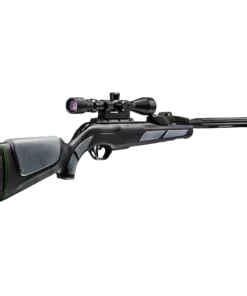
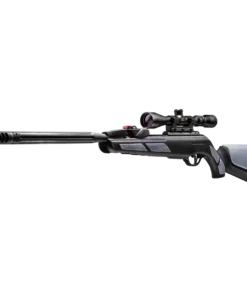
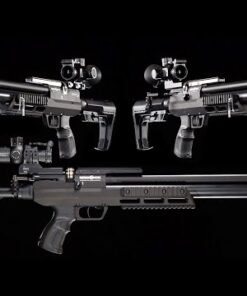
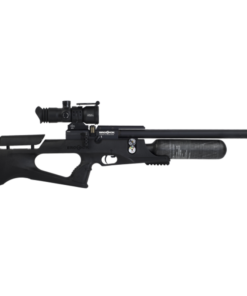
Air Rifles
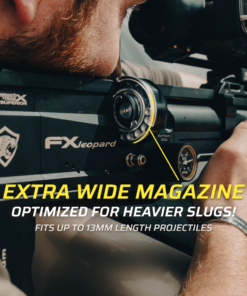
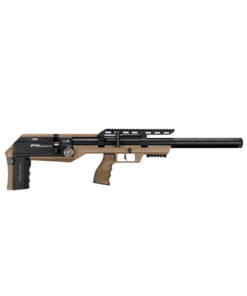
Air Rifles
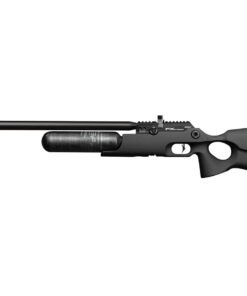
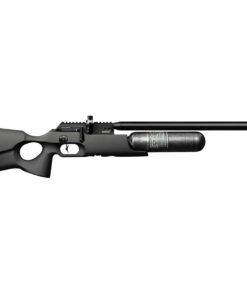
Air Rifles
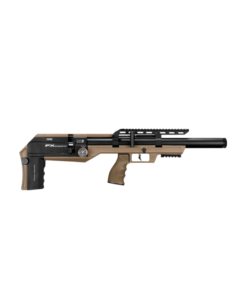
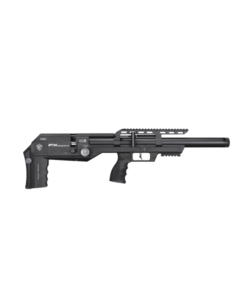
Air Rifles
PCP Air Rifles
Reviews
There are no reviews yet.