
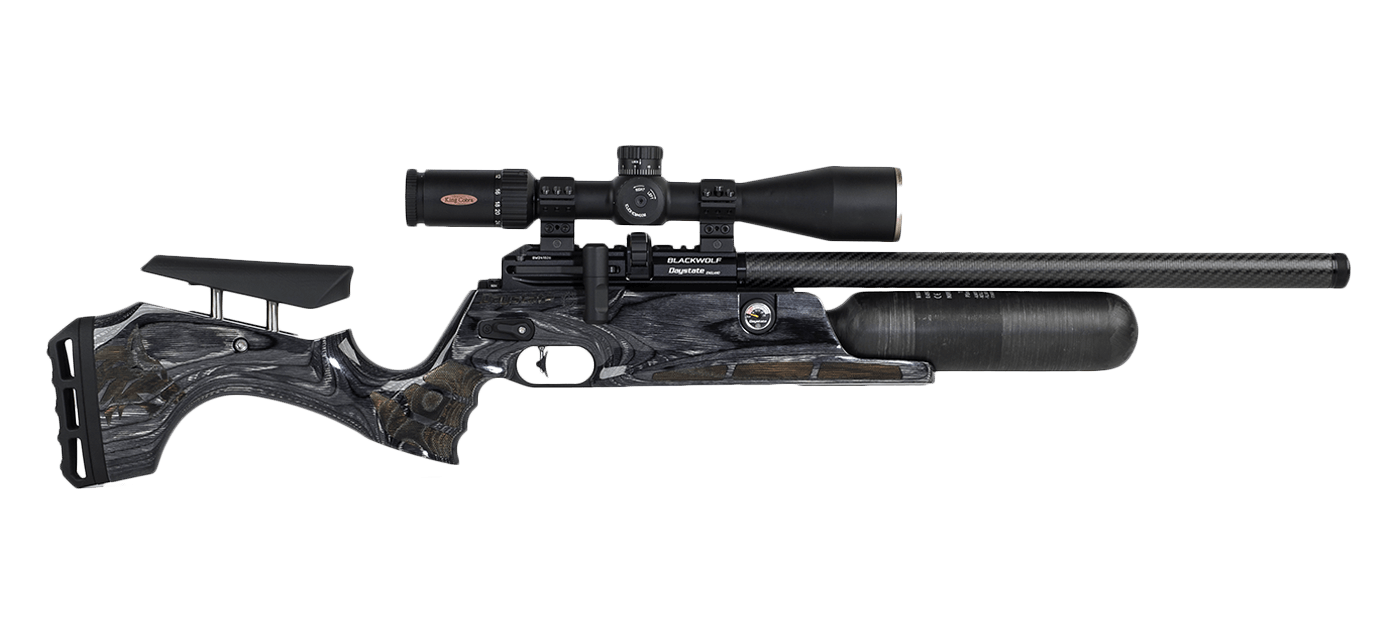
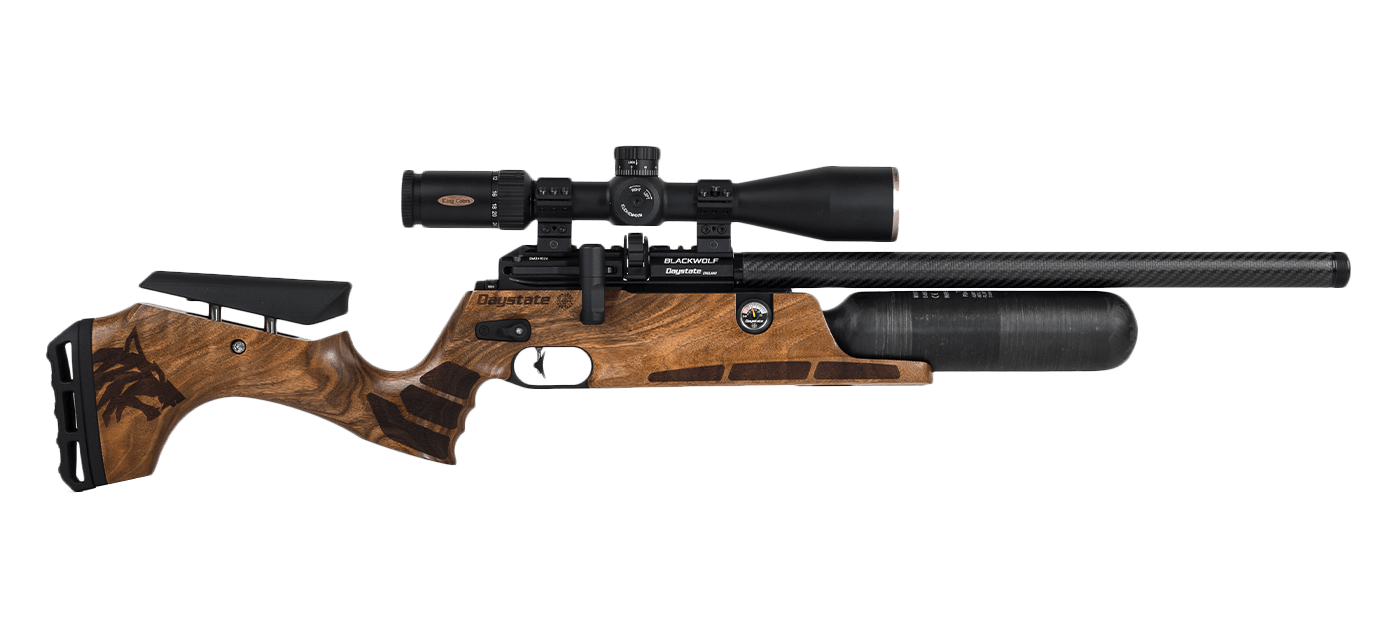
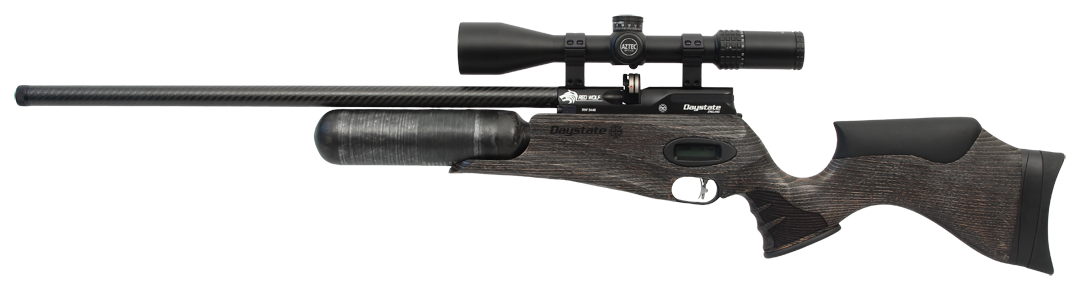
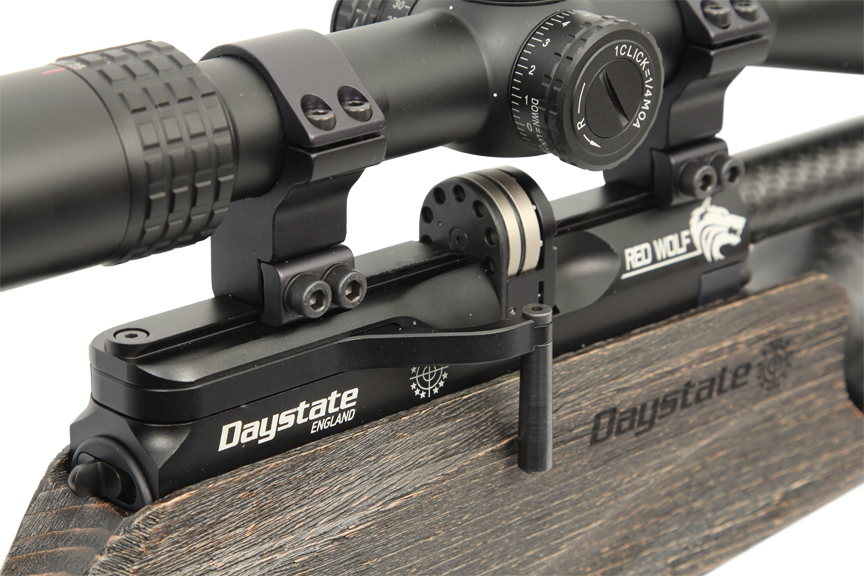
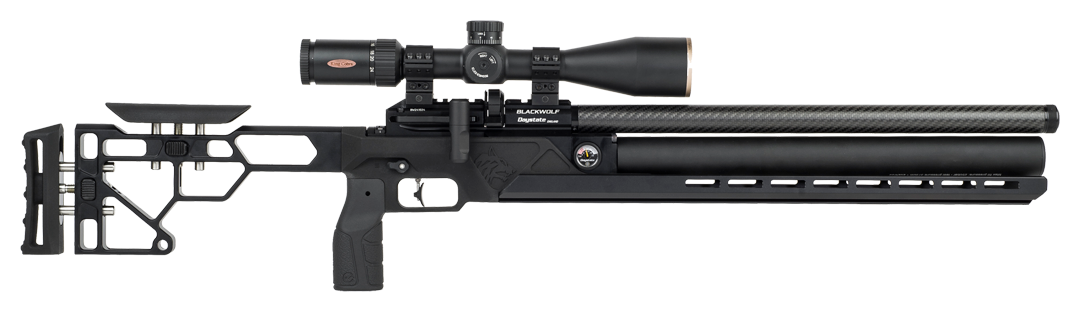
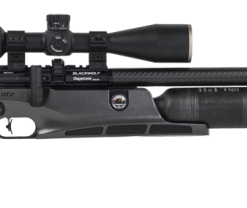
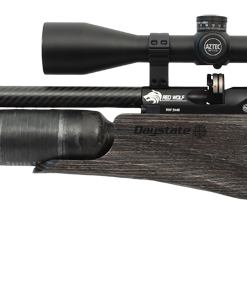
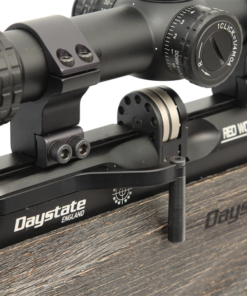
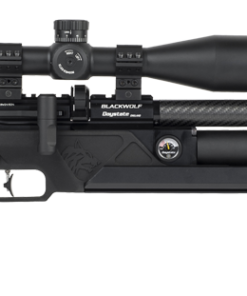
Daystate Blackwolf
Price range: $3,000.00 through $3,130.00
Specification
| BLACKWOLF | BLACKWOLF 600mm Barrel | BLACKWOLF 711mm Barrel | |
|---|---|---|---|
| Overall Length | 980mm (38.5 ins) | 1130mm (38.5 ins) | 1257mm (49.5 ins) |
| Barrel Length | 430m (17 ins) | 600 mm (23 ins) | 711mm (28 ins) |
| Cylinder Capacity | 300cc 480cc 580cc | 300cc 480cc 580cc | 300cc 480cc 580cc |
| Weight (Unscoped) | 2.9kg (6.4lbs) | 3.1kg (6.83lbs) | 3.3kg (7.3lbs) |
| Available Calibres | .177 (4.5 mm), .22 (5.5 mm) | .177 (4.5 mm), .22 (5.5 mm), .25 (6.35 mm), .30 (7.62mm) | .177 inch (4.5 mm), .22 inch (5.5 mm) & .25 inch (6.35 mm), .30 inch (7..62mm) |
| Loading | Magazine | Magazine | Magazine |
| Cocking | Side lever action – reversible | Side lever action – reversible | Side lever action – reversible |
| Magazine | 13 shot (.177), 11 shot (.22) | 13 shot (.177), 11 shot (.22), 10 shot (.25), 8 shot (.30) | 13 shot (.177), 11 shot (.22), 10 shot (.25), 8 shot (.30) |
| Fill Pressure | Up to 250BAR (3,625 psi) | Up to 250BAR (3,625 psi) | Up to 250BAR (3,625 psi) |
| Power / Shots Per Charge 0.30 | N/A | 125 ft/lb | 135 ft/lb |
| Power / Shots Per Charge 0.25 | N/A | 84 ft/lb | 93 ft/lb |
| Power / Shots Per Charge 0.22 | 45 ft/lb | 73 ft/lb | 83 ft/lbs |
| Power / Shots Per Charge 0.177 | 35 ft/lbs | 40 ft/lb | 45 ft/lbs |
| Trigger | Mechanical release. Adjustable for pull weight, length of stage and blad | Mechanical release. Adjustable for pull weight, length of stage and blad | Mechanical release. Adjustable for pull weight, length of stage and blad |
| Safety | Manual, AR15 type lever | Manual, AR15 type lever | Manual, AR15 type lever |
| Stock | Grey, Laminated, Walnut | Grey, Laminated, Walnut | Grey, Laminated, Walnut |
| Options | Cylinder or HiLite, three stock potions, 0dB Silencer, AimGrip Bipod | Cylinder or HiLite, three stock potions, 0dB Silencer, AimGrip Bipod | Cylinder or HiLite, three stock potions, 0dB Silencer, AimGrip Bipod |
Daystate Blackwolf PCP Air Rifle – Advanced Modular Precision, Power and Daystate Engineering

The Daystate Blackwolf represents a new generation of premium PCP air-rifle engineering in which adaptability, precision, refinement, and long-term configurability have been brought together within one sophisticated platform. Rather than being designed around a single shooting role, the Blackwolf has been engineered so that its configuration can evolve according to the needs of its owner. Consequently, a platform can be selected for precision target shooting, sporting use, competition, recreational shooting, or other lawful airgun disciplines while considerable adjustment potential remains available.
At Elite Airs Guns, the Daystate Blackwolf is positioned for enthusiasts who expect considerably more than conventional PCP performance. Every major part of the platform has been developed around control, balance, mechanical consistency, adjustment, and modularity. Therefore, shooters who appreciate technical refinement will immediately recognize why the Blackwolf occupies an important position within the modern Daystate range.
Unlike PCP rifles that largely remain fixed after purchase, the Daystate Blackwolf PCP air rifle has been developed around interchangeable and configurable components. Different barrel lengths, calibre configurations, air-storage arrangements, stock formats, and setup choices may be available depending on specification and regional regulations. As a result, the rifle can be configured around a particular discipline without forcing the owner into an entirely different platform when requirements change.
Equally important, the Blackwolf retains the refined design philosophy for which Daystate has become internationally recognized. Modern engineering is combined with premium construction, while extensive adjustment allows fit and function to be personalized. In turn, a rifle is created that feels purposeful rather than unnecessarily complicated.
For shooters seeking a premium PCP platform with substantial room for personalization, the Daystate Blackwolf deserves serious consideration.
Daystate Blackwolf at a Glance
A carefully engineered combination of power management, barrel technology, ergonomics, mechanical consistency, and modular architecture defines the Blackwolf.
Key Daystate Blackwolf Features
- Premium modular PCP air-rifle platform
- Available with multiple barrel-length configurations
- 430 mm, 600 mm and 711 mm barrel formats available depending on specification
- Available in selected .177, .22, .25 and .30 calibre configurations
- Interchangeable calibre and barrel architecture
- High-capacity regulated PCP system
- Large regulator chamber designed for excellent consistency
- 20-position mechanical power adjustment system
- Tool-free external power control
- Titanium firing-valve technology
- Precision mechanical firing system
- Advanced eight-point adjustable trigger
- Trigger pull adjustment from approximately 8 oz to 3.5 lb
- Adjustable trigger-blade position
- Reversible sidelever cocking system
- Ambidextrous-friendly operating architecture
- Manual AR-style safety arrangement
- ART tensioned-barrel technology on applicable configurations
- Slug-compatible configurations available
- 21 mm Picatinny optics rail
- 20 MOA rail inclination
- Adjustable stock geometry
- Different stock and tactical chassis options
- Cylinder or HiLite bottle configurations depending on model
- Up to 250 BAR fill pressure
- Magazine-fed action
- Multiple magazine capacities according to calibre
- Accessory-ready platform
- Designed to support future upgrades
- Suitable for precision, sporting and target-oriented applications
- Premium Daystate design and manufacturing philosophy
Why the Daystate Blackwolf Is Different
Innovation matters most when it improves the way a rifle behaves rather than simply increasing the number of specifications printed on a product page. With the Blackwolf, considerable attention has therefore been devoted to the relationship between the major mechanical systems.
The regulator, valve, barrel, trigger, air supply, cocking system, stock and power-management components work as an integrated platform. Consequently, the rifle can be tailored without losing the cohesive feel expected from a premium factory-built PCP.
This distinction is particularly important for experienced airgun users. A rifle may offer enormous adjustment potential, yet that adjustment becomes less useful when controls interact unpredictably or when changing one component creates compromises elsewhere. The Daystate Blackwolf has instead been designed as a complete architecture.
Moreover, the modular concept allows shooters to purchase according to their present requirements while retaining additional possibilities for the future. Someone beginning with a compact configuration may later prefer a longer barrel. Another owner may prioritize a tactical chassis. Meanwhile, somebody whose shooting interests develop toward another calibre can benefit from the platform’s interchangeable design where applicable.
For that reason, versatility is not merely an accessory feature. It sits at the heart of the Blackwolf concept.
A Completely New Daystate Platform
Daystate has produced many recognizable PCP rifles over several decades. Nevertheless, the Daystate Blackwolf should not simply be regarded as another conventional rifle added to an established family.
Instead, it has been conceived as a configurable platform.
That platform approach changes the buying proposition considerably. Traditionally, a shooter chooses a rifle according to calibre, barrel length, stock style and intended purpose. Once that purchase has been made, the specification generally remains close to its original factory form.
With the Blackwolf, considerably greater flexibility has been incorporated from the outset. Major components can be configured around different requirements, which means the rifle can potentially remain relevant as the owner’s interests evolve.
Furthermore, modular construction can provide practical benefits beyond personalization. Components have been designed around an architecture that supports different configurations, allowing Daystate to expand the platform through future compatible developments.
Therefore, the Daystate Blackwolf is not merely intended to perform well at the time of purchase. It has been created with long-term adaptability in mind.
Premium Engineering for Demanding PCP Enthusiasts
Precision PCP shooters often notice details that casual users may overlook.
Trigger quality matters.
Balance matters.
Shot-to-shot consistency matters.
Optics positioning matters.
Stock fit matters.
Air efficiency matters.
Ease of cocking matters.
Barrel behavior matters.
Even the relationship between the trigger position and barrel axis can influence the way a rifle feels when shouldered.
Accordingly, the Blackwolf has been developed with attention extending well beyond muzzle energy alone. A sophisticated PCP rifle should provide the shooter with predictable mechanical behavior. Therefore, the goal is not simply to generate power. Instead, that power must be delivered consistently while the rifle remains controllable and comfortable.
This philosophy can be seen throughout the Daystate Blackwolf.
Adjustment has been provided where personalization can offer meaningful benefits. At the same time, structural rigidity and repeatable operation have remained central priorities.
As a result, experienced PCP enthusiasts are given a platform that rewards careful setup without making sophisticated engineering feel inaccessible.
Daystate Blackwolf Barrel Configurations
One of the most important decisions when configuring a Blackwolf concerns barrel length.
Three major barrel formats are listed within the Blackwolf platform:
430 mm Blackwolf Barrel
The compact configuration uses an approximately 430 mm / 17-inch barrel.
This arrangement offers the shortest overall platform and can be particularly attractive when maneuverability, compact dimensions and balanced handling are prioritized.
In the appropriate specification, overall length can be approximately 980 mm. Consequently, the rifle remains relatively easy to handle despite its sophisticated PCP architecture.
The compact version is especially well suited to shooters who value:
- Reduced overall length
- Easy handling
- Convenient transport
- Natural pointability
- Balanced field-oriented ergonomics
- Traditional pellet shooting
- Lower-powered regulated configurations where applicable
Depending on market and legal restrictions, this barrel configuration is commonly associated with .177 and .22 calibre options.
600 mm Blackwolf Barrel
Moving to the 600 mm / 23-inch barrel changes the character of the platform.
Additional barrel length supports configurations designed around greater power and a wider range of projectile choices. Accordingly, .177, .22, .25 and .30 calibre versions may be available depending on region and specification.
The 600 mm format offers an appealing middle ground for shooters who want substantial performance without choosing the longest available Blackwolf configuration.
It may therefore appeal to anyone prioritizing:
- Higher-power PCP configurations
- Long-range precision shooting where lawful
- Pellet or compatible projectile experimentation
- Increased ballistic efficiency
- Stable benchrest use
- A balanced compromise between size and performance
Because the Blackwolf architecture has been designed around multiple roles, the 600 mm configuration becomes particularly versatile.
711 mm Blackwolf Barrel
For maximum barrel length within the standard Blackwolf range, a 711 mm / 28-inch configuration is available.
This setup is especially relevant when the platform is being optimized for high-output or specialized long-range airgun disciplines permitted in the user’s jurisdiction.
Longer barrels can provide more time for expanding air to transfer energy efficiently to a projectile. Therefore, high-power PCP platforms frequently use extended barrels when maximum performance is required.
The 711 mm Blackwolf can be configured in selected .177, .22, .25 and .30 calibre formats.
Shooters considering this configuration will commonly value:
- Maximum available barrel length
- High-output configurations
- Long-range precision potential
- Benchrest-oriented stability
- Projectile flexibility
- Advanced tuning potential
Naturally, overall dimensions increase. However, shooters selecting a 711 mm configuration are generally prioritizing performance characteristics over minimum overall size.
Daystate Blackwolf Calibre Options
Different disciplines place different demands on an air rifle. Consequently, one calibre cannot be considered ideal for every user.
The Daystate Blackwolf platform addresses this reality by supporting several calibre options depending on barrel configuration, market, energy level and local legislation.
Daystate Blackwolf .177
The Daystate Blackwolf .177 is particularly attractive where flat pellet trajectories, high shot counts and precision target applications are prioritized.
Because .177 pellets are relatively small and lightweight, they can provide excellent velocity while using comparatively modest amounts of compressed air at conventional energy levels.
As a result, .177 remains exceptionally popular for:
- Target shooting
- Precision practice
- Formal air-rifle disciplines
- Recreational range use
- Lower-energy configurations
- Shooters who value flatter short-to-medium-range pellet trajectories
At approximately 12 ft/lb, Daystate lists substantial shot-count potential from the Blackwolf depending on the air-storage configuration.
Therefore, a .177 Blackwolf can become an especially practical choice for shooters spending long sessions on the range.
Daystate Blackwolf .22
Few PCP calibres offer the broad versatility of .22 / 5.5 mm.
For many shooters, .22 occupies the useful middle ground between lightweight .177 pellets and larger high-energy calibres.
Projectile mass generally increases compared with .177. Consequently, energy retention can be improved while a wide range of pellet designs remains available.
The Daystate Blackwolf .22 can suit:
- Precision recreational shooting
- Sporting use
- Target applications
- Approved pest-control use where lawful
- Higher-powered PCP configurations
- Users looking for a versatile all-round calibre
Moreover, .22 can be used across several Blackwolf barrel configurations, making it one of the most flexible calibre options within the platform.
Daystate Blackwolf .25
When greater projectile mass and higher-energy capability are desired, .25 / 6.35 mm becomes increasingly attractive.
The Blackwolf supports .25 calibre in applicable longer-barrel configurations.
A larger projectile can provide better retained energy, particularly when the rifle has been configured to operate at an appropriate power level.
Accordingly, .25 configurations may appeal to experienced users participating in lawful disciplines where higher-output PCP rifles are appropriate.
However, increased projectile mass also places additional demands on air consumption. Therefore, bottle capacity, regulator setup, barrel selection and desired shot count should all be considered when choosing this calibre.
Daystate Blackwolf .30
At the larger end of the standard Blackwolf range sits .30 / 7.62 mm.
The .30-calibre Blackwolf is designed for compatible high-power configurations and is available with selected 600 mm and 711 mm barrels.
Because considerably heavier projectiles can be used, the rifle’s advanced regulator, large air reservoir options and efficient valve architecture become particularly important.
This calibre will generally appeal to experienced PCP enthusiasts who understand the increased air consumption, projectile requirements and legal responsibilities associated with higher-energy air rifles.
Blackwolf Power Management
Modern premium PCP rifles benefit enormously from properly controlled energy delivery.
Simply increasing hammer force is not enough.
Consistency must be maintained.
Air must be metered correctly.
Valve behavior should remain predictable.
Furthermore, different projectile weights may require different operating characteristics.
For these reasons, the Daystate Blackwolf incorporates extensive mechanical power-management capability.
20-Stage Power Adjustment
One of the most notable features is the 20-stage power adjuster.
Rather than forcing owners to work with a single fixed mechanical setting, the Blackwolf provides progressive control over hammer-spring tension.
Consequently, compatible configurations can be adjusted to better suit different energy requirements and projectile characteristics.
External adjustment also improves convenience. Instead of immediately requiring complicated internal modifications, useful mechanical control can be accessed directly.
This can benefit shooters who carefully tune their equipment around a preferred projectile.
However, any adjustment must always remain within local legal requirements and the manufacturer’s safe operating specifications.
Controlled Power Rather Than Power Alone
Maximum muzzle energy often receives disproportionate attention within high-performance PCP discussions.
Yet precision is rarely achieved simply by selecting the highest possible setting.
A well-matched projectile traveling at an appropriate velocity can frequently provide superior consistency compared with the same rifle being operated at maximum output without consideration for projectile behavior.
Therefore, the Blackwolf’s adjustability should be viewed as a means of optimization rather than merely increasing power.
Different configurations can be matched according to:
- Projectile type
- Projectile weight
- Barrel length
- Calibre
- Desired shot count
- Local energy restrictions
- Target discipline
- Environmental conditions
- Accuracy objectives
That flexibility represents one of the platform’s greatest strengths.
Advanced Blackwolf Regulator System
A regulator plays a fundamental role within a premium PCP rifle.
Without effective pressure regulation, the pressure supplied to the firing valve changes as the reservoir gradually empties. Consequently, projectile velocity can fluctuate.
A well-engineered regulator reduces that variation by supplying a controlled pressure to the firing system.
The Daystate Blackwolf has been developed with an especially large regulator chamber.
This design supports repeatable air delivery across different operating conditions and energy settings.
For precision shooters, the benefit is straightforward: consistency supports accuracy.
When projectile quality, barrel condition, shooter technique and environmental factors are controlled, reducing velocity variation becomes extremely valuable.
Consequently, regulator performance contributes directly to the premium character of the Blackwolf.
Titanium Firing Valve
Material selection can have a meaningful influence on PCP efficiency.
Accordingly, a titanium firing-valve system has been incorporated into the Blackwolf architecture.
Titanium offers an appealing combination of strength and relatively low mass. Within a carefully engineered valve assembly, reduced reciprocating mass can assist rapid, controlled operation.
Furthermore, precise valve timing can improve the way compressed air is released behind each projectile.
Instead of excessive air being wasted, energy can be delivered efficiently according to the rifle’s setup.
That efficiency becomes especially relevant when higher-power configurations are used because significant quantities of compressed air may otherwise be consumed.
ART Tensioned Barrel Technology
Barrel stability contributes directly to precision.
Any movement, vibration or inconsistent mechanical relationship between the barrel and action can influence where a projectile lands.
For this reason, applicable Blackwolf configurations use Daystate’s ART tensioned-barrel system.
ART refers to Daystate’s Accuracy Research Team, reflecting the company’s focus on barrel performance and ammunition compatibility.
Tensioning can increase structural rigidity while helping manage barrel harmonics.
In practical terms, the objective is simple: allow the barrel to behave as consistently as possible from one shot to another.
This becomes particularly important when:
- Magnification is increased
- Target distances grow
- Group sizes become extremely small
- Higher-energy projectiles are used
- Competition points depend on tiny differences
- Benchrest stability allows mechanical variation to become more visible
Accordingly, the barrel system plays an important role within the Blackwolf’s precision-oriented architecture.
Slug-Compatible Blackwolf Configurations
Modern PCP airguns are no longer limited exclusively to conventional diabolo pellets.
Purpose-designed airgun slugs have become increasingly popular among experienced users because their ballistic properties can differ considerably from those of traditional pellets.
The Daystate Blackwolf platform has been designed with compatible projectile options in mind.
An optional extended barrel configuration can be selected for specialized applications where compatible slugs are appropriate.
However, pellet and slug performance depends on multiple variables.
Diameter, weight, velocity, barrel configuration, twist characteristics and individual ammunition tolerances all influence accuracy.
Therefore, ammunition should always be selected according to the exact Blackwolf specification rather than assuming that every projectile will perform equally well.
Daystate Blackwolf Trigger System
A premium rifle cannot deliver its full practical accuracy potential if the trigger makes precise shot release difficult.
Consequently, considerable engineering attention has been given to the Blackwolf trigger.
The mechanical trigger is highly adjustable, enabling both feel and geometry to be tailored.
Eight-Point Trigger Adjustment
The trigger incorporates extensive adjustment, including variables related to:
- Pull weight
- Stage characteristics
- Blade positioning
- Trigger reach
- Vertical position
- Horizontal position
- Overall shooter preference
- Intended shooting discipline
Pull weight can be adjusted across a broad range, approximately 8 ounces to 3.5 pounds, depending on setup.
This means the rifle can be configured for very light precision-oriented release or a more deliberate pull according to preference.
Why Trigger Adjustment Matters
Hand size varies.
Finger length varies.
Shooting positions differ.
Competition preferences differ.
For these reasons, a single fixed trigger geometry cannot provide an ideal fit for everyone.
By allowing the blade to be repositioned, the Blackwolf can be adjusted so the trigger finger naturally engages the blade without forcing the wrist or hand into an awkward position.
Consequently, unwanted lateral pressure can potentially be reduced.
A clean trigger release becomes easier to repeat, which ultimately supports practical accuracy.
Reversible Sidelever Action
Fast and smooth loading contributes substantially to the experience of using a premium PCP rifle.
The Blackwolf therefore uses a sidelever cocking mechanism.
More importantly, the lever can be reversed.
This feature substantially improves adaptability for left-handed shooters or anyone preferring an alternative operating arrangement.
Traditional rifle architecture often assumes right-handed use. Consequently, left-handed owners may be forced to compromise ergonomics.
The Blackwolf’s reversible layout addresses this issue more effectively.
Furthermore, the short mechanical movement of a properly designed sidelever allows the rifle to be cycled with minimal disturbance to the shooting position.
That characteristic becomes valuable during range sessions where consistent positioning matters.
Magazine-Fed Convenience
The Daystate Blackwolf uses a removable magazine system.
Capacity varies according to calibre.
Approximate listed capacities include:
- .177 – 13 shots
- .22 – 11 shots
- .25 – 10 shots
- .30 – 8 shots
A multi-shot magazine can significantly improve convenience during recreational sessions and approved sporting use.
Rather than loading each projectile manually between shots, the shooter can operate the sidelever and prepare the rifle for the next shot.
Naturally, the decreasing magazine capacity in larger calibres reflects the increasing diameter of each projectile.
Up to 250 BAR Fill Pressure
The Blackwolf can be filled to up to 250 BAR / approximately 3,625 PSI, depending on configuration.
Higher reservoir pressure allows considerable quantities of compressed air to be stored within a relatively compact volume.
However, safe charging equipment must always be used.
Only filling equipment rated appropriately for the required pressure should be connected, and manufacturer guidance should always be followed.
For users who frequently shoot PCP rifles, suitable charging solutions may include compatible high-pressure compressors or certified breathing-air cylinders.
The exact filling method will depend on individual circumstances.
Cylinder or HiLite Bottle Configurations
Air storage influences far more than shot count.
It also affects:
- Rifle balance
- Total weight
- Handling
- Visual profile
- Available shots
- Refilling frequency
- Overall ergonomics
Therefore, Blackwolf configurations can be selected with different reservoir arrangements.
Traditional Cylinder Configuration
A cylinder can provide a sleek, streamlined profile.
It may also contribute to a more traditional handling character depending on stock selection.
Shooters prioritizing a lighter or visually understated setup may prefer this arrangement.
HiLite Bottle Configuration
A larger HiLite carbon bottle increases available air capacity while controlling additional weight.
This option becomes particularly attractive for high-energy configurations or extended shooting sessions.
Because higher-power settings consume more air per shot, additional reservoir volume can provide meaningful practical benefits.
Likewise, shooters who dislike frequent refilling may appreciate the larger capacity even when operating at more moderate output.
Outstanding Shot Count Potential
Shot count varies significantly according to:
- Calibre
- Energy
- Barrel
- Reservoir
- Regulator setting
- Projectile
- Ambient conditions
- Exact factory specification
Consequently, one universal Blackwolf shot-count figure would be misleading.
Nevertheless, lower-energy configurations can achieve very substantial shot counts.
For example, selected 12 ft/lb specifications can provide hundreds of regulated shots per charge, particularly when equipped with the larger bottle arrangement.
At higher power, shot count naturally decreases because more compressed air must be released with every shot.
Therefore, buyers should choose the air-storage option according to their intended use rather than judging capacity from a single headline number.
Compact Blackwolf Handling
A high-performance PCP rifle does not necessarily need to feel oversized.
In its compact 430 mm form, the Blackwolf can measure approximately 980 mm overall and weigh from around 2.9 kg unscoped, depending on stock and configuration.
That combination gives the platform relatively manageable dimensions.
Once an optic, mounts, moderator, bipod or other accessories are added, final weight will naturally increase.
Nevertheless, beginning with a carefully balanced platform makes the complete setup easier to configure.
Compact handling becomes especially useful when moving between shooting positions or carrying equipment around a range.
600 mm Blackwolf Dimensions and Balance
The 600 mm barrel version naturally becomes longer.
Approximate unscoped weight can begin around 3.1 kg, although actual finished weight varies according to stock, bottle and accessory configuration.
For many experienced shooters, this additional size is justified by the greater ballistic possibilities offered by the longer barrel.
The 600 mm platform therefore represents a compelling middle option.
It remains practical enough for varied use while supporting several high-output calibre configurations.
711 mm Blackwolf for Maximum Performance
The longest standard Blackwolf configuration extends overall dimensions further.
Approximate unscoped weight can start around 3.3 kg, with exact figures changing according to specification.
A longer rifle will naturally feel different from the compact version.
However, the additional forward mass can actually benefit certain benchrest or supported disciplines because movement can feel slower and more controlled.
Therefore, “lighter” or “shorter” should never automatically be interpreted as “better.”
The correct configuration depends entirely on the intended role.
20 MOA Picatinny Optics Rail
Precision rifles increasingly use optics with significant elevation adjustment.
The Blackwolf incorporates a 21 mm Picatinny mounting rail with approximately 20 MOA inclination.
A canted rail positions the optic at a slight downward angle relative to the bore.
Consequently, additional usable elevation adjustment can become available within the scope.
This feature can be particularly valuable for longer-distance precision shooting where substantial ballistic compensation may be required.
Additionally, Picatinny compatibility provides broad mounting flexibility.
A wide range of:
- Scope rings
- Digital optics
- Night-vision systems where lawful
- Thermal devices where lawful
- Accessory mounts
can be fitted using compatible hardware.
Lower Trigger-to-Barrel Relationship
Rifle geometry affects perceived handling.
The Blackwolf has been designed with a relatively low relationship between the trigger and barrel axis.
This helps create a natural, compact feel through the action area.
Moreover, the architecture can support comfortable head positioning when the stock and optic are correctly adjusted.
Experienced shooters often appreciate such details because small ergonomic improvements become increasingly noticeable during long sessions.
Blackwolf Stock Choices
One rifle configuration will not suit every shooter.
For that reason, several stock concepts are available across the Blackwolf platform.
Depending on market and current availability, choices may include:
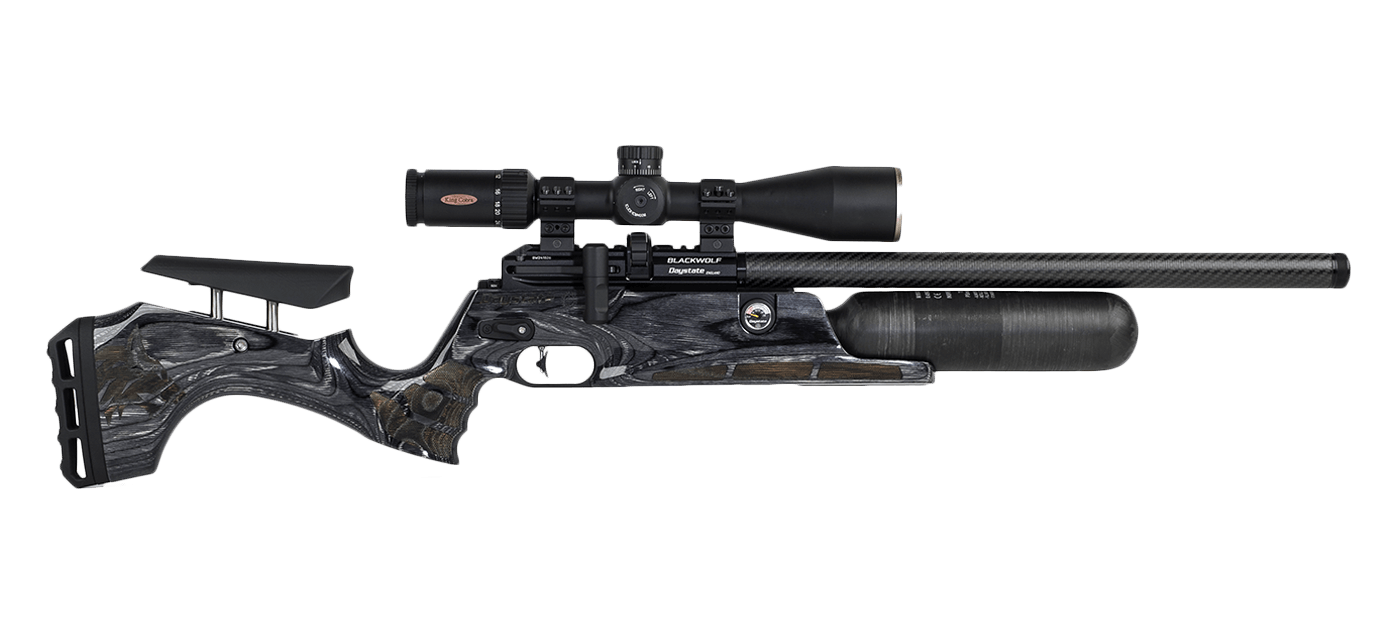
- Grey or black laminate-style finishes
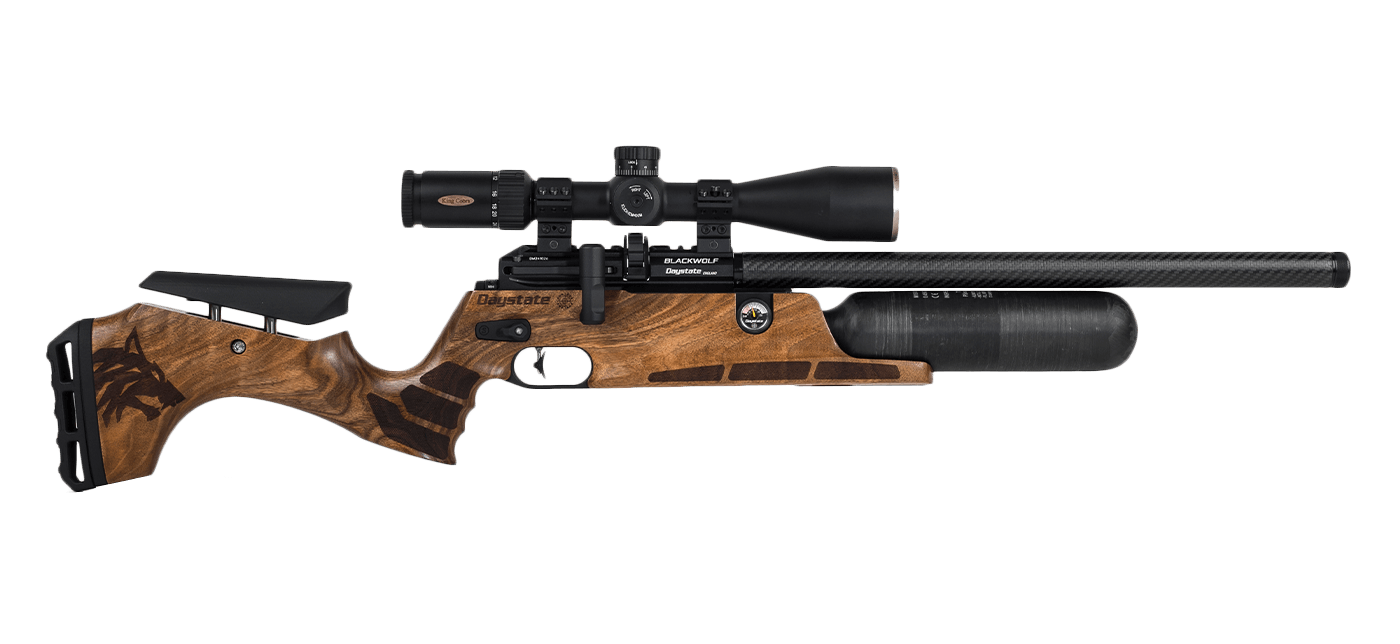
- Premium walnut
- Alternative wood configurations
- Tactical chassis variants
- Blackwolf Zero configuration
Each option changes both aesthetics and ergonomics.
Walnut Blackwolf
Traditional walnut provides an appealing contrast to the advanced mechanical architecture.
Natural grain ensures that individual stocks can display unique visual character.
For shooters who value classic sporting-rifle appearance but still want modern PCP performance, walnut offers an especially compelling combination.
Laminate Blackwolf
Laminate construction combines distinctive appearance with dimensional stability.
Layered material creates recognizable grain patterns while offering excellent structural consistency.
Consequently, laminate can suit shooters who want a modern visual identity without choosing a fully tactical chassis.
Blackwolf TAC
The Blackwolf TAC adopts a much more technical aesthetic.
A precision-engineered alloy and composite chassis provides numerous adjustment possibilities and accessory attachment locations.
This makes the TAC particularly attractive for:
- Benchrest users
- Precision target shooters
- Competition-oriented owners
- Shooters using bipods or other support equipment
- Users who frequently adjust rifle fit
- Enthusiasts who prefer modern tactical ergonomics
The chassis format also complements the Blackwolf’s modular design philosophy.
Blackwolf Zero
The Blackwolf Zero expands the platform by providing access to the core Blackwolf architecture while omitting selected premium elements fitted to higher-specification configurations.
Importantly, the platform retains its upgrade philosophy.
Therefore, compatible equipment can potentially be added later as requirements evolve.
For buyers who want to enter the Blackwolf ecosystem without selecting every premium feature immediately, the Zero can offer an attractive alternative.
Adjustable Cheekpiece
Correct cheek position is critical when using a telescopic sight.
If the shooter’s head must move significantly before a clear sight picture appears, positional consistency becomes harder to maintain.
An adjustable cheekpiece helps solve this problem.
By modifying cheek height according to the optic and mounts, a natural head position can be established.
Once properly adjusted, the eye can align with the optical axis more consistently.
That repeatability can improve both comfort and practical precision.
Adjustable Butt Pad
Shoulder placement is equally important.
The Blackwolf’s adjustable butt arrangement allows the rear interface of the rifle to be adapted to individual anatomy and shooting position.
For instance, standing, seated and benchrest positions can place different demands on stock geometry.
With appropriate adjustment, the butt can sit more naturally within the shoulder.
Consequently, unnecessary muscular tension can be reduced.
Fully Adaptable Ergonomics
One of the strongest themes running through the entire Blackwolf platform is adaptability.
A shooter should not need to physically adapt to a poorly fitting rifle whenever the rifle itself can instead be adjusted.
Therefore, considerable flexibility has been incorporated into:
- Trigger position
- Trigger weight
- Cheek height
- Butt-pad alignment
- Cocking-lever side
- Accessory placement
- Stock configuration
- Reservoir choice
- Barrel configuration
Together, these features allow a highly personalized setup to be created.
Blackwolf for Precision Target Shooting
Target shooting places consistency above almost everything else.
Targets do not care how powerful a rifle feels.
Instead, they reveal tiny inconsistencies.
A slight change in hold, trigger release, head position or pellet velocity can increase group size.
Accordingly, several Blackwolf characteristics directly support precision target work.
The regulator contributes to repeatable pressure delivery.
The trigger can be tailored.
The stock can be adjusted.
The barrel system has been developed for rigidity.
Optics can be mounted securely.
Power can be optimized around selected ammunition.
When these variables are correctly matched, the shooter is given an exceptionally capable foundation.
Blackwolf for Benchrest Shooting
Benchrest disciplines remove much of the instability associated with unsupported shooting.
Therefore, mechanical precision becomes even more important.
The Blackwolf TAC configuration is especially relevant here because its chassis architecture supports fine ergonomic adjustment and accessory mounting.
A stable bipod or front-rest setup can be established.
Meanwhile, rear support can be positioned according to competition rules and personal preference.
Because the rifle is highly configurable, balance can also be adjusted through reservoir and accessory choices.
For serious benchrest enthusiasts, this flexibility can be extremely valuable.
Blackwolf for Recreational Precision Shooting
Not every Blackwolf owner needs to compete.
Many enthusiasts simply enjoy placing precise shots on paper or reactive targets.
For these users, premium engineering can make every range session more rewarding.
Smooth sidelever operation reduces interruption.
A comfortable stock reduces fatigue.
A quality trigger makes shot release satisfying.
High shot-count configurations reduce filling interruptions.
Furthermore, the rifle can evolve as the owner’s interests change.
A recreational shooter may initially use moderate magnification and conventional pellets, then later explore supported precision shooting with upgraded optics and a different configuration.
Daystate Quality and Heritage
Daystate has been associated with PCP innovation for decades.
The company has contributed to the development and refinement of technologies that have influenced the wider premium airgun sector.
Within the Blackwolf, that experience has been applied to an ambitious new architecture.
However, heritage alone does not make a rifle competitive.
Modern shooters expect better adjustability, improved consistency, increased modularity and greater flexibility than previous generations.
Therefore, the Blackwolf uses Daystate experience as a foundation rather than relying purely on brand reputation.
The result is a rifle intended for contemporary enthusiast requirements.
Engineered Art Philosophy
Premium engineering does not need to look purely industrial.
The Daystate Blackwolf has therefore been designed around a combination of technical performance and refined aesthetics.
Machined components, carefully selected materials, sculpted surfaces and premium stock choices help create a distinctive visual identity.
In walnut form, advanced PCP technology is paired with traditional natural material.
In laminate form, the rifle gains a modern sporting character.
Meanwhile, TAC versions emphasize mechanical purpose.
Different configurations may look dramatically different, yet they remain unmistakably part of the same Blackwolf platform.
Build Quality
High-end PCP buyers generally expect several characteristics from premium construction:
- Precise component fit
- Durable finishing
- Smooth controls
- Consistent machining
- Quality stock materials
- Secure mounting systems
- Reliable sealing
- Robust air-storage components
- Repeatable adjustment mechanisms
The Blackwolf has been designed for this demanding segment.
Consequently, the rifle should be regarded as long-term precision equipment rather than an entry-level disposable platform.
Routine maintenance and correct handling remain essential, of course.
Nevertheless, premium construction provides a foundation for years of responsible use.
Air Efficiency
PCP efficiency involves balancing several competing variables.
Power requires air.
Higher projectile mass often requires more air.
Longer valve dwell can increase consumption.
Excessive pressure can waste energy.
Poor tuning can reduce both accuracy and shot count.
Therefore, efficient operation depends on how effectively the firing system meters compressed air.
The Blackwolf’s regulator, valve, barrel and hammer system have been engineered to work together.
When appropriately configured, the rifle can provide strong performance without unnecessary air consumption.
Mechanical Reliability
Sophisticated does not need to mean fragile.
Mechanical controls have been used throughout important Blackwolf functions.
The trigger is mechanically released.
The power system can be adjusted mechanically.
The sidelever provides direct operation.
For owners who appreciate tactile control and straightforward interaction, this architecture is attractive.
Furthermore, mechanical adjustment can provide clear repeatability once the rifle has been configured.
Blackwolf Safety System
The Blackwolf incorporates a manual AR-style safety lever.
Depending on configuration, this arrangement is designed to be adaptable to user preference.
However, a mechanical safety must never replace correct handling.
Every air rifle should always be treated as capable of firing.
The muzzle should remain pointed in a safe direction.
A projectile should only be loaded when the user is ready to shoot in a lawful and controlled environment.
Furthermore, owners should familiarize themselves fully with the manufacturer’s instructions before operating the rifle.
Premium Optics Compatibility
A rifle with Blackwolf-level accuracy deserves an optic capable of revealing that performance.
Because the Picatinny rail provides broad compatibility, buyers can select an optic according to their actual shooting discipline.
For general target use, moderate magnification may be sufficient.
For benchrest and longer-distance precision disciplines, higher magnification can become useful.
Meanwhile, digital systems may appeal to specialized users where lawful.
Important optic-selection factors include:
- Magnification range
- Objective size
- Reticle
- Focal-plane design
- Turret adjustment
- Parallax adjustment
- Eye relief
- Scope weight
- Mounting height
- Available elevation travel
The Blackwolf’s 20 MOA rail is particularly beneficial for setups requiring additional elevation adjustment.
Bipod Compatibility
A stable front support can dramatically improve precision during supported shooting.
Applicable Blackwolf configurations provide accessory-mounting solutions that allow compatible bipods to be fitted.
The correct bipod should be selected according to:
- Rifle weight
- Shooting position
- Surface
- Desired height
- Pan capability
- Cant adjustment
- Competition rules
A heavy bench-oriented bipod may be ideal for one owner while a lighter folding design may suit another.
Because the rifle itself is adaptable, accessory choices should follow the same philosophy.
Moderator Compatibility
Sound moderation may be desirable where legally permitted.
Compatible Daystate accessories, including selected 0dB moderators, may be available depending on barrel configuration and jurisdiction.
A moderator can reduce muzzle report, although mechanical action noise and projectile-related sound will remain.
Users must check local laws because moderator ownership and use are restricted in some regions.
Furthermore, compatibility should always be confirmed for the exact Blackwolf model and calibre.
Choosing the Right Blackwolf Configuration
The number of available options may initially seem complicated.
However, the decision becomes considerably easier when the intended shooting role is defined first.
Choose the 430 mm Blackwolf If You Prioritize
- Compact dimensions
- Lower overall weight
- Easy handling
- .177 or .22 pellet use
- Moderate-energy shooting
- High shot-count potential
- General target and sporting versatility
Choose the 600 mm Blackwolf If You Prioritize
- Greater calibre availability
- Higher-output configurations
- Improved ballistic flexibility
- Long-range precision potential
- Pellet and compatible projectile experimentation
- Balanced overall dimensions
Choose the 711 mm Blackwolf If You Prioritize
- Maximum available barrel length
- High-energy configurations
- Specialized precision use
- Longer-range shooting disciplines
- Maximum ballistic efficiency
- Advanced tuning possibilities
Choosing Between Cylinder and Bottle
Air-storage choice deserves equal attention.
A cylinder can make the rifle feel slimmer and potentially lighter.
Conversely, a HiLite bottle significantly increases air capacity.
Therefore, users should consider how frequently they want to refill.
Someone shooting a relatively low-power .177 configuration may already receive an extremely high shot count from a cylinder.
In contrast, a high-power .30-calibre user will consume considerably more air per shot and may benefit substantially from increased bottle capacity.
Balance should also be considered.
Additional air volume changes weight distribution, which can influence supported and unsupported handling.
Choosing the Best Blackwolf Stock
A stock is more than decoration.
It determines how the shooter’s body interfaces with the rifle.
Choose Walnut for
Traditional appearance, natural grain and premium sporting aesthetics.
Choose Laminate for
Modern styling, dimensional stability and distinctive layered construction.
Choose TAC for
Maximum adjustability, accessory mounting and precision-oriented ergonomics.
Consider Blackwolf Zero for
Access to the core platform with a more streamlined initial specification and potential future upgrade path.
Long-Term Upgrade Potential
One of the strongest arguments for investing in a modular rifle involves avoiding unnecessary replacement.
Shooting interests change.
A new competition may become appealing.
A different calibre may become useful.
Optics may improve.
New accessories may be developed.
With a traditional fixed platform, changing requirements may eventually require purchasing an entirely different rifle.
The Blackwolf is intended to reduce that limitation.
Compatible components can be changed while the core rifle remains familiar.
As a result, money invested in learning the trigger, ergonomics and handling of the platform can continue to provide value.
A Future-Oriented PCP Platform
Daystate has specifically designed the Blackwolf with future development in mind.
That means the modular architecture is not limited solely to components available at launch.
As compatible upgrades are developed, the platform has the potential to evolve.
Naturally, future accessories cannot be guaranteed unless officially released.
Nevertheless, designing upgrade capability into the rifle from the beginning provides a meaningful advantage.
Premium PCP Ownership Experience
Buying a premium PCP rifle involves more than reading a muzzle-energy figure.
Ownership includes:
- Selecting ammunition
- Filling the reservoir
- Configuring the trigger
- Mounting an optic
- Adjusting cheek position
- Balancing accessories
- Testing different power settings where permitted
- Maintaining the barrel
- Monitoring seals
- Protecting the stock and finish
- Learning the rifle’s preferred setup
For enthusiasts who enjoy this process, the Blackwolf offers an unusually deep ownership experience.
There is substantial room to personalize the rifle while maintaining a professionally engineered foundation.
Ammunition Selection
Every barrel can display preferences between different projectiles.
Two pellets that appear almost identical may produce noticeably different groups.
Therefore, ammunition testing is worthwhile.
Relevant factors include:
- Calibre
- Head diameter
- Projectile weight
- Pellet design
- Manufacturing consistency
- Velocity
- Barrel configuration
Premium ammunition should generally be tested before large quantities are purchased.
Once a particularly accurate option has been identified, power and regulator-related settings should be left consistent unless there is a reason to retune.
Consistency Before Maximum Velocity
Velocity alone does not determine precision.
Extremely high speed can sometimes destabilize particular projectiles.
Therefore, serious tuning should prioritize consistent groups rather than the largest chronograph number.
The Blackwolf’s power adjustment makes this philosophy practical.
Incremental changes can be evaluated while group size and velocity consistency are observed.
Any such tuning must remain compliant with legal energy limits.
Understanding High-Power Blackwolf Models
Higher-energy configurations reveal another side of the Blackwolf platform.
Depending on calibre and barrel, considerably greater muzzle-energy levels may be available than those offered by conventional sub-12 ft/lb models.
Daystate lists maximum energies that vary substantially by configuration.
For example, selected long-barrel .25 and .30 versions are capable of very high factory-rated output.
Such configurations are intended only for jurisdictions and activities in which those energy levels are lawful.
Accordingly, buyers must verify local licensing, calibre and energy restrictions before ordering.
Regional Power Restrictions
Airgun legislation varies enormously.
A rifle that can be purchased freely in one country may require a licence in another.
Energy limits may also differ.
Furthermore, some jurisdictions regulate specific calibres, moderators or projectile types separately.
Therefore, no customer should assume that a particular Blackwolf specification is automatically legal simply because the platform is commercially available elsewhere.
The appropriate version must always be selected according to local law.
Daystate Blackwolf for Experienced Shooters
Although the controls have been designed to be accessible, experienced enthusiasts are likely to extract the greatest value from the platform’s full adjustment potential.
Someone who already understands:
- PCP charging
- Pellet selection
- Chronograph data
- Trigger adjustment
- Scope setup
- Ballistic compensation
- Regulator behavior
- Rifle fit
can use Blackwolf adjustability more deliberately.
Nevertheless, newer PCP owners can also enjoy the platform by leaving the factory configuration largely unchanged while learning progressively.
Why Upgrade to the Daystate Blackwolf?
A Blackwolf upgrade may make sense when an existing rifle has begun to feel limiting.
Perhaps the trigger does not offer enough adjustment.
Maybe the stock does not fit properly.
Possibly calibre flexibility has become important.
Alternatively, a shooter may simply want one premium platform capable of supporting several different disciplines.
In those situations, the Blackwolf’s modularity becomes especially compelling.
Rather than purchasing a rifle optimized around one narrow purpose, the buyer gains a platform that can be tailored.
Daystate Blackwolf Versus Conventional PCP Rifles
The greatest difference is not simply power.
Many PCP rifles are powerful.
Nor is it merely accuracy.
Numerous premium rifles are extremely accurate.
Instead, Blackwolf’s defining advantage is the way several advanced features have been integrated into one configurable architecture.
A conventional rifle may provide:
- One barrel length
- One stock arrangement
- Limited trigger geometry
- Fixed cocking orientation
- Limited reservoir choice
- Fewer upgrade possibilities
The Blackwolf can provide considerably greater flexibility across these categories.
Therefore, the value proposition becomes especially strong for owners who genuinely use those adjustments.
Premium Performance Without Abandoning Tradition
Some modern PCP rifles adopt aggressively tactical aesthetics.
Others remain almost entirely traditional.
The Blackwolf bridges both worlds.
A walnut version can preserve the visual character of a premium sporting rifle.
A TAC configuration can instead emphasize mechanical precision.
Meanwhile, both use the same underlying platform philosophy.
That diversity allows buyers to select a rifle that reflects both functional requirements and personal taste.
Comfortable Shooting Over Long Sessions
Ergonomics become more important as session length increases.
A stock that feels acceptable for ten minutes may become uncomfortable after several hours.
For this reason, adjustable cheek support, butt geometry and trigger position provide genuine practical advantages.
A properly configured Blackwolf can reduce unnecessary wrist, shoulder and neck strain.
Furthermore, consistent positioning helps the shooter maintain technique as fatigue develops.
Balance and Pointability
Weight figures provide only part of the handling story.
Where that weight is located matters just as much.
A rifle with excessive forward bias may become tiring when unsupported.
Conversely, some benchrest shooters deliberately prefer greater forward stability.
Because Blackwolf reservoir, barrel and accessory configurations vary, balance can be tailored considerably.
This is another reason buyers should select the complete configuration rather than focusing on a single specification in isolation.
Blackwolf for Left-Handed Shooters
Ambidextrous design is frequently promised but not always fully implemented.
A stock may technically work from either shoulder while important controls remain inconvenient.
The Blackwolf addresses this more comprehensively through its reversible sidelever and adaptable operating layout.
Accordingly, left-handed users can configure the rifle around their preferred handling pattern.
This inclusion is particularly valuable on a premium platform where buyers reasonably expect ergonomics to accommodate different users.
Scope Mounting and Eye Alignment
After selecting an optic, correct mounting deserves careful attention.
Ring height should allow comfortable eye alignment without forcing excessive cheek adjustment.
The scope should also provide sufficient eye relief at the preferred shooting position.
Once these variables have been established, the Blackwolf cheekpiece can be adjusted to support a repeatable head position.
A high-quality rifle paired with a poorly mounted scope will never feel fully optimized.
Therefore, setup should be treated as a complete system.
Maintaining the Daystate Blackwolf
Premium PCP equipment benefits from careful maintenance.
Routine ownership should include:
- Keeping external metal surfaces clean
- Protecting wood from excessive moisture
- Inspecting seals
- Using clean, dry charging air
- Keeping magazines free from debris
- Cleaning the barrel only when necessary
- Following Daystate service recommendations
- Avoiding unauthorized disassembly
- Storing the rifle securely
- Protecting optics during transport
Compressed-air systems should never be lubricated with unsuitable oils because high-pressure air requires specific maintenance practices.
When servicing becomes necessary, qualified technicians should be used.
Barrel Care
Airgun barrels generally require less aggressive cleaning than many firearm barrels.
Excessive cleaning can sometimes do more harm than good.
Therefore, cleaning should be performed according to manufacturer recommendations and actual performance.
If accuracy suddenly deteriorates after previously remaining consistent, the barrel, ammunition, moderator, mounts and action screws should all be inspected systematically.
Correct PCP Filling
Only clean, dry compressed air should be used.
Moisture contamination can damage internal components over time.
Likewise, the maximum stated fill pressure must never be exceeded.
Filling should be controlled rather than excessively rapid because sudden compression can create heat.
Appropriate equipment and manufacturer procedures should therefore always be followed.
Storage
Responsible storage protects both the rifle and everyone around it.
The Blackwolf should be stored unloaded in accordance with applicable local laws.
Access should be restricted to authorized users.
A secure gun safe or other compliant locked storage system is strongly recommended.
Projectiles should also be stored responsibly.
Blackwolf Accessories
A carefully chosen accessory setup can enhance the platform without unnecessarily increasing weight.
Potential additions include:
- Premium rifle scope
- Suitable Picatinny rings
- Compatible moderator where lawful
- Bipod
- Rear bag
- Additional magazines
- Certified charging equipment
- Protective gun case
- Chronograph
- Shooting rest
- Cleaning equipment
- Selected ammunition
Each accessory should support a genuine requirement.
Adding equipment simply because mounting space is available can make the rifle heavier and less balanced.
Why Buy the Daystate Blackwolf From Elite Airs Guns?
A premium PCP purchase deserves equally careful customer support.
Elite Airs Guns provides enthusiasts with access to premium air-rifle brands, optics, accessories and related equipment through an online shopping environment designed around convenient product selection.
When choosing your Daystate Blackwolf, the exact calibre, barrel, stock and air-storage configuration should be confirmed before purchase.
Our product selection is intended to help customers build complete setups rather than sourcing every component independently.
Depending on availability, compatible optics, charging equipment, ammunition and accessories can also be selected alongside the rifle.
A Platform for Shooters Who Expect More
The Daystate Blackwolf is not designed around the lowest possible purchase price.
Instead, its value comes from engineering depth.
The buyer is paying for:
- Modularity
- Precision
- Adjustment
- Premium construction
- Advanced regulation
- Barrel technology
- Trigger flexibility
- Reservoir choice
- Calibre flexibility
- Long-term upgrade potential
For someone who simply wants a basic PCP for occasional informal shooting, many simpler rifles may satisfy that requirement.
However, shooters who actively appreciate mechanical refinement and want a platform capable of adapting to increasingly specialized interests are likely to recognize the Blackwolf’s advantages immediately.
Precision Without Unnecessary Complexity
Advanced equipment often creates a tradeoff.
More adjustability can mean more complexity.
Yet the most successful systems make adjustment intuitive.
The Blackwolf follows this principle by keeping important controls accessible while sophisticated engineering operates internally.
For example, power adjustment is externally accessible.
The sidelever is straightforward.
Stock adjustments remain mechanical.
The safety follows a familiar format.
As a result, the platform offers considerable technical depth without requiring every owner to become an airgun engineer.
Configure Once or Continue Experimenting
Different owners will use the Blackwolf differently.
Some will spend considerable time finding an exact preferred configuration.
Once identified, they may leave it virtually unchanged for years.
Others will enjoy experimenting with different projectiles, optics and ergonomic setups.
Both approaches are valid.
The platform does not force constant adjustment.
Instead, it makes adjustment available whenever requirements change.
The Value of Repeatability
Precision shooting depends heavily on repeatability.
The same shoulder pressure.
The same cheek position.
The same trigger contact.
The same regulator pressure.
The same projectile.
The same barrel behavior.
The same sight picture.
Every Blackwolf adjustment ultimately exists to help control one or more of these variables.
That is why sophisticated adjustability matters.
It allows the rifle to be configured so that repeatable technique becomes easier.
Excellent Foundation for a Premium Setup
An enthusiast building a high-end PCP system often wants the rifle to serve as the foundation for every other component.
The Blackwolf is particularly well suited to that approach.
A premium scope can be mounted.
A carefully selected bipod can be added.
The cheekpiece can then be aligned.
Trigger geometry can be personalized.
Finally, power and ammunition can be matched.
Instead of fitting accessories around a compromised rifle, the entire system can be built around the intended application.
Is the Daystate Blackwolf Worth It?
Value depends on how much of the platform’s capability will actually be used.
For shooters who want a simple fixed-configuration PCP, a less expensive rifle may be sufficient.
However, the Blackwolf becomes highly compelling when several premium priorities overlap.
It is especially relevant when a buyer values:
- Advanced mechanical consistency
- Premium construction
- Multiple calibre options
- Different barrel lengths
- Adjustable stock geometry
- A highly configurable trigger
- Large air capacity
- Precision optics mounting
- Left/right operating flexibility
- Long-term upgradeability
Instead of buying separate rifles to address different requirements, a modular platform may offer greater long-term usefulness.
Daystate Blackwolf Buyer Profile
The Blackwolf is particularly well suited to:
Precision Enthusiasts
Shooters who enjoy refining equipment and chasing smaller groups.
Benchrest Shooters
Users who need stability, adjustability and consistent regulated performance.
Daystate Collectors
Owners who appreciate premium British airgun engineering and want the company’s latest modular platform.
Experienced PCP Users
Shooters already comfortable with filling equipment, chronographs, ammunition testing and rifle setup.
Left-Handed Shooters
Users seeking controls that can be configured around their preferred side.
Long-Term Equipment Buyers
Owners who prefer upgrading one premium platform rather than frequently replacing entire rifles.
What Makes the Daystate Blackwolf a Flagship-Level PCP?
Flagship performance is not defined by a single feature.
Instead, the Blackwolf earns its position through integration.
A large regulator chamber contributes consistency.
The titanium valve supports controlled air delivery.
The barrel system contributes rigidity.
The trigger supports precise release.
The stock supports repeatable positioning.
The Picatinny rail supports advanced optics.
The reservoir system supports different shot-count requirements.
The modular architecture connects everything together.
Consequently, the rifle becomes greater than the sum of individual specifications.
Daystate Blackwolf Technical Specification Overview
Specifications vary according to exact model, market and legal restrictions.
Compact 430 mm Configuration
Barrel length: Approximately 430 mm / 17 in
Overall length: Approximately 980 mm / 38.5 in
Minimum unscoped weight: Approximately 2.9 kg / 6.4 lb depending on configuration
Common calibres: .177 and .22
Loading: Magazine
Cocking: Reversible sidelever
Maximum fill pressure: Up to 250 BAR / 3,625 PSI
Trigger: Adjustable mechanical trigger
Safety: Manual AR-style lever
Reservoir: Cylinder or compatible HiLite bottle depending on specification
600 mm Configuration
Barrel length: Approximately 600 mm / 23 in
Minimum unscoped weight: Approximately 3.1 kg / 6.83 lb depending on configuration
Available calibres: Selected .177, .22, .25 and .30 versions
Loading: Magazine
Cocking: Reversible sidelever
Maximum fill pressure: Up to 250 BAR / 3,625 PSI
Reservoir options: Multiple capacities depending on configuration
Trigger: Fully adjustable mechanical system
Optics rail: 21 mm Picatinny with approximately 20 MOA inclination
711 mm Configuration
Barrel length: Approximately 711 mm / 28 in
Overall length: Approximately 1,257 mm / 49.5 in depending on configuration
Minimum unscoped weight: Approximately 3.3 kg / 7.3 lb depending on specification
Available calibres: Selected .177, .22, .25 and .30 versions
Loading: Magazine
Cocking: Reversible sidelever
Maximum fill pressure: Up to 250 BAR / 3,625 PSI
Intended role: High-output and specialized precision configurations
Magazine Capacity by Calibre
Magazine capacity varies according to calibre.
.177: approximately 13 rounds
.22: approximately 11 rounds
.25: approximately 10 rounds
.30: approximately 8 rounds
This progression is logical because larger projectiles occupy more physical space within the magazine.
Why the Regulated System Matters During Long Sessions
Reservoir pressure continually decreases as a PCP rifle is fired.
Without effective regulation, changing pressure can affect projectile velocity.
A regulated platform isolates the firing system from much of this variation.
Consequently, velocity can remain more stable across the useful pressure range.
For casual plinking, small velocity differences may not always be obvious.
However, once targets become smaller and distances increase, consistency becomes increasingly important.
That is precisely where premium regulation provides meaningful value.
Daystate Blackwolf and Projectile Matching
No precision rifle performs identically with every projectile.
Barrel manufacturing tolerances are extremely small, yet projectile tolerances also vary.
Accordingly, serious owners should test several quality options.
The most useful comparison should consider:
- Group size
- Extreme velocity spread
- Standard deviation
- Feeding reliability
- Projectile condition
- Wind performance
- Consistency across multiple magazines
A single spectacular group can occur by chance.
Therefore, repeated testing provides more reliable conclusions.
Chronograph Testing
A chronograph can provide useful diagnostic information.
Velocity data helps identify whether changes in group size are related to inconsistent projectile speed.
When tuning permitted configurations, chronograph information can also show how power adjustment influences efficiency.
Nevertheless, chronograph numbers should support accuracy testing rather than replace it.
The smallest velocity spread does not automatically guarantee the smallest group if the projectile itself is poorly matched to the barrel.
Setting Up the Trigger
Trigger adjustment should be approached methodically.
Changing several settings simultaneously makes it difficult to determine which adjustment improved the feel.
Therefore, one variable should be changed at a time.
A comfortable blade position should generally be established first.
Pull characteristics can then be refined.
Once a predictable and safe setup has been found, unnecessary adjustment should be avoided.
Extremely light trigger settings are not appropriate for every environment or shooter.
Safe engagement and reliable operation must always take priority.
Setting Up the Stock
Begin with comfortable shoulder placement.
Next, adjust the cheekpiece until the eye naturally aligns behind the optic.
The shooter should not need to raise or lower the head significantly after mounting the rifle.
Trigger reach should then be evaluated.
Finally, minor changes can be made according to standing, seated or benchrest use.
A correct setup should feel natural rather than forced.
Power Configuration and Accuracy
More power can flatten trajectory over certain distances.
However, additional power increases air consumption and may not improve accuracy.
Therefore, the best operating setting is generally the one providing the required ballistic performance while maintaining excellent consistency.
The Blackwolf’s broad adjustment range allows experienced users to pursue this balance within legal limits.
Long-Barrel Efficiency
Long barrels can provide greater pneumatic efficiency because pressure acts on the projectile for a longer period.
This principle partly explains why high-power PCP configurations often use extended barrels.
Nevertheless, barrel length also affects:
- Overall balance
- Rifle length
- Transport
- Handling
- Harmonic behavior
Therefore, the longest barrel is not automatically appropriate for every buyer.
Compact-Barrel Advantages
Likewise, shorter barrels involve meaningful advantages.
A compact rifle can be faster to shoulder and easier to maneuver.
Reduced overall length simplifies storage and transportation.
Weight distribution can also feel more centralized.
For shooters operating at modest power, a 430 mm Blackwolf may provide all the barrel length required.
Blackwolf Aesthetics
Appearance may not influence group size, but premium equipment is often purchased partly because of the ownership experience.
The Blackwolf has therefore been styled with considerable attention to proportion and material contrast.
Mechanical surfaces feel contemporary.
Wooden stocks provide warmth.
Tactical chassis components emphasize function.
Reservoir choices change the profile further.
Consequently, buyers can select a configuration that visually reflects their preferred shooting style.
Precision Machining
Modern PCP platforms depend on exceptionally precise manufacturing.
Regulator bodies, valve components, breech assemblies, barrel interfaces and trigger components all require tight tolerances.
Small dimensional errors can produce inconsistent operation.
Therefore, premium machining forms an essential part of Blackwolf engineering rather than serving merely as an aesthetic selling point.
Why Modular Construction Matters for Maintenance
Although internal servicing should be handled according to manufacturer recommendations, modular architecture can offer long-term advantages.
Individual compatible assemblies can potentially be upgraded or replaced without redesigning the entire platform.
Furthermore, a clearly structured rifle architecture supports future product development.
This characteristic helps differentiate the Blackwolf from models designed around a fixed lifecycle.
Premium Materials
Material selection throughout a PCP rifle must balance strength, stiffness, corrosion resistance and weight.
Accordingly, modern alloys, titanium components, carbon-fibre air-storage technology and premium stock materials can all contribute to the finished platform.
No single exotic material automatically creates a better rifle.
Instead, each material must be used where its properties provide an actual engineering advantage.
The Blackwolf follows that systems-based approach.
The Blackwolf Shooting Experience
Technical specifications matter, yet the experience behind the rifle ultimately determines whether those specifications have been used effectively.
A premium PCP should feel composed.
The sidelever should operate smoothly.
The trigger should release predictably.
The rifle should settle naturally.
The optic should align immediately.
Recoil movement should remain minimal.
Follow-through should feel intuitive.
By focusing on these details together, the Blackwolf delivers the refined character expected from a high-end Daystate.
Minimal Recoil and Precision Observation
PCP rifles generate little conventional recoil compared with many other projectile-launching platforms.
Consequently, shooters can often maintain a sight picture through the shot more easily.
This makes technique errors more visible.
Instead of substantial recoil masking movement, the shooter can observe how trigger release and follow-through affect the reticle.
For precision practice, this characteristic is highly beneficial.
Blackwolf as a Long-Term Investment
Premium equipment should remain useful for years.
The Blackwolf’s modular architecture has therefore been designed around adaptability rather than planned obsolescence.
A stock can potentially be changed.
Barrel configurations can be changed where compatible.
The calibre can be adapted according to approved configurations.
New accessories can be fitted.
Ergonomics can be adjusted.
Therefore, the platform can evolve instead of immediately becoming redundant when preferences change.
Build Your Blackwolf Around Your Discipline
Rather than asking which Blackwolf is universally best, buyers should ask which configuration best fits their actual shooting.
For precision target work, stable regulation and comfortable ergonomics may take priority.
For a compact sporting configuration, handling and weight may matter more.
For specialized long-range precision use, the extended barrel and larger reservoir may become valuable.
The Blackwolf allows those priorities to be reflected in the rifle itself.
Elite Airs Guns Product Selection Philosophy
At Elite Airs Guns, premium airguns are selected for shooters who value quality equipment, precision and dependable performance.
The Daystate Blackwolf fits naturally within that category.
Its appeal extends beyond simple specification comparisons because it provides a complete platform rather than a narrowly defined single-purpose rifle.
Customers can therefore build their setup according to specific requirements while retaining considerable scope for later development.
Before Ordering Your Daystate Blackwolf
Several choices should be confirmed.
1. Select Your Calibre
Choose according to legal requirements, shooting discipline and preferred projectile.
2. Select Barrel Length
Decide whether compact handling, balanced versatility or maximum barrel length is most important.
3. Choose Stock or Chassis
Consider both appearance and adjustability.
4. Select Air Storage
Determine whether a streamlined cylinder or higher-capacity bottle best suits expected air consumption.
5. Confirm Local Regulations
Verify calibre, muzzle-energy, licensing and accessory restrictions.
6. Choose an Appropriate Optic
Match magnification and adjustment range to the intended discipline.
7. Select Compatible Charging Equipment
Ensure fill-pressure capability safely exceeds the requirements of the rifle.
Daystate Blackwolf – A Rifle That Can Grow With You
Perhaps the most important characteristic of the Blackwolf is not something visible in a specification table.
It is the ability to evolve.
Most shooters do not remain interested in exactly the same discipline forever.
Skills improve.
Distances change.
Competition interests develop.
New optics are purchased.
Different ammunition becomes available.
Preferences become more specialized.
A modular platform acknowledges this reality.
Instead of forcing the shooter to start again whenever interests change, the Blackwolf provides a familiar core around which a new configuration can be built.
Premium Precision Meets Practical Flexibility
Highly specialized rifles can provide exceptional performance within one narrow role.
General-purpose rifles provide wider flexibility but may sacrifice specialization.
The Daystate Blackwolf attempts to bridge this gap.
Its architecture is flexible enough to support multiple roles while individual configurations can still be specialized.
That distinction matters.
Versatility does not have to mean compromise when the platform itself has been engineered around interchangeable components.
Why Blackwolf Stands Out in the Modern PCP Market
The premium PCP category has become increasingly sophisticated.
Shooters now expect:
- Regulation
- Adjustable power
- Quality barrels
- High-capacity reservoirs
- Excellent triggers
- Premium stocks
- Accessory rails
Therefore, merely including one or two advanced features is no longer enough to distinguish a flagship rifle.
Blackwolf stands out because these features have been combined with substantial platform modularity.
The rifle can be configured around the shooter rather than forcing the shooter into one predetermined specification.
Daystate Blackwolf for the Detail-Oriented Shooter
Some shooters simply want to fill a rifle and start shooting.
Others enjoy optimization.
They compare pellets.
They examine chronograph strings.
They adjust trigger reach.
They experiment with balance.
They record group sizes.
They select optics according to turret travel.
They carefully tune their shooting position.
For this second type of owner, the Blackwolf offers tremendous depth.
Every adjustment becomes another opportunity to refine the relationship between equipment and shooter.
Premium PCP Performance With Everyday Usability
Despite its technical capabilities, the Blackwolf remains fundamentally a magazine-fed sidelever PCP.
Normal operation is therefore familiar.
Fill the rifle correctly.
Load the appropriate magazine.
Cycle the sidelever.
Use the safety correctly.
Aim.
Release the shot.
This straightforward operating sequence means advanced engineering does not interfere with practical use.
Final Reasons to Choose the Daystate Blackwolf
The Daystate Blackwolf combines several attributes rarely integrated so comprehensively within one PCP platform.
You receive modularity without abandoning refinement.
Power capability is paired with sophisticated regulation.
Multiple barrel lengths are available.
Several calibre configurations are supported.
Trigger geometry can be personalized.
The sidelever can be reversed.
Air capacity can be selected around the intended role.
Stocks range from traditional premium wood to highly adjustable tactical formats.
Meanwhile, the platform has been designed with future upgrades in mind.
For the shooter who wants one premium air-rifle ecosystem rather than another fixed specification, those advantages are significant.
Daystate Blackwolf Highlights
- Premium British PCP engineering
- Modern modular platform
- Multiple barrel configurations
- Multiple calibre choices
- High-output options where legally permitted
- 20-stage power adjustment
- Large regulated firing chamber
- Titanium valve technology
- ART barrel engineering on applicable versions
- Advanced adjustable trigger
- Reversible sidelever
- Ambidextrous-friendly controls
- High-pressure air system
- Cylinder and HiLite bottle choices
- Excellent shot-count potential
- Picatinny optics mounting
- 20 MOA rail inclination
- Multiple stock options
- Tactical chassis availability
- Slug-compatible configurations
- Future upgrade potential
- Premium precision capability
- Suitable for demanding target and recreational shooting disciplines
Order the Daystate Blackwolf From Elite Airs Guns
For shooters seeking a premium PCP air rifle built around precision, modularity and long-term flexibility, the Daystate Blackwolf is an exceptional platform to consider.
Rather than locking the owner into a single role, the rifle can be selected and configured according to individual requirements. Compact pellet-focused versions can be chosen where handling and efficiency matter most. Longer-barrel configurations can be selected when greater ballistic capability is required. Likewise, different stock, reservoir and calibre choices allow the finished rifle to reflect the preferences of its owner.
Most importantly, the Blackwolf has been engineered as a cohesive system. Its regulator, firing valve, trigger, barrel, stock, optics rail and air-storage architecture work together to provide the controlled shooting experience expected from a premium Daystate PCP.
Choose the configuration that matches your intended discipline, verify the legal requirements that apply in your location, add suitable optics and accessories, and experience one of Daystate’s most adaptable PCP platforms.
Shop the Daystate Blackwolf at Elite Airs Guns and build a premium precision air-rifle setup around the way you shoot.
Why This Rifle Is a Better Choice
Choosing a premium PCP air rifle is not simply about selecting the model with the highest power figure or the most aggressive appearance. Instead, a better rifle should deliver a complete balance of precision, consistency, comfort, flexibility, durability, and long-term value. That is where this platform stands out. It has been designed to serve demanding shooters who want more control over how their rifle performs, feels, and develops over time.
One of the strongest reasons to choose this rifle is its adaptability. Many PCP rifles are sold in a fixed configuration, meaning the shooter is largely committed to one barrel length, one stock layout, one air-capacity setup, and one general style of use. By contrast, this platform has been developed around a modular structure. As a result, the rifle can be configured according to the shooter’s current requirements while still leaving room for future changes.
That matters because shooting preferences often evolve. A person may begin with recreational target shooting, later become interested in benchrest, and eventually prefer longer-range precision work. Instead of replacing the entire rifle every time those interests change, a more adaptable platform can continue to remain useful.
Better Precision Through Consistency
Accuracy begins with consistency.
A rifle may produce impressive power, yet that power becomes less meaningful when air delivery changes significantly from one shot to another. For this reason, a sophisticated regulated system is a major advantage.
By controlling the pressure supplied to the firing valve, more consistent velocity can be maintained throughout the usable fill range. Consequently, vertical spread on the target can be reduced when ammunition, technique, and environmental conditions are also controlled.
This consistency becomes especially valuable during longer shooting sessions. Rather than constantly wondering whether changes in point of impact are being caused by falling reservoir pressure, the shooter can focus more heavily on technique, wind reading, trigger control, and ammunition selection.
Furthermore, the firing system has been designed to deliver air efficiently. Efficient air use contributes to reliable performance while also helping reduce unnecessary waste from each shot.
Better Trigger Control
A quality trigger can dramatically influence practical accuracy.
When the trigger pull feels heavy, inconsistent, or poorly positioned, the rifle can be moved unintentionally during shot release. Even a highly accurate barrel cannot completely compensate for poor trigger interaction.
This rifle solves that problem by providing extensive trigger adjustment.
Pull characteristics can be configured to suit different preferences, while trigger position can also be changed to improve reach and finger placement. Therefore, the rifle can be tailored more closely to the shooter’s hand rather than forcing the shooter to adapt to a fixed trigger geometry.
That advantage becomes increasingly important during precision shooting.
A predictable release helps the shooter concentrate on sight alignment and follow-through. Moreover, once a preferred trigger setup has been established, the same feel can be repeated consistently over future shooting sessions.
Better Ergonomics and Comfort
Comfort has a direct effect on shooting quality.
An uncomfortable rifle can cause unnecessary shoulder tension, wrist strain, poor cheek placement, and inconsistent eye alignment. Over a long range session, these problems become even more noticeable.
For that reason, extensive stock adjustment offers a meaningful advantage.
The cheekpiece can be set to provide a natural line of sight through the optic. Meanwhile, the rear stock arrangement can be adapted to suit the shooter’s shoulder position and shooting style.
Trigger placement can also be refined.
As a result, several points of contact between the shooter and rifle can be personalized.
This can help create a more stable and repeatable shooting position.
Instead of repeatedly repositioning the head or forcing the wrist into an awkward angle, the rifle can be adjusted around the shooter.
That makes it more suitable for people with different body types, arm lengths, hand sizes, and preferred shooting positions.
Better for Both Left- and Right-Handed Shooters
Many air rifles are described as ambidextrous even when their main controls still favor right-handed use.
This platform takes a more practical approach.
The sidelever can be configured according to user preference, which provides a major ergonomic benefit for left-handed shooters. Rather than reaching awkwardly across the rifle or adapting to a control layout designed for someone else, the operating position can be better matched to the individual.
This also benefits shooters who simply prefer a particular lever position for benchrest or supported shooting.
Greater control layout flexibility makes the rifle more inclusive and easier to personalize.
Better Power Management
Maximum power is not always the best setting.
Different projectiles often perform best within specific velocity ranges. Therefore, the ability to control power becomes extremely useful.
This rifle provides a broad range of mechanical power adjustment, which allows compatible configurations to be optimized more carefully.
That does not mean the rifle should always be turned to its highest setting. Instead, the real advantage comes from finding the balance between accuracy, efficiency, projectile performance, and legal power limits.
For example, a lighter pellet may perform better at a moderate setting, while a heavier projectile may require a different configuration.
Being able to make controlled changes gives experienced shooters more opportunities to refine performance.
Consequently, the rifle becomes more versatile than a fixed-power alternative.
Better Barrel and Calibre Flexibility
Different shooting roles often benefit from different barrel lengths.
A shorter barrel can improve handling and reduce overall size.
A medium-length barrel can provide a useful compromise between compactness and efficiency.
Meanwhile, a longer barrel can be better suited to higher-output configurations or specialized precision use.
This rifle offers the flexibility to choose between these different formats.
That means buyers can select the version that genuinely matches their intended use rather than being forced into a one-size-fits-all design.
Calibre flexibility provides another advantage.
Smaller calibres can be chosen for target-oriented or lower-energy applications, while larger options can be selected for appropriate higher-power disciplines where legally permitted.
As a result, the platform can cover a much wider range of shooting requirements than many conventional PCP rifles.
Better Air-Capacity Choices
Reservoir capacity directly affects the number of shots available between fills.
However, a larger reservoir also changes the weight and balance of the rifle.
For that reason, one air-storage option is not ideal for every user.
This platform can be configured with different reservoir formats depending on the model.
A slimmer cylinder may appeal to someone who prioritizes lighter handling and streamlined dimensions.
On the other hand, a larger bottle can provide more air for longer sessions or higher-power configurations.
The advantage is choice.
Instead of accepting whichever reservoir the manufacturer has permanently attached to a fixed model, the buyer can select an arrangement that better suits the intended shooting style.
Better Scope and Accessory Compatibility
A precision air rifle should support quality optics without unnecessary mounting limitations.
This rifle uses a modern Picatinny mounting system, making it compatible with a wide range of suitable rings and optics.
Additionally, the canted rail design can provide useful extra elevation capability when longer-distance shooting is involved.
This is especially valuable for shooters using scopes with adjustable turrets.
Accessory flexibility also extends to compatible bipods, moderators where legal, additional magazines, shooting rests, and other equipment.
Therefore, the rifle can be configured as a complete system rather than being restricted by outdated mounting standards.
Better Long-Term Value
Premium equipment should remain useful for many years.
A fixed rifle may eventually become unsuitable as the owner’s needs change.
A modular rifle can provide greater long-term value because the existing platform can be adapted rather than completely replaced.
That distinction is important.
The initial purchase may represent a significant investment, but the ability to modify major elements later can reduce the need to buy several separate premium rifles.
In addition, the shooter becomes familiar with one trigger system, one general operating layout, and one platform.
That familiarity can be carried into different configurations.
Better for Precision-Focused Shooters
This rifle is particularly well suited to people who value detailed setup.
Someone who enjoys experimenting with ammunition, balancing a rifle, refining trigger settings, adjusting scope height, or optimizing shooting position can benefit from the platform’s flexibility.
Likewise, a shooter who prefers to leave the rifle in one carefully chosen factory configuration can still enjoy its high level of engineering.
The adjustments are available when needed, but they do not have to be constantly changed.
That makes the rifle suitable for both technical enthusiasts and shooters who simply want premium performance.
A More Complete Premium Rifle
Ultimately, the strongest reason to choose this rifle is not one isolated specification.
Its advantage comes from the way the entire system has been combined.
Precision is supported by regulation.
Accuracy is supported by barrel stability.
Comfort is supported by stock adjustment.
Shot control is supported by the trigger.
Handling is improved through configuration choices.
Long-term usefulness is supported by modular construction.
Together, these qualities create a rifle that is easier to personalize, easier to develop around, and better suited to different levels of shooting experience.
For buyers who want a premium PCP rifle that offers more than simple power, this platform provides a highly convincing combination of accuracy, refinement, flexibility, and future value.
Air Rifles, PCP Airguns and Premium Airgun Equipment
Modern air rifles have developed far beyond the simple recreational designs that many shooters first encountered years ago. Today, an advanced air rifle can combine regulated compressed-air technology, precision barrels, adjustable triggers, ergonomic stocks, modern optics mounting systems, and highly efficient pneumatic powerplants within one carefully engineered platform.
Whether someone is researching an air gun for recreational target shooting, comparing premium air rifles, exploring a regulated PCP air rifle, or learning about specialist competition equipment, understanding the differences between available platforms can make choosing suitable equipment considerably easier.
The modern airgun market covers everything from lightweight recreational models to sophisticated precision equipment used for target shooting and other lawful sporting disciplines. Consequently, buyers should consider far more than appearance or maximum velocity when comparing airguns.
Accuracy, consistency, calibre, trigger quality, reservoir capacity, power regulation, stock ergonomics, overall weight, barrel length, intended application, local legislation, and accessory compatibility can all influence whether a particular rifle is appropriate.
For that reason, a professional air rifle shop or established airgun store should provide clear specifications and enough information for customers to compare platforms responsibly.
Understanding the Modern Air Rifle
An air rifle propels a projectile using compressed gas rather than the combustion system found in conventional firearms.
Several different power systems are used across modern air rifles, including:
- Pre-charged pneumatic systems
- Spring-piston systems
- Gas-ram systems
- CO2-powered systems
- Pneumatic pump systems
Among these technologies, the PCP air rifle has become particularly important within the premium market.
PCP stands for pre-charged pneumatic.
Instead of compressing air immediately before every shot, a pre charged pneumatic rifle stores high-pressure air inside an onboard cylinder or bottle. When the trigger is operated, a controlled quantity of compressed air is released through the firing system.
This arrangement allows modern PCP air rifles to provide excellent consistency, very little conventional recoil, multi-shot magazine systems, sophisticated regulation, and substantial adjustment capability.
Because of those advantages, many precision-oriented shooters researching the best air rifle for their requirements eventually compare PCP technology.
Why Air Rifles Remain Popular
The popularity of air rifles comes from their versatility.
Different models may be designed for:
- Recreational target shooting
- Formal target disciplines
- Field-target competition
- Precision bench shooting
- Approved sporting use
- Training
- Club shooting
- lawful pest-management applications where permitted
- Collecting
- Technical airgun tuning and equipment study
Consequently, there is no single model that can accurately be described as the best air rifle for every person.
A lightweight sporter may be perfect for one user, while a highly adjustable target air rifle could be much more appropriate for another.
Likewise, a compact PCP carbine rifle may prioritize portability, whereas a long-barrel precision air rifle may be designed around stability and ballistic efficiency.
Premium Air Rifles
The term premium air rifles generally describes platforms built with greater emphasis on manufacturing quality, precision, consistency, adjustability, and long-term ownership.
Premium construction may include:
- Match-quality barrels
- Precision-machined actions
- Adjustable regulators
- Refined trigger systems
- High-quality walnut or laminate stocks
- Advanced synthetic or chassis systems
- Carbon-fibre air cylinders
- High-capacity magazines
- Adjustable cheekpieces
- Adjustable butt pads
- Modern optics rails
- Improved sound-management systems where lawful
- Replaceable barrel assemblies
- Calibre-change capability
A higher purchase price does not automatically guarantee that a rifle will be ideal for every shooter. Nevertheless, quality engineering can provide meaningful advantages when precision and consistency become priorities.
Professional Air Rifles
The phrase professional air rifles is often used to describe rifles intended for advanced competition, serious precision shooting, or highly specialized sporting applications.
These rifles tend to offer substantially more adjustment than basic recreational models.
A professional platform may provide:
- Fine trigger-weight control
- Adjustable first and second stages
- Interchangeable trigger blades
- Advanced stock geometry
- Precision regulators
- Controlled hammer systems
- Adjustable transfer systems
- Match-oriented barrel technology
- Specialized competition accessories
For experienced users, such controls allow the rifle to be adjusted around a particular shooting discipline.
However, sophisticated equipment also requires careful setup.
The most expensive rifle will not automatically compensate for poor ammunition selection, inconsistent shooting technique, incorrect scope setup, or unsuitable ergonomics.
Adult Air Rifles and Air Rifles for Adults
The terms adult air rifles and air rifles for adults usually refer to full-sized airguns rather than youth-oriented training models.
Adult-sized platforms typically feature:
- Longer length of pull
- Larger stocks
- Greater weight
- Higher available power levels
- More advanced optics compatibility
- Broader calibre options
- Greater adjustability
Importantly, airgun ownership and use remain subject to local regulations.
Age restrictions, energy limits, licensing requirements, storage requirements, and permitted applications differ between countries and regions.
Therefore, anyone considering an adult air gun should verify applicable laws before choosing a model.
What Makes a Powerful Air Rifle?
A powerful air rifle is generally understood as a rifle capable of producing higher muzzle energy than conventional low-energy target models.
However, power should never be evaluated in isolation.
Greater energy normally produces several trade-offs.
More compressed air may be consumed.
Shot count may decrease.
Projectile requirements may change.
Noise can increase.
Overall rifle size may become greater.
Local licensing requirements may also become significantly more restrictive.
Therefore, buyers comparing a high power air rifle should focus on the entire operating system rather than simply seeking the highest numerical energy rating.
Accuracy Matters More Than Headline Velocity
The most useful accurate air rifle is one that provides consistent results with suitable ammunition.
Accuracy is influenced by numerous variables.
These include:
- Barrel quality
- Projectile consistency
- Regulator stability
- Trigger control
- Stock fit
- Scope setup
- Wind conditions
- Shooter technique
- Barrel cleanliness
- Crown quality
- Mechanical stability
An extremely fast projectile will not automatically produce a smaller group.
Therefore, the best airguns are usually those that balance appropriate velocity with excellent consistency.
Precision Air Rifle Design
A modern precision air rifle is engineered around repeatability.
Every shot should be delivered under conditions that are as similar as possible.
A regulated pressure supply contributes to this consistency.
So does a stable barrel system.
Likewise, a refined trigger helps the shooter release each shot without disturbing the rifle.
Adjustable stock geometry can further improve repeatability by allowing the eye, shoulder, hand, and trigger finger to return to the same position.
For these reasons, advanced precision platforms are especially popular with shooters who closely analyze group size and chronograph data.
Target Air Rifle
A target air rifle is generally optimized for paper-target or precision competition use.
Depending on the discipline, power may be relatively modest because extreme muzzle energy is unnecessary.
Instead, manufacturers often focus on:
- Trigger quality
- Mechanical consistency
- Stock adjustability
- Balance
- Sight compatibility
- Low recoil
- Repeatable velocity
- Stable barrels
Formal match equipment can differ considerably from recreational rifles.
Consequently, anyone considering a match air rifle should first determine which competition rules apply.
Competition Air Rifle
A competition air rifle is built around the demands of a particular competitive environment.
Rules may control:
- Calibre
- Overall dimensions
- Weight
- Power
- Sight type
- Stock configuration
- Shooting position
- Accessories
Consequently, equipment should always be selected according to the intended competition rather than purchased simply because it carries a competition-oriented label.
A dedicated field target air rifle, for example, may require different features from a formal indoor match rifle.
Field Target Air Rifle
Field target is a precision airgun discipline involving targets positioned at varying distances.
A suitable field target air rifle often emphasizes:
- Excellent trajectory consistency
- Refined trigger operation
- High-quality optics
- Precise range estimation
- Stable shooting ergonomics
- Consistent regulated output
Because shot placement can be extremely demanding, equipment setup plays an important role.
Nevertheless, shooter skill remains fundamental.
Sport Air Rifle
A sport air rifle occupies a broad category.
It may be used for informal club shooting, recreational range work, training, or other lawful sporting disciplines.
Sporting models frequently balance:
- Weight
- durability
- accuracy
- price
- adjustability
- handling
- shot count
For many users, a sporter provides a practical compromise between entry-level simplicity and highly specialized match equipment.
Air Rifle Shooting
Successful air rifle shooting requires more than simply purchasing premium equipment.
Fundamental technique includes:
- Safe handling
- Stable body position
- Natural point of aim
- Consistent cheek placement
- Controlled trigger release
- Appropriate breathing
- Correct follow-through
- Proper sight alignment
Equipment can support these skills, but it cannot replace them.
For that reason, shooters should spend time understanding the rifle rather than continually changing adjustments.
Airgun Shooting
Modern airgun shooting can range from casual backyard target practice where lawful to structured club competition.
Regardless of setting, a safe backstop and appropriate shooting environment are essential.
Projectiles can travel significant distances and must never be treated casually.
Therefore, responsible airgun use should always include secure target placement, awareness of the surrounding area, and compliance with local legislation.
PCP Air Rifles
What Is a PCP Air Rifle?
A PCP air rifle stores compressed air in an onboard reservoir before shooting.
PCP means pre-charged pneumatic.
The reservoir is normally filled from suitable high-pressure charging equipment.
Once filled, the rifle can typically fire multiple shots before another charge is required.
This design separates the process of compressing air from the act of firing.
Consequently, a PCP airgun can provide several advantages over traditional spring-powered designs.
Advantages of PCP Air Rifles
Modern PCP air rifles are popular because they can provide:
- Very low conventional recoil
- Consistent velocity
- Multi-shot capability
- High-quality triggers
- Broad calibre selection
- Adjustable output on selected models
- Large air reservoirs
- Excellent precision potential
- Compact bullpup configurations
- Traditional rifle configurations
- Specialist target designs
These characteristics have helped make PCP technology dominant within many premium airgun categories.
Regulated PCP Air Rifle
A regulated PCP air rifle uses a pressure regulator between the high-pressure reservoir and the firing valve.
The regulator reduces reservoir pressure to a controlled operating pressure.
This can help maintain more consistent projectile velocity as reservoir pressure falls.
Without regulation, velocity may move through a broader pressure curve.
Modern regulators can therefore provide an important advantage for precision shooting.
Why Regulation Matters
Consider two identical shots.
If substantially different amounts of pressure reach the valve, projectile speed can change.
Even relatively small velocity differences may alter vertical point of impact at increasing distances.
Consequently, a regulated platform can provide more predictable ballistic behavior.
Best PCP Air Rifle
Finding the best PCP air rifle depends entirely on intended use.
Important criteria include:
- Calibre
- Power
- Barrel length
- Weight
- Stock design
- Trigger quality
- Magazine capacity
- Regulator performance
- Shot count
- Optics compatibility
- Charging requirements
- Available accessories
- Warranty and service support
A technically impressive rifle may still be unsuitable when its weight, length, calibre, or power does not match the owner.
Therefore, buyers should compare practical requirements before selecting equipment.
Compact PCP Air Rifle
A compact PCP air rifle provides reduced overall dimensions.
Short rifles may offer advantages during transportation, storage, range movement, and supported shooting positions.
Compact platforms commonly use:
- Short barrels
- Short air cylinders
- Bullpup layouts
- Carbine stocks
- Folding or adjustable rear assemblies
However, reducing length can influence air efficiency and balance.
Accordingly, compactness should be treated as one design priority rather than an automatic improvement.
PCP Carbine Rifle
A PCP carbine rifle generally uses a shorter barrel and overall length than a full-size sporter.
Carbines can feel fast and responsive.
They may also be easier to carry around shooting ranges or clubs.
For general-purpose precision use, the combination of compact dimensions and regulated power can be particularly attractive.
Bullpup PCP Air Rifle
A bullpup PCP air rifle moves the action and magazine rearward relative to the trigger.
This design allows a relatively long barrel to be used without creating an equally long overall rifle.
Consequently, a PCP bullpup rifle can combine compact dimensions with useful barrel length.
Bullpups have become extremely popular within the modern PCP market.
Advantages of Bullpup Design
Potential benefits include:
- Reduced overall length
- Centralized balance
- Long barrel within compact dimensions
- Modern ergonomics
- Easy supported handling
Nevertheless, shooters should consider trigger feel, cheek position, magazine location, and cocking-lever placement.
Tactical PCP Air Rifle
The term tactical PCP air rifle generally refers to a rifle with modular chassis-style furniture and extensive accessory mounting.
Features may include:
- Picatinny rails
- M-LOK interfaces
- Adjustable buttstocks
- Vertical or angled grips
- Adjustable cheek risers
- Multiple accessory points
Such designs can offer excellent ergonomic adjustment.
However, tactical styling does not automatically mean better accuracy.
The underlying barrel, regulator, trigger, and firing system remain more important.
PCP Tactical Rifle
A PCP tactical rifle can be particularly useful for shooters who frequently change accessories or require substantial stock adjustment.
Modern chassis construction also provides excellent rigidity.
For benchrest and precision applications, this can create a stable foundation for optics and support equipment.
Semi Automatic PCP Air Rifle
A semi automatic PCP air rifle cycles another projectile after each shot without requiring a manual sidelever or bolt movement.
This operating system can make follow-up shooting faster in lawful sporting environments.
Nevertheless, semi-automatic technology increases mechanical complexity.
Potential buyers should therefore evaluate reliability, maintenance, air consumption, magazine design, and local legal restrictions.
Automatic Air Rifle
The term automatic air rifle is sometimes used loosely in online searches.
However, fully automatic functionality is subject to significant legal restrictions in many jurisdictions.
Consequently, buyers should distinguish carefully between semi-automatic and fully automatic mechanisms.
Any airgun with automatic capability must be researched according to applicable local laws before ownership or use is considered.
Compressed Air Rifle
A compressed air rifle generally refers to an airgun powered by stored pressurized air.
PCP rifles are the most common modern example.
The air reservoir may take the form of:
- Aluminum cylinder
- Steel cylinder
- Carbon-fibre bottle
- Composite bottle
Different designs influence weight and capacity.
Compressed Air Gun
A compressed air gun should only be filled using equipment suitable for its rated pressure.
High-pressure pneumatic systems require careful handling.
The maximum fill pressure stated by the manufacturer must never be exceeded.
Likewise, clean and dry air should be used.
Moisture entering the reservoir can contribute to corrosion or reliability issues over time.
Pre Charged Pneumatic Airgun
A pre charged pneumatic airgun delivers compressed air through a valve system.
A hammer or striker typically opens the valve briefly.
The released air then accelerates the projectile through the barrel.
In regulated models, pressure is controlled before reaching the firing chamber.
This combination enables manufacturers to tune a rifle around specific projectile weights and power levels.
Air Rifle Calibres
Different airgun calibres serve different purposes.
No calibre is universally superior.
Projectile diameter, weight, velocity, energy, trajectory, air consumption, and intended use all matter.
177 Air Rifle
The 177 air rifle remains one of the most widely used airgun formats.
The calibre measures approximately 4.5 mm.
Consequently, the terms 177 caliber air rifle and 4.5mm air rifle describe the same basic bore size.
Advantages of .177
Common advantages include:
- Light projectile weight
- Flat short-range trajectory
- High shot count in PCP systems
- Wide pellet availability
- Excellent target suitability
- Low air consumption
For formal target shooting, .177 remains particularly important.
177 PCP Air Rifle
A 177 PCP air rifle combines small-calibre efficiency with pneumatic consistency.
Because each projectile requires relatively little energy compared with larger calibres, PCP shot counts can be excellent.
Regulated .177 platforms are therefore popular among precision target shooters.
20 Caliber Air Rifle
A 20 caliber air rifle occupies a middle position between .177 and .22.
Although less common, .20-calibre equipment has long attracted shooters who appreciate the balance between projectile diameter and trajectory.
Ammunition selection, however, is generally more limited than for .177 or .22.
22 Caliber Air Rifle
The 22 caliber air rifle is one of the most versatile airgun formats.
The same calibre may also be described as a 5.5mm air rifle.
A .22 projectile is typically heavier than a .177 pellet.
Consequently, retained energy can increase while a broad range of ammunition remains available.
Air Rifle 22 Caliber
An air rifle 22 caliber configuration can suit multiple sporting disciplines.
Lower-energy examples may be used for recreational target shooting, while regulated higher-output versions can support other lawful applications.
The correct power level should always be selected according to local regulation and intended use.
22 PCP Air Rifle
A 22 PCP air rifle is particularly popular because .22 provides a useful compromise between projectile mass, air consumption, trajectory, and ammunition availability.
A properly regulated .22 PCP can provide excellent precision.
.22 PCP Air Rifle
When comparing a .22 PCP air rifle, buyers should consider barrel length, magazine capacity, reservoir volume, trigger system, regulator performance, and available output.
A more powerful version may consume significantly more air than a moderate-power model.
Therefore, shot count comparisons should always take muzzle energy into account.
PCP 22 Air Rifle
A PCP 22 air rifle can be configured as a traditional sporter, carbine, bullpup, tactical chassis rifle, or specialized precision platform.
This makes .22 one of the broadest categories in the PCP market.
25 Caliber Air Rifle
A 25 caliber air rifle, commonly 6.35 mm, fires a larger and generally heavier projectile than .22.
Accordingly, the terms 6.35mm air rifle and 25 caliber air rifle usually describe the same calibre class.
Larger projectiles require greater air volume when operated at higher energy.
Therefore, reservoir capacity becomes increasingly important.
PCP 25 Caliber
A PCP 25 caliber rifle can provide strong energy retention in appropriate configurations.
However, the added projectile mass means that higher-performance setups can use considerably more compressed air per shot.
Buyers should therefore compare:
- Bottle capacity
- Regulator design
- Barrel length
- Energy level
- Shot count
30 Caliber Air Rifle
A 30 caliber air rifle represents a substantial step upward in projectile size.
The calibre has become increasingly common among advanced PCP manufacturers.
Larger reservoirs and efficient valve systems are particularly useful because .30-calibre projectiles may be relatively heavy.
PCP 30 Caliber
A PCP 30 caliber platform is usually intended for higher-output applications where permitted.
Because air consumption can be significant, bottle-equipped configurations are common.
Longer barrels may also be used to improve pneumatic efficiency.
35 Caliber Air Rifle
A 35 caliber air rifle falls within the larger-bore PCP category.
These rifles should be approached very differently from conventional low-energy target airguns.
Higher projectile mass results in significantly increased muzzle-energy capability.
Therefore, local regulatory requirements become especially important.
PCP 35 Caliber
A PCP 35 caliber rifle often uses large air bottles, robust valves, and specialized barrels.
Such platforms may be suited to experienced users participating in lawful disciplines permitted within their jurisdiction.
45 Caliber Air Rifle
A 45 caliber air rifle is generally considered a big-bore airgun.
Projectile dimensions approach those associated with large-bore conventional ammunition, although operation remains pneumatic.
These platforms require suitable high-pressure filling infrastructure and strict adherence to local law.
50 Caliber Air Rifle
A 50 caliber air rifle represents one of the largest commercially available PCP categories.
The term 50 cal air rifle is commonly used for the same class.
Because very heavy projectiles can be used, muzzle energy may be substantially higher than that of ordinary sporting airguns.
These models should only be considered where ownership and use are explicitly lawful.
PCP 50 Caliber
A PCP 50 caliber platform requires substantial compressed-air capacity.
Shot counts are generally much lower than those of small-calibre PCP rifles because each discharge requires much more air.
Consequently, large carbon-fibre reservoirs and high-pressure filling equipment are commonly associated with these designs.
Big Bore PCP Air Rifles
What Is a Big Bore PCP Air Rifle?
A big bore PCP air rifle generally refers to a pneumatic rifle using substantially larger projectiles than conventional .177, .22, or .25 models.
A big bore airgun may be chambered in .30, .35, .45, .50, or other specialized calibres depending on manufacturer.
The exact definition varies.
However, the central concept remains the same: larger projectile mass and higher energy capability.
Big Bore Airgun Considerations
Before selecting a larger-calibre system, buyers should consider:
- Local legal restrictions
- Filling requirements
- Air consumption
- Projectile availability
- Barrel configuration
- Reservoir size
- Overall weight
- Noise
- Safe shooting environment
Larger does not automatically mean better.
For ordinary target shooting, a smaller calibre may provide lower cost, higher shot count, easier ammunition sourcing, and simpler handling.
PCP Hunting Rifle and Lawful Sporting Applications
A PCP hunting rifle may be used for lawful hunting only where airgun hunting is specifically permitted.
Regulations differ considerably.
Species restrictions, minimum calibre, minimum energy, licensing, landowner permission, seasons, and projectile requirements may all apply.
Therefore, equipment should never be selected before the relevant local rules have been checked.
Hunting Air Rifle
A hunting air rifle needs to provide appropriate accuracy and sufficient lawful performance for the intended application.
Precision is particularly important because responsible sporting use requires predictable shot placement.
A rifle that produces more energy but poor consistency is not automatically the better option.
Air Rifle Hunting
Legal air rifle hunting requires understanding both equipment and regulations.
Depending on jurisdiction, air rifles may be permitted for certain pest species, small game, or other categories.
Elsewhere, airgun use for hunting may be restricted or prohibited entirely.
Consequently, local law must always take priority.
Airgun Hunting
Responsible airgun hunting should only be undertaken by people with appropriate skill, lawful permission, suitable equipment, and a complete understanding of local regulations.
Target practice should be used to verify practical accuracy before any field use is considered.
Air Rifles for Hunting
Different air rifles for hunting may be selected according to legal quarry, range, calibre, and energy requirements.
A compact .22 PCP may suit one regulated application, while another lawful discipline may require a larger calibre.
No universal configuration applies everywhere.
Small Game Air Rifle
A small game air rifle is generally a precision sporting rifle selected specifically around lawful small-game regulations.
Accuracy should remain the first priority.
A moderate-energy rifle that the shooter can place precisely is generally more useful than excessive power that cannot be controlled consistently.
Air Rifle Reviews and Airgun Reviews
How to Read Air Rifle Reviews
Online air rifle reviews can be extremely useful, but they should be interpreted carefully.
A strong review should explain:
- Test conditions
- Calibre
- Projectile
- Energy level
- Barrel length
- Reservoir capacity
- Shot count
- Group size
- Trigger setup
- Optic used
- Environmental conditions
Without this context, performance claims can be misleading.
Airgun Reviews
Reliable airgun reviews should distinguish subjective impressions from measurable results.
For example:
“the trigger feels excellent” is subjective.
“The trigger was measured at a particular pull weight” is objective.
Both observations may be valuable, but they should not be confused.
Comparing Reviews Between Markets
The same rifle may be sold at dramatically different legal energy levels depending on country.
Therefore, an overseas review may not accurately represent the version available locally.
This is especially important when researching a high power PCP air rifle.
Airgun Accessories
The right airgun accessories can make a quality rifle easier to use, maintain, and transport.
However, accessories should be chosen according to function rather than simply added for appearance.
Air Rifle Accessories
Useful air rifle accessories may include:
- Scope
- Scope rings
- Bipod
- Shooting rest
- Rifle case
- Pellet storage
- Additional magazines
- Cleaning equipment
- Chronograph
- Compatible charging equipment
- Replacement seals
- Sling where appropriate
- Target equipment
Airgun Equipment
Proper airgun equipment should support safe use.
For PCP systems, suitable filling equipment is especially important.
Possible charging solutions include:
- Manual high-pressure pump
- Certified compressed-air cylinder
- Suitable PCP compressor
Each method offers different advantages.
Airgun Gear
The phrase airgun gear may include both shooting and maintenance equipment.
A well-organized setup can include eye protection, targets, cases, filling equipment, cleaning supplies, and tools recommended by the manufacturer.
Airgun Supplies
Common airgun supplies include:
- Pellets
- Compatible slugs where appropriate
- Targets
- Replacement seals
- Filters
- Cleaning materials
- Charging adapters
- Magazine components
Only components compatible with the exact rifle should be used.
Airgun Parts
Airgun Parts and Maintenance
Quality airgun parts can help keep premium equipment operating correctly.
However, PCP rifles contain high-pressure systems.
Therefore, internal repairs should be approached with caution.
Many tasks are best completed by a trained technician or authorized service centre.
Air Rifle Parts
Available air rifle parts vary by manufacturer.
Common replacement items may include:
- O-rings
- Magazines
- Fill probes
- Stock components
- Grip components
- Barrel assemblies
- Mounting rails
- Trigger components
- Reservoir components
Compatibility should always be confirmed before ordering.
PCP Air Rifle Kit
A PCP air rifle kit can simplify the process of entering pre-charged pneumatic shooting.
Instead of selecting every component individually, a package may combine several compatible items.
Potential kit components include:
- PCP rifle
- Scope
- Rings
- Magazine
- Fill probe
- Charging equipment
- Case
Exact contents vary significantly.
PCP Air Rifle Package
A PCP air rifle package is particularly useful when the included optic and charging system have already been matched to the rifle.
However, buyers should verify component quality.
A strong rifle paired with a poor-quality scope may not provide the expected experience.
PCP Rifle With Scope
A PCP rifle with scope offers convenience because the basic sighting system is already included.
Nevertheless, buyers should still examine:
- Scope magnification
- Parallax capability
- Reticle
- Ring quality
- Mounting height
- Turret adjustment
Precision rifles may eventually justify higher-quality optics than those included in entry-level packages.
Choosing the Best Air Rifle
Start With Intended Use
Before comparing specifications, identify what the rifle will actually be used for.
Someone primarily shooting paper targets does not necessarily need a very powerful model.
Likewise, someone entering formal competition may need equipment that complies with discipline-specific regulations.
Understanding the purpose immediately narrows the available choices.
Select an Appropriate Calibre
The correct calibre depends on:
- Discipline
- Legal requirements
- Power level
- Projectile availability
- Desired trajectory
- Air consumption
For pure target shooting, .177 can be highly practical.
For general sporting PCP use, .22 remains extremely popular.
Larger calibres require progressively more consideration of power and air consumption.
Compare Regulated and Unregulated Platforms
A regulated rifle may offer improved consistency across the useful pressure range.
However, regulation increases mechanical complexity and cost.
For premium precision work, the benefits often justify that added complexity.
For basic recreational use, a simple unregulated system may still perform adequately.
Evaluate Trigger Quality
Trigger feel plays a major role in practical accuracy.
A high-quality trigger should break predictably.
It should also provide enough adjustment to suit the intended shooting style.
Overly light settings should not be used when they compromise safe operation.
Evaluate Stock Fit
Stock dimensions influence how naturally the shooter aligns with the rifle.
Important features include:
- Length of pull
- Grip angle
- Cheek height
- Butt-pad position
- Fore-end shape
Adjustable stocks are especially useful when multiple shooting positions are used.
Consider Shot Count
A rifle advertised with an extremely high shot count may be operating at modest energy.
Conversely, a high-output rifle may produce relatively few shots despite having a large bottle.
Therefore, shot-count comparisons only make sense when calibre and energy are similar.
Consider Filling Equipment
A PCP cannot be used indefinitely without a suitable air source.
Consequently, charging infrastructure should be considered part of the total purchase.
A rifle rated to very high pressure may require specialized equipment.
Consider Weight
A heavier rifle may feel stable from a bench.
However, the same weight can become tiring during unsupported use.
Optics and accessories also add mass.
Therefore, final configured weight is more useful than the bare-rifle figure.
Buying From an Airgun Store
A reputable airgun store should clearly identify the product, specifications, calibre, power configuration, included accessories, and applicable purchase requirements.
Because airgun law differs by region, responsible retailers should also avoid presenting one set of legal assumptions as universally applicable.
Airgun Dealer
A knowledgeable airgun dealer can help customers distinguish between superficially similar products.
For example, two rifles may share the same calibre while differing substantially in:
- Energy
- regulator design
- barrel length
- reservoir capacity
- intended discipline
- overall weight
Clear product information makes these differences easier to understand.
Online Airgun Store
An online airgun store should provide accurate technical descriptions rather than relying solely on promotional language.
Useful product pages should include:
- Model
- Calibre
- Action
- Power source
- Barrel length
- Overall length
- Weight
- Reservoir pressure
- Magazine capacity
- Stock material
- Mounting system
Where variants differ, those differences should be clearly explained.
Air Rifle Shop
A strong air rifle shop category page should help buyers navigate different types of equipment.
Organizing products by technology, calibre, discipline, and manufacturer can make selection more efficient.
Air Rifle for Sale
People searching air rifle for sale are often comparing several platforms rather than looking for one specific model.
Accordingly, useful category information should explain how models differ.
Price alone does not reveal:
- Precision
- construction quality
- regulator performance
- barrel technology
- trigger design
- air efficiency
- accessory compatibility
Consequently, value should be assessed according to the complete system.
Airguns for Sale
When comparing airguns for sale, consider whether each model actually matches the intended use.
A competition rifle and a general-purpose sporter may occupy a similar price range while providing entirely different features.
The better purchase is therefore the rifle that best satisfies the required role.
PCP Air Rifle for Sale
A PCP air rifle for sale should be evaluated together with the equipment required to operate it.
Charging accessories may add significantly to initial cost.
Therefore, the total PCP setup matters more than the rifle price alone.
PCP Airgun for Sale
When considering a PCP airgun for sale, check whether a fill probe, magazine, moderator, case, or other accessories are included.
In some cases, items shown in product photography may be optional.
Buy Air Rifle
Anyone planning to buy air rifle equipment should first confirm local regulations.
Requirements can differ according to:
- Age
- calibre
- muzzle energy
- licensing
- storage
- transportation
- intended use
Once legality has been confirmed, selection can focus on performance and ergonomics.
Buy PCP Air Rifle
Before attempting to buy PCP air rifle equipment, consider charging requirements.
Unlike many spring-powered rifles, PCP systems require access to a suitable compressed-air source.
This should be budgeted from the beginning.
Buy Airguns Online
People searching buy airguns online should carefully verify retailer credentials, local purchase requirements, product specifications, warranty coverage, and shipping restrictions before placing an order.
Legal compliance should always take priority over convenience.
High Power PCP Air Rifle
A high power PCP air rifle can deliver considerably greater muzzle energy than standard target equipment.
However, increasing power affects the rest of the platform.
Greater energy generally means:
- Higher air consumption
- Lower shot count
- Heavier projectiles
- Larger reservoirs
- Increased sound
- More restrictive legal requirements
Therefore, high-output equipment should only be selected when the intended lawful application actually requires it.
Powerful PCP Platforms
The engineering of a powerful pneumatic rifle involves controlling large quantities of compressed air precisely.
Important components include:
- Valve
- hammer
- regulator
- transfer system
- barrel
- reservoir
Poor coordination between these components can result in wasted air and inconsistent velocity.
Consequently, sophisticated high-output PCP platforms often provide extensive tuning capability.
Accurate PCP Rifles
An accurate PCP system depends on much more than one premium component.
The best results are achieved when the complete rifle is mechanically consistent.
Barrel quality matters.
Regulator behavior matters.
Trigger operation matters.
Projectile selection matters.
Scope mounting matters.
Ultimately, accuracy is a system-level characteristic.
PCP Target Rifle
A PCP target rifle can be optimized for highly repeatable low-recoil shooting.
Modern platforms may provide:
- Fine trigger adjustment
- Stable regulated pressure
- Adjustable stocks
- precision barrels
- match-oriented grips
- specialized sight systems
Formal competition users should always verify equipment rules before selecting a rifle.
PCP Competition Rifle
A PCP competition rifle is built around precision under controlled rules.
High power may be unnecessary.
Instead, consistency, ergonomics, balance, and trigger control receive greater emphasis.
Consequently, specifications that look modest on paper may produce exceptional competition performance.
PCP Hunting Rifle
A PCP hunting rifle should only be selected for jurisdictions where the intended use is lawful.
Appropriate accuracy and energy must be considered together.
Local requirements may specify minimum energy or calibre.
In other regions, hunting with air rifles may not be permitted.
PCP Airguns and Modern Technology
The modern PCP market continues to evolve.
Manufacturers increasingly use:
- Electronic valves
- Digital pressure displays
- externally adjustable regulators
- harmonic barrel systems
- interchangeable barrels
- carbon-fibre bottles
- modular chassis systems
- quick-change calibre kits
Nevertheless, more technology does not automatically mean better performance for every owner.
Some shooters prefer purely mechanical platforms because they value simplicity.
Others appreciate electronic control because it can offer fine adjustment.
Both approaches can produce excellent results when properly engineered.
Electronic Versus Mechanical PCP Rifles
Electronic PCP rifles may use digital control to regulate valve behavior.
Potential advantages include precise timing and programmable power settings.
Mechanical systems, by contrast, use springs, hammers, valves, and regulators without electronic control.
They can provide excellent reliability and tactile adjustment.
The better choice depends on user preference.
Traditional Sporter Versus Tactical Chassis
Traditional sporting stocks usually offer smooth lines and classic materials such as walnut.
Tactical chassis systems emphasize modular adjustment.
Neither architecture is automatically more accurate.
Instead, differences affect:
- ergonomics
- accessory mounting
- weight
- appearance
- adjustment range
Some shooters prefer the warmth of premium wood.
Others value the adaptability of an alloy chassis.
Air Rifle Accessories and Complete Setup Planning
A rifle should be considered one component within a complete shooting system.
The optic must match the intended distance.
The rings must match both optic and rail.
The filling equipment must match reservoir pressure.
The case must fit the complete rifle.
The ammunition must suit the calibre and barrel.
Planning the system together avoids unnecessary replacement later.
Scope Selection
A precision optic should provide enough magnification for the intended target without becoming unnecessarily heavy.
Parallax adjustment can be particularly useful at airgun distances.
Important factors include:
- Minimum focus distance
- Reticle design
- turret repeatability
- magnification
- optical clarity
- weight
Air Rifle Mounts
Mounting systems commonly include:
- 11 mm dovetail
- Weaver
- Picatinny
PCP rifles often use Picatinny because it provides a robust and standardized interface.
Before ordering rings, both rail type and scope tube diameter must be confirmed.
Bipods and Supports
A bipod can improve stability during supported shooting.
However, the best design depends on intended use.
A heavy precision bipod may work well from a bench.
A lighter folding model may be easier to transport.
Support equipment should never obstruct safe operation.
Airgun Maintenance
Regular care can help preserve reliability.
External metal surfaces should be kept dry.
Stocks should be protected from excessive moisture.
Magazine mechanisms should remain clean.
Optics mounts should be checked periodically.
High-pressure components should be inspected according to manufacturer guidance.
PCP Seal Maintenance
PCP rifles depend on multiple seals.
A gradual pressure loss can indicate an O-ring or valve issue.
Only compatible replacement materials should be used.
Because internal components can remain under substantial pressure, unauthorized disassembly should be avoided.
Barrel Cleaning
Airgun barrels usually require relatively light maintenance.
Frequent aggressive cleaning is often unnecessary.
If accuracy deteriorates, possible causes should be checked systematically before the barrel is assumed to be dirty.
These may include:
- Loose mounts
- Different ammunition
- Damaged pellets
- Moderator alignment
- Stock screws
- Pressure changes
Airgun Storage
Secure storage is essential.
The rifle should be stored according to applicable local requirements.
It should normally be unloaded.
Unauthorized users should not have access.
A locked cabinet or appropriate safe provides better protection than leaving equipment exposed.
Air Rifle Safety
Every airgun should be treated as capable of causing serious injury.
Important principles include:
- Keep the muzzle pointed in a safe direction.
- Keep the finger away from the trigger until ready to shoot.
- Confirm the target and surrounding area.
- Use an effective backstop.
- Wear suitable eye protection when appropriate.
- Never exceed manufacturer pressure ratings.
- Store equipment securely.
- Follow local laws.
Safe handling remains more important than any performance specification.
Why Premium PCP Air Rifles Continue to Grow in Popularity
Premium pneumatic rifles provide a combination that is difficult to achieve with other airgun technologies.
Low recoil supports precision.
Regulation supports consistency.
Large reservoirs provide multiple shots.
Magazines improve convenience.
Adjustable stocks improve ergonomics.
Multiple calibres expand the available platforms.
As a result, advanced PCP equipment continues to attract target shooters and serious airgun enthusiasts.
Choosing Between .177, .22 and .25 PCP Rifles
For many buyers, the initial decision can be simplified.
Choose .177 When
- Target shooting is the main priority
- High shot count matters
- Low air consumption is desirable
- Ammunition availability is important
Choose .22 When
- All-round versatility is preferred
- A broad projectile selection is desirable
- Moderate-to-higher power is required where lawful
- A balance between efficiency and projectile mass is preferred
Choose .25 When
- Greater projectile mass is needed
- Higher-output configurations are appropriate
- Larger air capacity is available
- The intended lawful application benefits from the calibre
Choosing Larger PCP Calibres
Calibres such as .30, .35, .45, and .50 should not be selected simply because they are larger.
They require more air.
Projectiles often cost more.
Shot count decreases.
Filling infrastructure becomes more important.
Legal requirements may also become significantly stricter.
Therefore, big-bore models serve specialized roles rather than replacing ordinary PCP rifles.
Comparing Airgun Prices
Price differences can reflect numerous factors.
A premium rifle may cost more because of:
- Higher manufacturing tolerances
- Advanced regulation
- Match-quality barrels
- Carbon reservoirs
- Premium stock materials
- Complex triggers
- Electronic control
- Modular design
- Brand support
However, expensive accessories should only be selected when they provide a meaningful benefit.
Understanding Air Rifle Value
Value is not the same as low price.
A rifle that initially costs more may provide better long-term value when it includes a quality regulator, strong trigger, durable stock, superior barrel, and modular upgrade capability.
Conversely, a basic rifle may represent excellent value for someone who does not need premium adjustments.
The intended use should always determine value.
Practical Questions Before Choosing an Air Rifle
Before selecting a rifle, consider the following:
- What will I primarily use it for?
- What calibre is suitable?
- What power level is legal?
- Do I need regulation?
- How much weight can I comfortably manage?
- Do I want a bullpup or conventional rifle?
- How will I fill a PCP reservoir?
- Do I already own suitable optics?
- Is local technical support available?
- Are magazines and spare parts readily available?
Answering these questions will eliminate many unsuitable models immediately.
Why Online Product Information Matters
A high-quality product page should educate rather than simply repeat manufacturer advertising.
Dimensions should be clear.
Calibres should be identified.
Power should be described accurately.
Variants should not be mixed together.
Likewise, package contents should be specified.
This level of transparency is especially valuable for airguns because one model name may cover numerous configurations.
Airgun Store Category Navigation
An effective online airgun store can organize equipment into useful categories such as:
- PCP air rifles
- spring-powered rifles
- target rifles
- competition rifles
- bullpup PCP rifles
- compact PCP rifles
- airgun optics
- charging equipment
- airgun accessories
- replacement parts
This makes product research significantly easier.
Airgun Dealer Support
A professional airgun dealer should be able to explain compatibility.
For example, buyers may need help confirming:
- Correct calibre
- Correct magazine
- Fill adapter
- Maximum pressure
- Scope rail
- moderator interface where lawful
- stock variant
- regulator configuration
Incorrect parts can waste time and money.
Therefore, technical support provides real value.
Modern Airgun Engineering
Airgun technology has become increasingly sophisticated.
Computer-controlled machining enables very precise components.
Modern sealing materials improve reliability.
Carbon-fibre reservoirs reduce weight.
Advanced regulators improve consistency.
Barrel production continues to improve.
Consequently, current premium rifles can deliver levels of repeatability that older generations of airgun equipment could rarely approach.
The Role of Barrel Quality
The barrel directly influences projectile stability.
Important variables include:
- Bore consistency
- rifling quality
- crown condition
- twist rate
- barrel tension
- manufacturing tolerance
However, a premium barrel still requires suitable ammunition.
Different projectile designs may produce dramatically different results from the same rifle.
The Role of the Regulator
A regulator attempts to deliver a consistent pressure for every shot.
High-quality regulation can reduce velocity variation.
Nevertheless, regulators must be correctly matched to valve and hammer settings.
A poorly tuned regulated rifle can still perform badly.
Therefore, system integration matters more than the presence of one component.
The Role of the Trigger
A predictable trigger helps the shooter avoid disturbing the rifle during release.
Premium triggers often allow:
- Blade position adjustment
- Pull-weight adjustment
- First-stage adjustment
- Second-stage adjustment
Once correctly configured, a good trigger can substantially improve the shooting experience.
The Role of Rifle Fit
An expensive rifle that does not fit the shooter can be uncomfortable.
Adjustable cheekpieces and butt pads allow the same platform to accommodate different users.
This is especially valuable when optics sit high above the bore.
Proper head alignment can then be established without excessive neck movement.
Airgun Accuracy Expectations
Accuracy claims should always include context.
A group size without a distance is meaningless.
Likewise, ammunition type, rest conditions, wind, and number of shots matter.
Therefore, buyers should treat extraordinary marketing claims cautiously unless test conditions are explained.
Precision Testing
A structured accuracy test can compare several ammunition types using the same conditions.
Consistency should be evaluated over multiple groups.
Chronograph measurements can provide additional information about velocity spread.
However, the smallest standard deviation does not automatically guarantee the best group.
Projectile/barrel compatibility remains critical.
Understanding Shot Count
Shot count depends on:
- Reservoir volume
- Fill pressure
- regulator pressure
- calibre
- energy
- barrel length
- valve efficiency
- projectile weight
Consequently, comparing raw shot-count figures across different rifles may be misleading.
A low-power .177 can produce several times as many shots as a high-output .30.
Carbon-Fibre PCP Bottles
Carbon-fibre bottles can store large quantities of compressed air while maintaining relatively low weight.
This makes them popular on premium PCP rifles.
Nevertheless, bottle life and inspection requirements must always be followed.
Pressure vessels are safety-critical components.
Aluminum Air Cylinders
Aluminum cylinders remain common because they are durable and relatively economical.
They can provide excellent service in moderate-capacity configurations.
However, they may weigh more than equivalent composite designs.
PCP Fill Pressure
Modern rifles may operate at maximum fill pressures around 200, 250, or even 300 BAR depending on design.
Higher pressure does not automatically mean better performance.
It simply allows more stored air within a given volume.
Charging equipment must be rated appropriately.
PCP Compressors
Dedicated PCP compressors can provide convenient independent filling.
However, they must produce clean, dry high-pressure air.
Filters require maintenance.
Users should always follow equipment operating instructions.
Hand Pumps
A high-pressure hand pump can provide a simple entry point into PCP ownership.
It requires physical effort, particularly when filling large reservoirs.
Nevertheless, it does not require electricity or a separate dive cylinder.
Air Cylinders for PCP Filling
Certified external compressed-air cylinders can refill PCP reservoirs efficiently.
The external cylinder pressure must be sufficient for the rifle’s required fill pressure.
Only compatible rated fittings should be used.
Airgun Ammunition
Airgun performance depends heavily on ammunition quality.
Pellets can vary according to:
- Weight
- shape
- head diameter
- skirt design
- material
- manufacturing consistency
Premium rifles often benefit from testing several options.
Pellets Versus Slugs
Traditional diabolo pellets have a waisted profile and are widely used across ordinary airgun distances.
Airgun slugs generally use a more bullet-like profile.
Some high-output PCP rifles are specifically designed to stabilize slugs.
However, not every barrel will perform well with every projectile type.
Manufacturer recommendations should be followed.
Why More Power Is Not Always Better
A common misconception is that the strongest rifle must also be the best rifle.
In practice, excessive power can create unnecessary disadvantages.
Air consumption increases.
Noise increases.
Shot count decreases.
Some projectiles may become less stable at unsuitable velocities.
Therefore, efficient and consistent performance should normally be prioritized over maximum output.
Why Balance Matters
A rifle’s weight distribution can affect how it handles.
A front-heavy rifle may feel stable from a bench but tiring while unsupported.
A rear-heavy bullpup can feel compact but unusual to shooters accustomed to traditional sporters.
Neither balance style is universally correct.
Personal preference and shooting position matter.
Why Trigger Reach Matters
If the trigger is too far forward, the shooter may stretch the hand.
If it is too close, finger position may become cramped.
Adjustable trigger-blade systems solve this problem by allowing a more natural contact point.
This can improve consistency.
Why Cheek Height Matters
The cheekpiece should support the head while allowing the eye to align naturally with the optic.
If the shooter must lift the head each time, sight alignment becomes less repeatable.
Adjustable cheekpieces therefore provide a practical precision advantage.
Why Butt-Pad Adjustment Matters
The butt pad controls how the rifle interfaces with the shoulder.
Vertical or angular adjustment can improve comfort in different shooting positions.
Competition shooters often make particularly fine adjustments here.
Why Modular Air Rifles Are Popular
Modularity allows one platform to adapt.
Possible interchangeable components may include:
- Barrel
- calibre
- stock
- grip
- reservoir
- accessory rails
- moderator
- magazine
The exact options depend on manufacturer.
A modular design can provide excellent long-term flexibility.
Traditional Air Rifles Still Have a Place
PCP technology receives substantial attention, yet spring-powered rifles remain extremely popular.
They require no external air source.
A well-engineered spring rifle can provide years of service.
Therefore, PCP is not automatically the correct choice for everyone.
The best platform depends on priorities.
PCP Versus Spring Rifle
A PCP generally provides:
- Less conventional recoil
- easier multi-shot operation
- higher available power
- greater adjustability
A spring-powered rifle generally offers:
- Mechanical simplicity
- independent operation
- no reservoir filling
- lower supporting-equipment requirements
Each system has advantages.
Airgun Ownership Costs
The initial rifle price is only one part of ownership.
Additional costs can include:
- Scope
- rings
- charging equipment
- ammunition
- spare magazines
- case
- maintenance
- targets
PCP owners should particularly budget for filling equipment.
Premium Air Rifle Ownership
Premium rifles can reward careful setup.
Instead of immediately changing settings, owners should first establish a baseline.
Record:
- Ammunition
- pressure
- regulator setting if externally adjustable
- power setting
- scope zero
- average velocity
Changes can then be evaluated systematically.
Why Record Keeping Helps
When multiple variables are adjusted at once, it becomes difficult to understand why performance changed.
A simple notebook can record configuration and results.
This approach is particularly useful with sophisticated PCP platforms.
Common Air Rifle Buying Mistakes
Common mistakes include:
- Choosing excessive power
- Ignoring rifle weight
- Buying incompatible optics mounts
- Forgetting charging equipment
- Selecting calibre before checking ammunition availability
- Ignoring local law
- Buying accessories before handling the rifle
- Assuming every review applies to every configuration
Avoiding these mistakes can save considerable cost.
Building a Complete PCP Air Rifle Setup
A balanced PCP system should include:
- Suitable rifle
- Correct calibre ammunition
- Appropriate optic
- Quality mounts
- Charging equipment
- Safe storage
- Suitable targets and backstop
Optional accessories can then be added according to real need.
Air Rifle Shop Selection
A reliable air rifle shop should make technical information easy to find.
Clear filters for calibre, power system, brand, stock type, and shooting discipline improve the buying experience.
Stock information should also distinguish between currently available and special-order configurations.
Airgun Store Customer Education
An airgun store should help customers understand products rather than simply maximizing specifications.
For example, a customer asking for the most powerful option may actually require a lightweight precision target rifle.
Education helps prevent poor equipment choices.
Airgun Dealer Product Knowledge
A good airgun dealer understands how rifle characteristics interact.
Barrel length affects handling.
Reservoir volume affects weight.
Power affects shot count.
Calibre affects projectile availability.
Explaining these relationships helps buyers make more suitable choices.
Online Airgun Store Product Descriptions
An online airgun store should avoid duplicate manufacturer text wherever possible.
Original product descriptions can provide more useful guidance and stronger organic search relevance.
Technical specifications should still be based on manufacturer data.
Search-Friendly Airgun Product Information
Useful SEO content should answer real customer questions.
Examples include:
- What calibre should I choose?
- What is PCP?
- Do I need a pump?
- What is a regulator?
- How many shots will I get?
- Which optic rail is fitted?
- How much does the rifle weigh?
- Is the stock adjustable?
| CALIBER | .177, .22, .25, .30 |
|---|---|
| STOCK | BLACKWOLF CHASSIS CYLINDER, BLACKWOLF CHASSIS HILITE, BLACKWOLF GREY CYLINDER, BLACKWOLF GREY HILITE, BLACKWOLF LAMINATE CYLINDER, BLACKWOLF LAMINATE HILITE, BLACKWOLF WALNUT CYLINDER, BLACKWOLF WALNUT HILITE, BLACKWOLF WALNUT CYLINDER, BLACKWOLF WALNUT HILITE |
| BARREL LENGHT | 430MM(17”), 600MM(23”), 711MM(28”), 711MM(28”)SLUG |
Be the first to review “Daystate Blackwolf”
Related products
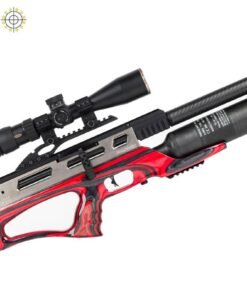
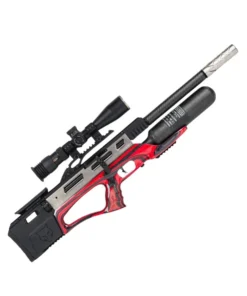
Air Rifles
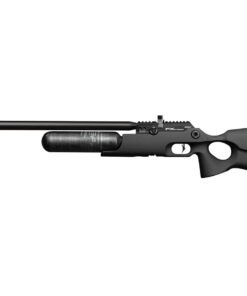
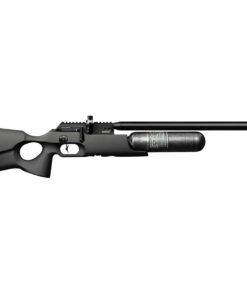
Air Rifles
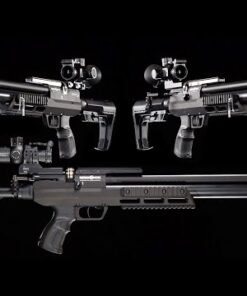
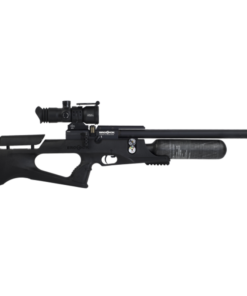
Air Rifles
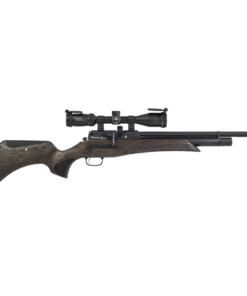
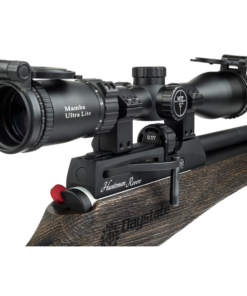
Air Rifles
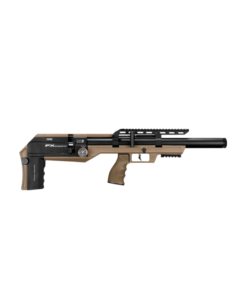
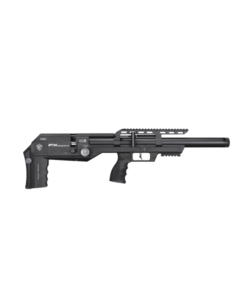
Air Rifles
Air Rifles
Reviews
There are no reviews yet.