



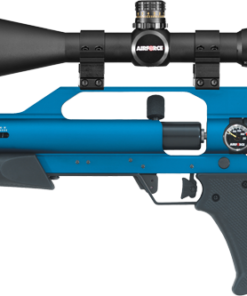
AirForce Airguns Talon SS Spin-Loc
$620.00
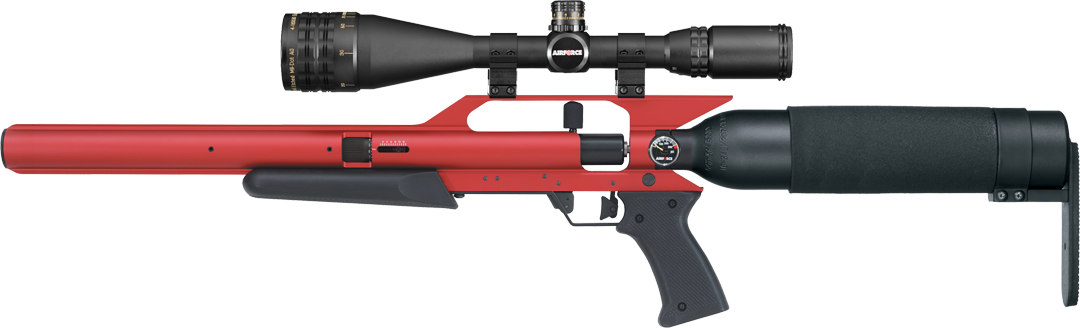
The Talon SS has become a very popular part of the product line thanks to the innovative muzzle cap that strips away air turbulence and reduces discharge sound levels. The Talon SS is light weight (5.25 lbs) and offers an adjustable power setting. Adjust the power down for quiet backyard target practice or up for small game hunting or pest control
An integral 11mm rail allows for easy mounting of lasers, bipods, and other accessories to provide the shooter with an adaptive air gun shooting system
Designed for air gun hunting in the growing number of states that allow hunting, this system can also be used by various military and law enforcement agencies for pest control or special tactical applications. With the new Spin-Loc technology filling the condor with air is as simple as attaching to the fitting and filling. No more removing the bottle to fill. The Spin-Loc tanks also include a gauge to monitor the tanks as you fill
AirForce Airguns Talon SS Spin-Loc – Compact, Adjustable and Quiet PCP Air Rifle


The AirForce Airguns Talon SS Spin-Loc has been created for shooters who value accuracy, adaptable power, compact handling and straightforward mechanical design. Built around AirForce Airguns’ distinctive pre-charged pneumatic platform, this lightweight single-shot rifle combines a precision barrel, a generous air reservoir and an externally adjustable power system in a remarkably portable package. Consequently, it can be configured for relaxed target sessions, disciplined accuracy practice and lawful pest-control or small-game applications where the selected caliber and local regulations are suitable.
Rather than being burdened with unnecessary bulk, the Talon SS has been shaped around a minimalist aluminum frame. A 490cc air tank is used as part of the shoulder interface, while the 12-inch barrel is housed within the rifle’s compact structure. An overall length of approximately 32.75 inches and an unloaded weight of about 5.25 pounds are therefore achieved. As a result, the rifle can be carried comfortably, maneuvered easily around a range bench and stored more conveniently than many full-length PCP rifles.
Most importantly, the Spin-Loc system adds genuine everyday convenience. The reservoir can be filled directly through a standard quick-disconnect fitting without being removed from the rifle, and remaining pressure can be monitored through the integrated gauge. Less time is consequently spent dismantling the setup or estimating the available air supply. More attention can instead be given to safe handling, pellet selection, sight alignment and consistent shooting technique.
The AirForce Airguns Talon SS Spin-Loc is not simply defined by one maximum velocity figure. Performance can vary with caliber, projectile weight, air pressure, environmental conditions and the chosen power-wheel setting. AirForce lists an adjustable velocity range of approximately 400 to 1,000 feet per second and energy of up to 40 foot-pounds, depending on the configuration. That broad operating window is one of the rifle’s greatest strengths because output can be matched more closely to the task rather than being locked at one level.
AirForce Airguns Talon SS Spin-Loc Highlights
- Compact PCP format: A 32.75-inch overall length supports easy handling in the field, at the range and during transport.
- Lightweight construction: At approximately 5.25 pounds before optics and accessories, the rifle can be carried without unnecessary fatigue.
- Spin-Loc filling system: The 490cc tank can be filled while attached to the rifle through a standard quick-disconnect connection.
- Integrated pressure gauge: Remaining reservoir pressure can be checked before and during a shooting session.
- Adjustable power: Output can be tuned to suit pellet choice, target distance, noise considerations and the intended lawful application.
- Precision barrel: A 12-inch Lothar Walther barrel is commonly specified for the Talon SS platform.
- Single-shot action: Each pellet is loaded individually, encouraging deliberate handling and careful pellet inspection.
- Automatic safety: The safety is engaged when the rifle is cocked, adding a useful mechanical safeguard without replacing proper muzzle and trigger discipline.
- Two-stage trigger: A predictable two-stage design supports controlled shot release.
- Recoil-free PCP operation: The absence of spring-piston recoil makes accurate follow-through and comfortable scope use easier.
- Accessory-ready frame: Scope and accessory rails allow the rifle to be configured around the shooter’s needs.
- Adaptable platform: Compatible AirForce components can support caliber, barrel, tank and accessory changes when properly selected and installed.
A Compact PCP Rifle Designed Around Practical Accuracy
Compactness is often associated with compromise, yet the Talon SS platform has been arranged so that useful air capacity and stable shooting characteristics can be retained. The air reservoir forms a structural part of the rifle instead of being placed beneath a conventional stock. Accordingly, space is used efficiently, and the visual profile remains clean and purposeful.
At the shoulder, the cylinder-based layout produces a different feel from a traditionally stocked sporting rifle. However, that difference can become an advantage once the optic height, cheek position and butt plate have been set thoughtfully. A repeatable head position can be established, the light front end can be directed without strain, and the rifle can be balanced around the supporting hand. Because fit varies between users, suitable high mounts or specialized AirForce accessories may be considered when a more elevated sight line is preferred.
The short overall package can be especially appealing on compact firing points. It can also be useful where a longer barrel would be inconvenient, provided that every shot is taken safely and legally. Nevertheless, the rifle should never be selected solely because it is small. An appropriate backstop, a clearly identified target and full awareness of what lies beyond it remain essential.
Lightweight Handling Without Spring Recoil
Only a modest amount of mass has to be supported because the basic rifle weighs approximately 5.25 pounds. Therefore, extended range sessions can feel less tiring, and the rifle can be steadied without the forward heaviness found on some long-barreled PCP designs. After a scope and mounts have been fitted, the complete setup should still remain manageable for many adult users.
In addition, the PCP powerplant does not produce the sharp two-way recoil associated with a spring-piston mechanism. Sight picture disturbance is reduced, and conventional airgun-rated optics can be chosen without needing to accommodate a heavy spring impulse. Follow-through still matters, of course, but the shooting cycle can feel calm and controlled.
A Single-Shot Action That Encourages Deliberate Shooting
Every projectile is loaded individually. Although a magazine may be faster, the single-shot format offers several practical benefits. Pellets can be inspected before loading, different designs can be compared without emptying a magazine, and each shot can be approached as a complete sequence. For target shooters who are testing groups, power settings or pellet weights, this simplicity can be highly valuable.
Mechanical complexity is also kept low. Fewer feeding components are present, so attention can be concentrated on careful loading and correct bolt operation. The muzzle must still be kept pointed in a safe direction throughout the loading process, and a pellet should never be inserted until the firing line or field situation is safe.
Spin-Loc Convenience for Easier Air Management
The Spin-Loc system is central to the appeal of this version of the Talon SS. Earlier detachable-tank arrangements could require the reservoir to be removed for filling or pressure checking. By contrast, the Spin-Loc tank incorporates a direct-fill connection and pressure gauge. The cylinder can therefore remain installed while a compatible fill source is connected.
That improvement may sound small, yet it changes the rhythm of ownership. Before shooting, the gauge can be inspected. When a refill is required, the rifle can be made safe, the fill equipment can be attached according to the manufacturer’s procedure and the reservoir can be charged gradually. Once filling has been completed, the line must be bled before the quick disconnect is removed. The exact instructions supplied with the rifle and fill equipment should always be followed.
Integrated Pressure Monitoring
Knowing the approximate reservoir pressure helps a shooter plan a session and identify when a refill is appropriate. Instead of relying entirely on a falling point of impact or an estimated shot count, the gauge can be consulted. Nevertheless, it should be treated as a monitoring instrument rather than a substitute for a carefully recorded fill-and-shot routine.
Every PCP has an effective operating range in which the chosen pellet and power setting produce the required consistency. That range can be established by firing over a chronograph in a safe environment. Velocity data, group size and pressure readings can then be recorded together. Through this method, a personal refill point can be identified without assuming that every caliber, pellet or tune behaves identically.
490cc Reservoir Capacity
A 490cc tank supplies substantial air capacity for a rifle of this length. Actual useful shot count will still depend on caliber, projectile weight, power level, fill pressure and the consistency standard being applied. A lower setting may preserve air and extend a target session, whereas a higher-energy configuration will generally consume more air per discharge.
For that reason, a fixed shot-count promise has not been made here. The most meaningful figure should be established with the exact rifle, pellet and tune that will be used. This transparent approach protects the buyer from unrealistic expectations and supports better performance decisions after purchase.
Safe Filling Requirements
The reservoir is rated for a maximum fill pressure of 3,000 psi or 200 bar. Only clean compressed air or dry nitrogen should be used as specified by AirForce; oxygen must never be introduced. Compatible, pressure-rated filling equipment is required, and the gauge on the fill source should be watched throughout the process.
Filling should be performed slowly to limit heat buildup. Before any connection is made, the hose, fittings and seals should be inspected. Afterward, the hose should be depressurized through its bleed valve before disconnection. If leakage, damage or abnormal behavior is noticed, use should be stopped and qualified service advice should be obtained.
Adjustable Power for Different Shooting Requirements
One of the most recognizable Talon SS features is its externally adjustable power wheel. Output can be increased or reduced without converting the rifle into a complicated tuning project. Thus, a calm target setup can be explored at one setting, while a more energetic configuration can be evaluated for a lawful field application at another.
Adjustment should always be approached methodically. A numbered setting is a reference point, not a guaranteed velocity. Actual performance is affected by pellet mass, pellet fit, caliber, reservoir pressure and the individual rifle. After the power setting has been changed, several shots may be needed before a stable result is assessed.
Why Variable Power Matters
Maximum power is not automatically the best power. At shorter target distances, a moderate output may reduce air use, lower impact energy and produce a pleasant shooting rhythm. Meanwhile, a projectile that groups well at one velocity may become less accurate when pushed faster. By allowing output to be explored, the Talon SS helps the shooter find a balanced setting.
Noise can also be influenced by power. The SS configuration has been designed to moderate its report through its barrel and frame arrangement, but no airgun should be described as silent. Sound varies with caliber, tune, projectile, surroundings and local measurement method. Hearing protection may still be appropriate, and shooting must never be conducted where noise or projectile travel could endanger or disturb others.
Advertised Velocity and Energy
AirForce advertises approximately 400 to 1,000 feet per second, depending on caliber, pellet weight and power setting. Energy may reach up to 40 foot-pounds in suitable configurations. These values describe the platform’s potential range rather than a promise for every rifle and projectile combination.
For a meaningful setup, velocity should be measured with a chronograph and energy should be calculated from the actual pellet weight. Local legal limits must also be checked. In jurisdictions where licensing or power restrictions apply, the owner is responsible for ensuring that the rifle remains compliant.
Precision Barrel and Recoil-Free Shooting Cycle
A quality barrel is only one part of an accurate air rifle, yet it is an important foundation. The Talon SS is commonly supplied with a 12-inch Lothar Walther barrel, giving the compact platform a well-regarded precision component. When an appropriate pellet, stable fill range and consistent technique are combined, dependable grouping can be pursued.
Because compressed air drives the pellet without a spring-piston power stroke, the rifle’s movement at discharge is limited. A shooter can therefore maintain the sight picture and observe the result more easily. The greatest benefits will still be realized when the trigger is pressed smoothly, the rifle is supported consistently and the same cheek position is repeated.
Pellet Selection and Barrel Preference
Airgun barrels often show clear pellet preferences. Two projectiles with the same nominal caliber may differ in head size, skirt design, mass and material consistency. Consequently, the most expensive or fastest pellet will not necessarily produce the smallest group.
A sensible test begins with several reputable domed pellets in appropriate weights. Five-shot or ten-shot groups can be fired at a controlled distance, while wind and point of aim are kept as consistent as possible. Promising candidates can then be tested at longer distances. Once a preferred pellet has been identified, several tins from the same production lot may be useful for repeatability.
Barrel Changes and Platform Adaptability
The AirForce architecture has long been valued for its modular character. Compatible barrels may allow caliber or length changes, although any conversion should be completed with correct AirForce parts and instructions. A longer barrel can alter handling, sound behavior and performance, while a caliber change also requires compatible components and pellets.
Buyers should confirm exactly what is included with the listed rifle. Unless a bundle explicitly states otherwise, extra barrels, optics, fill equipment and alternate tanks should be treated as optional purchases. This distinction keeps the product page accurate and prevents accessories shown in photography from being mistaken for included equipment.
Caliber Choices and Their Practical Character
Availability can vary by market and production run, while the Talon SS platform has been associated with .177, .20, .22 and .25 caliber configurations. Each caliber offers a different balance of trajectory, energy, air use and projectile cost. The best choice should therefore be based on the intended lawful task rather than on caliber size alone.
.177 Caliber
The .177 option can be attractive for paper targets, informal precision practice and applications where economical pellets and a relatively flat trajectory are valued. A wide pellet selection is normally available, which makes systematic accuracy testing easier. At suitable power, it can also serve lawful pest-control roles, but the projectile and energy level must be matched responsibly to the quarry and local rules.
Because lighter pellets can reach higher velocity, headline speed figures are often associated with .177 caliber. However, accuracy and stable flight are more important than the largest possible number. A moderate tune with a pellet that groups well may provide the better real-world result.
.20 Caliber
The .20 configuration occupies a middle position between .177 and .22. Its supporters often appreciate the combination of a modest projectile diameter and useful pellet mass. Nevertheless, pellet availability may be narrower in some locations. Before choosing this caliber, the buyer should confirm a reliable supply of suitable ammunition.
.22 Caliber
For many users, .22 offers a versatile balance. Pellets carry more mass than typical .177 projectiles, yet broad availability and manageable air consumption can be retained. Accordingly, .22 may appeal to shooters who want one setup for targets and appropriately scaled field use.
Trajectory will generally be more curved than with a lighter, faster .177 pellet, so range estimation and holdover practice remain important. With a properly chosen pellet and verified tune, however, useful precision and energy can be combined.
.25 Caliber
The .25 configuration emphasizes projectile mass and impact energy. It may be selected for lawful pest control or small-game hunting where the rifle’s measured output, range and the shooter’s competence are sufficient. Higher air consumption and a more pronounced trajectory should be expected, while pellet cost may also be greater.
Ethical field use requires more than caliber selection. Accuracy must be demonstrated from realistic positions, distance must be known, and only shots offering a safe backstop and high probability of a humane result should be considered.
Two-Stage Trigger and Automatic Safety
A two-stage trigger helps the shooter prepare the shot through a defined first stage before pressure is increased for release. This arrangement can support deliberate control, particularly when the rifle is being used for group testing or small targets. Trigger feel should be learned with the rifle unloaded, depressurized only when the manual calls for it, and pointed in a safe direction.
The trigger is described by AirForce as adjustable for position. Any adjustment must remain within the manufacturer’s guidance, and sear engagement or other safety-critical surfaces should not be altered by an unqualified person. If the trigger behaves unexpectedly, the rifle should be unloaded and inspected by a competent technician.
Automatic Safety on Cocking
The safety is automatically applied when the action is cocked. This feature can reduce the chance that the rifle is left ready to fire unintentionally. Even so, a safety is mechanical and can fail. The muzzle must always be controlled, the trigger finger must remain outside the guard until the shot is intended, and the rifle must be treated as loaded whenever its status is uncertain.
Optics and Accessory Setup
No traditional open sights should be assumed to be included. An optical sight is normally selected for the rifle, allowing magnification and reticle type to be matched to the intended distance. The Talon SS frame provides mounting grooves, but compatible ring dimensions and suitable height must be confirmed.
Because the air tank forms the rear structure, some shooters prefer taller mounts than they would use on a conventional stock. Correct height helps the head remain upright and repeatable. Rings must also position the scope so that comfortable eye relief is obtained without forcing the neck forward or backward.
Choosing a Scope
For short-range targets and general use, a compact variable-power scope can preserve the rifle’s light handling. Higher magnification may assist precise group testing, although extra weight and a narrower field of view will be added. Parallax adjustment can be useful at airgun distances, especially when small targets are being engaged.
An optic should be selected for clarity, reliable adjustment and an appropriate minimum focus distance. Reticle subtensions can then be verified at known ranges. Rather than relying only on ballistic estimates, actual impacts should be recorded for the chosen pellet and power setting.
Useful Accessories
- Compatible scope and rings for accurate aiming and a comfortable sight line.
- Rated fill source such as an appropriate hand pump, compressor or high-pressure cylinder system.
- Correct quick-disconnect fitting for the Spin-Loc fill port.
- Chronograph for measuring real velocity and calculating muzzle energy.
- Pellet sampler for identifying the barrel’s preferred projectile.
- Protective case sized for the rifle and mounted optic.
- Cleaning supplies specifically suited to airgun barrels and seals.
- Secure storage equipment appropriate to local law and the household.
- Eye protection for every person on or near the firing line.
- Hearing protection where sound level, setting or range rules make it advisable.
Accessories pictured should not be assumed to be included. The package contents shown beside the price and variation selector should be treated as authoritative.
Target Shooting With the Talon SS Spin-Loc
On a paper target, the rifle’s adjustable power and single-shot action can become teaching tools. A shooter can learn to load each pellet carefully, establish a stable position, control breathing and press the trigger without disturbing the reticle. Because the firing cycle is calm, errors in technique can be observed instead of being hidden by heavy recoil.
At the beginning of a session, the reservoir pressure should be recorded and the barrel should be allowed a few settling shots if the pellet or tune has changed. Groups can then be fired at a fixed point of aim. When the pressure drops, any corresponding change in velocity or point of impact can be noted.
Benchrest Practice
From a supported bench, pellet performance can be isolated from much of the shooter’s movement. The forend or frame should be supported consistently without placing pressure on the barrel or air system. Meanwhile, the rear of the rifle should be held in the same shoulder position for every shot.
A five-shot group may reveal obvious incompatibility, but ten-shot groups provide a fuller picture. Several groups should be compared before a conclusion is reached. If one pellet performs well, the test can be repeated on another day to confirm that the result was not accidental.
Offhand and Positional Training
Once the rifle has been zeroed, its light weight can support standing, kneeling and seated practice. Lower magnification may make natural movement easier to manage. Short, focused strings can be used so fatigue does not turn good practice into repeated poor technique.
The adjustable power system can also help create an economical training setup. If a lower output remains accurate at the chosen distance, more useful shots may be obtained from the fill. Every setting must still be tested rather than assumed.
Lawful Pest Control and Small-Game Use
Where local law permits, a correctly configured Talon SS may be considered for pest management or small game. The rifle’s compact length can be convenient, while adjustable output allows a tune to be selected around the caliber, pellet and required distance. However, humane performance depends on verified accuracy and sufficient energy at the target—not simply on advertised muzzle figures.
Before field use, the exact pellet should be tested extensively. The shooter should know the zero distance, trajectory, wind drift and maximum distance at which a vital-zone group can be produced reliably. Beyond that personal accuracy limit, a shot should not be taken.
Responsible Field Preparation
Permission must be obtained from the landowner, and the law governing airgun ownership, transport, discharge, hunting seasons and protected species must be checked. A safe line of fire should be identified before the rifle is loaded. Hard surfaces, water and shallow angles should be avoided because ricochet risk can be increased.
The pressure gauge should be checked before leaving the vehicle or staging area. A spare fill source may be useful, but it must be transported securely and protected from heat or damage. Pellets should be kept clean and dry so debris is not introduced into the breech.
Humane Range Limits
An ethical range is set by the smallest consistently repeatable group under realistic conditions. Wind, body position and target movement can reduce field accuracy relative to a bench. Therefore, a conservative limit should be adopted. If conditions change or a safe backstop disappears, the opportunity must be declined.
Sound-Conscious Shooting
The “SS” identity is associated with a configuration intended to reduce report compared with an unshrouded arrangement. That characteristic can make the rifle more pleasant at an appropriate private range or rural property. Nevertheless, descriptions such as “silent” or “whisper quiet” should be avoided because perceived and measured noise vary substantially.
Power setting, caliber, pellet, surrounding structures and the listener’s position all influence sound. A covered firing point may reflect noise toward the shooter, while open ground may seem quieter. Legal restrictions covering moderators or sound-reducing devices also differ by jurisdiction, so locally applicable requirements must be followed.
Built for Shooters Who Prefer a Modular Platform
Some rifles are purchased as fixed configurations. The Talon SS is better understood as a platform that can be adapted over time. An owner may begin with a simple scope and one preferred pellet, then add a chronograph-tested tune, improved carrying solution or compatible AirForce accessory as experience develops.
This modularity can preserve long-term interest. Instead of replacing the complete rifle when a different use is considered, compatible components may be explored. Yet every modification must be evaluated for safety, legality and component compatibility. The manufacturer’s instructions should take priority over informal online advice.
Simple, Purposeful Construction
The frame-based design presents fewer decorative surfaces than a traditional wood-stocked rifle. For many buyers, that industrial appearance is part of the attraction. Controls are accessible, the central structure is rigid, and unnecessary mass is limited.
Maintenance can also be approached logically. External surfaces can be wiped after handling, fasteners can be checked without overtightening, and O-rings can be serviced with manufacturer-approved materials. Petroleum-based products must not be introduced into a high-pressure air system because dangerous combustion may occur.
Ownership, Maintenance and Storage
Consistent performance begins with correct care. The rifle should be kept dry, protected from impact and stored securely away from unauthorized users. A lightly treated cloth can be used on appropriate external metal surfaces, while the barrel should only be cleaned when accuracy indicates a need or the manufacturer recommends it.
Excessive cleaning can damage seals or the barrel crown if improper tools are used. A pull-through system and airgun-compatible products are generally preferred over aggressive firearm solvents. Instructions supplied by AirForce should always be followed.
Seal and Fastener Care
High-pressure seals naturally require attention over a long service life. If a slow leak is suspected, pressure readings can be recorded over time in a temperature-stable location. The system should not be disassembled while pressurized. Qualified service should be used whenever the correct depressurization procedure or component condition is uncertain.
Mounting screws and accessory fasteners may be inspected periodically. They should be snugged to appropriate specifications, not forced. Excess thread-locking compound can migrate or make later maintenance difficult, so only approved products and quantities should be used.
Secure Storage
The rifle must be stored as required by local law. Pellets and filling equipment may need separate protection, particularly in a household with children or visitors. A locked cabinet or case helps prevent unauthorized access and shields the optic from knocks and dust.
Pressure-storage guidance in the manual should be followed. The reservoir should never be exposed to excessive heat, puncture risk or corrosive environments. Any cylinder with visible damage should be removed from service and assessed by a qualified professional.
Why Buy the AirForce Airguns Talon SS Spin-Loc?
The strongest reason to choose this rifle is not a single headline specification. Instead, its appeal is created by the way several useful features work together. Compact dimensions make handling easy. Low basic weight keeps the setup portable. Adjustable power supports experimentation. The precision barrel and recoil-free cycle encourage accurate shooting. Finally, the Spin-Loc reservoir makes pressure monitoring and refilling more convenient.
For a buyer who enjoys mechanical simplicity, the single-shot action can be reassuring. For an accuracy-focused shooter, the ability to test one pellet at a time can be valuable. Meanwhile, anyone who dislikes removing a reservoir for routine fills may appreciate the direct-fill connection immediately.
A Strong Choice for Deliberate Shooters
Rapid follow-up shots are not the purpose of this platform. Instead, the Talon SS rewards a measured sequence: confirm the target, load one pellet, settle the sight picture, release the shot and evaluate the result. That rhythm can be highly satisfying on the range and appropriate for carefully planned field use.
Adaptability Without Excess Weight
Many adaptable rifles become heavy once rails, bottles and stock hardware are added. By contrast, the Talon SS begins at approximately 5.25 pounds. Therefore, a practical scope and essential accessories can be installed while keeping overall weight reasonable.
Convenient Air-System Design
Direct filling and gauge monitoring solve two everyday PCP concerns. The shooter can see the approximate pressure and top up the tank without unthreading it from the rifle. Although safe filling procedures remain essential, the physical process becomes more convenient.
Who Is This Rifle Best Suited To?
The AirForce Airguns Talon SS Spin-Loc may suit an adult shooter who wants a compact, single-shot PCP with adjustable output and an unconventional modular layout. It can serve an enthusiast who enjoys pellet testing, a target shooter who values a calm firing cycle or an experienced airgun owner seeking a lightweight field platform.
It may be less appropriate for someone who requires a factory magazine, a conventional wood stock or a complete ready-to-shoot package with no need for separate filling equipment. As with most PCP rifles, a compatible external air source is required and is normally sold separately.
Suitable Buyer Profiles
- Target shooters who want a light, accurate and tuneable PCP platform.
- Airgun enthusiasts who appreciate modular components and direct mechanical controls.
- Owners seeking a compact rifle for lawful use on appropriately sized private ranges.
- Responsible pest-control users who have verified caliber, energy and accuracy requirements.
- Shooters who prefer single-shot loading and careful ammunition testing.
- Buyers who value an onboard gauge and attached-tank filling convenience.
Important Purchase Considerations
Before ordering, the selected caliber should be confirmed. The package contents should also be reviewed carefully, especially if a scope, rings, fill adapter or pump is shown in an image. Product photographs may display optional equipment.
Local ownership and power rules must be checked before purchase. Some regions classify an air rifle according to muzzle energy, caliber or intended use, while others impose age, licensing, storage or transport requirements. The buyer is responsible for lawful acquisition and use.
What Is Normally Needed to Begin Shooting?
In addition to the rifle, most users will need a compatible optic and mounts, suitable pellets and a clean high-pressure fill source. Eye protection, a safe target holder and a pellet-rated backstop are also essential. A chronograph is strongly recommended for owners who adjust power or must remain below a legal energy limit.
Confirming the Selected Variation
Caliber and color options may affect stock status. Technical details may also be updated by the manufacturer. Consequently, the variation shown in the cart and order confirmation should be checked before payment. If a particular barrel, finish or bundle component is essential, confirmation should be requested before the order is finalized.
Technical Specifications
| Specification | AirForce Talon SS Spin-Loc |
|---|---|
| Powerplant | Pre-charged pneumatic (PCP) |
| Action | Single shot |
| Cocking/loading | Bolt-operated manual loading system |
| Advertised velocity | Approximately 400–1,000 fps, configuration dependent |
| Advertised energy | Up to 40 ft-lb, configuration dependent |
| Power adjustment | User-adjustable |
| Maximum fill pressure | 3,000 psi / 200 bar |
| Approved fill gas | Clean compressed air or dry nitrogen only |
| Reservoir volume | 490cc |
| Fill system | Spin-Loc direct-fill system with gauge |
| Barrel | 12-inch precision barrel; commonly specified as Lothar Walther |
| Overall length | Approximately 32.75 inches |
| Weight | Approximately 5.25 pounds without optic/accessories |
| Trigger | Two-stage; adjustable for position according to current manufacturer listing |
| Safety | Automatic on cocking |
| Sights | No fixed sights assumed; optic normally required |
| Calibers | Market-dependent; commonly associated with .177, .20, .22 and .25 |
Specifications can change, and measured performance varies with the selected caliber, pellet, pressure and setting. The exact variation and current package contents should be confirmed before ordering.
AirForce Airguns Talon SS Spin-Loc Frequently Asked Questions
Is the Talon SS Spin-Loc a PCP air rifle?
Yes. It uses a pre-charged pneumatic powerplant. Its reservoir must be filled from a compatible high-pressure source before shooting. A pump, compressor or charging cylinder is not automatically included unless the selected bundle states that it is.
What does Spin-Loc mean?
Spin-Loc refers to AirForce’s tank attachment and filling arrangement. A compatible reservoir can be filled directly through a standard quick-disconnect fitting while it remains installed, and a built-in gauge allows pressure to be monitored.
What is the maximum fill pressure?
The listed maximum is 3,000 psi or 200 bar. That limit must not be exceeded. Only clean compressed air or dry nitrogen should be used, and all filling equipment must be correctly pressure rated.
How fast does the Talon SS shoot?
AirForce advertises an approximate range of 400 to 1,000 feet per second. Actual velocity depends on caliber, pellet weight, pressure and the selected power setting. A chronograph is required if an exact figure is needed.
How powerful is it?
Energy is advertised at up to 40 foot-pounds in suitable configurations. Not every caliber and pellet will produce that figure. Actual muzzle energy should be calculated from chronograph data, particularly where a legal limit applies.
Is it a repeating rifle?
No. The standard Talon SS format is single shot. One pellet is loaded for each firing cycle.
Does it include a scope?
A scope should not be assumed to be included unless it is expressly listed in the bundle. Product photographs may show optional optics and mounts for illustration.
Does it have open sights?
Fixed open sights are not normally assumed. An optical sight is generally installed on the available mounting rail.
What barrel length is supplied?
The standard Talon SS specification uses a 12-inch barrel. Compatible alternate barrels may exist, but they should be purchased and installed according to AirForce guidance.
Is the barrel made by Lothar Walther?
The Talon SS is commonly specified with a Lothar Walther barrel. Because production details can change, the exact current variation should be confirmed if barrel branding is a deciding factor.
How much does the rifle weigh?
The basic rifle is listed at approximately 5.25 pounds. A scope, rings and other accessories will increase the ready-to-use weight.
What is the overall length?
Overall length is approximately 32.75 inches in the standard 12-inch-barrel configuration.
How many shots can be obtained from one fill?
No single figure applies to every setup. Useful shot count changes with caliber, pellet, power setting, fill pressure and the velocity spread the shooter accepts. The best result should be established through chronograph testing.
Can power be adjusted?
Yes. A user-adjustable power system is provided. Each change should be tested because the number on the wheel is a reference rather than an exact velocity setting.
Is the Talon SS silent?
No air rifle should be described as completely silent. The SS arrangement is intended to reduce report, but sound depends on the configuration, power level, surroundings and measurement position.
Is recoil produced?
Traditional spring-piston recoil is absent. A small movement and discharge impulse may still be felt, but the shooting cycle is generally calm.
Can the caliber be changed?
The platform supports a high degree of modularity, and compatible barrel/caliber conversions may be available. Correct components and manufacturer instructions must be used, and all legal requirements must be observed.
Is .177 or .22 better?
Neither is universally better. .177 can be attractive for economical target shooting and a flatter trajectory, while .22 often offers a useful blend of pellet mass, availability and field energy. The intended use and local law should guide the decision.
What is .25 caliber best for?
Where lawful, .25 may be chosen when greater projectile mass and energy are needed for appropriately scaled pest-control or small-game tasks. Air use, trajectory and pellet cost should also be considered.
Can the rifle be used for hunting?
It may be suitable for legal, humane hunting in an appropriate caliber and tune. The shooter must confirm local law, quarry suitability, actual energy, accuracy and a safe backstop before field use.
Is it suitable for beginners?
A responsible adult beginner can learn the platform with qualified guidance, but PCP filling, high-pressure equipment and adjustable power introduce responsibilities. Formal safety instruction is strongly recommended.
What type of air should be used?
Only clean compressed air or dry nitrogen should be used as approved by AirForce. Oxygen and other reactive gases must never be used.
Can a normal shop compressor fill it?
Most ordinary low-pressure workshop compressors cannot reach 3,000 psi and are unsuitable. A purpose-built PCP compressor, suitable hand pump or rated cylinder system is required.
Should the tank be removed for filling?
The Spin-Loc system is designed so the tank can be filled while attached. The supplied manual must be followed, and the hose must be bled before disconnection.
Why does the pressure gauge matter?
It provides an immediate indication of the air remaining in the reservoir. This helps the shooter plan refills and monitor the established operating range.
Does the automatic safety replace safe handling?
No. It is only a mechanical aid. The muzzle must remain controlled, the trigger finger must stay outside the guard until firing is intended, and the target and background must be known.
How should the Talon SS be stored?
It should be secured against unauthorized access, kept dry and protected from heat or impact. Local storage laws and the manufacturer’s pressure guidance must be followed.
How should the barrel be cleaned?
Cleaning should be performed only with airgun-appropriate products and tools, following the manual. Aggressive firearm solvents and hard rods can damage seals or the crown.
Can petroleum oil be used in the fill system?
No petroleum lubricant should be placed in a high-pressure air path. Heat generated during compression can make unsuitable lubricants hazardous. Only manufacturer-approved products should be used.
Is a chronograph necessary?
It is highly recommended. A chronograph reveals actual velocity, helps locate a consistent pressure range and allows energy to be calculated. It is especially important after changing pellets or power.
What pellets should be used?
Well-made pellets of the correct caliber should be tested. Domed designs are often a sensible starting point, but the barrel’s preference must be established through grouping rather than assumption.
Are accessories in the photos included?
Only components named in the selected package should be considered included. Scopes, rings, bipods, pumps, fill adapters and cases may be shown for illustration.
Order the AirForce Airguns Talon SS Spin-Loc
When a compact profile, adjustable output and uncomplicated single-shot operation are priorities, the AirForce Airguns Talon SS Spin-Loc deserves serious consideration. Its 490cc reservoir supports practical shooting sessions, while the onboard gauge and direct-fill connection simplify air management. Meanwhile, the lightweight frame and recoil-free PCP action make the rifle comfortable to carry and rewarding to shoot.
Choose the preferred caliber, review the exact package contents and add compatible filling equipment, optics and pellets where required. Once the setup has been safely assembled, a careful pellet test and chronograph session can be used to establish the rifle’s most accurate and efficient tune.
Shop with confidence through Elite Air Gun Shop for carefully selected PCP air rifles, optics, pellets and accessories. Before completing the order, please verify local ownership, power, transport and use requirements. Responsible shooting, secure storage and a suitable backstop must remain part of every session.
SEO Metadata Recommendations
SEO title: AirForce Airguns Talon SS Spin-Loc PCP Air Rifle
Meta description: Buy the AirForce Airguns Talon SS Spin-Loc PCP air rifle with adjustable power, a 490cc tank, onboard gauge and compact 32.75-inch design.
Suggested URL slug: airforce-airguns-talon-ss-spin-loc
Primary keyphrase: AirForce Airguns Talon SS Spin-Loc
Suggested secondary phrases: AirForce Talon SS PCP air rifle; Talon SS Spin-Loc air rifle; adjustable power PCP rifle; compact AirForce air rifle; single-shot PCP airgun.
Suggested product tags: AirForce Airguns, Talon SS, Spin-Loc, PCP air rifle, compact PCP, adjustable power air rifle, single-shot air rifle, target air rifle, small-game air rifle, 490cc air tank.
Publisher Accuracy Note
This copy was prepared around manufacturer-published platform specifications available in September 2026. Caliber availability, finish, included equipment and specifications may change. Before publishing, the store should replace any general package language with the exact contents, condition, price, warranty and shipping terms for its own stock. Claims about velocity, energy, sound and shot count should remain qualified because results vary with caliber, pellet, tune, pressure and test conditions.
Practical Use Scenarios
A versatile pre-charged pneumatic rifle becomes especially valuable when it can be adapted to different shooting environments without requiring extensive mechanical changes. Adjustable output, compact dimensions, manageable weight, accurate single-shot loading, and a convenient onboard air system allow this model to serve several practical purposes. Whether it is being used for target practice, controlled pest management, small-game hunting, training, or precision pellet testing, its performance can be tailored to match the situation.
Nevertheless, every shooting activity must be conducted legally and responsibly. Local ownership restrictions, power limits, hunting regulations, safe-storage requirements, and permitted shooting locations should always be confirmed beforehand. Furthermore, a secure backstop, appropriate eye protection, safe muzzle direction, and careful target identification must be maintained throughout every session.
Backyard Target Practice
Where local laws and available space permit, this rifle can be configured for controlled backyard target shooting. Its adjustable output allows a moderate setting to be selected for shorter distances, helping reduce unnecessary air consumption and impact energy. However, a properly constructed pellet trap and dependable backstop must always be installed behind the target.
Before shooting begins, the surrounding area should be checked carefully. People, domestic animals, vehicles, windows, hard surfaces, and neighboring properties must be kept outside the possible line of fire. Moreover, targets should never be placed against thin fencing, trees, water, sheet metal, or other surfaces from which pellets may ricochet.
Once the environment has been secured, paper targets can be positioned at a suitable distance. A moderate magnification setting will usually provide a clear sight picture without making normal body movement appear excessive. Because each pellet is loaded individually, a steady routine can be followed: load carefully, close the action, settle the reticle, control breathing, release the trigger smoothly, and observe the result.
Lower power may also provide more useful shots from a single fill. Nevertheless, accuracy must be confirmed after every significant adjustment. A lower setting should not automatically be assumed to produce the same point of impact as a higher one. Several groups should therefore be fired before the optic is adjusted or the chosen setting is accepted.
Precision Benchrest Shooting
A supported shooting bench provides an excellent environment for discovering the rifle’s true accuracy potential. Because spring-powered recoil is absent, the firing cycle remains controlled and predictable. Consequently, small differences between pellets, pressure levels, and shooting techniques can be identified more easily.
The rifle should be supported beneath its main frame or suitable fore-end area without placing pressure against the barrel. Meanwhile, a rear bag can be positioned so that the sight picture is aligned naturally with the target. Excessive gripping should be avoided because inconsistent shoulder pressure can affect point of impact.
Several pellet types can then be compared. Rather than changing multiple factors at once, one pellet design should be tested across several groups. Reservoir pressure, power setting, group size, weather conditions, and any unusual shots can be recorded in a notebook. Through this structured process, the most consistent combination can be recognized.
Five-shot groups may be used during initial screening. Afterward, the most promising pellets should be tested with ten-shot groups. A single impressive group may occur by chance, whereas repeated performance offers stronger evidence. Once a preferred projectile has been selected, the optic can be zeroed precisely at the distance most frequently used.
Recreational Plinking
Informal plinking can provide an enjoyable way to practice safe gun handling and improve shooting confidence. Suitable reactive targets may include purpose-built steel airgun targets, resetting targets, spinning systems, or biodegradable objects placed against a reliable backstop. Glass, pressurized containers, stones, and unsafe improvised targets must never be used.
The rifle’s light weight makes it comfortable during relaxed shooting sessions. Additionally, its compact length allows it to be repositioned easily between supported, seated, kneeling, and standing positions. Different target sizes can be introduced gradually so that difficulty increases without encouraging rushed shots.
Since the action is single shot, ammunition is not discharged rapidly. Each pellet must be loaded deliberately, allowing concentration to be restored before the next attempt. This slower rhythm can improve discipline while helping conserve both pellets and compressed air.
A moderate power setting may be sufficient for most short-range plinking. In turn, reduced air consumption can extend the session. However, steel targets must be rated for the actual energy produced, and minimum safe distances specified by the target manufacturer must be observed.
Pellet Testing and Performance Tuning
Airgun barrels frequently demonstrate preferences for particular pellet shapes, weights, or head sizes. Therefore, systematic ammunition testing can produce a larger accuracy improvement than simply selecting the highest available power setting.
Testing should begin with clean, undamaged pellets from reputable manufacturers. Domed designs often provide a sensible starting point because they generally retain energy and resist wind reasonably well. Nevertheless, flat-headed pellets may perform effectively on paper at short range, while heavier designs may be preferred for certain lawful field applications.
A chronograph can be positioned according to its manufacturer’s safety instructions. Several shots should then be fired at one power setting so that average velocity, extreme spread, and standard deviation can be examined. Muzzle energy may be calculated using the measured velocity and the projectile’s actual weight.
Only one adjustment should be made between tests. For example, the pellet can be kept constant while power is changed. Alternatively, the power setting can remain fixed while different projectiles are compared. This controlled approach prevents useful conclusions from being confused by several changing variables.
After an efficient and consistent setting has been identified, accuracy should be confirmed on paper. The fastest result may not produce the smallest group. Instead, the ideal tune will usually balance accuracy, usable shot count, trajectory, sound, and sufficient energy for the intended purpose.
Farm and Property Pest Management
On farms, warehouses, orchards, or other private properties, responsible pest management may sometimes be required. Before any air rifle is used, the target species must be identified correctly, permission must be obtained, and applicable wildlife and pest-control regulations must be confirmed.
The compact design can be useful around confined outdoor working areas where a long rifle might be inconvenient. Furthermore, adjustable output allows performance to be matched more carefully to the selected caliber, pellet, distance, and quarry. Nevertheless, the safest and most humane solution should always be chosen, and professional pest-control assistance may be more appropriate in complex environments.
A detailed site assessment should be completed before shooting. Buildings, livestock, workers, machinery, roads, electrical equipment, and neighboring land must be considered. Pellets can travel much farther than many people expect, so the apparent absence of activity near the target is not enough. A dependable backstop must be present directly behind every intended point of impact.
The rifle should be zeroed with the exact pellet that will be used. Accuracy should then be verified from realistic positions and distances. If the shooter cannot consistently place every shot inside the required vital area, the distance must be reduced or the shot should be declined.
Small-Game Hunting
Where permitted, a properly configured setup may be used for appropriately sized small game. Caliber, muzzle energy, projectile construction, retained downrange energy, and shot placement must all be considered together. A larger caliber alone does not guarantee a humane result.
Before entering the field, the shooter should confirm the rifle’s trajectory at several measured distances. The primary zero may be established first, followed by closer and farther impact checks. Holdover or hold-under references can then be recorded for the optic’s reticle.
Wind must also be considered. A light pellet can be moved noticeably across an exposed field, even when conditions appear calm at the firing position. Practicing on paper during different wind conditions helps reveal when a shot should not be attempted.
The onboard pressure gauge can be checked before the hunt begins. Because the preferred operating range should already have been established through chronograph testing, the shooter can determine whether sufficient pressure remains. A refill should be completed in a safe staging area rather than during an uncertain field situation.
Ethical distance must be based on demonstrated accuracy, not the rifle’s theoretical maximum range. If the target is moving, partly obscured, facing an unsuitable direction, or positioned without a safe backstop, the opportunity should be allowed to pass.
Indoor Range Training
A professionally managed indoor range offers consistent lighting, controlled distances, secure target systems, and protection from wind. If the facility allows suitable PCP rifles, this platform can be used for trigger-control practice, position training, zero confirmation, and pellet comparison.
Before arrival, the range’s velocity, energy, caliber, and equipment rules should be checked. Some facilities restrict higher-powered airguns or require specific target systems. The selected power setting may therefore need to be verified with a chronograph.
At shorter indoor distances, magnification can be reduced and parallax can be adjusted where the optic provides that feature. A clear sight picture and relaxed head position should be established before firing. Since the reservoir also forms part of the shoulder interface, mount height may need careful adjustment to create comfortable alignment.
Structured drills can be introduced once basic accuracy has been confirmed. For example, five carefully timed shots can be fired while breathing and trigger release are monitored. Alternatively, several small aiming points can be used so that only one pellet is placed on each target. This prevents earlier holes from making later impacts difficult to evaluate.
Skill Development for New Shooters
With qualified supervision, the calm PCP firing cycle and single-shot action can help a responsible adult newcomer learn fundamental shooting skills. Training should begin before the rifle is pressurized or loaded. Muzzle awareness, trigger discipline, safety operation, target identification, and range commands must be explained clearly.
The first practice session can be conducted from a supported bench at moderate power. A large paper target should be used so that early success is achievable. Only one pellet should be provided at a time, and the supervisor should control the loading and firing sequence until safe habits are demonstrated consistently.
Because an automatic safety is engaged during cocking, the learner gains an additional reminder before each shot. However, it must be made clear that no mechanical safety replaces responsible handling. The rifle must remain pointed toward the backstop even when the safety is applied.
As confidence develops, smaller targets and unsupported positions can be introduced gradually. Speed should never be emphasized over safety and consistency. The goal should be a repeatable process rather than rapid pellet use.
Extended Range-Day Sessions
A full range day requires more planning than a short practice session. The rifle, scope, rings, pellets, filling equipment, quick-disconnect fittings, protective case, eye protection, chronograph, targets, and basic maintenance supplies should be checked before departure.
The 490cc reservoir offers useful capacity, while the pressure gauge makes the remaining supply easier to monitor. Even so, an additional filling source may be needed for extended use. Any high-pressure cylinder must be transported upright or otherwise secured according to its manufacturer’s requirements.
At the firing point, the rifle should be inspected before loading. Mounts should remain secure, the barrel should be unobstructed, and the fill system should show no visible damage. After the first groups have been fired, the zero can be confirmed before more demanding targets are attempted.
Instead of firing continuously, short breaks should be taken. Fatigue can affect posture, trigger control, and judgment. Recorded pressure and velocity information can also be reviewed during these pauses, allowing the shooter to determine whether a refill or power adjustment is required.
Field Carrying and Mobile Use
Low basic weight can be appreciated when the rifle must be carried between shooting positions. A suitable sling or protected case may be added, provided that it does not interfere with the action, fill connection, pressure gauge, or safe muzzle control.
During movement, the rifle should be unloaded and made safe. Obstacles, fences, vehicles, and slippery ground should never be crossed with a pellet in the breech. After a new position has been reached, the target area and backstop must be assessed again because the shooting angle will have changed.
The compact format can also simplify transportation. Nevertheless, local regulations concerning cases, vehicle storage, public visibility, and separation from ammunition must be followed. The rifle should never be left unattended inside an unsecured vehicle.
Final Practical Perspective
Across these scenarios, the greatest advantage is adaptability. Power can be adjusted, different pellets can be evaluated, pressure can be monitored, and the lightweight frame can be configured with an optic suited to the task. Consequently, one carefully prepared setup can support relaxed practice, technical accuracy testing, structured training, and lawful field use.
Ultimately, consistent performance will be achieved through preparation rather than specifications alone. A safe location must be selected, the preferred pellet must be identified, the useful pressure range must be recorded, and the chosen setting must be verified with both targets and a chronograph. When those steps are followed, a dependable and rewarding shooting experience can be enjoyed while safety, legality, and responsible ownership remain firmly protected.
Why This Rifle Is a Better Choice
Choosing the right pre-charged pneumatic rifle requires more than comparing maximum velocity figures. Accuracy, handling, adjustability, reliability, air capacity, filling convenience, maintenance requirements, and long-term versatility must all be considered. This model brings those qualities together in a lightweight and highly adaptable package, making it a strong option for target shooters, recreational users, experienced airgun enthusiasts, and responsible field shooters.
Instead of being designed around unnecessary decorative features, the rifle has been built around practical performance. Its compact frame, adjustable output, precision barrel, single-shot action, and convenient air-filling arrangement allow it to be configured for different shooting requirements. Therefore, buyers are given greater control over how the rifle performs rather than being restricted to one fixed setup.
Compact and Lightweight Construction
One of the most convincing reasons to choose this rifle is its manageable size. An overall length of approximately 32.75 inches makes it noticeably easier to handle than many full-length air rifles. It can be transported conveniently, positioned comfortably at a shooting bench, and carried through suitable outdoor environments without excessive bulk.
Furthermore, the basic rifle weighs approximately 5.25 pounds before an optic and accessories are installed. Because unnecessary weight has been reduced, fatigue can be limited during longer practice sessions. The rifle can also be held more comfortably from standing, kneeling, seated, and supported positions.
Although the design is compact, useful air capacity has not been sacrificed. The reservoir forms part of the rear structure, allowing the available space to be used efficiently. Consequently, a streamlined profile is provided without relying on a small air cylinder that would need to be refilled constantly.
Adjustable Power for Greater Flexibility
Fixed-power rifles can perform extremely well, but they do not always provide the flexibility needed for several shooting activities. By contrast, this model allows output to be adjusted. Power can therefore be matched to target distance, pellet weight, available shooting space, desired shot count, and the intended lawful application.
For short-range paper targets, a moderate setting may be selected to conserve air and create a comfortable shooting cycle. Meanwhile, a higher setting may be tested when greater downrange energy is legally and responsibly required. Each adjustment should be confirmed with a chronograph because actual velocity will vary according to caliber, projectile weight, reservoir pressure, and environmental conditions.
This adjustability also supports better pellet testing. Some projectiles produce their best accuracy at moderate velocity, while others remain stable at higher output. Instead of forcing every pellet through the same power level, the rifle can be tuned until a balanced combination of accuracy, energy, sound, and air efficiency has been discovered.
Convenient Spin-Loc Air System
PCP ownership becomes easier when reservoir pressure can be monitored and the rifle can be refilled without unnecessary disassembly. The Spin-Loc arrangement provides a direct-fill connection and an integrated pressure gauge. As a result, the tank can remain attached during routine filling.
The onboard gauge allows the available pressure to be checked before a session begins. It can also help the shooter recognize when the established refill point has been reached. Although the gauge does not replace chronograph testing, it provides useful information that supports better air management.
A generous 490cc reservoir is included, providing substantial capacity for such a compact platform. Actual shot count will depend on the chosen power level, caliber, pellet, and consistency standard. Nevertheless, users can often improve efficiency by selecting only as much output as their intended task requires.
Precision-Oriented Barrel System
Reliable accuracy is supported by a high-quality 12-inch barrel. When a suitable pellet and stable operating pressure are selected, tight and repeatable groups can be pursued. The short barrel also contributes to the rifle’s compact dimensions without making the front end unnecessarily heavy.
Barrel quality alone cannot guarantee accuracy. However, a strong foundation is provided for shooters who are prepared to test ammunition, establish a consistent position, and use proper trigger control. Since every airgun barrel may prefer a particular pellet, several reputable types should be evaluated before a final choice is made.
The platform’s modular construction offers another long-term advantage. Compatible barrel options and caliber components may be installed when correct manufacturer guidance is followed. Consequently, the rifle does not necessarily have to remain in its original configuration throughout its ownership.
Calm and Recoil-Free Shooting Experience
Spring-piston rifles can produce noticeable forward and rearward movement during the firing cycle. That movement requires a specialized holding technique and may place additional stress on an optic. A PCP system, however, produces a much calmer discharge.
Because heavy spring recoil is absent, the sight picture can be maintained more easily. Trigger technique, breathing, head position, and follow-through can therefore be developed without the distraction of a harsh mechanical impulse. This controlled behavior makes the rifle enjoyable for both focused accuracy sessions and relaxed recreational shooting.
Furthermore, conventional scope mounting becomes easier. An optic can be selected according to clarity, magnification, parallax adjustment, reticle design, and intended distance rather than according to its ability to survive severe spring-powered recoil.
Accurate and Reliable Single-Shot Operation
Although a magazine offers faster follow-up shots, a single-shot action provides important practical benefits. Every pellet can be inspected before loading, reducing the likelihood that a damaged projectile will affect accuracy. Different pellet types can also be compared immediately without unloading a magazine.
A deliberate shooting rhythm is encouraged. The shooter loads one pellet, closes the action, confirms the target, establishes the sight picture, and releases the shot carefully. This process is particularly useful during precision testing because attention is placed on each result.
Mechanical simplicity may also support reliability. Fewer feeding components are required, and magazine-alignment problems are avoided. For shooters who value careful shot placement more than rapid firing, single-shot operation can be considered a genuine advantage rather than a limitation.
Suitable for Several Shooting Activities
Versatility is another major reason this rifle stands above many fixed-purpose alternatives. At an approved range, it can be used for paper targets, pellet testing, zeroing practice, and positional training. On private property where shooting is permitted, it may be configured for controlled recreational use with a dependable backstop.
Additionally, lawful pest management or small-game hunting may be supported when the correct caliber, pellet, energy level, and ethical distance are selected. Performance must always be verified before field use, and local regulations must be followed.
Instead of requiring separate rifles for every activity, one adaptable platform can be adjusted and accessorized according to changing needs. This versatility can provide better long-term value for buyers who enjoy several forms of airgun shooting.
Automatic Safety and Controlled Trigger
An automatic safety is engaged when the action is cocked. This feature provides an additional safeguard during the loading sequence. Nevertheless, it must never replace proper muzzle control or trigger discipline because every mechanical safety can potentially fail.
A two-stage trigger supports a predictable shot release. The first stage allows initial pressure to be taken up before the final release is made. Consequently, sudden trigger movement can be reduced, helping the shooter maintain reticle position through the shot.
The trigger position may be adjusted according to the manufacturer’s instructions. A more comfortable finger placement can therefore be established without unsafe internal modification.
Strong Long-Term Ownership Value
A good rifle should remain useful as the owner’s experience develops. This model offers that long-term potential through adjustable power, accessory compatibility, replaceable air-system components, and modular construction. A simple target configuration can be created initially, while additional accessories may be added later when a genuine need is identified.
Maintenance is also relatively straightforward when the manufacturer’s procedures are followed. External surfaces can be wiped after use, seals can be serviced with approved materials, and the barrel can be cleaned carefully when accuracy indicates that attention is required.
Most importantly, the rifle does not depend on unnecessary electronic systems. Its controls remain direct and understandable, making the platform attractive to shooters who prefer practical mechanical operation.
Final Reason to Choose This Rifle
This rifle is a better choice when compact handling, adjustable performance, precision, filling convenience, and long-term adaptability are valued together. Its lightweight construction makes it pleasant to carry, while the generous reservoir supports productive shooting sessions. Meanwhile, the direct-fill system and pressure gauge simplify everyday PCP ownership.
Rather than offering power alone, the platform provides meaningful control. Output can be matched to the situation, suitable pellets can be tested, and the setup can be developed around individual preferences. Therefore, a more personalized shooting experience can be created.
For a responsible buyer who values accurate single-shot operation, efficient air management, modular construction, and a calm firing cycle, this rifle represents a highly practical investment. When it is paired with an appropriate optic, compatible filling equipment, quality pellets, secure storage, and safe shooting habits, dependable performance can be enjoyed across a wide range of lawful applications.
Air Rifle Accessories, Filling Equipment, Pellets, Optics and Shooting Essentials
A dependable airgun setup requires more than the rifle itself. Correct filling equipment, compatible ammunition, a properly mounted optic, safe targets, maintenance supplies, and supportive shooting accessories can significantly improve accuracy, reliability, comfort, and overall ownership. Therefore, our carefully selected range of PCP air rifle accessories has been assembled to help recreational shooters, target enthusiasts, responsible hunters, and experienced competitors build complete equipment packages around their individual requirements.
Whether a replacement PCP air rifle magazine, upgraded filling system, precision optic, new stock, or suitable pellet is required, compatible components can be found for many popular platforms. However, model fitment, pressure ratings, caliber, thread size, rail type, power limits, and local laws should always be verified before an accessory is ordered or installed.
PCP Magazines, Regulators, Bottles and Replacement Components
A spare magazine can make a range session more convenient because less time must be spent reloading between shooting strings. Each PCP air rifle magazine should be matched to the manufacturer, model, caliber, and, where applicable, the correct generation of the rifle. Although two magazines may appear similar, differences in indexing systems, thickness, pellet length, or loading direction can prevent reliable operation.
Consistent velocity is equally important. A correctly matched PCP air rifle regulator helps control the pressure delivered from the reservoir to the firing valve. Consequently, a more stable shot string may be produced across the rifle’s useful pressure range. Regulators should be installed and adjusted only according to manufacturer guidance because unsuitable pressure settings can reduce performance or damage components.
For extended shooting sessions, a replacement PCP air rifle bottle may be considered. Aluminum and composite reservoirs are available for selected rifles, while a compatible PCP air rifle tank can sometimes be carried as a spare. Working pressure, test date, valve type, thread specification, physical clearance, and legal inspection requirements must be checked carefully.
High-Pressure Filling Options
Different shooters require different filling solutions. A portable PCP air rifle pump can provide an independent method that does not require electricity or a larger storage cylinder. Likewise, a quality PCP hand pump may suit occasional filling, travel, and lower-volume reservoirs. Moisture filtration, maximum pressure, hose quality, pumping effort, and replacement-seal availability should be considered before purchasing.
For regular shooting, a purpose-built PCP compressor can provide a faster and more convenient solution. An appropriate airgun compressor should be selected according to its rated working pressure, cooling system, duty cycle, filtration, and intended use. Some compact units are designed to fill rifle reservoirs directly, whereas a larger high pressure air compressor may be rated for filling certified storage cylinders.
Every air rifle compressor must be operated according to its instructions. Adequate ventilation and cooling should be maintained, and the equipment should never be left unattended while pressurizing a reservoir. Moreover, petroleum-based lubricants must never be introduced into a high-pressure breathing-air or PCP filling path.
Storage Cylinders and Filling Connections
A correctly configured scuba tank for PCP use can provide multiple refills away from an electrical outlet. However, the cylinder’s working pressure, inspection status, valve, fill station, and available refill pressure must be suitable for the rifle. A certified carbon fiber air tank can offer high capacity at a lower carrying weight, although protective handling and periodic testing remain essential.
An airgun filling station connects a high-pressure storage cylinder to the rifle’s reservoir. A gauge, bleed valve, pressure-rated hose, and compatible connector should be included. Meanwhile, the correct PCP fill adapter must be selected for the rifle because probes, Foster-style fittings, and proprietary connections are not universally interchangeable.
A properly rated PCP air hose should be inspected before every use. Cracking, damaged braiding, loose fittings, contamination, or unusual movement under pressure must not be ignored. Filling should be completed slowly, the maximum reservoir pressure must never be exceeded, and the line must be depressurized through its bleed valve before disconnection.
Airgun Pellets, Slugs and Ammunition Selection
Accuracy depends heavily on projectile choice. Our selection of airgun pellets supports paper-target shooting, informal practice, competition, and lawful field applications. Because barrels can show individual preferences, several air rifle pellets should be tested before a final decision is made.
The most suitable pellets for air rifle performance cannot be selected by price or velocity alone. Caliber, weight, head size, shape, consistency, measured speed, and the intended distance should all be considered. Consequently, the best airgun pellets will be those that repeatedly produce small groups from the individual rifle at the required power setting.
Popular Pellet Shapes
Traditional lead pellets remain widely used because their soft material can seal the bore effectively and engage the rifling consistently. Safe handling practices should be followed, hands should be washed after use, and pellets should be kept away from children, food, and drinking areas.
For some lawful pest-control or hunting applications, hollow point pellets may be considered when expansion and suitable energy transfer have been verified. Nevertheless, reliable accuracy must be demonstrated before terminal characteristics are evaluated.
Aerodynamically efficient domed pellets are frequently chosen for general-purpose shooting and medium-range accuracy. Their rounded profile can retain velocity effectively and resist wind better than many flat-fronted alternatives.
Paper-target competitors often select wadcutter pellets because their flat nose can cut clean, easily measured holes. They are commonly most effective at shorter distances, where their less aerodynamic profile presents fewer disadvantages.
Certain high-powered platforms may also be capable of stabilizing slug pellets. Compared with conventional diabolo ammunition, PCP slugs can offer higher ballistic coefficients and improved energy retention. However, suitable barrel twist, bore dimensions, power, projectile diameter, and safe downrange space are required.
All airgun ammunition should be stored in a clean and dry place. The correct air rifle ammo must be confirmed before loading because an incorrect caliber or oversized projectile can create an obstruction and damage the rifle.
Targets for Practice and Accuracy Development
Proper airgun targets make practice safer, more organized, and more rewarding. Paper designs can be used for zeroing, group measurement, positional drills, and pellet comparison. Reactive air rifle targets, including rated spinners and resettable systems, can provide immediate feedback during recreational sessions.
Every target must be placed in front of a pellet-rated trap and dependable backstop. Hard surfaces, shallow angles, water, glass, stones, and unsuitable sheet metal must be avoided because ricochets may occur. In addition, the target system’s energy rating and minimum shooting distance should be observed.
A useful practice session can be built around multiple aiming points. Only one group should be fired at each point so that impacts remain easy to identify. Furthermore, distances, pressure readings, power settings, pellet details, and weather conditions can be recorded for future comparison.
Cleaning, Lubrication and Maintenance Equipment
A purpose-designed airgun cleaning kit helps preserve barrel condition without exposing seals to unsuitable chemicals. Similarly, an air rifle cleaning kit may include a pull-through cord, soft patches, suitable brushes, and approved cleaning products.
Cleaning should not be performed more aggressively than necessary. When accuracy remains consistent, frequent barrel scrubbing may provide no benefit. However, attention may be required after a projectile change, exposure to moisture, extended storage, or an unexpected decline in group quality.
Only manufacturer-approved airgun oil should be applied where instructed. Petroleum lubricants should never be placed inside a high-pressure reservoir or fill system because dangerous ignition can occur under compression.
Routine air rifle maintenance should include external cleaning, optic-mount inspection, seal observation, safe reservoir monitoring, and secure storage. If a leak, damaged cylinder, unreliable safety, or unusual firing behavior is noticed, use should be stopped until the equipment has been assessed.
Professional Tuning, Repairs and Servicing
Careful airgun tuning may improve consistency, efficiency, or accuracy when it is performed within manufacturer limits. Likewise, responsible air rifle tuning should focus on safe and repeatable performance rather than uncontrolled power increases.
A model-specific airgun tuning kit may contain approved regulator components, springs, valve parts, seals, or adjustment tools. Compatibility must be confirmed before installation, and legal energy restrictions must be respected.
Complex air rifle repair should be completed by a qualified technician, particularly when high-pressure components, trigger mechanisms, regulators, or safety systems are involved. Professional airgun service can include leak diagnosis, seal replacement, chronograph testing, cleaning, inspection, and restoration of factory specifications.
An air reservoir must never be disassembled while pressurized. Furthermore, unauthorized modifications may invalidate warranties, create unsafe conditions, or cause the rifle to exceed the legal limit within a particular jurisdiction.
Scopes, Optics and Mounting Equipment
A suitable airgun scope can transform the way a rifle is used by providing a clear aiming point and repeatable adjustment. The correct air rifle scope should be chosen according to shooting distance, recoil type, minimum focus, magnification, reticle design, weight, and available mounting space.
The best air rifle scope is not necessarily the model with the highest magnification. For general use, optical clarity, reliable tracking, practical parallax adjustment, and a useful field of view may be more important. A compact PCP rifle scope can preserve the balance of a lightweight setup while providing sufficient magnification for accurate shot placement.
Quality airgun optics include traditional telescopic sights, red-dot sights, prism optics, and other model-compatible aiming systems. Appropriate airgun sights may also include open or aperture systems when the rifle supports them.
Mounts and Scope Rings
Secure rifle scope mounts must match the rifle’s rail and the optic’s tube diameter. Available interfaces may include 11mm dovetail, Weaver, or Picatinny rails. Therefore, generic air rifle mounts should not be ordered until the rail dimensions have been confirmed.
Correct scope rings air rifle users select should position the optic high enough to clear the barrel or magazine while allowing a comfortable cheek position. Ring height, eye relief, turret clearance, and bolt access must be checked before screws are tightened evenly to the recommended torque.
After installation, the optic should be zeroed with the pellet and power setting intended for normal use. Point of impact should also be tested at several distances so that trajectory and reticle references become familiar.
Moderators and Sound-Management Accessories
A compatible airgun moderator may reduce muzzle report where ownership and installation are legal. The terms air rifle silencer, airgun suppressor, and air rifle suppressor are also used in different markets, but their legal classification can vary significantly.
Thread pattern, caliber clearance, alignment, barrel support, and local regulations must all be confirmed. No sound-reducing device should be installed loosely or used with an unsuitable projectile diameter. Additionally, no airgun should be described as completely silent because mechanical noise, muzzle energy, surroundings, and projectile speed affect the sound that is produced.
Bipods, Slings and Shooting Support
A stable airgun bipod can support benchrest, prone, and field shooting when it is attached to a suitable mounting point. Likewise, an air rifle bipod should be selected according to height range, swivel capability, weight, leg-lock design, and compatibility with the rifle’s rail or sling stud.
Carrying comfort may be improved with an airgun sling. A correctly adjusted air rifle sling can also provide positional support, although attachment points must be secure and rated for the rifle’s complete weight. The rifle should remain unloaded during transport, and the muzzle must always be controlled.
Replacement and Adjustable Stocks
A replacement airgun stock can improve fit, handling, or appearance. Before an air rifle stock is ordered, action dimensions, screw positions, cylinder clearance, safety access, and right- or left-handed configuration must be verified.
An adjustable air rifle stock may provide changes to cheek height, length of pull, or butt-pad position. These adjustments help different users achieve consistent eye alignment and comfortable trigger reach.
Traditional buyers may prefer a wood stock air rifle for its natural grain and classic appearance. A laminate stock air rifle can provide visual character with increased dimensional stability, while a synthetic air rifle may offer lower maintenance and stronger resistance to wet field conditions.
Choosing Between Popular Air Rifle Designs
A compact bullpup air rifle positions the action farther back, allowing a longer barrel to be retained within a shorter overall length. By comparison, a classic air rifle uses a more traditional action and stock arrangement that many shooters find immediately familiar.
The familiar break barrel air rifle combines the cocking lever and barrel into one straightforward system. As a type of spring piston air rifle, it stores mechanical energy in a spring or gas unit rather than a separate air reservoir.
A conventional spring air rifle offers independent operation because pumps and external cylinders are unnecessary. Alternatively, a gas piston air rifle replaces the coiled mainspring with a sealed gas strut. The term gas ram air rifle is commonly used for the same general powerplant design.
Fixed-barrel systems are also available. An underlever air rifle is cocked through a lever beneath the barrel, while a sidelever air rifle uses a lever mounted along the side of the action. Both designs can preserve fixed barrel-to-sight alignment.
A traditional-looking lever action air rifle can provide an engaging recreational experience, particularly when paired with a repeating CO₂ or pneumatic mechanism. Meanwhile, a multi pump air rifle allows the user to build pressure through repeated strokes and select output within the manufacturer’s stated range.
CO₂ Rifles, Pistols and BB Platforms
A CO2 air rifle can provide convenient repeating operation from disposable or refillable carbon-dioxide cartridges. Performance may change with temperature, firing speed, and cartridge pressure, so expectations should be adjusted during cold conditions.
A CO2 air pistol may be selected for target practice, recreational shooting, or training where legally permitted. Our broader air pistol selection includes pneumatic, spring-powered, and gas-operated designs, while available air pistols vary significantly in power, accuracy, grip shape, and firing system.
The best air pistol depends on the intended use rather than appearance alone. Buyers searching for an air pistol for sale should compare caliber, projectile type, energy, sights, trigger, available magazines, and local restrictions.
A PCP air pistol can provide a recoil-free firing cycle and consistent accuracy from a refillable reservoir. By comparison, a pellet pistol may use CO₂, pneumatic pressure, a spring, or another approved power source. A CO2 pellet gun offers simple cartridge-powered operation for suitable short-range shooting.
Steel-BB platforms require different ammunition and backstop considerations. A BB gun rifle, BB air gun, or BB rifle should only be loaded with the projectile type specified by its manufacturer. Ricochet risk can be greater with steel BBs, making eye protection and a correctly designed trap especially important.
An airsoft gun must not be confused with a pellet or BB airgun. Airsoft replicas generally fire lightweight plastic projectiles at different energy levels and require equipment, protective gear, and targets designed specifically for that activity.
Quiet, Powered and Specialist Air Rifles
The term air powered rifle covers several pneumatic and gas-driven systems. Similarly, an air powered gun may describe rifles or pistols powered by compressed air, CO₂, springs, or gas pistons.
An electric air rifle usually refers to an electrically operated airsoft-style platform rather than a traditional pellet rifle. Product specifications and ammunition requirements must therefore be reviewed closely.
Buyers searching for a silent air rifle should understand that no firing system is completely silent. However, a quiet air rifle can be selected by considering power level, barrel system, projectile speed, mechanical noise, and lawful sound-management features.
A subsonic air rifle configuration keeps the projectile below the speed of sound, although muzzle and mechanical sound will still be produced. Likewise, a low noise air rifle should be chosen through realistic sound information instead of unqualified marketing claims.
FAC and High-Energy Performance
In markets where the term FAC is used, licensing requirements may apply when muzzle energy exceeds the locally defined exemption. An FAC air rifle must therefore be purchased, possessed, stored, transported, and used according to the relevant laws.
A licensed FAC PCP air rifle can provide greater energy for approved field applications, but power must always be accompanied by accuracy, safe range planning, and responsible projectile selection. A high energy air rifle also requires a stronger backstop and greater awareness of the distance a missed pellet or slug may travel.
Descriptions such as 50 joule air rifle and 100 joule air rifle refer to energy categories rather than guaranteed performance from every caliber. Actual output should be measured with a chronograph and calculated using the projectile’s weight. A powerful PCP rifle should only be selected when its energy is genuinely appropriate for the intended lawful purpose.
Build a Complete and Compatible Airgun Setup
A successful setup is created when every component works together. The rifle, magazine, pellets, optic, rings, filling equipment, regulator, reservoir, hose, adapter, targets, and maintenance products should all be compatible with the same platform and intended use.
Before ordering, confirm the rifle model, generation, caliber, rail type, fill pressure, fitting standard, and local legal requirements. Once the correct products have been selected, accuracy, convenience, comfort, and reliable performance can be improved without unnecessary modifications.
Explore our complete collection of rifles, pistols, ammunition, optics, filling systems, shooting supports, replacement components, and maintenance products. With the right equipment and responsible handling, every range or field session can be prepared more safely, efficiently, and confidently.
| CALIBER | .177, .20, .22, .25 |
|---|---|
| COLOR | BLACK, RED, BLUE |
Be the first to review “AirForce Airguns Talon SS Spin-Loc”
Related products
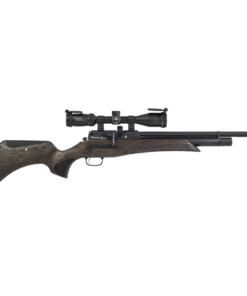
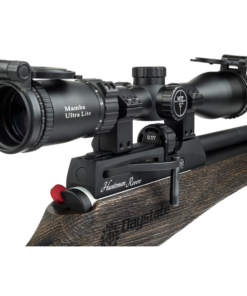
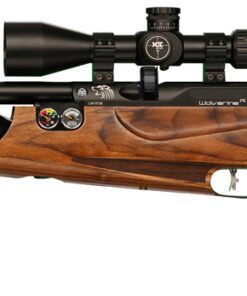
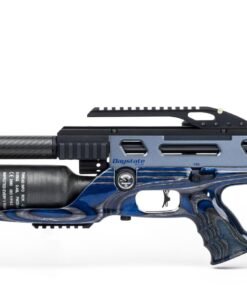
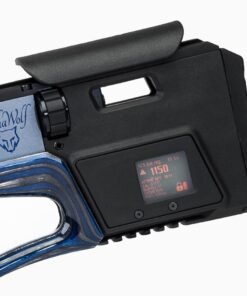
Air Rifles
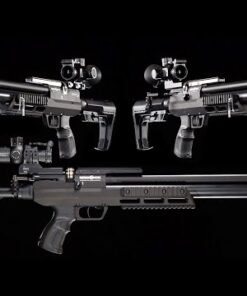
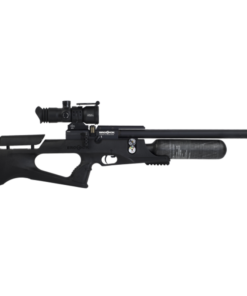
Air Rifles
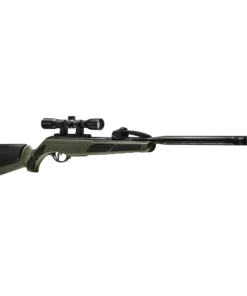
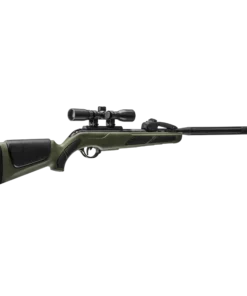

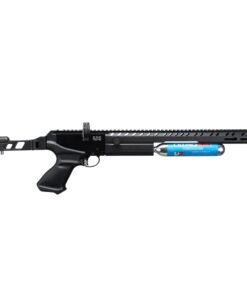
Air Rifles
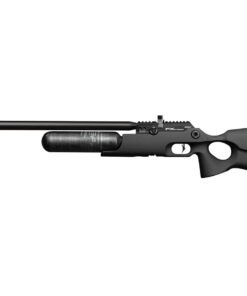
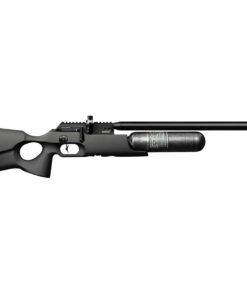
Air Rifles
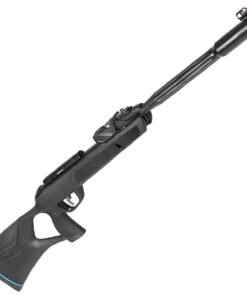
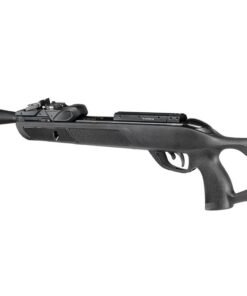
Air Rifles
Reviews
There are no reviews yet.