
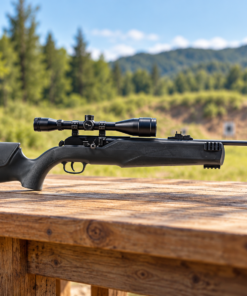
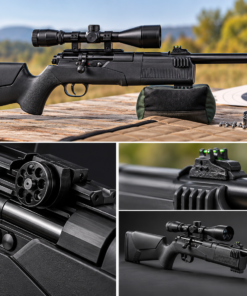
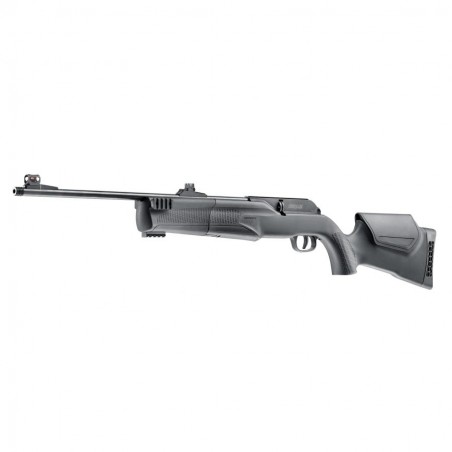
Umarex 850 M2 4.5 mm air rifle

$250.00
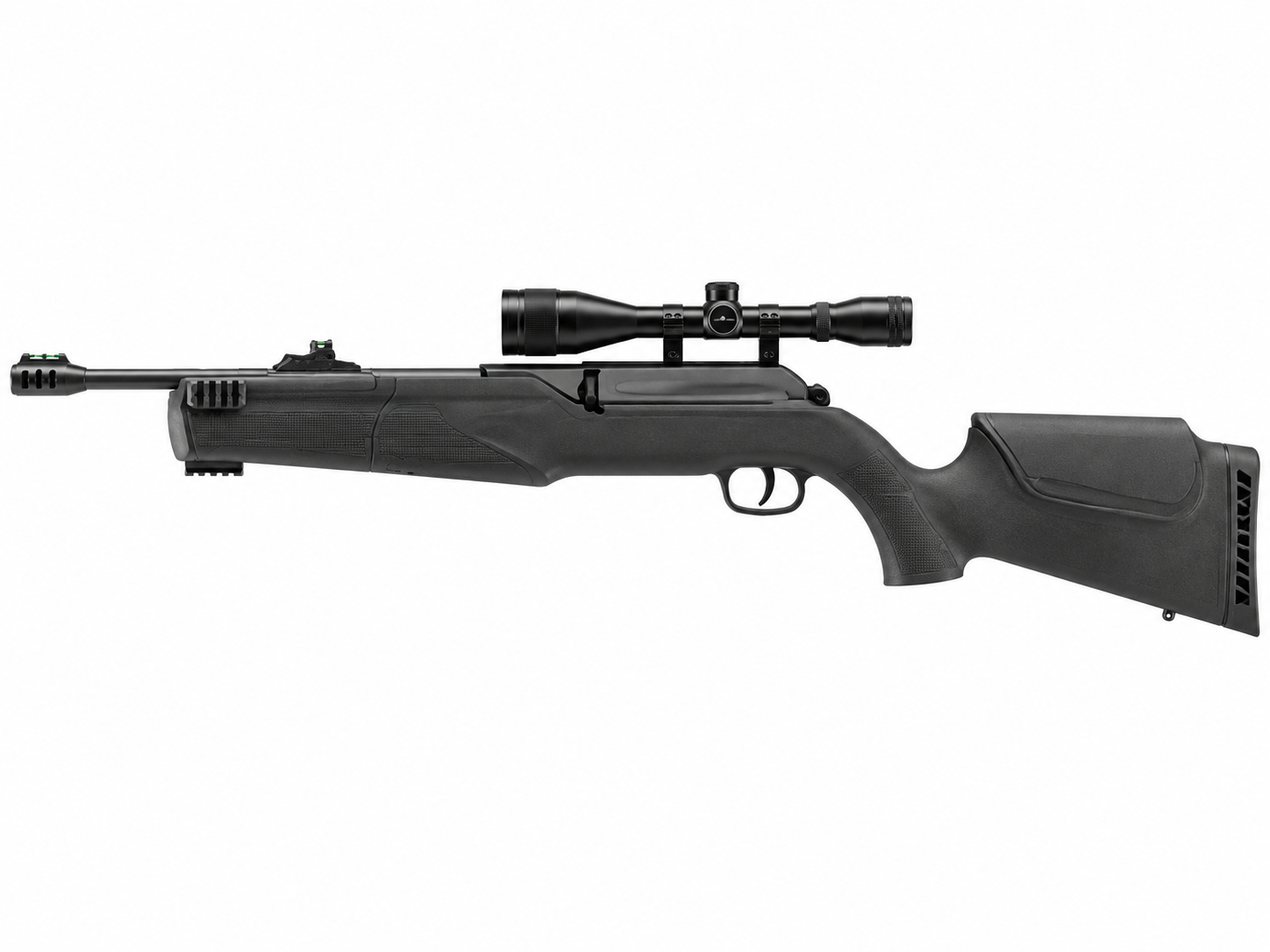
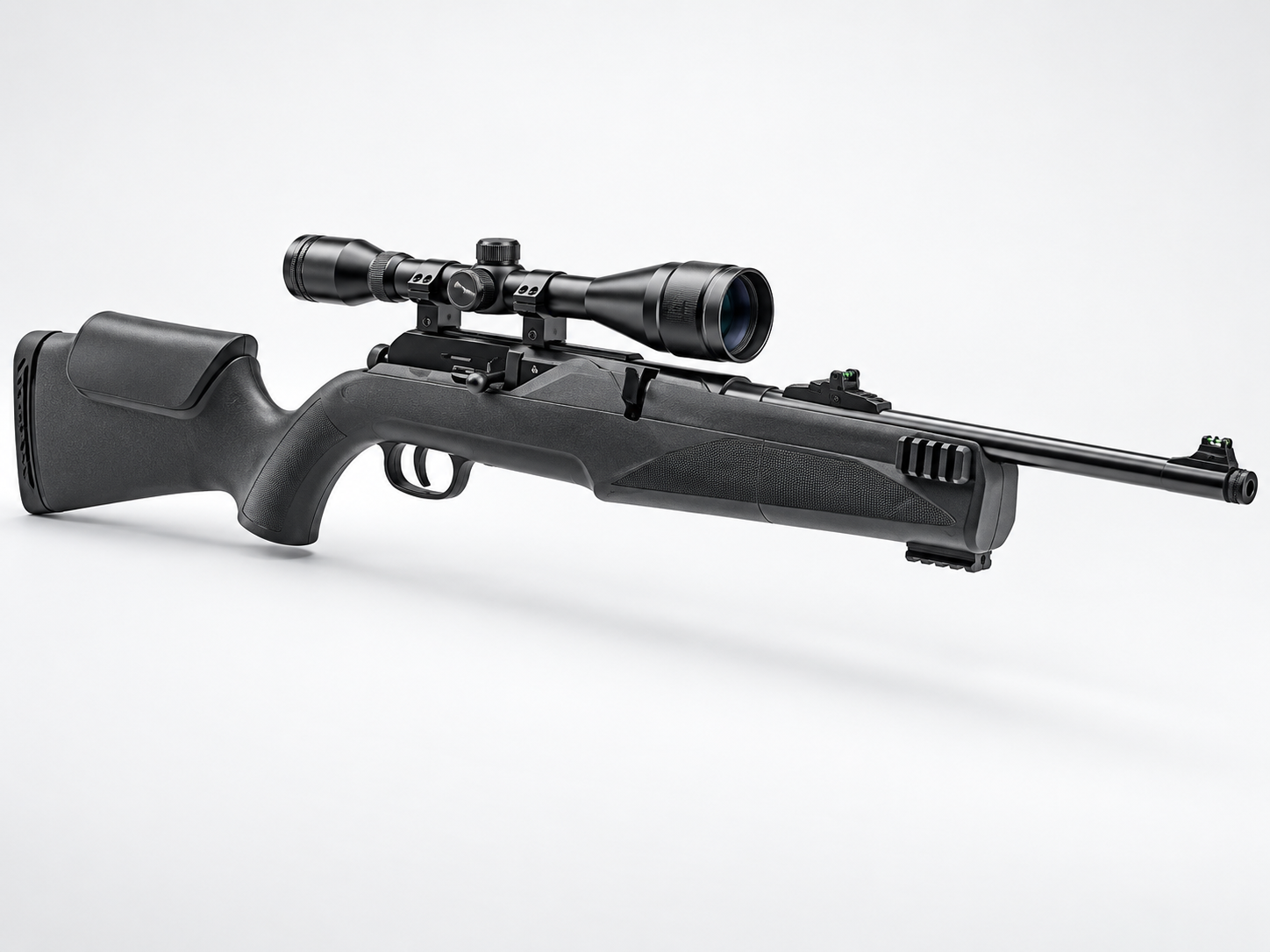
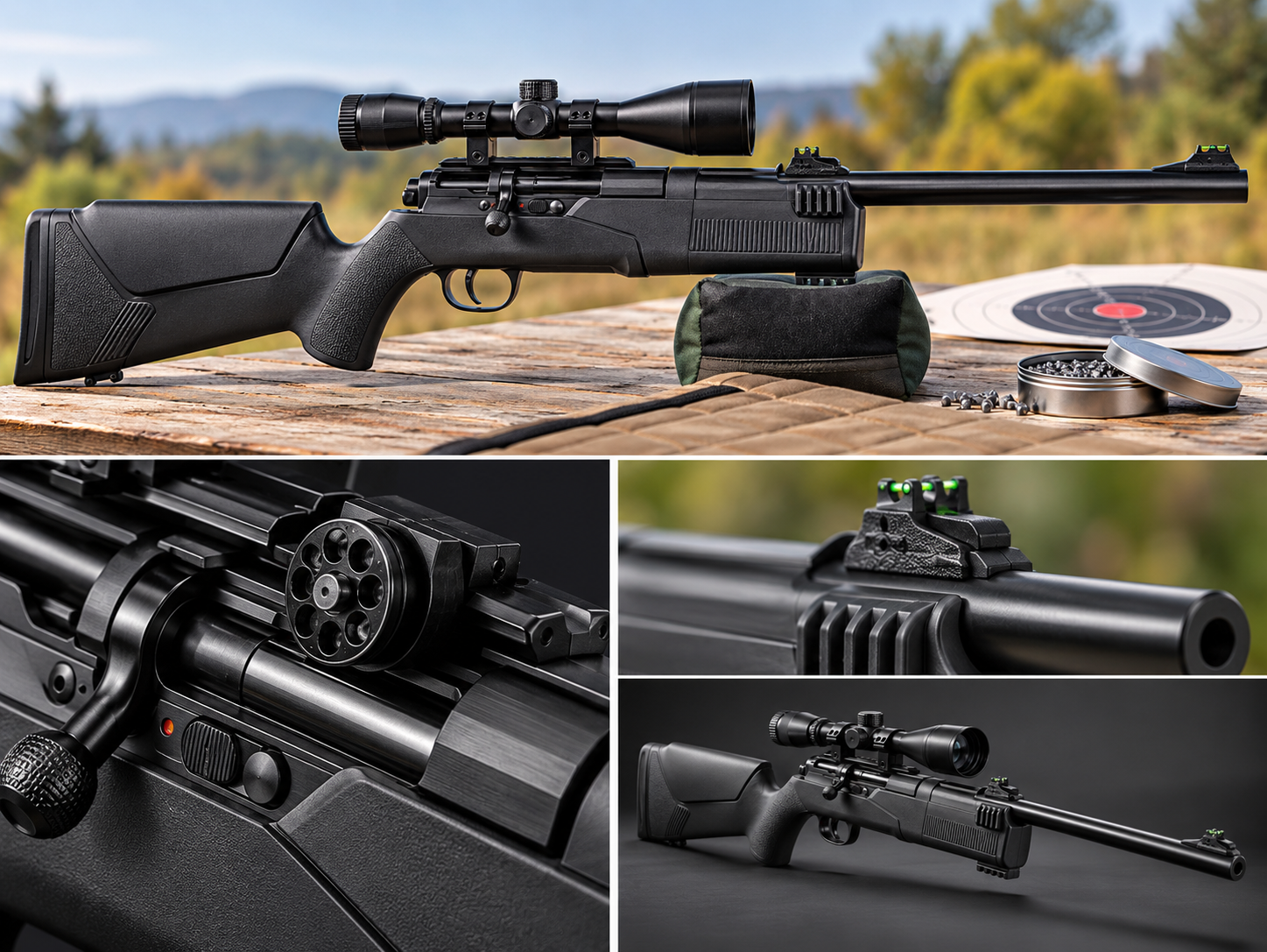
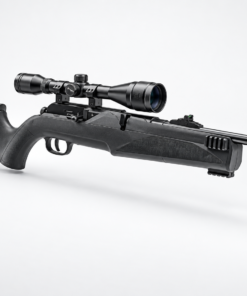
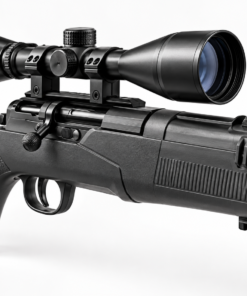
The Umarex 850 M2 4.5 mm is an improved version of the well-known 850 model, equipped with a stock with an adjustable cheekpiece, a large-capacity magazine for 8 shots, a barrel with an external thread and fiber optic sights.
- Warranty period
- 24 months
- Magazine
- Is
- Permit required?
- NO
- Shot type
- diabolo
- Rail type
- 22 mm (picatinny), 11 mm (dovetail)
- Number of fuses
- 1
- Number of mounting rails
- 4
- Power type
- CO2 88 g
- Accuracy class
- precise
- Producer
- Umarex, Germany
- Possibility of installation
- laser sight, optical sight, flashlight, tripod
- Recoil
- lack
- Stock/Finishing
- polymer
- Security type
- automatic fuse
- Caliber [mm]
- 4.5 mm
- Color
- black
This modern rifle is characterized by excellent precision, high initial speed and low operating culture.
The stock of the rifle is made of a durable polymer reinforced with fiberglass, and the forend and pistol grip have aesthetically pleasing grooves that improve grip and comfort of use.
The stock has a symmetrical cheekpiece with adjustable height (removable cover) and a ventilated rubber buttplate, which provides a stable point of support.
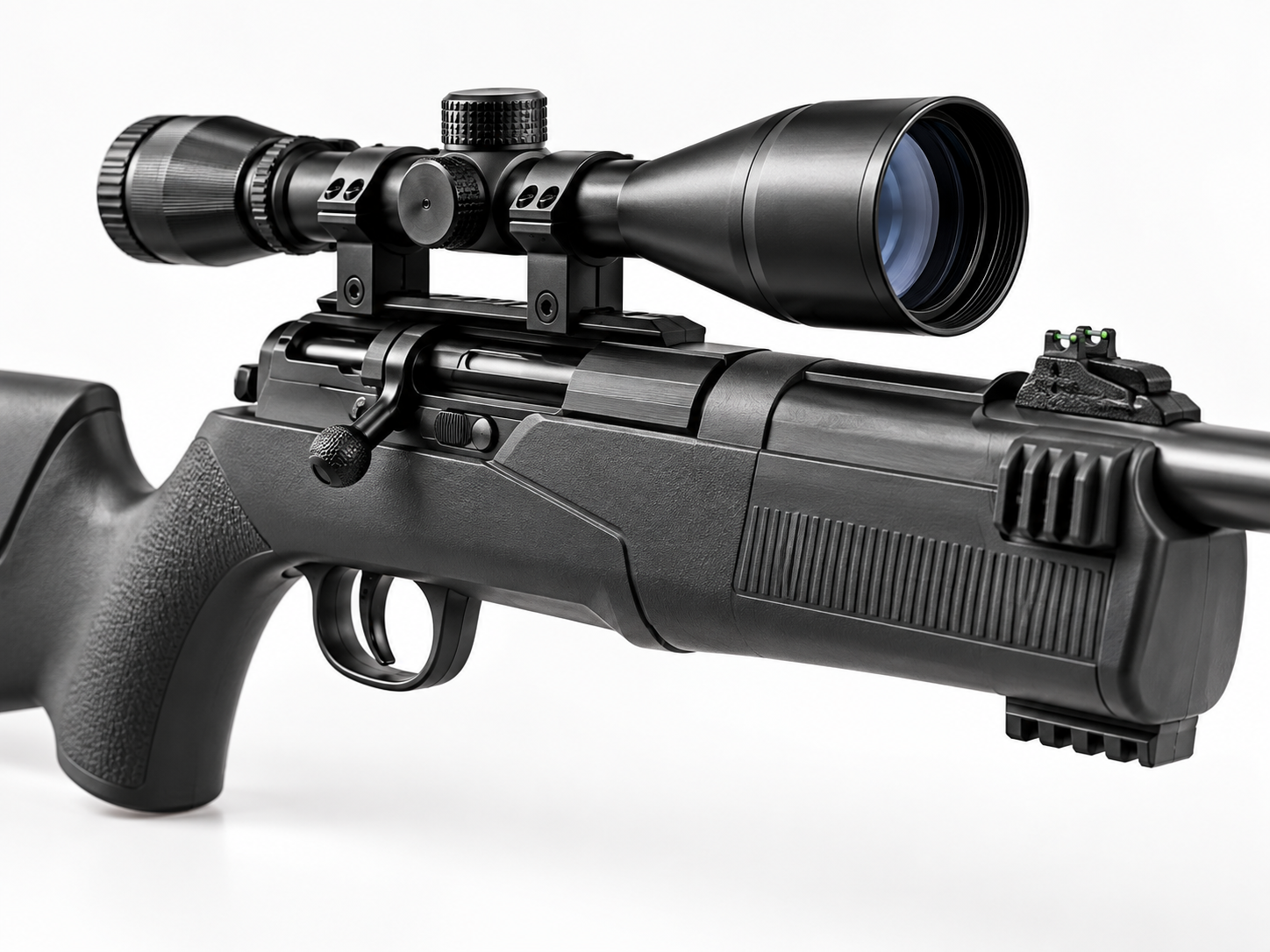
After modernization, three Picatinny rails were installed on the handguard , enabling the installation of shooting accessories such as a bipod or a flashlight
The Umarex 850 M2 4.5mm is powered by an 88g CO2 capsule , allowing for approximately 175 shots. Thanks to an 8-shot aluminum magazine and a four-barrel bolt, the air rifle boasts a high rate of fire and is easy to operate.
When reloading, an automatic safety is activated , which must be deactivated before each shot. The rifle has a 600 mm long threaded barrel , allowing for consistent results after a short training period.
The barrel outlet ends with a 1/2″ UNF external thread.
The rifle fires 4.5 mm diabolo pellets, reaching a muzzle velocity of up to 250 m/s.
The Umarex 850 M2 4.5mm air rifle features a two-stage trigger mechanism with a noticeable pull. It also features fiber-optic sights : a tunnel front sight and a vertically and horizontally adjustable rear sight.
TRU-GLO sights in contrasting (green and red) colors facilitate alignment of the front and rear sights and absorb ambient light, which allows shooting in low light conditions, for example after dark
The standard 11 mm rail allows the installation of any optical sight.
The Umarex 850 M2 4.5 mm is a rifle with high accuracy, high performance and comfortable operation, ideal for recreational shooting
Umarex 850 M2 4.5 mm Air Rifle – Precision CO₂ Performance for Target Shooting and Practical Airgun Use

Although shoppers researching PCP air rifles for sale, PCP rifle for sale, Best PCP air rifles, Best PCP air rifle, Affordable PCP air rifle, Powerful PCP air rifle, High power PCP air rifle, or Regulated PCP air rifle may encounter the 850 M2 during their search, this model should be correctly identified as a CO₂ air rifle rather than a PCP. It therefore provides an alternative for shooters who want repeating capability without requiring a conventional PCP air tank, compressor, or hand pump.
Why Choose the Umarex 850 M2 4.5 mm?

Among Air rifles for sale, Air guns for sale, Pellet guns for sale, and Air rifles online, the 850 M2 stands out because its design focuses strongly on controllability and precision. Its bolt-action mechanism indexes an 8-shot rotary magazine, while the .177 or 4.5 mm configuration provides the flat-shooting characteristics that make this caliber popular for paper targets, reactive targets, training, and recreational shooting.
For buyers comparing the Best air rifle for sale, the appeal comes from simplicity. Instead of repeatedly breaking a barrel between shots, the shooter operates the bolt to prepare the next pellet. This makes the rifle particularly attractive to people searching for a Best air rifle for beginners, an accurate recreational rifle, or a platform that provides traditional rifle-like ergonomics.
The official specification lists an 8-round capacity, 4.5 mm (.177) pellet compatibility, automatic safety, a 23.6-inch barrel, approximately 42-inch overall length, and a weight of about 6.65 lb.
How the CO₂ System Works
The 850 M2 uses CO₂ rather than pre-charged compressed air. An 88 g CO₂ cartridge powers the rifle, while an optional adapter allows compatible 12 g cartridges to be used.
Consequently, customers who normally search Buy air rifle online, Buy PCP air rifle, PCP air rifle package, PCP air rifle bundle, or PCP air rifle with scope can compare the different operating systems before choosing. PCP designs normally depend on high-pressure compressed-air reservoirs, whereas the 850 M2 offers cartridge-based CO₂ convenience.
Its design also makes it relevant to searches for Air rifle reviews, PCP airgun reviews, Air rifle comparison, and PCP air rifle comparison, because it occupies an interesting position between traditional spring rifles and full PCP systems.
Precision and Accuracy
Precision is one of the strongest reasons to consider the 850 M2. The long rifled barrel, stable firing cycle, adjustable trigger and repeating bolt-action format are designed to support consistent shot placement.
Shooters looking for the Most accurate air rifle, Precision air rifles Europe, Competition air rifles Europe, PCP air rifle target shooting, or a .177 air rifle will appreciate why the 4.5 mm version is particularly suited to recreational accuracy work.
Quality Airgun pellets also matter. Different pellet weights and profiles can produce different results, so accuracy should be evaluated with ammunition suited to the individual rifle.
Where and When the 850 M2 Makes Sense
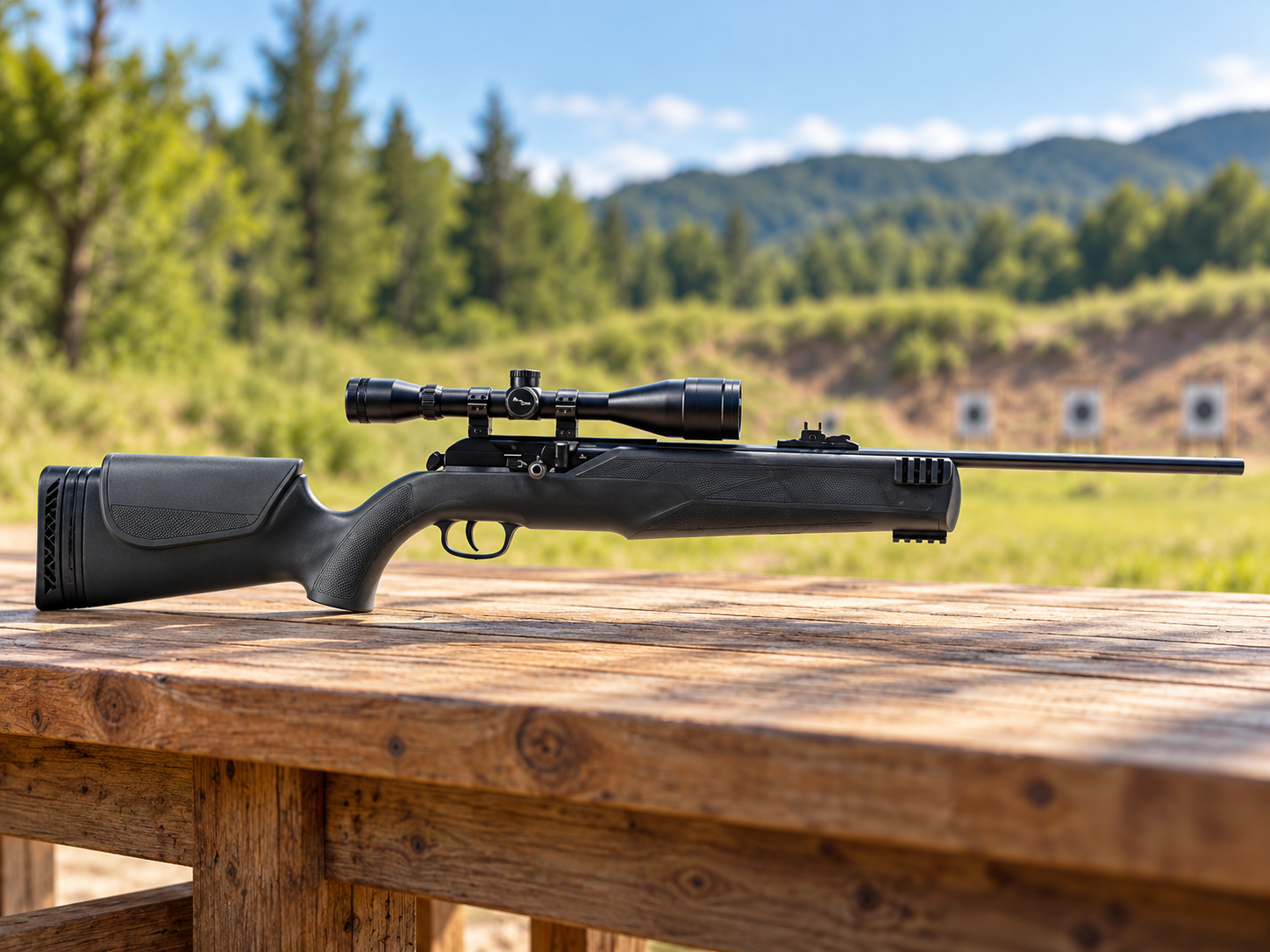
The rifle is primarily suited to controlled recreational shooting environments, established ranges and other lawful locations where airgun use is permitted. Local regulations should always be checked before purchase, possession, transport or use.
Searches including Air rifles USA, Air guns USA, PCP air rifles USA, Online air rifle store, Air rifle dealer, and Air rifle accessories USA often have different legal considerations from Air rifles UK, Air guns UK, PCP air rifles UK, Pellet rifles UK, and Air rifle shop UK.
The same applies to Air rifles Europe, PCP air rifles Europe, Airgun shop Europe, Pellet rifle Europe, Air rifle online Europe, Buy PCP air rifle Europe, and Airgun accessories Europe. Power restrictions, licensing requirements, age limits and permitted uses vary considerably by jurisdiction.
Caliber and Platform Comparison
The 4.5 mm version corresponds to the popular .177 pellet rifle category. The broader 850 M2 platform has also been offered in .22, although buyers specifically considering a .22 air rifle, .22 pellet gun, .22 caliber PCP air rifle, High power .22 air rifle, .25 caliber air rifle, .25 caliber PCP air rifle, or .30 caliber air rifle are comparing substantially different caliber and power categories.
Therefore, determining the Best caliber air rifle depends on intended lawful use, local regulations, projectile choice and the individual rifle configuration.
Comparison With Other Popular Airgun Brands
Customers researching premium airguns may also encounter FX airguns, FX air rifles, FX Impact air rifle, FX Impact M4, FX Dreamline, FX Impact M3, FX Panthera, and FX Wildcat models. Other commonly searched alternatives include Hatsan air rifles, Hatsan PCP, Hatsan air guns, Gamo air rifles, Weihrauch air rifles, Air Arms air rifles, and Daystate air rifles.
Many of those products include PCP platforms, so they should not be treated as mechanically identical alternatives. The Umarex 850 M2 instead offers a cartridge-powered CO₂ system for shooters who value repeating operation without the supporting equipment associated with many PCP systems.
Accessories and Practical Setup
A well-planned setup can include appropriate Air rifle accessories, Air rifle scopes, an Air rifle bipod, compatible Air rifle mounts, spare Air rifle magazines, and an Airgun cleaning kit. Buyers searching for the Best air rifle scope should choose optics according to intended shooting distance, mounting compatibility and personal sight preference.
The 850 M2 uses an 8-shot rotary magazine, and Umarex offers compatible replacement magazines for the .177 version.
Although search phrases such as Air rifle moderator, PCP air rifle hunting, Hunting air rifles, Best air rifle for hunting, Air rifle for pest control, Pest control air rifle, Small game air rifle, Rabbit hunting air rifle, Squirrel hunting air rifle, Powerful hunting air rifle, Big bore air rifle, Hunting pellet rifle, and Hunting air rifles Europe are common in the airgun market, suitability for any such activity depends on applicable law, sufficient lawful power, local restrictions and responsible use.
A Refined CO₂ Alternative to PCP Air Rifles
Ultimately, the Umarex 850 M2 4.5 mm provides an appealing option for shooters who want repeat-shot convenience, traditional bolt operation and manageable CO₂ power. It is especially relevant to users comparing PCP air rifles for sale, Air rifle deals, Quiet air rifle for backyard shooting, and modern repeating pellet rifles but who prefer a simpler cartridge-powered system.
With its 8-shot magazine, adjustable trigger, long barrel and established 850-series architecture, the Umarex 850 M2 delivers a technically distinctive alternative within today’s broad air-rifle market.
Engineering, Handling, Accuracy, Performance, and Everyday Shooting Experience
Refined Engineering Built Around Practical Shooting
The Umarex 850 M2 4.5 mm has been designed around a straightforward principle: an air rifle should feel comfortable, operate predictably, and provide consistent performance without making the shooting process unnecessarily complicated. Every major element of the rifle contributes to that goal, from the bolt-action loading system to the long rifled barrel and ergonomically shaped stock.
Rather than relying on a break-barrel arrangement, the rifle uses a repeating action that allows several pellets to be loaded into its rotary magazine before shooting begins. Once the magazine is installed, the bolt is operated between shots. This creates a more traditional rifle-handling experience while reducing the physical movement required to prepare each successive shot.
That arrangement can be particularly useful during extended target sessions. Instead of repeatedly changing the position of the rifle to reload after every discharge, the shooter can remain closer to the original shooting position. As a result, concentration can remain focused on sight alignment, trigger control, breathing, and consistent technique.
The design is therefore not based only on convenience. Its mechanical layout also supports repeatable shooting habits, which are extremely important whenever accuracy is being developed.
Long Rifled Barrel for Consistent Pellet Guidance
One of the most important components of any pellet rifle is its barrel. The 850 M2 uses a long rifled barrel that guides the pellet while imparting stabilizing rotation as it travels toward the muzzle.
Rifling is especially important because pellets depend on consistent alignment and stabilization to produce tight groups. If the projectile enters the barrel correctly, engages the rifling consistently, and leaves the muzzle under similar conditions from shot to shot, predictable accuracy becomes much easier to achieve.
The extended barrel length also contributes to the rifle’s balanced appearance and traditional proportions. Instead of feeling like a compact pistol-based platform with a shoulder stock attached, the rifle maintains the dimensions and handling characteristics associated with a full-sized sporting air rifle.
However, barrel quality alone does not determine accuracy. Pellet selection, trigger technique, sight setup, environmental conditions, and shooter consistency all influence real-world results. For this reason, shooters often test several suitable pellet types to determine which performs most consistently through their individual rifle.
Once an appropriate pellet is found, the 850 M2 can become a dependable platform for repetitive target practice.
Bolt-Action Operation and Controlled Follow-Up Shots
The bolt-action system provides one of the rifle’s most recognizable handling features. After a shot has been fired, the bolt is cycled to prepare the next pellet from the rotary magazine.
This action provides clear mechanical feedback. The shooter can physically feel the operation of the loading mechanism rather than relying on a fully automatic cycling system. Consequently, the shooting experience remains deliberate and controlled.
The bolt also encourages a steady rhythm during recreational shooting. A shot can be taken, the result can be observed, the bolt can be operated, and the shooter can then return attention to the next sight picture.
That sequence may appear simple, but it provides an excellent environment for developing disciplined shooting habits. Rushing becomes less necessary, while consistency is encouraged.
For shooters who appreciate traditional sporting-rifle operation, this mechanical character is one of the platform’s strongest qualities.
Eight-Shot Rotary Magazine
The rotary magazine offers a practical balance between capacity and simplicity. Eight pellets can be prepared before the magazine is installed, reducing interruptions during a shooting string.
For target practice, this can be particularly convenient. A shooter may complete a group before stopping to reload rather than handling individual pellets after every shot.
The magazine also helps maintain a cleaner shooting routine. Pellets remain organized rather than being repeatedly removed from tins or containers between shots. When multiple magazines are available, they may be prepared before a range session begins, further reducing downtime.
Care should still be taken when loading. Pellets should be inserted correctly and should not be damaged, crushed, or forced into the magazine. Deformed pellets can negatively affect consistency because their skirts and heads are important to proper barrel engagement.
Using clean, undamaged ammunition therefore helps preserve both reliability and accuracy.
CO₂ Power and Smooth Shooting Characteristics
The rifle’s CO₂ operating system creates a noticeably different shooting experience from many spring-powered air rifles. Because a large spring or gas ram is not moving forward during every shot, the firing cycle can feel comparatively smooth.
This characteristic can make accurate shooting easier for some users because less mechanical movement occurs while the pellet is leaving the barrel.
The absence of a traditional spring-piston firing impulse also means that the rifle does not demand exactly the same hold technique commonly associated with powerful spring air rifles. A stable, repeatable position remains important, but the rifle generally rewards straightforward fundamentals such as proper shoulder placement, consistent cheek position, careful trigger operation, and stable support.
CO₂ systems do have characteristics that shooters should understand. Gas pressure can be influenced by temperature. Performance may therefore change when the rifle is used in significantly colder or warmer conditions.
During normal recreational use, allowing a sensible interval between rapid strings can also help maintain more consistent operating conditions. Extremely fast shooting may cool the CO₂ system, which can influence pressure and velocity.
Understanding this behavior allows the shooter to use the rifle more effectively.
Ergonomic Synthetic Stock
The stock plays a significant role in how comfortable a rifle feels during extended use. The 850 M2 uses a synthetic stock designed to provide practical durability while maintaining manageable weight.
Synthetic materials are well suited to recreational air rifles because they require relatively little maintenance. Unlike unfinished or traditionally finished timber, synthetic stocks are less sensitive to everyday moisture, handling marks, and changes in environmental conditions.
The shape of the stock also provides several contact points between the shooter and the rifle. The pistol-grip area supports trigger-hand positioning, the fore-end provides space for the supporting hand, and the shoulder section helps stabilize the rifle during aiming.
When these contact points are used consistently, repeatability improves.
A shooter who changes cheek placement, shoulder pressure, hand position, or trigger-hand angle from one shot to the next may experience shifting groups even when the rifle itself is mechanically consistent. For that reason, the ergonomics of the rifle should be treated as part of the accuracy system rather than simply a comfort feature.
Trigger Control and Shooting Precision
Trigger technique has an enormous influence on accuracy. Even a highly precise rifle can produce poor groups when the trigger is pulled abruptly or when the rifle is disturbed immediately before the shot.
The trigger arrangement on the 850 M2 is designed to support controlled operation. A predictable trigger allows the shooter to concentrate on applying pressure smoothly while maintaining the sight picture.
Ideally, pressure should be increased gradually until the mechanism releases without unnecessary movement of the rifle.
After the shot, the shooter should also maintain position briefly rather than instantly lifting the head or moving the rifle. This technique, commonly known as follow-through, helps prevent last-moment movement from disturbing the shot.
When trigger control, breathing, support and sight alignment work together, the rifle’s mechanical accuracy can be used much more effectively.
Comfortable Weight and Stability
The rifle’s full-sized construction provides useful stability. Extremely lightweight rifles can be convenient to carry, but additional mass can sometimes make a rifle easier to hold steadily from supported shooting positions.
The 850 M2 offers enough weight to feel substantial without becoming excessively cumbersome for ordinary recreational use.
During bench shooting, that weight contributes to stability. When the fore-end is rested properly and the rifle is shouldered consistently, small involuntary movements can become easier to control.
In standing positions, the balance of the rifle becomes more noticeable. Proper stance and support are therefore important. Instead of attempting to hold the rifle entirely through arm strength, the shooter should use skeletal support and a comfortable posture whenever possible.
Developing these fundamentals can significantly improve accuracy regardless of the equipment being used.
Optics and Sight Configuration
A well-chosen optic can make the rifle even more versatile for precision target shooting. Magnification can help the shooter identify small aiming points and evaluate shot placement more easily, especially at moderate distances.
However, greater magnification does not automatically produce better shooting. Excessive magnification can exaggerate natural movement and make a stable sight picture appear more difficult to maintain.
A practical optic should therefore match the intended shooting distance.
Proper mounting is equally important. Scope rings should fit the available mounting system correctly, and the optic should be positioned so that a clear sight picture can be obtained while maintaining a natural cheek position.
Eye relief should also be comfortable. The shooter should not need to stretch the neck forward or pull excessively backward to see through the optic.
Once mounted, the sighting system should be adjusted carefully using a safe target and a controlled environment.
Why Pellet Selection Matters
Not every pellet will behave identically in every barrel. Differences in pellet weight, head diameter, skirt design, manufacturing consistency, and aerodynamic shape can influence accuracy.
For this reason, pellet testing is one of the simplest ways to improve the practical performance of an air rifle.
A useful testing approach involves shooting several controlled groups with different suitable pellets under the same conditions. The rifle should be supported similarly for every group, and the shooter should avoid changing several variables at once.
Group size can then be compared.
The pellet producing the most consistent groups can be selected for regular target use. Sometimes a moderately priced pellet performs better than a more expensive alternative simply because its dimensions match the individual barrel more effectively.
Consistency should therefore be prioritized over branding alone.
Excellent Platform for Developing Shooting Fundamentals
The characteristics of the 850 M2 make it particularly useful for shooters who want to improve technique.
Because the firing cycle is comparatively smooth, problems with trigger control or sight alignment can become easier to identify. When a shot lands away from the intended point of aim, the shooter can evaluate posture, breathing, trigger movement, and follow-through rather than constantly compensating for a strong mechanical recoil cycle.
Repeated practice can gradually build better habits.
A controlled practice session might concentrate on one element at a time. One session may focus on trigger operation, while another may concentrate on maintaining identical cheek placement. Later sessions can combine those fundamentals.
Improvement generally comes from repeatability rather than speed.
Suitable Environments for Use
The rifle is best enjoyed in properly controlled environments where a safe backstop is present and local regulations permit airgun shooting.
Organized shooting ranges are particularly suitable because they provide established firing directions, target placement, and safety procedures.
Private property may also be appropriate in some jurisdictions, but shooters should never assume that ownership of the land automatically permits airgun use. Local laws, neighborhood restrictions, projectile containment, noise considerations, and surrounding properties should all be considered.
A pellet can travel significantly beyond the intended target when no effective backstop is present. Consequently, the area behind the target should always be evaluated before shooting begins.
Hard surfaces that may cause unpredictable ricochets should also be avoided.
Maintenance and Long-Term Reliability
Regular care helps preserve consistent operation.
The exterior of the rifle should be kept clean and dry after use. Dust, debris, moisture, and residue should not be allowed to accumulate around moving components.
The magazine should also be inspected periodically to ensure that it remains clean and undamaged.
Excessive lubrication should be avoided because more oil does not necessarily provide better protection. Only appropriate products and manufacturer-recommended procedures should be followed.
The barrel generally does not require aggressive cleaning after every shooting session. Unnecessary use of unsuitable cleaning equipment can sometimes cause more harm than benefit.
Instead, cleaning should be performed carefully when accuracy deterioration, visible contamination, or manufacturer guidance indicates that it is necessary.
CO₂ cartridges should also be handled according to the manufacturer’s instructions.
Practical Shooting Experience
In everyday use, the strongest quality of the 850 M2 is the way its individual features work together.
The bolt action provides deliberate mechanical operation. The rotary magazine reduces interruptions. The CO₂ system delivers a smooth firing cycle. The long rifled barrel supports consistent pellet stabilization, while the stock provides familiar rifle ergonomics.
None of these elements needs to dominate the experience.
Instead, the rifle feels like a coordinated platform designed around repeatability.
That quality makes it suitable for relaxed recreational sessions as well as more structured accuracy practice.
A new shooter can learn the fundamentals without dealing with a complicated filling system, while an experienced airgun user can appreciate the straightforward operation and traditional bolt-action character.
Why Consistency Matters More Than Raw Power
Performance should never be judged by velocity figures alone.
A rifle that produces predictable, repeatable shots can often be more enjoyable and useful than one designed primarily to maximize power.
For target shooting, consistency directly influences group size. When each shot behaves similarly, the shooter can identify personal mistakes more easily and make meaningful adjustments.
Accuracy is therefore the combination of mechanical consistency and disciplined technique.
The 850 M2’s design reflects that philosophy. Its strength lies in controlled shooting, repeatability and usability rather than simply chasing the largest possible velocity figure.
A Balanced Rifle for Long-Term Enjoyment
The Umarex 850 M2 4.5 mm offers a combination of traditional handling and modern CO₂ convenience that gives it a distinctive place among recreational pellet rifles.
Its bolt-action mechanism creates an engaging shooting process without making operation difficult. The magazine allows multiple shots before reloading, while the smooth firing cycle helps shooters concentrate on technique.
Meanwhile, the full-sized stock and barrel provide the handling characteristics expected from a conventional sporting rifle.
Most importantly, the rifle can continue to reward the shooter as skill improves.
Beginners may initially appreciate its comfortable operation and straightforward loading process. As experience develops, greater attention can be given to pellet selection, sight adjustment, breathing control, trigger technique and group analysis.
That progression gives the platform lasting value.
Rather than becoming useful only for a single type of shooting session, the rifle can remain a dependable recreational companion for repeated range practice and precision-oriented target work.
For shooters who appreciate mechanical simplicity, traditional bolt operation, comfortable handling, and a smooth CO₂ firing cycle, the Umarex 850 M2 4.5 mm provides a well-rounded shooting experience built around consistency, control and practical accuracy.
Performance, Shooting Technique, Reliability, Comfort, and Ownership Experience
Performance Designed Around Repeatability
The Umarex 850 M2 4.5 mm is built around predictable operation rather than unnecessary complexity. That distinction becomes increasingly important during extended shooting sessions, because good practical performance depends on much more than velocity alone. A well-designed air rifle should deliver a stable firing cycle, consistent pellet handling, comfortable ergonomics, and an action that allows the shooter to concentrate on technique.
With the 850 M2, those characteristics work together particularly well. Its CO₂ power source produces a relatively smooth discharge, while the bolt-operated repeating mechanism creates a deliberate rhythm between shots. As a result, the shooter can concentrate on sight alignment, breathing, trigger control, and follow-through instead of repeatedly changing position to cock a conventional break-barrel mechanism.
Consistency remains one of the most important qualities of any precision-oriented air rifle. When the same shooting procedure can be repeated comfortably, mistakes become easier to identify. This makes practice more productive because changes in group placement can be traced more easily to technique, ammunition, sight adjustment, or environmental conditions.
Understanding Real-World Accuracy
Accuracy is often discussed as though it comes exclusively from the rifle. In reality, practical accuracy depends on the relationship between the mechanical system, ammunition, sighting equipment, shooter technique, and environment.
The 850 M2 provides a stable foundation, but the shooter still plays a major role.
Correct shoulder placement helps maintain consistent alignment. A repeatable cheek position ensures that the eye reaches approximately the same relationship with the sights for every shot. Meanwhile, a relaxed support hand reduces unwanted movement.
Trigger control is equally important. If the trigger is pulled sharply to one side, the muzzle can move immediately before the pellet leaves the barrel. Even a tiny movement can become significant as shooting distance increases.
Therefore, the best results usually appear when pressure is applied progressively and smoothly.
The shooter should also maintain position after the trigger releases. Looking immediately away from the sight picture or moving the rifle before the pellet has completely exited can introduce inconsistency. Developing good follow-through eliminates much of this unnecessary movement.
These fundamentals may seem basic, yet they frequently separate average groups from genuinely consistent ones.
The Benefit of a Smooth Firing Cycle
One advantage of CO₂ propulsion is the absence of the heavy spring movement associated with traditional spring-piston designs.
When a spring-powered rifle fires, considerable mechanical movement can occur inside the action. Experienced shooters learn to accommodate that movement, but beginners may find it difficult initially.
The 850 M2 behaves differently.
Its smoother firing cycle means the shooter can concentrate more directly on keeping the rifle stable during trigger release. Because less mechanical disturbance occurs, inconsistent technique may become easier to diagnose.
This does not mean the rifle is completely motionless. Every projectile-launching system produces some reaction. However, the overall shooting character is controlled and predictable.
That quality contributes significantly to the rifle’s enjoyable nature.
For recreational shooters, a smooth firing cycle can make longer sessions less tiring. For shooters concentrating on group size, it encourages careful technique. For beginners, it can provide a less demanding introduction to accurate rifle handling.
Temperature and CO₂ Performance
Understanding the characteristics of CO₂ is important for obtaining dependable performance.
CO₂ pressure is affected by temperature. When conditions become colder, available pressure can decrease. In warmer conditions, pressure characteristics change again.
Therefore, a rifle may not behave identically in every environment.
This should not necessarily be viewed as a weakness. Instead, it is a characteristic of the propulsion system that should be understood by the owner.
Rapid shooting can also cool the cartridge and surrounding components. When many shots are fired quickly, temporary cooling may influence consistency. Allowing a reasonable interval between shots can help the system stabilize during precision-oriented sessions.
Shooters attempting to evaluate pellets or sight settings should therefore avoid changing too many variables simultaneously. A measured shooting pace usually produces more useful information than firing as quickly as possible.
When environmental conditions remain relatively stable and the shooter maintains a consistent rhythm, the system becomes easier to evaluate.
Magazine Loading and Pellet Condition
The rotary magazine is one of the most practical features of the rifle, but correct loading remains important.
Each pellet should be inspected before being inserted. Pellets with badly damaged skirts, crushed heads, or visible manufacturing defects can behave unpredictably after firing.
The pellet should be seated properly within the magazine rather than forced aggressively into position.
Careful ammunition handling protects both reliability and accuracy.
The magazine should also remain clean. Dust or debris can interfere with smooth operation, particularly when small mechanical components repeatedly rotate and align with the barrel.
Owners who regularly use the rifle can benefit from keeping spare magazines available. This allows several magazines to be prepared before a shooting session begins.
However, convenience should never encourage careless handling. Loading should always take place with the rifle pointed in a safe direction and with proper awareness of its condition.
Developing an Effective Shooting Position
Stable body positioning has a major influence on accuracy.
When shooting from a bench, the rifle should be supported consistently. Changing the location of the fore-end on the rest between groups can sometimes change how the rifle settles.
The shooter’s shoulder pressure should also remain similar.
A natural position is usually better than one that requires excessive muscular effort. If the shooter must continuously force the rifle toward the target, unnecessary movement will appear as muscles become tired.
Instead, the position should be adjusted until the rifle naturally points close to the desired aiming area.
The same principle applies to standing, kneeling, or seated shooting positions.
Good technique relies on structure rather than strength. Bone support and balanced posture generally produce greater stability than attempting to hold the rifle rigidly using muscle tension alone.
Over time, these habits improve both comfort and accuracy.
Breathing and Trigger Timing
Breathing creates movement through the chest, shoulders, and upper body.
Trying to eliminate breathing entirely is neither practical nor necessary. Instead, many shooters develop a controlled respiratory rhythm.
The rifle is aimed while breathing normally. As the sight picture stabilizes, a comfortable pause can be used while the final trigger pressure is applied.
The pause should remain natural.
Holding the breath for too long can create tension, which may actually make the rifle less stable.
Therefore, the objective is not to remain motionless indefinitely. Instead, the shot should be released during a brief period when the body is naturally settled.
Repeating this process consistently helps make each shot more similar to the previous one.
Evaluating Groups Rather Than Individual Shots
One isolated shot provides limited information about the accuracy of a rifle.
A more useful method involves firing controlled groups.
Several pellets fired at the same aiming point reveal patterns that a single shot cannot show. If the group is tight but positioned away from the center, sight adjustment may be required. If the group is widely scattered, technique, ammunition, stability, or environmental factors should be examined.
This distinction prevents unnecessary adjustment.
For example, repeatedly changing the scope after every individual shot can make zeroing more difficult. Instead, a group should normally be observed before deciding whether the point of impact needs correction.
The shooter can then make a measured sight adjustment and fire another group.
This process gradually brings the average point of impact toward the desired position.
It is a simple method, yet it provides a far more reliable understanding of rifle performance.
Testing Different Pellets
Pellet testing can significantly influence practical results.
Two pellets that appear almost identical may perform differently because of changes in weight, dimensions, skirt design, alloy composition, or manufacturing tolerance.
Rather than assuming one pellet will always provide superior performance, shooters can compare several appropriate options under similar conditions.
Each type should be tested using several groups rather than a single group.
Occasional unusually good or poor groups can occur because of shooter error or environmental effects. Multiple groups provide a better picture of overall consistency.
Once a particular pellet repeatedly performs well, it can become the reference ammunition for sight adjustment and future practice.
Changing pellet type after the rifle has been zeroed may alter the point of impact. Consequently, sights should be checked whenever a significant ammunition change is made.
Scope Setup and Eye Position
A scope can greatly improve the precision potential of a rifle when it is installed correctly.
The first consideration is comfortable eye relief. When the rifle reaches the shoulder naturally, the shooter should obtain a full sight picture without stretching forward or pulling the head backward.
The scope should also remain level.
If the sight is noticeably rotated within the mounts, adjustments can become confusing and accuracy may suffer at different distances.
Mount screws should be secured appropriately but not overtightened carelessly. Excessive force can damage components.
Once the optic has been installed correctly, zeroing should be performed under safe, controlled conditions.
Initial shots can be taken at a moderate distance where impacts are easily visible. Once the rifle is approximately aligned, more precise adjustment can follow.
The shooter should remember that sight adjustment cannot compensate for inconsistent technique. A stable shooting position should therefore be established before major changes are made.
Comfort During Longer Sessions
Comfort may appear less important than mechanical specifications, yet it directly affects performance.
A rifle that feels uncomfortable eventually encourages the shooter to alter posture.
Shoulder position changes. Grip pressure increases. The head moves away from its normal location. Eventually, group size may begin to expand.
The 850 M2’s traditional rifle proportions help provide familiar handling for many users. Its synthetic stock also offers a practical surface that can tolerate regular handling without requiring the same cosmetic care often associated with polished wood.
The fore-end provides sufficient area for support, while the grip encourages positive control of the action.
However, every shooter has different body dimensions.
Finding the most natural shoulder and cheek position is therefore worthwhile. Small changes can significantly improve comfort during extended practice.
Practical Maintenance After Shooting
Routine maintenance does not need to become complicated.
After use, the rifle should be inspected and wiped clean where necessary. Moisture should not be allowed to remain on exposed metal surfaces.
The magazine area should remain free from dirt and damaged pellet fragments.
Moving components should be maintained according to manufacturer guidance rather than being flooded with oil.
Using unsuitable lubricants can damage seals or interfere with proper operation.
The barrel should also be treated carefully.
Excessive cleaning is not automatically beneficial. Aggressive cleaning equipment or inappropriate chemicals may damage surfaces that are critical to accuracy.
When cleaning becomes necessary, proper airgun-compatible methods should be used.
Storage conditions matter as well.
A rifle stored in a dry, stable environment is less likely to experience corrosion or deterioration. It should also be secured so that unauthorized users cannot gain access.
Reliability Through Correct Operation
Mechanical reliability depends partly on how equipment is treated.
Forcing the bolt, improperly loading pellets, using damaged magazines, or neglecting maintenance can create problems that would otherwise be avoided.
The action should operate smoothly without excessive force.
If unusual resistance appears, the correct response is to stop and identify the cause rather than applying greater pressure.
The same principle applies throughout the rifle.
Mechanical systems generally provide warning signs when something is incorrect. Unusual sounds, abnormal resistance, damaged seals, inconsistent operation, or visible wear should not be ignored.
Following the manufacturer’s procedures helps preserve reliability and prevents minor issues from becoming larger ones.
Learning Through Consistent Practice
One of the strongest reasons to own a precision-oriented recreational rifle is the opportunity to improve over time.
Early sessions may focus mainly on basic operation.
Once those actions become familiar, attention can shift toward breathing, trigger technique, sight alignment, and group consistency.
Later, the shooter can experiment with different pellets, shooting supports, sight settings, and positions.
Keeping simple records can be surprisingly useful.
A notebook can include the pellet type, shooting distance, approximate temperature, group size, and sight configuration. Over several sessions, patterns may become visible.
Perhaps one pellet consistently performs better. Maybe groups become larger during rapid firing. Perhaps a particular support position produces improved stability.
Recording these observations transforms casual shooting into structured skill development.
Responsible Use and Safe Storage
Responsible ownership remains essential regardless of the rifle’s intended purpose.
The muzzle should always be controlled. A suitable backstop should be used, and the shooter must be certain of what lies beyond the target.
Protective eyewear is sensible, particularly when shooting targets that could produce fragments or ricochets.
The rifle should never be handled casually simply because it is powered by compressed gas rather than conventional firearm ammunition.
Pellet rifles can cause serious injury and property damage.
When shooting ends, the rifle should be stored securely and according to applicable local requirements.
Ammunition and power sources should also be handled appropriately.
These practices protect the shooter, other people, and the long-term reputation of responsible airgun ownership.
Why the 850 M2 Remains an Appealing Design
The appeal of the Umarex 850 M2 comes from balance.
It does not depend on complicated operation to provide an engaging experience. Instead, its strengths come from a combination of smooth CO₂ power, bolt-action loading, magazine-fed convenience, a rifled barrel, practical ergonomics, and predictable operation.
Each feature supports the others.
The magazine makes repeated shooting convenient. The bolt keeps the operating process deliberate. The smooth power system encourages stable technique. The stock allows the rifle to be handled in a familiar way, while the barrel provides the foundation required for precision.
As experience increases, the shooter can continue refining technique without immediately outgrowing the platform.
The rifle therefore works equally well as an introduction to disciplined target shooting and as an enjoyable recreational air rifle for someone who already understands the fundamentals.
Its greatest strength is not one dramatic specification.
Instead, the 850 M2 succeeds because its design encourages controlled, repeatable shooting.
For an owner willing to select quality pellets, maintain the rifle correctly, develop sound shooting habits, and understand the characteristics of CO₂ propulsion, the platform can provide many satisfying sessions while continuing to reward improvements in technique, consistency, and precision.
Practical Ownership, Setup, Long-Term Use, Accuracy Development, and Shooting Confidence
A Rifle That Rewards Familiarity
The Umarex 850 M2 4.5 mm becomes more enjoyable as the shooter grows familiar with its operating rhythm. At first, attention is usually divided between loading, bolt operation, sight alignment, trigger control, and safe handling. After several sessions, these actions begin to feel more natural, allowing greater focus on consistency and accuracy.
That progression is important because good shooting rarely comes from mechanical equipment alone. Even a well-designed rifle performs best when the user understands how it reacts, how the trigger feels, how the stock fits, and how the point of impact changes under different conditions.
The 850 M2 supports that learning process because its operation is relatively straightforward. The magazine system reduces interruptions, the bolt encourages deliberate handling, and the CO₂ power source provides a smooth firing cycle. Together, these characteristics create an environment where the shooter can concentrate on developing repeatable technique.
Over time, the rifle begins to feel more predictable. The shooter learns how much pressure feels comfortable at the shoulder, where the cheek naturally rests, how the trigger breaks, and how the rifle balances from different positions.
That familiarity can significantly improve confidence.
Preparing the Rifle Before a Shooting Session
A productive shooting session begins before the first pellet is fired.
The rifle should be inspected to ensure that it appears clean, undamaged, and ready for use. The magazine should rotate properly, and pellets should be checked before loading.
The sighting system should also be examined. If a scope is fitted, the mounts should remain secure, and the optic should not have shifted from its previous position.
It is also useful to confirm that the CO₂ source is installed according to the manufacturer’s instructions.
A few moments spent preparing the equipment can prevent unnecessary interruptions later.
The shooting area should also be checked carefully. The target needs to be positioned in front of a reliable backstop, and the surrounding area should remain clear.
Lighting can influence sight picture as well. Strong glare, deep shadows, or inconsistent illumination may make small aiming points more difficult to see. Whenever possible, targets should be positioned where visibility remains clear and predictable.
Good preparation creates a calmer shooting environment and allows the shooter to focus on technique rather than correcting avoidable problems.
Establishing a Consistent Zero
A properly adjusted sighting system is essential for accurate shooting.
Zeroing is the process of aligning the sights so that the point of aim corresponds appropriately with the point of impact at a chosen distance.
The process should be approached gradually.
Rather than firing one pellet and immediately making a large adjustment, several shots should normally be fired at the same aiming point. A group provides much more useful information because it shows the average impact location.
If the group remains tight but sits left, right, high, or low, sight adjustment can be made with greater confidence.
After the adjustment, another group should be fired.
This process continues until the point of impact reaches the desired location.
Zeroing should ideally be performed from a stable position. A supported bench position can reduce unnecessary movement and help separate mechanical performance from shooter error.
Once a reliable zero has been established, it provides a useful reference for future sessions.
Understanding Changes in Point of Impact
Even after a rifle has been zeroed, the point of impact may change.
A different pellet can alter the trajectory. Temperature changes can influence the behavior of the CO₂ system. A scope may shift if mounting hardware becomes loose. Shooter position can also create changes.
For that reason, an unexpected change should be investigated methodically.
The first step should not always be to adjust the sights.
Instead, the shooter can check whether the same pellets are being used, whether the rifle is being supported in the usual way, whether the optic remains secure, and whether environmental conditions have changed significantly.
This method prevents repeated sight adjustments from hiding the actual cause of inconsistency.
A rifle that previously grouped well should usually be evaluated before major changes are made.
Patience is valuable here. Accurate troubleshooting depends on changing one variable at a time.
Making Use of the Repeating Action
The repeating action is especially useful during structured practice.
Because the shooter can prepare several pellets in advance, a group can be completed without repeatedly leaving the firing position.
This helps preserve consistency.
If the shooter stands up, reaches for ammunition, reloads individually, and then rebuilds the shooting position after every shot, small changes can be introduced.
With a magazine-fed system, the shooter can remain settled and concentrate on the sequence of aiming, firing, observing, cycling the bolt, and preparing for the next shot.
That uninterrupted rhythm can improve concentration.
However, the convenience of repeat shots should not encourage excessive speed.
Careful shooting remains more useful than rapid shooting when accuracy is the objective.
The bolt should be operated smoothly, and the rifle should be returned to the aiming position without unnecessary force.
Developing a Natural Grip
The way the rifle is held can influence both comfort and consistency.
A natural grip is generally preferable to an excessively tight one.
The trigger hand should control the rifle without squeezing aggressively. Excessive grip pressure can create muscle tension and may cause the rifle to move during trigger release.
The supporting hand should provide stability without forcing the fore-end into an unnatural position.
Shoulder contact should also remain consistent.
The goal is to establish a repeatable relationship between the shooter’s body and the rifle.
Once a comfortable position is found, it should be reproduced as closely as possible from shot to shot.
This becomes easier with practice.
Eventually, the shooter may develop a natural mounting motion where the rifle reaches approximately the same position every time it is shouldered.
That consistency is one of the foundations of practical accuracy.
Cheek Position and Sight Alignment
Cheek placement is often underestimated.
When using a scope, the shooter’s eye must remain correctly aligned with the optic.
If the head sits too high, too low, too far forward, or too far backward, the sight picture may become inconsistent.
A stable cheek position helps solve this problem.
The shooter should find a comfortable location on the stock where the eye naturally aligns with the optic.
That location should then be repeated for every shot.
If the shooter must consciously search for the sight picture each time, the scope position may need adjustment.
Proper optic placement should allow the shooter to shoulder the rifle and obtain a clear image without excessive movement of the head.
Comfort and consistency should work together.
Managing Fatigue During Long Sessions
Accuracy can decline as fatigue develops.
Muscles become tired, concentration decreases, and the shooter may begin to rush.
Instead of continuing indefinitely, it is often better to take short breaks.
A brief pause allows the hands, shoulders, eyes, and concentration to recover.
Hydration can also matter during longer sessions, particularly in warm conditions.
Shooter fatigue is sometimes mistaken for mechanical inconsistency.
A rifle may continue to perform normally while group size gradually increases because the user’s position has become less stable.
Recognizing this difference can prevent unnecessary adjustments to equipment.
When accuracy begins to decline unexpectedly, a short break followed by a fresh group can be informative.
Using Targets Effectively
The target itself can influence practice quality.
Large targets are useful when initially checking zero because impacts are easy to identify.
Smaller aiming points become more useful once the rifle is roughly aligned.
A precise aiming mark gives the shooter a clear visual reference.
If the target is too large or poorly defined, it becomes difficult to aim at exactly the same location every time.
Simple high-contrast shapes often work well.
For group testing, multiple small aiming points can prevent confusion between different groups.
Each group can be fired at a fresh target area, making comparison easier.
Recording the results also helps track improvement.
Building Accuracy Through Deliberate Practice
Simply firing large numbers of pellets does not automatically improve skill.
Deliberate practice produces better results.
A shooter can choose one technique to concentrate on during each session.
For example, one session might focus on trigger control. Another may concentrate on cheek placement. A later session may emphasize breathing.
By isolating individual elements, weaknesses become easier to identify.
Once each component becomes more consistent, the shooter can combine them into a complete routine.
That routine may include shouldering the rifle, establishing a stable sight picture, controlling breathing, applying trigger pressure smoothly, maintaining follow-through, cycling the bolt, and repeating the process.
Eventually, these actions begin to require less conscious thought.
That is when shooting becomes both more accurate and more enjoyable.
Evaluating Mechanical Consistency
When testing the rifle, consistency should be measured over several groups.
One excellent group may occur by chance.
Likewise, one poor group may result from a momentary mistake.
Repeated results provide much better evidence.
If several groups remain similar in size and location, the combination of rifle, pellet, optic, and shooting technique is probably working effectively.
If the groups vary significantly, another factor should be investigated.
Environmental conditions may be changing, the pellets may not suit the barrel, or the shooter may not be maintaining the same position.
Mechanical consistency should therefore be judged over time rather than from one short sequence.
Adapting to Different Shooting Distances
A rifle zeroed at one distance will not strike exactly the same point at every other distance.
Pellets travel along a curved trajectory.
As the projectile travels forward, gravity begins pulling it downward.
The relationship between the barrel and the sight line also affects where the pellet appears relative to the aiming point.
For this reason, shooters should become familiar with how the rifle performs at several safe target distances.
This does not require complicated calculations.
Simple observation can provide useful information.
A target can be placed at a known distance, a group can be fired, and the impact location can be recorded.
Repeating the process at different distances helps the shooter understand how the trajectory changes.
This knowledge can make practice sessions more interesting and informative.
Effects of Wind and Outdoor Conditions
Outdoor shooting introduces variables that are less noticeable indoors.
Wind can move lightweight pellets sideways.
The effect becomes more noticeable as distance increases.
Gusty conditions can make group testing particularly difficult because every pellet may experience different airflow.
When accuracy testing is the goal, calmer conditions generally provide more reliable information.
If shooting outdoors in moderate wind, the shooter can observe how groups shift and expand.
This can become a useful lesson in environmental effects.
However, sight adjustments should not necessarily be made simply because one windy session produces a shifted group.
A calm-condition reference remains valuable.
Temperature is also important with CO₂ systems.
This is another reason why recording conditions can help explain changes from one session to another.
Keeping Simple Shooting Records
A basic shooting log can improve long-term understanding of the rifle.
The record does not need to be complicated.
The shooter can note the date, approximate temperature, pellet type, shooting distance, group size, sight settings, and any unusual observations.
Over time, patterns may emerge.
One pellet may consistently produce tighter groups.
A certain temperature range may deliver more stable performance.
A particular shooting position may work better than another.
These observations can improve future sessions.
A written record also reduces dependence on memory.
Instead of wondering whether the rifle behaved differently several weeks earlier, the shooter can review previous results.
Cleaning Without Overdoing It
Maintenance should preserve the rifle rather than become an unnecessary ritual.
The exterior should be kept clean and dry.
Visible dust, fingerprints, or moisture can be removed using suitable materials.
Moving areas should remain free from debris.
The barrel should not automatically be cleaned aggressively after every session.
Many air rifles can continue to perform well without frequent bore cleaning.
If accuracy remains consistent and no contamination is visible, excessive cleaning may provide little benefit.
When cleaning is required, it should be performed carefully using appropriate equipment.
The crown and rifling deserve particular protection because damage in these areas can affect precision.
Caring for Seals and CO₂ Components
Seals are important in a CO₂-powered rifle because they help contain pressure.
Damage or dryness can lead to gas leakage and reduced performance.
Only lubricants recommended for the system should be used.
Random petroleum-based products should not be applied without confirming compatibility.
The CO₂ system should also be operated according to manufacturer guidance.
If a cartridge is installed or removed incorrectly, seals can be damaged.
Owners should also avoid forcing components when resistance feels unusual.
Correct maintenance is usually simpler and less expensive than repairing damage caused by improper handling.
Storage Between Shooting Sessions
Secure storage is essential.
The rifle should be stored where unauthorized users cannot access it.
The environment should also remain reasonably dry.
Excess moisture can cause corrosion on metal components and may degrade other materials over time.
A protective case or secure cabinet can help protect the rifle from dust and accidental damage.
However, equipment should not be stored while wet.
If the rifle has been used outdoors in damp conditions, it should be dried before being placed into enclosed storage.
Scopes and accessories should also be checked.
Proper storage protects both appearance and function.
Recognizing When Professional Service Is Needed
Most routine maintenance can be straightforward, but some issues require professional attention.
Persistent gas leakage, damaged seals, unusual bolt resistance, inconsistent mechanical operation, or internal faults should not be addressed through excessive force or improvised repairs.
A qualified service technician can inspect the rifle properly.
Attempting to disassemble pressure-related components without appropriate knowledge may cause damage or create a safety risk.
Owners should therefore distinguish between routine care and mechanical repair.
That distinction helps preserve reliability.
Why Smooth Operation Matters
A well-maintained rifle should feel predictable.
The bolt should operate without unnecessary resistance.
The magazine should index correctly.
The trigger should behave consistently.
The sighting system should remain secure.
When these elements function properly, confidence increases.
The shooter can concentrate on the target rather than wondering whether the equipment will behave differently from one shot to the next.
That confidence is a major part of the shooting experience.
Equipment that behaves consistently encourages better technique because the user receives clearer feedback.
An Air Rifle That Encourages Skill Development
The 850 M2 is particularly rewarding for shooters who enjoy improving through practice.
Its repeating action reduces unnecessary interruptions, while its smooth firing cycle makes technique easier to evaluate.
The rifle does not demand complicated supporting equipment during ordinary use, which keeps the shooting process straightforward.
At the same time, there is enough depth for experienced users to experiment with pellet choice, optics, position, breathing, group analysis, and environmental conditions.
This balance gives the platform broad recreational appeal.
A beginner can start with basic handling and short-distance target practice.
Later, the same rifle can be used for more structured accuracy sessions.
Practical Confidence Through Familiarity
Confidence should come from understanding the equipment rather than simply assuming it will perform perfectly.
The more the shooter learns about the rifle, the easier it becomes to recognize normal behavior.
The sound of the action, the resistance of the bolt, the trigger feel, and the usual group pattern all become familiar.
When something changes, the difference becomes easier to notice.
This familiarity can help identify maintenance needs early.
It also reduces uncertainty during normal shooting.
The rifle becomes less like unfamiliar equipment and more like a predictable tool.
Balancing Enjoyment With Discipline
Recreational shooting should be enjoyable, but enjoyment and discipline are not opposites.
Safe handling, careful loading, deliberate aiming, and controlled trigger use can make the experience more satisfying.
When every shot is treated as an opportunity to improve, progress becomes easier to see.
A smaller group, smoother trigger release, or more consistent sight picture provides clear evidence that technique is developing.
That sense of progression is one of the reasons precision shooting can remain interesting over long periods.
Long-Term Value Through Proper Use
The long-term value of the Umarex 850 M2 4.5 mm depends partly on how it is treated.
Correct storage protects the finish and mechanical components.
Appropriate maintenance preserves smooth operation.
Careful loading protects the magazine and action.
Good pellet selection supports accuracy.
Consistent shooting technique allows the rifle’s mechanical capabilities to be used effectively.
These habits require relatively little effort, yet they can greatly influence the ownership experience.
A Complete Recreational Shooting Platform
The Umarex 850 M2 4.5 mm combines several characteristics that work especially well together.
Its full-sized layout creates familiar handling.
The synthetic stock supports practical everyday use.
The rotary magazine reduces unnecessary interruptions.
The bolt-action mechanism provides controlled mechanical operation.
The CO₂ system contributes to a smooth firing cycle.
The rifled barrel provides the foundation for accurate pellet flight.
Together, these features create a rifle that can be enjoyed casually while still supporting serious attention to precision.
That combination is important.
Some shooters simply want an enjoyable afternoon of target practice. Others want to analyze groups, compare pellets, improve trigger control, and refine their technique.
The same rifle can support both approaches.
Final Perspective on Everyday Ownership
The strongest aspect of the Umarex 850 M2 4.5 mm is its ability to make precision-oriented shooting approachable.
It does not require the user to master an overly complicated operating system before meaningful practice can begin.
Once the basic loading and safety procedures are understood, attention can quickly shift toward accuracy and technique.
From there, the rifle continues to offer opportunities for improvement.
Better pellet selection can tighten groups. Improved trigger control can reduce horizontal movement. More consistent cheek placement can stabilize the sight picture. Better breathing habits can make the rifle steadier.
These improvements accumulate gradually.
That is what gives the 850 M2 lasting recreational value.
It is not simply a rifle that fires pellets. It is a platform through which a shooter can develop consistency, understand equipment behavior, improve marksmanship fundamentals, and enjoy the satisfaction of measurable progress.
With responsible use, suitable ammunition, proper maintenance, and disciplined technique, the Umarex 850 M2 4.5 mm can provide a refined and dependable shooting experience built around precision, comfort, control, and long-term enjoyment.
Final Ownership Guide, Practical Advantages, Long-Term Accuracy, User Experience, and Overall Performance
A Mature Design for Recreational Precision
The Umarex 850 M2 4.5 mm offers a shooting experience built around control, consistency, and ease of use. Instead of trying to impress through unnecessary complexity, the rifle relies on a combination of proven design elements that work together effectively. Its bolt-operated action, multi-shot magazine, smooth CO₂ system, practical synthetic stock, and long rifled barrel create a platform that can remain enjoyable well beyond the first few shooting sessions.
This is especially important for shooters who want equipment that continues to provide value as their skills improve. A rifle that is easy to operate initially but still capable of supporting more disciplined practice can remain useful for a long time.
Beginners can concentrate on fundamental skills, while more experienced users can explore pellet testing, sight adjustment, group analysis, shooting positions, and environmental influences.
The rifle therefore offers a useful balance between accessibility and technical depth.
Why Consistency Should Be the Main Goal
Accuracy is often treated as a single specification, yet real shooting performance depends heavily on consistency.
A rifle can only demonstrate its full capability when the shooter performs each shot in approximately the same way.
This includes grip pressure, cheek placement, shoulder position, breathing, trigger control, sight alignment, and follow-through.
The 850 M2 helps encourage this repeatability because its operating cycle does not require the same physical movement associated with many single-shot spring-powered designs.
Once the magazine is loaded, the rifle can remain close to the shooting position while the bolt is cycled between shots.
This reduces unnecessary repositioning.
Over several shots, even small reductions in movement can help improve group consistency.
The result is a platform that supports disciplined shooting without making the process feel overly demanding.
Learning the Rifle’s Individual Character
Every rifle develops a particular feel during use.
The trigger has its own characteristics. The bolt develops a familiar operating resistance. The stock settles against the shoulder in a certain way. The rifle may also demonstrate a clear preference for particular pellet types.
Learning these characteristics is part of responsible ownership.
After several shooting sessions, an attentive user begins to notice what feels normal.
This makes future troubleshooting easier.
If the bolt suddenly becomes unusually difficult to operate, the change becomes obvious. If previously consistent groups begin to spread, the shooter can investigate ammunition, optic mounting, temperature, shooting position, or maintenance.
Familiarity therefore improves both performance and equipment care.
Creating a Repeatable Pre-Shot Routine
A consistent pre-shot routine can improve accuracy significantly.
The routine should remain simple.
First, the shooter establishes a stable position. The rifle is then placed naturally against the shoulder. Cheek placement is confirmed, followed by sight alignment.
Breathing is allowed to settle.
Once the sight picture becomes stable, trigger pressure is applied smoothly.
The shooter then maintains position briefly after the shot.
This process can be repeated for every pellet.
Over time, the individual steps begin to merge into one natural sequence.
A routine also helps reduce rushed shots.
Instead of firing whenever the target appears somewhere near the center of the sight picture, the shooter waits for the correct combination of stability, alignment, and trigger control.
That patience usually improves results.
Practical Advantages of the Rotary Magazine
The magazine system contributes strongly to the rifle’s convenience.
Loading several pellets before shooting begins allows the shooter to spend more time concentrating on the target.
During group testing, this is particularly useful.
The same position can be maintained through several shots, reducing variations caused by repeatedly standing or reaching for ammunition. Umarex 850 M2 4.5 mm air rifle
The magazine also helps keep pellets organized.
Loose pellets can easily become damaged when carried carelessly. A prepared magazine offers a more controlled method of handling ammunition. Umarex 850 M2 4.5 mm air rifle
However, pellets should always be inserted carefully.
Forcing an incorrectly positioned pellet can damage it or interfere with magazine rotation.
Smooth operation should always be prioritized over speed.
Developing Better Trigger Technique
Trigger control is one of the most important skills in precision shooting.
The finger should contact the trigger consistently, ideally in a position that allows pressure to be applied straight to the rear.
If the finger pushes sideways, the rifle can move during the final moment before the shot.
This movement may be extremely small, but even minor displacement can affect impact location.
Good trigger technique involves increasing pressure gradually.
The shooter should avoid sudden jerking movements.
As familiarity with the trigger increases, the release point becomes easier to anticipate without consciously forcing the shot.
This allows the shooter to maintain focus on the sight picture.
The goal is for the rifle to fire without disturbing alignment.
Follow-Through and Why It Matters
The shot does not end at the exact moment the trigger releases.
Good shooters maintain their position briefly afterward.
This is known as follow-through.
If the head is lifted immediately or the rifle is moved before the pellet has fully left the barrel, accuracy may be affected.
Follow-through also helps the shooter observe what happened during the shot.
The sight picture may reveal whether the rifle moved at the moment of trigger release.
This feedback can be useful when diagnosing inconsistent groups.
Maintaining the same position for a fraction of a second requires very little effort, yet it can improve repeatability considerably.
Understanding Pellet Behavior
Pellets are small projectiles, but minor differences in their construction can create noticeable differences in performance.
Weight affects velocity and trajectory.
Head dimensions affect how the pellet engages the barrel.
Skirt design influences sealing and stabilization.
Manufacturing consistency also matters.
For this reason, shooters should avoid assuming that every pellet of the same caliber will perform identically.
Testing remains the best approach.
Several suitable pellet types can be evaluated under similar conditions.
The shooter should then compare group size rather than focusing only on individual shots.
A pellet that repeatedly produces smaller groups is usually a better choice for that particular rifle.
Why Extreme Velocity Is Not Everything
High velocity figures often attract attention, but velocity alone does not guarantee useful accuracy.
A slightly slower pellet that groups consistently can provide a better shooting experience than a faster pellet that behaves unpredictably.
The quality of the firing cycle, pellet stability, and repeatability are equally important.
For recreational precision shooting, consistency should therefore be valued more highly than headline numbers.
The 850 M2 is best appreciated as a controlled shooting platform rather than as equipment designed purely around maximum output.
That distinction helps explain why the rifle can remain enjoyable for users who care about precision and technique.
Working With Different Distances
Changing target distance can reveal useful information about the rifle.
At shorter distances, shooter errors may be less obvious.
As distance increases, small inconsistencies become more noticeable.
Group size may expand, wind becomes more significant, and trajectory effects become clearer.
This makes distance progression a useful training tool.
A shooter can begin at a comfortable range and establish consistent groups.
Once technique becomes reliable, the target can be moved farther away within the limits of a safe shooting environment.
The objective should not be to shoot as far as possible.
Instead, the distance should remain appropriate for the rifle, conditions, and shooter skill.
Outdoor Shooting Considerations
Outdoor conditions introduce additional variables.
Wind is one of the most noticeable.
Even a light crosswind can influence pellet flight, particularly as distance increases.
Temperature can also influence the behavior of the CO₂ system.
For this reason, outdoor groups should be interpreted carefully.
A wider group on a windy day does not automatically mean something is wrong with the rifle.
Likewise, velocity and point of impact may change as temperature changes.
Keeping simple records can make these patterns easier to understand.
The shooter can compare results from calm and windy conditions or from warmer and cooler days.
This helps separate environmental effects from mechanical problems. Umarex 850 M2 4.5 mm air rifle
Using a Stable Bench Setup
Bench shooting provides one of the best ways to evaluate mechanical consistency.
A stable support reduces the amount of movement introduced by the shooter.
However, the rifle should still be supported consistently.
The fore-end should rest in approximately the same position each time.
Shoulder contact should remain similar.
If the rifle is supported differently between groups, results may vary even though the equipment has not changed.
The objective of a bench setup is not to clamp the rifle rigidly.
Instead, it should provide repeatable support while still allowing natural operation. Umarex 850 M2 4.5 mm air rifle
Standing and Unsupported Practice
Unsupported shooting requires more technique.
The rifle must be balanced through the body rather than resting on a bench.
A stable stance is therefore essential.
The feet should provide a comfortable base.
The supporting arm should help carry the rifle without excessive muscular tension.
The shooter should avoid fighting against the rifle’s natural balance.
Shorter practice sessions may be more productive because fatigue develops more quickly in standing positions.
Accuracy expectations should also remain realistic.
A group produced while standing will usually be larger than one produced from a supported bench.
The purpose of unsupported practice is therefore not to recreate bench-rest precision but to improve stability and control.
How Confidence Improves Accuracy
Confidence has a practical role in shooting.
A shooter who understands the rifle’s operation can concentrate more effectively on technique.
Uncertainty creates distraction.
If the shooter is constantly wondering whether the magazine has indexed correctly, whether the sight is loose, or whether the rifle will behave unexpectedly, concentration suffers. Umarex 850 M2 4.5 mm air rifle
Regular inspection and familiarity reduce that uncertainty.
Confidence should always be based on correct operation and experience rather than carelessness.
A confident shooter still follows safety procedures. Umarex 850 M2 4.5 mm air rifle
The difference is that those procedures have become disciplined habits rather than distractions.
Avoiding Common Accuracy Mistakes
Several simple mistakes can produce disappointing results.
Changing grip pressure from one shot to another can move the rifle.
Incorrect cheek placement can alter sight alignment.
Jerking the trigger can pull the muzzle away from the target.
Changing ammunition without checking zero can shift the point of impact.
Rapid shooting can also make it harder to evaluate a CO₂-powered system consistently.
The solution is usually not complicated. Umarex 850 M2 4.5 mm air rifle
Slowing down and returning to basic technique often reveals the cause.
Good shooting is built from repeatable fundamentals.
Recognizing Genuine Mechanical Problems
Not every poor group is caused by shooter technique.
Mechanical issues can occur.
A loose optic mount, damaged magazine, leaking seal, contaminated barrel, or unusual bolt resistance may affect performance.
The key is to diagnose the problem systematically.
The shooter should avoid changing several things at the same time.
For example, if accuracy suddenly deteriorates, the optic can be checked first.
If it remains secure, the ammunition can be evaluated.
Temperature and shooting position can also be considered. Umarex 850 M2 4.5 mm air rifle
Only after simple explanations have been ruled out should more complex causes be suspected.
This approach prevents unnecessary repairs. Umarex 850 M2 4.5 mm air rifle
Protecting the Rifle During Transport
Transport should be handled carefully.
A suitable protective case can prevent scratches, impacts, and damage to the sighting system.
The rifle should not be allowed to move freely among tools, heavy equipment, or other hard objects.
Optics are particularly vulnerable to impacts.
Even if the scope appears undamaged externally, a hard strike can alter zero.
After significant transport, checking zero before serious target work is sensible.
The rifle should also be transported according to applicable local regulations.
Long-Term Stock Care
The synthetic stock requires relatively little cosmetic maintenance.
This is one of its practical advantages.
Dust and light dirt can usually be removed with a soft cloth.
Harsh chemicals should be avoided unless specifically approved for the material.
The stock should also be inspected for cracks, damaged mounting areas, or loose hardware.
Although synthetic material is durable, it should not be treated carelessly. Umarex 850 M2 4.5 mm air rifle
Protecting the rifle from unnecessary impacts helps maintain both appearance and alignment.
Caring for Metal Components
Metal surfaces should remain dry and clean.
Moisture can encourage corrosion, especially during long storage periods.
After handling, a light wipe can remove fingerprints and moisture.
The rifle should also be allowed to dry completely after use in humid or damp conditions.
Storing damp equipment inside a closed case for extended periods can create unnecessary problems.
Routine observation is usually enough to identify early signs of surface deterioration.
Correcting a minor issue early is easier than dealing with advanced corrosion later.
Using Accessories Sensibly
Accessories can improve the shooting experience, but more equipment does not automatically produce better results.
A suitable scope can help with precise aiming.
Stable mounts help maintain zero.
Additional magazines can make longer sessions more convenient.
However, accessories should support the rifle’s intended use.
Heavy or oversized equipment may change the rifle’s balance.
Poorly fitted components may interfere with handling.
The best setup is often one that remains simple, comfortable, and reliable.
Why Maintenance Should Remain Simple
Some owners over-maintain their equipment.
Excessive cleaning, unnecessary disassembly, or frequent application of unsuitable lubricants can create problems.
Routine maintenance should focus on cleanliness, correct lubrication where required, inspection, and proper storage.
Internal disassembly should only be undertaken when necessary and by someone with appropriate knowledge.
Pressure-related components deserve particular caution. Umarex 850 M2 4.5 mm air rifle
Following the manufacturer’s recommendations is generally safer than experimenting.
Long-Term Accuracy Depends on the Entire System
Accuracy should be viewed as the result of several connected elements.
The barrel must perform consistently.
The pellets must suit the rifle.
The sighting system must remain secure.
The shooter must apply consistent technique.
Environmental conditions must also be considered.
If one element changes, the result may change.
Understanding this relationship helps the shooter diagnose problems more effectively.
Instead of blaming the rifle immediately, the entire system can be examined.
A Good Platform for Structured Practice
The 850 M2 works particularly well when practice is organized.
A session can begin with several warm-up groups.
The shooter can then concentrate on a specific skill such as trigger control or position.
Pellet testing can follow.
The final groups can be compared with the earlier results.
This structure makes progress easier to observe.
It also prevents sessions from becoming little more than random shooting.
Deliberate practice creates measurable improvement.
Enjoyment Without Excessive Complexity
One of the rifle’s strongest characteristics is that it remains engaging without becoming complicated.
The bolt action provides mechanical involvement.
The magazine offers convenience.
The CO₂ system removes the need for a traditional spring-cocking cycle.
The stock and barrel provide familiar rifle proportions.
The result is an experience that feels substantial while remaining straightforward. Umarex 850 M2 4.5 mm air rifle
This balance can appeal to shooters who enjoy the mechanical side of air rifles but do not want every session to revolve around equipment preparation. Umarex 850 M2 4.5 mm air rifle
A Reliable Companion for Repeated Practice
A good recreational rifle should encourage the owner to use it regularly.
The 850 M2 achieves this through comfortable handling and predictable operation.
Its design does not require a lengthy learning process before basic enjoyment begins.
At the same time, greater skill reveals more of the rifle’s potential. Umarex 850 M2 4.5 mm air rifle
This creates a useful progression.
The owner can begin with simple target practice and later move toward more detailed group analysis, pellet comparison, sight adjustment, and position work. Umarex 850 M2 4.5 mm air rifle
Overall Shooting Character
The shooting character of the Umarex 850 M2 4.5 mm can be described as controlled, deliberate, and refined.
The bolt action gives each shot a clear rhythm.
The magazine keeps the process moving.
The CO₂ system contributes to a relatively smooth release.
The full-sized design provides stability and familiar handling. Umarex 850 M2 4.5 mm air rifle
These qualities combine to create an air rifle that is easy to understand yet rewarding to master.
Final Assessment
The Umarex 850 M2 4.5 mm succeeds because it brings together practical engineering and enjoyable shooting characteristics in a balanced package. Umarex 850 M2 4.5 mm air rifle
Its value is not based on a single headline feature. Umarex 850 M2 4.5 mm air rifle
Instead, the strength of the rifle comes from the interaction between its repeating action, magazine system, smooth power delivery, rifled barrel, comfortable stock, and predictable handling. Umarex 850 M2 4.5 mm air rifle
For new shooters, these characteristics make the rifle approachable. Umarex 850 M2 4.5 mm air rifle
For experienced users, they provide a dependable foundation for more detailed precision work. Umarex 850 M2 4.5 mm air rifle
The rifle rewards careful pellet selection, proper sight setup, consistent trigger control, stable body position, and responsible maintenance. Umarex 850 M2 4.5 mm air rifle
Most importantly, it encourages the type of disciplined practice that produces genuine improvement. Umarex 850 M2 4.5 mm air rifle
A shooter who spends time learning the rifle will gradually understand its balance, trigger feel, preferred ammunition, environmental behavior, and sighting characteristics. Umarex 850 M2 4.5 mm air rifle
That knowledge transforms the ownership experience. Umarex 850 M2 4.5 mm air rifle
Instead of simply operating the rifle, the shooter develops a relationship with the equipment based on familiarity and repeatability.
With proper care and responsible use, the Umarex 850 M2 4.5 mm can remain a satisfying recreational platform for repeated target practice, skill development, and precision-oriented shooting. Most powerful air rifle
Its combination of simplicity, mechanical involvement, comfortable handling, and consistent performance gives it lasting appeal.
For anyone who appreciates a traditional bolt-operated shooting experience combined with the smooth characteristics of CO₂ power, the 850 M2 offers a thoughtful and well-rounded platform that can continue delivering enjoyable, controlled, and accurate shooting sessions over the long term. Umarex 850 M2 4.5 mm air rifle
Be the first to review “Umarex 850 M2 4.5 mm air rifle”
Related products

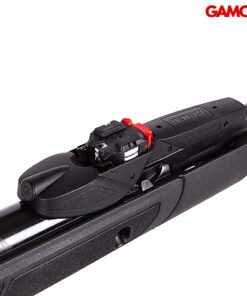
GAMO Air Rifles

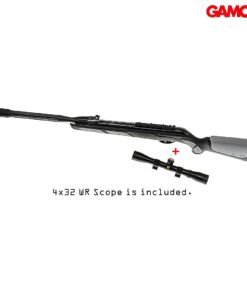
GAMO Air Rifles>
Air Rifles

PCP Air Rifles
Uncategorized
Uncategorized
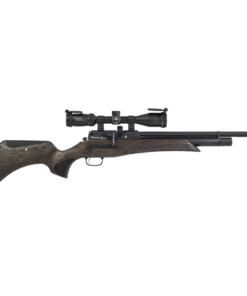

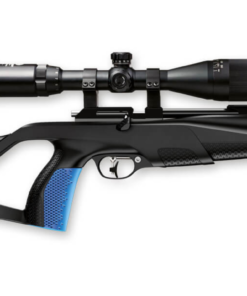
Air Rifles
Reviews
There are no reviews yet.