






Air Rifle Gamo Swarm Magnum Pro 10X IGT GEN3i
$310.00
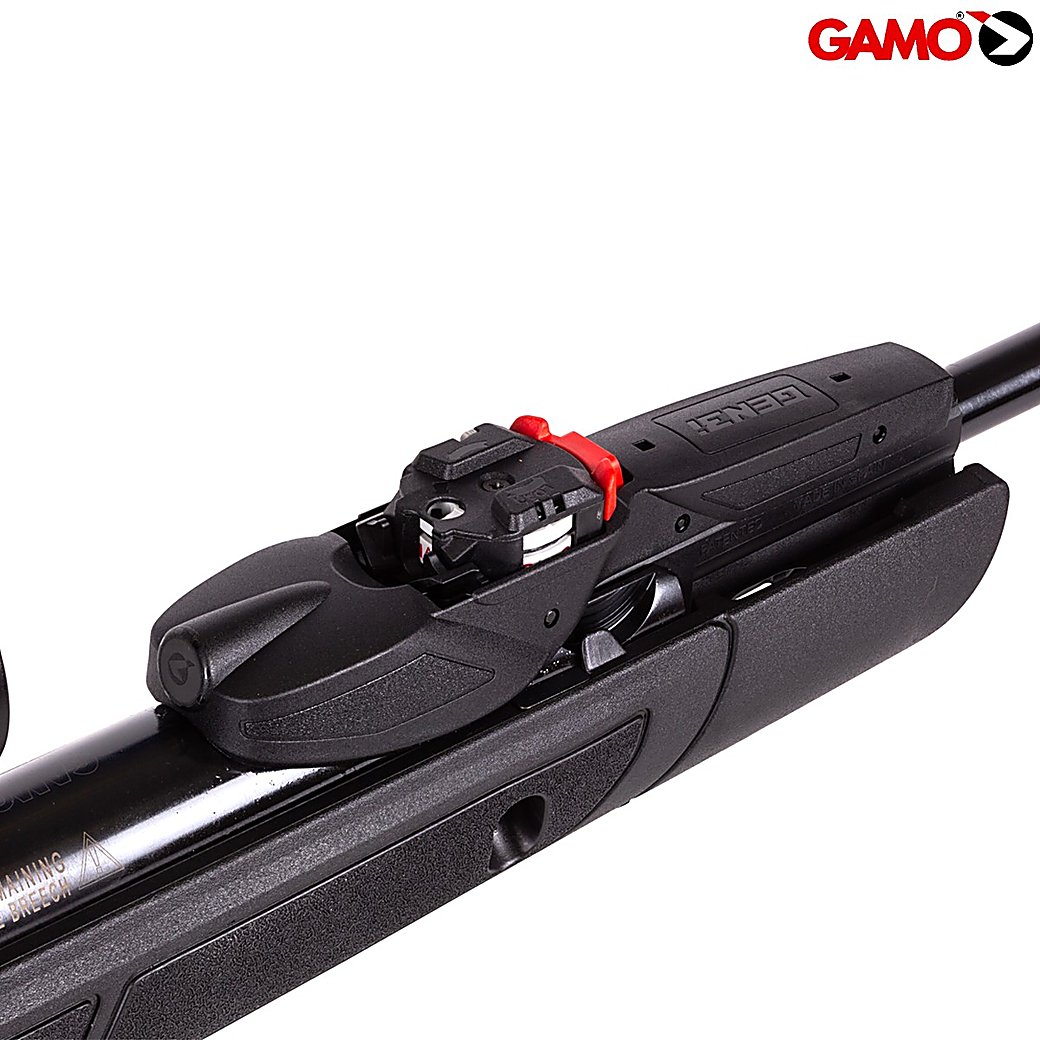
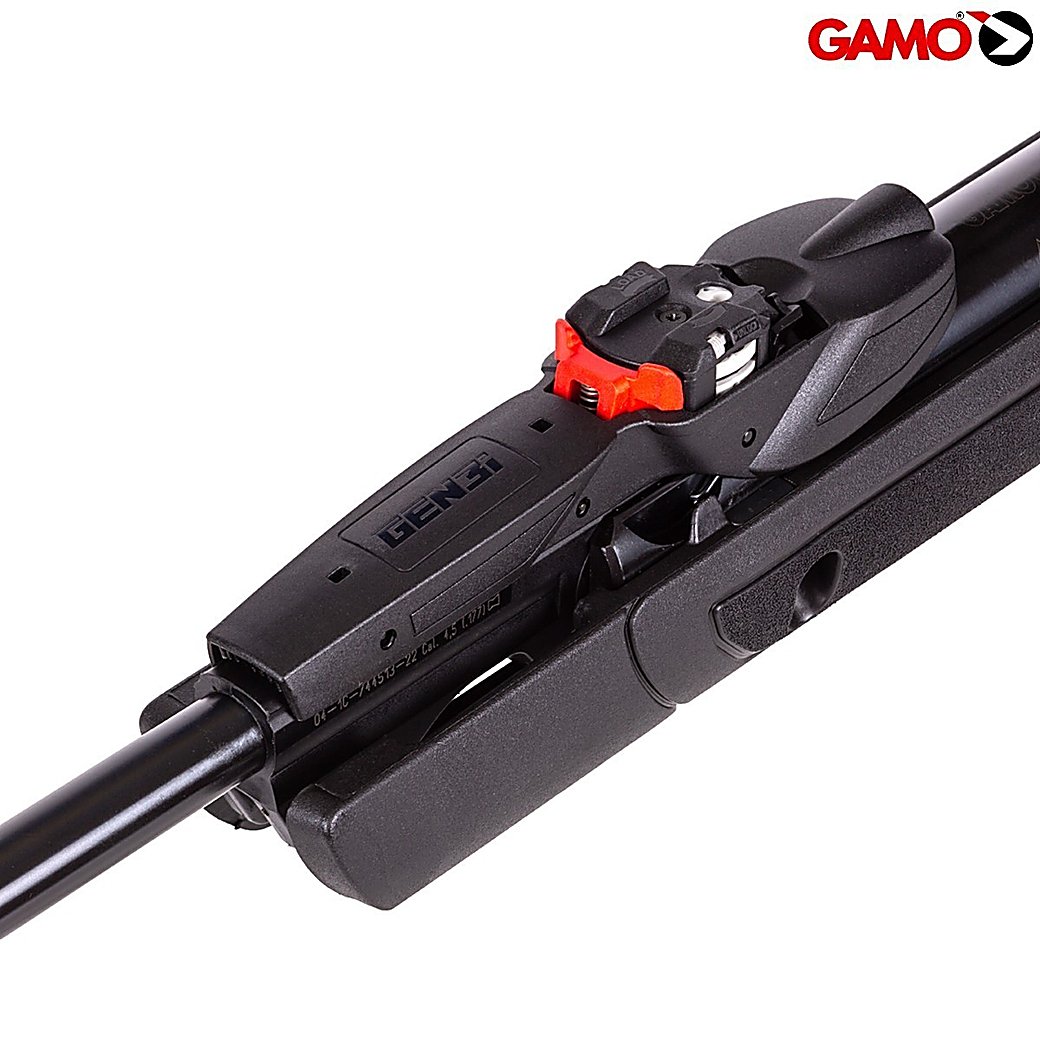
Unprecedented speed and power. Unparalleled performance. Offering smoother operation and improved accuracy for an unprecedented shooting experience, the Swarm Magnum Pro 10X GEN3i includes the patent-pending 10X GEN3i Technology with our revolutionary new horizontal inertial fed magazine integration, making it lighter, more compact and low profile.
The magazine indexes using the inertial force from the recoil of the air rifle creating a smoother and more precise breech-loading process. This air rifle features a new stock that combines a traditional hunting stock design with the automotive grade glass filled nylon materials. Forearm, grip and cheek piece are non-slip texturized
Gamo’s new generation Gen3I IGT features the 10X system, which makes this air rifle fire ten shots with a simple opening of the barrel. With the slogan “ten shots, zero reloads”, this rifle boasts smoother operation and improved accuracy
Features:
– Ambidextrous synthetic fibre stock.
– Grooved steel swivel barrel.
– RRR scope rail to reduce vibration and extend the life of the scope.
– Trigger system: 10x quick shot.
– CAT Trigger: Adjustable trigger in the first and second stage, smooth and precise.
– SWA recoil absorbing butt pad.
– Manual trigger safety.
– Magazine compartment integrated in the stock.
| SILENCER | Whisper Maxxim |
|---|---|
| TRIGGER | CAT |
| ACTION | Multishot 3rd Gen |
| POWERPLANT | IGT Mach 1 |
| TRIGGER LOCK | Yes |
| RAIL | RRR |
One magazine included, also sold separately as an accessory
This air rifle includes a 4X32WR Scope
Data sheet
| Shooting speed (4.5 mm) | 305 m/s |
| Shooting speed (5.5 mm) | 220 m/s |
| Product Total Lenght | 126cm |
| Additional References | 61100393-IGTIB |
| Additional References | 793676105093 |
| Additional References | 6110039355-IGTIB |
| Additional References | 793676105109 |
Air Rifle Gamo Swarm Magnum Pro 10X IGT GEN3i

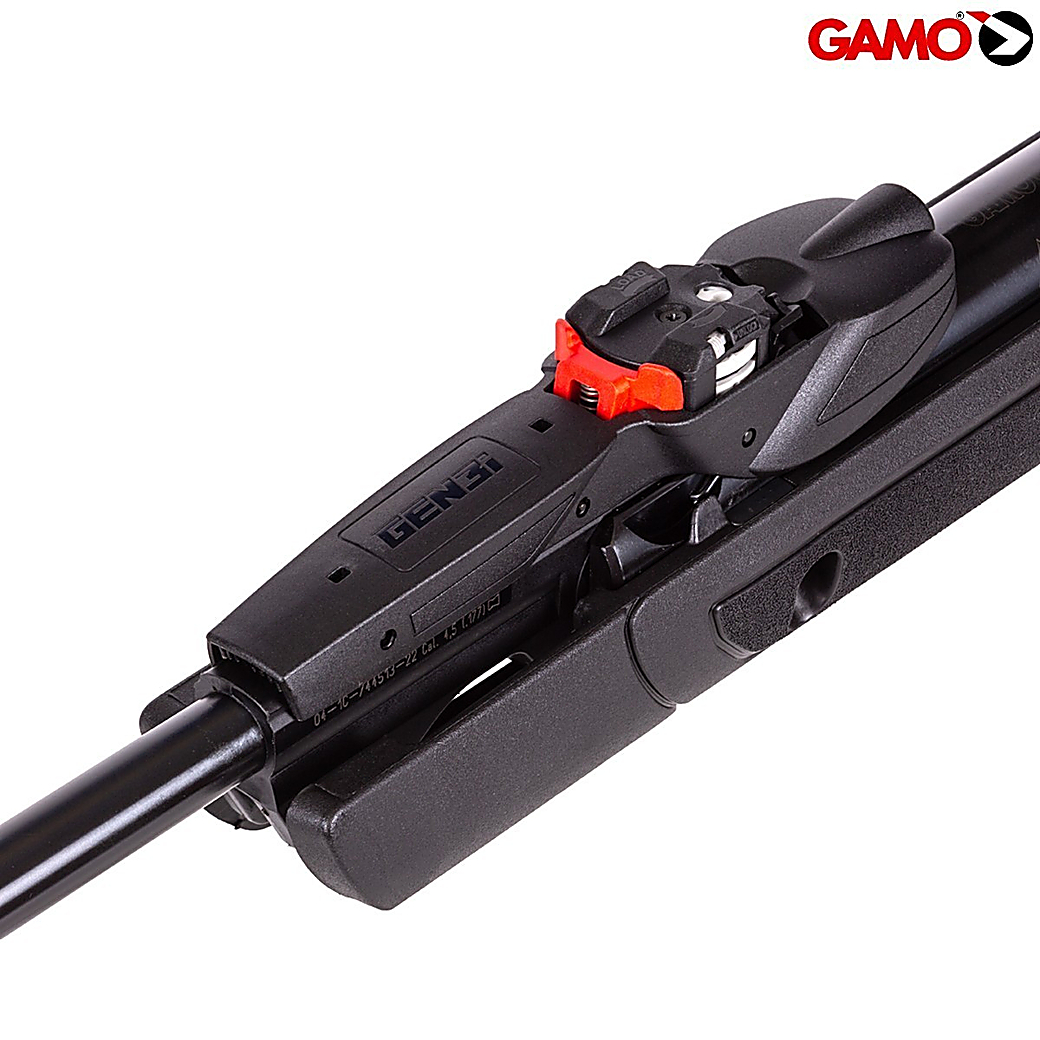
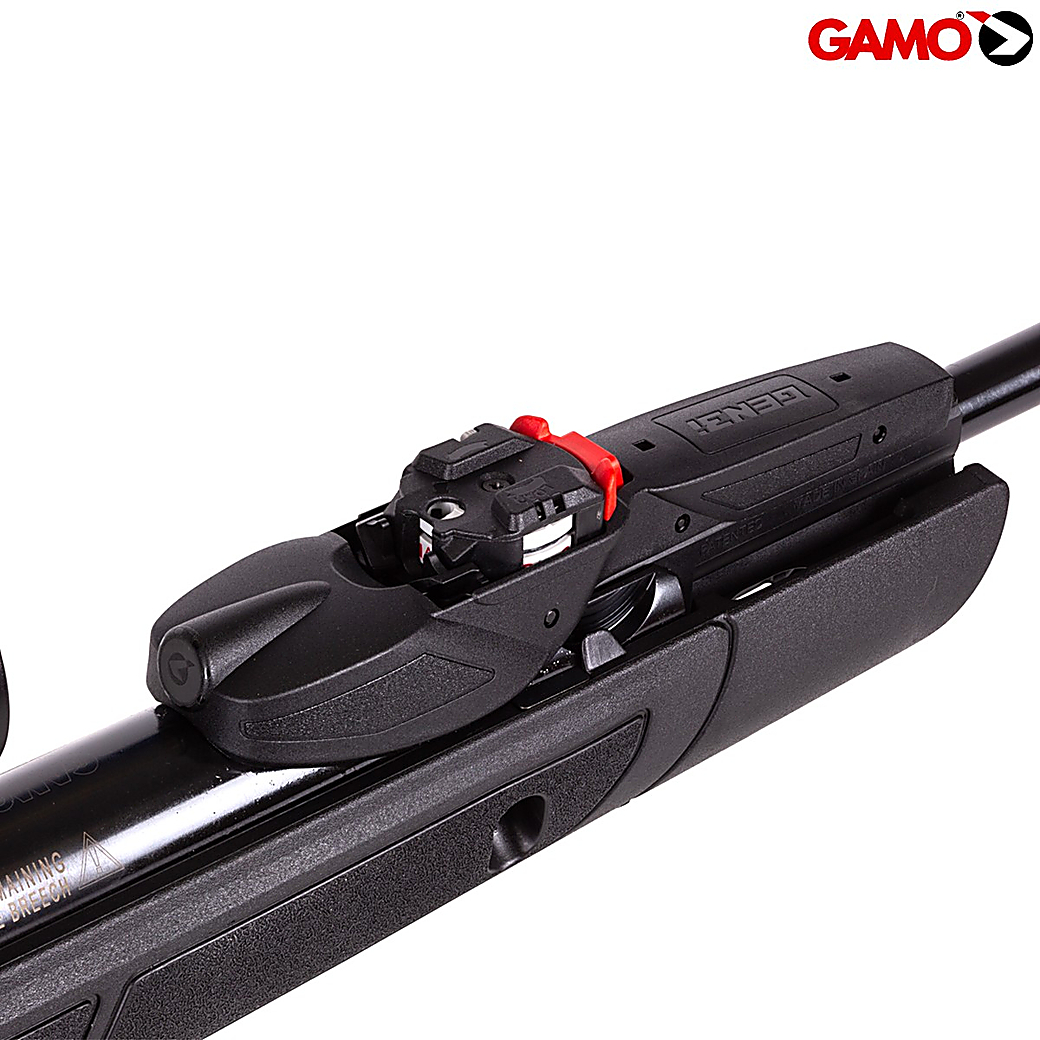
The Air Rifle Gamo Swarm Magnum Pro 10X IGT GEN3i has been developed around Gamo’s multi-shot break-barrel platform, combining a gas-piston powerplant with an inertia-fed magazine system and a modern synthetic stock. Rather than being configured as a conventional single-shot break barrel, the platform has been designed so that multiple pellets can be loaded sequentially through Gamo’s 10X GEN3i magazine system.
A low-profile magazine arrangement has been integrated above the breech. Consequently, a more streamlined profile has been achieved when compared with older vertically oriented magazine systems. Meanwhile, the familiar break-barrel operating format has been retained.
Two common caliber configurations are identified by Gamo for the Swarm Magnum Pro. The .177-caliber version has been listed with a maximum advertised velocity of up to 1,650 FPS, while the .22-caliber configuration has been listed at up to 1,300 FPS. Those maximum figures are manufacturer ratings and can vary according to projectile weight, projectile construction, environmental conditions, maintenance condition, and other variables.
The platform also incorporates Gamo technologies including the 10X GEN3i multi-shot system, IGT Mach 1 gas-piston powerplant, Whisper Fusion sound-moderating system, Custom Action Trigger, Shock Wave Absorber recoil pad, Recoil Reducing Rail, and a 3–9×40 optic in the manufacturer’s listed configuration.
Overview of the Air Rifle Gamo Swarm Magnum Pro 10X IGT GEN3i
A combination of traditional break-barrel architecture and modern loading technology has been incorporated into the Gamo Swarm Magnum Pro.
At its core, the rifle remains mechanically recognizable as a break-barrel air rifle. The barrel is articulated downward during the cocking cycle, energy is stored within the gas-piston system, and the breech is subsequently returned to its firing position.
However, pellet handling has been changed by the GEN3i magazine arrangement.
Instead of a pellet necessarily being placed manually into the breech before every shot, pellets can be held inside the magazine and subsequently indexed through the loading mechanism.
As a result, the loading sequence differs considerably from that associated with a traditional single-shot break barrel.
What Is the 10X GEN3i System?
Gamo’s 10X GEN3i technology refers to its third-generation multi-shot magazine arrangement.
A horizontal inertia-fed magazine system has been incorporated into the Swarm Magnum Pro. According to Gamo, magazine indexing is assisted by inertia generated during operation of the air rifle, while a lower and more compact magazine profile has been achieved.
The design is especially noteworthy because one of the historical limitations of multi-shot break-barrel systems has been the physical space required above the breech.
With the GEN3i arrangement, the magazine has been positioned horizontally. Consequently, less vertical space is occupied.
Furthermore, the sight picture and overall profile can feel less obstructed than they might with taller magazine assemblies.
Break-Barrel Operation Is Still Retained
Although a multi-shot magazine has been incorporated, the rifle should not be confused with a semi-automatic PCP or CO₂ platform.
Energy must still be stored through the break-barrel cocking cycle.
Therefore, the barrel must be operated between shots.
The magazine reduces repeated manual pellet placement rather than eliminating the mechanical cocking requirement.
This distinction is important when comparing the Swarm Magnum Pro with other categories of air rifles.
Key Features
Important manufacturer-listed characteristics include:
- Gamo Swarm Magnum Pro platform
- 10X GEN3i multi-shot magazine technology
- Horizontal inertia-fed magazine configuration
- Break-barrel operating system
- IGT Mach 1 gas-piston technology
- Whisper Fusion noise-reduction system
- CAT Custom Action Trigger
- SWA Shock Wave Absorber recoil pad
- RRR Recoil Reducing Rail
- 3–9×40 scope in the manufacturer’s listed configuration
- Synthetic stock construction
- Textured gripping areas
- .177 and .22 caliber configurations
- Approximately 49.2-inch overall length according to Gamo’s published specification table
- Approximately 21.3-inch barrel length
- Approximately 7.32-pound listed weight
- Approximately 41-pound listed cocking effort
- Five-year manufacturer-listed warranty
Manufacturer specifications should always be checked against the exact SKU and regional configuration because supplied accessories or specifications can differ between markets.
IGT Mach 1 Gas-Piston Technology
Understanding the Powerplant
The Air Rifle Gamo Swarm Magnum Pro 10X IGT GEN3i uses Gamo’s IGT Mach 1 gas-piston system rather than a conventional coiled-steel mainspring.
Within a conventional spring-piston air rifle, mechanical energy is stored through compression of a steel spring.
Within an IGT system, that spring is replaced by a gas-filled pneumatic cylinder.
When the rifle is cocked, the internal gas system is compressed. When the trigger mechanism is released, that stored energy is used to drive the piston forward.
Air is subsequently compressed behind the projectile.
Why Gas-Piston Systems Are Used
Several mechanical characteristics are associated with gas-piston designs.
Spring vibration can be reduced because a coiled steel mainspring is not being rapidly expanded after trigger release.
Furthermore, the mechanical behavior of the action can differ from that of a traditional spring-powered rifle.
However, accuracy should never be judged from powerplant technology alone.
Projectile selection, hold consistency, optic installation, environmental conditions, shooter technique, maintenance condition, and manufacturing tolerances can all influence practical performance.
.177-Caliber Configuration
The .177 configuration has been listed by Gamo with an advertised maximum velocity of up to 1,650 FPS. Gamo’s earlier catalog specifies that its headline velocity figure is obtained using alloy pellets.
Because pellet mass and construction vary considerably, actual velocity should be expected to vary as well.
Lightweight projectiles generally achieve higher velocity than heavier projectiles under otherwise comparable conditions.
Consequently, maximum advertised FPS should not automatically be interpreted as the velocity that will be produced with every .177 pellet.
Characteristics of .177 Pellets
The .177 caliber is widely encountered in recreational and target-oriented airgun use.
Because projectile diameter and typical projectile mass are relatively low, comparatively flat trajectories can sometimes be produced at appropriate distances.
Nevertheless, pellet compatibility should be evaluated carefully.
Different pellet head sizes, weights, skirt geometries, and materials can behave differently in the same barrel.
For this reason, accuracy should be assessed with controlled target testing rather than assumed from advertised velocity alone.
.22-Caliber Configuration
A .22 version of the Gamo Swarm Magnum Pro 10X GEN3i is also listed.
For this configuration, Gamo publishes an advertised maximum velocity of up to 1,300 FPS.
Once again, projectile choice substantially affects actual velocity.
Heavier lead pellets should generally be expected to produce lower velocities than very lightweight alloy projectiles.
Therefore, comparison between different air rifles should ideally involve projectile mass and muzzle energy alongside velocity rather than FPS alone.
Understanding Velocity Versus Energy
Velocity describes how quickly a projectile is moving.
Muzzle energy describes the kinetic energy carried by that projectile.
Because projectile mass forms part of the kinetic-energy equation, two pellets traveling at similar velocities can possess different amounts of energy.
Consequently, a single FPS number provides only part of the performance picture.
Gamo 10X GEN3i Magazine
The magazine system is one of the defining features of the Swarm platform.
Horizontal Magazine Layout
A horizontal magazine orientation has been incorporated into the GEN3i design.
This represents a significant architectural change from some earlier multi-shot break-barrel configurations.
By reducing the height of the magazine assembly, the breech area has been given a lower profile.
Meanwhile, pellets can still be stored within the magazine for sequential loading.
Ten-Shot Capacity
The .177 and .22 Swarm Magnum Pro versions listed by Gamo use the 10X GEN3i arrangement.
Accordingly, ten pellets can be held by the appropriate magazine before reloading becomes necessary.
Magazine compatibility remains caliber-specific.
Therefore, a magazine intended for one caliber should not be assumed to be compatible with another.
Magazine Loading Considerations
Pellets should be inserted according to the manufacturer’s instructions.
Damaged, deformed, incorrectly seated, or incompatible pellets can interfere with reliable indexing.
Likewise, forcing a magazine mechanism should be avoided.
If resistance is encountered, the rifle should be made safe and the manufacturer’s manual should be consulted.
Whisper Fusion Technology
Noise management has also been incorporated into the platform.
The Swarm Magnum Pro is specified with Gamo’s Whisper Fusion technology.
The system is intended to reduce muzzle report compared with an otherwise comparable unmoderated configuration.
Nevertheless, no high-powered air rifle should automatically be considered silent.
Perceived noise can be influenced by numerous factors, including projectile velocity, caliber, surrounding structures, distance from the listener, atmospheric conditions, and the mechanical noise created by the action itself.
Why Environment Changes Perceived Noise
A rifle discharged in an open field can sound different from the same rifle used within an enclosed or partially enclosed space.
Hard walls and other surfaces reflect acoustic energy.
Consequently, substantially more perceived noise may be experienced in some environments.
Hearing protection should therefore be considered whenever appropriate.
CAT Custom Action Trigger
The CAT Custom Action Trigger is another manufacturer-listed feature.
A predictable trigger interface can help a shooter maintain consistent technique.
However, adjustment should always remain within the manufacturer’s approved range.
Unauthorized modification of trigger components can compromise safe operation.
Trigger Consistency
During precision target shooting, inconsistent trigger input can move the rifle before the pellet has left the barrel.
Therefore, smooth and repeatable trigger technique is generally desirable.
At the same time, appropriate muzzle awareness and safe handling should always take priority over performance.
Recoil Reducing Rail
The Swarm Magnum Pro is also listed with Gamo’s RRR Recoil Reducing Rail.
Break-barrel gas-piston rifles generate a recoil impulse that differs from the recoil pattern produced by many powder-burning firearms.
Movement can occur in more than one direction during the firing cycle.
Consequently, optics installed on powerful break-barrel air rifles must be appropriate for that mechanical environment.
The rail system is intended to help reduce the transfer of recoil stresses into the optic and mounting system.
Scope Installation
A 3–9×40 optic is identified in Gamo’s published configuration.
Correct mounting remains important.
Ring alignment, fastener torque, eye relief, rail engagement, and reticle leveling should all be checked according to the manufacturer’s instructions.
Excessive fastener torque should be avoided because optic tubes and mounting components can be damaged.
Shock Wave Absorber Recoil Pad
The stock is fitted with Gamo’s SWA, or Shock Wave Absorber, recoil-pad technology.
The shoulder interface affects how a rifle is supported throughout the firing cycle.
Consequently, consistency can be improved when the same shoulder position is maintained from one shot to another.
Fit remains individual, however.
Body dimensions, stance, eye position, arm length, and shooting position all affect how naturally a rifle can be mounted.
Synthetic Stock Construction
A modern synthetic stock is used by the Swarm Magnum Pro.
Gamo describes the stock as combining a traditional hunting-style shape with automotive-grade glass-filled nylon materials. Non-slip texturing is incorporated around the forearm, grip, and cheek-piece areas.
Synthetic construction offers several practical characteristics.
Unlike unfinished wood, polymer-based stock materials are not affected by moisture in precisely the same way.
Furthermore, molded gripping textures can be incorporated directly into the design.
Nevertheless, routine cleaning remains appropriate.
Dust, moisture, oils, mud, and other contaminants should be removed after use.
Ergonomics and Handling
A rifle’s published specifications describe only part of its handling characteristics.
Gamo lists the Swarm Magnum Pro at approximately 7.32 pounds, with an overall length of approximately 49.2 inches and a barrel length of approximately 21.3 inches.
Those dimensions make personal fit an important consideration.
A rifle that feels comfortable to one person may feel long or heavy to another.
Length of Pull
The manufacturer’s specification table lists a length of pull of approximately 15 inches.
Length of pull refers broadly to the distance between the trigger and the rear of the stock.
This measurement influences shoulder placement and trigger reach.
Consequently, individual fit should be considered alongside purely technical specifications.
Cocking Effort
Gamo lists approximately 41 pounds of cocking effort for the Swarm Magnum Pro in its specification table.
Because the rifle is powered through a manually cocked break-barrel mechanism, physical effort must be applied during each firing cycle.
Potential users should therefore recognize that multi-shot magazine capacity does not mean ten shots can be fired without recocking the action.
After each shot, another cocking cycle is required.
Scope and Optics
The manufacturer’s specification lists a 3–9×40 scope.
Variable magnification allows different magnification levels to be selected within the optic’s specified range.
At lower magnification, a wider apparent field of view can generally be maintained.
At higher magnification, target details can appear larger.
However, magnification alone does not create accuracy.
Stable shooting technique, correct focus, appropriate parallax management, consistent head position, properly tightened mounts, and a correctly zeroed optic remain important.
Understanding the 3–9×40 Designation
The first numbers describe magnification range.
Therefore, 3–9× indicates an optic that can be adjusted between approximately three-times and nine-times magnification.
The number 40 describes the nominal objective-lens diameter in millimeters.
Although objective diameter affects the optical system, overall image quality depends on substantially more than objective size.
Lens design, coatings, internal alignment, exit pupil, ambient light, eye relief, and manufacturing quality all play roles.
Pellet Selection
Pellet selection should be based on the exact caliber marked on the rifle.
Only ammunition specifically compatible with the rifle should be used.
Pellet Weight
Different pellet weights produce different velocity and trajectory characteristics.
A very lightweight pellet may provide comparatively high velocity.
Meanwhile, a heavier pellet may produce a different trajectory and retain energy differently.
Neither category should automatically be assumed to provide better accuracy.
Pellet Shape
Common pellet profiles include:
- Domed
- Wadcutter
- Pointed
- Hollow-point
- Specialty alloy designs
Different barrel-and-pellet combinations can behave differently.
Therefore, controlled paper-target testing provides a useful way of determining which projectile groups consistently in a particular rifle.
Accuracy Considerations
No responsible description of the Air Rifle Gamo Swarm Magnum Pro 10X IGT GEN3i should guarantee a particular group size for every user.
Mechanical accuracy is only one variable.
Factors That Influence Practical Accuracy
Practical results can be affected by:
- Pellet weight
- Pellet diameter
- Pellet quality
- Barrel condition
- Scope installation
- Scope adjustment
- Wind
- Distance
- Shooting rest
- Shooter technique
- Follow-through
- Trigger control
- Stock position
- Temperature
- Maintenance condition
Consequently, repeatable testing is preferable to assumptions based solely on velocity ratings.
Break-Barrel Shooting Technique
Powerful break-barrel air rifles can respond noticeably to changes in hold.
A rigid hold may produce different results from a more relaxed hold.
Likewise, changing the point at which the fore-end is supported can alter barrel movement during the firing cycle.
For consistent target testing, the rifle should therefore be supported in the same way from shot to shot.
Follow-Through
Follow-through describes the maintenance of shooting position immediately after the trigger has been released.
Because the projectile remains within the barrel for a finite period, movement occurring during the firing cycle can affect point of impact.
Accordingly, consistent follow-through is useful when evaluating accuracy.
Maintaining the Gamo Swarm Magnum Pro
Routine care can help preserve reliable operation.
However, maintenance should always be performed according to the manufacturer’s manual.
Exterior Cleaning
After handling, accessible exterior surfaces can be wiped appropriately.
Moisture, dirt, fingerprints, and debris should not be allowed to accumulate unnecessarily.
Abrasive cleaners should be avoided unless specifically approved for the materials involved.
Barrel Cleaning
Air-rifle barrel maintenance differs from the aggressive cleaning routines sometimes associated with powder-burning firearms.
Excessive cleaning can be unnecessary.
Furthermore, inappropriate cleaning rods or techniques can damage rifling or the crown.
Therefore, Gamo’s instructions should be followed.
Lubrication
Only lubricants suitable for the exact airgun system should be used.
Petroleum-based products or excessive oil should not automatically be introduced into compression areas because high pressure and temperature can cause unintended effects.
Manufacturer-approved products and quantities should therefore be respected.
Magazine Maintenance
The GEN3i magazine should be kept free from excessive dirt and contamination.
Pellets should also be inspected before insertion.
A visibly damaged pellet can interfere with feeding.
Likewise, the magazine should never be forced when indexing resistance is encountered.
Storage
Responsible storage is an essential part of air-rifle ownership.
The rifle should be stored:
- Unloaded
- Secured against unauthorized access
- Separately from pellets where required or appropriate
- In a dry environment
- Away from children and unauthorized users
- In accordance with local legislation
A secure cabinet or other appropriate storage system should be considered according to applicable laws and circumstances.
Responsible Handling
An air rifle is not a toy.
Potentially serious injury and property damage can result from improper use.
Therefore, the muzzle should always be pointed in a safe direction.
A safe backstop should always be present during legitimate target shooting.
Furthermore, the target and the area beyond it should be positively identified.
Eye protection should be worn where appropriate.
Legal Considerations
Airgun laws differ considerably between countries, states, provinces, municipalities, and other jurisdictions.
Restrictions can involve:
- Minimum ownership age
- Purchase requirements
- Licensing
- Registration
- Storage requirements
- Transportation requirements
- Permitted shooting locations
- Maximum muzzle energy
- Maximum velocity
- Hunting regulations
- Public-carry restrictions
Consequently, local laws should always be checked before possession, transportation, modification, or use.
Comparing GEN3i With Traditional Single-Shot Break Barrels
A conventional break-barrel air rifle normally requires a pellet to be manually inserted after every cocking cycle.
The GEN3i system changes that process.
With pellets stored within the magazine, manual pellet handling between every shot can be reduced.
The action must still be cocked, however.
Therefore, the system should be understood as multi-shot loading assistance, rather than semi-automatic operation.
Multi-Shot Convenience
For controlled target sessions, the magazine can reduce repeated interaction with loose pellets.
This can be especially noticeable during extended paper-target testing.
Nevertheless, every firing cycle should remain deliberate.
The shooter should verify target conditions, backstop conditions, muzzle direction, and general safety before each shot.
Gas Piston Versus Spring Piston
Traditional spring-piston rifles use a coiled steel spring.
The Swarm Magnum Pro instead uses Gamo’s IGT Mach 1 gas-piston system.
Mechanical Differences
When a conventional spring is released, spring vibration can occur.
With a gas-piston system, that specific steel-spring behavior is absent.
However, movement and vibration are not eliminated completely.
The piston still accelerates rapidly within the compression tube.
Consequently, appropriate shooting technique and suitable optics remain important.
The Importance of the RRR Rail
Optics mounted on powerful break-barrel rifles are exposed to a demanding recoil environment.
Gamo’s Recoil Reducing Rail is incorporated to address this aspect of the platform.
Nevertheless, mounts should still be checked periodically.
Loose mounting screws can result in wandering zero and inconsistent grouping.
Understanding Manufacturer FPS Ratings
Headline FPS numbers are often among the most visible air-rifle specifications.
However, they need context.
Gamo identifies maximum velocities of approximately 1,650 FPS for .177 and 1,300 FPS for .22 on the Swarm Magnum Pro, while its catalog notes the use of alloy pellets for those headline figures.
Actual velocity with conventional lead pellets can therefore be lower.
This is normal.
Velocity should not be interpreted independently from projectile mass.
Muzzle Energy
Muzzle energy is commonly expressed in foot-pounds or joules.
Gamo’s 2024 specification table lists approximately 26.6 ft-lb for the .177 configuration and 33.2 ft-lb for the .22 configuration under the manufacturer’s listed specification conditions.
Actual results can vary according to pellet characteristics and operating conditions.
Therefore, chronograph testing with the exact pellet being used provides a more meaningful measurement of a particular rifle’s real-world output.
Chronograph Testing
A chronograph measures projectile velocity.
When projectile weight is also known, energy can subsequently be calculated.
For useful testing:
- The same pellet type should be used throughout a string.
- Damaged pellets should be excluded.
- Conditions should remain reasonably consistent.
- Several shots should be recorded.
- Average velocity should be considered alongside extreme spread.
Chronograph equipment should always be positioned and operated according to its manufacturer’s safety instructions.
Target Testing
Accuracy testing should be systematic.
Rather than changing multiple variables simultaneously, one variable should ideally be changed at a time.
For example, one pellet design can be tested before another pellet design is introduced.
This approach makes performance differences easier to interpret.
Scope Zeroing
A rifle scope is zeroed when the sighting system is adjusted so that point of aim and point of impact correspond at a selected distance under defined conditions.
Because trajectory changes with distance, a zero established at one range does not mean impact will remain identical at every other range.
Projectile velocity, ballistic coefficient, sight height, pellet weight, and atmospheric conditions influence trajectory.
Wind Effects
Airgun projectiles can be affected significantly by crosswinds.
Therefore, groups produced outdoors should be interpreted with environmental conditions in mind.
Wind speed can also change between shots.
Consequently, unexplained horizontal dispersion should not automatically be attributed to the rifle or optic.
Temperature Considerations
Temperature can influence equipment, lubrication characteristics, projectile behavior, and atmospheric density.
Although gas-piston systems do not rely on a removable CO₂ cartridge, environmental conditions can still affect overall behavior.
Therefore, comparisons are more useful when testing conditions are recorded.
Stock Texture
Gamo describes textured surfaces around the forearm, pistol-grip area, and cheek piece of the Swarm Magnum Pro stock.
These areas have been incorporated to provide defined contact surfaces.
Consistent hand placement remains useful when evaluating repeatability.
Balance and Overall Size
At approximately 49.2 inches in listed overall length, the Swarm Magnum Pro is a full-size platform.
Consequently, users should evaluate fit rather than relying solely on photographs.
Physical dimensions can affect standing, kneeling, seated, and supported shooting positions differently.
Who Should Understand the Swarm Magnum Pro Platform?
The model may be researched by adult airgun users who are comparing:
- Break-barrel technology
- Gas-piston systems
- Multi-shot magazine designs
- .177 versus .22 configurations
- Target-shooting platforms
- Modern synthetic-stock designs
- Variable-power optics
- High-output sporting air rifles
Local eligibility and legal requirements should always be confirmed independently.
Air Rifle Gamo Swarm Magnum Pro 10X IGT GEN3i Specifications
Manufacturer-Listed .177 Version
Model: Gamo Swarm Magnum Pro
Operating system: Break barrel
Magazine system: 10X GEN3i
Caliber: .177
Maximum advertised velocity: Up to 1,650 FPS
Powerplant: IGT Mach 1
Noise management: Whisper Fusion
Trigger: CAT Custom Action Trigger
Recoil pad: SWA
Rail: RRR
Scope: 3–9×40
Overall length: Approximately 49.2 inches
Barrel length: Approximately 21.3 inches
Weight: Approximately 7.32 pounds
Cocking effort: Approximately 41 pounds
Length of pull: Approximately 15 inches
Manufacturer-listed muzzle energy: Approximately 26.6 ft-lb
Manufacturer-listed warranty: Five years
Manufacturer-Listed .22 Version
Model: Gamo Swarm Magnum Pro
Operating system: Break barrel
Magazine system: 10X GEN3i
Caliber: .22
Maximum advertised velocity: Up to 1,300 FPS
Powerplant: IGT Mach 1
Noise management: Whisper Fusion
Trigger: CAT Custom Action Trigger
Recoil pad: SWA
Rail: RRR
Scope: 3–9×40
Overall length: Approximately 49.2 inches
Barrel length: Approximately 21.3 inches
Weight: Approximately 7.32 pounds
Cocking effort: Approximately 41 pounds
Length of pull: Approximately 15 inches
Manufacturer-listed muzzle energy: Approximately 33.2 ft-lb
Manufacturer-listed warranty: Five years
Specifications above are based on Gamo’s published catalog information and can vary by regional configuration, production revision, or SKU.
Frequently Asked Questions About the Air Rifle Gamo Swarm Magnum Pro 10X IGT GEN3i
What is the Gamo Swarm Magnum Pro 10X IGT GEN3i?
The Gamo Swarm Magnum Pro is a gas-piston break-barrel air rifle incorporating Gamo’s 10X GEN3i multi-shot magazine system.
Rather than manually inserting a loose pellet before every individual shot, pellets can be stored in the compatible magazine and loaded sequentially as the action is cycled.
Is the Gamo Swarm Magnum Pro semi-automatic?
No.
Although multiple pellets can be stored in the magazine, the rifle remains a manually cocked break-barrel design.
The barrel must therefore be cocked between shots.
What does 10X GEN3i mean?
10X GEN3i identifies Gamo’s third-generation ten-shot loading system used on this model.
The magazine is positioned horizontally and uses an inertia-assisted indexing arrangement.
How many pellets does the magazine hold?
The manufacturer lists the Swarm Magnum Pro with its 10X GEN3i ten-shot magazine system.
Magazine capacity and compatibility should still be confirmed for the exact caliber and SKU.
Is the Swarm Magnum Pro available in .177?
Yes.
Gamo lists a .177 version of the Swarm Magnum Pro.
Its published maximum advertised velocity is up to 1,650 FPS under the manufacturer’s specified testing conditions.
Is the Swarm Magnum Pro available in .22?
Yes.
A .22 configuration is also listed.
Gamo publishes a maximum advertised velocity of up to 1,300 FPS for that version.
Does the Swarm Magnum Pro use CO₂?
No removable CO₂ cartridge is used as the main power source.
Energy is provided through the IGT Mach 1 gas-piston system, which is compressed during the break-barrel cocking cycle.
Does it use a conventional metal spring?
The primary powerplant is Gamo’s IGT Mach 1 gas-piston system rather than a conventional coiled mainspring.
What scope is listed with the rifle?
Gamo’s published specification identifies a 3–9×40 optic with the Swarm Magnum Pro configuration.
Regional packages can vary, so the exact included equipment should be verified against the relevant SKU.
What is Whisper Fusion?
Whisper Fusion is Gamo’s sound-management technology incorporated into the Swarm Magnum Pro.
It is intended to reduce muzzle report.
However, the rifle should not be considered silent.
What is the CAT trigger?
CAT stands for Custom Action Trigger.
It is Gamo’s adjustable trigger system used on the platform.
Adjustments should remain within the limits established by the manufacturer.
What is the RRR rail?
RRR refers to Gamo’s Recoil Reducing Rail.
It is designed to help manage recoil forces transferred to the optic and mounting system.
What does SWA mean?
SWA stands for Shock Wave Absorber.
It refers to the recoil-pad system installed at the rear of the stock.
How much does the Swarm Magnum Pro weigh?
Gamo’s specification table lists a weight of approximately 7.32 pounds.
Actual configured weight can increase when accessories are added.
How long is the Gamo Swarm Magnum Pro?
The manufacturer’s published overall length is approximately 49.2 inches.
What is the barrel length?
Gamo lists a barrel length of approximately 21.3 inches.
What is the listed cocking effort?
Approximately 41 pounds of cocking effort is identified in Gamo’s published specification table.
Does pellet weight affect velocity?
Yes.
Projectile mass is one of the primary variables influencing muzzle velocity.
Lightweight projectiles can generally reach higher velocities than heavier pellets under otherwise comparable conditions.
Will every .177 pellet reach 1,650 FPS?
No assumption of that kind should be made.
The 1,650 FPS figure is a maximum manufacturer rating, and Gamo’s catalog associates its maximum velocity figures with alloy pellets.
Actual velocity depends on pellet weight, construction, fit, rifle condition, and environmental factors.
Will every .22 pellet reach 1,300 FPS?
No.
Again, 1,300 FPS represents a published maximum rather than a guaranteed velocity for every pellet.
Heavier projectiles can produce substantially different chronograph readings.
Is maximum FPS the same as accuracy?
No.
Velocity and accuracy are separate performance characteristics.
A faster pellet is not automatically a more accurate pellet.
Barrel compatibility, pellet quality, stability, shooter technique, optic setup, and environmental conditions all affect accuracy.
Can different pellet types group differently?
Yes.
Airgun barrels frequently show preferences for particular projectile weights, head diameters, and profiles.
Consequently, controlled group testing is commonly used to assess compatibility.
Why can point of impact change after changing pellets?
Different pellets can have different weights, shapes, drag characteristics, and barrel-fit characteristics.
Their trajectories can therefore differ.
Whenever pellet type is changed, point of impact should be checked against an appropriate target and safe backstop.
Does the magazine eliminate the need to cock the rifle?
No.
The magazine manages pellet feeding.
The break-barrel action must still be cocked between shots.
Is a special magazine required?
Only the correct magazine intended for the exact model and caliber should be used.
Magazine compatibility should be checked against Gamo’s documentation.
Can the magazine be forced if it becomes stuck?
No.
If unexpected resistance is encountered, the rifle should be made safe and the manufacturer’s troubleshooting instructions should be followed.
Forcing the mechanism can cause damage.
How should the rifle be stored?
It should be unloaded, secured against unauthorized access, protected from excessive moisture, and stored according to applicable local regulations.
Should pellets be stored separately?
Local laws vary.
Nevertheless, restricting unauthorized access to both the rifle and ammunition is an important component of responsible storage.
Can young people use the rifle?
Age restrictions and supervision requirements vary by jurisdiction.
Local law and manufacturer guidance should be followed.
Because an air rifle can cause serious injury, it must never be treated as a toy.
Do airgun laws vary by location?
Yes.
Airgun regulation differs substantially worldwide and can even differ between neighboring states, provinces, cities, or municipalities.
Local requirements should therefore be checked before ownership, transport, or use.
Can the rifle be modified?
Unauthorized modifications can affect safety, reliability, legality, warranty status, and mechanical integrity.
Only manufacturer-approved procedures should be followed.
Does the rifle require routine maintenance?
Yes.
Routine inspection and appropriate cleaning can help preserve reliability.
However, the owner’s manual should determine the correct lubrication and maintenance procedures.
Should ordinary firearm oil be placed inside the compression chamber?
Products should not be introduced into internal airgun systems unless they are specifically approved for that application.
Incorrect lubricants or excessive quantities can create unsafe conditions or damage seals.
How frequently should the barrel be cleaned?
There is no universal interval appropriate for every air rifle.
Cleaning should be guided by the manufacturer’s recommendations and observed performance.
Excessive or aggressive cleaning should be avoided.
Why can scope zero change?
Possible causes include loose mounts, mechanical movement, pellet changes, environmental changes, inconsistent shooting technique, optic problems, or internal rifle issues.
Potential causes should therefore be isolated systematically.
Is an ordinary firearm scope always suitable?
Not necessarily.
Powerful break-barrel air rifles produce unusual recoil characteristics.
An optic and mounting system should be suitable for the forces produced by the platform.
Why is consistent hold important?
Break-barrel rifles can respond to changes in support pressure and position.
Repeating the same hold therefore helps produce more meaningful accuracy testing.
What is follow-through?
Follow-through means maintaining the shooting position during and immediately after trigger release.
Consistent follow-through can reduce movement-related variation.
Does higher magnification always improve accuracy?
No.
Excessive magnification can amplify apparent movement and reduce field of view.
Appropriate magnification depends on distance, target size, shooting position, and environmental conditions.
What does 3–9×40 mean?
The optic can be adjusted within an approximate three- to nine-times magnification range.
The objective lens is nominally 40 mm in diameter.
Does a 40 mm objective guarantee a bright image?
No.
Brightness and image quality depend on the entire optical design, including glass, coatings, exit pupil, ambient light, alignment, and magnification.
What is length of pull?
Length of pull generally describes the distance from the trigger to the rear of the stock.
Gamo lists approximately 15 inches for this model.
Why does length of pull matter?
It affects shoulder placement, trigger reach, eye position, and general ergonomics.
A comfortable fit helps a user maintain repeatable positioning.
What is the difference between .177 and .22?
The most obvious difference is projectile diameter.
Typical projectile mass, trajectory behavior, velocity, energy, and intended applications can also differ.
No caliber should be selected purely from its maximum velocity specification.
Does .177 always travel faster?
Within this particular manufacturer’s specification, the .177 version carries the higher headline velocity.
However, actual projectile velocity depends heavily on ammunition.
Does .22 always have more energy?
Gamo’s published specification for this model lists a higher manufacturer-rated muzzle-energy figure for the .22 version than for the .177 version.
Actual energy nevertheless depends on measured velocity and projectile mass.
What is the safest way to evaluate accuracy?
Testing should be performed only in a lawful location with an appropriate target, reliable backstop, clear firing area, appropriate protective equipment, and full awareness of what lies beyond the target.
Why is a proper backstop necessary?
Air-rifle pellets can penetrate or ricochet from unsuitable materials.
A correctly designed backstop helps contain projectiles safely.
Can pellets ricochet?
Yes.
Hard surfaces, water, stone, metal, and other unsuitable targets can create ricochet hazards.
Safe target materials and backstops should therefore be used.
Should eye protection be used?
Appropriate eye protection is advisable where projectile fragments, ricochets, target debris, or mechanical hazards could be encountered.
Should hearing protection be considered?
Yes.
Although air rifles differ acoustically from powder-burning firearms, powerful models can still generate significant noise.
Enclosed spaces can further increase perceived sound through reflection.
Is the Air Rifle Gamo Swarm Magnum Pro 10X IGT GEN3i suitable for every user?
No single air rifle is appropriate for every person.
Physical fit, cocking effort, intended lawful activity, caliber, local regulation, maintenance requirements, experience, and personal preferences should all be evaluated.
Final Overview
The Air Rifle Gamo Swarm Magnum Pro 10X IGT GEN3i represents Gamo’s approach to combining a high-output gas-piston break-barrel platform with a low-profile multi-shot magazine system.
Its defining feature is the 10X GEN3i mechanism, through which a horizontally positioned magazine is incorporated into the breech area.
Meanwhile, the IGT Mach 1 powerplant, Whisper Fusion system, CAT trigger, SWA recoil pad, RRR rail, synthetic stock, and variable-power optic form the wider equipment package identified by the manufacturer.
In Gamo’s published specification, .177 and .22 configurations are available. Maximum advertised velocities are listed at up to 1,650 FPS for .177 and up to 1,300 FPS for .22, while the rifle measures approximately 49.2 inches overall and weighs approximately 7.32 pounds before additional accessories are considered. Manufacturer specifications can vary by region and production configuration and should therefore be confirmed against the precise item number.
For technical evaluation, headline velocity should be considered alongside projectile mass, muzzle energy, pellet compatibility, trigger characteristics, optic setup, ergonomics, and shooting consistency.
Equally importantly, safe storage, appropriate backstops, responsible handling, manufacturer-approved maintenance, and compliance with applicable airgun laws should remain central to ownership and use.
Calibres, FAC Power, Performance and Accessories
The Air Rifle Gamo Swarm Magnum Pro 10X IGT GEN3i is offered in two of the most established air-rifle calibres: .177 calibre (4.5 mm) and .22 calibre (5.5 mm). Each configuration uses the same underlying GEN3i multi-shot architecture, IGT Mach 1 gas-piston powerplant, Whisper Fusion sound-moderating system, CAT trigger and Recoil Reducing Rail. However, projectile diameter, projectile weight, velocity and energy characteristics differ between the two calibre options.
.177 Calibre / 4.5 mm
The .177 calibre Gamo Swarm Magnum Pro 10X IGT GEN3i uses 4.5 mm pellets and represents the higher-velocity configuration within the range. Gamo lists a maximum advertised velocity of up to 1,650 FPS for the U.S.-market .177 model, with the manufacturer noting that maximum velocity figures can be achieved with lightweight alloy pellets.
In Gamo’s international specification, the 4.5 mm version has also been listed at approximately 470 m/s and 36 joules, depending on market specification.
Because .177 pellets are generally lighter and smaller in diameter than comparable .22 pellets, their ballistic characteristics can differ substantially. Actual velocity depends on pellet weight, composition, barrel fit and environmental conditions. Consequently, the manufacturer’s maximum FPS figure should be viewed as a reference specification rather than a guaranteed velocity for every pellet.
.22 Calibre / 5.5 mm
The .22 calibre, or 5.5 mm, Swarm Magnum Pro uses a larger and generally heavier projectile.
For the U.S. configuration, Gamo publishes a maximum advertised velocity of up to 1,300 FPS for the .22 model.
International Gamo specifications identify the 5.5 mm configuration at approximately 380 m/s, with power specifications that can reach approximately 45 joules depending on the regulatory version and market.
The .22 configuration therefore combines a heavier projectile with substantial manufacturer-rated energy. Nevertheless, practical output varies according to the exact pellet being used, and users should always refer to the markings and documentation supplied with their particular rifle.
FAC and Full-Power Versions
The term FAC is commonly used in markets such as the United Kingdom when discussing air rifles whose muzzle energy exceeds the legal threshold applicable to non-FAC airguns.
Accordingly, a full-power version of the Gamo Swarm Magnum Pro 10X IGT GEN3i may fall into an FAC-controlled category depending on the jurisdiction and the exact energy specification.
This distinction is especially important because the Swarm Magnum Pro is produced in different power configurations for different countries.
For example, Gamo’s international specification lists output of approximately 36–45 joules, whereas Gamo’s German-market literature identifies versions restricted to a maximum of approximately 7.5 joules to comply with local requirements.
Therefore, the words “FAC,” “full power” or “high power” should never be interpreted as a universal specification. The legally relevant figure is the actual muzzle energy of the specific rifle supplied in the user’s jurisdiction.
Before possession or use, local licensing, age, registration, transportation and storage requirements should always be confirmed.
IGT Mach 1 Power System
Power is generated through Gamo’s IGT Mach 1 gas-piston system.
Instead of using a conventional coiled steel mainspring, the rifle uses a gas-filled pneumatic cylinder to store energy when the barrel is cocked.
As the trigger mechanism releases the piston, compressed air is generated behind the pellet.
This powerplant has been incorporated throughout the Swarm Magnum Pro platform and works alongside the GEN3i loading system.
Because it remains a break-barrel design, the rifle must still be manually cocked between shots even though the magazine can hold multiple pellets.
10X GEN3i Magazine
One of the most distinctive accessories and operating components is the 10X GEN3i magazine.
A ten-shot magazine is included with the rifle according to Gamo, while additional compatible magazines are also available separately.
Gamo identifies separate magazine versions for the different calibres, meaning .177 and .22 magazines should not be treated as interchangeable.
The GEN3i system positions the magazine horizontally above the breech and uses inertia from the firing cycle to assist magazine indexing.
Consequently, the mechanism maintains a comparatively low-profile appearance while providing sequential pellet loading.
Included 3–9×40 Scope
Gamo lists a 3–9×40 scope with the Swarm Magnum Pro package.
Variable magnification provides flexibility for legitimate target use at different distances. Meanwhile, the 40 mm objective forms part of an optic intended to complement the rifle’s factory configuration.
Because powerful break-barrel rifles generate a distinctive recoil impulse, optics and mounts should always be appropriate for air-rifle use.
Recoil Reducing Rail
The rifle incorporates Gamo’s RRR, or Recoil Reducing Rail.
This system is designed to reduce the recoil forces transmitted to the mounted optic.
Consequently, the rail forms an important part of the rifle’s accessory interface, particularly when a scope is fitted.
Other Compatible Accessories
Useful accessories for responsible ownership can include:
- Calibre-specific GEN3i spare magazines
- Manufacturer-compatible 3–9×40 or airgun-rated optics
- Appropriate scope mounts
- Protective scope covers
- Calibre-correct .177 or .22 pellets
- Manufacturer-approved cleaning products
- Airgun-safe lubricants
- Protective shooting glasses
- A secure rifle case
- A suitable locked storage system
- Paper targets and an appropriate pellet-rated backstop
Accessories should always be selected for the exact calibre and model specification rather than assumed to be universally compatible.
Calibre and Power Summary
In summary, the Air Rifle Gamo Swarm Magnum Pro 10X IGT GEN3i is available in .177/4.5 mm and .22/5.5 mm configurations, while power output varies substantially according to country and legal specification. International versions are listed by Gamo at approximately 36 45 joules, while restricted-market variants can be considerably lower powered.
Alongside its IGT Mach 1 powerplant, the rifle incorporates a 10-shot GEN3i magazine, Whisper Fusion system, CAT trigger, RRR rail and factory-listed 3–9×40 scope. Together, these features define the Swarm Magnum Pro platform while allowing the exact calibre and legal power specification to be matched to the relevant market.
Practical Use Scenarios
The Air Rifle Gamo Swarm Magnum Pro 10X IGT GEN3i can be understood best when its features are considered in realistic, controlled environments. Its multi-shot magazine system, gas-piston powerplant, variable optic, synthetic stock, recoil-management features, and full-size dimensions give it a distinct character compared with simpler single-shot break-barrel rifles. In practical use, those features are most relevant during structured target sessions, recreational range practice, equipment familiarization, accuracy testing, and responsible ownership routines.
Recreational Target Shooting
One of the most straightforward uses for this platform is organized recreational target shooting in a lawful and appropriately controlled area.
A shooter can load the compatible magazine with the correct calibre pellets, establish a safe firing direction, verify the backstop, and then conduct a measured shooting session. The multi-shot magazine system reduces the need to handle a loose pellet before every individual shot. However, the action still requires a full break-barrel cocking cycle between shots.
That combination can make recreational sessions feel more streamlined without changing the deliberate nature of the firing sequence.
For example, a shooter using paper targets may fire a controlled group, inspect the result, and then repeat the process with another pellet type or shooting position. Because several pellets can be preloaded into the magazine, attention can remain focused on stance, sight picture, trigger control, and follow-through.
The rifle’s weight and full-size stock can also make it suitable for supported bench shooting where stability and consistency matter more than rapid movement.
Benchrest Accuracy Testing
A second practical scenario involves controlled benchrest testing.
This is especially useful for evaluating how different pellets perform through the same barrel. Rather than relying on advertised velocity alone, shooters can compare group consistency by changing only one variable at a time.
A suitable process involves using the same target distance, the same rest position, the same optic setting, and the same shooting technique across several groups. One pellet type can be tested first, followed by another.
The result provides a more meaningful picture of practical accuracy than a single headline FPS figure.
The 3–9×40 optic can be useful in this environment because magnification can be adjusted to suit target size and distance. Lower magnification may provide a wider field of view, while higher magnification can make small aiming marks easier to see.
However, excessive magnification should not be assumed to improve accuracy automatically. At higher settings, natural body movement can appear more pronounced. Therefore, a stable position and consistent eye placement remain important.
Pellet Compatibility Testing
Different pellets can behave differently even when they share the same calibre.
A practical testing session may compare domed, wadcutter, pointed, or other compatible pellet profiles using paper targets and a proper backstop. Rather than changing several factors simultaneously, the shooter can keep the rifle setup constant and compare the resulting groups.
This type of structured evaluation can help identify a pellet that produces repeatable performance in a particular rifle.
Projectile weight is another important factor. Lightweight pellets can produce higher velocity, while heavier pellets often produce different trajectory and energy characteristics.
Because the .177 and .22 versions of the rifle have different ballistic behavior, pellet testing should always be conducted using ammunition that matches the calibre marked on the rifle.
Scope Setup and Zero Confirmation
Another common practical scenario involves setting up and confirming the optic.
After the scope has been mounted correctly, its position should be checked for eye relief, reticle alignment, rail engagement, and secure fastening. Because powerful break-barrel rifles produce a distinctive recoil impulse, mounts should be checked periodically.
Once the optic has been installed, the shooter can confirm point of impact on a paper target in a safe environment.
Rather than chasing individual shots, it is generally more useful to evaluate consistent groups. If the group is tight but displaced from the intended aiming point, the optic can be adjusted within the manufacturer’s guidance.
After adjustment, another group can be fired to verify the result.
The Recoil Reducing Rail becomes especially relevant in this scenario because it is designed to help reduce the recoil forces transmitted to the scope and mounting system.
Practicing Consistent Shooting Technique
Break-barrel rifles can respond noticeably to changes in hold and support position.
A practical training session may therefore focus less on hitting a small target and more on repeating the same physical technique from shot to shot.
The shooter can practice consistent shoulder placement, trigger-finger position, cheek contact, fore-end support, and follow-through.
This is particularly useful because gas-piston break-barrel rifles still generate movement during the firing cycle.
If the rifle is held differently from one shot to the next, point of impact may shift.
Therefore, a controlled target session can be used to develop repeatable habits rather than simply increasing the number of shots fired.
Using the Multi-Shot Magazine in a Controlled Session
The 10X GEN3i magazine system changes the handling sequence compared with a traditional single-shot break barrel.
During a structured session, the magazine can be loaded before the firing cycle begins. After each shot, the barrel is cocked again, allowing the mechanism to prepare the next pellet.
This can reduce the amount of repeated pellet handling during a target session.
However, the presence of multiple pellets should not encourage rushed operation.
Each firing cycle should remain deliberate.
The shooter should confirm muzzle direction, target condition, backstop condition, and general safety before every shot.
The multi-shot system is therefore best understood as a convenience feature rather than a substitute for careful handling.
Outdoor Range Practice
An outdoor range can present environmental variables that are less noticeable indoors.
Wind can move lightweight airgun pellets laterally, while changing temperatures and lighting conditions can influence practical shooting conditions.
This creates an opportunity to observe how the same rifle behaves under different environmental conditions.
A shooter can record group size, point-of-impact movement, pellet type, distance, and weather conditions.
Over time, these notes can help separate equipment-related changes from environmental effects.
For example, if groups consistently spread sideways on windy days but remain tight in calm conditions, wind rather than the rifle may be responsible.
Indoor or Sheltered Target Practice
A properly designed indoor or sheltered shooting area can provide more stable environmental conditions.
Wind is reduced or eliminated, allowing the shooter to focus more closely on mechanical consistency, pellet behavior, and shooting technique.
However, enclosed spaces can increase perceived noise because sound reflects from walls and other surfaces.
Therefore, hearing protection may be appropriate even when a sound-moderating system is fitted.
A safe pellet-rated backstop is essential.
Hard or unsuitable surfaces should never be used casually because ricochets and fragments can create serious hazards.
Chronograph Testing
A chronograph can be used to measure actual pellet velocity.
This is useful because manufacturer maximum velocity figures do not represent every pellet configuration.
A practical chronograph session can compare several shots using the same pellet type.
Average velocity can then be considered alongside extreme spread and pellet weight.
When projectile mass is known, muzzle energy can also be calculated.
This type of measurement can provide a more realistic understanding of a particular rifle’s performance than advertising figures alone.
It can also be useful where local regulations depend on muzzle energy or velocity limits.
Any chronograph should be positioned and operated according to its manufacturer’s safety instructions.
Comparing .177 and .22 Configurations
For users familiar with both calibres, another practical use scenario is comparing how .177 and .22 versions differ in handling and ballistic behavior.
The .177 configuration generally uses lighter projectiles and has the higher manufacturer-listed maximum velocity.
The .22 configuration typically uses heavier pellets and carries a different energy profile.
The comparison should not be reduced to the question of which calibre is “better.”
Instead, each can be evaluated according to target distance, pellet availability, local regulations, practical accuracy, and user preference.
A responsible comparison involves paper targets, controlled conditions, and objective measurements.
Training a New Adult User
The rifle can also be used as part of structured familiarization for an adult who is legally permitted to use it.
Initial training should focus on handling rather than performance.
The first priorities should include muzzle awareness, safe loading procedures, understanding the break-barrel action, confirming that the correct calibre is being used, identifying the safety mechanism, and learning how the magazine operates.
Only after these fundamentals are understood should target shooting begin.
The instructor or experienced user should also explain that the rifle must still be cocked between shots even though the magazine holds multiple pellets.
This prevents confusion about how the system functions.
Maintenance After a Shooting Session
Practical use does not end when the last shot is fired.
After a target session, the rifle should be made safe, unloaded, and inspected.
Exterior surfaces can be wiped down to remove dirt, moisture, or fingerprints.
The magazine should be checked for debris and stored appropriately.
The scope mounts can also be inspected for signs of movement.
Only manufacturer-approved cleaning products and lubricants should be used.
Excessive oil should not be introduced into the compression system because inappropriate lubricants can damage seals or create undesirable combustion effects.
Routine care should follow the owner’s manual rather than generic firearm-cleaning practices.
Transport to and From a Range
Another real-world scenario involves transportation.
The rifle should be unloaded and secured inside an appropriate case.
Pellets should be carried according to local legal requirements.
The case should protect the optic, stock, barrel, and magazine system from impact during transport.
Before travelling, local regulations should be checked because air-rifle transportation laws vary substantially between jurisdictions.
In some places, additional restrictions may apply to high-power or FAC-rated air rifles.
Secure Storage at Home
Long-term ownership requires suitable storage.
When the rifle is not in use, it should be unloaded, secured against unauthorized access, and kept in a dry environment.
A locked cabinet, secure case, or other legally compliant storage solution may be appropriate depending on local requirements.
The magazine should not be left loaded unnecessarily.
Pellets should also be stored securely.
Responsible storage is especially important in households where children, visitors, or unauthorized users may be present.
Checking the Rifle Before Use
A pre-use inspection can help identify obvious problems before a target session begins.
The shooter can check the stock, scope mounts, rail, magazine, barrel area, and external fasteners for visible damage or looseness.
The correct calibre marking should also be confirmed before pellets are loaded.
If the rifle has been stored for an extended period, a cautious inspection becomes even more important.
Any unusual resistance, damaged components, or malfunctioning parts should be addressed through the manufacturer’s guidance or a qualified technician rather than forced operation.
Using the Rifle for Skill Development
A structured air-rifle session can be used to develop fundamental marksmanship concepts in a controlled environment.
These include sight alignment, sight picture, breathing control, trigger management, stable positioning, and follow-through.
Because the rifle is manually cocked after each shot, the process naturally creates a pause between firing cycles.
That pause can be useful for reviewing technique.
Instead of focusing on speed, the shooter can evaluate whether each shot was executed consistently.
Over time, this can make group patterns more informative.
Evaluating Ergonomics
The rifle’s full-size dimensions and approximately 7-pound weight mean ergonomics should also be assessed in practical use.
A user may find the rifle comfortable from a bench but less suitable for extended unsupported shooting.
Another person may prefer the stock length and weight distribution.
Therefore, fit should be evaluated through controlled handling rather than assumed from specifications.
Cheek position, trigger reach, shoulder contact, and eye relief should all feel natural.
If consistent positioning cannot be achieved comfortably, technique and setup should be reviewed.
Long-Term Ownership Scenario
Over several months or years, the most practical approach to ownership involves a combination of routine inspection, controlled practice, secure storage, appropriate pellet selection, and record keeping.
A user may keep notes on preferred pellet types, scope settings, average chronograph readings, maintenance dates, and observed changes in performance.
This creates a useful history of the rifle’s behavior.
If accuracy or reliability changes unexpectedly, previous records can make troubleshooting easier.
Final Practical Perspective
In realistic use, the Air Rifle Gamo Swarm Magnum Pro 10X IGT GEN3i is most effectively understood as a full-size multi-shot break-barrel platform designed for controlled recreational shooting, target practice, accuracy evaluation, and equipment familiarization.
Its 10-shot GEN3i magazine can simplify pellet handling during a session, while the IGT Mach 1 gas-piston system provides the mechanical powerplant. The variable optic, Recoil Reducing Rail, synthetic stock, CAT trigger, and recoil pad contribute to the broader handling package.
However, practical performance still depends heavily on pellet compatibility, scope setup, consistent technique, maintenance, environmental conditions, and the individual user’s physical fit.
For that reason, the most productive use scenarios involve careful testing rather than assumptions.
Structured target sessions, chronograph measurements, controlled pellet comparisons, proper maintenance, and responsible storage provide a more accurate understanding of the rifle than headline velocity figures alone.
Above all, lawful use, safe handling, an appropriate backstop, secure storage, and compliance with local regulations should remain part of every practical scenario.
Why This Rifle Stands Out and Reasons It May Be Considered a Better Choice
Several characteristics help this rifle stand apart from more basic break-barrel platforms. Rather than relying on a single feature, its appeal comes from the way multiple systems work together. The multi-shot magazine, gas-piston powerplant, recoil-management components, adjustable trigger, synthetic stock, and variable optic create a more complete shooting platform for controlled recreational and target use.
Multi-Shot Convenience Improves Practical Use
One of the strongest reasons this rifle stands out is the 10-shot magazine system.
Traditional break-barrel rifles usually require a pellet to be inserted manually after every shot. Although that process is simple, it can interrupt concentration during longer target sessions. Here, several pellets can be loaded into the magazine before shooting begins.
As a result, repeated pellet handling is reduced.
The action must still be cocked between shots, so the rifle keeps the deliberate rhythm associated with break-barrel operation. However, the magazine system makes the overall shooting sequence more organized and convenient.
For target shooters, this can make it easier to focus on sight picture, trigger control, breathing, follow-through, and group consistency.
Gas-Piston Technology Provides a Modern Power System
Another reason this platform is considered advanced is its gas-piston powerplant.
Instead of using a conventional coiled mainspring, compressed gas is used as the primary energy-storage system.
This design eliminates the characteristic vibration created by a steel spring rapidly expanding after trigger release. Although movement is still present during the firing cycle, the mechanical feel can be different from that of older spring-powered designs.
Gas-piston technology can also provide a more modern internal architecture with fewer characteristics associated specifically with spring fatigue and spring vibration.
For users who prefer contemporary break-barrel engineering, this is an important advantage.
Strong Performance Across Two Popular Calibres
The rifle is available in both .177 and .22 configurations.
This gives users the ability to select a calibre according to their lawful target-shooting needs, local regulations, pellet availability, and personal preferences.
The .177 version typically emphasizes higher velocity and a flatter trajectory with suitable pellets.
Meanwhile, the .22 configuration generally uses heavier pellets and offers a different energy profile.
Because both options are built around the same basic platform, users can choose the calibre that better suits their circumstances without sacrificing the core features of the rifle.
The Magazine Design Keeps the Profile Lower
The horizontal magazine layout represents another meaningful improvement.
Earlier multi-shot break-barrel systems sometimes used taller magazine assemblies that added noticeable bulk above the breech.
The newer arrangement reduces that vertical profile.
Consequently, the rifle maintains a cleaner and more streamlined appearance while still providing multi-shot capability.
This is particularly useful when using a scope because unnecessary bulk around the breech area can affect the overall visual balance of the platform.
Recoil Management Supports Optic Stability
Powerful break-barrel rifles can generate a demanding recoil cycle.
Unlike many firearm platforms, movement can occur in more than one direction as the piston accelerates and then stops.
For this reason, optic stability is especially important.
The recoil-reducing rail used on this rifle is designed to help reduce the amount of mechanical stress transferred into the optic and mounting system.
Although correct scope installation remains essential, having a recoil-management system integrated into the rifle adds an extra layer of design consideration.
This can be especially valuable during repeated target sessions where consistent zero matters.
Adjustable Trigger Characteristics
The Custom Action Trigger system is another reason the rifle can be viewed as more refined than entry-level alternatives.
Trigger consistency plays an important role in practical accuracy.
If trigger movement feels unpredictable, the shooter may disturb the rifle before the pellet leaves the barrel.
An adjustable trigger allows the user to work within the manufacturer’s permitted settings to achieve a more suitable trigger feel.
That does not replace proper technique, but it can support more repeatable shooting.
For users interested in developing consistent marksmanship habits, this can be a meaningful advantage.
The Synthetic Stock Is Practical for Regular Use
The synthetic stock contributes to both durability and ease of maintenance.
Wooden stocks can be attractive, but they may require greater care in environments where moisture, mud, temperature changes, or rough handling are common.
A modern synthetic stock is generally less sensitive to these conditions.
Textured gripping surfaces also improve hand placement around the fore-end and grip area.
This can help the shooter maintain a more repeatable hold.
Because break-barrel rifles often respond to changes in support pressure, consistent grip and stock contact can contribute to better target results.
A Variable Scope Adds Flexibility
A 3–9×40 optic gives the platform flexibility for different target distances.
At lower magnification, the field of view remains broader.
At higher magnification, smaller target details become easier to see.
This makes the rifle more adaptable for controlled paper-target shooting without requiring an optic change every time the shooting distance changes.
The included optic should still be mounted and adjusted correctly, but having a variable-power scope as part of the standard configuration makes the overall system more complete.
Reduced Repeated Pellet Handling
Another practical advantage is simply the reduction in repeated manual loading.
During cold weather, when wearing gloves, or during extended target practice, constantly handling individual pellets can become inconvenient.
A loaded magazine allows the shooter to complete several firing cycles without repeatedly reaching for loose pellets.
This does not make the rifle automatic or semi-automatic.
However, it does make the shooting process more efficient while preserving the mechanical control of a break-barrel action.
Good Platform for Structured Target Practice
The rifle is particularly well suited to structured shooting sessions where consistency can be measured.
A shooter can compare pellet groups, check scope zero, record chronograph results, evaluate hold sensitivity, and monitor changes in performance over time.
Because the rifle has a defined set of modern features, it provides a useful platform for learning how pellet choice, shooting technique, optic setup, and environmental conditions affect accuracy.
This makes it more than simply a high-velocity air rifle.
It can also serve as a platform for developing disciplined target-shooting habits.
Full-Size Ergonomics
The rifle’s overall dimensions give it the feel of a full-size sporting air rifle.
For many adult users, this can provide a more substantial and stable shooting platform.
The stock length, cheek support, recoil pad, and fore-end all contribute to how the rifle fits against the shoulder.
A stable fit can make it easier to reproduce the same shooting position from shot to shot.
Of course, ergonomics remain personal, so no rifle will feel perfect for everyone.
Nevertheless, the full-size design can be advantageous for users who prefer a more substantial platform rather than a lightweight compact rifle.
Why It May Be Better Than a Basic Single-Shot Break Barrel
Compared with a simple single-shot break barrel, this rifle offers several integrated improvements.
The magazine reduces repeated pellet handling.
The gas-piston powerplant modernizes the internal mechanism.
The adjustable trigger supports more controlled shooting.
The recoil-reducing rail helps protect the optic system.
The synthetic stock provides practical durability.
The variable scope adds flexibility.
When these features are combined, the result is a more complete shooting system rather than a basic barrel, trigger, and stock arrangement.
Better Does Not Mean Universal
It is still important to understand that “better” depends on the user’s needs.
Someone who values simplicity may prefer a basic single-shot rifle.
Another person may prefer a lighter platform.
Some users may also be restricted by local power limits or licensing requirements.
Therefore, this rifle should be considered better primarily for users who value multi-shot loading, modern gas-piston technology, recoil management, adjustable trigger characteristics, durable synthetic construction, and a full-size target-oriented setup.
Final Reasons It Stands Out
The strongest reason this rifle stands out is not one isolated specification.
Instead, its strength comes from the combination of features working together.
A 10-shot magazine provides convenience.
A gas-piston powerplant provides modern break-barrel operation.
The recoil-reducing rail supports optic stability.
The adjustable trigger supports consistent technique.
The synthetic stock improves practical durability.
The variable optic increases flexibility.
Together, these characteristics create a capable platform for lawful recreational shooting, controlled target practice, accuracy testing, equipment familiarization, and long-term ownership.
For users comparing modern break-barrel air rifles, these integrated features explain why this model is frequently viewed as a more advanced and feature-rich option than many conventional single-shot designs.
Airguns, PCP Rifles, CO₂ Airguns, Optics and Shooting-Sports Equipment Guide
Modern airgun technology has expanded far beyond the traditional single-shot pellet rifle. Today, enthusiasts researching mundilar airguns, PCP rifles, spring-powered platforms, co2 airgun systems, competition pistols, optics, regulators, magazines, and shooting accessories can encounter an enormous range of technologies and terminology.
Searches for models such as p15, br25, impact fx, delta wolf, s410, brocock commander xr, weihrauch hw100, snow peak pp750, fx crown, and snowpeak p35x show just how diverse the modern airgun market has become.
At the same time, users increasingly research technical subjects rather than simply individual models. Queries such as pcp rifle meaning, how do air guns work, what does blowback mean, ffp vs sfp scope, types of gun sights, regulator piston, and how long do co2 cartridges last in bb guns demonstrate growing interest in understanding the engineering behind airgun equipment.
This guide brings those topics together in a structured and readable format.
Understanding Modern Airguns
The term airgun generally describes a projectile-launching platform powered by compressed gas rather than conventional firearm propellant.
Different systems generate that compressed gas in different ways.
Among the most common categories are:
- PCP air rifles
- Spring-piston air rifles
- Gas-ram rifles
- CO₂ air rifles
- CO₂ pistols
- PCP pistols
- Match-oriented target platforms
- Multi-shot sporting airguns
Consequently, the answer to how do air guns work depends heavily on the operating system being discussed.
How Do Air Guns Work?
A basic airgun works by accelerating a pellet using compressed gas.
In a spring-piston rifle, the shooter compresses a spring or gas ram by cocking the rifle. Pulling the trigger releases the piston, which compresses air behind the pellet.
A PCP rifle operates differently. High-pressure air is stored inside a reservoir. When the trigger is operated, a valve releases a measured quantity of compressed air.
Meanwhile, a co2 airgun uses carbon dioxide stored inside a removable cartridge or larger cylinder.
Because the energy source differs between platforms, recoil characteristics, consistency, operating pressure, maintenance, and shooting behavior can also differ.
PCP Rifle Meaning and Technology
People encountering compressed-air rifles for the first time often search for pcp rifle meaning.
PCP means pre-charged pneumatic.
Instead of compressing air immediately before every shot, a PCP rifle stores high-pressure air inside an onboard cylinder or bottle.
That stored air is released in controlled amounts during operation.
This architecture has become extremely popular in modern sporting and target airguns.
Why PCP Platforms Are Popular
PCP designs can provide:
- Low mechanical recoil
- Multi-shot magazine systems
- Adjustable power systems on some models
- Consistent shot cycles
- Modern ergonomic stocks
- Integrated pressure gauges
- Regulators
- Large air reservoirs
- Compatibility with sophisticated optics
Models such as the weihrauch hw100, s410, brocock commander xr, impact fx, and delta wolf demonstrate different approaches to PCP engineering.
P15 and Compact PCP Platforms
The keyword p15 frequently appears in searches connected to compact bullpup PCP designs.
Bullpup architecture positions key mechanical components farther toward the rear of the stock.
As a result, a relatively long barrel can sometimes be incorporated into a shorter overall platform.
This configuration can appeal to users researching compact airguns for legitimate sporting and target applications.
However, bullpup ergonomics differ from traditional rifle layouts.
Trigger linkage, cheek position, balance, magazine placement, and scope height should all be considered.
BR25 Target-Oriented Searches
The keyword br25 is commonly associated with precision and benchrest-oriented airgun searches.
Benchrest shooting emphasizes consistency.
Rather than supporting the rifle entirely by hand, the platform is stabilized on an appropriate rest.
This allows factors such as pellet compatibility, barrel performance, trigger consistency, optic setup, and regulator performance to be evaluated more systematically.
When comparing BR25-style equipment, enthusiasts frequently consider:
- Trigger quality
- Barrel consistency
- Regulator stability
- Stock ergonomics
- Optic mounting options
- Shot-to-shot velocity variation
- Magazine or single-shot loading options
Understanding Carabines
The term carabines appears frequently across European airgun searches.
French-language users may encounter this word when researching air rifles, sporting rifles, and pellet rifles.
Consequently, multilingual SEO pages often include terminology from different European markets.
Related phrases may include pistola de ar comprimido, pistolas de balines de gas, and mira de rifle.
Providing multilingual terminology can help users understand product categories even when the equipment itself is identified differently from one country to another.
Bolt Action vs Lever Action
The search phrase bolt action vs lever action is commonly used when comparing different operating mechanisms.
Within an airgun context, these terms usually describe how the shooter cycles or indexes the loading mechanism rather than the energy source itself.
A bolt-action PCP typically uses a bolt that moves backward and forward to chamber the next pellet.
A sidelever or lever-operated PCP uses a separate lever mechanism.
Neither design is automatically superior.
Important considerations include:
- Smoothness
- Mechanical leverage
- Magazine indexing
- Ambidextrous use
- Speed of operation
- Ergonomic position
- Maintenance
The best design depends on the platform and the user’s requirements.
CO₂ Airgun Systems
A co2 airgun uses compressed carbon dioxide as its power source.
CO₂ systems have been used in recreational air rifles and pistols for decades because cartridges are compact and convenient.
Unlike PCP equipment, a small CO₂ airgun generally does not require an external high-pressure pump or diving cylinder.
However, CO₂ pressure is more temperature-sensitive.
How Long Do CO₂ Cartridges Last in BB Guns?
The search how long do co2 cartridges last in bb guns does not have one universal answer.
Cartridge life depends on:
- Cartridge capacity
- Valve design
- Airgun efficiency
- Ambient temperature
- Projectile type
- Blowback operation
- Power level
- Seal condition
- Shooting cadence
A non-blowback CO₂ airgun may generally use gas more efficiently than a system that consumes gas to cycle a moving slide.
Therefore, users should rely on the manufacturer’s guidance for a specific platform.
Pistola de Ar Comprimido
The Portuguese phrase pistola de ar comprimido broadly refers to an air pistol.
Air pistols can be powered by:
- CO₂
- PCP air
- Spring systems
- Pneumatic pumps
Some models are designed primarily for recreational target shooting.
Others are highly specialized competition platforms.
Understanding the powerplant is therefore more useful than treating all air pistols as one category.
Pistolas de Balines de Gas
The phrase pistolas de balines de gas is commonly used by Spanish-speaking users searching for gas-powered pellet or BB pistols.
Many such platforms use CO₂ cartridges.
Some are designed to replicate the handling characteristics of familiar sporting designs, while others prioritize efficiency and target accuracy.
Whenever CO₂ equipment is researched, cartridge compatibility and manufacturer specifications should be checked carefully.
What Does Blowback Mean?
The phrase what does blowback mean frequently appears in searches relating to CO₂ pistols.
In a recreational airgun context, blowback commonly describes a system where compressed gas moves the slide rearward during operation.
This produces mechanical movement and a more dynamic shooting experience.
However, operating the slide consumes additional gas.
Consequently, blowback models may produce fewer shots per CO₂ cartridge than otherwise comparable non-blowback designs.
Blowback Operated Gun Terminology
The phrase blowback operated gun can have different meanings depending on whether someone is discussing firearms or recreational airguns.
Within airguns, the term commonly relates to a CO₂-powered mechanism in which part of the available gas cycles the slide.
Therefore, context matters.
Readers should not assume that every use of the term refers to the same internal mechanism.
Impact FX
The phrase impact fx commonly refers to the FX Impact family of modular PCP air rifles.
The series has become widely recognized among technically oriented airgun enthusiasts because of its adjustable architecture and modern PCP layout.
Research around the platform frequently includes:
- Barrel systems
- Regulators
- Air bottles
- Magazines
- Power adjustment
- Optic mounting
- Pellet and slug compatibility
- Maintenance
Because different generations and configurations exist, exact specifications should always be checked against the individual model.
FX Impact M4 Information
Search interest around phrases such as fx impact m4 for sale often reflects users comparing the newest generation of the Impact platform.
For neutral technical research, however, it is more useful to compare:
- Generation
- Calibre
- Barrel length
- Bottle capacity
- Magazine compatibility
- Regulator arrangement
- Overall dimensions
Regional availability and legal requirements can differ substantially.
Delta Wolf
The delta wolf represents another advanced PCP architecture.
Electronic control systems differentiate some modern air rifles from traditional mechanically regulated PCP platforms.
Digital or electronically controlled systems can manage aspects of valve timing and power delivery.
Consequently, comparing a Delta Wolf with a traditional mechanical PCP involves more than comparing maximum power or velocity.
Users may also evaluate:
- Electronic shot management
- Display systems
- Barrel options
- Regulator technology
- Stock configuration
- Magazine design
- Charging infrastructure
S410
The s410 remains a recognizable model name among Air Arms enthusiasts.
Traditional PCP designs such as this demonstrate how mechanical reliability, balanced stocks, multi-shot operation, and straightforward charging systems continue to appeal even as newer electronically controlled platforms appear.
This diversity is one of the strengths of the modern airgun sector.
Some shooters prefer mechanical simplicity.
Others prefer extensive adjustability.
Brocock Commander XR
The brocock commander xr is commonly researched by enthusiasts interested in regulated PCP systems and tactical-style ergonomics.
Regardless of appearance, responsible evaluation should focus on technical characteristics such as:
- Regulator consistency
- Magazine capacity
- Barrel performance
- Trigger behavior
- Air reservoir size
- Stock adjustability
- Optic mounting options
Design style should never substitute for objective performance analysis.
Weihrauch HW100
The weihrauch hw100 is widely recognized among PCP enthusiasts.
Searches for hw100 airgun commonly relate to its magazine system, sidelever action, stock options, regulated performance, and long-standing reputation within the European airgun community.
Another frequently researched Weihrauch term is weihrauch hw50.
However, the HW50 belongs to a different powerplant category.
HW50
The keyword hw50 usually refers to the Weihrauch HW50 spring-piston air rifle.
Therefore, users comparing weihrauch hw50 and Weihrauch HW100 platforms should recognize that the two operate very differently.
The HW50 is spring powered.
The HW100 is PCP powered.
This distinction affects:
- Charging requirements
- Recoil
- weight
- Maintenance
- Shot cycle
- Magazine operation
Snow Peak PP750
The snow peak pp750 is frequently researched by people interested in compact PCP platforms.
Some users also search the spacing variation snowpeak pp750.
Search engines generally recognize the relationship between these terms, but website copy should use the official product naming consistently wherever possible.
Compact PCP designs can offer a different balance of portability and air capacity compared with full-size rifles.
Snowpeak PP20
The snowpeak pp20 keyword refers to another compact airgun search within the Snowpeak ecosystem.
Because model numbers can be easily confused, clearly structured pages help search engines and users differentiate platforms.
Product descriptions should therefore identify:
- Exact model
- Powerplant
- Calibre
- Magazine type
- Overall configuration
- Intended target discipline
PP30
The keyword pp30 is another example of a short model identifier.
Short keywords can generate ambiguous search intent.
For SEO purposes, they should therefore be accompanied by descriptive contextual terms.
For example, simply repeating PP30 provides less semantic value than explaining whether the platform is a PCP air pistol, competition platform, or another type of equipment.
Snowpeak AP900B
The snowpeak ap900b is commonly researched alongside the shortened keyword ap900b.
Users may compare compact PCP formats according to:
- Air reservoir configuration
- Stock dimensions
- Magazine design
- Weight
- Scope rail
- Trigger
- Charging pressure
Again, exact specifications should come from the manufacturer’s documentation.
Snowpeak M60B
The snowpeak m60b appears among searches for modern PCP air rifles.
Model-specific pages should avoid relying only on broad phrases such as “powerful” or “accurate.”
Instead, strong SEO content should explain the mechanical architecture and relevant specifications.
Snowpeak P35X
The snowpeak p35x and p35x pcp keywords relate to searches for compact PCP configurations.
The broader keyword snowpeak p35 may also appear in related search results.
When optimizing a website, these terms should ideally be connected through internal links rather than forced into one paragraph repeatedly.
A dedicated P35 series page can then support individual P35X model pages.
Snowpeak PR900 Gen 3
The snowpeak pr900 gen 3 represents another model-specific search phrase.
Generation identifiers are particularly useful in SEO because buyers and researchers frequently want to distinguish current models from earlier revisions.
Therefore, model generation should be included in:
- Product titles
- H1 headings
- Meta descriptions
- Image alt text where appropriate
- Comparison tables
- Internal links
Snowpeak AP900 Price Searches
The keyword snowpeak ap900 price reflects transactional search intent.
From an informational SEO perspective, a strong page should provide exact model identification, specifications, compatibility details, and regional legal context before any pricing information.
Pricing can change rapidly by distributor and market.
Therefore, static product copy should not rely on outdated comparison claims.
Rifle M50
The phrase rifle m50 can refer to several products depending on manufacturer.
Consequently, content should always pair the model identifier with the correct brand.
Search engines reward clarity.
Users also benefit from it.
Maverick Rifle
The phrase maverick rifle is frequently associated with PCP searches involving the FX Maverick.
Because the term “Maverick” may appear in unrelated industries, surrounding semantic context matters.
Airgun pages should incorporate terms such as PCP, air rifle, regulator, magazine, calibre, and barrel where relevant.
FX Crown
The fx crown is another widely recognized model family.
The alternate phrase crown fx appears in search data as well.
Likewise, fx crown air rifle gives stronger semantic context than the shorter phrase alone.
For SEO, all three variants can be used naturally without repeating them excessively.
FX Crown Air Rifle
The FX Crown platform is commonly associated with a more traditional sporting-rifle profile than some of FX Airguns’ highly modular tactical-style models.
Therefore, users comparing an fx crown air rifle with an FX Impact or Maverick may focus on ergonomics as much as internal performance.
FX Airguns Sverige
The term fx airguns sverige reflects the Swedish identity of FX Airguns.
Brand-history content can support topical authority when used naturally.
However, it should remain separate from direct product specifications.
A manufacturer-history section can discuss Swedish engineering, product development, and the evolution of PCP technology without confusing that information with individual product data.
FX DRS 600
The keyword drs 600 is associated with FX DRS configurations.
The DRS family takes a different design approach from bottle-forward PCP rifles.
Rather than making the compressed-air reservoir visually dominant, the architecture integrates the air system more discreetly into the rifle’s overall profile.
This provides an example of how PCP design continues to evolve.
DRS Magazine
Searches for drs magazine show the importance of accessory compatibility.
Magazines should always be matched according to:
- Manufacturer
- Platform
- Generation
- Calibre
- Capacity
Using an incorrect magazine can cause feeding problems or equipment damage.
FX Bottle Valve
The keyword fx bottle valve relates to one of the technical components used within bottle-fed PCP systems.
High-pressure components should only be serviced according to manufacturer instructions.
PCP reservoirs operate at pressures far above ordinary household compressed-air systems.
Therefore, valves, bottles, regulators, and seals should never be modified casually.
Regulator Piston
A regulator piston forms part of the pressure-control mechanism used in many regulated PCP systems.
The regulator reduces high reservoir pressure to a lower working pressure before air is delivered to the firing valve.
This can improve consistency across the usable pressure range.
However, regulator designs differ substantially.
Qualified servicing and manufacturer-approved procedures are appropriate whenever internal high-pressure components require attention.
FX Panthera 700 Price
The keyword fx panthera 700 price represents strong model-specific commercial intent.
From an SEO perspective, pages targeting this term should also contain useful technical information about the exact Panthera 700 configuration.
Search engines increasingly favor pages that answer the user’s broader question rather than pages that simply repeat pricing terminology.
Hunter PCP
The phrase hunter pcp is often used broadly to describe PCP rifles with sporting configurations.
However, legal hunting regulations vary significantly between countries and regions.
Consequently, website content should always distinguish recreational target use from any activity regulated under wildlife or hunting law.
Leopard PCP
The keyword leopard pcp has appeared in searches around newer high-performance PCP platforms.
Because emerging models may change specification rapidly, product information should always be verified against the current manufacturer documentation before publication.
Ataman AP16
The ataman ap16 is a recognizable compact PCP platform.
It demonstrates how pre-charged pneumatic technology can be adapted to air-pistol-sized equipment.
Compact PCP systems often require different ergonomic considerations from full-size rifles.
Kral Arms
The keyword kral arms represents brand-level rather than model-level search intent.
Brand pages can perform particularly well when they organize individual models into logical categories.
A useful brand page may include:
- Company overview
- PCP rifles
- Spring-powered rifles
- Air pistols
- Accessories
- Magazines
- Replacement parts
- Technical guides
Gamo Riser Punisher
The phrase gamo riser punisher relates to Gamo PCP searches.
Because Gamo manufactures both spring/gas-piston rifles and PCP platforms, category structure is important.
Users should be able to distinguish each powerplant clearly.
Crosman 1077 Magazine
The phrase crosman 1077 magazine demonstrates how accessory keywords can attract highly specific informational searches.
Accessory pages should explain compatibility clearly.
Important details include:
- Compatible model
- Pellet capacity
- Calibre
- Cartridge or clip type
- Installation procedure according to manufacturer guidance
- Package contents
LP50
The keyword lp50 is commonly connected with competition-oriented air-pistol searches.
Precision air-pistol equipment differs substantially from recreational CO₂ replicas.
Competition platforms prioritize factors such as:
- Trigger consistency
- Grip ergonomics
- Balance
- Sight configuration
- Repeatable velocity
- Match regulations
Steyr Evo 10 E SX
The phrase steyr evo 10 e sx is associated with high-end target air-pistol research.
Electronic trigger systems represent another example of advanced technology within precision airgun disciplines.
Such systems should be discussed primarily in the context of regulated target shooting and competition.
R10 Pistola
The keyword r10 pistola can be ambiguous.
R10 may refer to ammunition or match-oriented pellet terminology depending on context.
Therefore, SEO content should clarify what is being described rather than assume every short keyword identifies an airgun model.
Schofield 6
The phrase schofield 6 appears in searches related to replica-style CO₂ airguns.
Replica airguns should always be distinguished clearly from firearms.
Although external styling may resemble historical designs, the internal operating system, power source, projectile, and legal classification can differ.
Glock17X and 17X
Searches such as glock17x and 17x may refer to replica-style CO₂ air pistols or related product searches.
Because model identifiers can overlap with firearm terminology, pages should state clearly when the equipment being discussed is an airgun.
Welch 45 and HW45 Search Variations
The keyword welch 45 may result from search spelling variations around models such as the Weihrauch HW45.
Search engines frequently encounter misspellings.
However, product pages should generally retain the correct manufacturer spelling while naturally addressing common search variations when appropriate.
Cheapest PCP Airgun
The phrase cheapest pcp airgun demonstrates price-sensitive informational intent.
However, the lowest price does not automatically provide the best overall value.
Potential users should also consider:
- Charging equipment requirements
- Magazine availability
- Regulator quality
- Warranty
- Replacement seals
- Service availability
- Accuracy
- Stock fit
- Trigger design
A lower initial price may not represent the lowest long-term ownership cost.
Most Powerful Air Pistol
Searches for most powerful air pistol often focus too heavily on maximum energy or velocity.
Power alone does not determine quality.
For controlled target use, factors such as consistency, ergonomics, trigger behavior, legal classification, and accuracy are often more meaningful.
Furthermore, power limits differ by jurisdiction.
Air Gun for Self Defense
People sometimes search the phrase air gun for self defense.
Airguns should not be presented as substitutes for professional personal-security planning or emergency services.
Their legal classification, reliability, capability, and permissible use differ greatly between jurisdictions.
A responsible airgun website should therefore focus on lawful sporting, recreational, collecting, and target-shooting contexts rather than presenting airguns as defensive weapons.
Optics and Scope Technology
Modern optics form a major part of airgun SEO.
Search phrases such as mira de rifle, turret wheel, half mil, ffp vs sfp scope, types of gun sights, sightron 10-50×60, and element rf demonstrate the range of optical equipment users research.
Mira de Rifle
The Spanish phrase mira de rifle refers broadly to a rifle sight or scope.
Modern airgun optics can include:
- Telescopic scopes
- Red-dot sights
- Open sights
- Match diopter sights
- Prism-style optics
- Rangefinding systems
Selection should depend on the target discipline and the recoil characteristics of the airgun.
Types of Gun Sights
The search phrase types of gun sights is useful for educational content.
For airguns, common sighting systems include:
Open Sights
Open sights typically use a front post and rear notch.
They are mechanically simple and lightweight.
Telescopic Scopes
Scopes provide magnification and a reticle.
They are widely used on sporting PCP and spring-powered rifles.
Red Dot Sights
Red-dot sights provide a non-magnified illuminated aiming reference.
They are often used for short-distance recreational target shooting.
Diopter Sights
Precision target rifles and pistols may use highly specialized aperture sighting systems.
FFP vs SFP Scope
The phrase ffp vs sfp scope describes one of the most important modern optic comparisons.
FFP means first focal plane.
SFP means second focal plane.
With an FFP scope, the apparent size of the reticle changes as magnification changes.
Consequently, reticle subtensions can remain proportional throughout the magnification range.
With an SFP scope, the reticle remains visually the same size.
Therefore, subtension values are typically calibrated for a specific magnification.
Neither system is universally superior.
Choice depends on the shooting discipline.
Half Mil
The term half mil commonly relates to reticle subtensions.
Mil-based reticles provide angular references that can be used for target measurement and trajectory compensation within legitimate sporting applications.
Users should understand the exact reticle design rather than assuming every mil-based scope uses identical markings.
Turret Wheel
The keyword turret wheel may refer to an accessory used around precision optics.
Large adjustment or parallax wheels can make fine changes easier to manage during competition.
Compatibility remains highly model-specific.
Sightron 10-50×60
The sightron 10-50×60 keyword is associated with high-magnification optic searches.
Optics in this magnification category are often researched for precision target disciplines.
However, high magnification also magnifies apparent movement.
A stable rest and appropriate shooting discipline are therefore important.
Element RF
The element rf keyword relates to rangefinding technology within the broader optics market.
Electronic rangefinding systems can provide distance information for legitimate target and sporting applications.
Their legality and suitability should always be checked for the relevant discipline.
XOL50.com and Similar Search Terms
Queries such as xol50.com can be ambiguous or navigational.
Such keywords generally should not be forced into ordinary product descriptions.
Search data should be evaluated for relevance before being targeted.
A keyword appearing in SEMrush does not automatically mean it belongs on every page.
Lighting and Electronic Accessories
Search terms such as laser tac, gunlight, olight odin gl m, and rcr123a relate to lighting, lasers, or battery-powered accessories.
Accessory compatibility should always be confirmed carefully.
Electronic accessories vary in:
- Mount size
- Battery chemistry
- Voltage
- Runtime
- Weather resistance
- Switch configuration
RCR123A
The term rcr123a generally refers to rechargeable battery formats related to CR123A-size cells.
Rechargeable and disposable cells can have different voltages.
Therefore, users should follow the accessory manufacturer’s battery specifications rather than assuming every similarly sized battery is interchangeable.
Gamo Parts Diagram
The keyword gamo parts diagram represents informational search intent.
Parts diagrams can help owners identify component names and understand assembly relationships.
However, high-pressure or trigger-related internal repairs should follow manufacturer-approved procedures.
A diagram should never be treated as a substitute for qualified service guidance.
Medidor Velocidade Bala
The Portuguese phrase medidor velocidade bala commonly relates to equipment used for measuring projectile velocity.
Within airgun use, this usually means a chronograph.
Chronographs provide measured velocity data.
When pellet mass is known, muzzle energy can subsequently be calculated.
This can be useful for:
- Performance testing
- Pellet comparison
- Legal compliance checks
- Diagnosing inconsistent velocity
- Recording equipment changes
Shooting Range in Spanish
The query shooting range in spanish reflects language-oriented informational intent.
“Campo de tiro” and similar phrases may be encountered depending on context and region.
Multilingual shooting-sports content should prioritize correct local terminology rather than literal keyword repetition.
Tir Portugal
The phrase tir portugal can refer to shooting or target-sport searches connected with Portugal.
Airgun regulations and shooting-location requirements vary by country.
Therefore, users should consult current Portuguese rules and authorized sporting organizations before transporting or using airguns.
Accessories and General Equipment
Not every keyword in an airgun competitor report belongs directly to air rifles.
Terms such as trad knife, walther knife, gerber mp400, 003040, hogue, and hogueinc may originate from broader outdoor or sporting-product categories.
Including these phrases repeatedly on an air-rifle page would reduce topical relevance.
Hogue and Hogueinc
The terms hogue and hogueinc commonly relate to grips, stocks, and related sporting accessories.
For SEO architecture, these terms are better suited to a dedicated manufacturer or accessory category than to an unrelated PCP rifle product page.
Gerber MP400
The gerber mp400 is typically associated with multi-tool searches.
It should therefore be covered under general outdoor equipment rather than airgun-specific product descriptions.
Trad Knife and Walther Knife
Likewise, trad knife and walther knife are edged-tool keywords rather than primary airgun terms.
Strong SEO relies on topical clusters.
Therefore, separate product categories should be used rather than attempting to rank one page for unrelated products.
Why Keyword Relevance Matters
Search engines evaluate much more than raw keyword frequency.
Modern SEO increasingly depends on:
- Search intent
- Topical authority
- Semantic relevance
- Page structure
- Internal links
- User experience
- Original information
- Accurate specifications
- Useful comparisons
Consequently, repeating hundreds of unrelated keywords can actually weaken a page.
A product page about one PCP rifle should focus on that model.
A category page can discuss broader terminology.
A blog article can answer educational questions.
A manufacturer page can group related products.
This architecture produces stronger topical signals.
Recommended SEO Keyword Clusters
PCP Rifle Cluster
Use related terms such as:
pcp rifle meaning, impact fx, delta wolf, s410, brocock commander xr, weihrauch hw100, p15, br25, rifle m50, maverick rifle, fx crown air rifle, snowpeak p35x, p35x pcp, leopard pcp, hunter pcp
These terms belong naturally within PCP-oriented content.
Snowpeak Cluster
Use:
snow peak pp750, snowpeak pp750, snowpeak pp20, pp30, snowpeak ap900b, ap900b, snowpeak m60b, snowpeak p35x, snowpeak p35, snowpeak pr900 gen 3, snowpeak ap900 price
A dedicated Snowpeak landing page could support these terms far more effectively than one unrelated product page.
FX Airguns Cluster
Use:
impact fx, fx crown, crown fx, fx crown air rifle, fx airguns sverige, drs 600, drs magazine, fx bottle valve, maverick rifle, fx panthera 700 price, leopard pcp
This cluster creates a clear manufacturer-focused semantic relationship.
Weihrauch Cluster
Use:
weihrauch hw100, hw100 airgun, weihrauch hw50, hw50, welch 45
Correct spelling and exact product identification should take priority over search variations.
CO₂ Airgun Cluster
Use:
co2 airgun, pistola de ar comprimido, pistolas de balines de gas, how long do co2 cartridges last in bb guns, what does blowback mean, blowback operated gun, schofield 6, glock17x, 17x, crosman 1077 magazine
These terms can support a dedicated CO₂ guide.
Optics Cluster
Use:
mira de rifle, turret wheel, half mil, types of gun sights, ffp vs sfp scope, sightron 10-50×60, element rf
A scope category or educational optics hub is the correct destination for these terms.
Creating Strong Internal Links
Internal linking helps search engines understand how your content is organized.
For example:
A PCP category page can link to model pages for delta wolf, impact fx, fx crown, s410, weihrauch hw100, and brocock commander xr.
Meanwhile, an optics category can link to pages covering ffp vs sfp scope, half mil, turret wheel, and types of gun sights.
A CO₂ category can connect with articles covering what does blowback mean and how long do co2 cartridges last in bb guns.
This structure is significantly more effective than inserting every keyword into every product description.
Search Intent and Airgun SEO
The keyword list contains several distinct intent types.
Informational Intent
Examples include:
- how do air guns work
- pcp rifle meaning
- what does blowback mean
- types of gun sights
- ffp vs sfp scope
- how long do co2 cartridges last in bb guns
- bolt action vs lever action
These keywords are ideal for educational articles.
Model Research Intent
Examples include:
- delta wolf
- impact fx
- s410
- p15
- br25
- weihrauch hw100
- snowpeak p35x
- ataman ap16
- brocock commander xr
These terms work best on product-information or comparison pages.
Brand Intent
Examples include:
- mundilar airguns
- kral arms
- fx airguns sverige
- hogue
- hogueinc
These terms are typically best addressed through brand pages or informational comparisons.
Accessory Intent
Examples include:
- drs magazine
- fx bottle valve
- crosman 1077 magazine
- turret wheel
- gunlight
- rcr123a
- element rf
Accessory pages should focus heavily on compatibility.
Why Long-Form Content Can Perform Well
Long-form SEO content can perform strongly when length is created by useful information rather than repetition.
A substantial page allows related questions to be answered in one place.
However, search engines do not rank pages simply because they contain 10,000 or 15,000 words.
A shorter page with superior relevance and clarity can outrank a much longer page.
Therefore, content depth should follow user intent.
Avoiding Keyword Stuffing
Keyword stuffing occurs when search terms are inserted unnaturally or repeated excessively.
For example, repeating weihrauch hw100 twenty times within a short paragraph would not create better topical authority.
Instead, the phrase should be introduced naturally and supported with relevant concepts such as PCP regulation, magazine systems, sidelever operation, stock design, and target use.
Semantic relevance is more valuable than raw repetition.
Multilingual Keywords
Your keyword data includes English, French, Spanish, and Portuguese phrases.
Examples include:
carabines, pistola de ar comprimido, pistolas de balines de gas, mira de rifle, tir portugal, and medidor velocidade bala.
These should preferably be placed on localized language pages.
Mixing several languages excessively on one English product page can weaken readability.
However, multilingual glossary content can use them effectively when translations are clearly explained.
Building Authority Around Airgun Technology
A high-quality airgun website should cover more than individual products.
Educational articles can explain:
- PCP pressure systems
- Regulators
- Magazines
- Spring-piston technology
- Gas-ram systems
- CO₂ efficiency
- Pellet selection
- Chronograph testing
- Scope terminology
- FFP and SFP optics
- Reticle subtensions
- Target shooting
- Airgun maintenance
- Safe storage
- Legal considerations
This supporting content strengthens the relevance of individual product pages.
Pellet and Magazine Compatibility
Magazine compatibility deserves particular attention.
A drs magazine, crosman 1077 magazine, or magazine designed for another platform may differ by calibre, indexing system, dimensions, and generation.
Users should never assume that two visually similar magazines are interchangeable.
Manufacturers often revise magazine architecture across product generations.
Understanding Pressure Regulation
A regulated PCP uses a pressure-control system between the reservoir and firing valve.
When functioning correctly, the regulator helps maintain a relatively consistent working pressure even as reservoir pressure gradually falls.
This can improve velocity consistency across a significant portion of the fill.
However, regulator performance varies by platform.
The presence of a regulator piston is only one part of the overall system.
Valve design, hammer settings, transfer-port dimensions, pellet weight, and reservoir pressure also influence performance.
Mechanical Versus Electronic PCP Systems
Modern PCP technology can broadly be divided into mechanical and electronically controlled approaches.
Traditional systems such as many generations of the s410 and weihrauch hw100 rely primarily on mechanical valves and regulators.
Meanwhile, sophisticated platforms such as the delta wolf have incorporated electronic management.
Both approaches can provide excellent target performance.
Electronic systems emphasize control and programmability.
Mechanical systems emphasize simplicity.
Modular PCP Platforms
Systems such as impact fx, FX Maverick, Panthera, and other modern platforms demonstrate growing demand for modularity.
Modularity can involve:
- Interchangeable barrels
- Adjustable stocks
- Different air bottles
- Multiple calibre configurations
- External regulator adjustment
- Adjustable hammer systems
- Accessory rails
However, adjustment should always remain within manufacturer instructions and local legal power limits.
Traditional Sporting PCP Platforms
Not every shooter wants maximum modularity.
Platforms such as the fx crown air rifle, Air Arms S410, and various Weihrauch PCP configurations preserve more traditional sporting-rifle ergonomics.
A conventional shoulder stock can provide a familiar balance and appearance.
This demonstrates why “best PCP rifle” is inherently subjective.
Compact PCP Platforms
Compact models such as the snow peak pp750, ataman ap16, and other small pneumatic designs emphasize reduced dimensions.
Compactness can improve storage and handling convenience.
However, smaller reservoirs may affect total shot capacity.
Shorter stocks can also change ergonomics.
Therefore, size should be evaluated alongside performance.
Understanding Chronograph Data
Chronograph measurements provide objective performance information.
Rather than recording only one shot, users commonly evaluate a string.
Important measurements include:
- Average velocity
- Maximum velocity
- Minimum velocity
- Extreme spread
- Standard deviation
- Projectile weight
This data can help identify inconsistency.
It also gives greater context than manufacturer maximum-velocity claims alone.
Scope Selection for Air Rifles
An airgun scope should match the rifle’s recoil characteristics.
PCP rifles generate relatively little mechanical recoil.
Spring-piston and gas-ram rifles can generate a more demanding bidirectional impulse.
Therefore, an optic that performs reliably on a PCP may not necessarily be appropriate for every powerful break-barrel rifle.
High-Magnification Optics
Searches for products such as sightron 10-50×60 demonstrate interest in high magnification.
Such optics can be useful in specialized target disciplines.
However, they also tend to be larger, heavier, and more sensitive to shooting-position stability.
Magnification should therefore be selected according to the intended activity.
Airgun Safety and Responsible Use
Regardless of whether the platform is a PCP, CO₂ system, spring-powered rifle, or match pistol, basic safety principles remain essential.
An airgun can cause serious injury.
Responsible handling therefore includes:
- Keeping the muzzle pointed in a safe direction
- Treating the airgun as loaded until verified otherwise
- Keeping fingers away from the trigger until appropriate
- Using a suitable backstop
- Knowing what is behind the target
- Wearing appropriate eye protection
- Securing equipment against unauthorized access
- Following local laws
Secure Storage
Airguns should be stored unloaded and secured.
Local legislation may impose specific requirements based on power, calibre, age, or licensing category.
Therefore, owners should check the rules applicable to their location.
Why Regulations Differ
An air rifle considered unrestricted in one country may require licensing in another.
Power limits can also differ significantly.
Consequently, internet specifications should never be interpreted as universal legal guidance.
Regional law takes precedence.
Choosing Information Over Marketing Claims
Terms such as “most powerful,” “ultimate,” “best,” and “maximum performance” should be treated cautiously.
Objective specifications are more useful.
When researching equipment, consider:
- Calibre
- Powerplant
- Energy
- Velocity
- Barrel
- Regulator
- Trigger
- Magazine
- Weight
- Length
- Scope rail
- Air capacity
- Warranty
- Service network
These measurable characteristics create meaningful comparisons.
Final Overview
The modern airgun sector includes everything from traditional spring rifles to sophisticated regulated and electronically controlled PCP systems.
Searches for mundilar airguns, p15, br25, impact fx, delta wolf, s410, brocock commander xr, weihrauch hw100, snow peak pp750, fx crown, snowpeak p35x, and kral arms reflect interest in an increasingly diverse range of platforms.
Meanwhile, queries such as pcp rifle meaning, how do air guns work, what does blowback mean, ffp vs sfp scope, types of gun sights, and how long do co2 cartridges last in bb guns demonstrate that users also want detailed technical information.
For SEO, the strongest strategy is therefore not simply to repeat product names.
Instead, build clusters around PCP rifles, CO₂ airguns, spring rifles, optics, accessories, brands, and educational content.
A PCP hub can support pages about delta wolf, impact fx, fx crown air rifle, weihrauch hw100, s410, brocock commander xr, snowpeak p35, and maverick rifle.
A Snowpeak hub can organize snowpeak pp750, snowpeak pp20, snowpeak ap900b, snowpeak m60b, snowpeak p35x, ap900b, pp30, and snowpeak pr900 gen 3.
An optics section can cover mira de rifle, half mil, turret wheel, element rf, sightron 10-50×60, and ffp vs sfp scope.
Likewise, a CO₂ knowledge center can explain co2 airgun technology, pistola de ar comprimido, pistolas de balines de gas, blowback operation, CO₂ cartridge life, replica airguns, and magazine compatibility. sabre tactical
This approach produces content that is easier to understand, easier to navigate, and far more likely to establish genuine topical authority than uncontrolled keyword repetition. weapon in movies
Ultimately, successful airgun SEO combines accurate product identification, useful technical explanations, strong site architecture, natural keyword integration, internal linking, readable headings, and responsible information. artemis cp2
When those elements are used consistently, a website can attract traffic from broad searches while also building relevance around highly specific model and accessory terms. hk95 gun
| CALIBER | 4.50mm (.177), 5.50mm (.22) |
|---|
Be the first to review “Air Rifle Gamo Swarm Magnum Pro 10X IGT GEN3i”
Related products

Air Rifles
Air Rifles
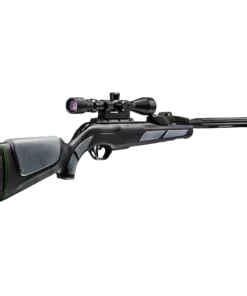
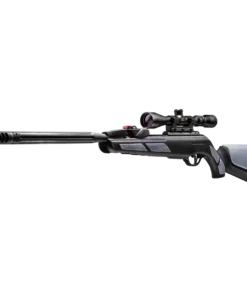


Precharged (PCP)

AIRGUN

PCP Air Rifles

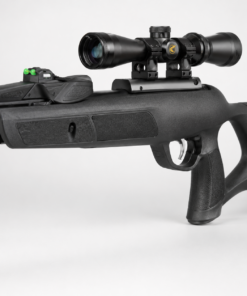
GAMO Air Rifles
Reviews
There are no reviews yet.