


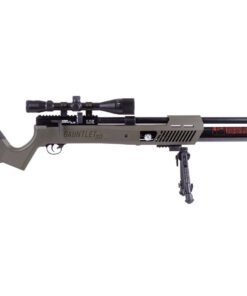
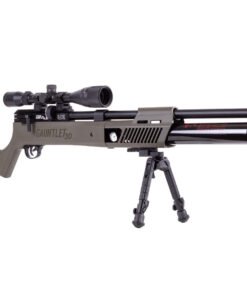


Umarex Gauntlet 2 SL Hunting Combo
Price range: $499.00 through $699.00
The Umarex Gauntlet 2 SL Hunting Combo is a powerful and accurate regulated PCP air rifle package designed for hunting, target shooting, and serious recreational use. Featuring smooth side-lever operation, a large 4,500 PSI air cylinder, multi-shot magazine system, adjustable cheekpiece, and durable synthetic stock, it delivers dependable performance with excellent shot consistency.
Available in .22, .25, and .30 caliber, the Gauntlet 2 SL provides impressive power for different shooting applications while maintaining the precision expected from a regulated PCP platform. The Hunting Combo includes a 4-12×40 scope, scope rings, bipod, rotary magazines, and single-shot tray, making it a convenient ready-to-configure package.
Its combination of high air capacity, strong energy output, comfortable ergonomics, and practical accessory mounting makes it an excellent choice for shooters looking for a dependable PCP hunting rifle or precision air rifle.
Ideal for lawful hunting, range shooting, and target practice, the Umarex Gauntlet 2 SL Hunting Combo provides strong performance, accuracy, and value in one complete package.
Umarex Gauntlet 2 SL Hunting Combo – Powerful, Regulated PCP Air Rifle Package for Hunting and Precision Shooting
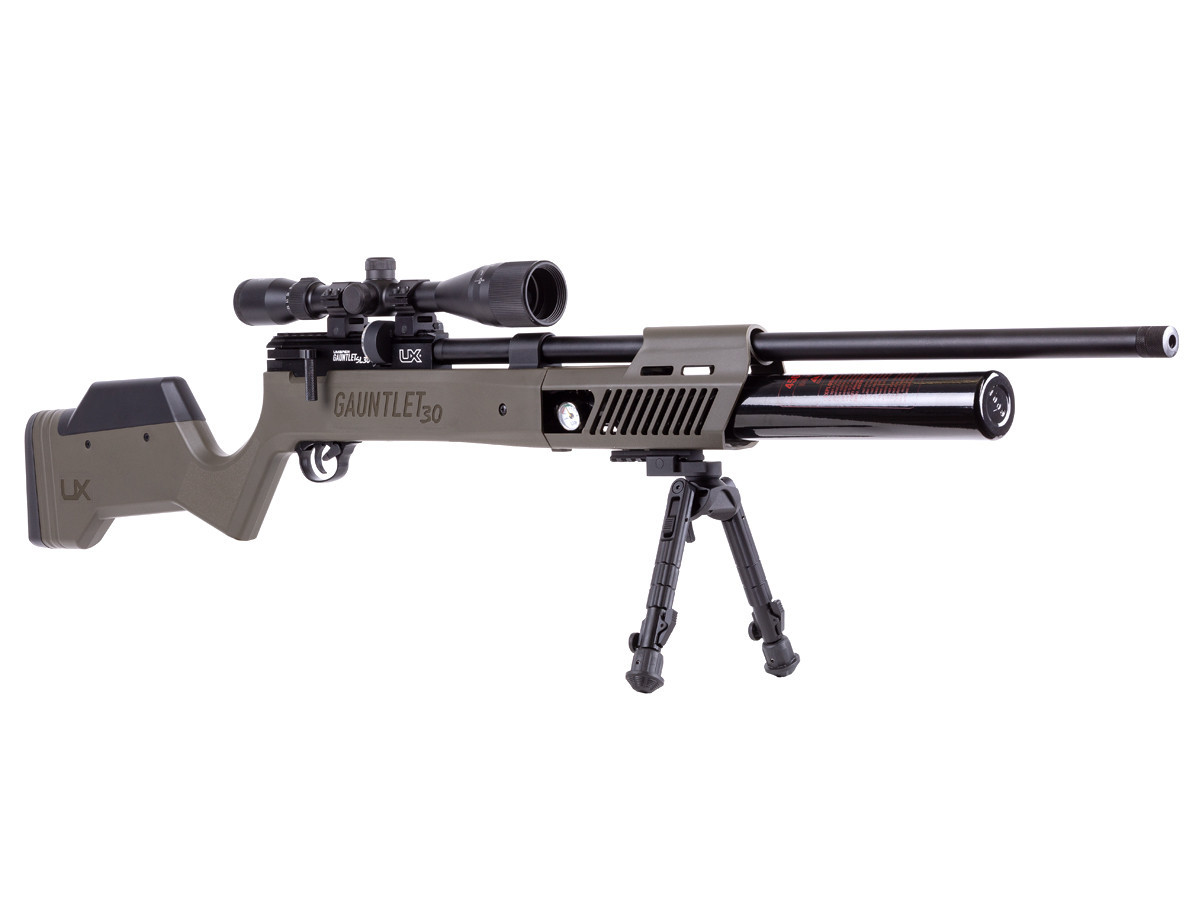
The Umarex Gauntlet 2 SL Hunting Combo brings together power, regulated consistency, practical ergonomics, and essential shooting equipment in one purpose-built PCP package. Designed for shooters who want a capable hunting air rifle, precision-oriented target air rifle, and dependable recreational air gun, the Gauntlet 2 SL improves the established Gauntlet platform with a smooth side-lever action and a large-capacity high-pressure air system.
The current Hunting Combo is available in .22, .25, and .30 caliber, allowing buyers to select a configuration that better matches their intended use. The rifle uses a 24-cubic-inch removable air cylinder with a maximum fill pressure of 4,500 PSI, while caliber-specific regulator settings support controlled and repeatable power delivery. Magazine capacities are 10 rounds in .22, 8 rounds in .25, and 7 rounds in .30 caliber.
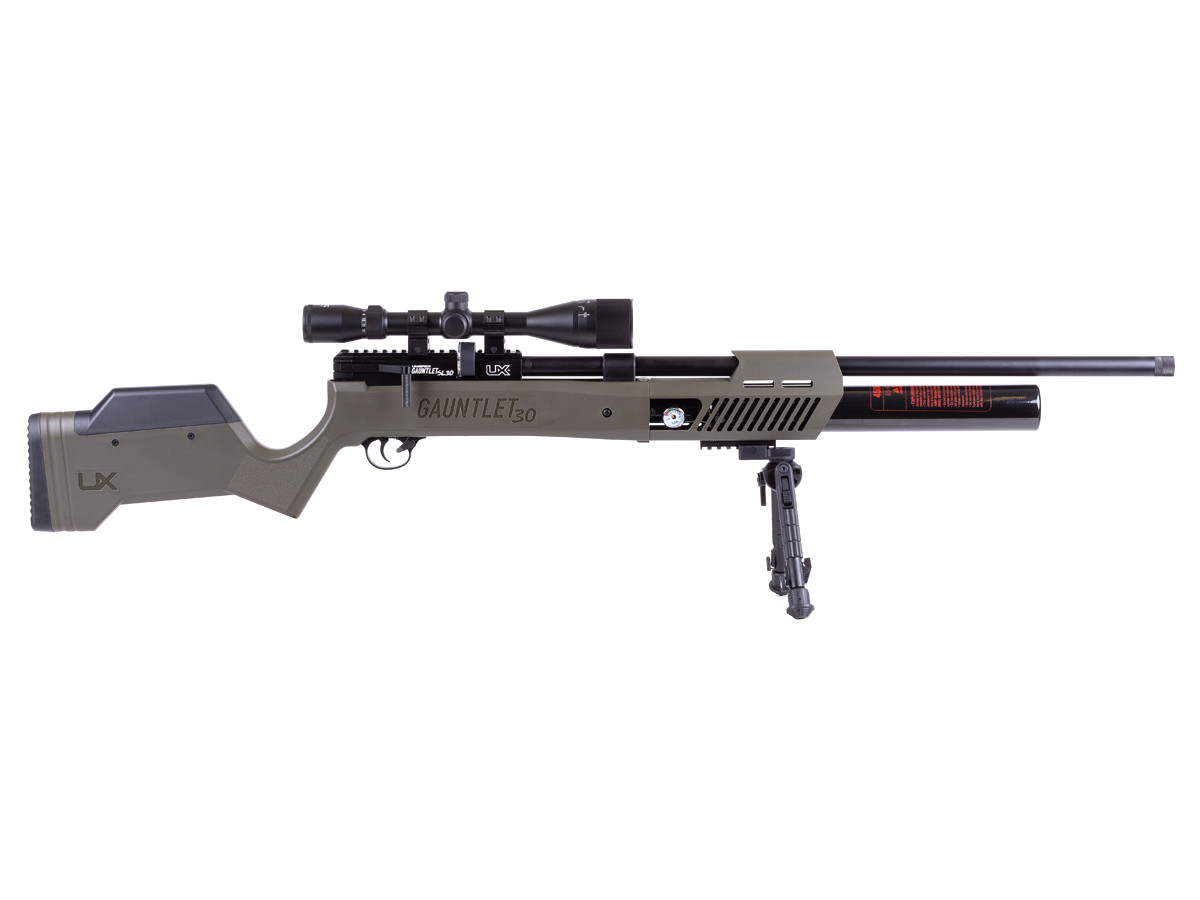
For customers researching an air rifle for sale, PCP air rifle for sale, or complete PCP air rifle package, this combo reduces the number of components that must be selected separately. The package includes two rotary magazines, a single-shot tray, Mantis 4-12×40 scope, scope rings, UTG Recon bipod, and M-LOK-to-Picatinny adapter.
Why Choose the Umarex Gauntlet 2 SL Hunting Combo?
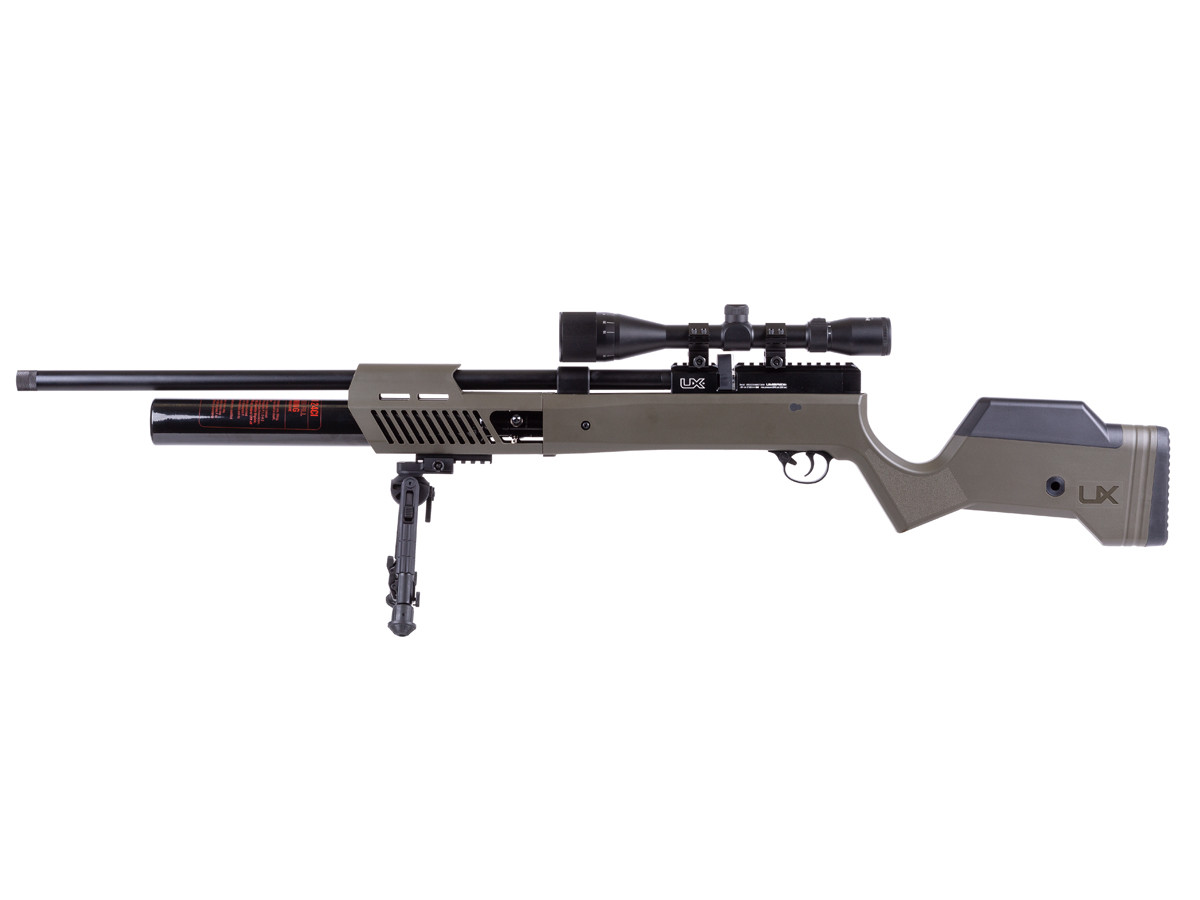
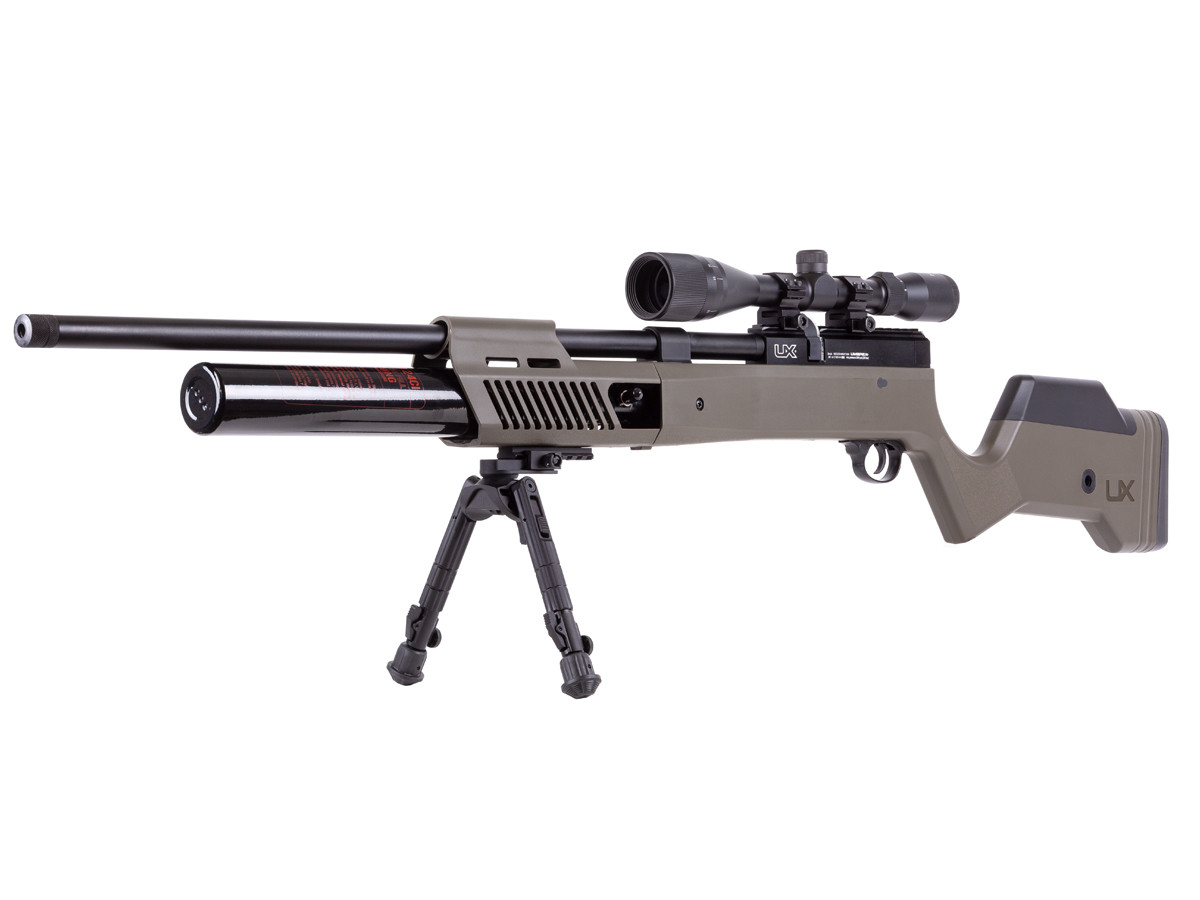
One major reason to choose this rifle is the combination of usable power and regulated PCP operation. A regulated PCP air rifle controls the working pressure delivered to the firing system, helping reduce velocity variation during the regulated portion of the air charge. Consequently, a shooter can obtain more predictable ballistic behavior than would typically be expected from an unregulated compressed-air system.
The .22 Gauntlet 2 SL is rated by Umarex at up to 1,130 FPS with a light 11.9-grain pellet and approximately 48 FPE. The .25 version is rated at 1,000 FPS and approximately 55 FPE, while the .30-caliber SL30 can reach approximately 1,000 FPS and roughly 99 FPE with specified ammunition. Actual velocity and energy vary with projectile weight, type, environmental conditions, rifle setup, and fill pressure.
Therefore, buyers looking for a powerful air rifle, high power air rifle, or high power PCP air rifle have several useful levels of performance within the same platform.
How the Side-Lever PCP System Works
Unlike a spring-powered rifle, the Gauntlet 2 SL operates as a pre charged pneumatic rifle. High-pressure compressed air is stored inside its onboard cylinder. When the rifle is cycled and fired, a controlled amount of compressed air propels the projectile through the barrel.
This makes the platform a genuine compressed air rifle, compressed air gun, pre charged pneumatic airgun, and PCP rifle rather than a break-barrel or CO₂ design.
The SL designation is particularly important because the rifle uses a side-lever cocking mechanism. The lever provides a convenient method of cycling the action and indexing the rotary magazine while helping the shooter maintain a more consistent position behind the rifle.
For field use and repeated target strings, this configuration can make the rifle easier to operate than a conventional rear-mounted bolt arrangement.
Precision and Accuracy Potential
Precision is one of the strongest reasons shooters investigate the Gauntlet platform. A regulated air supply, stable receiver, adjustable cheekpiece, optics mounting system, and consistent ammunition can work together to create a capable precision air rifle.
However, accuracy is not determined by muzzle velocity alone. Pellet or slug selection, projectile weight, wind, optic setup, shooting support, regulator behavior, barrel condition, and shooter technique all influence practical grouping performance.
For that reason, the Gauntlet 2 SL should be treated as a complete shooting system. Shooters seeking the best air rifle or best PCP air rifle for their own needs should test several suitable projectile designs instead of assuming the fastest pellet will automatically provide the smallest group.
A 4-12×40 optic is included in the Hunting Combo, while the rifle provides a Picatinny/11 mm dovetail optics interface. This combination provides flexibility for sighting and precision shooting applications.
Where the Gauntlet 2 SL Can Be Used
The rifle is suited to controlled shooting environments where local laws and range rules permit its use. Depending on caliber, projectile, local regulations, and shooter competence, common applications can include recreational air rifle shooting, airgun shooting, target practice, range training, and lawful airgun hunting.
Its combination of regulated power and caliber selection also makes it relevant to shooters researching air rifles for hunting, a small game air rifle, or a PCP hunting rifle.
The .22 and .25 versions can appeal to shooters who prioritize shot count and manageable projectile consumption, whereas the .30-caliber model emphasizes substantially greater projectile energy.
Always match the caliber and projectile to the intended legal application and use a safe backstop capable of stopping the selected ammunition.
When Should You Choose the Gauntlet 2 SL?
Choose this platform when you want more than a basic entry-level airgun but still value a practical, integrated system.
It makes particular sense when you need:
- Regulated PCP performance
- A large 24-cu.-in. air cylinder
- Up to a 4,500 PSI fill
- Side-lever operation
- Multi-shot rotary magazines
- Pellet and compatible slug capability
- Adjustable cheek support
- Optics mounting flexibility
- M-LOK accessory mounting
- A scope and bipod supplied as part of the hunting package
Because the major shooting accessories are supplied together, the package is especially convenient for customers searching for a PCP air rifle kit, PCP air rifle package, or PCP rifle with scope.
Hunting Performance
As a PCP hunting rifle, the Gauntlet 2 SL offers three distinct caliber choices rather than trying to make one configuration perform every role.
The .22 model uses a 10-shot magazine and a regulator set at approximately 1,900 PSI. The .25 uses an 8-shot magazine with approximately 2,100 PSI regulated output. Meanwhile, the .30 uses a 7-shot magazine and approximately 2,800 PSI regulated pressure.
That progression gives shooters a logical way to choose between higher shot capacity and greater projectile mass and energy.
This also makes the platform relevant to searches for 22 caliber air rifle, 22 PCP air rifle, .22 PCP air rifle, air rifle 22 caliber, PCP 22 air rifle, 25 caliber air rifle, PCP 25 caliber, 6.35mm air rifle, 30 caliber air rifle, and PCP 30 caliber.
Importantly, the Gauntlet 2 SL Hunting Combo should not be confused with a 35 caliber air rifle, 45 caliber air rifle, 50 caliber air rifle, 50 cal air rifle, PCP 35 caliber, or PCP 50 caliber. Those terms describe other segments of the PCP market, including certain big bore PCP air rifle and big bore airgun platforms; they are not current Gauntlet 2 SL Hunting Combo caliber options.
Air Capacity and Shot Consistency
A significant engineering feature is the 24-cubic-inch removable air cylinder. It can be filled to as much as 4,500 PSI, providing substantially more stored air than many smaller PCP reservoirs.
Depending on caliber, published Hunting Combo figures indicate approximately 70+ expected shots in .22, 50+ in .25, and around 25 in .30 under the referenced configuration.
Because the rifle requires high-pressure air, buyers should also consider the filling equipment before ordering. A PCP-compatible compressor, suitable high-pressure tank, or appropriately rated hand pump may be required.
Therefore, anyone planning to buy PCP air rifle equipment should budget for the complete air-supply system rather than focusing exclusively on the rifle.
Ergonomics and Field Configuration
The Gauntlet 2 SL uses an all-weather synthetic stock with an adjustable cheek comb and textured rubber buttpad. These features help the shooter establish a repeatable head position and comfortable shoulder interface.
Meanwhile, M-LOK slots allow compatible air rifle accessories, airgun accessories, and shooting supports to be attached without unnecessarily cluttering the rifle.
A bipod is already supplied with the Hunting Combo, giving shooters a stable support option for bench or supported field shooting.
These characteristics place the rifle between traditional sporting PCP designs and more modular tactical PCP air rifle layouts. It is not a bullpup, so shoppers specifically searching for a compact PCP air rifle, bullpup PCP air rifle, or PCP bullpup rifle should recognize the difference in architecture.
Likewise, the Gauntlet 2 SL is manually cycled rather than being a semi automatic PCP air rifle or full automatic air rifle.
Who Is the Umarex Gauntlet 2 SL Designed For?
The platform is primarily aimed at adult shooters who want serious PCP capability for lawful hunting, range shooting, and precision-oriented recreational use.
It fits naturally within searches for adult air rifles, air rifles for adults, premium air rifles, professional air rifles, sport air rifle, and PCP target rifle.
Although shooters searching for a competition air rifle, match air rifle, field target air rifle, or PCP competition rifle may compare the Gauntlet with specialized competition platforms, its design is fundamentally oriented toward versatile sporting and hunting use rather than dedicated Olympic-style match shooting.
Caliber Considerations
The current Gauntlet 2 SL Hunting Combo lineup centers on .22, .25, and .30 caliber.
Shooters browsing broader airgun categories may also encounter terms such as 177 air rifle, 177 PCP air rifle, 177 caliber air rifle, 4.5mm air rifle, 20 caliber air rifle, and 5.5mm air rifle. In metric terminology, .22 caliber is commonly associated with approximately 5.5 mm and .25 caliber with approximately 6.35 mm.
However, buyers should always select ammunition according to the exact caliber stamped on their rifle rather than relying solely on generic search terminology.
Accessories, Parts, and Ownership Support
A serious PCP setup includes more than the rifle itself. Owners may eventually require magazines, seals, filling equipment, mounting hardware, maintenance items, and other airgun parts, air rifle parts, airgun supplies, airgun equipment, or airgun gear.
Likewise, customers comparing an air rifle shop, airgun store, airgun dealer, or online airgun store should confirm availability of compatible accessories and service support before purchasing.
Researching independent air rifle reviews and airgun reviews can also help buyers understand practical factors such as handling, preferred ammunition, filling requirements, magazine operation, and long-term ownership.
Why This PCP Package Offers Strong Practical Value
For someone searching to buy air rifle equipment, buy airguns online, compare airguns for sale, or locate quality air rifles for sale, specifications should matter more than exaggerated marketing language.
The Umarex Gauntlet 2 SL Hunting Combo combines the core characteristics many PCP shooters actively seek: regulated operation, substantial air capacity, multi-shot magazines, a smooth side lever, modular accessory mounting, adjustable ergonomics, optics compatibility, and three useful caliber choices.
It therefore works as a versatile PCP airgun, PCP air rifle, PCP rifle, PCP carbine rifle alternative, hunting platform, and precision recreational rifle while avoiding claims that it belongs to categories it does not actually occupy.
For shooters who want a complete regulated setup with scope and shooting support already included, the Gauntlet 2 SL Hunting Combo provides a well-defined starting point for serious PCP ownership.
Performance, Engineering, Accuracy, Handling, and Practical Ownership
A Refined Shooting Platform Built Around Consistency
The Umarex Gauntlet 2 SL Hunting Combo is designed around one of the most important qualities in any serious shooting platform: repeatable performance. Rather than relying only on high advertised velocity, the system combines regulated air delivery, a large onboard reservoir, a stable stock configuration, and a smoother side-lever mechanism to create a more controlled overall shooting experience.
Consistency matters because every variable affects where a projectile eventually lands. Changes in air pressure, inconsistent loading, unstable shooting positions, poor optic alignment, and unsuitable ammunition can all enlarge groups. The Gauntlet 2 SL addresses several of those variables through its regulated pneumatic system and ergonomic layout.
The .22 model uses a 4,500 PSI, 24-cubic-inch onboard tank regulated to approximately 1,900 PSI. The .25 version uses the same maximum fill pressure and reservoir size but operates with approximately 2,100 PSI regulated output. The .30 model increases regulated pressure to approximately 2,800 PSI to support its higher-energy performance.
For a shooter, the practical benefit is that the rifle is engineered to deliver controlled amounts of compressed air rather than allowing reservoir pressure alone to determine each shot. This provides a more predictable firing cycle throughout the regulated portion of the fill.
Smooth Side-Lever Operation
One of the most noticeable improvements in this version is the side-lever action. The mechanism replaces the more traditional bolt arrangement found on earlier versions and provides a smoother cycling motion.
The operating lever is positioned so that the action can be cycled without requiring excessive movement away from the shooting position. This becomes particularly useful during supported shooting because less disruption can make it easier to settle back onto the target after each shot.
A smoother operating system does not automatically make a shooter more accurate. However, it can reduce unnecessary movement between shots, especially when compared with a system requiring greater effort to cock or reload.
The side lever also works with the supplied auto-indexing rotary magazines. The .22 version uses a 10-round magazine, the .25 uses an 8-round magazine, and the .30 version uses a 7-round magazine. Umarex also supplies two magazines and a single-shot tray with the current platform.
That combination gives shooters the flexibility to use a magazine when multiple shots are required or switch to the single-shot tray when carefully testing individual projectiles.
Power That Matches Different Applications
The available caliber choices allow users to prioritize different characteristics rather than forcing every shooter into one configuration.
The .22 model is capable of producing up to approximately 48 foot-pounds of energy under Umarex’s published test specifications. Its advertised velocity reaches approximately 1,130 feet per second with a light 11.9- to 12-grain projectile.
The .25 version is rated at approximately 55 foot-pounds and around 1,000 feet per second with a projectile in the 24- to 25-grain range.
The .30 configuration is considerably more energetic. Umarex’s 2026 catalog lists it at approximately 1,000 feet per second and up to 100 foot-pounds of muzzle energy under its stated specifications.
These figures demonstrate why caliber selection should be based on intended use rather than simply choosing the highest velocity number.
A lighter projectile may produce an impressive velocity reading, while a heavier projectile may retain substantially more energy. Therefore, velocity and energy should always be considered together.
Actual performance can also change according to ammunition weight, projectile design, environmental conditions, reservoir pressure, mechanical adjustment, and barrel preference.
Understanding Real Accuracy
Accuracy is often discussed as though it were a single feature built into a rifle. In reality, practical accuracy comes from the interaction between the rifle, ammunition, optic, support, environmental conditions, and shooter.
The regulated firing system provides a solid starting point because more consistent air delivery can contribute to more stable projectile velocities.
However, ammunition selection remains extremely important.
Two projectiles of the same caliber may behave differently because of changes in weight, diameter, skirt design, head profile, material, or ballistic characteristics. One may group extremely well while another may perform poorly from the same barrel.
For this reason, careful testing is valuable.
Instead of selecting ammunition only according to maximum advertised velocity, a shooter can compare several appropriate projectile weights and designs while observing group size and point-of-impact consistency.
The rifle is designed to use both pellets and compatible airgun slugs according to Umarex’s current specifications.
That flexibility gives experienced users more options when tuning the rifle to a particular shooting application.
Why Regulation Matters
A pressure regulator is one of the most important components within the system.
Without regulation, the pressure behind each shot can change as the reservoir empties. Depending on the design of the rifle, this can create a velocity curve in which shots begin at one speed, increase or stabilize for a period, and eventually decrease as pressure continues to fall.
A regulated system is designed to reduce those variations.
The regulator allows air from the main reservoir to enter a lower-pressure firing chamber at a controlled pressure. As long as sufficient reservoir pressure remains above the regulator setting, the firing system can continue receiving a more consistent supply.
This does not mean every shot will have exactly the same velocity. Mechanical tolerances, temperature, ammunition variation, lubrication, valve behavior, and other factors can still create differences.
Nevertheless, regulation provides a more controlled foundation for repeatable shooting.
That is especially valuable when precise elevation matters, because changes in projectile velocity can affect trajectory.
Large Air Reservoir
The 24-cubic-inch onboard reservoir is another major feature of the platform.
Its maximum working fill pressure is 4,500 PSI, providing a significant volume of compressed air for repeated shooting.
A larger air supply can reduce how frequently the rifle needs to be refilled, although actual shot count depends on caliber, regulator pressure, projectile choice, tuning, temperature, and how far the reservoir is allowed to fall before refilling.
The reservoir is also removable, which can be useful for servicing and managing the air system according to manufacturer instructions.
Because the working pressures involved are extremely high, only equipment specifically rated for the required pressure should be used.
Umarex notes that filling can be accomplished through an appropriate high-pressure compressor, compatible external tank, or suitable high-pressure hand pump.
New owners should factor this requirement into the overall setup rather than considering the rifle alone.
Stable Stock Design
A rifle can possess excellent mechanical potential yet still feel difficult to shoot if the stock does not allow a stable position.
The Gauntlet 2 SL uses a lightweight synthetic stock designed for practical field and range use.
An adjustable cheek rest allows the shooter to modify the height of the cheek position in relation to the installed optic.
This becomes particularly useful when different scopes or mounting heights are used.
A stable cheek weld helps the eye return to a repeatable position behind the optic. When head placement constantly changes, the sight picture may also change. Therefore, the ability to adjust the comb can contribute to a more consistent shooting position.
The stock also incorporates attachment points and compatible mounting provisions for additional equipment.
Practical Accessory Mounting
The fore-end includes M-LOK-compatible mounting slots, giving owners flexibility when configuring the rifle.
Depending on the shooter’s needs, compatible equipment can be positioned without requiring a completely different stock.
The rifle also uses a combination scope mounting arrangement that supports both dovetail and Picatinny-style optic mounting. Umarex lists this feature on the .22 and .25 versions.
This flexibility is especially valuable for owners who already have compatible mounting hardware.
The Hunting Combo adds an optic and support equipment, reducing the number of separate components needed before initial setup.
Even so, every optic should be properly mounted, leveled, secured, and zeroed before serious use.
Barrel and Muzzle Configuration
The barrel system plays a central role in the rifle’s performance.
Umarex lists a shrouded barrel, sound-absorbing baffles, and a redesigned barrel stabilizing arrangement on the current models. The muzzle also uses 1/2 x 20 threading.
The shroud helps surround the barrel assembly while the internal configuration contributes to the rifle’s sound-management system.
The redesigned stabilizing arrangement is intended to improve the overall barrel structure.
From a practical standpoint, a stable barrel assembly is important because even small changes in alignment or vibration can influence where a projectile travels.
Owners should avoid placing unnecessary pressure against the barrel or shroud while shooting, transporting, or storing the rifle.
Trigger Control and Shot Placement
Good accuracy requires more than simply placing the crosshair over the target.
Trigger control is essential.
A shooter should be able to press the trigger without disturbing the rifle’s alignment. Sudden pulling, excessive grip pressure, inconsistent shoulder pressure, or movement immediately before the shot can cause the point of impact to shift.
The Gauntlet platform is designed around a conventional rifle-style trigger arrangement that allows shooters to develop a repeatable firing technique.
When shooting from a bench, bipod, or other suitable support, consistent body positioning should be maintained from one shot to the next.
Breathing rhythm, cheek placement, eye relief, grip pressure, and follow-through all contribute to practical accuracy.
Even highly capable equipment cannot compensate completely for inconsistent fundamentals.
Using the Included Optic Effectively
The optic supplied with the Hunting Combo allows the shooter to take advantage of magnification when identifying and aiming at appropriate targets.
Magnification can make precise aiming easier, particularly when shooting small targets at extended distances.
However, higher magnification does not automatically improve accuracy.
Excessive magnification can make natural body movement appear more dramatic and may reduce situational awareness.
Therefore, the appropriate magnification depends on target size, distance, shooting position, available light, and personal preference.
The optic should also be zeroed using the same ammunition that will be used during normal shooting.
Switching between projectile weights can change the point of impact because trajectory and velocity differ.
If ammunition is changed substantially, the zero should be confirmed again.
Supported Shooting and Stability
The included bipod can provide a stable front support during suitable shooting situations.
A stable rest can reduce unwanted movement and make it easier to evaluate the rifle’s mechanical accuracy.
However, the rear of the rifle must also be controlled consistently.
If the shoulder position changes significantly between shots, the sight picture and point of aim may shift.
For group testing, a steady bench position can help isolate ammunition and rifle performance from excessive shooter movement.
Once a preferred projectile is identified, shooting from realistic positions can help the owner understand how the rifle handles away from the bench.
Pellet and Slug Compatibility
One notable advantage of the current platform is the manufacturer’s stated compatibility with both pellets and airgun slugs.
Pellets and slugs behave differently.
Traditional diabolo pellets use a waisted shape that produces substantial drag but can offer excellent stability and accuracy at common shooting distances.
Slugs generally have a more bullet-like profile and may retain velocity and energy differently.
However, not every projectile will perform equally well.
Barrel dimensions, projectile diameter, weight, twist rate, velocity, and pressure settings all influence performance.
Owners should therefore approach ammunition selection through controlled testing rather than assumptions.
Choosing Between .22, .25, and .30
Each available configuration offers a different balance.
The .22 model provides the largest magazine capacity of the three and uses the lowest regulator pressure. It can be attractive to shooters who value higher shot count, lighter ammunition, and manageable operating costs.
The .25 version sits between the two extremes. It uses a heavier projectile than the .22 and produces more published energy while retaining an 8-shot magazine.
The .30 version prioritizes substantially greater energy. It uses a 7-shot magazine and a higher regulator setting to support its performance.
None of these choices is automatically better in every situation.
The correct selection depends on the shooter’s intended purpose, legal requirements, preferred ammunition, shooting distance, available air supply, and desired balance between shot count and energy.
Durability and Outdoor Practicality
The synthetic stock is particularly useful for a rifle intended to see regular outdoor use.
Unlike decorative wood, polymer does not require the same level of protection from routine moisture and minor surface wear.
That does not mean the rifle can be neglected.
Metal surfaces, seals, magazines, the barrel, and the high-pressure system still require appropriate care.
After outdoor use, the rifle should be inspected and stored in a dry environment.
Dirt should not be allowed to accumulate around the action, magazine area, filling connection, or moving components.
Using the correct maintenance products is important because incompatible oils or chemicals can damage seals and other materials.
Air Management and Responsible Maintenance
Owners should routinely observe reservoir pressure and become familiar with the operating range described in the manufacturer’s documentation.
The reservoir should never be filled beyond its rated maximum pressure.
Connections and filling equipment should also be checked before use.
High-pressure air contains substantial stored energy, so damaged hoses, fittings, tanks, or connectors should not be ignored.
Maintenance involving high-pressure components should be handled according to the manufacturer’s procedures or by a qualified technician.
Modifying pressure-related components without appropriate knowledge can affect reliability, performance, and safety.
Practical Value of the Hunting Combo
A major advantage of purchasing the complete configuration is convenience.
Rather than buying the rifle first and then separately selecting basic shooting equipment, the package brings several core components together.
This can simplify initial setup, particularly for buyers who want a coordinated starting point.
More importantly, the underlying rifle remains versatile enough to be configured according to individual preferences later.
Optics can be adjusted or changed, compatible mounting equipment can be added, and ammunition can be tested until the owner finds a combination that performs well.
The result is a platform that can grow with the shooter’s experience instead of becoming immediately limiting.
Overall Shooting Experience
The strongest characteristic of the Umarex Gauntlet 2 SL Hunting Combo is the way its individual systems work together.
The large reservoir provides substantial available air.
The regulator helps control pressure delivered to the firing system.
The side lever makes cycling smoother.
The multi-shot magazines support convenient operation.
The adjustable cheekpiece helps establish a repeatable head position.
The mounting system allows the optic and accessories to be configured around the shooter.
Meanwhile, the available caliber options make it possible to choose between different levels of energy and capacity.
Taken together, these features create a capable platform for shooters who place a premium on consistency, adjustability, and practical usability.
The rifle still requires proper setup, suitable ammunition, careful zeroing, a reliable high-pressure filling source, and disciplined shooting technique. Yet when those elements are combined correctly, the Gauntlet 2 SL provides a well-developed shooting system that can deliver dependable performance across a wide range of appropriate range and field applications.
Real-World Performance, Caliber Choice, Field Use, and Long-Term Ownership
Real-World Performance Beyond the Specification Sheet
The Umarex Gauntlet 2 SL Hunting Combo is designed to provide more than impressive numbers on paper. Its practical value becomes clearer when the rifle is used regularly in controlled shooting environments, where consistency, balance, projectile behavior, air efficiency, and shooter comfort all contribute to the final result.
A strong shooting platform should perform predictably rather than simply produce a high maximum velocity. The Gauntlet 2 SL approaches performance through a regulated pneumatic system, substantial air capacity, side-lever operation, magazine feeding, adjustable ergonomics, and three useful caliber options.
These characteristics allow the shooter to select a configuration that matches the intended application instead of relying on one universal setup.
For recreational shooting, the smaller caliber can provide economical practice and generous shot capacity. For shooters wanting additional projectile mass, the middle configuration provides an effective balance. Meanwhile, the largest available caliber offers substantially greater energy for applications where that performance is appropriate and lawful.
Why Ammunition Selection Has Such a Major Effect
One of the most important lessons with any precision-oriented pneumatic rifle is that ammunition choice can dramatically influence results.
Projectiles of the same caliber can vary in weight, diameter, shape, skirt dimensions, material, and manufacturing tolerance. These differences influence how the projectile engages the barrel and behaves after leaving the muzzle.
Therefore, two different pellets carrying the same caliber marking may produce noticeably different group sizes.
A shooter should not automatically assume that the heaviest, fastest, or most expensive option will deliver the best result.
Instead, several quality choices can be compared under similar shooting conditions.
The most suitable projectile is normally the one that feeds reliably and produces consistent grouping while delivering appropriate ballistic performance for the intended application.
Once a particularly accurate option has been identified, using the same product consistently can reduce unnecessary variation.
Pellet Weight and Practical Performance
Projectile weight affects velocity, trajectory, retained energy, wind response, and air consumption.
Lighter projectiles generally leave the barrel faster. As a result, they may produce a relatively flat trajectory across certain distances.
However, increased velocity does not automatically mean improved downrange effectiveness.
Heavier projectiles typically travel more slowly but carry additional mass. Depending on design, they may retain energy differently and can sometimes be less affected by certain environmental conditions.
The ideal balance depends on the rifle configuration and shooting purpose.
For precision work, stable and repeatable grouping should receive more attention than maximum velocity.
A chronograph can also be useful for shooters who want to understand how different ammunition behaves. By comparing actual velocity with projectile weight, the user can obtain a clearer picture of real performance instead of depending entirely on advertised figures.
The Character of the .22 Configuration
The .22 version is a highly versatile option within the lineup.
It combines useful power with relatively high magazine capacity and generally lower air consumption than the larger configurations.
For shooters who expect to spend considerable time practicing, this can be an important advantage.
Ammunition availability is another strength. Numerous manufacturers produce .22-caliber pellets in different weights and shapes, giving the shooter considerable freedom to test various options.
This wide selection can make it easier to discover a projectile that performs particularly well in an individual barrel.
The .22 configuration can also be enjoyable for extended range sessions because it provides a practical balance between performance and operating cost.
Its lighter projectiles make it suitable for frequent practice, while the regulated firing system supports repeatable shooting throughout the useful portion of the air charge.
The Character of the .25 Configuration
The .25 version occupies an effective middle position.
Its projectiles are heavier than typical .22 options, allowing greater energy to be delivered while still maintaining a manageable overall shooting system.
This balance can make the .25 particularly attractive to users who want additional performance without moving immediately to the greater air requirements of the .30 version.
The magazine still provides useful capacity, and ammunition is available in a growing selection of pellet and compatible projectile designs.
For field-oriented shooting, the additional projectile mass may be desirable.
However, accuracy remains more important than caliber alone.
A properly matched projectile from the .25 version can provide excellent results, while a poorly matched projectile may fail to take advantage of the rifle’s potential.
The Character of the .30 Configuration
The .30 version places substantially greater emphasis on projectile energy.
Heavier ammunition and higher regulated pressure give this configuration a very different personality from the smaller calibers.
It is better suited to shooters who specifically want the advantages of a larger projectile and understand the associated trade-offs.
One of those trade-offs is air consumption.
Moving a significantly heavier projectile requires more compressed air. Consequently, the number of useful shots available from each fill is lower than with the smaller versions.
Ammunition may also cost more.
The magazine capacity is lower as well, reflecting the larger physical dimensions of the projectile.
These characteristics do not make the .30 version less capable. Instead, they show that it is optimized toward a different priority.
A shooter who primarily wants long recreational sessions may favor a smaller configuration, whereas someone who specifically values higher energy may consider the additional air use worthwhile.
Understanding the Balance Between Power and Shot Count
Power and efficiency are closely connected in pneumatic rifles.
Increasing the amount of air used for each shot can generate more energy, but it also reduces the total number of shots available from a reservoir.
Therefore, the most powerful configuration is not necessarily the most practical one for every owner.
A high shot count can be valuable during long target sessions because fewer interruptions are required for filling.
By contrast, a user who prioritizes projectile energy may accept more frequent refilling.
The Gauntlet 2 SL lineup allows these priorities to be balanced through caliber choice rather than forcing all users into the same operating characteristics.
This flexibility is one reason the platform can appeal to shooters with very different objectives.
Managing the High-Pressure Air Supply
Compressed air is the energy source behind the rifle, so dependable filling equipment is an important part of ownership.
A suitable high-pressure compressor can provide convenient independent filling, particularly for someone who shoots frequently.
A compatible external cylinder can provide rapid refills and may be convenient for taking additional air to a range.
High-pressure hand pumps offer another approach, although reaching elevated reservoir pressures manually can require significant effort.
Whatever method is selected, the equipment must be properly rated for the required pressure.
The rifle should never be filled beyond the manufacturer’s maximum working pressure.
Overfilling does not provide a useful shortcut to additional performance and can place unnecessary stress on pressure-containing components.
Maintaining clean filling connections is also important. Dirt introduced through a connector can affect valves, seals, and other internal parts.
Understanding the Regulated Shot String
A regulator helps maintain predictable pressure within the firing system.
While reservoir pressure remains sufficiently above the regulator setting, the system can continue supplying controlled pressure to the firing mechanism.
This is the portion of the air charge in which shooters generally expect the most stable performance.
Eventually, reservoir pressure falls closer to the regulator setting.
At that point, the rifle can move outside its normal regulated operating range, and velocity may begin to change more noticeably.
Understanding this behavior helps explain why the last shots from an air charge may not behave exactly like the earlier ones.
A chronograph provides the clearest way to observe this transition.
By recording a complete shot string, an owner can see how velocity changes as reservoir pressure decreases.
This information can help determine a practical refill point for regular shooting.
Consistency Is More Than Regulator Performance
The regulator contributes to consistency, but it is only one component of the overall system.
A shooter can have excellent pressure consistency yet still obtain poor groups if ammunition, technique, or environmental conditions vary significantly.
Projectile weight can differ slightly from one piece to another.
Wind can shift direction between shots.
A different shoulder position can alter the way the rifle settles.
Even an inconsistent sight picture can influence the result.
Consequently, accurate shooting depends on controlling as many variables as reasonably possible.
The purpose of the regulated system is to remove one important variable by providing more controlled air delivery.
The shooter must still manage the others.
Understanding Trajectory
A projectile does not travel in a perfectly straight line between the muzzle and target.
Gravity begins acting immediately, while aerodynamic drag continuously reduces velocity.
The optic provides a straight line of sight, whereas the projectile follows a curved trajectory.
The two paths can intersect at selected distances depending on how the rifle is zeroed.
For this reason, a rifle that is perfectly centered at one distance may strike somewhat higher or lower at another.
Understanding this relationship is essential when shooting across varying distances.
Instead of assuming that one zero covers every situation, experienced shooters learn how their chosen projectile behaves throughout its usable range.
A simple trajectory record can be extremely helpful.
By shooting at several known distances and recording the point of impact, the owner builds practical data specific to the rifle, optic, ammunition, and shooting conditions.
Wind and Environmental Conditions
Wind has an increasingly significant effect as distance grows.
Because airgun projectiles generally travel more slowly than conventional firearm bullets, they can spend more time exposed to crosswinds.
Even a moderate breeze can move the point of impact noticeably at extended range.
Shooter awareness therefore becomes increasingly important.
Grass, leaves, flags, dust, and other visible indicators can provide information about air movement.
However, wind is not always uniform.
Conditions close to the firing position can differ from those halfway to the target.
This can make long-range precision particularly challenging.
Temperature and altitude can also influence performance to varying degrees.
For most normal shooting, these factors may be relatively subtle, but experienced users often notice them when demanding maximum consistency.
Field Handling and Balance
The Gauntlet 2 SL is designed as a substantial full-size shooting platform rather than an extremely compact system.
The large air reservoir contributes to its useful capacity but also influences overall balance.
Adding the supplied optic and bipod increases the complete system weight further.
For supported shooting, some shooters may appreciate this stability because a heavier rifle can feel settled once positioned correctly.
For extended carrying, however, total assembled weight becomes more noticeable.
This is why buyers should consider how they actually intend to use the rifle.
Someone spending most shooting time at a bench may have different priorities from someone carrying equipment across a property for long periods.
The adjustable cheekpiece also helps the rifle accommodate different shooting positions and optic heights.
A comfortable head position reduces strain and helps produce a repeatable sight picture.
Using the Bipod in Real Conditions
The included bipod provides a convenient source of front support.
On a stable surface, it can significantly reduce movement and make precise aiming easier.
This is useful not only for ordinary shooting but also when evaluating ammunition.
If the front of the rifle remains stable, it becomes easier to determine whether differences in group size are being caused by ammunition rather than excessive movement.
Field conditions are less predictable.
Ground may be uneven, soft, or sloped.
The bipod legs should therefore be placed on a surface capable of supporting the rifle consistently.
A stable front support works best when accompanied by good control at the rear.
The stock should be positioned comfortably against the shoulder without excessive pressure.
Shooting From Different Positions
Bench shooting is excellent for evaluating mechanical performance, but it represents only one type of shooting.
Practicing from standing, seated, kneeling, and supported positions helps the owner become familiar with the rifle’s balance.
Each position places different demands on the shooter.
Standing offers mobility but provides the least natural support.
Kneeling lowers the center of gravity and can provide increased stability.
Seated positions can be very stable when used correctly.
Natural objects or appropriate shooting supports can also provide assistance where permitted.
The important factor is learning how to control the rifle consistently.
Repeated practice makes handling increasingly natural and helps the shooter understand which positions work best in different situations.
Trigger Technique and Follow-Through
Trigger technique continues to have a major influence on accuracy regardless of how advanced the rifle may be.
The trigger should be pressed smoothly while the sights remain aligned.
A sudden pull can disturb the rifle just before the projectile leaves the barrel.
The firing hand should remain relaxed enough to avoid unnecessary movement.
After the shot, the shooter should maintain position momentarily.
This is known as follow-through.
Remaining behind the optic helps prevent the habit of lifting the head immediately after firing and makes it easier to observe the result.
Over time, these fundamentals can produce more improvement than constantly changing equipment.
Practical Benefits of the Side-Lever System
The side-lever mechanism offers a practical advantage when repeated shots are required.
Because the action can be cycled with a straightforward lever movement, the shooter can prepare the next shot without excessively disrupting position.
This becomes especially useful when shooting from a bench or bipod.
Maintaining approximately the same shoulder and head position between shots can improve efficiency and concentration.
The magazine system complements the lever by automatically presenting the next projectile as the action is operated.
Magazine capacity varies by caliber, but each configuration offers the convenience of multiple shots before reloading.
The supplied single-shot tray provides an alternative for shooters who prefer loading individual projectiles during careful testing.
Pellet and Slug Behavior
The platform supports traditional pellets as well as compatible airgun slugs.
These projectile types have different aerodynamic characteristics.
Diabolo pellets use a distinctive waisted shape and flared skirt.
This design provides natural stabilization and has been used successfully in air rifles for generations.
Slugs have a more bullet-like profile and can provide different downrange characteristics.
They may retain velocity and energy differently, particularly at longer distances.
However, switching to slugs does not automatically improve performance.
The projectile must still match the barrel and operating characteristics of the rifle.
Some rifles may show a clear preference for certain pellet designs, while others may perform extremely well with suitable slugs.
Controlled testing remains the best approach.
Maintenance Without Unnecessary Intervention
Routine care should focus on preserving reliability rather than constantly disassembling the rifle.
External surfaces should be kept clean and dry.
The filling connection should remain free from dirt.
Magazines should be inspected periodically for debris or damage.
The barrel can be cleaned when accuracy indicates that maintenance is necessary or when recommended by the manufacturer.
Excessive cleaning can be unnecessary and may even create problems if unsuitable equipment is used.
High-pressure internal components deserve particular caution.
Seals, valves, regulators, and reservoir components should not be modified casually.
If a pressure-related problem develops and the owner does not have appropriate technical knowledge, qualified service is preferable to experimental disassembly.
Protecting the Rifle During Storage and Transport
Proper storage helps preserve both performance and appearance.
The rifle should be kept in a secure location where unauthorized users cannot access it.
A suitable case protects the optic, stock, and external components during transportation.
However, wet equipment should be allowed to dry before long-term storage.
Moisture trapped inside a closed case can contribute to corrosion.
The optic should also be protected from unnecessary impact.
Although scopes are designed for field use, repeated knocks can shift mounting hardware or potentially affect zero.
Transporting the rifle carefully reduces the amount of rechecking required before future sessions.
Long-Term Ownership Experience
One of the strongest characteristics of the Gauntlet 2 SL Hunting Combo is that it provides room for the owner to develop.
A beginner can initially use the supplied equipment and become familiar with compressed-air operation, magazine loading, trajectory, and basic precision shooting.
As experience increases, the owner can begin experimenting with different ammunition, shooting distances, supports, and accessory configurations.
This creates a platform that does not immediately become limiting as skills improve.
The rifle also encourages an understanding of ballistic performance.
Because different projectiles can be compared and velocity can be measured, users can learn how weight, pressure, distance, and environmental conditions interact.
That knowledge can be more valuable than simply purchasing additional equipment.
What Makes the Complete Package Practical
The Hunting Combo brings together several components commonly required for practical shooting.
The supplied scope provides magnification.
The bipod provides front support.
Multiple magazines improve convenience.
The single-shot tray allows individual loading when desired.
The rifle itself contributes regulated pressure control, a large reservoir, adjustable ergonomics, and side-lever operation.
Bringing these elements together reduces the need to source every basic component independently.
At the same time, the owner retains the flexibility to change equipment later according to individual preferences.
That balance between convenience and adaptability is one of the package’s most practical strengths.
A Capable Platform for Continued Shooting Development
The Umarex Gauntlet 2 SL Hunting Combo is best understood as a system built around controlled power and repeatable shooting.
Its appeal comes from how the major components interact.
The regulated air supply helps maintain consistency.
The large reservoir supports useful shooting sessions.
The side lever improves operational convenience.
The magazines simplify repeated loading.
The adjustable stock helps establish comfortable positioning.
The supplied optic and bipod provide a useful foundation for supported precision shooting.
Meanwhile, the caliber options allow shooters to decide whether shot capacity, balanced energy, or heavier-projectile performance is the greater priority.
Real performance will always depend on ammunition, shooting conditions, maintenance, and shooter technique.
However, the platform provides the mechanical foundation needed to explore those factors effectively.
With thoughtful ammunition selection and responsible ownership, it can serve as a versatile system for recreational range sessions, precision practice, and appropriate field applications while offering enough flexibility to remain useful as the shooter’s experience grows.
Ownership Value, Reliability, Practical Buying Considerations, and Responsible Use
Built for Shooters Who Want Long-Term Practical Value
The Umarex Gauntlet 2 SL Hunting Combo offers value through the way its major components are combined into one usable package. Instead of buying the rifle and then immediately needing to source basic supporting equipment, the owner receives a system that already covers many of the essentials needed for range and field use.
That approach can be particularly useful for shooters entering high-pressure pneumatic shooting for the first time. Rather than building a complete configuration from separate components, the owner can begin with equipment selected to work together.
Long-term value also comes from adaptability. As experience develops, individual components can be changed or upgraded according to personal preferences. A shooter may eventually prefer a different optic, support system, projectile type, or accessory layout, yet the underlying rifle can continue serving as the foundation.
This makes the platform suitable for someone who wants equipment that can remain useful rather than feeling immediately limited after basic skills improve.
Understanding What Makes the Rifle Reliable
Mechanical reliability depends on several systems working together correctly.
The reservoir must hold pressure.
The regulator must deliver controlled pressure.
The valve must operate consistently.
The magazine must index correctly.
The side lever must cycle smoothly.
The trigger mechanism must function predictably.
The seals must maintain pressure throughout the system.
When these elements remain in good condition, operation can be highly consistent.
The advantage of a pneumatic design is that there are relatively few dramatic moving components during the firing cycle. Compared with systems that use a heavy spring or piston, the firing behavior can feel comparatively calm.
That characteristic helps the shooter remain focused on sight alignment and trigger control.
However, high-pressure pneumatic systems rely heavily on seals and clean internal surfaces. A damaged seal or contaminated fitting can cause air loss or inconsistent operation.
For this reason, proper care is more important than frequent unnecessary modification.
Recognizing Normal Performance Changes
Owners should become familiar with how the rifle normally behaves.
When a shooter understands the usual sound, cocking effort, magazine movement, pressure behavior, and point of impact, unusual changes can be noticed more quickly.
For example, a sudden drop in velocity may indicate that reservoir pressure has fallen below the normal operating range.
A gradual reduction in accuracy may point toward ammunition changes, barrel contamination, loose mounting hardware, or changing environmental conditions.
Difficulty cycling the lever may indicate a feeding issue rather than a power-system problem.
An unexplained pressure loss may suggest a seal or connection that requires attention.
The key is to avoid immediately assuming that a major failure has occurred.
Many performance changes can be traced to simple causes.
Systematic observation usually produces better results than changing several components at once.
Diagnosing Accuracy Changes
When a rifle that previously grouped well begins producing larger groups, several factors should be considered before mechanical adjustment.
Ammunition is one of the first areas to check.
Even projectiles from different production batches can sometimes behave differently.
Damaged skirts or inconsistent projectiles can also reduce performance.
The optic should then be considered.
Loose rings, mounting screws, or internal optic problems can create unpredictable shifts.
Environmental conditions may also explain apparent accuracy loss.
Strong wind, changing light, and unstable shooting surfaces can all influence results.
Pressure level is another factor.
If the rifle is being fired outside its normal regulated range, velocity can change enough to affect trajectory.
By examining these possibilities individually, the shooter can often isolate the real cause without unnecessary disassembly.
Magazine Reliability and Feeding
A multi-shot magazine adds convenience, but reliable feeding depends on correct loading and proper handling.
Projectiles should be inserted carefully and oriented correctly.
Damaged or unusually shaped ammunition can interfere with smooth indexing.
A magazine should not be forced into position.
If resistance is encountered, the shooter should stop and determine the cause rather than applying excessive pressure.
Keeping the magazine clean also contributes to reliable operation.
Dust, grit, and residue can eventually affect movement.
Because magazines are removable, they should be stored where they are protected from impact and contamination.
Having a second magazine can also be useful during longer shooting sessions because one can be prepared while the other is in use.
The included single-shot option provides an alternative when magazine feeding is unnecessary or when testing individual projectiles.
Side-Lever Durability and Proper Use
The side lever is designed to provide smooth mechanical operation, but it should still be used with controlled movement.
Aggressive or unnecessarily forceful cycling provides no advantage.
The lever should be operated through its full normal travel so that the action completes the loading sequence correctly.
Partial cycling can lead to feeding problems or uncertainty about whether the rifle is prepared for the next shot.
If the mechanism suddenly feels unusually stiff, forcing it is not the correct response.
The magazine, projectile position, and action should be checked first.
A smooth operating technique reduces unnecessary stress on internal components and helps maintain consistent loading.
Over time, the shooter will naturally become familiar with the normal feel of the mechanism.
Managing Equipment for Longer Shooting Sessions
Longer range sessions are easier when supporting equipment is organized properly.
Extra magazines can reduce interruptions.
A reliable filling source should be available when expected shot volume exceeds the capacity of a single charge.
Appropriate ammunition should be carried in a protected container rather than loose where it can become damaged.
Basic tools for optic mounting and accessory adjustment can also be useful.
The shooter may also want a pressure-rated fill adapter appropriate for the equipment being used.
Keeping these items organized reduces unnecessary delays.
A dedicated shooting case or equipment bag can make transportation easier and protect smaller components from being lost.
The goal is not to carry excessive equipment but to have the essential items required for the intended session.
Transporting the Rifle Safely
Transportation should protect both the rifle and the people around it.
A proper case helps shield the optic, stock, barrel assembly, and controls from impact.
Hard cases provide substantial physical protection, while quality padded cases can be convenient for shorter trips.
The rifle should be unloaded before transport.
Magazines should be removed where appropriate, and ammunition should be carried according to applicable rules.
Local laws can differ substantially regarding transport, storage, and use, so owners should understand the requirements that apply in their location.
The optic deserves particular attention during transportation.
Repeated impact can alter alignment even if no obvious external damage appears.
Secure storage inside a vehicle also prevents the rifle from moving around during travel.
Responsible Storage at Home
Home storage should prevent unauthorized access.
The rifle should be kept in a secure location, particularly where children or inexperienced individuals may be present.
A locked cabinet, secure case, or other appropriate storage system can reduce accidental access.
Ammunition can also be stored separately when appropriate.
The storage environment should remain dry.
Excessive humidity can affect metal surfaces and other components.
If the rifle has been exposed to rain or heavy moisture, it should be allowed to dry properly before being placed in a closed case for extended periods.
Long-term storage should also protect the optic from impact and excessive temperature changes.
Responsible storage preserves both safety and equipment condition.
Caring for Seals and Pressure Components
Seals are critical components in any high-pressure pneumatic system.
They keep compressed air contained and allow valves and regulators to function correctly.
Over time, seals can wear, harden, or become damaged.
A slow pressure loss may be one indication that service is required.
Owners should use only lubricants and maintenance products suitable for high-pressure pneumatic equipment.
Ordinary petroleum products should not be introduced into high-pressure areas unless specifically approved for that application.
Using the wrong substance can damage materials and create safety concerns.
Internal regulator or reservoir servicing should be approached cautiously.
If the required procedure is unclear, qualified service is a safer choice.
Why Excessive Modification Can Reduce Reliability
Many experienced shooters enjoy tuning equipment, but modification should be approached carefully.
Changing regulator settings, valve behavior, spring tension, or other power-related components can alter multiple aspects of performance simultaneously.
Increasing one setting may raise energy while reducing shot count.
Another adjustment may change velocity but also alter consistency.
Higher output can increase air consumption and mechanical stress.
This is why factory configuration provides a valuable baseline.
A shooter should first understand how the rifle performs in standard form before deciding whether any changes are actually necessary.
For many owners, ammunition selection and shooting technique will produce more meaningful improvements than mechanical alteration.
Evaluating Shot Count in Real Use
Published shot counts provide a useful reference, but actual results depend on several conditions.
Caliber has a major influence because larger projectiles generally require more air.
Operating pressure also affects consumption.
Temperature can influence pressure behavior.
Projectile choice can change the amount of energy required.
The pressure at which the shooter chooses to refill also matters.
For these reasons, one owner’s practical shot count may differ from another’s.
The most useful number is the one observed with the rifle’s normal ammunition and normal use.
After several complete shooting sessions, owners typically develop a good understanding of when refilling becomes necessary.
Sound and Shooting Environment
The rifle incorporates features intended to manage firing noise, but shooters should not assume that any powerful pneumatic rifle will be silent.
Sound level varies with caliber, power, projectile, surroundings, and distance.
A larger-caliber configuration operating at greater energy can naturally produce a more noticeable report.
The environment also influences perceived sound.
An enclosed structure reflects sound differently from an open outdoor area.
Hard walls and covered firing lines can amplify what the shooter hears.
Because hearing sensitivity differs between individuals, appropriate hearing protection may still be a sensible choice depending on the shooting environment.
Noise should also be considered when selecting a lawful place to shoot.
Backstop Selection Is Essential
Every shooting location requires a reliable backstop.
The backstop must be capable of safely stopping the projectile used by the selected configuration.
Higher-energy versions require particularly careful attention because lightweight materials that stop lower-powered projectiles may not be adequate.
The area beyond the target must also be considered.
A target should never be positioned where a missed shot could travel toward people, buildings, vehicles, animals, roads, or other unsafe areas.
Projectiles can also ricochet from hard surfaces.
Metal, stone, concrete, and water can create unpredictable deflections.
A properly designed pellet trap or suitable earthen backstop provides a much safer solution.
Responsible Target Identification
Before firing, the shooter should know exactly what the intended target is and what exists beyond it.
This principle is fundamental regardless of the rifle’s caliber.
Magnified optics can make distant objects appear clear, but magnification should never replace positive identification.
If the target cannot be identified with certainty, the shot should not be taken.
The same principle applies in field situations.
Obstructions such as branches, vegetation, fences, or structures can influence projectile travel.
Responsible use requires a clear path and a safe stopping area.
Legal Considerations
Airgun regulations vary considerably between countries, states, provinces, municipalities, and even specific properties.
A rifle that can be owned or used freely in one location may be restricted in another.
Rules can cover power output, caliber, hunting use, transport, minimum age, discharge within populated areas, storage, and permitted species.
Therefore, buyers should verify applicable laws before purchasing or using the rifle.
Hunting regulations deserve particular attention.
Legal species, seasons, minimum caliber, minimum energy, and permitted equipment can differ significantly.
A rifle’s physical capability does not automatically mean its use is legal for every purpose.
Responsible ownership includes understanding these distinctions.
Matching the Rifle to the Buyer’s Actual Needs
A good purchase decision starts with intended use.
A shooter who mainly plans to practice from a bench may prioritize shot count, inexpensive ammunition, and comfortable handling.
Another buyer may place greater value on projectile energy.
Someone who frequently travels to a range may consider air-filling convenience particularly important.
The available caliber choices allow the platform to accommodate several of these priorities.
However, buying the largest caliber simply because it produces the most energy is not always the best decision.
Larger projectiles generally cost more, consume more air, and reduce magazine capacity.
For users who do not need additional energy, the smaller configuration may provide a more enjoyable long-term ownership experience.
Considering the Cost Beyond the Rifle
The purchase price is only one part of the overall ownership cost.
Compressed-air equipment should be considered.
A quality compressor or external tank can represent a meaningful additional investment.
Ammunition costs will continue throughout ownership.
Larger calibers generally cost more per shot.
Replacement magazines, maintenance supplies, targets, transport cases, and optional accessories can also contribute to total expense.
The Hunting Combo helps reduce some initial costs by including several important components.
Nevertheless, buyers should think about the complete system rather than considering only the rifle price.
Planning for these expenses can prevent surprises after purchase.
Why the Included Equipment Adds Convenience
The supplied optic and bipod provide immediate practical benefits.
A new owner does not have to determine every accessory before becoming familiar with the rifle.
This can make the initial ownership experience more straightforward.
As preferences develop, equipment can later be replaced or modified.
Some shooters eventually prefer higher magnification.
Others may want a lighter optic.
A different bipod may suit specific terrain.
The advantage of beginning with a complete package is that these decisions can be made through actual experience rather than guesswork.
The shooter can first learn what works and then upgrade only where a clear benefit exists.
Suitable Users for This Platform
The rifle is best suited to responsible adult users who understand or are willing to learn high-pressure pneumatic operation.
It can serve experienced shooters who already own filling equipment as well as newcomers who want a structured entry into this type of system.
Its regulated operation can appeal to precision-oriented users.
The side-lever action benefits shooters who value smooth cycling.
The large reservoir supports extended use.
The range of available calibers gives buyers meaningful options.
The system may be less suitable for someone who specifically wants an extremely lightweight platform or who does not have practical access to high-pressure filling equipment.
Understanding those limitations before purchasing helps ensure the rifle matches the owner’s expectations.
Long-Term Maintenance Planning
Most routine ownership does not require complicated maintenance.
Keeping external surfaces clean, protecting the rifle from moisture, using suitable ammunition, maintaining clean filling connections, and monitoring normal operation cover much of what is needed.
Eventually, seals and other wear components may require replacement.
How quickly this occurs depends on use, storage, environmental conditions, and age.
Owners should retain product documentation and information about service procedures.
Keeping a record of major maintenance can also be useful over many years of ownership.
If professional servicing becomes necessary, accurate information about the symptoms can help technicians diagnose the issue efficiently.
Building Familiarity Through Consistent Use
A shooter becomes more effective with equipment through familiarity.
Repeated use teaches how the side lever feels, how the trigger breaks, how the rifle balances, and how pressure declines throughout a session.
The shooter also becomes increasingly familiar with projectile trajectory.
This knowledge cannot be gained entirely from a specification sheet.
Practical experience develops judgment.
Over time, the owner learns when environmental conditions are likely to affect impact significantly, when the reservoir should be refilled, and which shooting positions provide the best stability.
That accumulated familiarity is one of the most important advantages of continuing to use the same well-understood platform.
Final Ownership Perspective
The Umarex Gauntlet 2 SL Hunting Combo provides a combination of performance, convenience, and adaptability that can support many years of responsible shooting.
Its regulated pneumatic system provides a controlled foundation.
The substantial reservoir supports useful shooting sessions.
The side lever makes operation straightforward.
Magazine feeding adds convenience.
Adjustable ergonomics help different shooters establish a comfortable position.
Included equipment reduces the amount of additional hardware needed at the beginning.
Most importantly, the platform gives owners choices.
Different caliber configurations provide different balances between projectile weight, energy, air consumption, and magazine capacity.
That allows the buyer to select according to real needs rather than accepting a one-size-fits-all solution.
Long-term satisfaction will depend on choosing the appropriate configuration, using quality ammunition, maintaining the pressure system correctly, protecting the equipment during storage and transport, and following applicable laws and safe shooting practices.
When those factors are respected, the Gauntlet 2 SL Hunting Combo offers a capable, adaptable, and practical platform that can continue serving the shooter well as knowledge and experience increase.
Shooting Experience, Practical Advantages, Performance Expectations, Buyer Considerations, and Final Evaluation
A Shooting Experience Built Around Control
The Umarex Gauntlet 2 SL Hunting Combo is designed to provide a controlled, predictable shooting experience rather than relying on excessive complexity. Once the rifle is familiar to the shooter, its operation becomes straightforward. The side lever provides smooth cycling, the magazine keeps follow-up loading convenient, and the regulated air system helps maintain consistent performance during the useful portion of the reservoir pressure.
This combination is particularly valuable for shooters who want to concentrate on aim, breathing, trigger control, and follow-through instead of constantly thinking about the mechanical operation of the rifle.
The relatively calm firing cycle also helps the shooter stay on target. Because there is no heavy spring or piston moving forward during discharge, the rifle produces a different feel from many traditional spring-powered designs. That characteristic can make precise shooting more comfortable, especially when the rifle is supported properly.
As familiarity grows, operating the lever, checking pressure, changing magazines, and preparing for the next shot can become part of a natural routine.
Confidence Through Predictable Performance
Predictability is one of the most useful characteristics a rifle can offer.
When a shooter understands how equipment behaves, confidence naturally increases. The shooter knows approximately where the projectile should land at familiar distances, how the rifle feels when operating normally, and when reservoir pressure is approaching the point where a refill becomes appropriate.
That familiarity allows attention to remain focused on shooting conditions.
Instead of wondering whether the system will behave differently from one shot to another, the shooter can concentrate on wind, distance, target size, and body position.
The regulated design contributes significantly to this predictability.
However, consistent results still depend on using ammunition that performs well in the individual rifle.
Once a reliable projectile has been identified, unnecessary changes should be avoided unless there is a clear reason to experiment.
A consistent combination of rifle, ammunition, optic, and shooting technique generally produces better results than repeatedly changing equipment.
Practical Performance at Different Distances
Different shooting distances introduce different challenges.
At shorter ranges, small variations in velocity and wind may have relatively limited influence on the final point of impact.
As distance increases, those same variations become more important.
The projectile remains in flight longer, giving gravity and wind more time to influence its path.
This means the rifle may feel extremely forgiving at one distance and considerably more demanding at another.
Learning this transition is part of becoming familiar with the platform.
The shooter should understand where the chosen projectile begins to drop noticeably relative to the established zero.
Likewise, the amount of wind correction required at longer distances should be learned through responsible practice rather than guesswork.
Every combination behaves differently.
Projectile weight, shape, velocity, optic height, temperature, and atmospheric conditions can influence trajectory.
For this reason, actual shooting experience is extremely valuable.
Why Consistent Technique Remains Important
Mechanical capability can only produce its best results when the shooter uses sound fundamentals.
A stable rifle will still produce poor groups if the trigger is pulled sharply or if the shooter changes head position between shots.
The goal should be repeatability.
Cheek placement should feel similar.
Grip pressure should remain consistent.
The shoulder should support the stock naturally without excessive force.
The trigger should be pressed smoothly.
Breathing should be controlled so that the shot is released during a stable moment.
Follow-through should continue after discharge.
These practices may appear basic, but they remain important regardless of the quality of the rifle.
Equipment can make precision easier, but it cannot completely remove the human element.
Regular practice allows these movements to become natural rather than forced.
Using Magnification Intelligently
Magnification can help reveal smaller aiming points and provide a clearer view at distance.
However, more magnification is not always better.
At very high magnification, normal body movement becomes more visible through the optic. The field of view becomes narrower as well.
For many situations, moderate magnification provides a comfortable balance between detail and awareness.
The shooter can increase magnification when additional precision is required and reduce it when a wider field of view is more useful.
Eye relief also deserves attention.
The shooter should be able to look through the scope naturally without moving the head excessively forward or backward.
A complete sight picture should appear when the stock is positioned comfortably.
This contributes to a repeatable position and reduces unnecessary strain during longer sessions.
Appreciating the Side-Lever Layout
The side lever becomes increasingly valuable during extended shooting.
Instead of reaching awkwardly around the action, the shooter can cycle the mechanism with a relatively direct movement.
This helps maintain rhythm.
During supported shooting, less body movement between shots can also make it easier to return to the same sight picture.
The mechanism should always be operated smoothly and completely.
There is no advantage in cycling it aggressively.
Controlled movement helps preserve the action and reduces the chance of creating feeding problems.
With experience, the shooter will recognize the normal resistance and movement of the lever.
Any sudden change should be investigated rather than forced.
This simple approach contributes to reliable long-term operation.
Magazine Convenience During Longer Sessions
The magazine system makes extended shooting significantly more convenient.
Instead of manually placing a projectile into the breech before every shot, several rounds can be prepared in advance.
This is particularly useful during recreational range sessions.
It also helps maintain concentration because the shooter can complete a short string without constantly changing position.
Having two magazines increases flexibility further.
One can remain ready while the other is being loaded.
For methodical accuracy testing, the single-shot tray remains useful.
Individual loading allows the shooter to pay close attention to each projectile and can simplify testing when several different ammunition types are being compared.
The ability to choose between magazine feeding and individual loading gives the rifle practical versatility.
Comfort During Extended Shooting
Comfort becomes increasingly important during longer sessions.
A rifle that feels acceptable for five minutes can become tiring after an hour.
The adjustable cheek support helps the shooter establish a natural head position behind the optic.
When the head is supported correctly, less muscular effort is required to maintain alignment.
Stock shape also affects how comfortably the rifle sits against the shoulder.
The shooter should avoid excessive tension.
A relaxed but controlled position usually provides better stability than trying to hold the rifle rigidly.
The bipod can reduce fatigue when a suitable support surface is available.
Instead of carrying the entire weight with the arms, much of the front load can be transferred to the support.
This allows the shooter to concentrate more effectively on aiming and trigger control.
Choosing Performance According to Purpose
One of the advantages of having multiple caliber options is the ability to select performance according to actual needs.
Not every shooter requires maximum energy.
Someone primarily interested in frequent recreational practice may prefer lower ammunition costs, greater capacity, and more shots from each air charge.
Another shooter may value a heavier projectile and increased energy.
Neither approach is inherently superior.
The best choice is the one that matches the intended use.
This is an important consideration because buyers sometimes focus entirely on the largest available number.
Maximum velocity or maximum energy can look impressive, but those figures do not describe the complete ownership experience.
Air consumption, ammunition cost, projectile availability, magazine capacity, weight, and intended distance should all be considered.
A balanced choice normally produces greater long-term satisfaction.
Understanding the Importance of Air Supply
The compressed-air source can have a major effect on how convenient the rifle is to own.
A shooter with easy access to a high-pressure compressor can refill whenever necessary.
Someone using an external tank may enjoy very fast filling but must eventually have that tank replenished.
Hand pumping eliminates reliance on powered equipment but requires considerably more physical effort.
The best solution depends on shooting frequency.
Someone firing only occasionally may accept a simpler approach.
A frequent shooter may find a dedicated compressor more convenient over time.
This decision is worth making before the rifle is used heavily because reliable access to compressed air is essential.
Without a practical filling solution, even an excellent pneumatic rifle becomes inconvenient.
Avoiding Unnecessary Performance Chasing
It can be tempting to continually modify equipment in search of additional velocity or energy.
However, more power does not always produce better shooting.
Higher output can increase air consumption and reduce the number of shots from each fill.
It may also change which projectiles perform best.
In some cases, a moderate and consistent setup will deliver better practical accuracy than a more extreme configuration.
For most users, the factory configuration provides a sensible place to begin.
The rifle should be used long enough for the owner to understand its normal characteristics before substantial changes are considered.
Often, the greatest improvements come from selecting better ammunition, practicing more consistently, and learning the trajectory.
Mechanical adjustment should solve a specific requirement rather than become an objective by itself.
Evaluating Accuracy Realistically
Accuracy claims should always be interpreted carefully.
No responsible manufacturer, retailer, or shooter can guarantee identical groups for every user and every projectile.
Conditions vary too much.
A rifle can have excellent mechanical capability, yet poor ammunition or unstable technique can produce disappointing results.
Conversely, careful projectile selection and disciplined shooting can reveal impressive performance.
Group size should therefore be evaluated through repeated testing.
One unusually small group may be encouraging, but several similar groups provide stronger evidence of consistency.
Distance should also be recorded whenever accuracy is discussed.
A group that is easy to produce at short range may become much more challenging as distance increases.
Realistic expectations make the ownership experience considerably more rewarding.
Field Conditions Versus Bench Conditions
Bench shooting provides an ideal environment for evaluating equipment because movement can be minimized.
Real field conditions are different.
The shooter may need to deal with uneven terrain, wind, limited support, changing distances, and less comfortable positions.
For this reason, excellent bench accuracy should not automatically be interpreted as guaranteed field accuracy.
Practical competence develops by practicing under controlled but varied conditions.
The shooter can begin from a stable bench and then move to kneeling, seated, or supported positions.
Doing so reveals how the rifle balances away from a fixed rest.
It also teaches which positions provide the best combination of stability and mobility.
This experience becomes especially valuable for users who intend to spend significant time away from a conventional range bench.
Weather and Environmental Awareness
Weather can influence both comfort and ballistic performance.
Wind is generally the most noticeable factor because it can move a projectile horizontally during flight.
Temperature may also influence air pressure behavior and equipment performance.
Rain introduces another concern because moisture can affect external metal surfaces and optics.
After exposure to wet conditions, the rifle should be dried before storage.
Dust and fine debris deserve attention as well.
These materials can accumulate around magazines, moving components, and filling connections.
Keeping the equipment reasonably clean helps preserve smooth operation.
None of these requirements is unusually complicated.
They simply reflect the fact that precision equipment performs best when it is protected from unnecessary contamination and neglect.
Knowing When Professional Service Is Appropriate
Routine maintenance can be handled by most careful owners, but not every problem should become a home repair project.
High-pressure systems deserve particular respect.
If the rifle begins losing pressure rapidly, develops a persistent leak, or shows unusual regulator behavior, professional inspection may be appropriate.
The same applies when internal components require specialized tools or knowledge.
Attempting an unfamiliar repair can create additional damage.
It can also make diagnosis more difficult later.
A qualified technician can inspect pressure seals, valves, regulators, and mechanical components using appropriate procedures.
Knowing when not to disassemble equipment is part of responsible ownership.
For many shooters, this approach ultimately saves both time and money.
Long-Term Reliability Through Simple Habits
Good long-term reliability often comes from simple habits rather than complicated maintenance schedules.
Keep the rifle dry.
Protect it from unnecessary impacts.
Keep the filling area clean.
Use appropriate projectiles.
Operate the lever smoothly.
Check mounting hardware periodically.
Store magazines where they cannot be damaged.
Use pressure equipment within its rated limits.
These practices take very little effort.
Yet together they reduce many common ownership problems.
The rifle should also be handled consistently during transportation.
Throwing equipment loosely into a vehicle increases the likelihood of damaging the optic or shifting accessories.
A suitable protective case eliminates much of that risk.
Buyer Expectations Before Purchase
Anyone considering this package should understand that pneumatic shooting involves more equipment than simply purchasing the rifle and ammunition.
A dependable source of high-pressure air is necessary.
Projectiles need to be selected carefully.
The optic must be used appropriately.
The shooter must also understand basic pressure management.
For buyers comfortable with these requirements, the system offers considerable advantages.
The firing cycle is controlled.
The power level is substantial.
Multiple shots can be loaded.
The large reservoir supports useful shooting sessions.
The platform can also accommodate different shooting preferences.
However, someone looking for the absolute simplest possible shooting system may prefer a design that does not require external filling equipment.
Understanding this distinction prevents unrealistic expectations.
Value of a Complete Package
A complete package offers more than convenience.
It also gives the owner a coherent starting point.
The optic allows aiming at varying distances.
The bipod supports stable shooting.
The magazines provide rapid loading.
The single-shot tray supports more deliberate shooting.
Together, these items allow the user to explore different aspects of the rifle immediately.
Over time, individual preferences may change.
A shooter may decide to use a different optic or support system.
That does not reduce the value of beginning with included equipment.
Initial accessories allow preferences to develop through actual use rather than speculation.
The owner can then spend money on upgrades that solve a specific requirement instead of purchasing unnecessary equipment in advance.
Developing Skill Rather Than Depending on Equipment
An important long-term lesson is that equipment should support skill rather than replace it.
A quality rifle can provide consistent mechanical performance, but accuracy still depends on the person operating it.
Learning to control breathing, understand wind, estimate distance, maintain sight alignment, and press the trigger smoothly produces benefits that carry across different rifles.
The Gauntlet 2 SL provides a useful platform for developing these abilities because its regulated firing behavior reduces some mechanical variability.
This allows the shooter to concentrate more closely on technique.
As skills improve, differences in ammunition and environmental conditions become easier to recognize.
The shooter begins understanding why a shot moved rather than simply observing that it missed the intended point.
Responsible and Enjoyable Use
Responsible operation should remain part of every shooting session.
A secure shooting location, suitable backstop, clear target identification, and awareness of what lies beyond the target are essential.
Local requirements should also be checked before use because regulations can vary significantly between locations.
The rifle’s performance should never encourage careless shooting.
Greater capability actually makes responsible judgment even more important.
When used correctly, the platform can provide many enjoyable hours of recreational and precision shooting.
The combination of moderate recoil characteristics, magazine operation, adjustable ergonomics, and controlled pneumatic power creates an engaging shooting experience.
Final Assessment
The Umarex Gauntlet 2 SL Hunting Combo brings together several characteristics that experienced shooters value: controlled air delivery, substantial reservoir capacity, convenient side-lever operation, multi-shot feeding, adjustable ergonomics, and useful included equipment. pcp airgun for sale
Its strongest quality is not simply velocity or energy.
Instead, its appeal comes from balance. pcp tactical rifle
The rifle can provide meaningful power without abandoning precision-focused characteristics. It offers multiple caliber choices rather than assuming every shooter has identical requirements. The included accessories simplify the initial ownership experience while still leaving room for customization later. pcp rifles
The platform also rewards shooters who take time to understand it.
Learning the preferred projectile, trajectory, pressure behavior, and handling characteristics can produce increasingly predictable results. pcp air rifles
Regular practice develops familiarity with the action and trigger while improving practical shooting skills.
Long-term ownership does require access to high-pressure air, appropriate maintenance, responsible storage, and careful ammunition selection. These are normal considerations for equipment of this type rather than unusual disadvantages. air rifle hunting
For shooters prepared for those requirements, the package provides a capable combination of performance, adaptability, and convenience. Whether the priority is regular range practice, precision-oriented recreational shooting, or appropriate lawful field use, the rifle offers enough flexibility to serve different roles without losing the fundamental qualities of consistency and controlled operation. best airguns
Ultimately, choosing the correct caliber and understanding the complete system will matter more than pursuing the largest performance figure. When the rifle is matched properly to the user’s needs and operated responsibly, the Umarex Gauntlet 2 SL Hunting Combo provides a strong foundation for accurate, enjoyable, and dependable shooting over the long term. accurate air rifle
| CALIBER | .22, .25, .30 |
|---|
Be the first to review “Umarex Gauntlet 2 SL Hunting Combo”
Related products
Air Rifles
Stoeger XM1
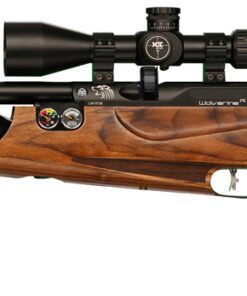
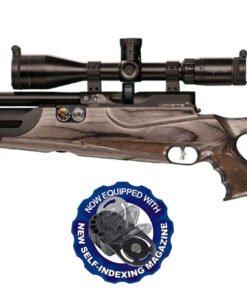
Air Rifles
Daystate Wolverine R High Power Regulated Side Lever
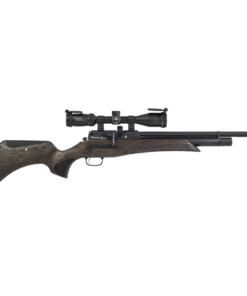
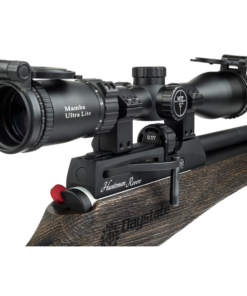
Air Rifles
Daystate Huntsman Revere Regulated Safari .22
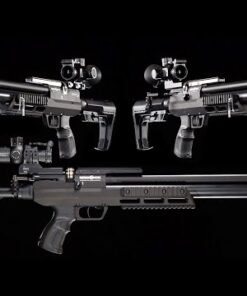
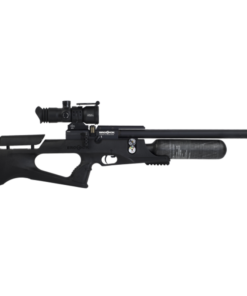
Air Rifles
Brocock Sniper XR .22
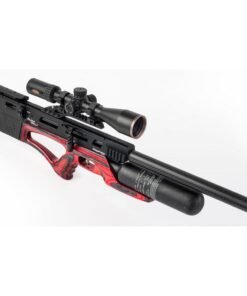
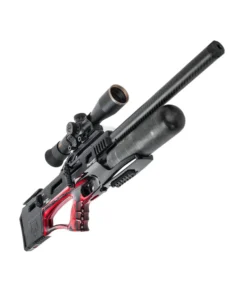
Air Rifles
Daystate Alpha Wolf Performance
Air Rifles
FX DRS Tactical 500 Airguns

PCP Rifles
Macavity Arms MA8 PCP Air Rifle
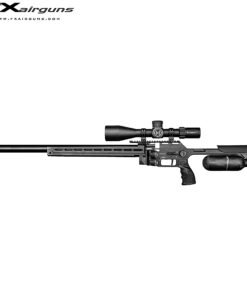

PCP Air Rifles
Reviews
There are no reviews yet.